Attractions and Places To See around Forlimpopoli - Top 20
Best attractions and places to see around Forlimpopoli include a blend of historical sites, cultural centers, and regional landscapes. Situated on the Romagna plain, the town is known for its rich history and culinary traditions. It is located near the Apennine hills and approximately 25 km from the Adriatic Sea, where the ancient Via Emilia meets the Bidente Valley. The area offers a variety of points of interest for visitors.
Best attractions and places to see around Forlimpopoli
- The most…
Last updated: August 29, 2026
Liberty Square, Bertinoro
Highlight • Settlement
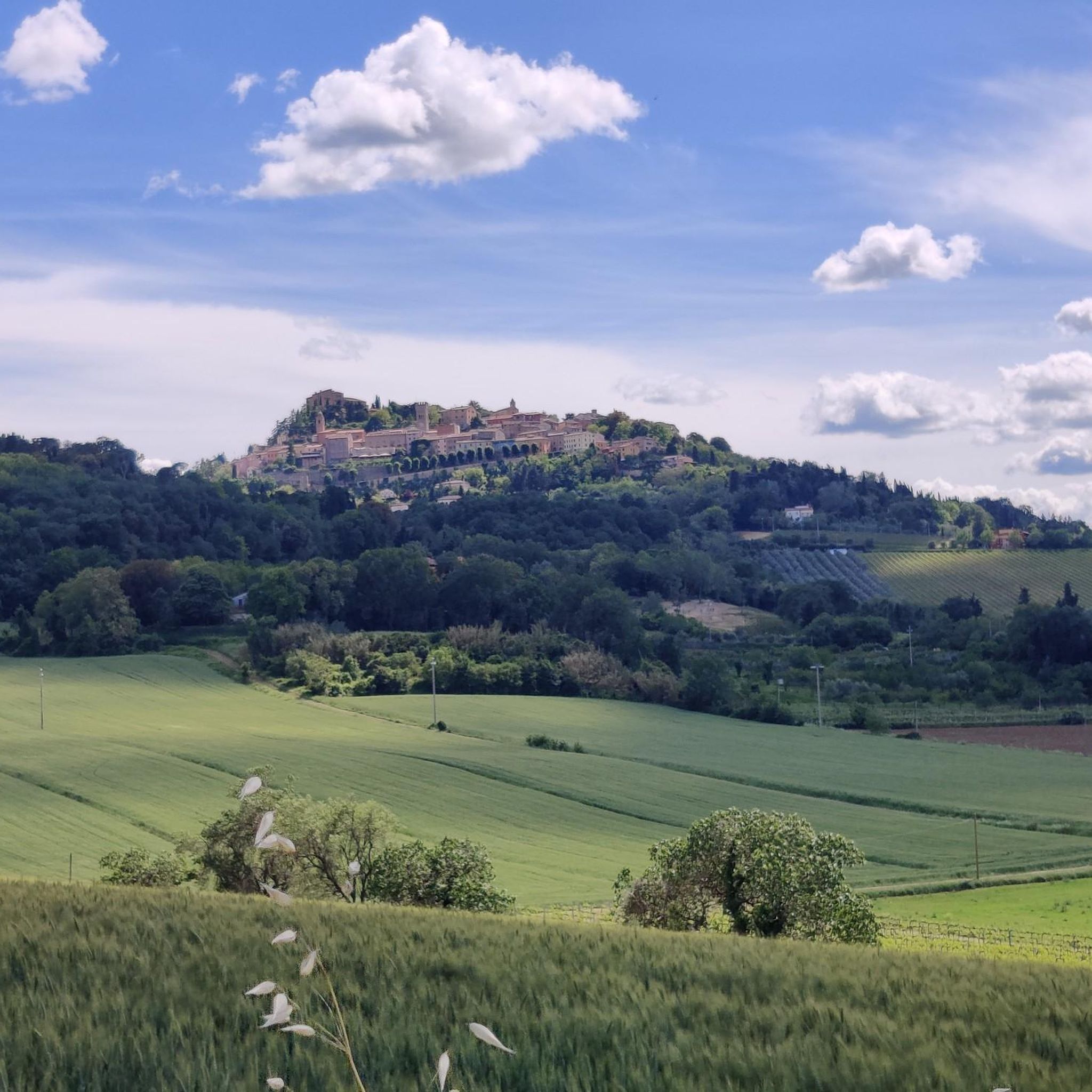
Small climb, narrow streets, great views from the square in front of the Palazzo Ordelaffi.
More information: de.wikipedia.org/wiki/Bertinoro
Translated by Google •
Tip by

Piazza del Popolo and the Masini Fountain, Cesena
Highlight • Historical Site
Translated by Google •
Tip by

Sign up now to discover places like this
Get recommendations on the best single tracks, peaks, & plenty of other exciting outdoor places.
Sign up for free
Rocca delle Caminate
Highlight • Castle
Translated by Google •
Tip by

Ladino Weir
Highlight • Monument
Translated by Google •
Tip by
Casticciano Sanctuary
Highlight • Religious Site
Translated by Google •
Tip by

Sign up for free to discover even more attractions around Forlimpopoli.
Sign up for free
Already have an account?
Start today with a free account
Your next adventure awaits.
Login or Signup

Other adventures around Forlimpopoli

Tips from the Community

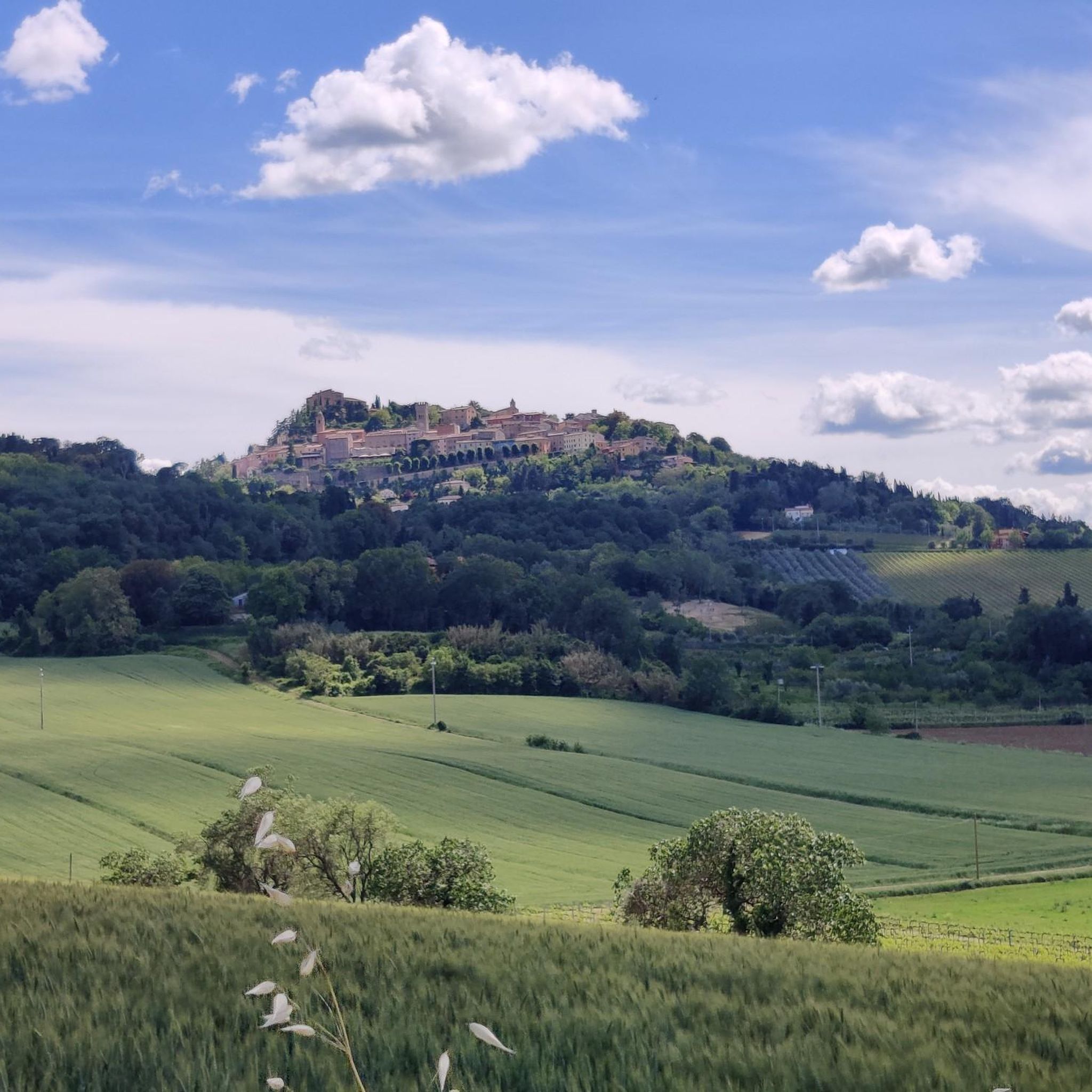
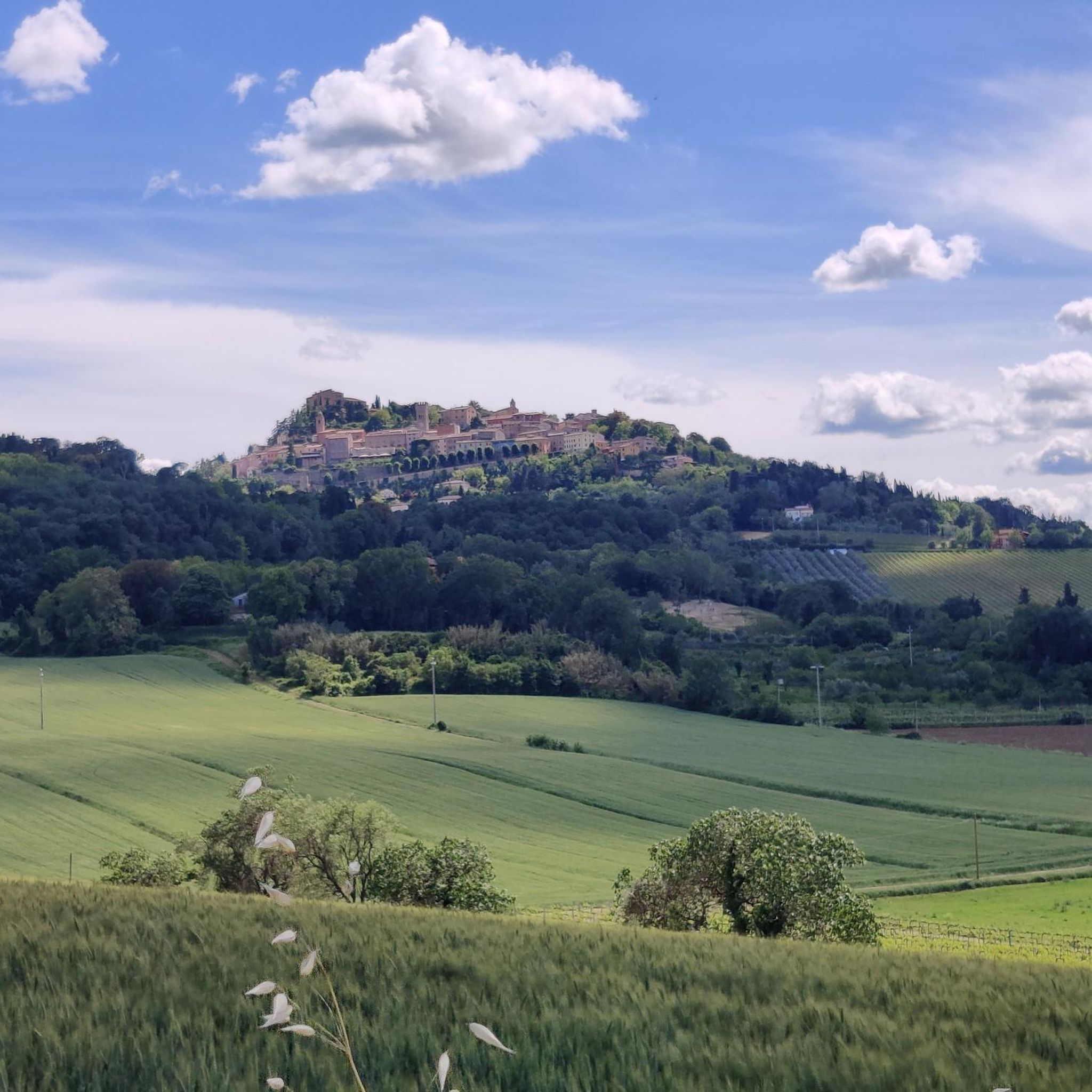
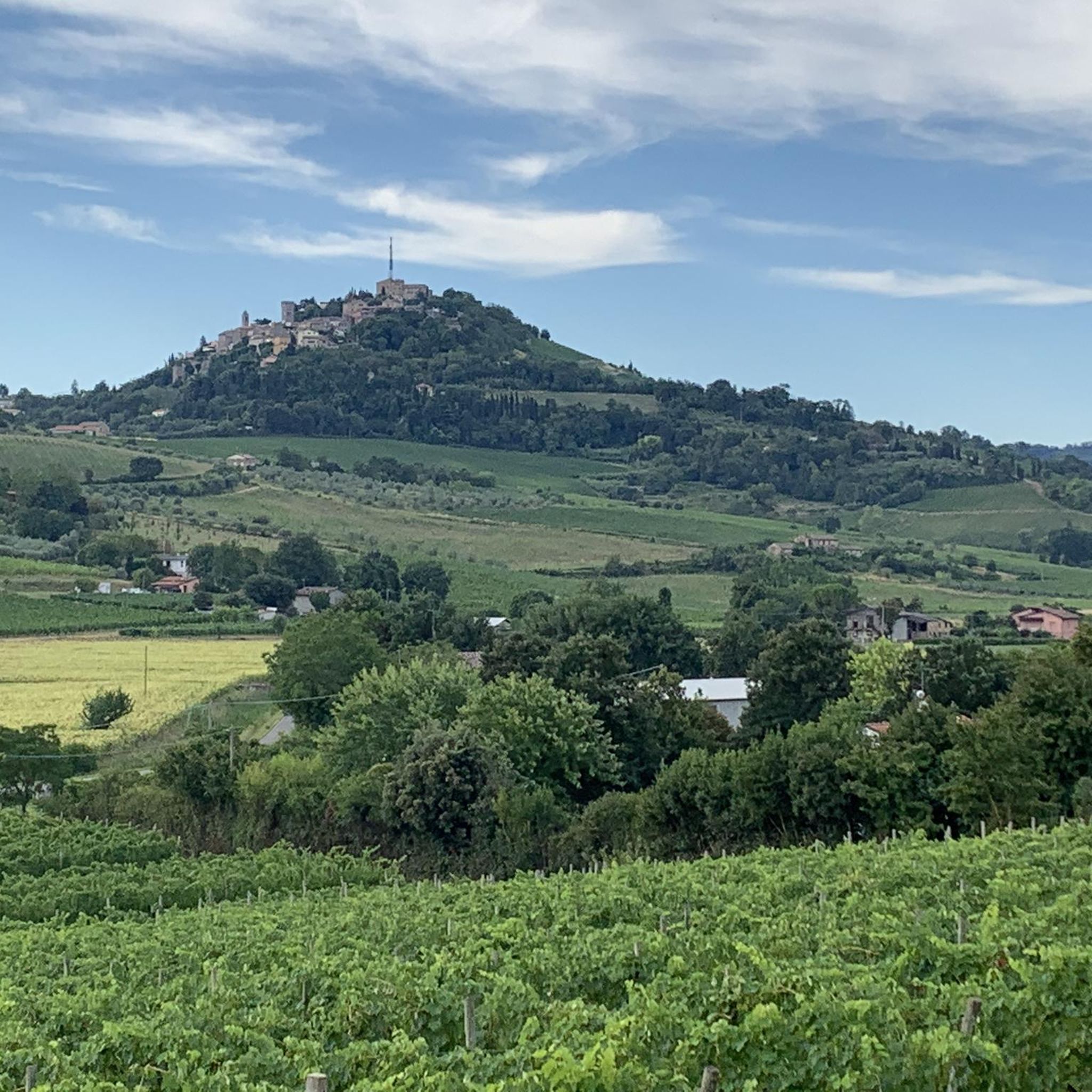
Situated at 400 metres above sea level on a tuff ridge between the valleys of the Rabbi and Bidente Ronco rivers, it is a destination to be conquered by all bikers. It can be reached from Meldola, Predappio or Forlì with various routes through vineyards and cultivated fields with breathtaking views and with sections of slopes of up to 14%.
0
0

The Chiusa di Ladino is an artificial dam that creates a waterfall with several pools of water. These pools are suitable for swimming in the summer, provided there is no extreme drought. The Chiusa di Ladino plays an important role in serving the Romiti canal.
0
0
Piazza del Popolo is the main square of Cesena, located in the historic city centre. The square is home to the town hall, the Rocchetta di Piazza and the Fontana Masini, a fountain from the late 16th century. The square is an important location for public events and markets, which take place every Wednesday and Saturday. Historically, the square was laid out in its current form around 1400 by Andrea Malatesta. The square has had several names over the years, and was given its current name after World War II.
1
0

Cesena wonderful old town
0
0

Unfortunately, following the flood of May 2023, much of the pedestrian cycle along the river, between Forlì (Urban Park) and Castrocaro (Park), is not accessible by bicycle or, with difficulty, on foot. The unusable section also includes the one facing the Ladino lock
0
0

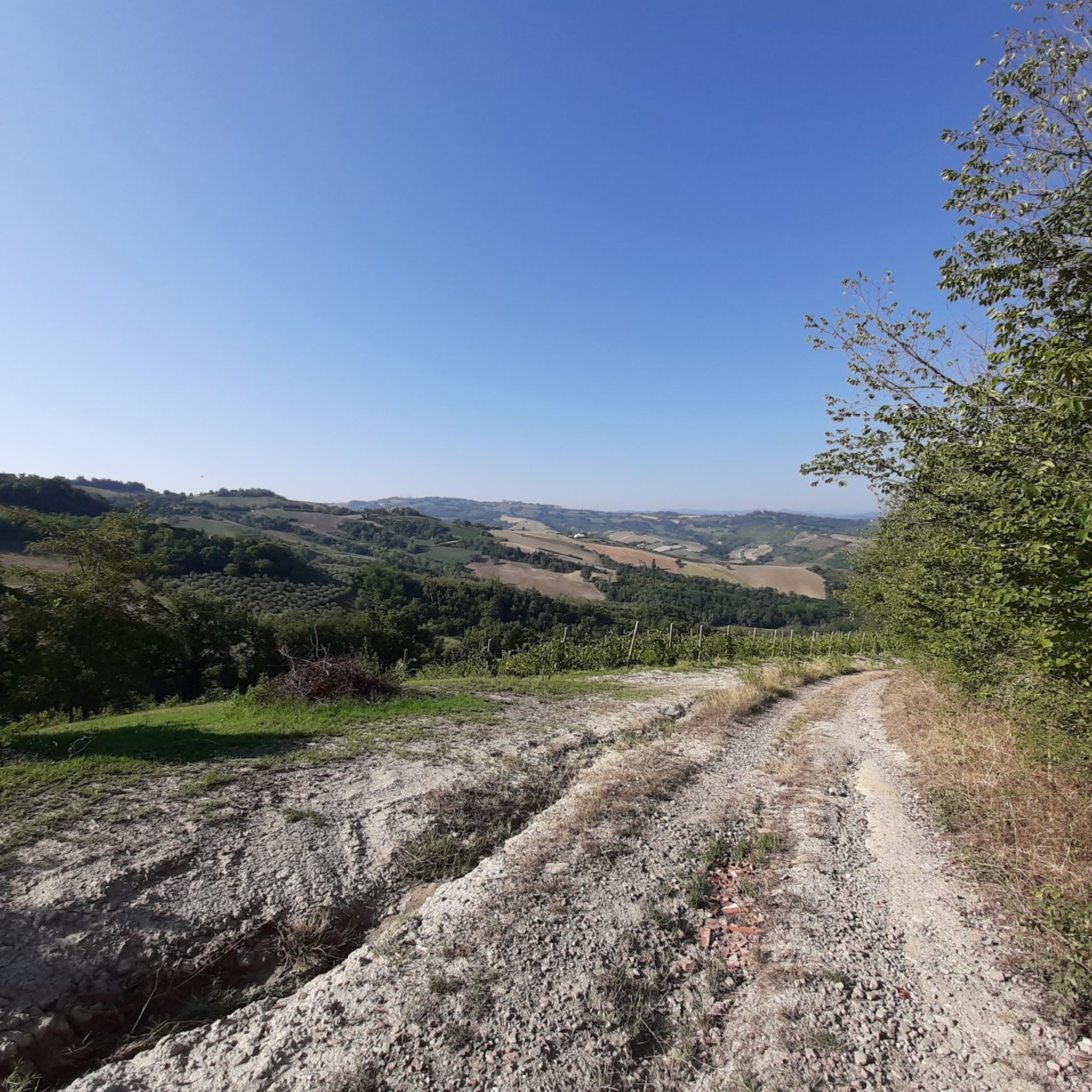
From Bertinoro to Fratta you take this "step"
0
0
A beautiful panoramic road
0
0

Frequently Asked Questions
What historical landmarks can I explore in Forlimpopoli and its surroundings?
Forlimpopoli is rich in history. You can visit the imposing 14th-century Rocca di Forlimpopoli, which houses the Town Hall and the "T. Aldini" Archaeological Museum. Other significant historical sites include the late 15th-century Sanctuary of Santa Maria delle Grazie di Fornò, known for its circular plan, and the Basilica of San Rufillo. Outside the immediate town, consider visiting Rocca delle Caminate, a castle offering panoramic views, or the historical Piazza del Popolo and the Masini Fountain in Cesena.
Are there any cultural centers or unique points of interest in Forlimpopoli?
Absolutely. Forlimpopoli is home to Casa Artusi, Italy's foremost gastronomic cultural center dedicated to Pellegrino Artusi, the "father of Italian gastronomy." It features a restaurant, library, museum, and a renowned cookery school. You can also find the "Scuola di Musica Popolare di Forlimpopoli," focusing on traditional folk music, and the historical Piazza Pompilio, built over the old Roman forum.
What are some family-friendly attractions in the Forlimpopoli area?
Families can enjoy several spots. Piazza del Popolo and the Masini Fountain in Cesena is a historical site that is also family-friendly and wheelchair accessible. Liberty Square, Bertinoro, a charming settlement in the hills, is another family-friendly option with great views. The Ladino Weir, a historical man-made monument on the river, also offers a pleasant setting for families.
Where can I find scenic viewpoints around Forlimpopoli?
For stunning views, head to Rocca delle Caminate, often called the "balcony of Romagna," which provides breathtaking panoramic views of the surrounding hills. Liberty Square, Bertinoro, located in front of the Palazzo Ordelaffi, also offers beautiful views, including glimpses of the Adriatic coast. The Casticciano Sanctuary is another historical site situated on a panoramic point.
What outdoor activities, like cycling or running, can I do near Forlimpopoli?
The area around Forlimpopoli offers various outdoor activities. For mountain biking, you can explore trails like the "Campo del Sole Descent – Bertinoro loop" or the "Parish Church of San Donato di Polenta – Bertinoro loop." Find more options on the MTB Trails around Forlimpopoli guide. If you prefer gravel biking, routes such as the "Montone Embankment – San Marco Lock loop" are available; check the Gravel biking around Forlimpopoli guide. For runners, there are trails like the "Rocca di Forlimpopoli – Casticciano Sanctuary loop"; see the Running Trails around Forlimpopoli guide for details.
Are there any unique architectural sites to see in Forlimpopoli?
Beyond the medieval Rocca, Forlimpopoli features interesting examples of rationalist architecture. The Former GIL Building (ex GIL), constructed between 1934-1937, is a notable example, originally built for youth physical education. Another restored rationalist structure is the Spinadello Aqueduct (Former Pumping Station), dating from 1932-1937, which is immersed in a nature park.
What events or celebrations take place in Forlimpopoli?
Forlimpopoli hosts two significant annual events. The Festa Artusiana, held at the end of June, is a week-long celebration of Pellegrino Artusi, featuring tastings, literary meetings, and culinary events. In mid-Lent, the town celebrates Segavecchia, a traditional event with a Carnival parade, food stalls, a funfair, and musical performances.
What do visitors particularly enjoy about the attractions near Forlimpopoli?
Visitors frequently praise the panoramic views from places like Rocca delle Caminate, often describing them as breathtaking. The charm of small towns like Bertinoro, with its narrow streets and views from Liberty Square, is also highly appreciated. Many enjoy the historical significance and vibrant atmosphere of main squares like Piazza del Popolo in Cesena.
Is Forlimpopoli known for any specific culinary traditions?
Yes, Forlimpopoli is deeply connected to culinary traditions, primarily through Pellegrino Artusi, a native of the town and author of one of Italy's most influential cookbooks. Casa Artusi is dedicated to preserving and promoting home cooking and gastronomic culture, offering a unique immersive culinary experience with its restaurant, library, museum, and cookery school.
Are there any religious sites of interest in the area?
Forlimpopoli and its surroundings feature several significant religious sites. The Sanctuary of Santa Maria delle Grazie di Fornò, a late 15th-century church with a notable circular plan, is located just outside the town. Within Forlimpopoli, you can visit the Basilica of San Rufillo and the Chiesa dei Servi, which houses valuable paintings. Additionally, the Casticciano Sanctuary is a historical religious building situated on a panoramic point.
What is the best time of year to visit Forlimpopoli for sightseeing and outdoor activities?
For sightseeing and outdoor activities, spring (April-May) and autumn (September-October) are generally ideal. The weather is pleasant, making it comfortable for exploring historical sites, cultural centers, and enjoying cycling or running trails. Summer (June-August) can be warm, especially for strenuous outdoor activities, but it's also when events like the Festa Artusiana take place.
Can I find any natural features or landscapes near Forlimpopoli?
While Forlimpopoli itself is on the Romagna plain, its location at the foot of the Apennine hills and approximately 25 km from the Adriatic Sea means scenic regional landscapes are accessible. The Ladino Weir, a man-made monument on a river, offers a connection to the local waterways and natural surroundings. The broader area provides views and opportunities to experience the transition from plain to hills.
Most popular routes around Forlimpopoli
Most popular attractions around Forlimpopoli

Get inspired with the komoot mobile app


Explore more
Still not found the Highlight you’re looking for? See guides of the top attractions in other regions:
