The best road cycling routes around Careggine
4.3
(151)
4,022
riders
74
rides
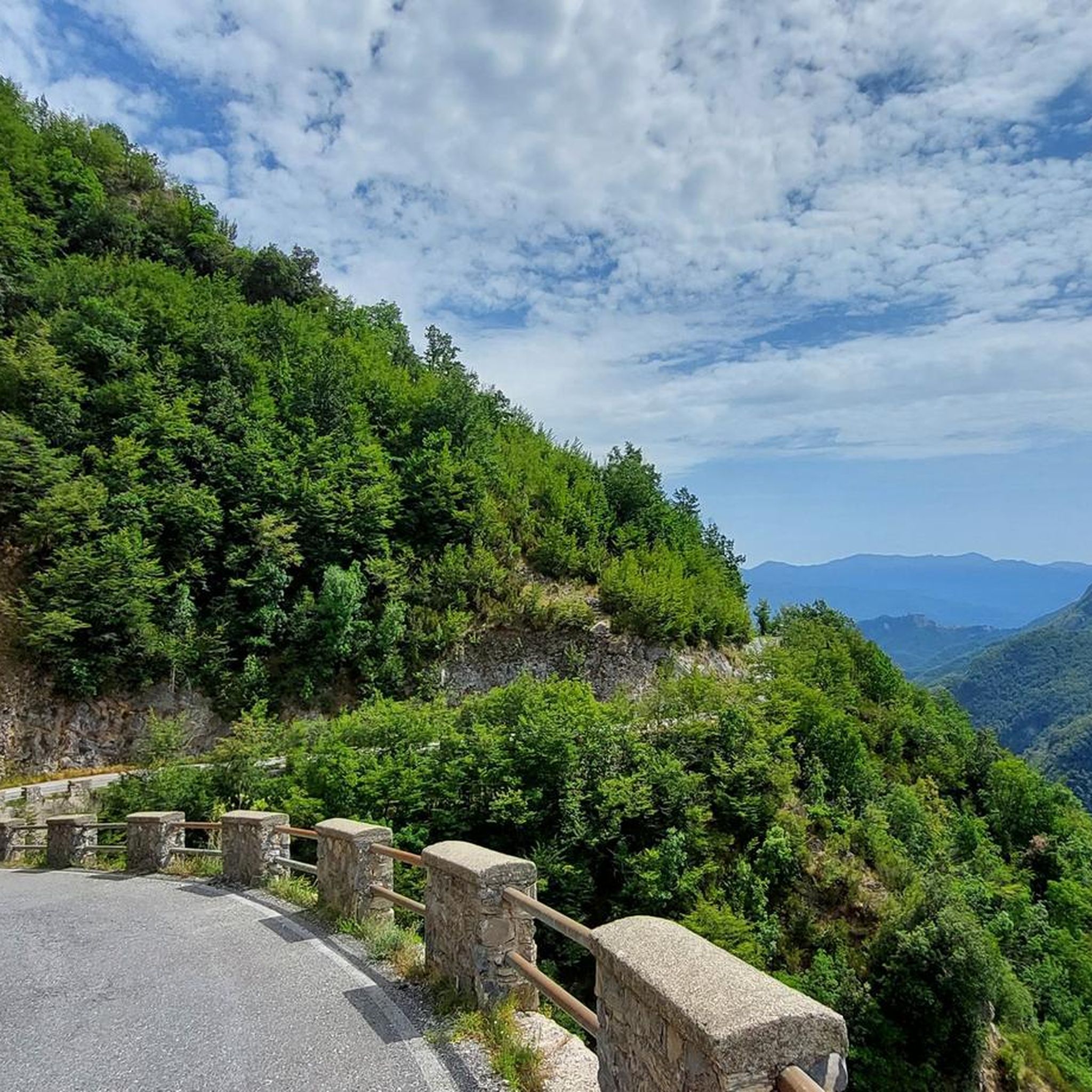
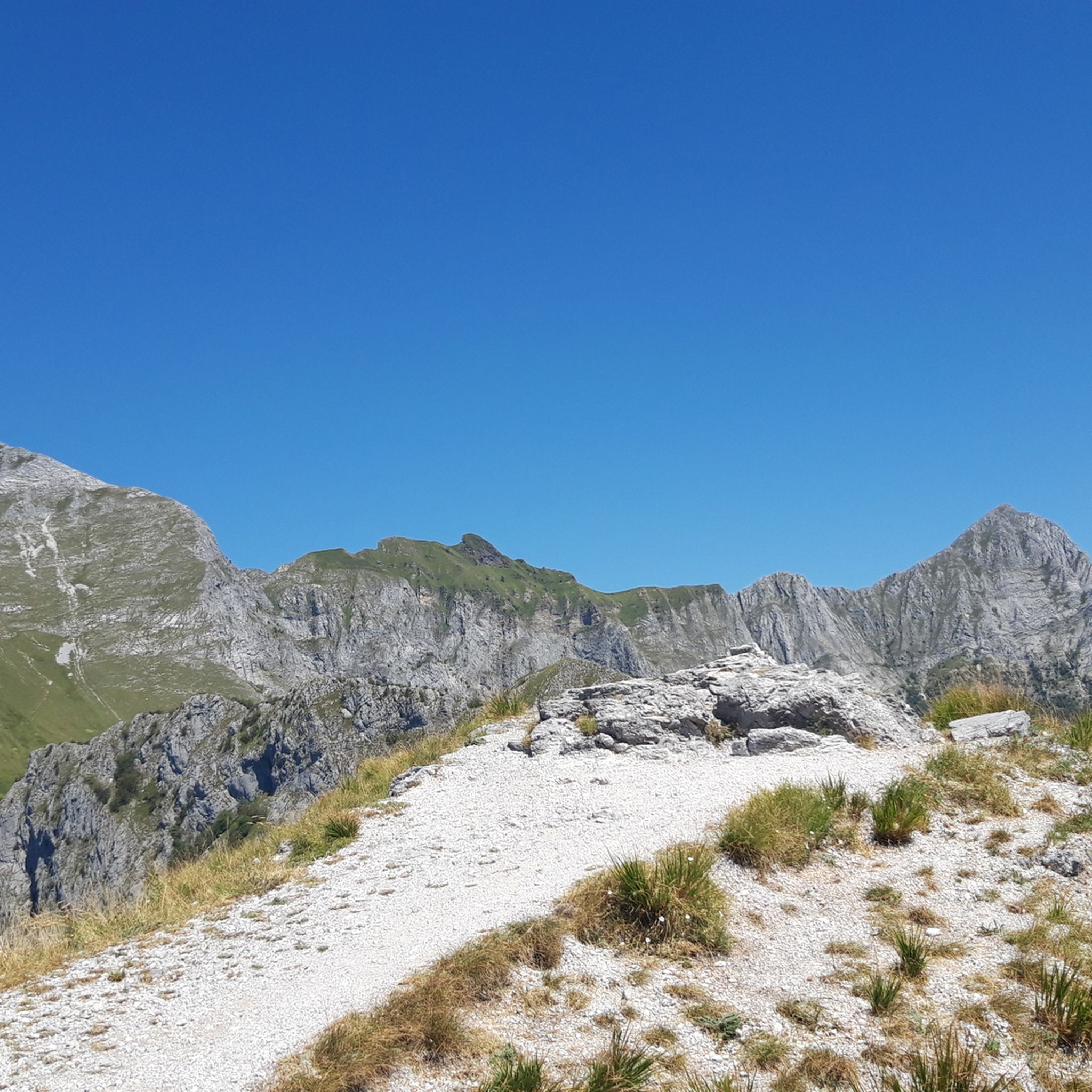
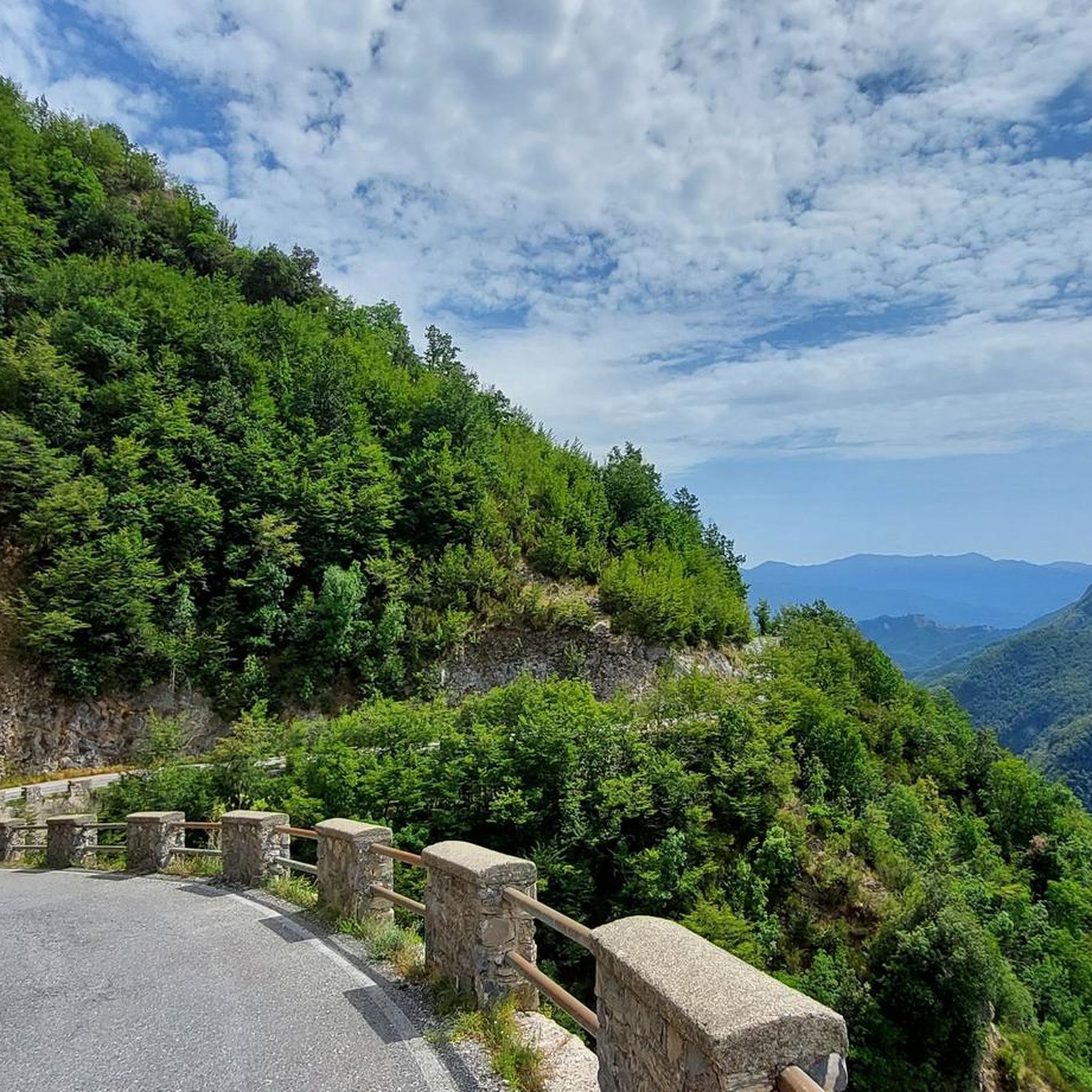
Road cycling around Careggine is characterized by its mountainous terrain within the Garfagnana region of Tuscany. The area features constant elevation changes, with routes traversing the slopes of Monte Sumbra and offering views of the Apuan Alps Park. Cyclists encounter a landscape of forests, meadows, and lakes, including Lake Vagli and the artificial Lake Isola Santa. Winding municipal roads connect small villages built on hilltops, providing varied cycling experiences with significant climbing opportunities.
Best road cycling routes around Careggine
- The most popular road cycling route is Tour of the Garfagnana Lakes, a 48.7 miles (78.4 km) difficult trail that takes 4 hours 46 minutes to complete. This route offers extensive climbs through the region's notable lake districts and valleys.
- Another top favourite among local road cyclists is Garfagnana Lakes Loop, a difficult 31.6 miles (50.9 km) path. This loop provides scenic views of the Garfagnana lakes and surrounding mountainous landscapes.
- Local road cyclists also love the Castelnuovo di Garfagnana – Lake Gramolazzo loop from Poggio-Careggine-Vagli, a 49.8 miles (80.1 km) trail leading through diverse terrain with significant elevation gain, often completed in about 4 hours 51 minutes.
- Road cycling around Careggine is defined by mountainous terrain, deep valleys, and picturesque lakes. The network offers options for both moderate and difficult ability levels, with gradients reaching up to 18%.
- The routes in Careggine are highly rated by the komoot community with an average score of 4.2 stars from over 100 reviews. More than 3000 road cyclists have used komoot to explore Careggine's varied terrain.
Last updated: July 13, 2026
5.0
(2)
155
riders
78.4km
04:46
2,090m
2,080m
Hard road ride. Very good fitness required. Some segments of this route may be unpaved and difficult to ride.
46
riders
50.9km
03:12
1,480m
1,480m
Hard road ride. Very good fitness required. Some segments of this route may be unpaved and difficult to ride.

Sign up for free
4.1
(9)
202
riders
109km
05:16
1,440m
1,440m
Hard road ride. Very good fitness required. Mostly well-paved surfaces and easy to ride.
4.0
(1)
142
riders
88.6km
05:36
2,510m
2,510m
Hard road ride. Very good fitness required. Mostly well-paved surfaces and easy to ride.
4.0
(10)
129
riders
Moderate road ride. Good fitness required. Mostly well-paved surfaces and easy to ride.
Get access to more routes and recommendations from other explorers.
Sign up for free
Already have an account?
Our route recommendations are based on thousands of hikes, rides, and runs completed by other people on komoot.
Start today with a free account
Your next adventure awaits.
Login or Signup


Tips from the Community

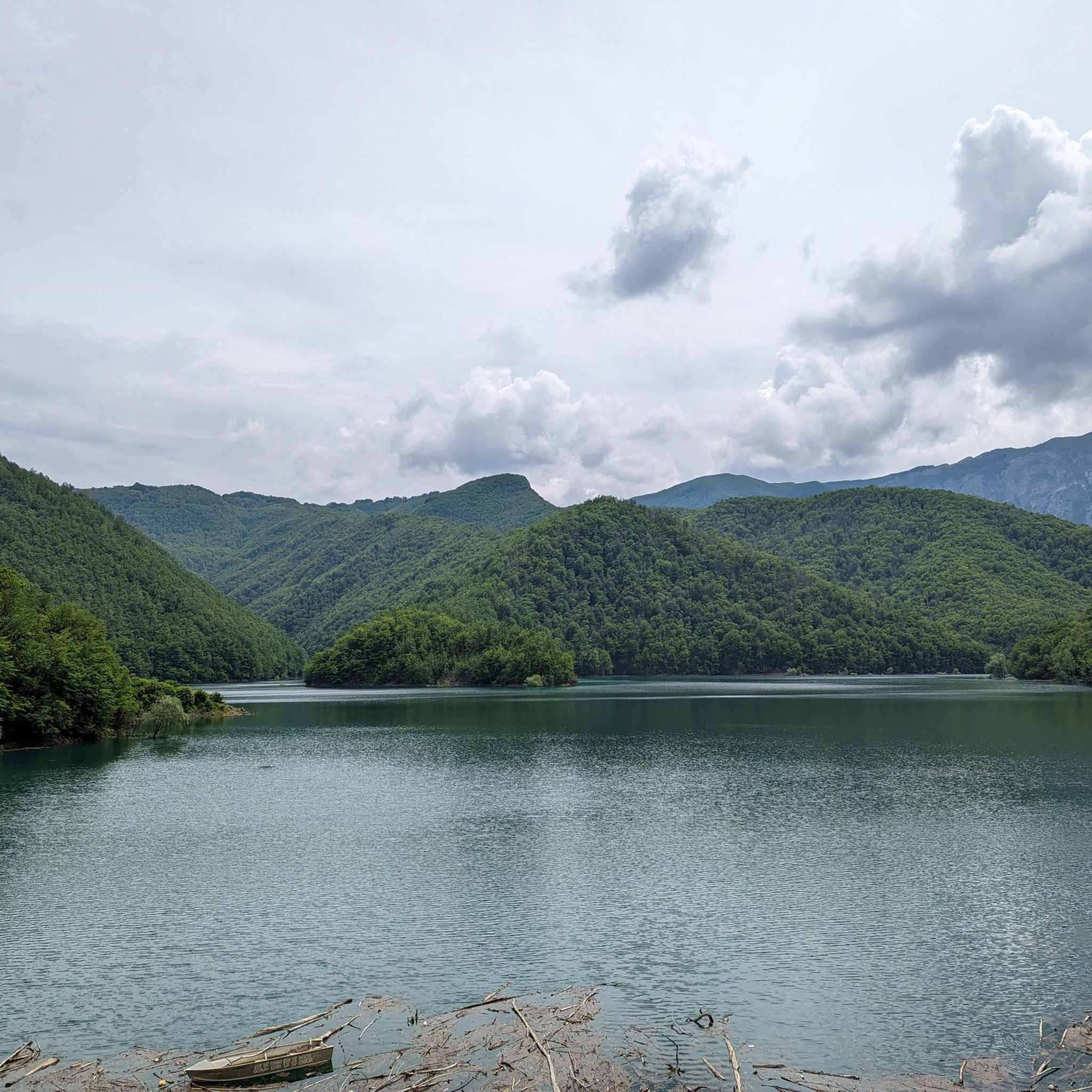
The lake of Gramolazzo is a lake in the Apuan Alps located near the homonymous village in the municipality of Minucciano. Of artificial origin, it was created in the second half of the 1900s, together with the lake of Vagli by SELT Valdarno for the hydroelectric use of the Serchio river and its tributaries. The lake, which has a surface area of one square kilometer and a volume of 3.8 million cubic meters, has both the Serchio di Gramolazzo as its inflow and outflow, one of the two branches that, joining near Piazza al Serchio, form the Tuscan river. Another important stream that flows into the lake is the Acqua Bianca stream, which coming from Mount Pisanino crosses the village of Gorfigliano. A large part of the water, however, is fed through a channel on the left bank, near the dam, which with a maximum flow rate of 20 cubic meters per second discharges the waters captured from the Serchio into the Sillano valley. The waters of the lake of Gramolazzo feed the Fabbriche power plant which in turn discharges them into the lake of Vagli.
0
0

The place is cool and quiet during the week. Canoe rentals are available for lake excursions.
0
0

Ponte della Maddalena, or Ponte del Diavolo, is one of those places that will leave you speechless. It is located in Borgo a Mozzano and is truly unique with its very high arch and slightly crooked shape that makes it different from any other medieval bridge. It is absolutely worth stopping: the atmosphere is special. Crossing it on foot is an experience, and if you are on a bike, be careful of the stone section that can be slippery. There is also a bar nearby with a beautiful view of the bridge, perfect for a break before getting back on the road.
2
0

% But - according to legend - once the bridge was completed, the man devised a clever trick to deceive the devil: he made a cat cross the bridge in his place. Thus the devil had to go away mocked.
1
0

In the beautiful Garfagnana region, between the famous Tuscan towns of Lucca and Barga, lies the Ponte della Maddalena (Devil's Bridge) next to the picturesque village of Borgo a Mozzano. Built over the river Serchio, the Ponte della Maddalena is not only one of the most beautiful bridges in the region to see. It is also a bridge with a long history full of special legends, the first stories of which date back to the 11th century. Nobody knows exactly when the construction of this impressive bridge began. It probably happened around the year 1100, on the orders of Matilda di Canossa. The first legend surrounding the bridge originated from this period and it was given its nickname the 'Devil's Bridge'. In Italian it is also called Ponte del Diavolo. Around that time, a man named Saint Julian was working on the construction. Because the work was hard and slow, he decided to make a pact with the devil. The devil would finish the bridge in one night, in exchange for the soul of the first living creature to cross the bridge. This happened, only Saint Julian made sure that it was a dog that crossed the bridge first and not a human. It seems that the devil is still furious today… Source: https://www.toscanetips.nl/blog/ponte-della-maddalena-bezoeken
2
1
Castelnuovo di Garfagnana - Tea Time Sunday, the locals in the new castle are also enjoying the peace. The apostles Peter and Paul invite us into the shade of their modest prayer house (Parrocchia Abbaziale dei SS. Apostoli Pietro e Paolo). The holy water is bubbling… The tea ceremony is a feast for the eyes when the tea bag changes the water in color and scent. After a short toast we bring comfort to Don Quixote. Seated on his horse Rocinate at Rocca Ariostesca, (old city gate) he continues his battle alone… Wandering further through the empty alleys and streets, students in Teatro Alfieri manage to entertain us with a matinée. Students put their best foot forward while fellow students, with crossed fingers, encourage the main character. Exam passed It was nice to be in the new castle during our tea time. Read more experiences? Click through to https://www.komoot.com/en-gb/collection/2195535/-visit-italy-2023-regio-massa-carrara-lucca
2
0

View of the city Vagli Sotto of the suspended bridge
0
0
Ponte sosposo (suspension bridge)
0
0
Frequently Asked Questions
How many road cycling routes are available around Careggine?
There are over 75 road cycling routes around Careggine, offering a wide range of options for cyclists. These include 35 moderate and 43 difficult routes, catering to various fitness levels.
What is the terrain like for road cycling in Careggine?
Road cycling around Careggine is characterized by its mountainous terrain within the Garfagnana region of Tuscany. You can expect constant elevation changes, with routes traversing the slopes of Monte Sumbra and offering views of the Apuan Alps Park. Some routes feature gradients as steep as 18%, providing significant climbing opportunities. The winding municipal roads connect small villages, offering a varied cycling experience.
What notable landmarks or natural features can I see while road cycling in Careggine?
While cycling, you can enjoy breathtaking panoramas of the surrounding mountains, valleys, rivers, and lakes, including the striking Lake Vagli and the artificial Lake Isola Santa. The Monte Forato Natural Arch is a distinctive natural monument visible from nearby peaks. You might also pass by the Passo del Vestito, offering stunning views.
Are there any historical villages to explore along the routes?
Yes, many routes pass through charming historical villages. You can ride through and explore numerous small, historic villages like Isola Santa, Ceserana, Lupinaia, Fosciandora, Migliano, Fiattone, Perpoli, and Castiglione di Garfagnana. These villages often feature ancient fortresses and Romanesque churches, such as the Castelnuovo di Garfagnana, offering cultural insights alongside your ride.
Are there any circular road cycling routes in Careggine?
Yes, Careggine offers several excellent circular routes. For example, the Garfagnana Lakes Loop is a popular difficult 50.9 km path providing scenic views. Another option is the Castelnuovo di Garfagnana – Lake Gramolazzo loop from Poggio-Careggine-Vagli, a challenging 80.1 km trail through diverse terrain.
What do other road cyclists enjoy most about road cycling in Careggine?
The area is highly rated by the komoot community, with an average score of 4.2 stars from over 100 reviews. Road cyclists often praise the extensive climbs through the region's notable lake districts and valleys, the scenic views of the Garfagnana lakes, and the quiet, winding roads that connect picturesque villages.
Are the roads generally quiet for cycling in Careggine?
Yes, the roads in the Garfagnana region, including Careggine, are generally quiet. This allows for an immersive cycling experience through natural beauty and historic settings, often with glimpses of wooded hills and local wildlife.
Is parking available for cyclists in Careggine?
While specific dedicated cyclist parking areas are not detailed, Careggine is a small municipality, and public parking is typically available in or near the village centers. It's advisable to check local signage upon arrival for the most suitable spots.
Can I use public transport with my bike in Careggine?
Information regarding public transport options specifically accommodating bikes in Careggine is limited. Given the mountainous and rural nature of the region, public transport might be less frequent and less equipped for bikes compared to larger urban areas. It's recommended to plan your routes with this in mind.
Are there any permits required for road cycling in Careggine?
Generally, no specific permits are required for road cycling on public roads in Careggine or the surrounding Garfagnana region. However, if you plan to venture into specific protected areas or private lands, it's always wise to check for any local regulations.
Are there family-friendly road cycling routes in Careggine?
Careggine's terrain is predominantly mountainous with significant elevation changes, making most road cycling routes moderate to difficult. While there are no routes specifically categorized as 'easy' in the guide data, families with older, experienced cyclists might find some of the moderate routes manageable, but should be prepared for climbs.
What is the best time of year for road cycling in Careggine?
The region offers year-round outdoor activities, but for road cycling, spring and autumn generally provide the most pleasant weather with milder temperatures and beautiful scenery. Summer can be warm, especially on climbs, while winter might see snow at higher elevations, making it more suitable for winter sports.
Most popular routes around Careggine
Most popular attractions around Careggine

Get inspired with the komoot mobile app


Explore more
Browse the best Road cycling routes in other regions.
