The best road cycling routes around Bastia Umbra
4.5
(209)
6,699
riders
87
rides
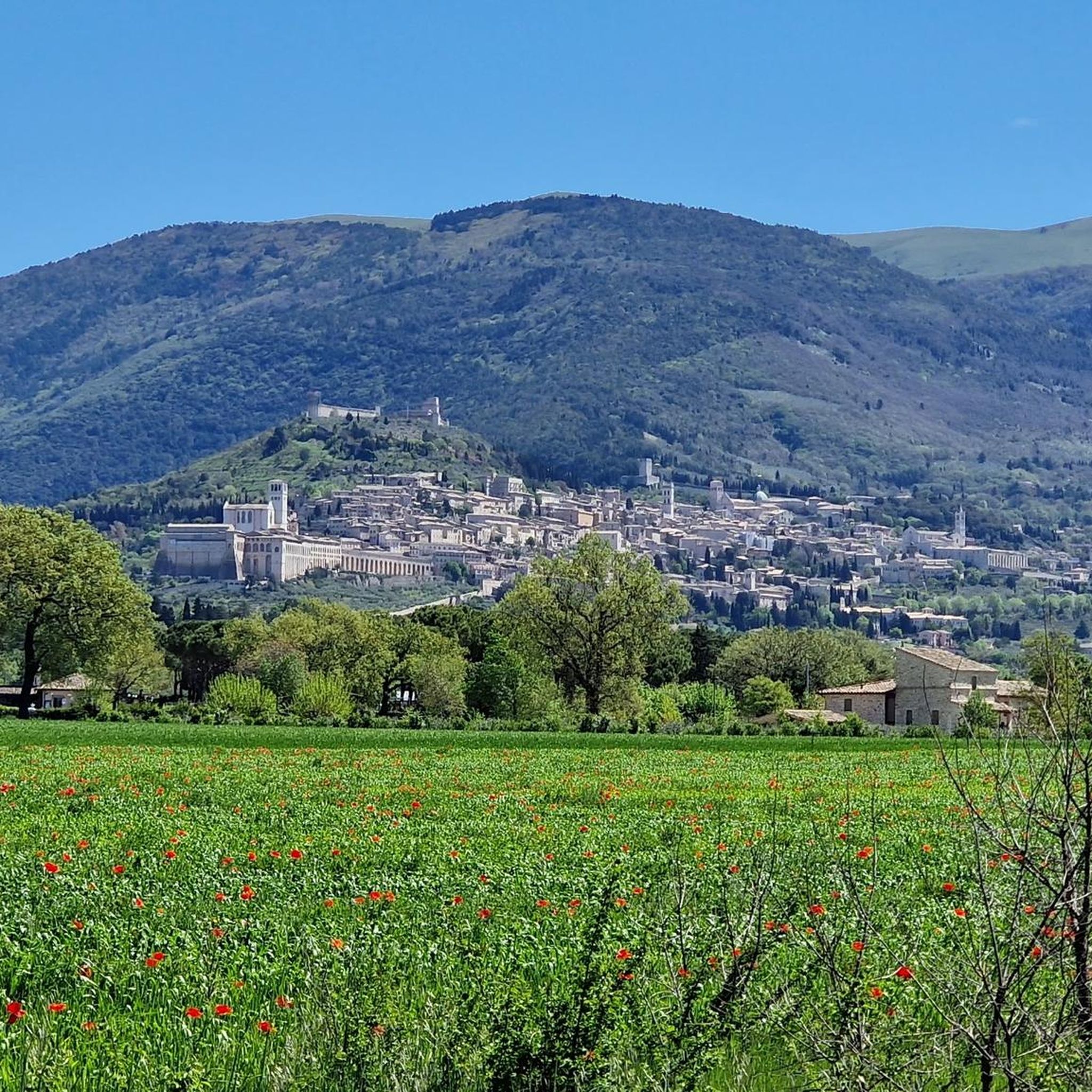
Road cycling routes around Bastia Umbra traverse the heart of Umbria, Italy, characterized by rolling hills, picturesque valleys, and expansive plains. The region offers a diverse landscape with both flat sections along riverbanks and more challenging climbs through the countryside. Cyclists can experience varied elevations, from gentle gradients to more demanding ascents, often with views of historic towns.
Best road cycling routes around Bastia Umbra
- The most popular road cycling route is Basilica of Saint Francis – Porta Nuova (Assisi)…
Last updated: October 11, 2026
4.5
(2)
153
riders
70.6km
03:24
980m
980m
Hard road ride. Very good fitness required. Mostly well-paved surfaces and easy to ride.
4.8
(6)
147
riders
62.8km
02:32
240m
240m
Moderate road ride. Good fitness required. Mostly well-paved surfaces and easy to ride.

4.5
(2)
88
riders
Moderate road ride. Good fitness required. Mostly well-paved surfaces and easy to ride.
4.5
(2)
85
riders
83.7km
03:39
730m
730m
Moderate road ride. Good fitness required. Mostly well-paved surfaces and easy to ride.
4.7
(3)
74
riders
61.7km
02:43
560m
560m
Moderate road ride. Good fitness required. Mostly well-paved surfaces and easy to ride.
Get access to more routes and recommendations from other explorers.
Already have an account?
Our route recommendations are based on thousands of hikes, rides, and runs completed by other people on komoot.
Start today with a free account
Your next adventure awaits.
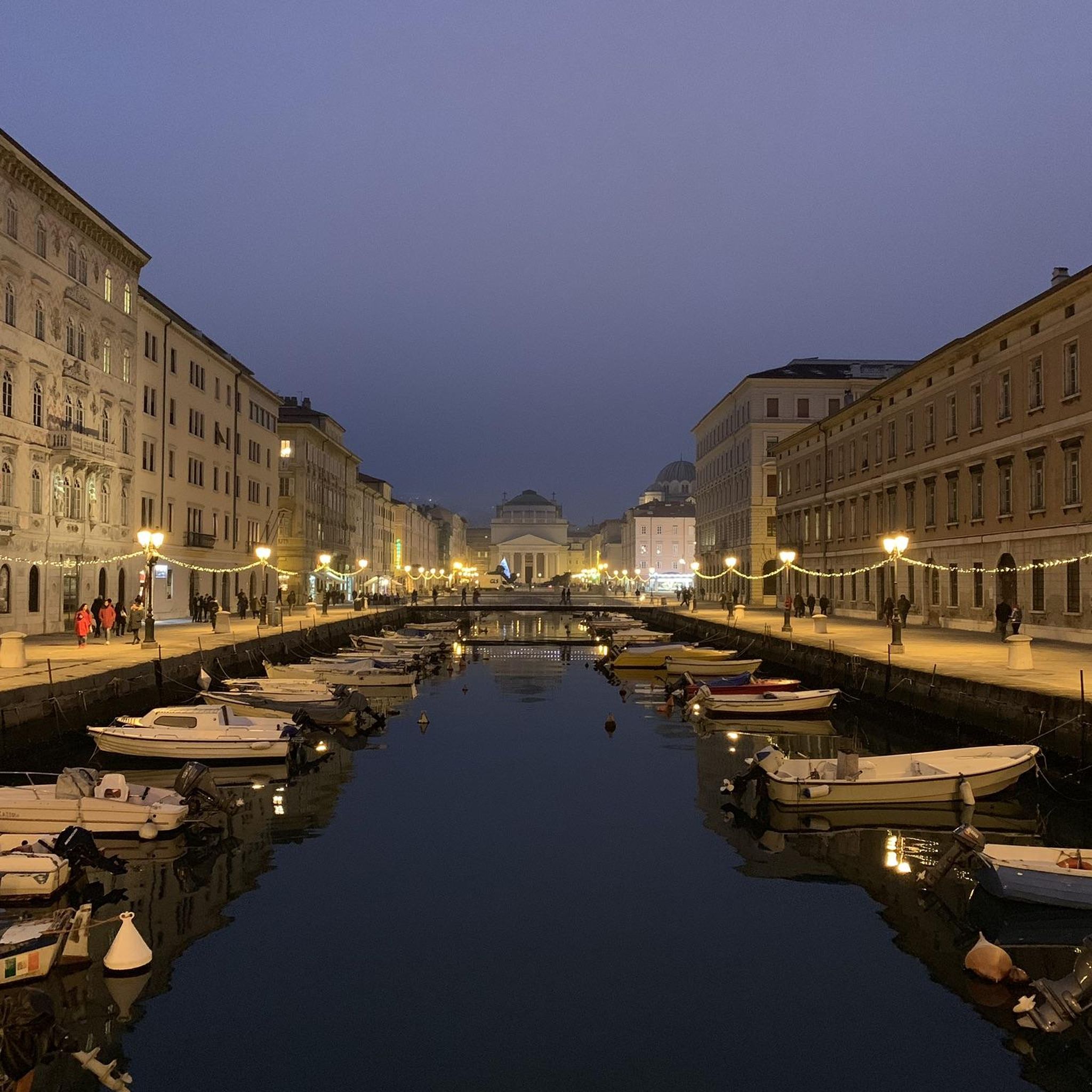
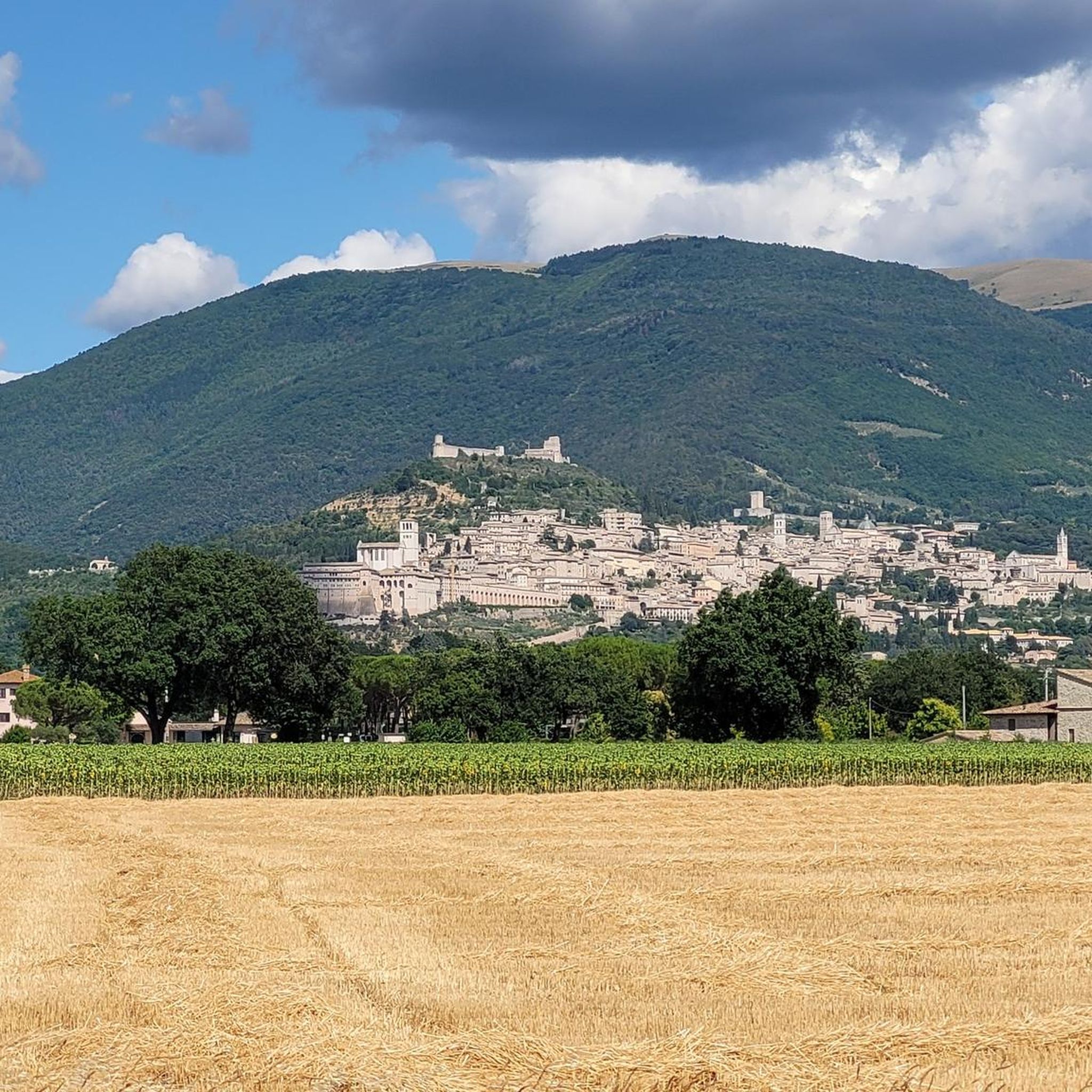
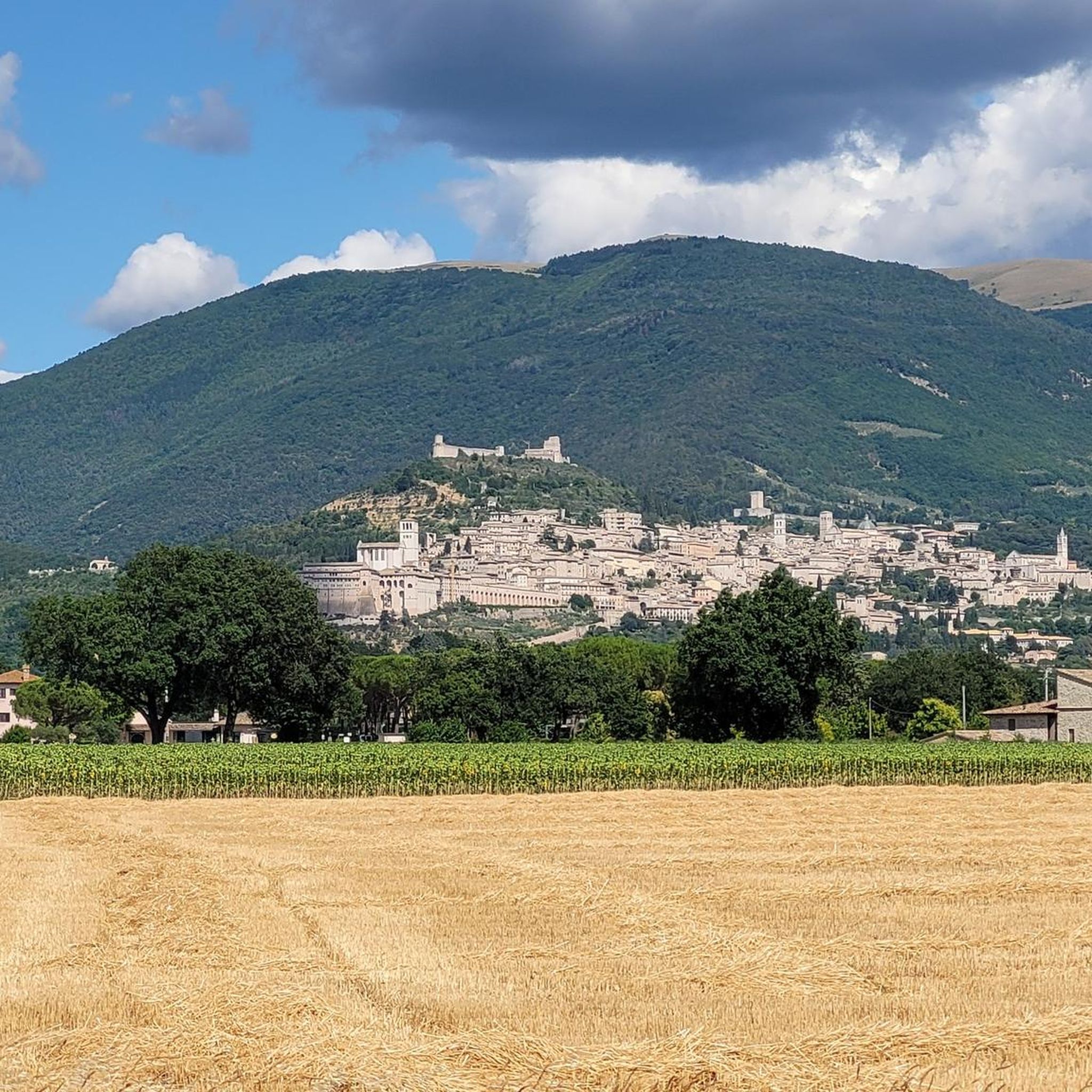
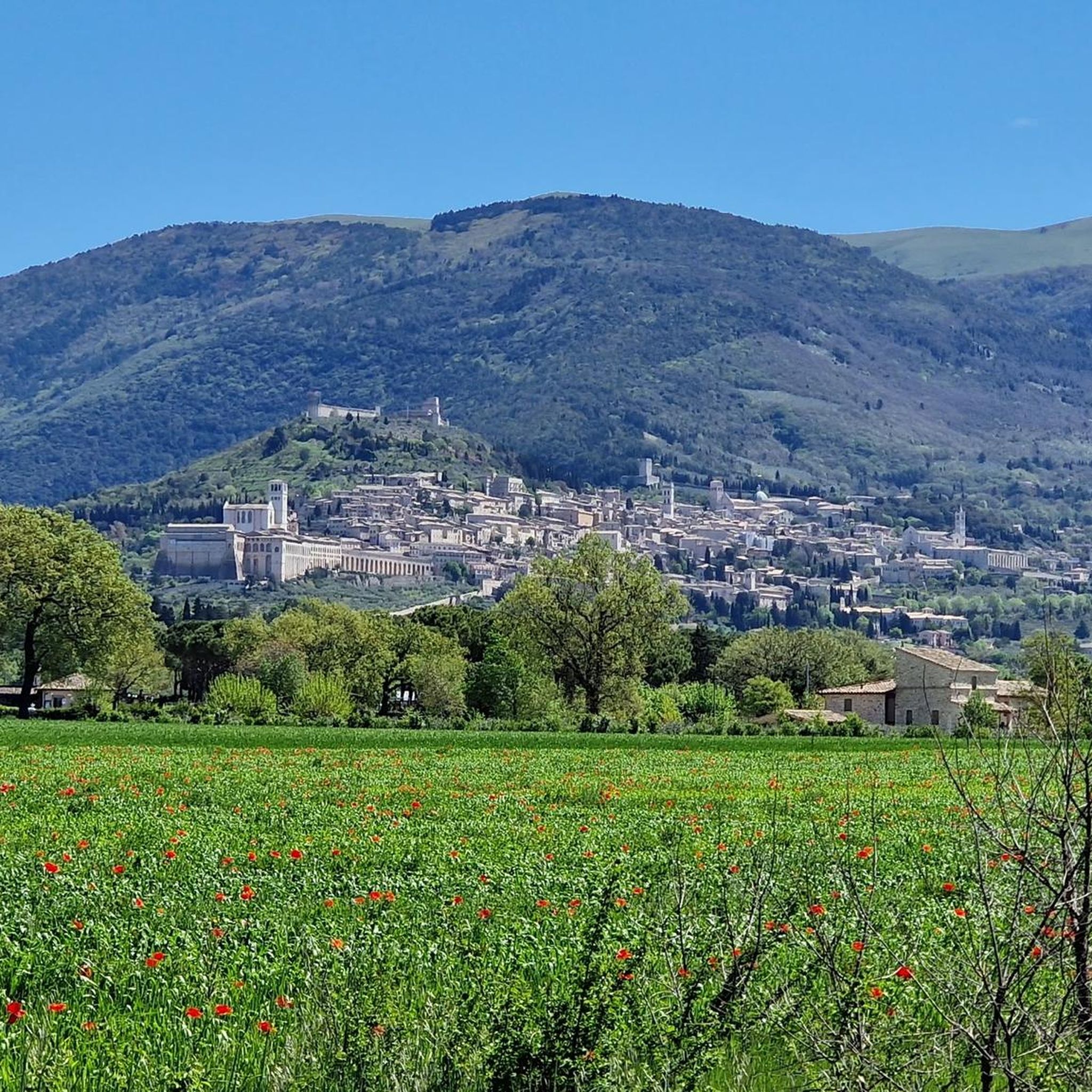
Tips from the Community


Monte Corona Abbey has a bell tower, which also served defensive purposes in the past. The clock was installed later and restored in 1992. Unlike other "clock towers," such as those in other villages, the abbey's bell tower has not been specifically described as a free-standing clock tower with a primary function, but rather as an integrated bell tower with historical defensive functions.
1
0

Spello's historic center is an elegant and well-preserved medieval village. It's definitely worth a visit.
0
0


Memory of the Renaissance Baglioni family
0
0
Villa Fidelia stands on a sacred complex of the classical era, it seems to have origins dating back to the 4th century AD, a place to celebrate scenic games and gladiators. Decayed after the barbarian invasions, with the 16th century the Urbani occupied the area of the ancient sanctuary and decided to build a "Villa". Villa Fidelia over the centuries has undergone profound modifications, renovations and expansions based also on the various changes of ownership, until it had its current conformation, which should date back to the mid 1800s. In addition to the main building, the baroque garden is also worth admiring.
0
0

Basilica of Santa Maria degli Angeli The small chapel of Santa Maria degli Angeli alla Porziuncola, still completely preserved inside the basilica, was, according to tradition, built by four soldiers returning from the Holy War in the wooded plain below Assisi, known as the Cerretto della Porziuncola. They brought a piece of the Madonna's tombstone with them. There, on certain autumn days, the strong wind that blew every cloud from the sky and through the leaves seemed similar to the song of angels. The chapel was administered by the Benedictine monks of the monastery of Santa Benedetto al Subasio since the 10th century. This place would probably have been completely forgotten if the paths of Francis and Clare had not led there. Thanks to them, we find the Porziuncola intact today, just as it was a good 1,000 years ago. But instead of the noisy thicket, there is now a large basilica, built between the 16th and 17th centuries, which envelops and protects the chapel like a caring mother. This view from within the building makes the chapel seem even smaller, almost impossibly small. The church was given to the poor saint by the aforementioned Benedictine monks to establish the headquarters of the newly founded Franciscan order. When Francis first came here, the church was in disrepair, and according to his saintly legend, he dedicated the third year after his conversion exclusively to the renovation of the small chapel. It was here, while reading the Gospel, that he realized that his mission was not to restore dilapidated religious buildings, but to rebuild and preach the entire Kingdom of God by living in poverty, penance, and simplicity. From here, Francis and his confreres set out to spread his message throughout Italy, and here they returned again and again. One night in 1211, a desperate and frightened Chiara d'Offreduccio, who had fled her home and her aristocratic family, knocked on the doors of Porciuncola. Text / Source: Exploring-Umbria.com https://www.exploring-umbria.com/de/entdecke-assisi/sehenswuerdigkeiten-in-assisi/basilica-santa-maria-degli-angeli-in-porziuncolabasilika-zu-unserer-lieben-frau-von-den-engeln/
14
0
Frequently Asked Questions
How many road cycling routes are available around Bastia Umbra?
There are over 80 road cycling routes around Bastia Umbra, catering to various skill levels. This includes 18 easy routes, 41 moderate routes, and 23 more challenging options.
What kind of terrain can I expect when road cycling near Bastia Umbra?
The region around Bastia Umbra offers a diverse landscape for road cycling. You'll find a mix of rolling hills and picturesque valleys, along with flatter sections, particularly along riverbanks like the Tescio River. This variety provides both relaxed rides and more demanding routes with significant elevation gains.
What are the best times of year for road cycling in Bastia Umbra?
The months of October and November are particularly popular for cycling in the Bastia Umbra area, offering splendid panoramic views of the lush, green hills and expansive plains. Generally, the Umbrian climate is favorable for cycling through much of the spring and autumn.
Are there any family-friendly road cycling routes in the area?
Yes, Bastia Umbra offers options suitable for families. The broader Umbrian cycling network includes marked cycle paths that are generally far from heavy traffic. Some sections of the Assisi-Spoleto-Marmore Waterfalls cycleway or parts of St. Francis's Way can be accessed, providing safer and more relaxed riding experiences.
Can I find routes that pass through historic towns or offer cultural stops?
Absolutely. Many road cycling routes from Bastia Umbra lead to or loop through charming medieval towns such as Assisi, Spello, Bettona, and Trevi. These towns offer opportunities for cultural stops, with attractions like Assisi's Basilica of Saint Francis or the Cathedral of San Rufino, adding cultural richness to your ride.
Are there any scenic viewpoints along the road cycling routes?
Yes, while cycling around Bastia Umbra, riders are treated to stunning vistas of renowned medieval towns and the beautiful Umbrian countryside. Routes often offer panoramic views of places like Assisi, Spello, and Bettona, especially from higher elevations in the rolling hills.
What do other road cyclists say about the routes in Bastia Umbra?
The road cycling routes in Bastia Umbra are highly rated by the komoot community, with an average score of 4.6 stars from over 40 reviews. Cyclists often praise the varied terrain, the scenic views of historic towns, and the well-paved surfaces that make for an enjoyable ride.
Are there any loop routes available for road cycling?
Yes, loop rides are common and popular in the area. For example, the Basilica of Saint Francis – Porta Nuova (Assisi) loop from Ospedalicchio is a popular moderate route. Another option is the Historic Center of Trevi – Historic Center of Spello loop from Ospedalicchio, which takes you through charming medieval towns.
Where can I find parking for road cycling routes near Bastia Umbra?
Many routes, particularly loop rides, often start from towns or villages like Ospedalicchio or Bastia Umbra itself, where public parking is typically available. It's advisable to check specific starting points for parking facilities when planning your ride.
Are there any natural monuments or unique natural features to see?
Yes, the region boasts several natural features. You can find highlights such as the Croce di Sasso Piano (Sasso Piano Cross) and the Monte Subasio Summit, which offer impressive views and natural beauty. Riverside routes, like those along the Tescio River, also provide serene natural settings.
Can I combine road cycling with local gastronomy and culture?
Absolutely. Cycling tours in Umbria can be easily combined with experiences like wine tastings at local wineries, traditional lunches at agriturismi, or visits to local markets. This allows you to immerse yourself in the local gastronomy and culture while enjoying your ride.
Are there any advanced road cycling climbs near Bastia Umbra?
Yes, the varied elevations and rolling hills typical of the Umbrian countryside provide opportunities for more demanding ascents. Routes with significant elevation gain, such as the Historic Center of Trevi – Historic Center of Spello loop from Bastia Umbra, offer challenging climbs for advanced cyclists.
Most popular routes around Bastia Umbra
Most popular attractions around Bastia Umbra

Get inspired with the komoot mobile app


Explore more
Browse the best Road cycling routes in other regions.
