The best road cycling routes around Vallo Di Nera
4.8
(75)
2,787
riders
47
rides
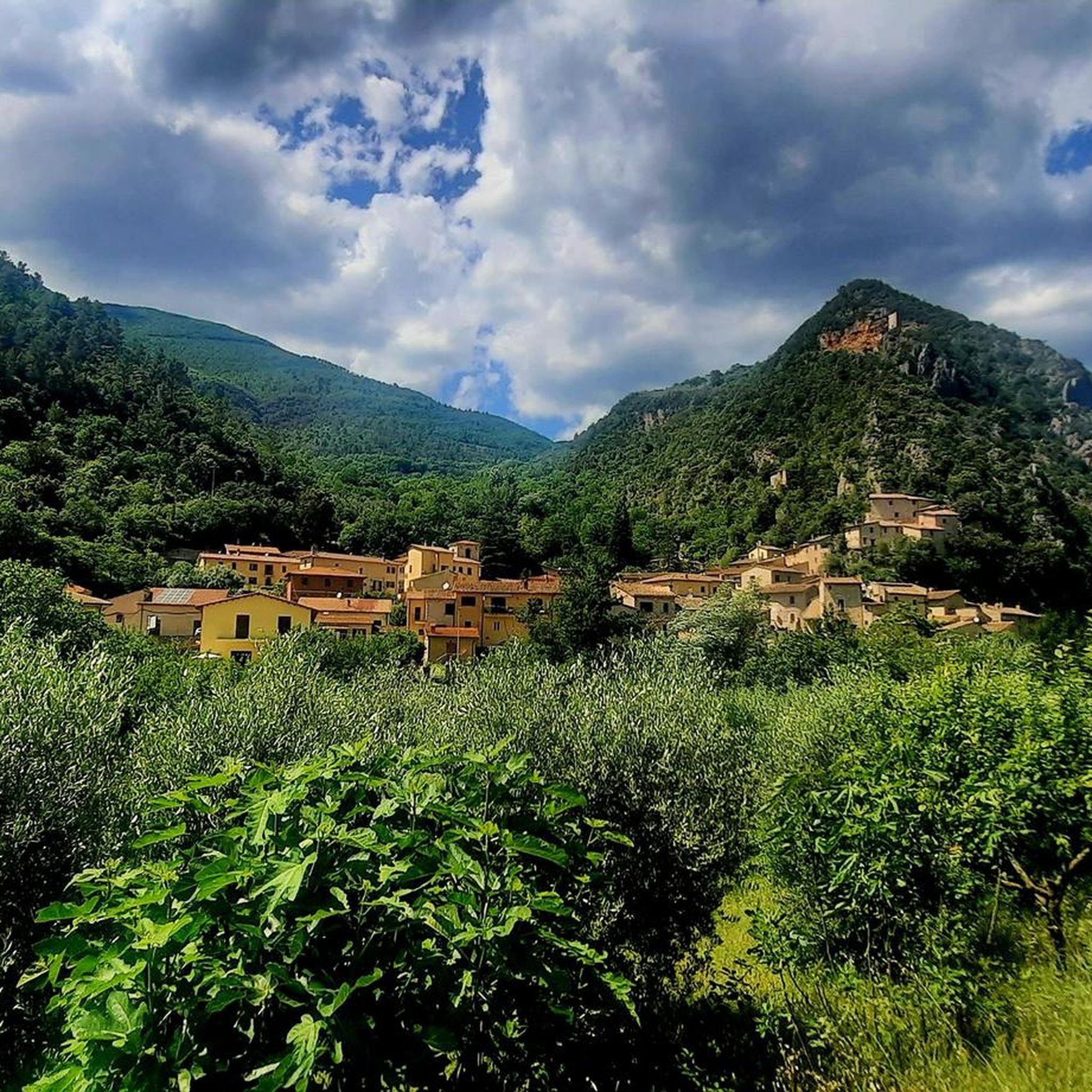
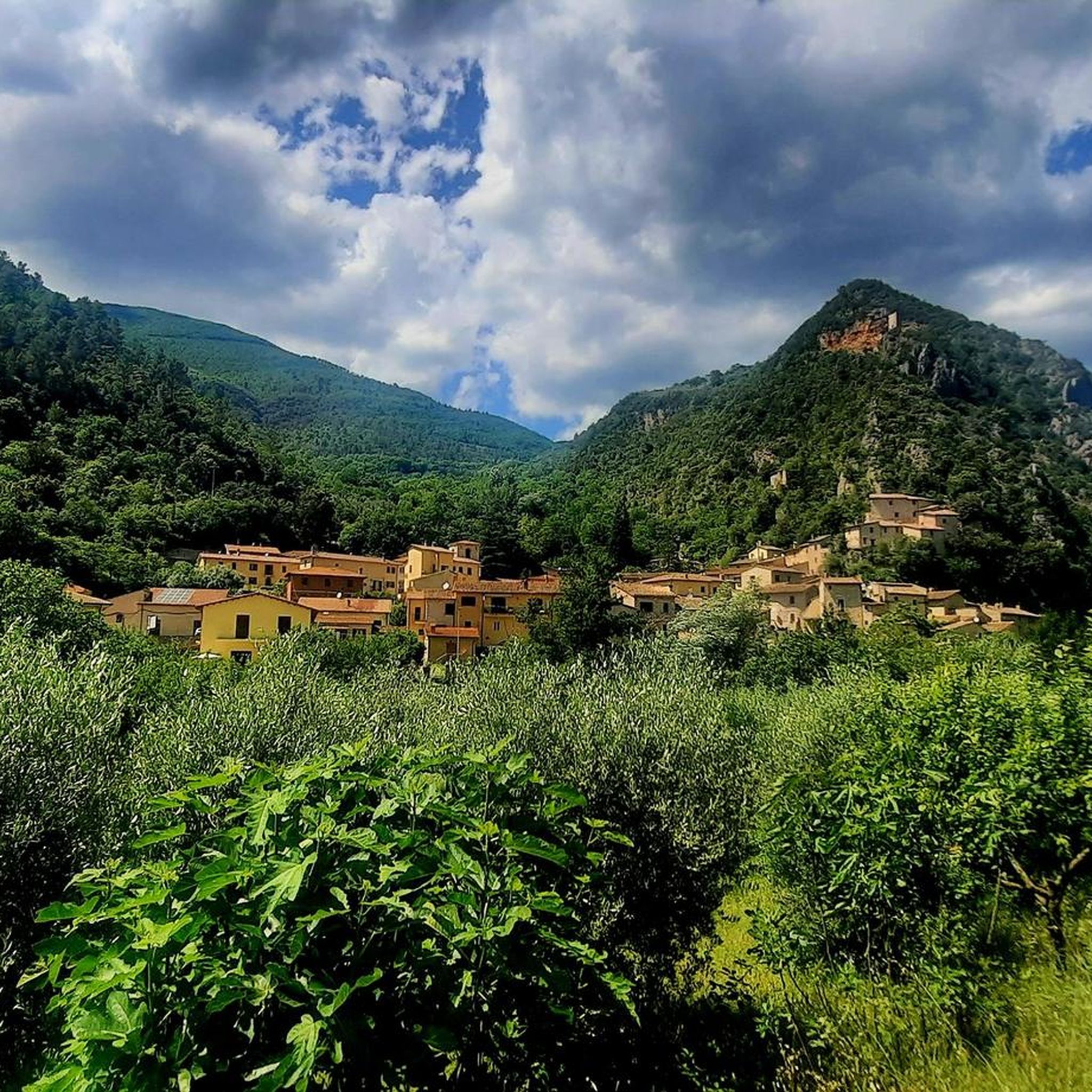
Road cycling around Vallo Di Nera is characterized by its setting in the Nera River Valley, surrounded by rolling hills, wooded gorges, and limestone cliffs. The region features the Nera River winding through the valley, alongside traditional olive groves and small farms. This varied topography provides diverse backdrops for cycling, from riverside paths to more challenging climbs through the Umbrian landscape.
Best road cycling routes around Vallo Di Nera
- The most popular road cycling route is Scheggino Village – Arrone…
Last updated: July 8, 2026
4.9
(14)
103
riders
55.5km
02:18
380m
390m
Moderate road ride. Good fitness required. Mostly well-paved surfaces and easy to ride.
45
riders
121km
06:15
2,030m
2,030m
Hard road ride. Very good fitness required. Mostly well-paved surfaces and easy to ride.

Sign up for free
30
riders
38.1km
02:07
720m
720m
Moderate road ride. Good fitness required. Mostly well-paved surfaces and easy to ride.
22
riders
102km
06:10
2,530m
2,530m
Hard road ride. Very good fitness required. Some segments of this route may be unpaved and difficult to ride.
20
riders
61.3km
02:43
570m
570m
Moderate road ride. Good fitness required. Some segments of this route may be unpaved and difficult to ride.
Get access to more routes and recommendations from other explorers.
Sign up for free
Already have an account?
Our route recommendations are based on thousands of hikes, rides, and runs completed by other people on komoot.
Start today with a free account
Your next adventure awaits.
Login or Signup

Tips from the Community

Abbey of Saints Felix and Maurus
0
0

The Roman Theater of Spoleto is one of the most important Roman monuments in the city and represents a significant testimony to the cultural life of ancient Spoletium. It was built in the 1st century BC, in an area near the forum, according to the architectural models of classical Roman theater. The cavea, built against the natural slope of Sant'Elia Hill, was divided into sectors and could accommodate several thousand spectators. Opposite were the orchestra and the monumental stage, originally decorated with columns, niches, and statues, which served as a backdrop for theatrical and musical performances. The building was constructed of masonry and clad in local stone, with technical solutions that ensured good acoustics. After the end of the Roman era, the theater was gradually abandoned and was partially incorporated into medieval buildings. The area was restored in the 20th century, restoring the structure's visibility and highlighting its archaeological importance. Today, the Roman Theatre is part of the National Archaeological Museum of Spoleto and continues to serve a cultural purpose, hosting events and performances that renew the city's connection to its thousand-year-old theatrical tradition.
0
0

I would like to suggest that when travelling through the Valnerina about ten kilometres after Borgo Cerreto, take a detour on the right marked PIEDIPATERNO. This will avoid travelling along the rather busy provincial road and still arrive in Spoleto, passing through the Forca di Ferro (it is a climb with a gradient of approximately 4/6%, 10km long with a difference in altitude of approximately 400 metres…ZERO TRAFFIC, good surface.
1
0


Municipality of the Terni Valnerina, crossed by the Nera river that divides it into two nuclei: Precetto and Matterella, both characterized by noble palaces, artistic churches and fan-shaped alleys. The imposing presence of the two fortresses that have dominated the town since 1100. Ferentillo hosts the museum of mummies and is also famous for the presence of important cliffs known and practiced by climbers from all over Europe
3
0
On the road that leads to Valnerina you can see Collestatte. The town is made up of an old part, on the top of a hill (351 m above sea level) and the new part, lower down, called Collestatte Piano, with a total of 397 inhabitants. Nice to see
2
0

Of course, he must be honored with a monument in the city where he was born: Benedict of Nursia, the father of Western monasticism and one of the patron saints of Europe.
3
0
Frequently Asked Questions
How many road cycling routes are available around Vallo di Nera?
There are over 40 road cycling routes around Vallo di Nera, offering a diverse range of experiences. These include 5 easy routes, 17 moderate routes, and 20 difficult routes, catering to various skill levels.
What kind of terrain can I expect on road cycling routes in Vallo di Nera?
Road cycling in Vallo di Nera offers varied terrain, from gentle riverside paths along the Nera River to more challenging climbs through rolling hills, wooded gorges, and craggy limestone cliffs. You'll encounter traditional olive groves, small farms, and routes that transition from valley floors to hilltops, providing diverse and scenic backdrops.
Are there road cycling routes suitable for beginners or families in Vallo di Nera?
Yes, Vallo di Nera offers routes suitable for various fitness levels, including beginners and families. The Scheggino Village – Arrone Medieval Village loop from Sant'Anatolia di Narco is a moderate option connecting picturesque medieval villages. Additionally, the Nera River Cycle Route (Greenway del Nera) is largely free from heavy uphills, making it accessible for less experienced cyclists.
Are there challenging road cycling routes for experienced cyclists in Vallo di Nera?
Experienced cyclists seeking a challenge will find several difficult routes with significant elevation gains. The Colli Sul Velino Hills – Lake Piediluco loop from Sant'Anatolia di Narco is a difficult 121.1 km path featuring substantial climbs and views of Lake Piediluco. Other routes around the Caprareccia Railway Bridge and those offering views of the Castelluccio Plain also provide demanding options.
Can I cycle along the former Spoleto-Norcia railway line in Vallo di Nera?
Yes, a standout feature for road cyclists in the region is the route that follows the former Spoleto-Norcia railway line. This converted railway offers an accessible and scenic path, connecting Vallo di Nera with other charming towns in the Valnerina.
What historical and cultural sights can I see along road cycling routes?
Vallo di Nera is recognized as one of 'I Borghi più belli d'Italia' (the Most Beautiful Villages of Italy). Along your rides, you can explore the village's medieval center with its stone houses, narrow alleys, and fortified walls. Notable churches like the Chiesa di Santa Maria Assunta and the Church of San Giovanni Battista, both housing significant frescoes, offer cultural stops. You might also encounter highlights such as Castello di Pissignano or the Rocca Albornoziana.
Are there any natural attractions or scenic viewpoints along the cycling routes?
The Nera River Valley itself is a major natural attraction, with the crystalline waters of the Nera River winding through. You can find scenic viewpoints offering panoramic views of the rolling hills and wooded gorges. Natural highlights in the broader area include the Clitunno Springs and the Lu Cugnuntu Waterfall, which can be incorporated into longer rides or visited separately.
What is the best time of year for road cycling in Vallo di Nera?
The region's climate generally makes spring and autumn ideal for road cycling, offering pleasant temperatures and lush landscapes. Summer can also be enjoyable, particularly in the mornings or late afternoons, though some routes may be more exposed to the sun. Winter cycling is possible but may require more preparation for cooler temperatures.
Are there loop trails available for road cycling in Vallo di Nera?
Yes, many road cycling routes in Vallo di Nera are designed as loops, allowing you to start and end in the same location. Examples include the Spoleto – Forca di Cerro loop from Cimitero di Bazzano and the Norcia – Norcia loop from Sant'Anatolia di Narco, providing convenient options for exploration.
What do other road cyclists enjoy most about road cycling in Vallo di Nera?
The road cycling routes around Vallo di Nera are highly rated by the komoot community, with an average score of 4.7 stars from over 60 reviews. Cyclists often praise the region's stunning natural landscapes, the well-preserved medieval villages, and the diverse terrain that offers options for all skill levels, from gentle riverside rides to challenging mountain climbs.
Are there options for food and drink near the cycling routes in Vallo di Nera?
Vallo di Nera and the surrounding towns in the Valnerina, such as Sant'Anatolia di Narco, Ferentillo, and Arrone, offer various cafes, pubs, and restaurants where cyclists can refuel and relax. These establishments often provide local Umbrian cuisine and a welcoming atmosphere.
Most popular routes around Vallo Di Nera
Most popular attractions around Vallo Di Nera

Get inspired with the komoot mobile app


Explore more
Browse the best Road cycling routes in other regions.
