Attractions and Places To See around Cascia - Top 20
Best attractions and places to see around Cascia, a town in Umbria, Italy, offers a combination of spiritual significance, historical sites, and natural landscapes. Situated within the Valnerina valley, the area is characterized by rolling hills and lush greenery. It is particularly known as the home of Saint Rita, attracting visitors to its sacred sites. The surrounding Umbrian countryside provides opportunities for outdoor activities.
Best attractions and places to see around Cascia
- The most popular attractions is Spoletina Gate (Leonessa)…
Last updated: August 17, 2026
Tunnel Entrance on the Spoleto–Norcia Railway Path
Highlight • Structure
Translated by Google •
Tip by

Norcia
Highlight • Settlement
Translated by Google •
Tip by

Sign up now to discover places like this
Get recommendations on the best single tracks, peaks, & plenty of other exciting outdoor places.
Sign up for free
Basilica of Saint Rita of Cascia
Highlight • Religious Site
The basilica was only built in the early 1900s (1937-1947) to create a larger church to house the much-visited …
Translated by Google •
Tip by

Pian dei Pantani
Highlight • Lake
Translated by Google •
Tip by

St. John's Square, Leonessa
Highlight • Settlement
Translated by Google •
Tip by

Sign up for free to discover even more attractions around Cascia.
Sign up for free
Already have an account?
Start today with a free account
Your next adventure awaits.
Login or Signup
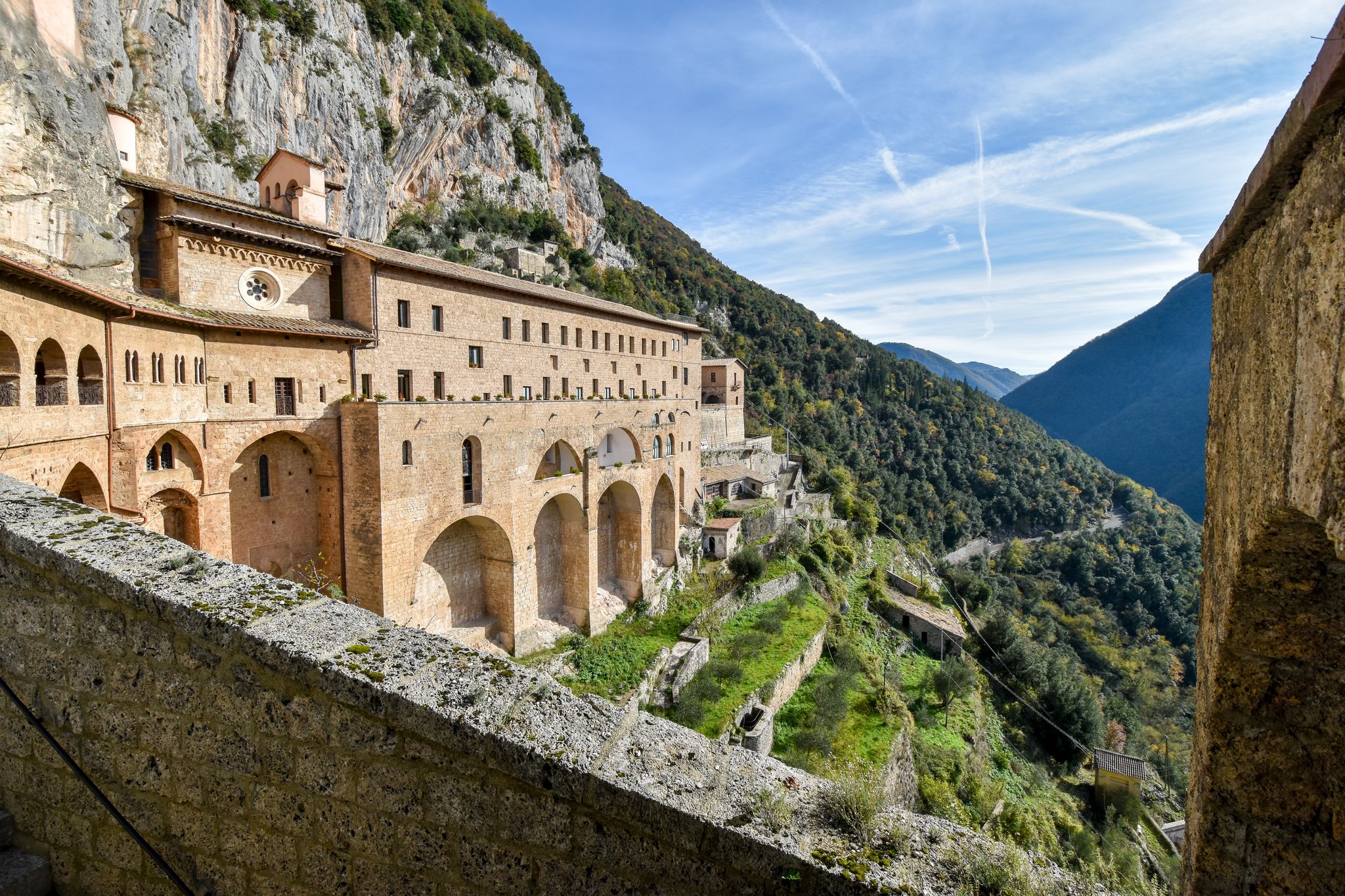
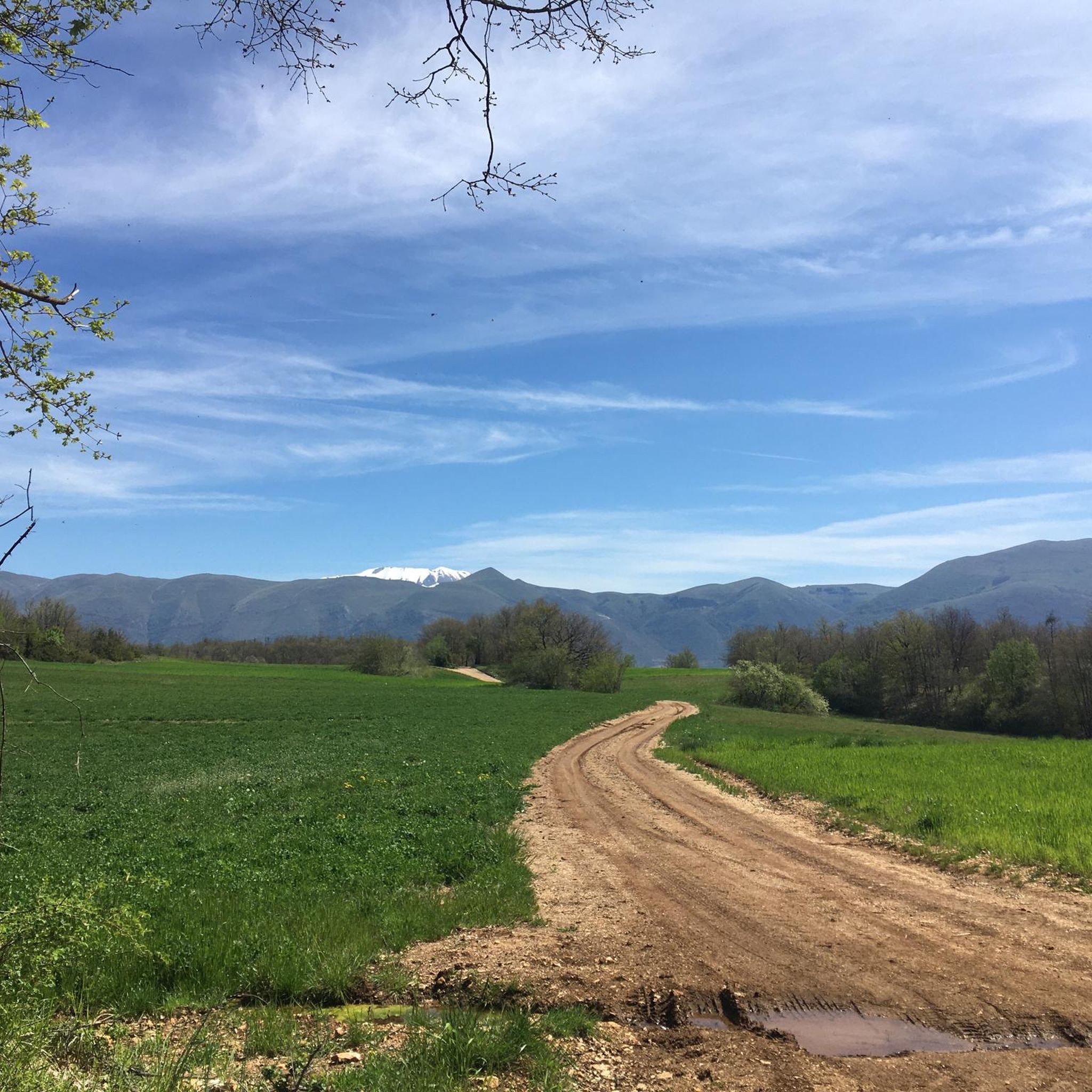
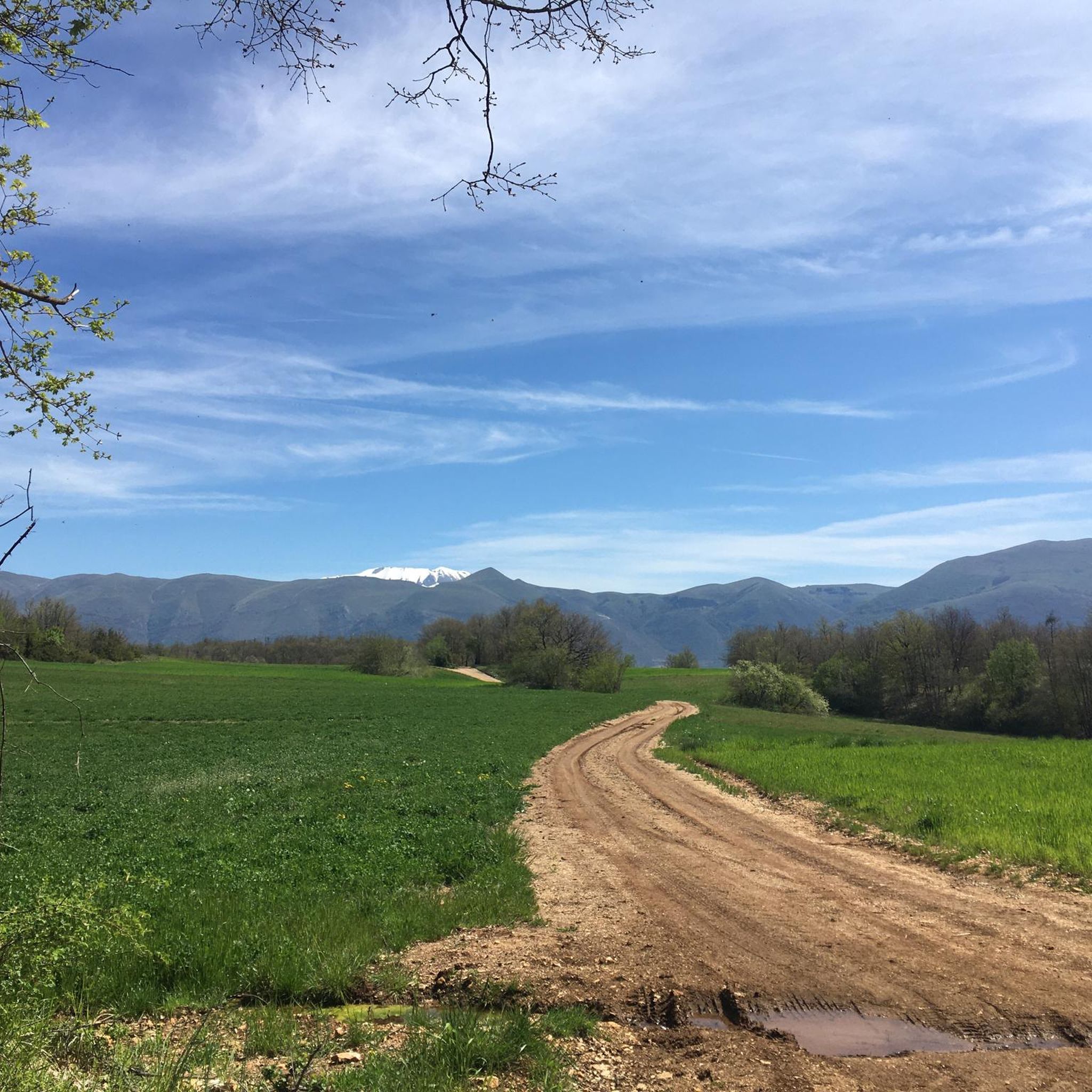
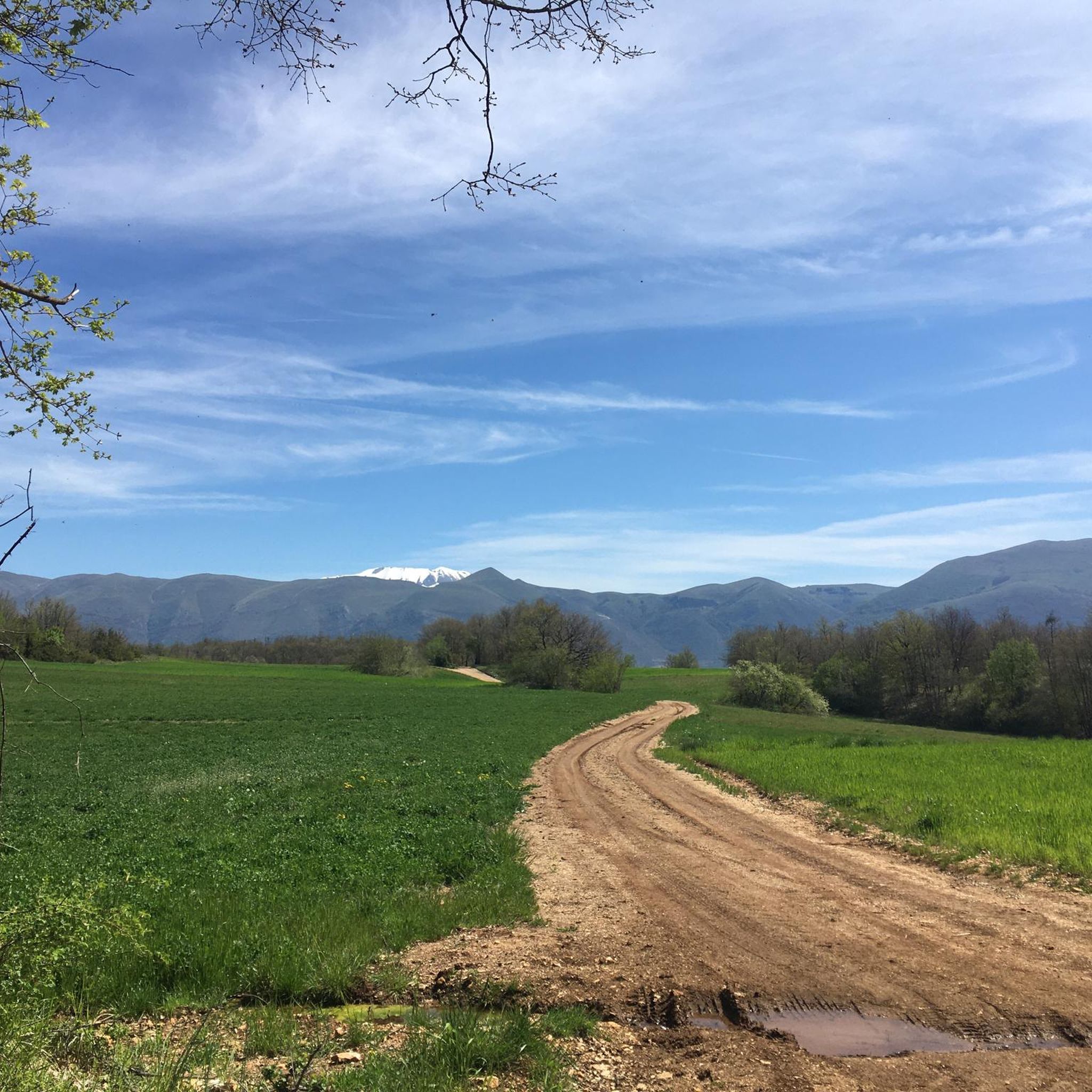
Other adventures around Cascia

Tips from the Community

The Frozen Accumulation Marshes
0
0
The Swamps of Accumuli 29-11-2025
0
0


Monastery and Basilica of Santa Rita da Cascia. This imposing religious complex dedicated to the Saint is certainly worth a visit. It is located along the Via di San Benedetto.
2
0

Of course, he must be honored with a monument in the city where he was born: Benedict of Nursia, the father of Western monasticism and one of the patron saints of Europe.
3
0
Statue of Saint Benedict blessing in the square of Norcia.
4
0

Because it is a characteristic landscape place. The marshes are an enclave of the Monti Sibillini National Park
0
0

Cascia was a highlight of our trip to Italy and the visit was a matter close to our hearts. Absolutely worth seeing!
1
0
Frequently Asked Questions
What are the most significant religious sites to visit in Cascia?
Cascia is a major pilgrimage destination, primarily known for its connection to Saint Rita. The most significant sites include the Basilica of Saint Rita of Cascia, which houses her tomb and incorrupt body. Adjacent to the Basilica is the Monastery of Saint Rita, where she lived as a nun, featuring her cell, the Ancient Choir, the Oratory of the Crucifix, and the famous Rose Garden. Just a short distance away is Roccaporena, Saint Rita's birthplace, where you can find the "Scoglio di Santa Rita" (Saint Rita's Rock).
Are there any historical sites or cultural landmarks beyond the religious attractions?
Yes, Cascia and its surroundings offer several historical and cultural landmarks. You can visit the Spoletina Gate (Leonessa), an ancient medieval entrance to the village of Leonessa. The town of Norcia, the birthplace of Saint Benedict, is also nearby and features a statue dedicated to him. Other notable churches include the Gothic-style Church of San Francesco, the Church of Sant'Agostino with its beautiful frescoes, the ancient Collegiate Church of Santa Maria, and the Church of Sant'Antonio Abate. For archaeological findings, the Palazzo Santi houses the Civic Museum.
What kind of outdoor activities can I do around Cascia?
The Umbrian countryside surrounding Cascia is ideal for outdoor activities. You can enjoy leisurely walks, hiking, and cycling amidst rolling hills, olive groves, and vineyards. The nearby Monti Sibillini National Park offers diverse ecosystems for nature enthusiasts. For cycling, there are various routes available, including road cycling, mountain biking, and touring bicycle options. You can explore routes like the Norcia – View of Pian Grande loop or the Greenway of the Nera. Find more details on specific routes in the Road Cycling Routes around Cascia, MTB Trails around Cascia, and Cycling around Cascia guides.
Are there family-friendly attractions in the Cascia area?
Many attractions around Cascia are suitable for families. The Basilica of Saint Rita of Cascia and its monastery offer a cultural and historical experience. The town of Norcia and the Spoletina Gate (Leonessa) are also considered family-friendly. For outdoor activities, the former Spoleto–Norcia Railway Path, including the Tunnel Entrance on the Spoleto–Norcia Railway Path, has been converted into a pedestrian and cycle path, offering a unique and accessible experience for all ages, though a light is recommended for the longer tunnels.
What is the Spoleto–Norcia Railway Path and what can I expect there?
The Spoleto–Norcia Railway Path is a former railway route that has been transformed into a scenic pedestrian and cycle path. It's known for its unique landscape, featuring several tunnels, including one over 400 meters long. When exploring the tunnels, it's advisable to bring a light, as some sections can be quite dark. This path offers a distinctive way to experience the region's natural beauty and engineering heritage.
What local products and cuisine is Cascia known for?
Cascia is renowned for its delicious local produce and traditional Umbrian cuisine. Key local products include black truffles, lentils from Castelluccio, saffron, and traditional Umbrian sausages. Visitors can enjoy authentic Umbrian dishes and local wines, experiencing the rich culinary heritage of the region.
What are some natural features or scenic views to explore near Cascia?
Cascia is situated within the picturesque Valnerina valley, characterized by rolling hills and lush greenery. The surrounding Umbrian countryside offers spectacular views, especially with its olive groves and vineyards. For more extensive natural exploration, the Monti Sibillini National Park is nearby. Additionally, the Routes of Civita di Cascia provide trekking routes through a Special Area of Conservation (SAC) known for its biodiversity and high landscape value, including unique plant species and diverse birdlife.
How long should I plan for a visit to the main attractions in Cascia?
To fully experience the main religious sites like the Basilica and Monastery of Saint Rita, and to explore the town center of Cascia, a full day is generally recommended. If you plan to include nearby sites like Roccaporena, Norcia, or engage in outdoor activities like cycling on the Spoleto–Norcia Railway Path, you might consider extending your visit to two or more days to comfortably enjoy everything the region has to offer.
Is public transport available to reach Roccaporena from Cascia?
Yes, public transport options are generally available to connect Cascia with Roccaporena, which is a short distance away and an important site related to Saint Rita. Local bus services typically operate between these two locations, making it accessible for pilgrims and visitors without private transportation.
What makes the town of Norcia a significant place to visit?
Norcia holds significant historical and religious importance as the birthplace of Saint Benedict, the father of Western monasticism and one of the patron saints of Europe. The town features a statue dedicated to him in its main square. While it has faced challenges from earthquakes, its resilience and historical depth make it a compelling visit for those interested in religious history and Umbrian culture.
Are there any specific tips for exploring the tunnels on the Spoleto–Norcia Railway Path?
When exploring the tunnels on the Spoleto–Norcia Railway Path, especially the longer ones like the Carrareccia (over 1 km), it's crucial to bring a light, such as a torch or bike light, as you will be plunged into pitch darkness. Even in summer, the tunnels can be cold, so consider bringing an extra layer. The tunnels are also home to bats, which may fly around as you pass, but they generally do not pose a problem.
What is the best time of year to visit Cascia for sightseeing and outdoor activities?
The spring and autumn months are generally considered the best time to visit Cascia. During these seasons, the weather is pleasant for exploring historical sites and engaging in outdoor activities like hiking and cycling. The Umbrian countryside is particularly beautiful with blooming flowers in spring or vibrant foliage in autumn. Summers can be warm, while winters are cooler and may have some snow, especially in higher elevations.
Most popular attractions around Cascia

Get inspired with the komoot mobile app


Explore more
Still not found the Highlight you’re looking for? See guides of the top attractions in other regions:
