Attractions and Places To See around Notaresco - Top 20
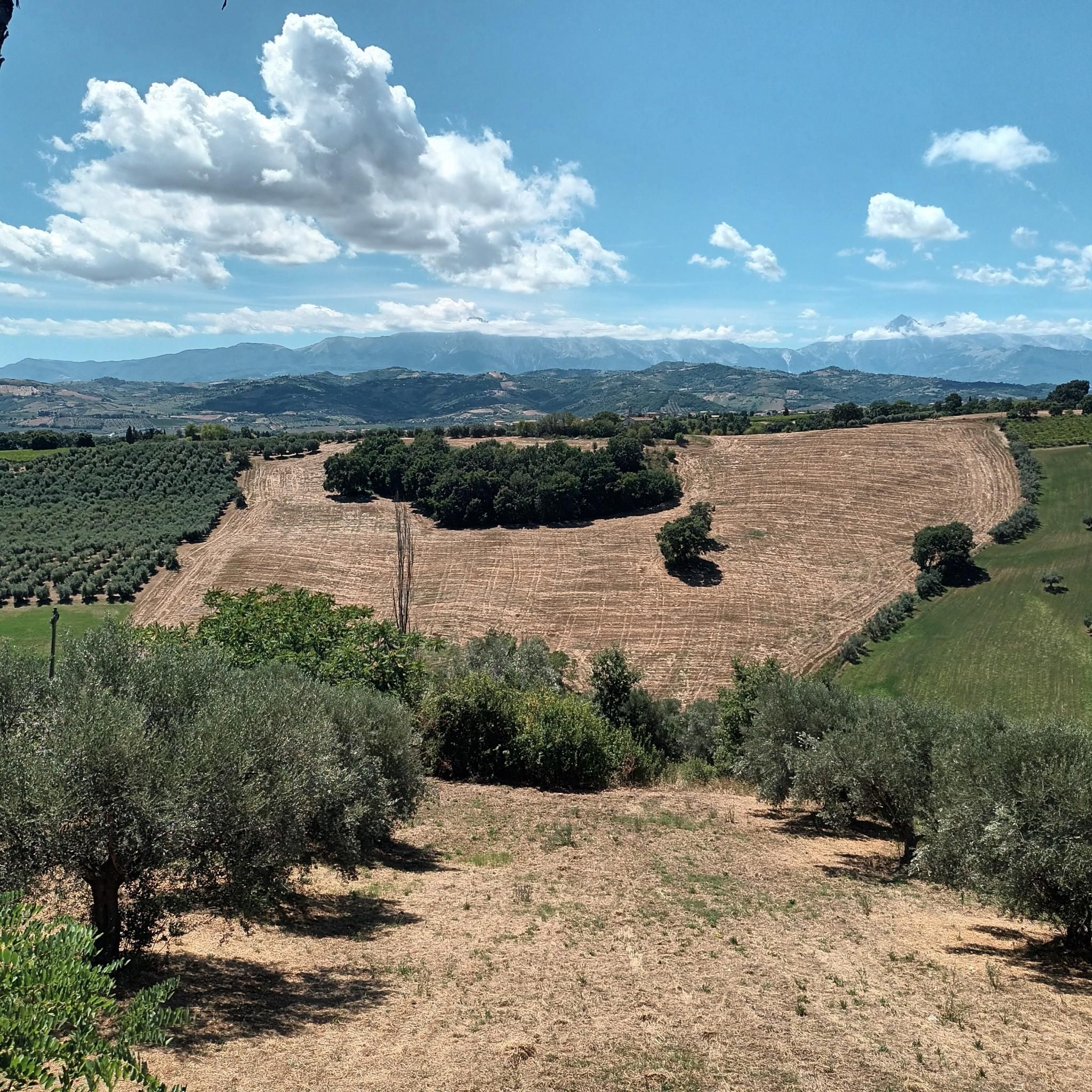
Best attractions and places to see around Notaresco include a blend of historical landmarks, cultural sites, and natural environments. The town is situated on a hill, providing views of the surrounding Abruzzo landscape and the Vomano valley. Notaresco features medieval architecture and ancient roots, offering a journey through its past. It is also located a few kilometers from the Adriatic Sea.
Best attractions and places to see around Notaresco
- The most popular attractions is Wooden Bridge over the Tordino River, a bridge that serves as a wooden cycle bridge over the Tordino river. This area is known for its rich fauna, including the Kingfisher.
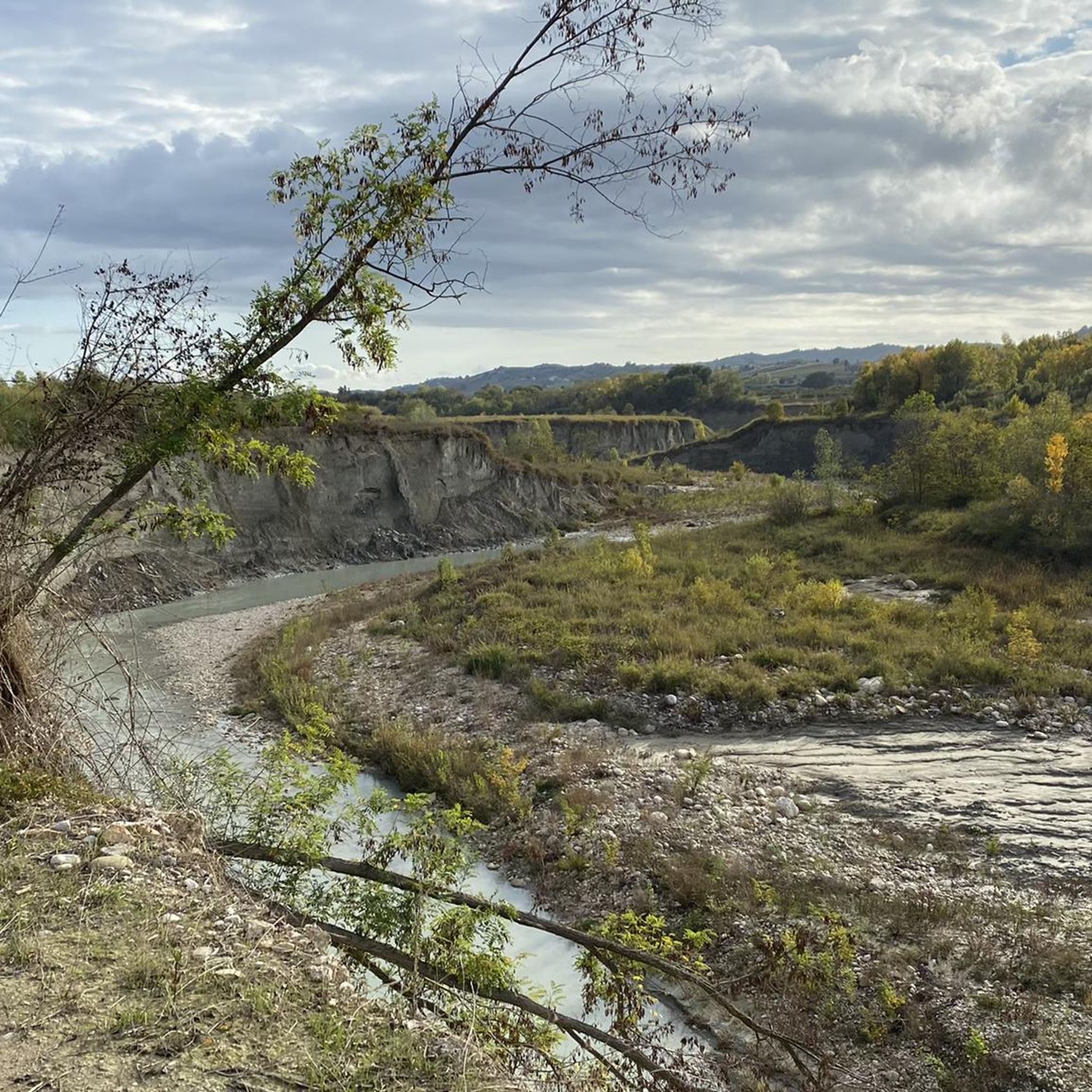
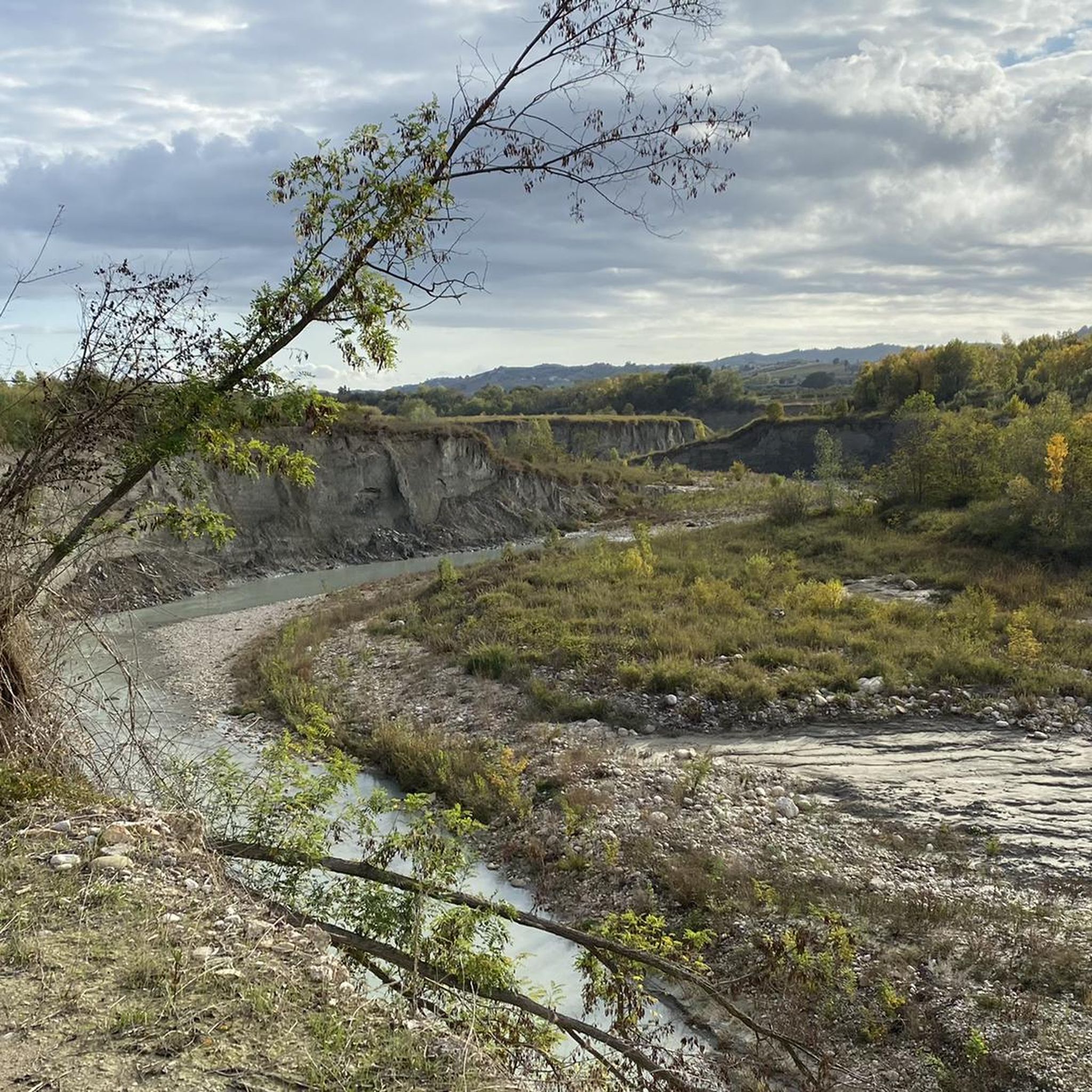
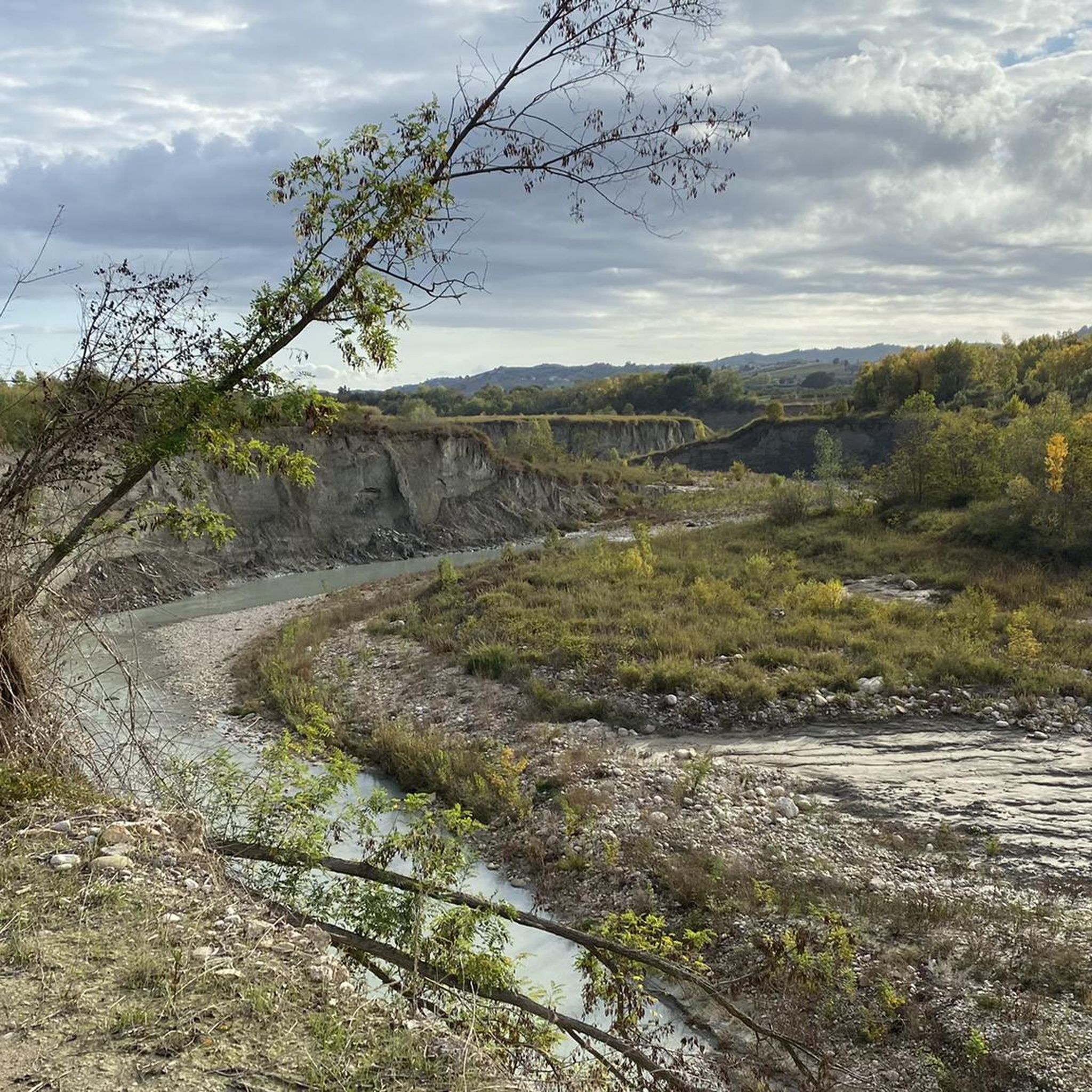
- Another must-see spot is Atri Calanchi Cycle Route, a cycle way featuring majestic natural architectures known as "Dante's bolge" or "scrimoni". These geological formations are a result of erosion and reveal marine fossils.
- Visitors also love Co-Cathedral Basilica of Saint Mary of the Assumption, a religious building located in Atri, an important historical and artistic center. This cathedral is noted for its historical significance and architectural beauty.
- Notaresco is known for its historical landmarks, cultural sites, and natural features. Visitors can explore medieval architecture, ancient roots, and diverse natural landscapes.
- The attractions around Notaresco are appreciated by the komoot community, with more than 260 upvotes and 60 photos shared across 5 highlights.
Last updated: October 9, 2026
Atri Calanchi Cycle Route
Highlight • Cycleway
Breathtaking panorama that covers fatigue and sweat and caresses the fantastic descent with the wind
Translated by Google •
Tip by

Co-Cathedral Basilica of Saint Mary of the Assumption
Highlight • Religious Site
Daily open in the morning from 09:00 - 12:30.
Showing Translation
Tip by

Sign up now to discover places like this
Get recommendations on the best single tracks, peaks, & plenty of other exciting outdoor places.
Atri Historic Center
Highlight • Historical Site
Main attractions:
Piazza Duomo & the Cathedral: the central heart of the town. Besides the imposing Cattedrale di Santa Maria Assunta with its famous frescoes, you'll find cozy cafes and historic palazzi here.
Palazzo Ducale (Palazzo Acquaviva): this robust 14th-century palace on Piazza Duca d'Acquaviva was the seat of the powerful Dukes of Atri. Today, it partly serves as the town hall. Be sure to take a look at the beautiful courtyard.
Teatro Comunale: located opposite the Palazzo Ducale. This 19th-century theater is horseshoe-shaped inside and is also called the "Little Scala of Abruzzo" due to its perfect acoustics and lavish decorations.
The Roman Cisterns: beneath the historic center lies a vast network of underground passages, Roman mosaics, and water storage facilities dating back to antiquity.
Chiese Storiche: walking through the narrow streets, you'll encounter beautiful old churches, such as the Chiesa di San Francesco with its impressive baroque external staircase and the Chiesa di San Domenico.
Showing Translation
Tip by
Fonte dell'Accolle
Highlight • Monument
Translated by Google •
Tip by

Casa Mataloni (Borsacchio Nature Reserve)
Highlight • Historical Site
Translated by Google •
Tip by

Sign up for free to discover even more attractions around Notaresco.
Already have an account?
Start today with a free account
Your next adventure awaits.

Tips from the Community

Cathedral with ceramic plates! On Piazza Duomo, the Basilica di Santa Maria Assunta will surely catch your eye immediately. If you look closely, you will see that the tower of the Gothic cathedral from 1300 is decorated with ceramic plates in various colors, which change throughout the day with the position of the sun. Incidentally, the shape of the tower, an octagon with a pyramid on top, is unique for the time when the cathedral was built. The funny thing is that you also see this reflected in other churches in Atri and in other villages and towns in Abruzzo. The story goes that the architect of the cathedral applied it here first, after which the idea was adopted by other builders. Underground church and water reservoirs Around 300 BC, on the spot where the cathedral now stands, there was a large square with baths and reservoirs underneath to store rainwater. Only then was the cathedral built on top of it, after which the reservoirs were converted into an underground church. Triggered? Want to know more, click through to https://ciaotutti.nl/reizen-door-italie/abruzzen/atri-een-levendige-stad-vol-geschiedenis/
5
0
The historic center of Atri is one of the oldest, best-preserved, and most atmospheric hilltop towns in the Abruzzo region. Situated on a hilltop, the town offers spectacular views of both the Adriatic Sea and the peaks of the Gran Sasso. As the town existed long before Roman times (then known as Hatria), you are literally walking through three thousand years of history here. Main attractions: Piazza Duomo & the Cathedral: the central heart of the town. Besides the imposing Cattedrale di Santa Maria Assunta with its famous frescoes, you'll find cozy cafes and historic palazzi here. Palazzo Ducale (Palazzo Acquaviva): this robust 14th-century palace on Piazza Duca d'Acquaviva was the seat of the powerful Dukes of Atri. Today, it partly serves as the town hall. Be sure to take a look at the beautiful courtyard. Teatro Comunale: located opposite the Palazzo Ducale. This 19th-century theater is horseshoe-shaped inside and is also called the "Little Scala of Abruzzo" due to its perfect acoustics and lavish decorations. The Roman Cisterns: beneath the historic center lies a vast network of underground passages, Roman mosaics, and water storage facilities dating back to antiquity. Chiese Storiche: walking through the narrow streets, you'll encounter beautiful old churches, such as the Chiesa di San Francesco with its impressive baroque external staircase and the Chiesa di San Domenico.
7
0
The Cattedrale di Santa Maria Assunta (Duomo di Atri) is one of the most important and impressive religious monuments in the Abruzzo region. This co-cathedral was built between 1260 and 1305 on the foundations of an older Romanesque church and even older Roman baths. Daily open in the morning from 09:00 - 12:30.
6
0
The cathedral was built between 1260 and 1305 on the foundations of an older Romanesque church and even older Roman baths. Visits are possible at the following times: every morning: 09:00 - 12:30.
5
0

Natural beach with great sea
0
0

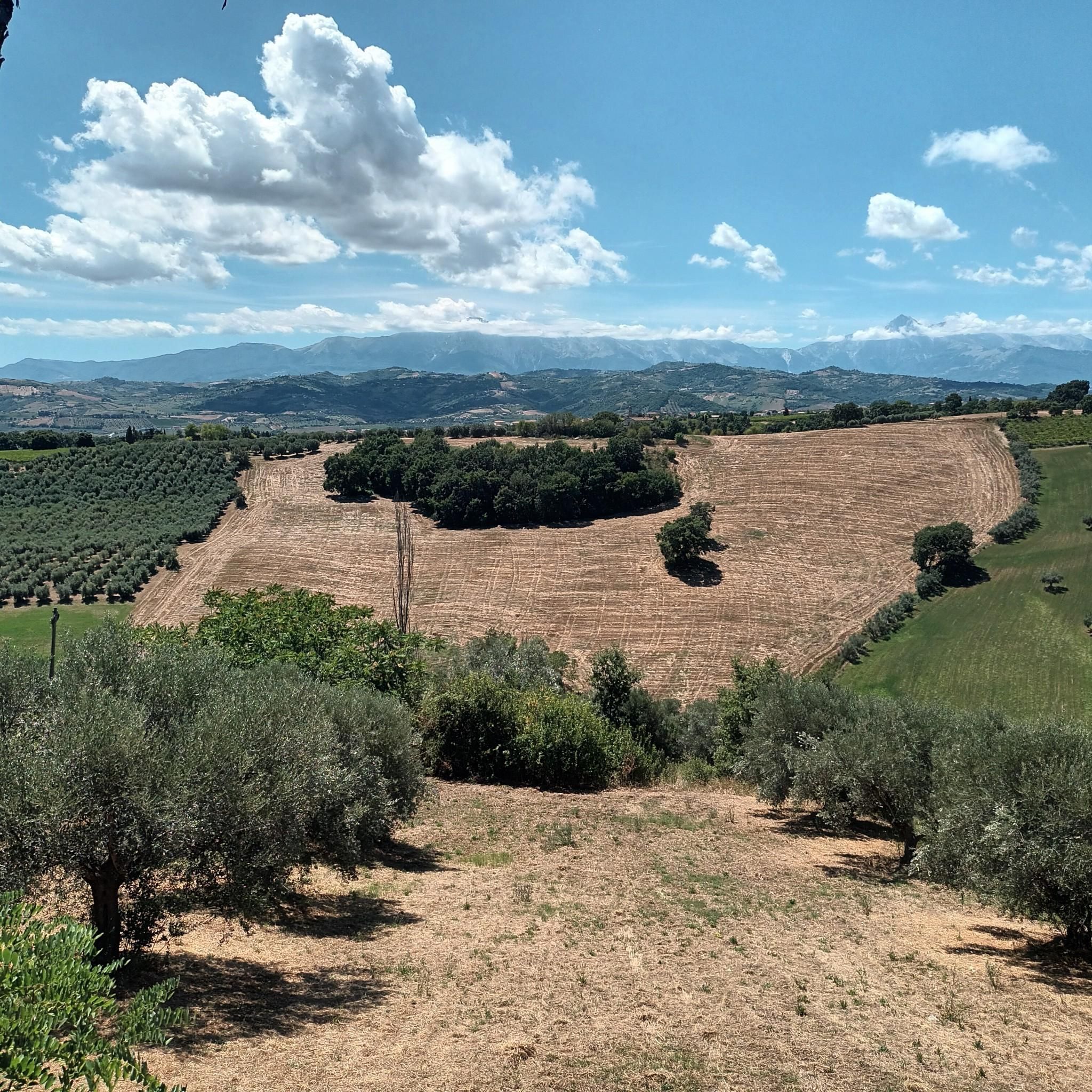
A unique location; the reserve is crossed by a very dusty cycle path (perfect for gravel), surrounded by vegetation, and with little to no view of the sea except at this point, where the semi-ruined house contributes to the picturesque panorama. Beware of illegal e-bikes, which use this road as an alternative to the roads open to traffic at breakneck speeds.
1
0

The Cathedral of Atri represents one of the most beautiful churches in the Province of Teramo and Abruzzo. The symbol of the town is located in the homonymous Piazza Duomo in front of the Municipal Theatre.
2
0

Fonte D’Accolle is located on the hill at the foot of Montepagano. It can be reached by car from Roseto Sud via Via Accolle or from Montepagano, or on foot from Montepagano itself and Colle Patito. Spring water flows from Fonte d’Accolle. The date of construction of the work is not certain, there are documents dating back to around 1820 that refer to renovation and maintenance work. There is a concrete probability that the source was already used around the 11th century during the phase of the castle that led to the birth of Montepagano. Villages were built where there were water sources. Fonte d’Accolle is a perfect example of a smart city as it is composed of three main parts, each intended for a specific use: the first fountain from the left for drinking water, then a drinking trough for livestock placed in a niche and the washhouse composed of a covered stone basin where women did their laundry. The one that goes from Roseto to Montepagano passing through the Fonte d’Accolle is just one of the ancient routes of the Roseto territory. Many initiatives take place in this place, which is so suitable for hosting artistic, historical and environmental events, thanks to the large square in front of the fountain. Like every fascinating place, its history is accompanied by a nice legend. It is said that women who were unable to have children, after going to the source, miraculously, thanks to the intercession of a Saint, became pregnant. For this reason it is also called Fontana del Santo. Andreina Moretti, a well-known writer from Roseto, wrote the short story “La Fontana del Santo” whose story takes place at the Accolle fountain. A dialect musical was also based on the short story. (c) https://www.guidedellariservaborsacchio.it/fonte-dellaccolle/?doing_wp_cron=1743862249.0334219932556152343750
0
0
Frequently Asked Questions
What historical landmarks can I explore within Notaresco itself?
Notaresco offers a rich history with several notable landmarks. You can visit the Palazzo Acquaviva, a historic ducal palace now serving as the Town Hall, and the 16th-century Porta San Domenico, a significant historical entrance to the town. The Palazzo De Vincenzi also showcases 19th-century civil architecture. The town's medieval village layout, with its thick city walls and narrow-windowed houses, is a historical experience in itself.
Are there significant religious sites or cultural attractions near Notaresco?
Yes, several important religious and cultural sites are easily accessible. The Abbey of San Clemente al Vomano, located in Guardia Vomano, is a Romanesque abbey featuring a beautiful portal and a 12th-century ciborium. In Notaresco's center, you'll find the medieval Church of Santi Pietro e Andrea and the 16th-century Church of Carmine with its painted ceiling. The G. Romualdi Archaeological Museum houses artifacts from Neolithic to Roman-Italic periods.
Where can I find ancient Roman ruins or archaeological discoveries around Notaresco?
Near the G. Romualdi Archaeological Museum, you can explore the ruins of a Roman villa in the Grasciano area. Additionally, in the Piana dei Cesari, there are remnants of a large Italic-Roman production center that once produced wine, oil, and 'garum'.
What natural features and scenic views can I enjoy around Notaresco?
Notaresco is set on a hill, providing tranquil views of the surrounding green Abruzzo landscape and the Vomano valley. The area is also close to the Adriatic Sea, offering opportunities to enjoy coastal scenery. For a unique natural spectacle, visit the Atri Calanchi Cycle Route, where you can see majestic geological formations known as 'Dante's bolge' or 'scrimoni', which reveal marine fossils.
Are there any family-friendly attractions or activities in the Notaresco area?
Yes, the area offers family-friendly options. The Fonte dell'Accolle is a historical spring with a wash house and drinking trough, located in a scenic spot suitable for a family outing. The Co-Cathedral Basilica of Saint Mary of the Assumption in Atri is also considered family-friendly and offers historical significance.
What outdoor activities, like hiking or cycling, are available near Notaresco?
The region around Notaresco is excellent for outdoor activities. You can find numerous hiking, running, and mountain biking trails. For example, there are moderate hiking loops like the 'Porta di Santa Caterina – Sant'Antimo Bell Tower loop from Montepagano' or easy options like the 'Hiking loop from Riserva del Borsacchio'. Cyclists can enjoy the Wooden Bridge over the Tordino River, part of a cycle path known for its rich fauna. You can find more routes in the Hiking around Notaresco, Running Trails around Notaresco, and MTB Trails around Notaresco guides.
What is the best time of year to visit Notaresco for outdoor activities?
Notaresco's proximity to both hilly landscapes and the Adriatic Coast suggests pleasant conditions for outdoor activities during spring and autumn. These seasons typically offer milder temperatures, ideal for exploring historical sites, hiking, and cycling without the intense heat of summer or the chill of winter.
Are there any unique natural reserves or protected areas nearby?
Yes, the Borsacchio Nature Reserve is a significant natural area nearby. Within this reserve, you can find the Casa Mataloni, a historical site that contributes to the picturesque panorama of the reserve, which retains characteristics of environmental and landscape integrity between the Adriatic Sea and the hills.
What do visitors particularly enjoy about the attractions around Notaresco?
Visitors appreciate the blend of historical and natural beauty. For instance, the Wooden Bridge over the Tordino River is loved for its rich fauna, including the Kingfisher. The Atri Calanchi Cycle Route offers breathtaking panoramas that make any challenging climb worthwhile. The Co-Cathedral Basilica of Saint Mary of the Assumption is praised for its beauty within a charming village.
Is Notaresco known for any local culinary specialties or wine?
Notaresco is known as the 'City of Wine,' indicating a strong local wine tradition. When it comes to food, you can explore local gastronomic specialties such as timballo di scrippelle notareschino and mazzarelle, offering a taste of authentic Abruzzese cuisine.
Are there any wheelchair accessible attractions in the Notaresco area?
The Wooden Bridge over the Tordino River is categorized as wheelchair accessible, providing an opportunity to enjoy the natural surroundings and observe local fauna.
Most popular routes around Notaresco
Most popular attractions around Notaresco

Get inspired with the komoot mobile app


Explore more
Still not found the Highlight you’re looking for? See guides of the top attractions in other regions:
