The best walks and hikes around Castellalto
3.8
(26)
292
hikers
16
hikes
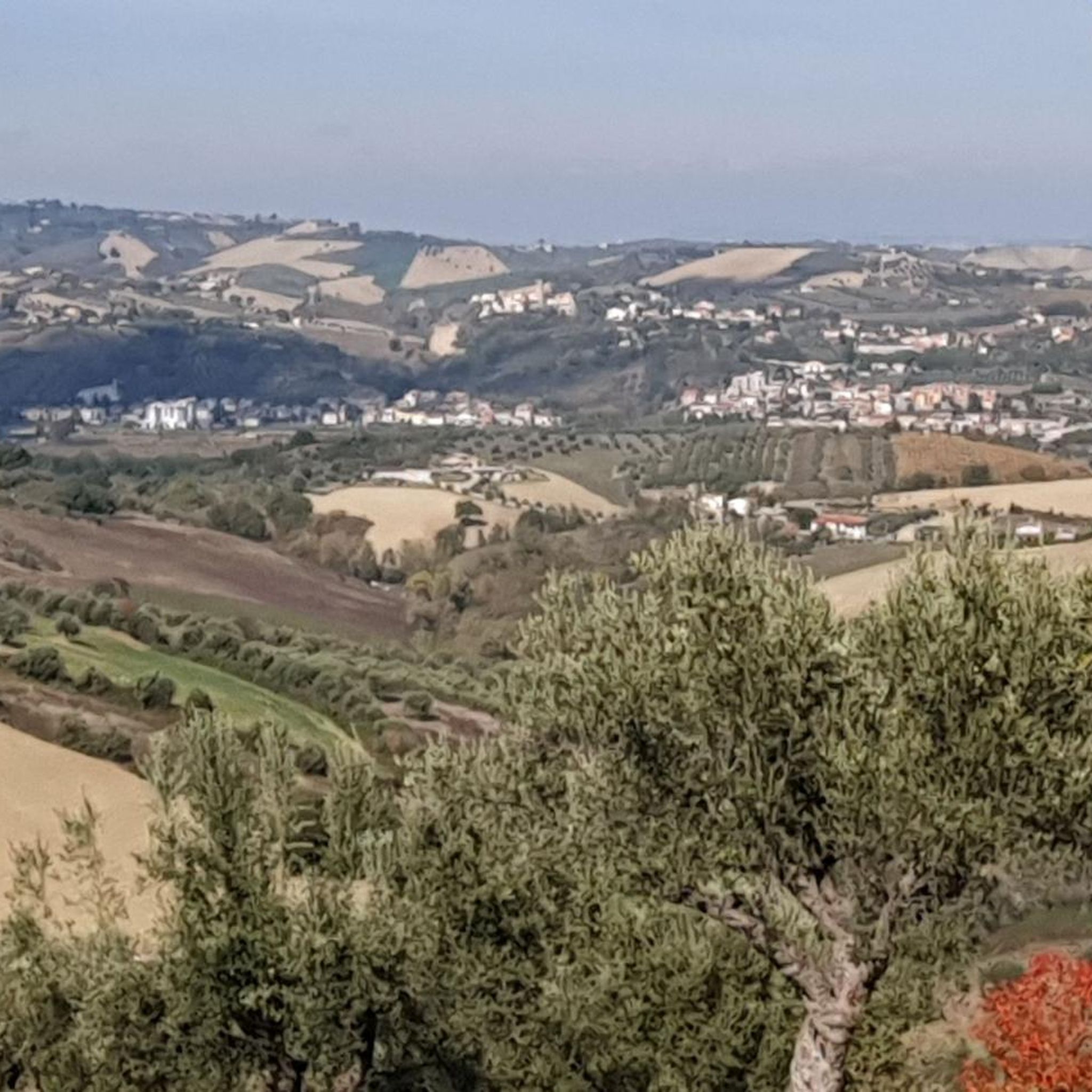
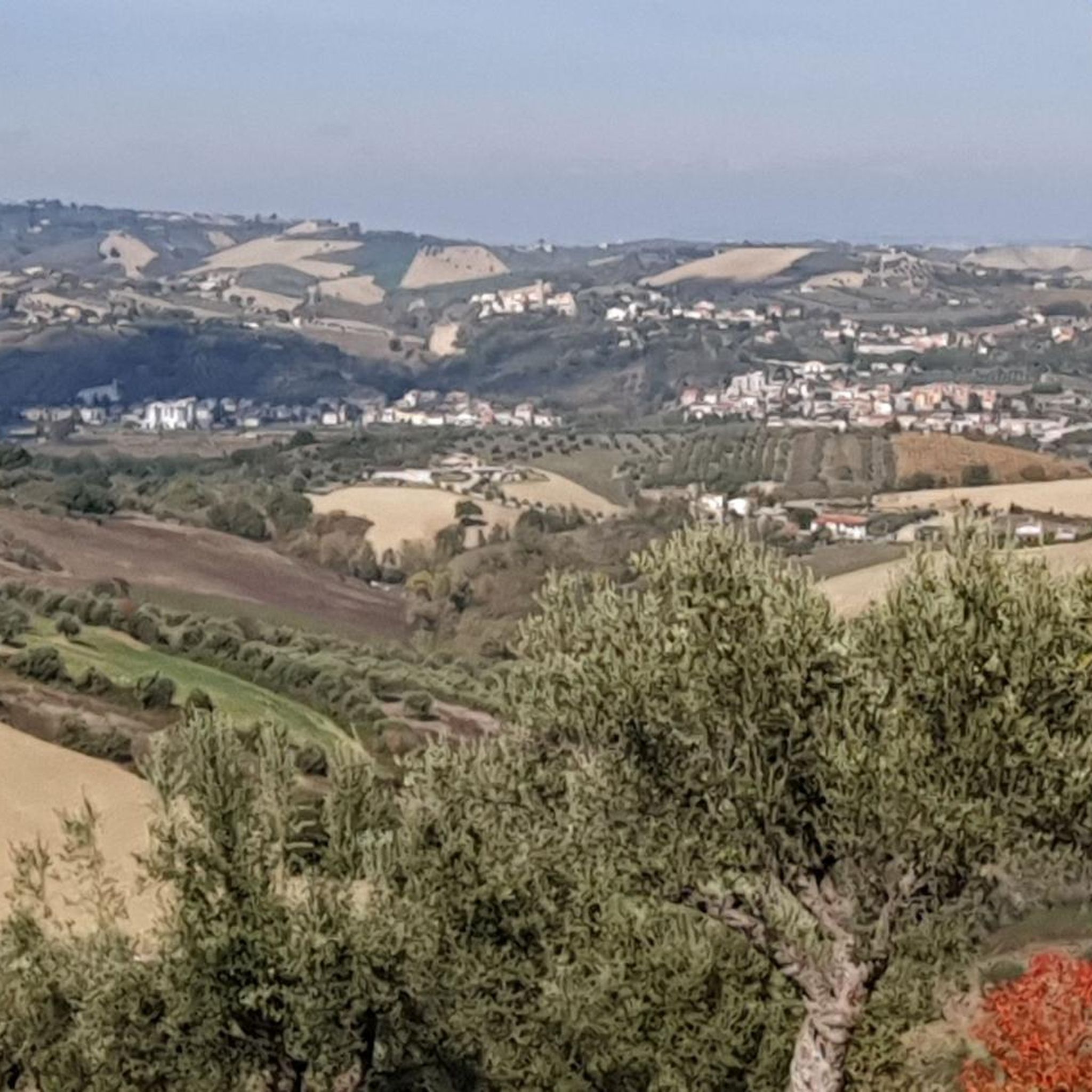
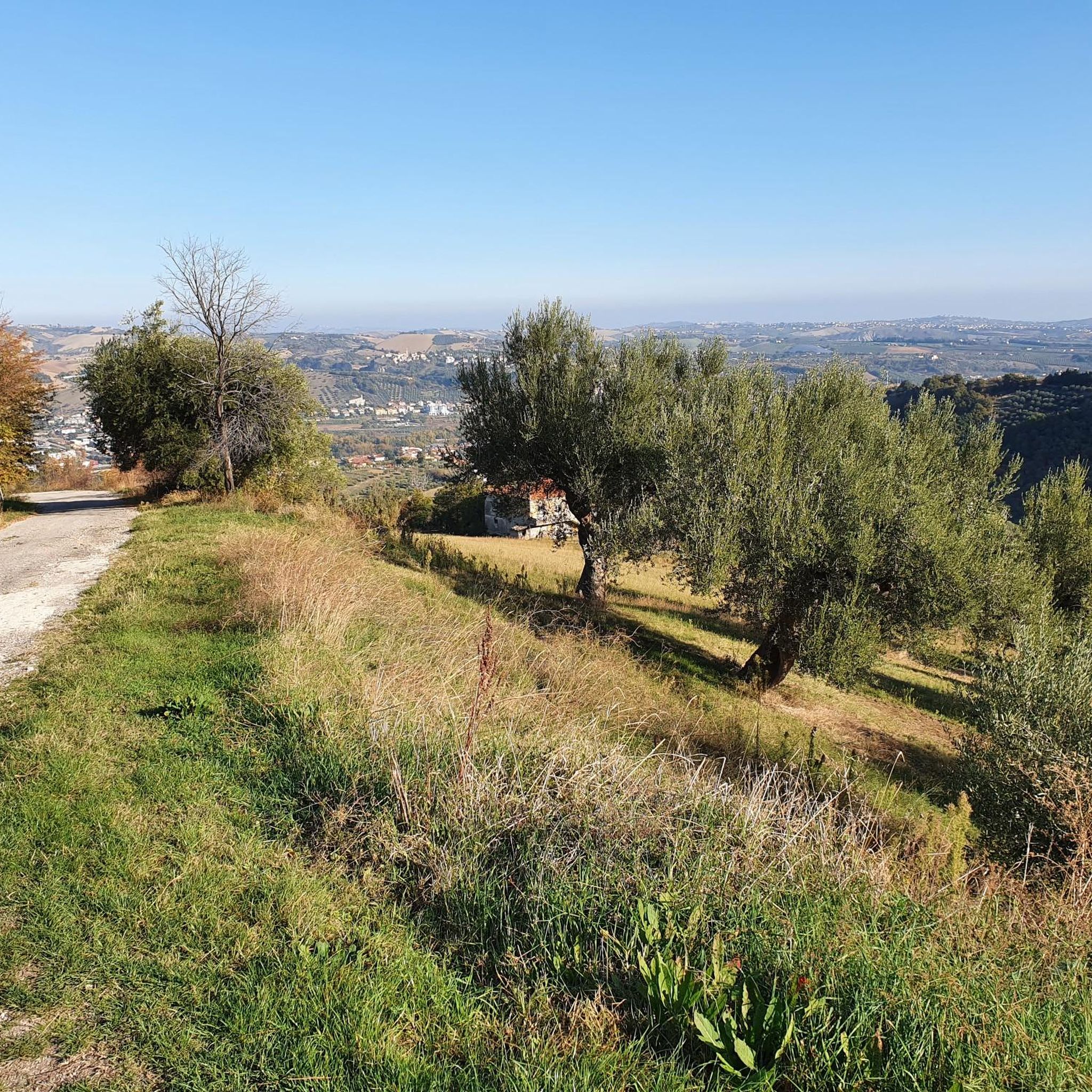
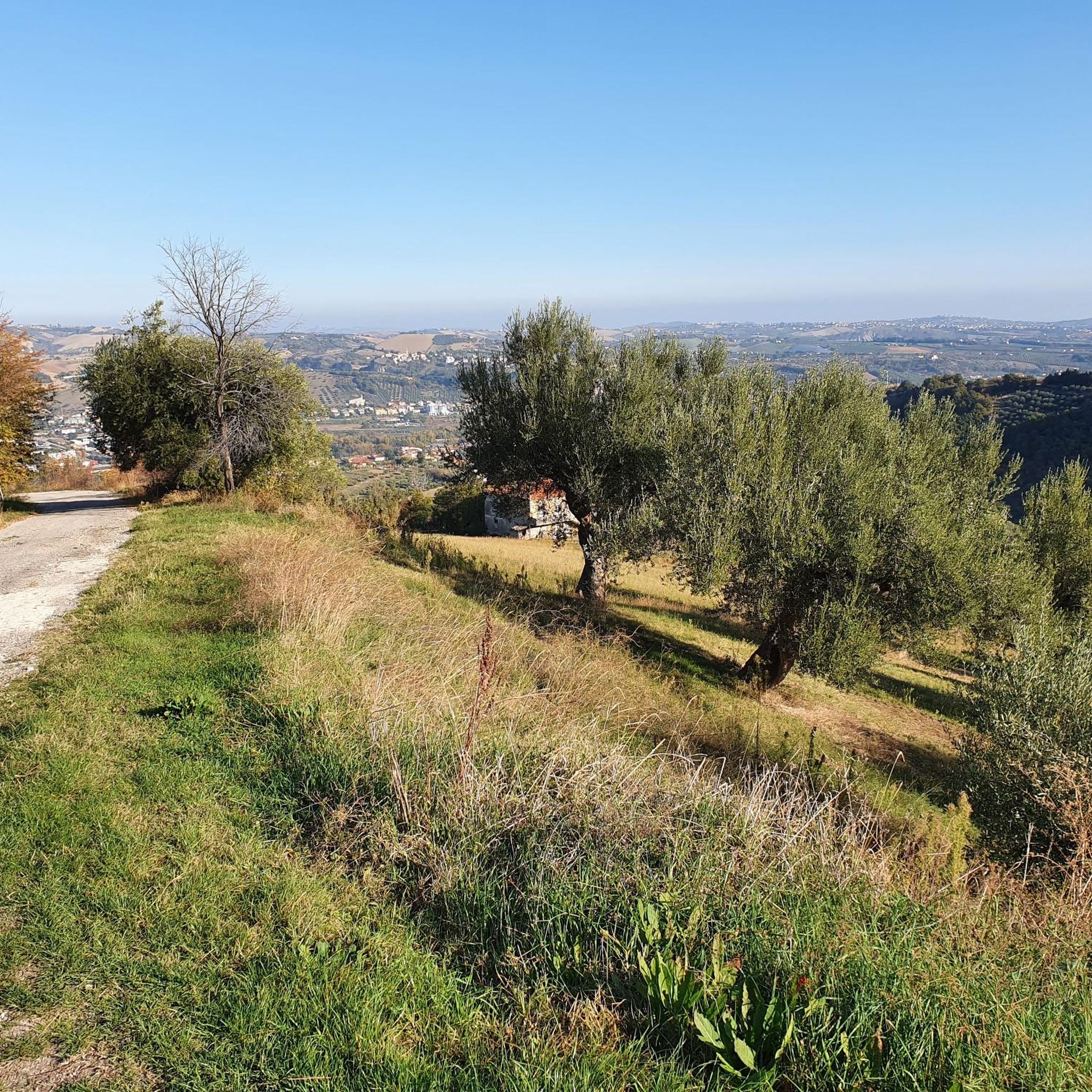
Hiking around Castellalto offers exploration through the rolling hills and river valleys of the Teramo province in Abruzzo. The landscape is characterized by a mix of agricultural land, olive groves, and scattered woodlands, with the Vomano and Tordino rivers shaping the terrain. Elevation changes are generally gentle, providing accessible routes for various hiking abilities. The region's geology primarily consists of soft sedimentary rocks, contributing to its undulating topography.
Best hiking trails around Castellalto
- The most popular hiking route is River…
Last updated: October 11, 2026
5.0
(1)
10
hikers
15.8km
04:21
270m
270m
Moderate hike. Good fitness required. Easily-accessible paths. Suitable for all skill levels.
14
hikers
Easy hike. Great for any fitness level. Easily-accessible paths. Suitable for all skill levels.

11
hikers
3.98km
01:04
40m
40m
Easy hike. Great for any fitness level. Easily-accessible paths. Suitable for all skill levels.
25
hikers
Easy hike. Great for any fitness level. Easily-accessible paths. Suitable for all skill levels.
4.0
(4)
6
hikers
7.29km
02:03
160m
160m
Moderate hike. Good fitness required. Easily-accessible paths. Suitable for all skill levels.
Get access to more routes and recommendations from other explorers.
Already have an account?
Our route recommendations are based on thousands of hikes, rides, and runs completed by other people on komoot.
Start today with a free account
Your next adventure awaits.

Tips from the Community

Santuario della Madonna delle Grazie – A church awaiting its rebirth Anyone visiting the Santuario della Madonna delle Grazie today will see a church completely encased in scaffolding. However, behind this temporary covering, hard work is underway for the future of one of Teramo's most important religious monuments. The restoration work became necessary due to structural damage the church has sustained over the years, particularly after the severe earthquakes that struck Abruzzo, including the earthquakes of 2016. With extensive repair work and seismic reinforcements (miglioramento sismico), the centuries-old building is not only being restored but also better protected against future earthquakes. The planned reopening is currently scheduled for September 8, 2026. On that day, the sanctuary will be festively reopened with a procession and a special Eucharistic celebration. Tip: Even during the restoration, this place is worth a visit. The historical surroundings, the adjacent monastery, and the centuries-old art treasures clearly show why this sanctuary is so important to Teramo. For prayer and services, the temporary chapel next to the church is currently being used.
1
0
The power of freedom in bronze This impressive bronze statue is a tribute to the Resistenza, the Italian resistance against fascism and German occupation during World War II. The monument commemorates the citizens and partisans from Teramo and Abruzzo who gave their lives for freedom. The dynamic figure of a young resistance fighter shows the moment he resolutely raises the flag of freedom. The powerful posture and movement of the statue symbolize courage, hope, and the struggle for a better future. The monument is a work by the renowned Italian sculptor Augusto Murer, known for his expressive sculptures that focus on human strength and emotion.
3
0
Garibaldi at the Porta Reale – Where history makes an Italian statement! On Piazza Giuseppe Garibaldi stands the hero of Italian unification in a location that was anything but randomly chosen. His statue overlooks the Porta Reale, for centuries the main gateway to Teramo. With his drawn sabre, Garibaldi appears to be entering the city, a symbolic reference to his role in the unification of Italy in 1860. The location also holds special historical significance. The gate was originally built to ceremoniously welcome King Ferdinand I of Bourbon, but it was precisely Garibaldi who put an end to Bourbon rule in Southern Italy. By placing his statue next to this former royal gate, Teramo sent a powerful historical message: where the Bourbon kings were once honored, now stands the man who united Italy. It is a subtle yet eloquent reminder of a turning point in Italian history. Tip: Walk through the Porta Reale and view the statue from within the gate. This way, you'll see exactly how Garibaldi symbolically appears to be entering the city – a great photo opportunity and a fascinating piece of Italian history.
4
0
Monumental mosaic by Guido Savini – Art in the heart of Teramo On Corso San Giorgio, an impressive facade mosaic immediately catches the eye. This monumental work of art, designed by the Teramo artist Guido Savini and executed by mosaic master D'Urso, adorns the facade of the former TERCAS building. The colourful mosaic tells the story of labour, progress, and economic growth. You'll discover industrial installations, workers, trade goods, and an imposing cargo ship that together depict the development of Teramo and the region. In the background, a modern city rises under a radiant sun – a powerful symbol of hope and a promising future. Due to its enormous dimensions and many details, this is a work of art where you discover something new each time. Tip: Take a moment to view the mosaic up close and from across the street. From a distance, the composition comes into its own beautifully, while up close you can admire the thousands of mosaic tiles and the craftsmanship.
3
0
Statua della Maternità – An ode to motherhood Nestled in the small park under the arches of the historic town hall stands the Statua della Maternità, an atmospheric bronze sculpture by the internationally renowned sculptor Venanzo Crocetti. The artwork depicts a mother lovingly and joyfully lifting her child – a timeless symbol of love, hope, and connection. Its tranquil location, right in the historic center of Teramo, makes it a beautiful spot to pause and admire the details of the sculpture.
3
0
Fontana dei Due Leoni – The fountain that tells the story of Teramo In the middle of Piazza Orsini, next to the cathedral and the historic town hall, you will find the atmospheric Fountain of the Two Lions. It was designed in 1899 by the Teramo sculptor Pasquale Morganti to mark the opening of the city's first modern aqueduct. Take a close look at the two powerful lions. They symbolize the Tordino and Vezzola rivers, which have embraced Teramo for centuries. Even the city's ancient Roman name, Interamnia, literally means 'between the rivers'. The babbling water, the basin covered with moss and ferns, and the historic surroundings make this one of the most photogenic and meaningful spots on Piazza Orsini. An ideal stop to enjoy the peaceful atmosphere in the heart of Teramo.
3
0
Palazzo di Città – Where Teramo has been governed for centuries The historic town hall of Teramo is much more than a beautiful building. Behind the facade lies a history dating back to the 14th century. The medieval foundations are still visible, while the upper floor was given a new look in the 19th century. Be sure to take a look at the magnificent Loggia del Parlamento, the open arcade where citizens and city administrators gathered for centuries to deliberate, administer justice, and make important decisions. This was the political heart of Teramo. 💡 Hidden gem: Also take a walk under the arches into the central hall. Dozens of authentic Roman tombstones, inscriptions, and reliefs are embedded in the walls. This is how Teramo's first Lapidarium came into being: a special open-air museum within the town hall itself. Even the famous historian and Nobel Prize winner Theodor Mommsen came to Teramo specifically to study this unique collection of Roman monuments.
4
0
Palazzo Muzii-Castelli & Portici Savini – A touch of Art Nouveau in Teramo As you walk through Corso Vincenzo Cerulli, this is a place where you'll definitely want to slow down. The elegant Palazzo Muzii-Castelli from 1908 is the finest example of the Italian Liberty style (Art Nouveau) in Teramo. Look out for the graceful floral motifs, colorful facade decorations, and refined stucco work. Next, walk under the atmospheric Portici Savini, an elegant brick arcade from the 1920s. Where city life once unfolded, you'll find the Teramo tourist office today. 📸 Photo tip: Look up under the arches of the Portici Savini. From here, you have a beautiful view of the impressive bell tower of the Duomo – one of the most beautiful photo spots in the historic city center.
3
0
Frequently Asked Questions
How many hiking trails are available around Castellalto?
There are over 15 hiking trails around Castellalto, offering a variety of options for different skill levels. You'll find a good mix of easy riverside strolls and moderate loops with gentle climbs through the rolling hills.
What kind of terrain can I expect on hikes around Castellalto?
Hikes around Castellalto primarily feature rolling hills, river valleys, and agricultural landscapes. The terrain is characterized by olive groves and scattered woodlands, with the Vomano and Tordino rivers shaping the area. Elevation changes are generally gentle, making routes accessible.
Are there easy hikes suitable for beginners or families in Castellalto?
Yes, Castellalto offers several easy hikes perfect for beginners or families. For example, the River Park Fountain – Fonte della Noce loop from Teramo is an easy 2.5-mile (4.0 km) path, providing a gentle walk along the river. Another accessible option is the Church of Sant'Antonio loop from Teramo, which is just under 2 miles (2.8 km) and also rated easy.
Are there circular walks available in Castellalto?
Yes, many of the trails around Castellalto are designed as circular routes. Popular options include the River Park Fountain – Fonte della Noce loop from Teramo, a moderate 7.2-mile (11.6 km) trail, and the Hiking loop from Morro d'Oro, which covers 4.9 miles (7.8 km) through varied terrain.
What interesting places can I explore near the hiking trails in Castellalto?
Beyond the trails, you can explore several interesting landmarks and natural features. Consider visiting the Wooden Bridge over the Tordino River, or the impressive Atri Badlands, which are unique geological formations. The Abbey of Santa Maria di Propezzano is also a significant historical site nearby.
Are there any natural monuments to see around Castellalto?
Absolutely. The region is known for its distinctive natural monuments. The Atri Badlands and the Calanchi di Atri Nature Reserve are prominent examples, showcasing unique eroded landscapes. You might also find the Fonte Vecchia of Cologna Paese an interesting historical natural feature.
What do other hikers say about the trails in Castellalto?
The trails in Castellalto are highly regarded by the komoot community, with an average rating of 4.2 stars from over 20 reviews. Hikers often praise the peaceful river walks, the gentle elevation changes, and the scenic views of the agricultural landscapes and olive groves.
Can I bring my dog on the hiking trails in Castellalto?
Generally, dogs are welcome on most hiking trails in the Castellalto area, especially on the more open paths through agricultural land and along riverbanks. It's always recommended to keep your dog on a leash, especially when passing through cultivated areas or near wildlife, and to carry waste bags.
What is the best time of year to hike in Castellalto?
The best times to hike in Castellalto are typically spring (April to June) and autumn (September to October). During these seasons, the weather is mild and pleasant, and the landscape is particularly vibrant with spring blooms or autumn colors. Summer can be warm, so early morning or late afternoon hikes are advisable then.
Are there any hikes that feature water elements like rivers or fountains?
Yes, several hikes in Castellalto follow the local rivers and feature water elements. The River Park Fountain – Fonte della Noce loop from Teramo and the shorter Fonte della Noce – River Park Fountain loop from Teramo both offer scenic walks along the river, providing views and access to natural water sources.
Is parking available at the trailheads in Castellalto?
Parking is generally available near the starting points of many popular trails, especially in or near villages and designated recreational areas. For specific routes, it's advisable to check the tour details on komoot for information on parking facilities at the trailhead.
Most popular attractions around Castellalto

Get inspired with the komoot mobile app


Explore more
Browse the best Hikes in other regions.
