Attractions and Places To See around Atri - Top 20
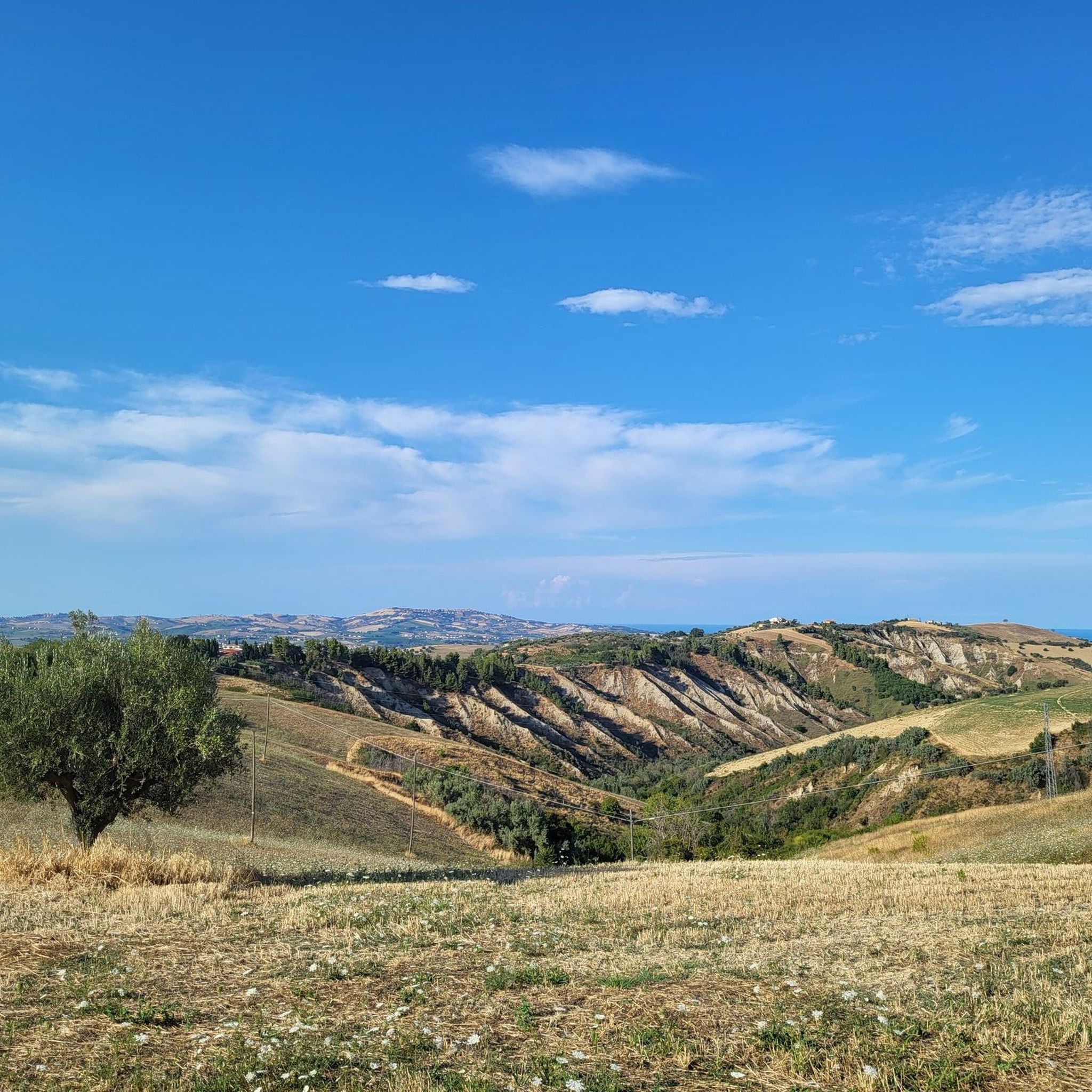
Best attractions and places to see around Atri include a rich blend of historical, cultural, and natural attractions. This historic town, nestled in the Abruzzo region of Italy, is known for its distinctive "calanchi" (clay gullies) and a history spanning centuries. Atri's hilltop position provides wide views over the surrounding countryside, including the Adriatic coast and the Gran Sasso mountain range. The area offers a captivating journey through its past and picturesque landscapes.
Best attractions and places to see around Atri
- The most popular attractions is Cerrano Tower and Marine Garden, a man-made monument located in a protected natural area on the beach. This 16th-century tower houses a sea museum and is one of the few intact examples of coastal fortifications from the Kingdom of Naples.
- Another must-see spot is Historic Village of Mutignano, a historical site situated above the Adriatic coast. Visitors can explore its old town with winding buildings and alleys, and enjoy views of the coast and surrounding area.
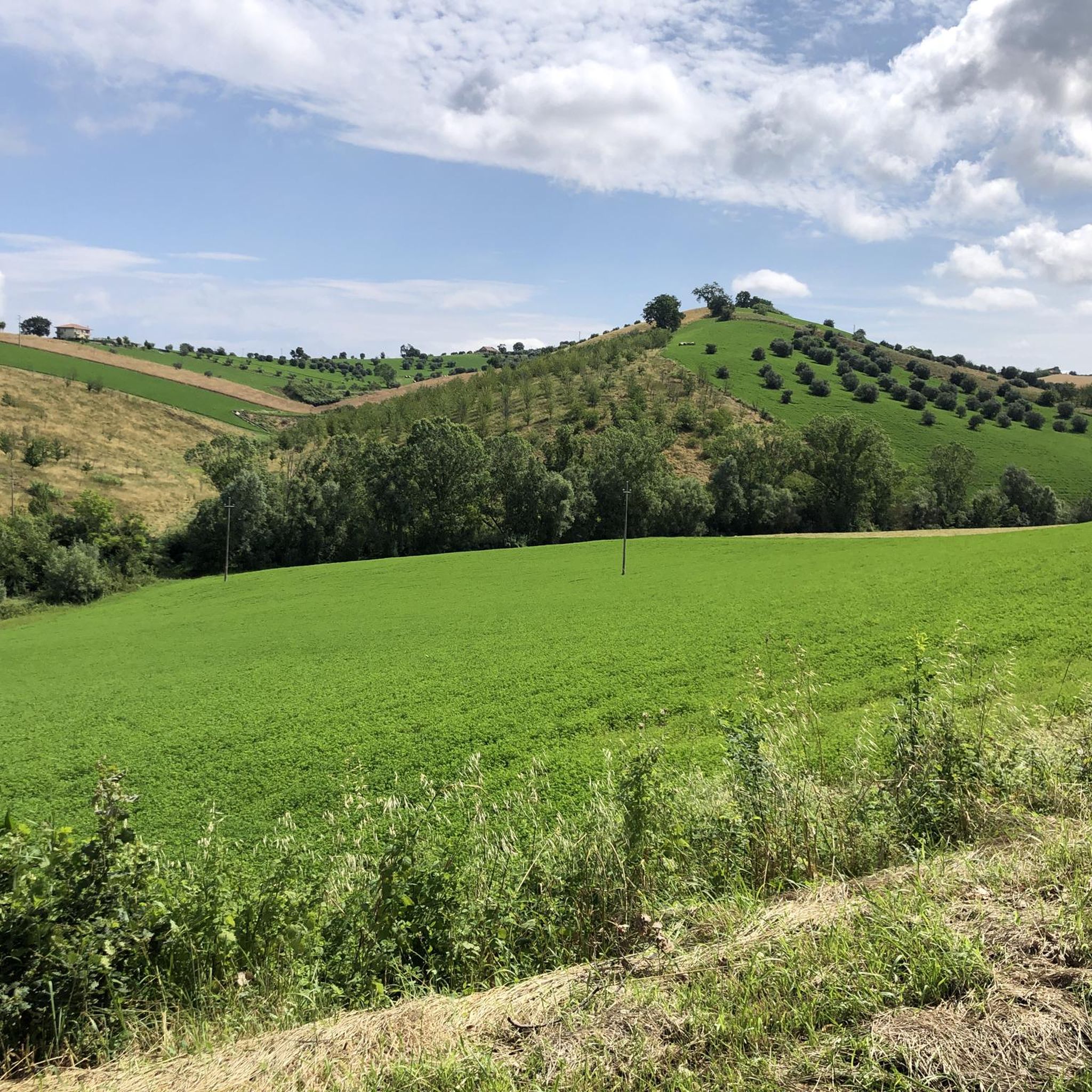
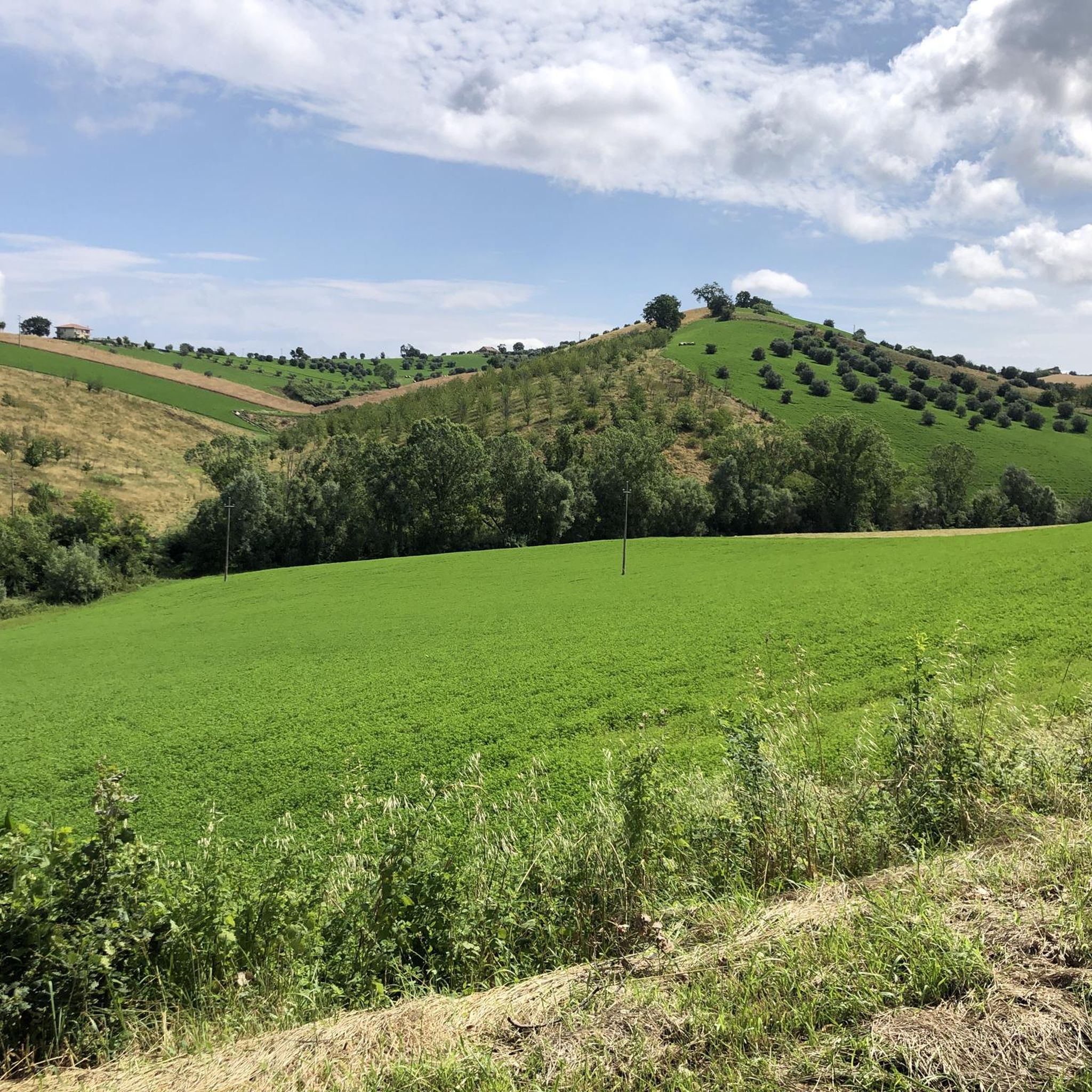
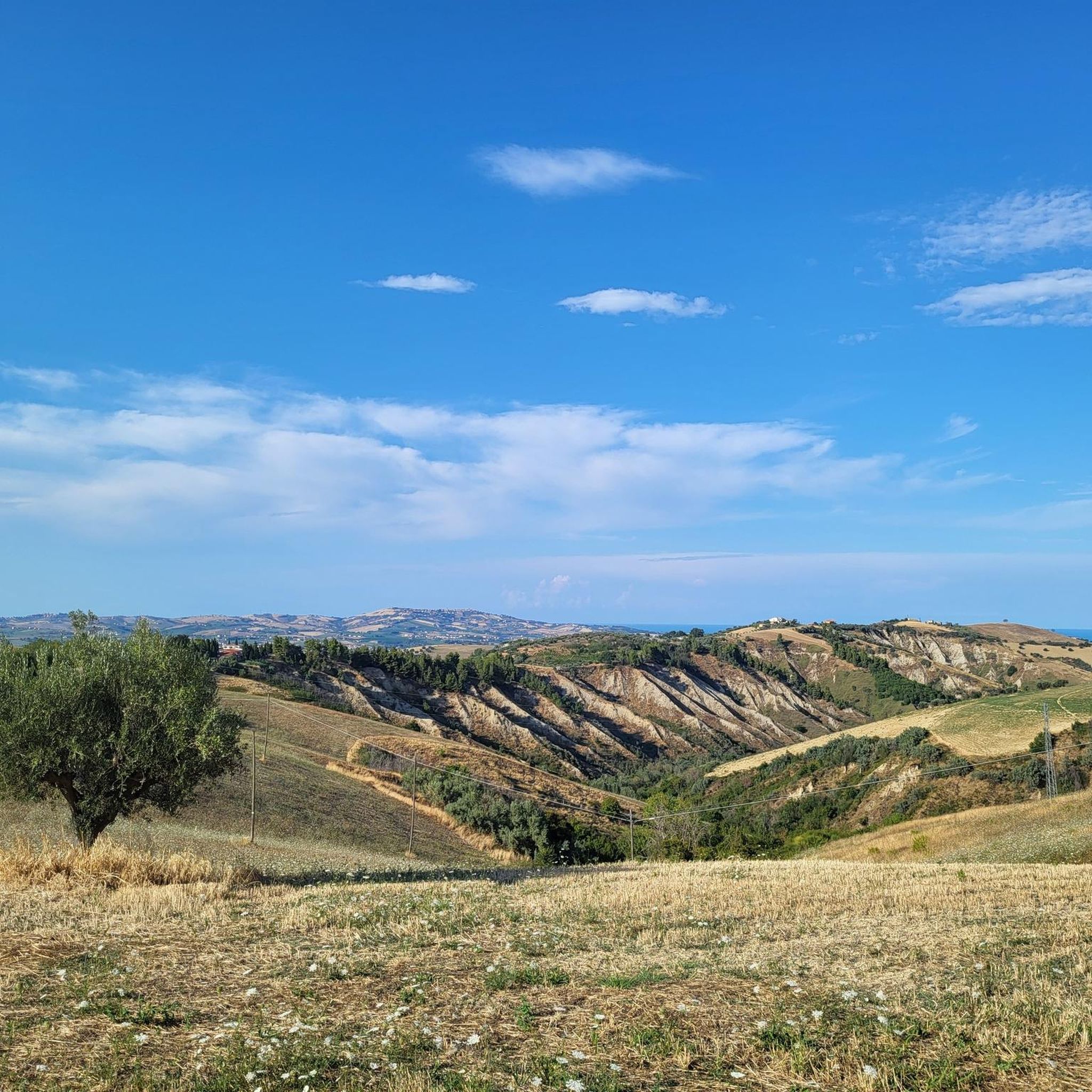
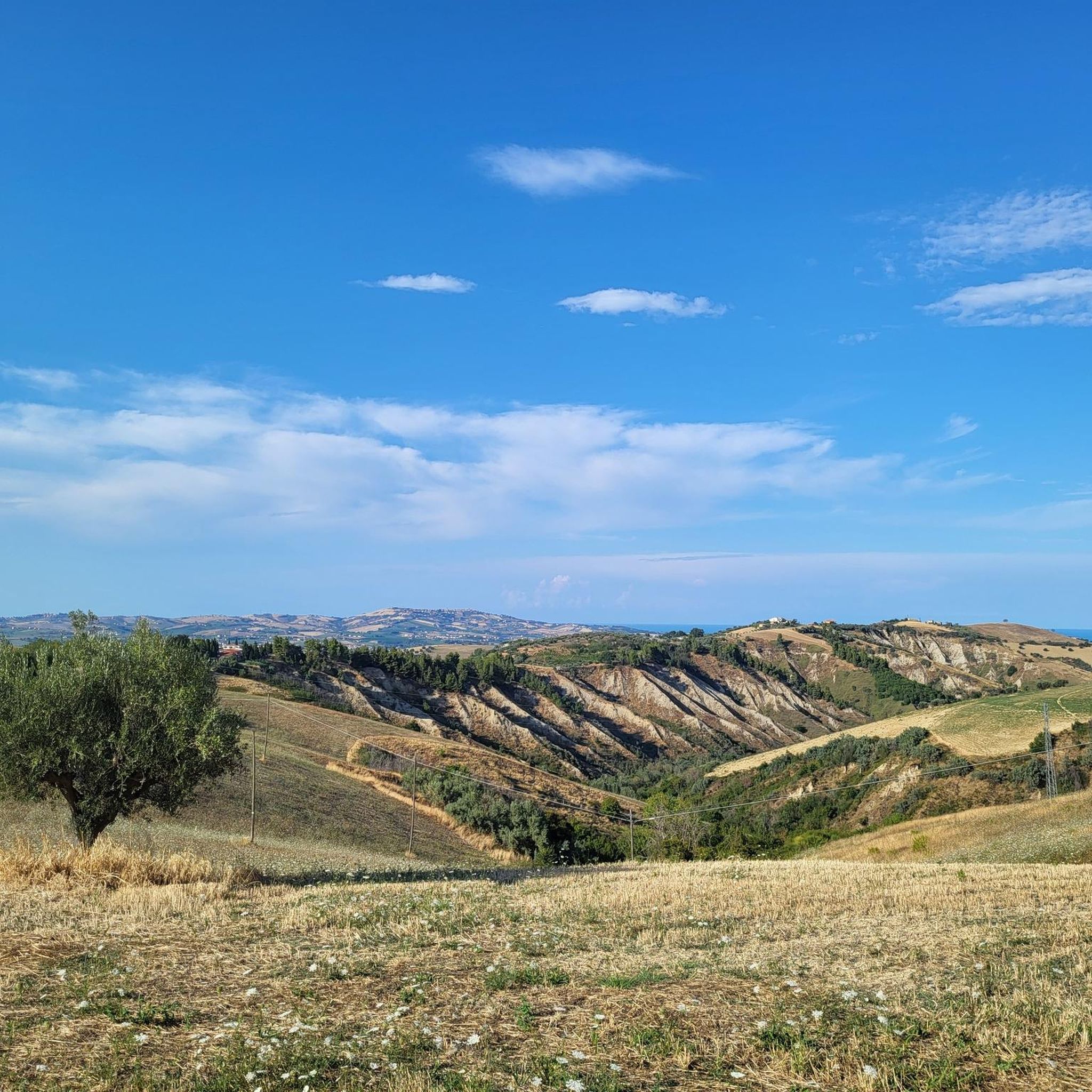
- Visitors also love Atri Calanchi Cycle Route, a cycle way that showcases extraordinary geological formations. These "calanchi" are natural monuments formed by erosion of clayey soil, creating a striking landscape with visible marine fossils.
- Atri is known for its historical sites, unique natural landscapes, and cultural venues. The region offers a variety of attractions to see and explore, from ancient Roman structures to medieval villages and dramatic clay gullies.
- The attractions around Atri are appreciated by the komoot community, with more than 180 upvotes and 45 photos shared by visitors.
Last updated: October 9, 2026
Pine Grove
Highlight • Forest
Translated by Google •
Tip by

Cerrano Tower and Marine Garden
Highlight • Monument
Translated by Google •
Tip by

Sign up now to discover places like this
Get recommendations on the best single tracks, peaks, & plenty of other exciting outdoor places.
Historic Village of Mutignano
Highlight • Historical Site
Translated by Google •
Tip by

Atri Calanchi Cycle Route
Highlight • Cycleway
Breathtaking panorama that covers fatigue and sweat and caresses the fantastic descent with the wind
Translated by Google •
Tip by
Co-Cathedral Basilica of Saint Mary of the Assumption
Highlight • Religious Site
Daily open in the morning from 09:00 - 12:30.
Showing Translation
Tip by

Sign up for free to discover even more attractions around Atri.
Already have an account?
Start today with a free account
Your next adventure awaits.
Tips from the Community

Der Torre del Cerrano ist ein beeindruckender Küstenturm aus dem 16. Jahrhundert und eines der Wahrzeichen zwischen Pineto und Silvi Marina. Er wurde zum Schutz der Küste vor Piraten errichtet und steht heute mitten im geschützten Parco del Cerrano. Direkt vor der Küste befinden sich zudem die Überreste eines antiken römischen Hafens. Ein wunderschöner historischer Ort direkt am Meer und ein besonderes Highlight unserer Wanderung. Heute beherbergt der historische Torre del Cerrano ein kleines Museo del Mare und Informationsbereiche zur geschützten Meereslandschaft.
0
0
The famous pine avenue of Pineto – a beautiful avenue lined with tall umbrella pines right by the sea. The characteristic pine trees provide shade and give the coast its special Mediterranean charm. A beautiful walking path with a view of the Adriatic Sea and a landmark of Pineto.
0
0
Mutignano is a picturesque medieval mountain village in Abruzzo and is considered the historical origin of present-day Pineto. The village is located on a hill with a beautiful view of the Adriatic coast, the surrounding hills, and the characteristic Calanchi. Particularly worth seeing are the narrow alleys, old houses, and the historic Church of San Silvestro. The colorful murals of Mutignano tell stories from earlier village life on the house facades. Scenes from everyday life, work, and agricultural tradition make the historic town center a small open-air gallery. Mutignano is therefore also known as "Paese dei Murales" – Village of Murals. A small, quiet place with a lot of history and typical Abruzzese charm
0
0


Cathedral with ceramic plates! On Piazza Duomo, the Basilica di Santa Maria Assunta will surely catch your eye immediately. If you look closely, you will see that the tower of the Gothic cathedral from 1300 is decorated with ceramic plates in various colors, which change throughout the day with the position of the sun. Incidentally, the shape of the tower, an octagon with a pyramid on top, is unique for the time when the cathedral was built. The funny thing is that you also see this reflected in other churches in Atri and in other villages and towns in Abruzzo. The story goes that the architect of the cathedral applied it here first, after which the idea was adopted by other builders. Underground church and water reservoirs Around 300 BC, on the spot where the cathedral now stands, there was a large square with baths and reservoirs underneath to store rainwater. Only then was the cathedral built on top of it, after which the reservoirs were converted into an underground church. Triggered? Want to know more, click through to https://ciaotutti.nl/reizen-door-italie/abruzzen/atri-een-levendige-stad-vol-geschiedenis/
5
0
Nice route for walking or cycling. Sharing the path, each at their own pace. Historical context: this beautiful pine forest was planted from 1923 onwards by the visionary Luigi Corrado Filiani and even gave the town its name. Today you walk in the shade of thousands of umbrella pines, with the Adriatic Sea always nearby. A quiet and atmospheric route where nature, history and coastal experience come together perfectly.
7
0
The Cattedrale di Santa Maria Assunta (Duomo di Atri) is one of the most important and impressive religious monuments in the Abruzzo region. This co-cathedral was built between 1260 and 1305 on the foundations of an older Romanesque church and even older Roman baths. Daily open in the morning from 09:00 - 12:30.
6
0
Frequently Asked Questions
What historical sites can I visit in Atri?
Atri is rich in history. You can explore the impressive Co-Cathedral Basilica of Saint Mary of the Assumption, a 13th-century Romanesque-Gothic masterpiece featuring Renaissance frescoes and Roman bath mosaics. Other notable sites include the Palazzo Ducale degli Acquaviva, the ruins of a Roman Theater, and ancient Underground Cisterns. Don't miss the Historic Village of Mutignano with its winding alleys and coastal views.
Are there any unique natural attractions near Atri?
Absolutely. The most striking natural feature is the Calanchi di Atri Regional Nature Reserve, characterized by dramatic clay gullies formed by erosion, creating an almost lunar landscape. You can experience these formations directly on the Atri Calanchi Cycle Route. The Villa Comunale dei Cappuccini also offers pleasant walks and panoramic views.
What cultural experiences does Atri offer?
Beyond its historical architecture, Atri boasts several cultural venues. The Capitular Museum, located in a 12th-century monastery, houses a significant collection of art from the 13th to 20th centuries. You can also visit the Archaeological Museum for insights into the region's ancient past, or the Licorice Museum to learn about a local specialty. The Municipal Theater, known for its excellent acoustics, hosts various performances.
What outdoor activities are available around Atri?
The area around Atri is perfect for outdoor enthusiasts. You can enjoy road cycling on routes like the 'Penne Beach and Pine Forest – Pineto Beach loop' or explore hiking trails such as the 'Calanchi di Atri Loop'. Mountain biking is also popular, with routes like the 'Vomano River and Adriatic Coast Loop'. For more details on these activities, check out the dedicated guides for Road Cycling Routes around Atri, Hiking around Atri, and MTB Trails around Atri.
Are there any family-friendly attractions in the Atri area?
Yes, several attractions are suitable for families. The Cerrano Tower and Marine Garden offers a unique blend of history and nature on the beach, with a sea museum that can be engaging for children. The Historic Village of Mutignano is also a charming place for a family stroll, and the Calanchi di Atri Regional Nature Reserve provides an exciting landscape to explore together.
What is the best time of year to visit Atri?
Atri, located in the Abruzzo region, generally enjoys pleasant weather from spring to early autumn (April to October). These months offer ideal conditions for exploring historical sites, hiking in the Calanchi, and enjoying the coastal views. Summers can be warm, perfect for combining sightseeing with trips to the nearby Adriatic coast.
Where can I find ancient Roman structures in Atri?
Atri has a deep Roman past. You can see parts of original Roman bath mosaics through a glass panel in the floor of the Co-Cathedral Basilica of Saint Mary of the Assumption, as it was built upon earlier Roman structures. The town also preserves ruins of an ancient Roman Theater and a complex system of Underground Cisterns that once supplied water to the town.
What kind of views can I expect around Atri?
Atri's hilltop position provides wide and stunning views. You can see over the surrounding countryside, including olive groves, wheat fields, the Adriatic coast, and even the distant Gran Sasso mountain range. The Historic Village of Mutignano and the Villa Comunale dei Cappuccini are particularly noted for their panoramic vistas.
Is there a place to learn about local traditions or products?
Yes, Atri is known for its licorice production, and you can visit the Licorice Museum to delve into this local specialty and its history. Additionally, the Capitular Museum and Archaeological Museum offer insights into the region's artistic and historical heritage, reflecting centuries of local culture.
What do visitors particularly enjoy about the attractions around Atri?
Visitors frequently praise the historical richness and the breathtaking natural beauty. The Co-Cathedral Basilica of Saint Mary of the Assumption is often highlighted as a beautiful and highly recommended visit. The Historic Village of Mutignano is appreciated for its charming old town and wonderful views. The dramatic landscapes of the Calanchi are also a major draw, offering unique photographic opportunities and a sense of awe.
Are there any medieval fortifications or gates still standing in Atri?
Yes, Atri still preserves some of its original defensive medieval walls and three historic gates: Porta Macelli, Porta San Domenico, and Capo d'Atri. These offer a glimpse into the town's past as a fortified center.
Can I find any unique water sources or fountains in the area?
Yes, the Fonte dell'Accolle is a notable historical fountain located on the hill at the foot of Montepagano. It features spring water, a trough for livestock, and a wash house, reflecting its historical importance as a water source for the community. It's also associated with local legends.
Most popular attractions around Atri

Get inspired with the komoot mobile app


Explore more
Still not found the Highlight you’re looking for? See guides of the top attractions in other regions:
