The best walks and hikes around Capodimonte
4.5
(587)
3,136
hikers
172
hikes
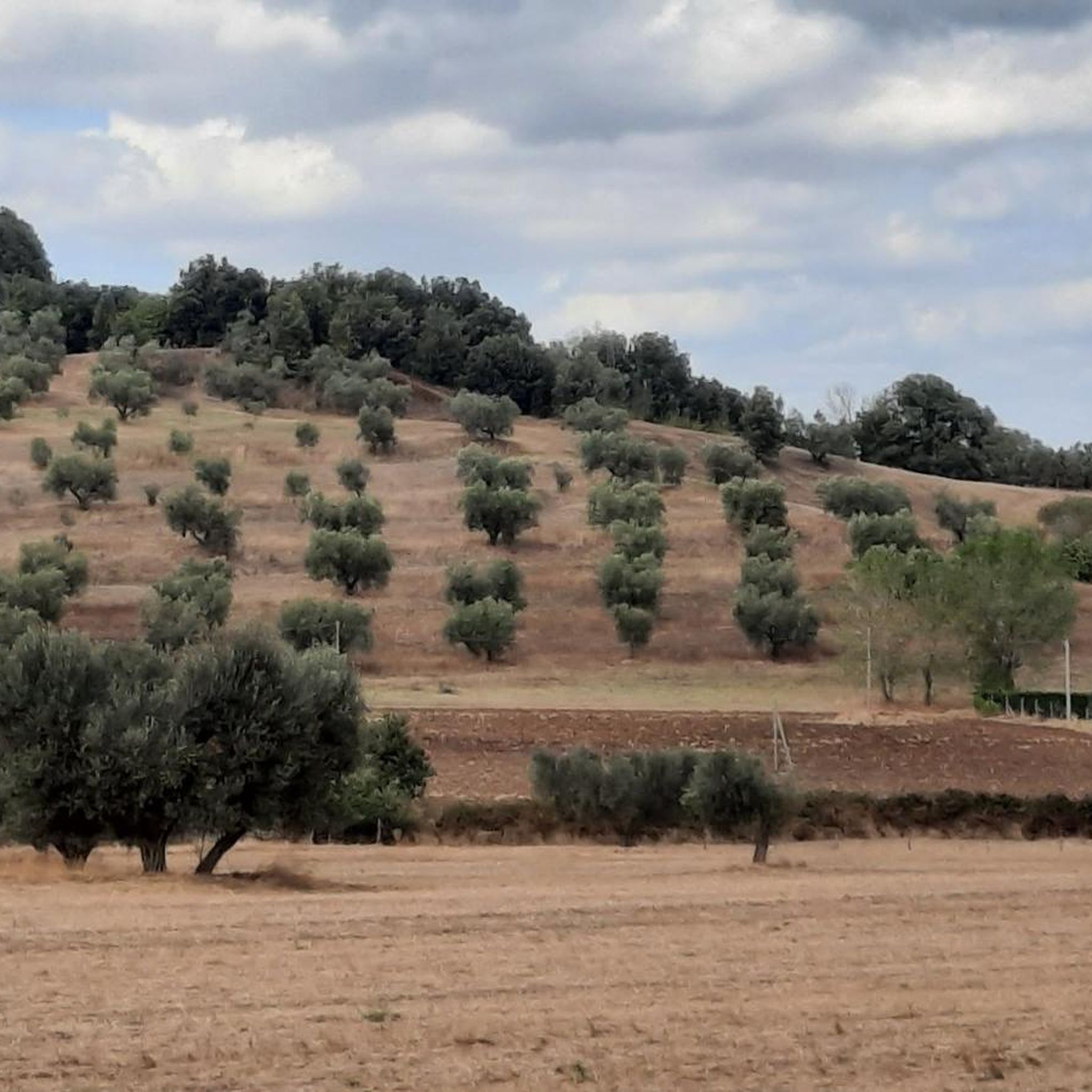
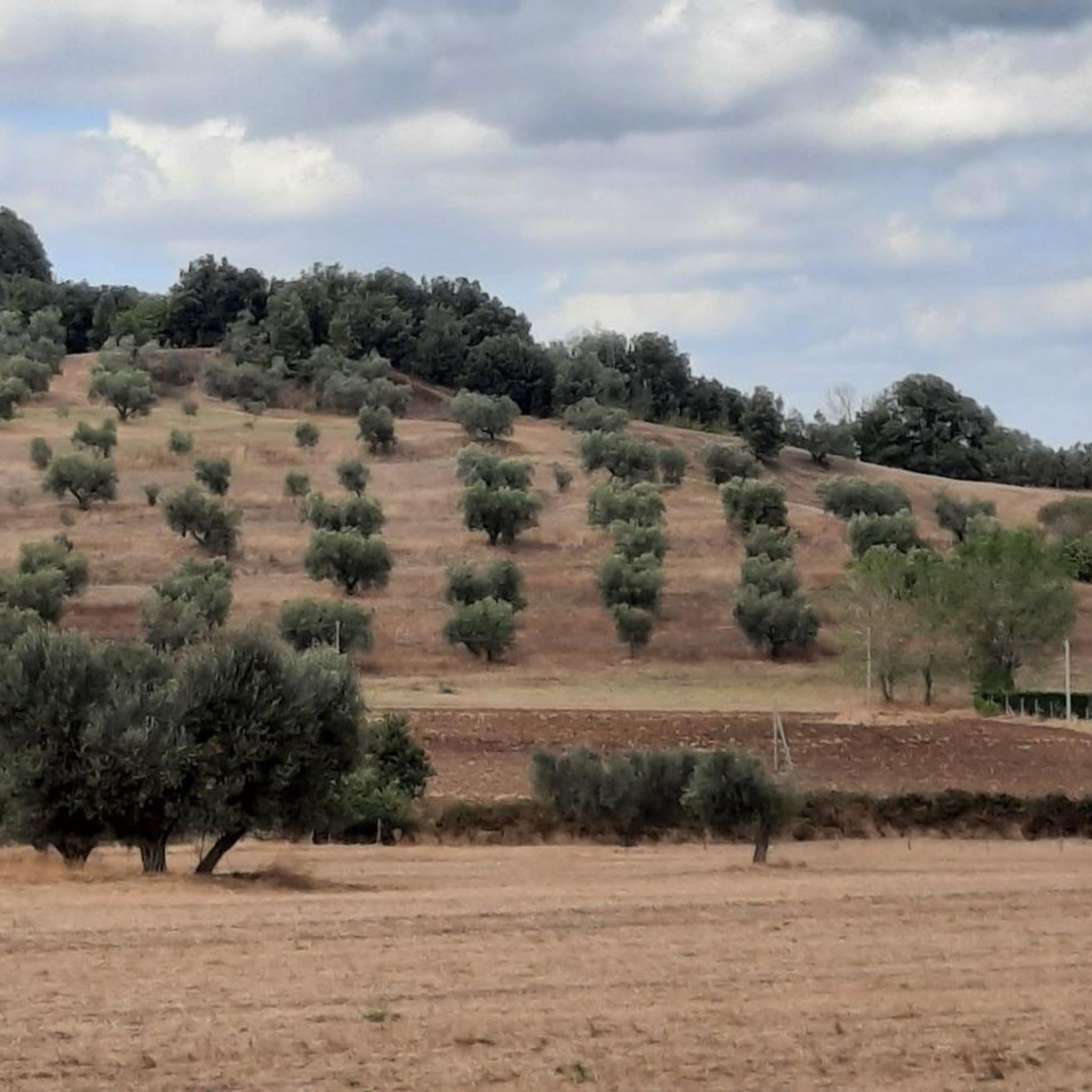
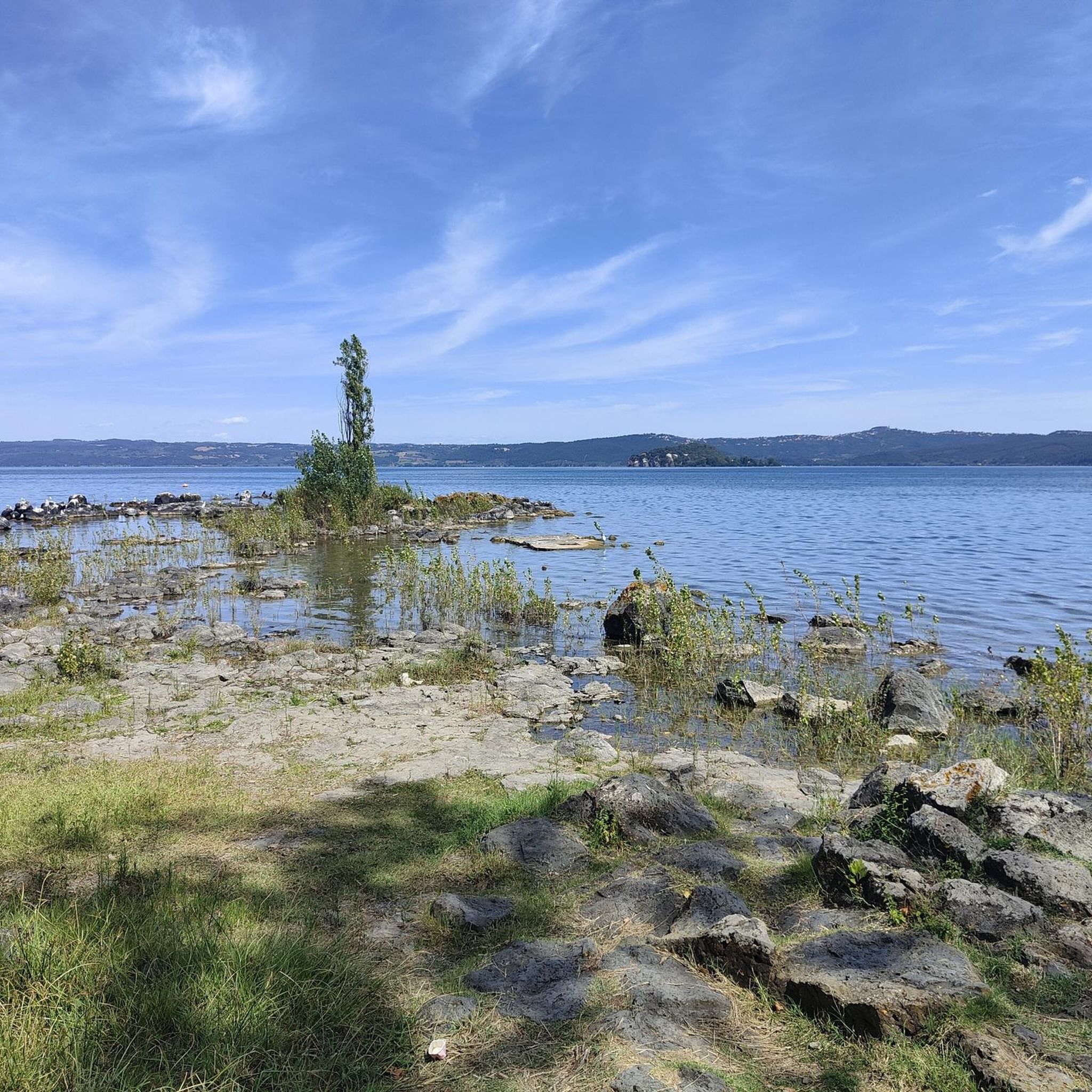
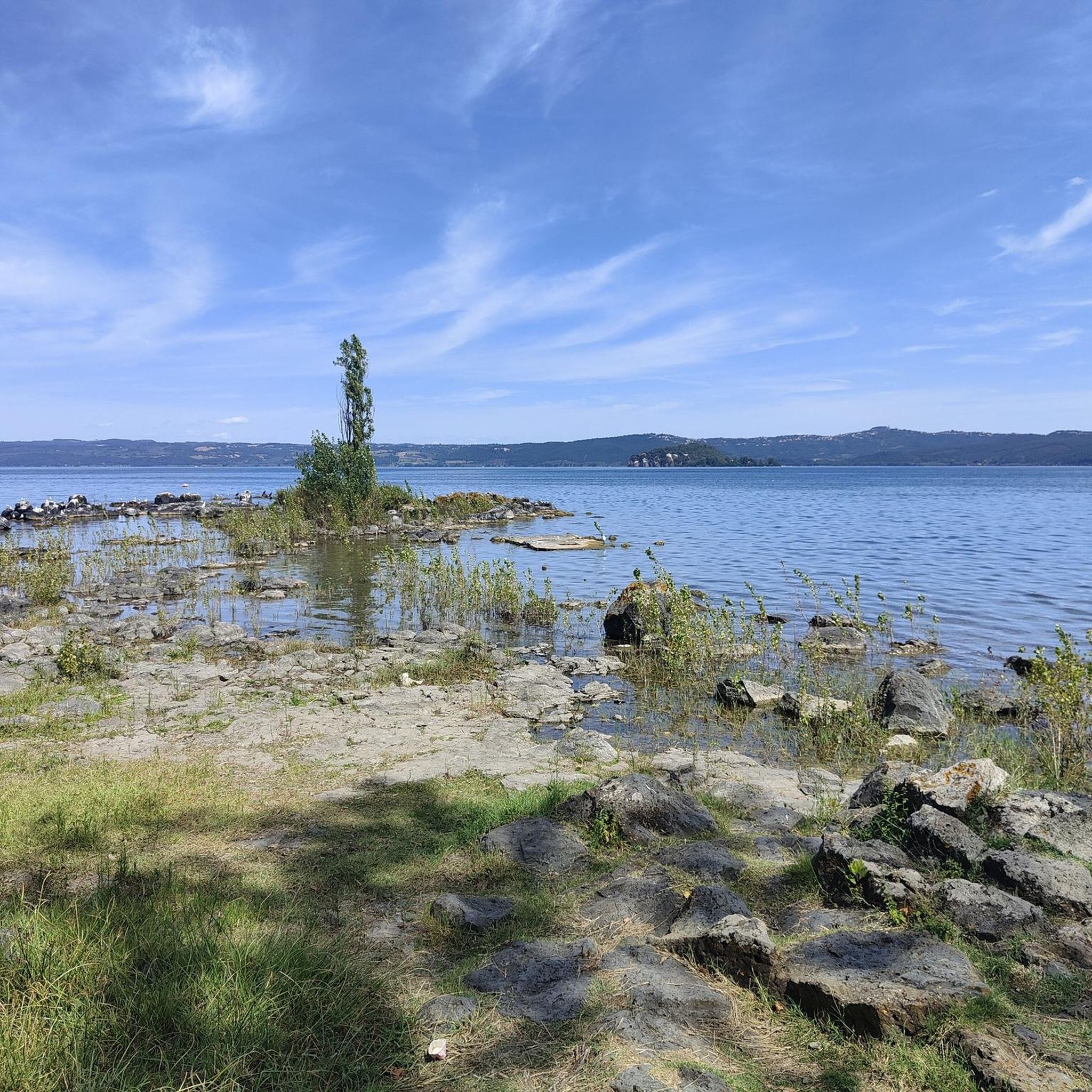
Hiking around Capodimonte encompasses two distinct areas: the picturesque town by Lake Bolsena in Viterbo province, and the Real Bosco di Capodimonte, an extensive urban park in Naples. The Lake Bolsena region features a large volcanic lake with scenic shores and views of its islands, Martana and Bisentina. In Naples, the Real Bosco di Capodimonte offers shady forests, diverse flora, and panoramic city views within a historical park setting. Both locations provide varied terrain for outdoor activities.
Best hiking trails around Capodimonte
- The most popular hiking route is Walk through the villages of Lake Bolsena from Capodimonte, a 4.1 miles (6.6 km) trail that takes 1 hour 45 minutes to complete. This easy route explores the villages surrounding the volcanic lake.
- Another top favourite among local hikers is View of Isola Martana – Rocca Farnese of Capodimonte loop from Capodimonte, an easy 3.1 miles (5.1 km) path. This trail offers views of Isola Martana and passes by the historic Rocca Farnese.
- Local hikers also love the Capodimonte Harbour View – View of Isola Bisentina loop from Capodimonte, a 3.5 miles (5.6 km) trail leading through lakeside areas, often completed in about 1 hour 25 minutes.
- Hiking around Capodimonte is defined by volcanic lake shores, historic urban parklands, and diverse flora. The network offers options for easy, moderate, and difficult ability levels.
- The routes in Capodimonte are highly rated by the komoot community with an average score of 4.5 stars from over 500 reviews. More than 2,700 hikers have used komoot to explore Capodimonte's varied terrain.
Last updated: June 24, 2026
4.7
(3)
22
hikers
6.62km
01:45
60m
60m
The "Walk through the villages of Lake Bolsena from Capodimonte" offers an easy hike along Europe's largest volcanic lake. You will traverse lakeside paths and cultivated fields, enjoying charming views of Lake Bolsena and its islands, Bisentina and Martana. This route is an easy 4.1-mile (6.6 km) journey with minimal elevation gain of 202 feet (62 metres), taking about 1 hour and 44 minutes to complete. The volcanic origins of the region mean you might encounter black volcanic sand beaches. As you hike, you'll see the historic architecture of villages like Capodimonte, which sits on a small peninsula.
Starting from Capodimonte, the trail is easily accessible for a pleasant outing. Capodimonte itself features a tourist port and historical buildings like Palazzo Borghese, making it a good base for your visit. The paths are generally well-maintained, suitable for a wide range of fitness levels. Consider exploring the village before or after your hike, perhaps visiting the Rocca Farnese for spectacular lake views. The serene atmosphere of these lakeside villages is particularly enjoyable in the off-season.
Lake Bolsena is famous for its clear waters and volcanic origins, providing a unique backdrop for your hike. This particular route allows you to immerse yourself in the local culture and historical sites within the charming towns around the lake. The region's low chain of dormant Volsini Mountains encircles the lake, adding to the scenic beauty. You might even find sections of ancient routes like the Via Francigena along your way. From Capodimonte, you also have the option to take a boat to Bisentina Island, which offers ancient churches, chapels, and nature trails.
4.8
(4)
37
hikers
Easy hike. Great for any fitness level. Easily-accessible paths. Suitable for all skill levels.

Sign up for free
5.0
(3)
26
hikers
13.0km
03:23
80m
80m
Moderate hike. Good fitness required. Easily-accessible paths. Suitable for all skill levels.
4.9
(8)
25
hikers
13.7km
03:27
20m
20m
Moderate hike. Good fitness required. Easily-accessible paths. Suitable for all skill levels.
5.0
(1)
3
hikers
13.6km
03:40
180m
170m
Moderate hike. Good fitness required. Easily-accessible paths. Suitable for all skill levels.
Get access to more routes and recommendations from other explorers.
Sign up for free
Already have an account?
Our route recommendations are based on thousands of hikes, rides, and runs completed by other people on komoot.
Start today with a free account
Your next adventure awaits.
Login or Signup

Tips from the Community

The Lungolago Amalasunta in Marta is a pleasant walk overlooking the waters of Lake Bolsena, in one of the villages that best preserves the tradition of lake fishing. The path runs along the harbor and the beach, where you can observe the typical fishing boats pulled up to shore or moored along the pier. These traditional boats, with their low, elongated profile and raised bow and stern, have a very ancient design, developed over the centuries to move easily through the lake and facilitate net work. Alongside the boats, you can often see the fishermen's nets, spread out to dry in the sun or collected on the docks. Among these are the martavelli, special conical traps with internal chambers that guide the fish inside without allowing them to escape.
0
0

Isola Martana is the smaller of the two islands in Lake Bolsena and lies directly in front of the town of Marta, which gives the island its name. Features and History * Size and Location: It is the smaller of the two volcanic islands in the lake and has an area of approximately 10.3 hectares. It is clearly visible from the town of Marta. * Volcanic Origin: Like the lake itself and its larger sister island (Isola Bisentina), Isola Martana was formed by underground volcanic eruptions. Its crescent-shaped shape and steep, north-facing cliffs are testament to its volcanic past. * Historical Significance: Isola Martana holds a rich and often dark history: * Saint Christina: According to legend, the relics of Saint Christina were hidden here around 410 AD to protect them from barbarian invasions before eventually being returned to Bolsena. * Queen Amalasuntha: The island is most famous for the tragic assassination of Amalasuntha, Queen of the Ostrogoths and daughter of Theodoric the Great, in 535 AD. She was reportedly imprisoned and then murdered here on the orders of her cousin and husband, Theodahad. This event served as a pretext for the Byzantine Emperor Justinian to launch the Gothic War to reconquer Italy. * Monastic past: The island once housed a monastery, which was later abandoned. * Private property: Today, Isola Martana is privately owned and not open to the public.
0
0
Lake Bolsena is a large volcanic lake in central Italy, about 90 km north of Rome in the province of Viterbo, Lazio. It is a popular tourist destination, known for its natural beauty, clear waters, and relaxed atmosphere. The lake was formed by the collapse of a caldera of the Vulsini volcano. This geological history contributes to its black volcanic beaches, some of which are black in color. Lake Bolsena is known for its clean, spring-fed waters, which are excellent for swimming. The shores often slope gently, making it suitable for families with children. The lake has two islands, Bisentina and Martana, formed by underwater eruptions. Public access to the islands may be limited, but boat tours often offer views of them.
0
0
A rose-shaped plaque commemorating Noëlla Nabonnand, born in 1901. This plaque is part of the Lazio Region's "Bella Bestia" project, dedicated to commemorating the history of Monte Bisenzio. The QR code on the plaque allows you to hear the story associated with this person or place. The plaque is located near Monte Bisenzio, an archaeological site with an ancient Etruscan city.
0
0
Piazza Matteotti is a central square in Capodimonte and an important meeting place for the community. The square is a junction where the Corso della Repubblica and the Via Cassia meet. The square also houses the former Church of San Francesco.
0
0
The tower was built around 1780. It is constructed of hewn tuff blocks. The mechanical clock in the tower struck the hours with the ringing of two bells. The Torre dell'Orologio is a historic landmark in Capodimonte.
0
0
Parish and Collegiate Church of Santa Maria Assunta in Cielo. Construction period: Built in the 15th century. Commissioner: Erected by Ranuccio III Farnese. Restoration: Restored in the 16th century under the direction of Vignola.
0
0
The arch, known as La Porticella, was the second access gate on the western side of the village of Capodimonte. Opposite are Monte Bisenzo and the island of Bisentina. The discovery of two Bronze Age canoes in the lake at the end of the 20th century testifies to fishing and trading activities dating back to prehistoric times. One of the canoes, recovered from the water and restored, is on display in the rooms of the Inland Navigation Museum on the lakeshore in Capodimonte. On Monte Bisenzo, there was a Villanovan (9th century BC) and then Etruscan settlement, which took the name Bisenzio. Its importance is attested by the wealth of finds from the numerous necropolises. Bisenzio was conquered by the Romans in the 3rd century BC and elevated to the status of a municipality in 90 BC under the name Vesentium. A columbarium, La Piccionara, opens into the mountain and overlooks the lake toward the island of Bisentina. During the barbarian invasions, part of the population moved to the Capodimonte promontory. In the 10th century, a new settlement emerged there, initially called Vico Capomarta, later Castrum Capitis Montis, from which the present name Capodimonte is derived. In 1102, it was elevated to the status of a parish. The settlement of Bisenzio existed until the early decades of the 19th century, but was abandoned due to malaria. In 1816, it was united with Capodimonte by an edict of Pope Pius VII.
0
0
Frequently Asked Questions
How many hiking trails are available in Capodimonte?
There are over 140 hiking trails around Capodimonte. These routes cater to various preferences, ranging from easy strolls along Lake Bolsena to more challenging paths within the Real Bosco di Capodimonte.
What are the typical difficulty levels for hikes in Capodimonte?
Capodimonte offers a range of difficulty levels. You'll find many easy routes, especially around Lake Bolsena, such as the Walk through the villages of Lake Bolsena from Capodimonte. There are also moderate options, and a smaller selection of more difficult trails for experienced hikers.
Are there any circular hiking routes in Capodimonte?
Yes, many routes in Capodimonte are circular. For instance, you can enjoy the View of Isola Martana – Rocca Farnese of Capodimonte loop from Capodimonte, which offers scenic views and passes by historical sites. Another option is the Capodimonte Harbour View – View of Isola Bisentina loop from Capodimonte.
What kind of natural features can I expect to see while hiking in Capodimonte?
In the Lake Bolsena area, you'll encounter the unique landscape of a volcanic lake, with clear waters and views of its islands, Martana and Bisentina. The Real Bosco di Capodimonte in Naples boasts diverse flora, including rare camellias and magnolias, shady forests, and panoramic views of the city and its bay.
Are there historical sites or landmarks to explore along the trails?
Absolutely. Around Lake Bolsena, you can visit the historic Rocca Farnese of Capodimonte and the ancient Etruscan site of Monte Bisenzio. In the Real Bosco di Capodimonte, you'll find 18th-century buildings like the Royal Palace of Capodimonte (now a museum), the Palazzo Porcellane, and various statues and fountains.
Are the hiking trails in Capodimonte suitable for families with children?
Many trails in Capodimonte are suitable for families. The easy walks along Lake Bolsena and the well-maintained paths within the Real Bosco di Capodimonte are generally flat and offer pleasant environments for children. The Real Bosco, with its open spaces and historical elements, is particularly popular for family outings.
Can I bring my dog on the hiking trails in Capodimonte?
Yes, many areas in Capodimonte are dog-friendly. The Real Bosco di Capodimonte is a popular spot for dog walkers, offering ample space and shaded paths. When hiking around Lake Bolsena, it's generally fine to bring dogs, but always ensure they are on a leash and check for any specific local regulations.
Is there public transport access to the hiking areas in Capodimonte?
For the Real Bosco di Capodimonte in Naples, public transport is readily available, as it's an urban park. Buses serve the area, making it accessible from various parts of the city. For Capodimonte by Lake Bolsena, public transport options might be more limited, so checking local bus schedules is advisable.
What is the best time of year for hiking in Capodimonte?
Spring and autumn are ideal for hiking in Capodimonte, offering pleasant temperatures and beautiful scenery. In spring, the Real Bosco di Capodimonte is vibrant with blooming flora. Summer can be warm, especially in Naples, but the shaded paths of the Real Bosco and lakeside breezes by Bolsena can still make for enjoyable hikes. Winter offers cooler, quieter conditions.
Are there places to park near the hiking trails?
Yes, parking is generally available. For the Real Bosco di Capodimonte, there are parking facilities nearby, though they can fill up during peak times. Around Capodimonte by Lake Bolsena, you'll find parking in the town and at various points along the lake shore, making it convenient to access trails.
What do other hikers enjoy most about hiking in Capodimonte?
The komoot community highly rates the hiking experiences in Capodimonte, with an average score of 4.5 stars. Hikers frequently praise the diverse landscapes, from the serene volcanic lake shores to the historical urban parklands. The well-maintained paths and the blend of nature and culture are often highlighted as key attractions.
Can I find cafes or restaurants near the hiking trails in Capodimonte?
Yes, both Capodimonte locations offer amenities. Near the Real Bosco di Capodimonte in Naples, you'll find numerous cafes and restaurants in the surrounding neighborhoods. In Capodimonte by Lake Bolsena, there are eateries and cafes in the town itself and along the lakefront, perfect for a post-hike refreshment.
Most popular routes around Capodimonte
Most popular attractions around Capodimonte

Get inspired with the komoot mobile app


Explore more
Browse the best Hikes in other regions.
