Attractions and Places To See around Cellere - Top 20
Best attractions and places to see around Cellere, a town in the Tuscia region of Lazio, Italy, offers a mix of historical, natural, and cultural attractions. Situated on a hill, it provides views of the surrounding green countryside. The area is known for its historical landmarks, archaeological sites, and natural features.
Best attractions and places to see around Cellere
- The most popular attractions is Poggio Conte Hermitage, a religious building and historical site that can be reached via a…
Last updated: August 29, 2026
Historic Center of Marta
Highlight • Historical Site
Translated by Google •
Tip by

Rocca Farnese of Capodimonte
Highlight • Castle
Translated by Google •
Tip by

Sign up now to discover places like this
Get recommendations on the best single tracks, peaks, & plenty of other exciting outdoor places.
Sign up for free
Poggio Conte Hermitage
Highlight • Religious Site
Tip by

Vulci Archaeological Site
Highlight • Historical Site
Translated by Google •
Tip by
Gravel section along the lake
Highlight (Segment) • Cycleway
Translated by Google •
Tip by

Sign up for free to discover even more attractions around Cellere.
Sign up for free
Already have an account?
Start today with a free account
Your next adventure awaits.
Login or Signup
Tips from the Community

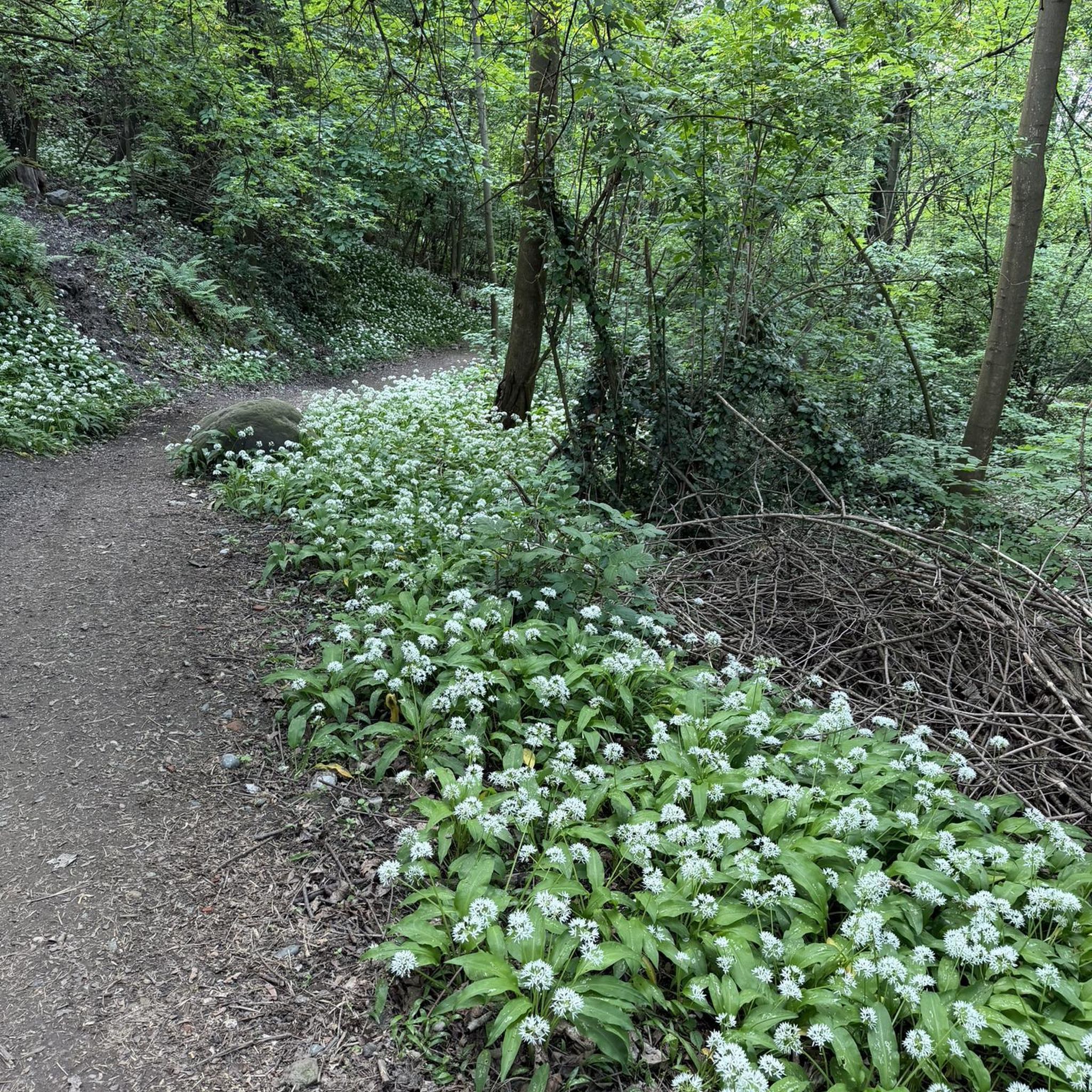
It can be reached after a walk (also accessible by bike) along a path that runs alongside the Fiora River; the last stretch is accessible only on foot. Impressive.
0
0

Located in the heart of the village of Marta, on the southern shore of Lake Bolsena, the Clock Tower is one of the main historical and tourist attractions of the area. This medieval tower, which stands majestically in the historic center, is not only a symbol of the city, but also a witness to centuries of history, art and local traditions. The Clock Tower stands imposingly at 21 meters high. Its structure is characterized by a truncated pyramid base with a square plan and an octagonal body that culminates with a small octagonal tower about 2.5 meters high, where the clock bells are located. This clock, installed in 1575 during the Farnese domination, is one of the distinctive elements of the tower. Originally, the tower was part of the Rocca, a medieval fortification that has seen numerous restorations and alterations due to the turbulent historical events of the village. The tower has survived various modifications and reconstructions, and today represents one of the most fascinating testimonies of Marta's past. (c) https://www.visittuscia.eu/torre-orologio-marta/
0
0

Gravel suitable for road bikes. It's worth it, because the road then becomes a good-quality paved section along the lake. Most paved secondary roads in Italy are in significantly worse condition than this gravel.
0
0

The Rocca Farnese, located in Tuscia, is an imposing 16th-century structure built around a medieval tower, which dominates the historic center of Ischia di Castro. The palace, unfinished for centuries, was recently restored by the new owner, bringing to light ancient forms and a walled Renaissance loggia. Originally built in the 13th century as a fortress, it was transformed into a palace in the 16th century, perhaps designed by Antonio da Sangallo the Younger. It was the residence of the Farnese, lords of the Duchy of Castro, and, after the end of the duchy in 1649, it passed to the Apostolic Chamber and various families.
3
0

Unfortunately I have to disagree. It will definitely be nicer. The gravel path, which is suitable for racing bikes but is borderline, is followed by asphalt paths directly by the lake, partly without any development until about 7 km before Bolsena. Everything can be ridden on a racing bike, although not too fast. The lap around the lake is not a racing tour if you want to get off the roads.
0
0

That's exactly how it is! Wonderfully secluded beach, clear water, you just have to swim! Further towards Bolsena there is more infrastructure (restaurants, boat rentals), but it doesn't get any nicer.
0
1

Vulci is an ancient Etruscan city 8 km from the Tyrrhenian Sea. Vulci was one of the Etruscan Twelve Cities. In history the city is mentioned only once on the occasion of a 280 BC. Mentioned of the triumph celebrated by the Romans over Vulci in the 4th century BC, when it was conquered by an army led by Tiberius Coruncanius. In 273, the Romans also made Cosa, which was part of Vulci as a port (today the ruins of Ansedonia), a colony. (Source: Wikipedia) The first parts of this ancient city were discovered in the 1950s. In 1970 another house was being built (party house?). The excavations are still ongoing. A visit to the archaeological park costs €10. There are signs for a long loop and a short loop. The long one supposedly lasts 3 hours, the short one 2 hours. We walked the long way (5km). It is advisable to follow the recommended walking direction, as most of the excavations can be seen at the beginning. You can then still decide whether to go the full round or not. It also makes sense not to go when it's too hot, as there is almost no shade.
1
0

Stretch of a couple of km unpaved, but it is a gravel in good condition that can also be traveled by road bike. The road runs along one of the best beaches of Lake Bolsena.
2
0
Frequently Asked Questions
What historical sites can I explore around Cellere?
The region around Cellere is rich in history. You can visit the imposing Rocca Farnese of Capodimonte, a 16th-century castle that was once a Farnese residence. The Historic Center of Marta offers a charming medieval atmosphere with its stepped alleys. Don't miss the Vulci Archaeological Site, an ancient Etruscan city with ongoing excavations, or the unique Poggio Conte Hermitage, a religious building with 13th-century French architectural influences.
Are there any ancient Etruscan sites near Cellere?
Yes, the Vulci Archaeological Site is about 8 km from the Tyrrhenian Sea and was one of the Etruscan Twelve Cities. You can explore the archaeological park, which offers both long (3-hour) and short (2-hour) walking loops. It's advisable to visit when it's not too hot due to limited shade.
Where can I learn about the local history of brigandage?
The Museum of Brigandage in Cellere provides a unique insight into the history of brigandage in the area. It showcases objects, documents, and stories from this turbulent period in Italian history.
Can I visit a medieval village near Cellere?
Yes, Borgo Pianiano, a charming medieval village within Cellere, has preserved its historical architecture and atmosphere. Wandering its cobblestone streets offers visitors a step back in time.
What natural attractions are there to see around Cellere?
The Timone Springs Park (Parco delle Sorgenti del Timone) is an area of significant natural beauty, perfect for enjoying breathtaking views and exploring local flora and fauna. Additionally, the path alongside the Fiora River leading to the Poggio Conte Hermitage offers a scenic natural walk.
Are there opportunities for hiking near Cellere?
Absolutely! There are several hiking routes available. You can find options like the 'Farnese - Selva del Lamone Loop' or an easy 'Walk in the ancient city of Castro'. For more details and routes, check out the Hiking around Cellere guide.
What about cycling or mountain biking routes?
The area around Cellere is great for cycling. You can find gravel biking routes, such as the 'Marta – Tuscania loop from Capodimonte', or mountain biking trails like the 'Lake Mezzano – Lake Mezzano loop from Piansano'. Explore more options in the Gravel biking around Cellere and MTB Trails around Cellere guides.
Are there any easy walking trails suitable for families around Cellere?
Yes, there are easy walking options. For instance, the 'Walk in the ancient city of Castro' is an easy 3.5 km route. Another easy option is the 'View of Isola Martana – Rocca Farnese of Capodimonte loop from Capodimonte', which is about 5 km. These are great for families looking for less strenuous outdoor activities. You can find more easy routes in the Hiking around Cellere guide.
What is the <a href="https://www.komoot.com/highlight/2671370" target="_blank" rel="noopener">Poggio Conte Hermitage</a> and how can I reach it?
The Poggio Conte Hermitage is a historical and religious site known for its remarkable artistic and sculptural skill, showing influences from 13th-century French culture. It can be reached via a path alongside the Fiora River, with the final stretch accessible only on foot, making it a rewarding walk through nature.
What is the best time of year to visit Cellere's attractions?
Cellere offers a pleasant climate, especially in summer, making it a good time to visit. The town also hosts various events throughout the year, such as the 'Cellere between Nature and Tradition' festival in mid-September and 'Beyond the Garden' in late May, which celebrate local nature and traditions.
What do visitors enjoy most about the attractions around Cellere?
Visitors appreciate the mix of historical landmarks, natural features, and cultural sites. The Historic Center of Marta is loved for its beautiful flowery old town and stepped alleys, while the Rocca Farnese of Capodimonte offers great views. The Poggio Conte Hermitage is noted for its impressive architecture and scenic access path.
Most popular attractions around Cellere

Get inspired with the komoot mobile app


Explore more
Still not found the Highlight you’re looking for? See guides of the top attractions in other regions:
