The best walks and hikes around Elice
4.2
(136)
614
hikers
12
hikes
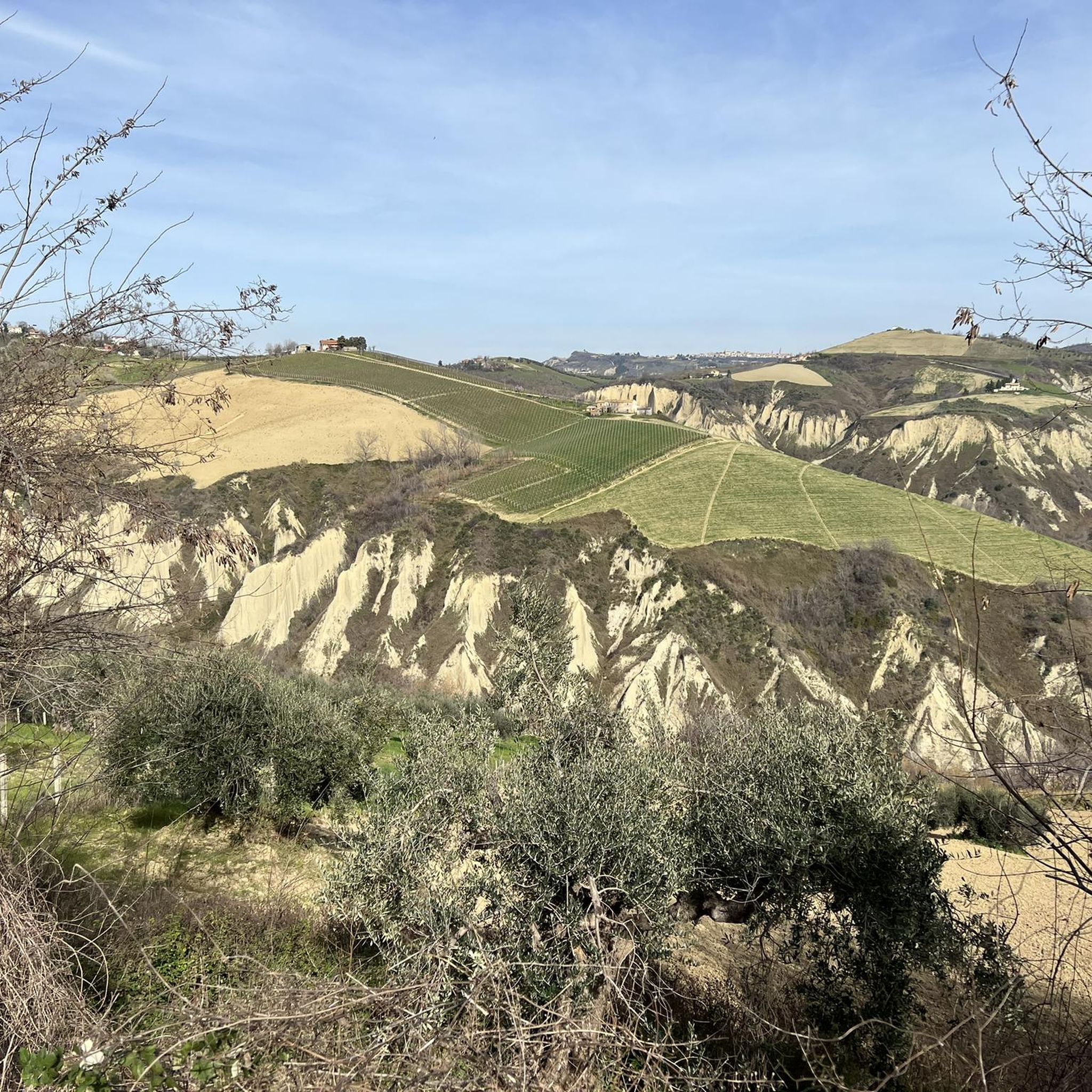
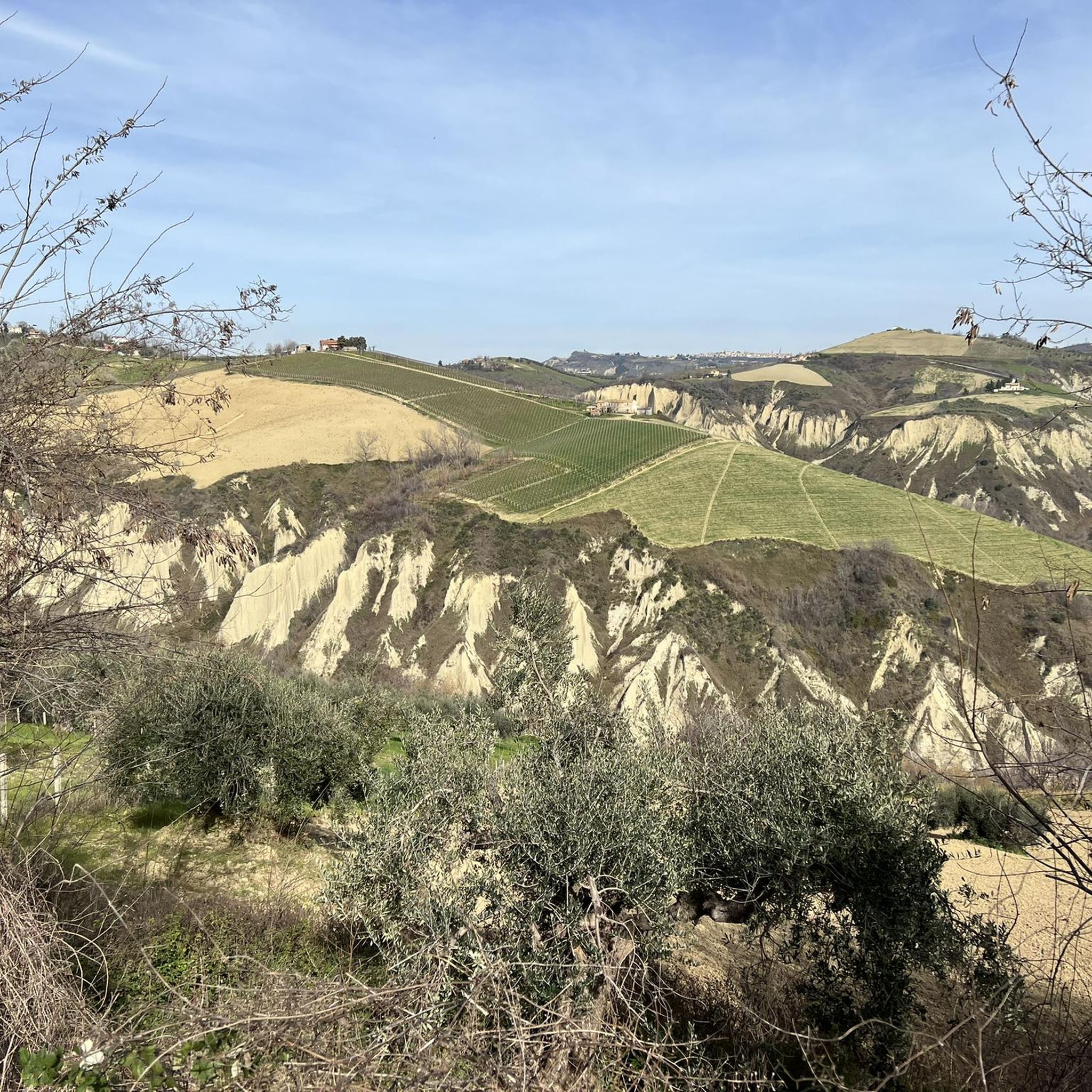
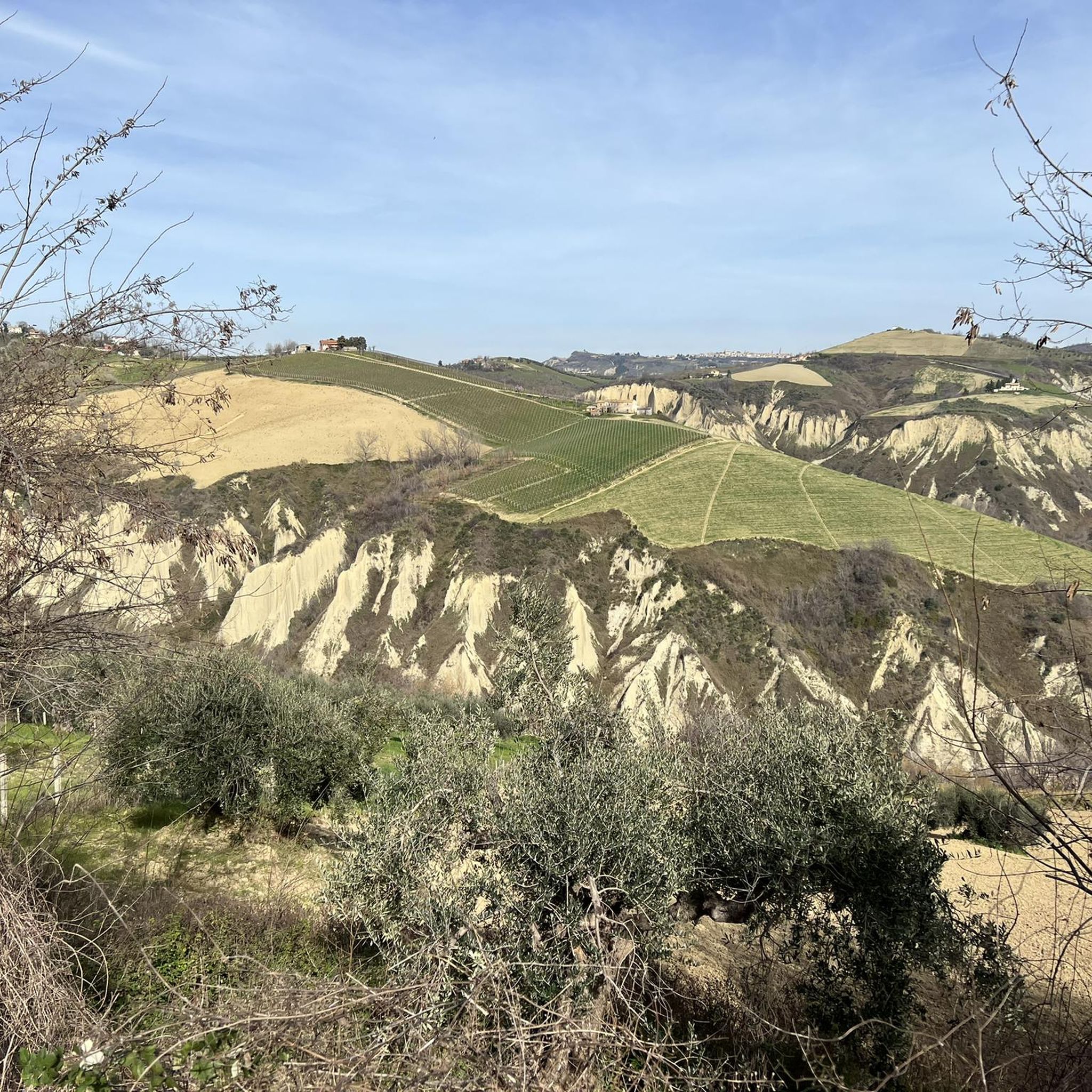
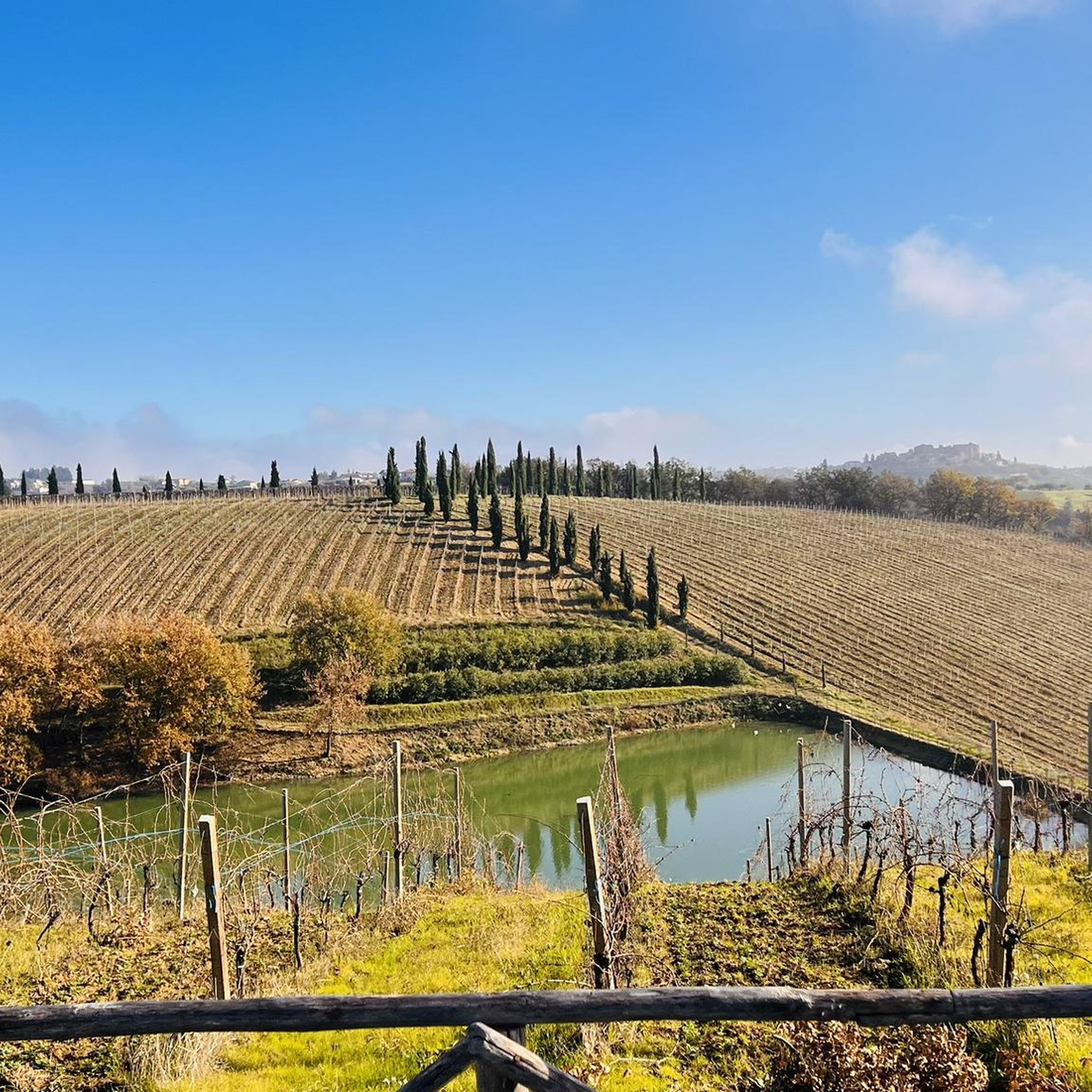
Hiking around Elice offers diverse landscapes, characterized by the unique geological formations of the Calanchi (badlands) and rolling hills. The region features a mix of open, arid terrain and areas around water bodies like Lake Penne. Trails often traverse valleys and ridges, providing varied elevation changes. The area is situated in Italy's mountainous Abruzzo region, with the Gran Sasso d'Italia visible in the background.
Best hiking trails around Elice
- The most popular hiking route is Calanchi di Atri Loop,…
Last updated: June 22, 2026
4.4
(78)
293
hikers
6.19km
02:02
290m
290m
Moderate hike. Good fitness required. Easily-accessible paths. Suitable for all skill levels.
3.0
(2)
22
hikers
3.08km
01:05
170m
170m
Easy hike. Great for any fitness level. Easily-accessible paths. Suitable for all skill levels.

Sign up for free
5.0
(3)
18
hikers
5.74km
01:36
110m
110m
Easy hike. Great for any fitness level. Easily-accessible paths. Suitable for all skill levels.
5
hikers
13.1km
03:44
310m
310m
Moderate hike. Good fitness required. Easily-accessible paths. Suitable for all skill levels.
5
hikers
3.31km
00:56
70m
70m
Easy hike. Great for any fitness level. Easily-accessible paths. Suitable for all skill levels.
Get access to more routes and recommendations from other explorers.
Sign up for free
Already have an account?
Our route recommendations are based on thousands of hikes, rides, and runs completed by other people on komoot.
Start today with a free account
Your next adventure awaits.
Login or Signup
Tips from the Community

The Cathedral of Santa Maria Assunta (the Duomo of Atri) is one of the most important and impressive religious monuments in the Abruzzo region. This co-cathedral was built between 1260 and 1305 on the foundations of an older Romanesque church and even older Roman baths. Open daily in the morning from 09:00 - 12:30
2
0
De Porta San Francesco is the most monumental and iconic city gate of the historic town of Penne, located on four hills. The gate forms the main entrance to the medieval center and is a striking example of local architecture. The gate owes its name to Francis of Assisi, who according to legend visited Penne on September 16, 1216. He came to the city at the time to establish peace between two violent, rival family clans. In memory of this historic visit, the original medieval city gate was later named after him. Although the origin of the gate is medieval, its current baroque appearance dates from 1780 (with later adjustments around 1870). The gate, to be renovated, came from the drawing board of architect Francesco Di Sio and was completely rebuilt, along with the adjacent buildings. Since then, they have formed a monumental, stylish entrance to 'the city of brick'. Bonus: if you stand in front of the gate and look closely, you will see the patron saint of Penne, San Massimo, at the top of the gate.
3
0
In the gallery, at the church entrance, the local war victims are commemorated. A beautiful stone with the names of all the fallen heroes will never be forgotten. We Will Remember Them
4
0
Chiesa di Sant'Agnese is the spiritual heart of Pineto. Where once there was only a small private chapel of the Filiani family, this beautiful Neo-Romanesque church arose in the 1930s, along with the growth of the young seaside resort. Feel free to step inside to experience the serene atmosphere or admire the elegant facade with the Latin inscription that was only added in 1991. A nice stop for those who also want to discover the history and character of Pineto.
4
0
The artwork you can admire here depicts the lighting of the 'Faugni' fire by a community of anthropomorphic figures. These are based on animals typical of the Abruzzo region. The costumes feature textures inspired by the culture and art of Atri, particularly the frescoes by De Litio in the cathedral of Atri. Source: information can be read on site.
2
0
San Nicola is one of the oldest churches in Atri and dates back to the 13th century. Inside, you can admire a beautiful 15th-century fresco by Andrea de Litio above the baptismal font. Outside, be sure to notice the colourful ceramic tiles from Castelli above the rose window – a typical and unique detail of Atri's architecture. Source: https://www.comune.atri.te.it/it/vivere/la-chiesa-di-s-nicola
3
0
Who was Francesco Martella? Martella was born on January 21, 1898, in Atri as a craftsman shoemaker. : Due to his anti-fascist ideas, he fled to France, where he joined the resistance movement Giustizia e Libertà. In 1936, he fought as a volunteer in the Spanish Civil War against fascism. : After his arrest by the French Vichy regime, he was extradited to Italy and exiled to the prison island of Ventotene. After the Italian armistice in September 1943, he immediately joined the armed resistance (i partigiani). : On November 17, 1943, Martella was brutally murdered in his hometown of Atri by Nazi fascists. About the monument: The memorial is a three-meter-high bronze statue symbolizing the fight against oppression. The artwork was designed and created by the artist Ireneo Janni, originally from Atri. The monument was unveiled in 1983, exactly 40 years after Martella's murder.
4
0
The Church of Santo Spirito in Atri, located on the edge of the historic center near the old city fortress Rocca di Capo d'Atri, is a hidden gem. Locals know the building better as the Santuario di Santa Rita. It is one of the most important spiritual and devotional centers in the region. The church's origins date back to the 12th or 13th century. In the early period, nuns from Santa Maria Maddalena and monks from various orders (including Franciscans and Augustinians) served there successively. In the 17th century, the complex was transferred to Augustinian nuns. They introduced the fervent devotion to Santa Rita of Cascia (the saint of impossible causes), which forever changed the church's identity. Its current appearance is the result of a major renovation in the first half of the 18th century, during which the interior was transformed into an elegant Baroque style. A fun fact when you stand in front of the place of worship: the beautiful limestone Renaissance portal dates from 1586. This portal originally belonged to the demolished Church of Sant'Antonio and was only placed on the facade of Santo Spirito in 1833. Definitely worth a visit.
4
0
Frequently Asked Questions
How many hiking trails are available around Elice?
There are 7 hiking trails around Elice, offering a variety of experiences from easy strolls to more moderate challenges through the region's unique landscapes.
Are there easy hikes suitable for beginners or families with children?
Yes, Elice offers 4 easy hikes perfect for beginners or families. An example is the Atri Badlands loop from Atri, which is a shorter, accessible route to experience the unique geological formations.
What kind of landscapes can I expect while hiking around Elice?
Hiking around Elice offers diverse landscapes, primarily characterized by the dramatic geological formations of the Calanchi (badlands) and rolling hills. You'll find a mix of open, arid terrain and serene areas around water bodies like Lake Penne, with trails often traversing valleys and ridges.
Are there any circular walks around Elice?
Yes, many of the trails around Elice are circular, allowing you to start and end at the same point. For example, the Penne Lake – Lago di Penne Circular Walk loop from Riserva Naturale Regionale Lago di Penne offers a scenic loop around the lake.
What are some notable natural attractions or landmarks to see on the trails?
The region is famous for its dramatic badlands. You can explore the Atri Badlands and the Calanchi di Atri Nature Reserve, which are prominent natural monuments. The Mud Volcano Il Cenerone is another unique natural feature nearby.
What is the typical duration for hikes in Elice?
Hike durations vary depending on the trail's length and difficulty. Easy routes can take around 1-2 hours, while moderate trails like the Atri Badlands – Atri Badlands loop from Atri can take approximately 4 hours to complete.
Are the hiking trails around Elice dog-friendly?
Generally, dogs are welcome on most hiking trails around Elice, especially in open natural areas. However, it's always recommended to keep them on a leash, especially near wildlife or in nature reserves like the Riserva Naturale Regionale Lago di Penne, to protect local fauna.
What is the best time of year to go hiking in Elice?
The best time to hike in Elice is typically during spring (April-June) and autumn (September-October) when the weather is milder and more pleasant. Summers can be quite hot, especially in the open badlands areas, while winters are generally mild but can be wet.
Are there any cultural or historical sites near the hiking routes?
Yes, beyond the natural beauty, you can find historical sites. The Historic Village of Mutignano and the Co-Cathedral Basilica of Saint Mary of the Assumption are notable cultural attractions in the vicinity that offer a glimpse into the region's heritage.
Is public transport available to reach the trailheads around Elice?
Public transport options to specific trailheads around Elice can be limited. It's advisable to check local bus schedules for connections to nearby towns like Atri or Penne, from where some trailheads might be accessible. For greater flexibility, driving is often recommended.
What do other hikers enjoy most about hiking in Elice?
The area is highly rated by the komoot community, with an average score of 4.3 stars. Reviewers often praise the unique and dramatic scenery of the badlands, the tranquility of the lake areas, and the variety of trails suitable for different fitness levels.
Where can I find parking for the hiking trails?
Parking is generally available near the starting points of many popular trails, especially those originating from towns like Atri or near attractions such as the Riserva Naturale Regionale Lago di Penne. Look for designated parking areas or roadside parking where permitted.
Most popular attractions around Elice

Get inspired with the komoot mobile app


Explore more
Browse the best Hikes in other regions.
