The best cycling routes around Tuscania
4.4
(235)
1,895
riders
18
rides
Touring cycling around Tuscania offers routes through the captivating Tuscia region of central Italy, characterized by rolling hills and picturesque countryside. The area features varied terrain, including forests and ancient pathways, providing a diverse backdrop for exploration. Cyclists can expect moderate elevation changes across routes that traverse the Maremma Laziale, an area known for its distinct Mediterranean macchia vegetation.
Best touring cycling routes around Tuscania
- The most popular touring cycling route is View of Capodimonte – Tuscania loop from Tuscania…
Last updated: June 21, 2026
15
riders
46.0km
02:49
390m
390m
Moderate bike ride. Good fitness required. Mostly paved surfaces. Suitable for all skill levels.
15
riders
39.1km
02:28
300m
300m
Moderate bike ride. Good fitness required. Mostly paved surfaces. Suitable for all skill levels.

Sign up for free
5.0
(1)
8
riders
33.6km
02:10
390m
390m
Moderate bike ride. Good fitness required. Mostly paved surfaces. Suitable for all skill levels.
6
riders
Hard bike ride. Very good fitness required. Mostly paved surfaces. Suitable for all skill levels.
6
riders
50.7km
03:03
410m
410m
Moderate bike ride. Good fitness required. Mostly paved surfaces. Suitable for all skill levels.
Get access to more routes and recommendations from other explorers.
Sign up for free
Already have an account?
Our route recommendations are based on thousands of hikes, rides, and runs completed by other people on komoot.
Start today with a free account
Your next adventure awaits.
Login or Signup
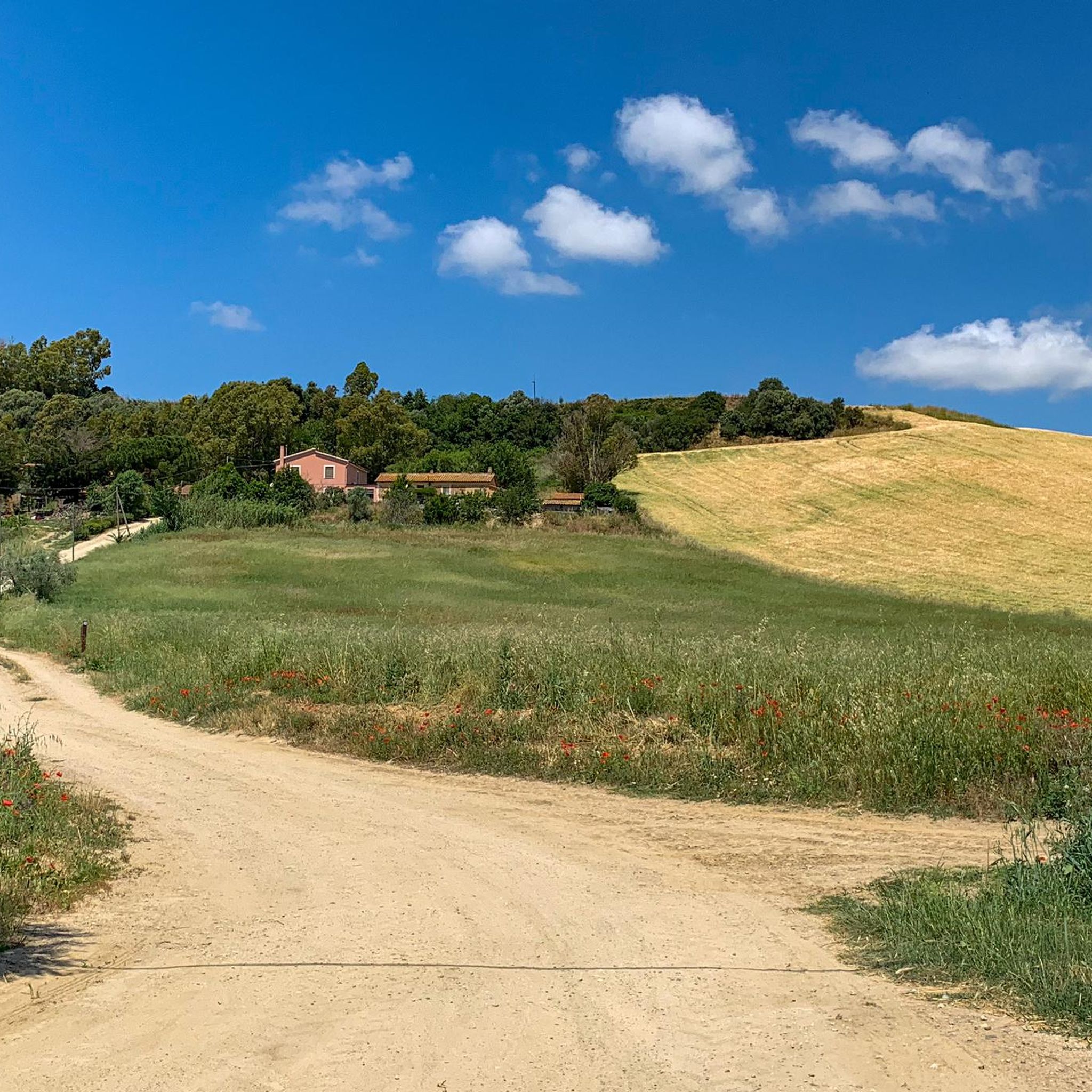
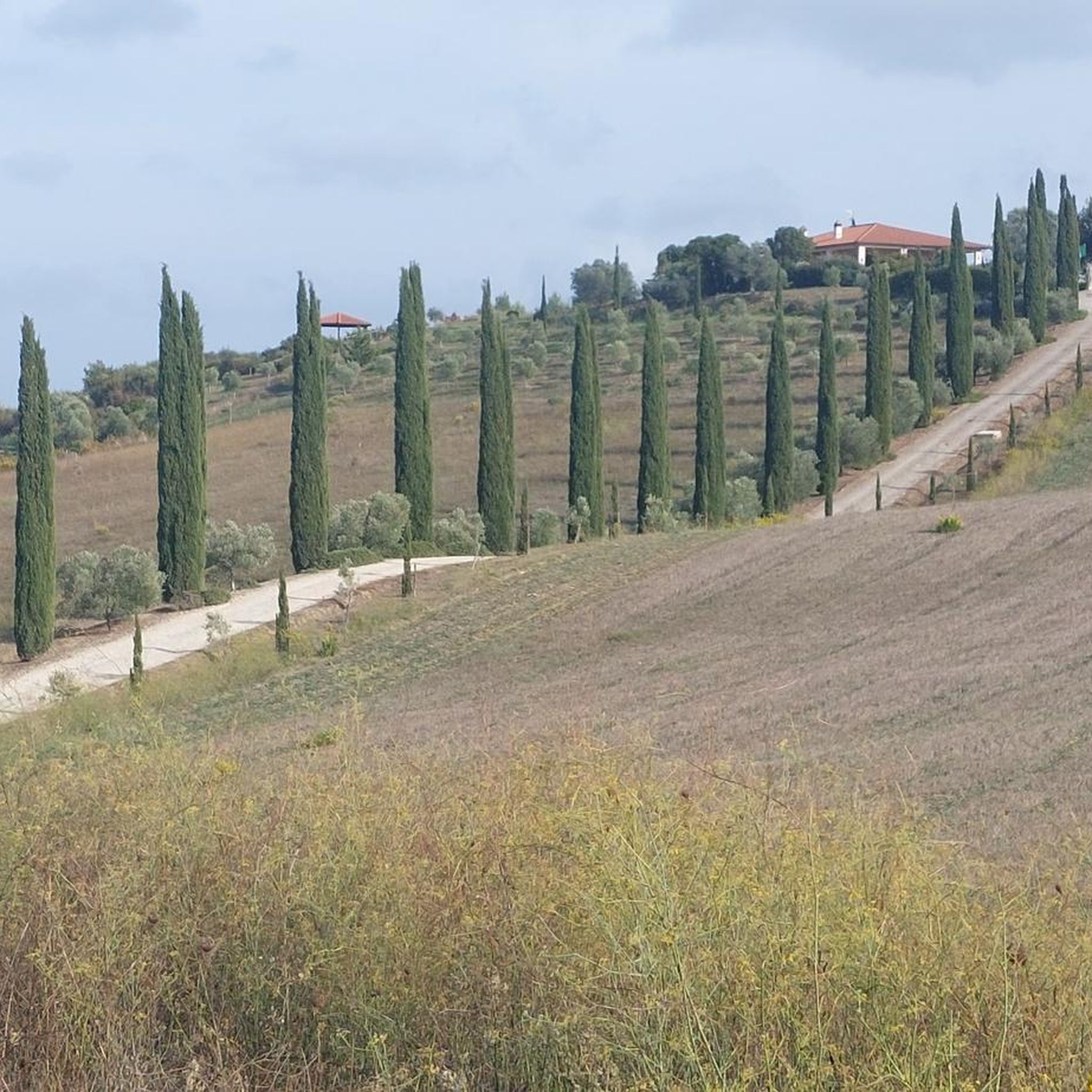
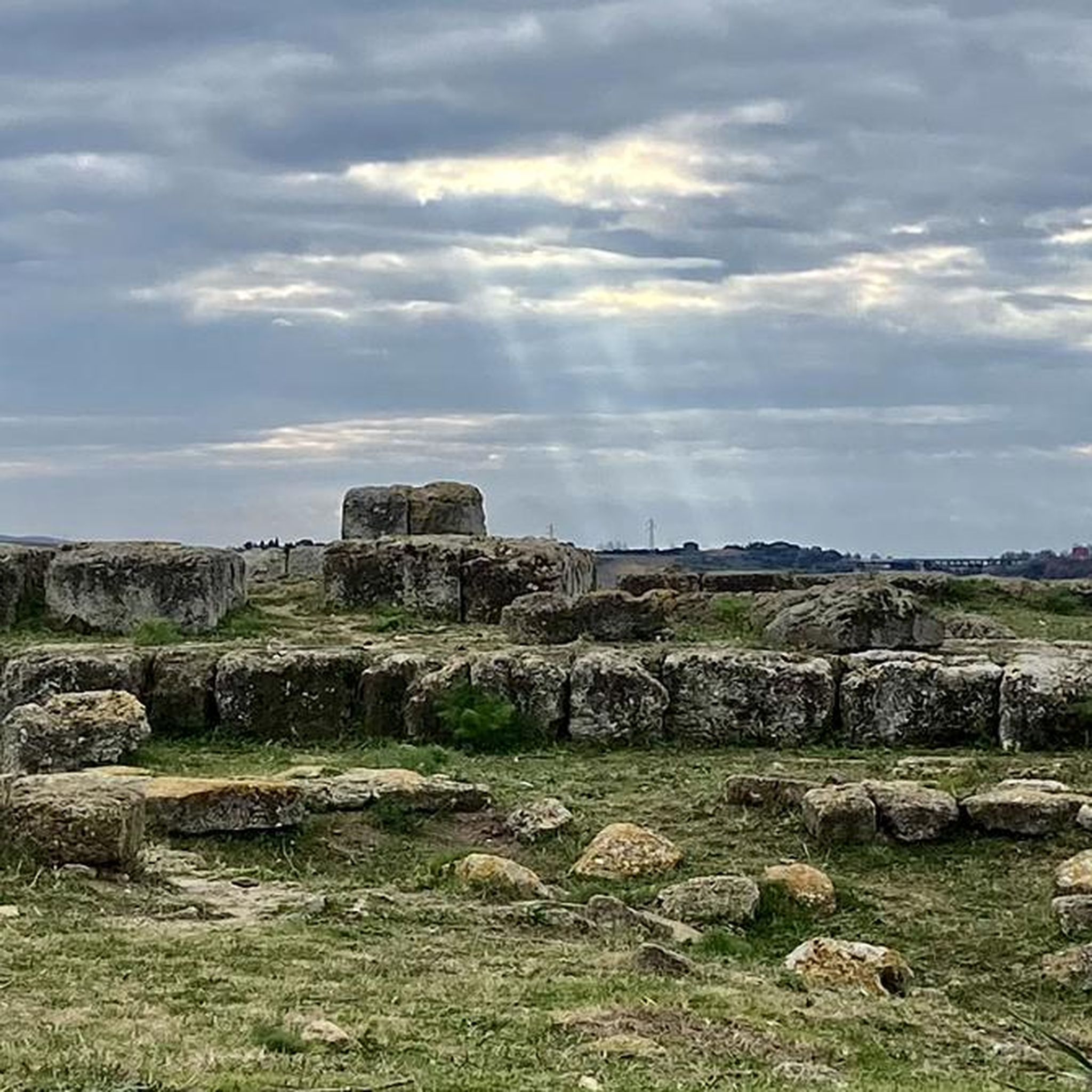
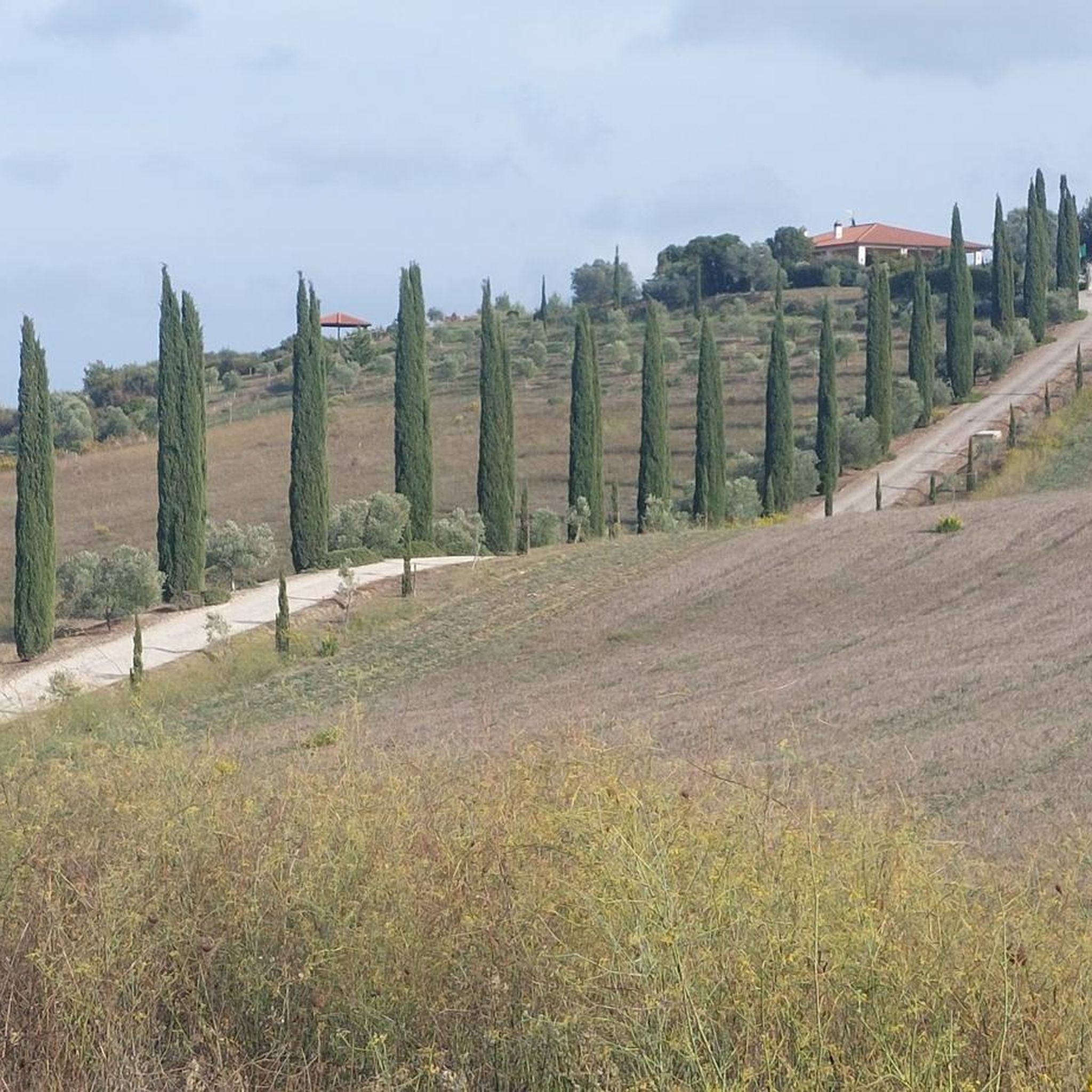

Tips from the Community

Piazza Matteotti is a central square in Capodimonte and an important meeting place for the community. The square is a junction where the Corso della Repubblica and the Via Cassia meet. The square also houses the former Church of San Francesco.
0
0

Located in the heart of the village of Marta, on the southern shore of Lake Bolsena, the Clock Tower is one of the main historical and tourist attractions of the area. This medieval tower, which stands majestically in the historic center, is not only a symbol of the city, but also a witness to centuries of history, art and local traditions. The Clock Tower stands imposingly at 21 meters high. Its structure is characterized by a truncated pyramid base with a square plan and an octagonal body that culminates with a small octagonal tower about 2.5 meters high, where the clock bells are located. This clock, installed in 1575 during the Farnese domination, is one of the distinctive elements of the tower. Originally, the tower was part of the Rocca, a medieval fortification that has seen numerous restorations and alterations due to the turbulent historical events of the village. The tower has survived various modifications and reconstructions, and today represents one of the most fascinating testimonies of Marta's past. (c) https://www.visittuscia.eu/torre-orologio-marta/
0
0
The old town hall of Marta (VT), composed of two distinct and adjacent buildings, was demolished in 1926 and the current one was built in its place, completed in 1929 as can be read in the architrave of the central window on the first floor. The project was drawn up by the engineer Daniele Manini while the facade was designed by the architect Fasolo, reported to the mayor by Corrado Ricci, general director of Fine Arts. Above the door is set the travertine coat of arms of Pope Paul III Farnese, previously placed on the facade of the old town hall and recovered during the demolition works. During the renovation, the ancient "Porta grande della Strada della Marta" that led into the historic center was modified and was replaced by the current portico. The stone arch that surrounded it is today clearly visible in a building at no. 141 of via Laertina. In the council chamber there is a valuable large painting by Wolf Voight that depicts, synthetically, the feast of the Madonna del Monte. Under the portico of the town hall (which the Martani call Le Porte) there is, on the left, a large work in wood and plaster in bas-relief painted by Alberto Morucci, inaugurated in the early 90s, which also depicts the feast of the Madonna del Monte. To the right and left of the town hall we find Palazzo Ciotti and Palazzo Tarquini, both from the 1500s. (c) https://www.meteomarta.altervista.org/portale/il-municipio-di-marta
0
0

What can be enjoyed today from the medieval walls of Tuscania is one of the most beautiful landscapes of Tuscia.
0
0

The Walking Wolf My Francigena
0
0

The Rocca Farnese, located in Tuscia, is an imposing 16th-century structure built around a medieval tower, which dominates the historic center of Ischia di Castro. The palace, unfinished for centuries, was recently restored by the new owner, bringing to light ancient forms and a walled Renaissance loggia. Originally built in the 13th century as a fortress, it was transformed into a palace in the 16th century, perhaps designed by Antonio da Sangallo the Younger. It was the residence of the Farnese, lords of the Duchy of Castro, and, after the end of the duchy in 1649, it passed to the Apostolic Chamber and various families.
3
0

Medium fast mixed
0
0

Montefiascone has been influenced over the centuries by the Via Francigena, which, with its economic and cultural potential and thanks to the important passage of travelers and pilgrims, has characterized political and social development. It is also a stage (no. 7) of Bishop Sigeric.
2
0
Frequently Asked Questions
How many touring cycling routes are available around Tuscania?
There are over 20 touring cycling routes available around Tuscania, offering a variety of options for exploration. The komoot community has used these routes over 1500 times, highlighting their popularity.
What kind of terrain can I expect when touring cycling in Tuscania?
Tuscania's touring cycling routes are characterized by rolling hills and picturesque countryside, with moderate elevation changes. The region features varied terrain, including forests and ancient pathways, and the distinctive Mediterranean macchia vegetation. You might also encounter unpaved 'strade bianche' (white gravel roads) similar to those found in broader Maremma Laziale, offering a unique cycling experience.
What do other cyclists enjoy most about touring cycling in Tuscania?
The touring cycling routes in Tuscania are highly rated by the komoot community, with an average score of 4.3 stars from over 180 reviews. Cyclists often praise the scenic views, the blend of natural landscapes with historical sites, and the engaging routes through rolling hills.
Are there easy or moderate touring cycling routes suitable for beginners or those seeking a relaxed ride?
Yes, Tuscania offers several moderate touring cycling routes. For example, the View of the Castle of Tuscania – Tuscania loop from Tuscania is a moderate 20.9-mile (33.6 km) trail that leads through rolling hills with views of the Castle of Tuscania, often completed in about 2 hours 10 minutes. Another moderate option is the Tuscania – Tuscania loop from Tuscania, which covers 31.3 miles (50.5 km).
Are there more challenging touring cycling routes in Tuscania for experienced riders?
Yes, for more experienced riders seeking a challenge, Tuscania offers several difficult routes. An example is the Descent towards the ancient Cassia – View of the Castle of Tuscania loop from Tuscania, a 35.4-mile (56.9 km) route with significant elevation changes, providing a demanding yet rewarding experience.
What historical or natural landmarks can I see along the touring cycling routes?
Many routes offer views of significant landmarks. You can see the historic Rocca Farnese of Capodimonte or the Belvedere della Ripa. Some routes also pass by the ancient center of Marta, offering glimpses of Fishing Boats and Waterfront of Marta and the nearby Volcanic Sand Beach on Lake Bolsena. The region is rich in Etruscan heritage, with archaeological sites and necropolises, and the medieval charm of Tuscania itself is a highlight.
Are there any circular touring cycling routes around Tuscania?
Yes, many of the touring cycling routes around Tuscania are designed as loops, allowing you to start and end in the same location. Examples include the popular View of Capodimonte – Tuscania loop from Tuscania and the View of the Castle of Tuscania – Historic Center of Marta loop from Tuscania.
Is Tuscania suitable for family-friendly touring cycling?
While the general topography around Tuscania features rolling hills and moderate elevation changes, making some routes more suitable for those with good fitness, there are options that families might enjoy. Look for shorter, less hilly sections or routes that stick to quieter roads. Always check the specific route details for elevation and distance to ensure it matches your family's capabilities.
What is the best time of year to go touring cycling in Tuscania?
The best time for touring cycling in Tuscania is typically during the spring (April to June) and autumn (September to October). During these seasons, the weather is generally mild and pleasant, with less intense heat than summer and fewer crowds. The landscapes are also particularly beautiful, with blooming wildflowers in spring and vibrant colors in autumn.
Are there opportunities for gravel cycling in the Tuscania area?
Yes, while more famously associated with Tuscany proper, similar unpaved, white gravel roads, known as 'strade bianche,' are present in the broader Maremma Laziale region around Tuscania. These offer a unique and often challenging gravel cycling experience amidst picturesque scenery, reminiscent of the renowned L'Eroica event.
Where can I find parking for my car when starting a cycling tour in Tuscania?
Tuscania, as a town, typically offers various parking options, including public parking lots or street parking. It's advisable to check local signage for any restrictions or fees. For specific trailheads, parking information is often available in the route descriptions on komoot or local tourism resources.
Can I find cafes or restaurants along the cycling routes in Tuscania?
Many cycling routes in Tuscania pass through or near charming towns and villages where you can find cafes, restaurants, and shops. The town of Tuscania itself has a well-preserved medieval center with numerous options. Routes that pass through places like Marta, for instance, will offer opportunities for refreshments and meals.
Most popular attractions around Tuscania

Get inspired with the komoot mobile app


Explore more
Browse the best Cycling routes in other regions.
