Attractions and Places To See around Fabrica Di Roma - Top 20
Best attractions and places to see around Fabrica Di Roma include historical sites, ancient ruins, and natural landscapes. Situated on the eastern slopes of the Cimini Mountains, the area features green hills, forests, and volcanic terrain. Visitors can explore medieval architecture, significant archaeological sites, and natural features like Lake Vico and various gorges. The region offers a diverse range of compelling sites for exploration.
Best attractions and places to see around Fabrica Di Roma
- The most popular attractions is Devil’s…
Last updated: July 6, 2026
Devil’s Well Cave (Monte Venere)
Highlight • Cave
It is a mountain of volcanic origin that reaches a height of 835 m asl.
Translated by Google •
Tip by

Corchiano Historic Village and Gorges
Highlight • Settlement
Translated by Google •
Tip by

Sign up now to discover places like this
Get recommendations on the best single tracks, peaks, & plenty of other exciting outdoor places.
Sign up for free
Calcata Vecchia
Highlight • Settlement
Translated by Google •
Tip by

The Path of Light
Highlight (Segment) • Trail
Translated by Google •
Tip by

Corchiano Waterfall
Highlight • Waterfall
Translated by Google •
Tip by

Sign up for free to discover even more attractions around Fabrica Di Roma.
Sign up for free
Already have an account?
Start today with a free account
Your next adventure awaits.
Login or Signup

Tips from the Community

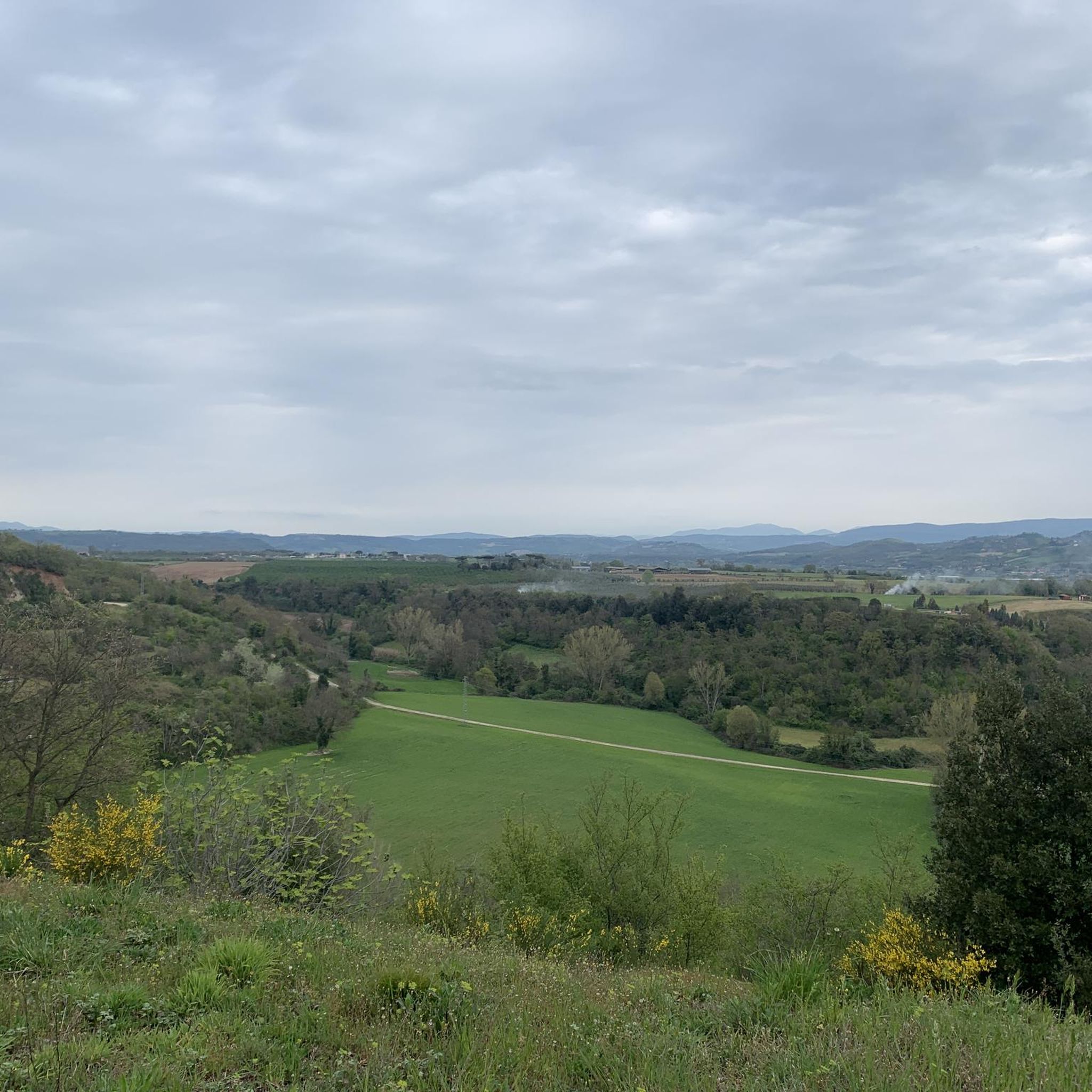
For those arriving at Calcata Vecchia and wanting to descend into the Treja Valley, I strongly advise against taking the marked path that is not on the road: it is a pedestrian descent that can only be done with a bike in hand, and not even easily. Descend following the main asphalt road.
0
0

Following this path, just before reaching the devil's well, it is not clear where to go, the path disappears and also the white and red signs. We had to go a bit by intuition and take a very steep climb in the woods to get there. Once we reach the well, the path continues easily until the end.
0
1

Be careful not to lean out!
0
0

The waterfall was built to feed a canal, probably built by the populations that lived in this area even before the arrival of the Romans (at least the 5th century BC) and later, in the 1940s, the same canal fed a hydroelectric plant, now decommissioned. Currently, the canal is passable on foot (or by mountain bike) and connects the waterfall to the gorge below the town of Corchiano. The entire route, without difficulties, lasts about thirty minutes.
0
0
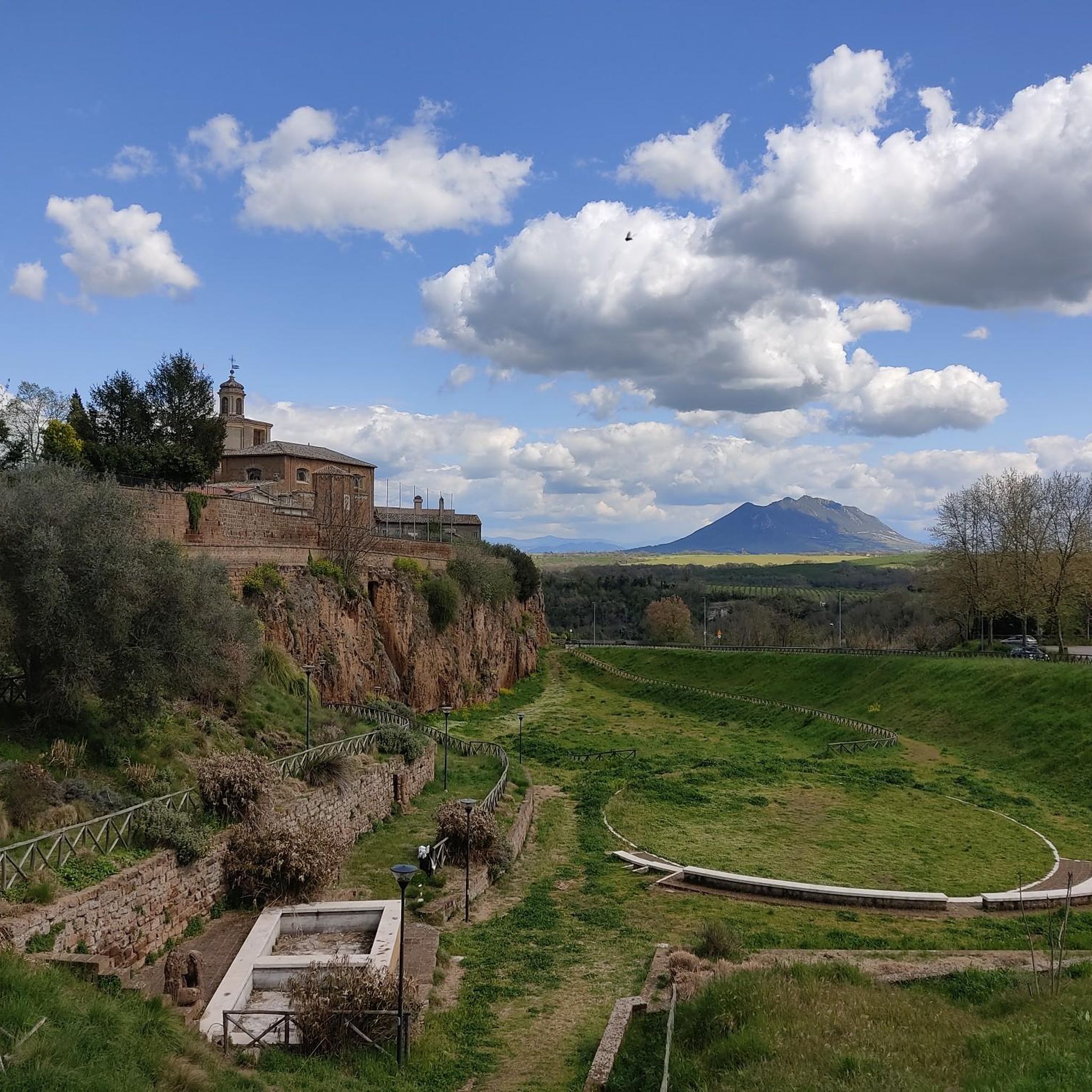
Corchiano is a small town in the province of Viterbo, apparently similar to many others, a little modest... and yet, it has become famous for some events, such as the infiorata, which is held at the end of May and sees the entire town involved in decorating a good part of the streets of the town with flower petals, colored sawdust, coffee grounds and in general any material that can be colored and applied in designs of great beauty. Then, in December, the living nativity scene takes place in a natural setting of great suggestion, finally, the exploration on foot of the ravines should not be overlooked, a true natural monument and archaeological site of great interest... in short, a place that is worth visiting. The difficulty in walking the paths, all equipped, is generally T (tourist) and suitable for all age levels.
1
0

The waterfall is located in an area known as “Orto del Sambuco”, along the course of the Rio Fratta. This place is characterized by a small grassy plain where the Rio Fratta creates a suggestive waterfall. In the immediate vicinity there is also an ancient Roman humpback bridge, adding a historical element to the natural landscape
0
0

For the landscapes and also the roads, which however, at least for the part of the Province of Rome, should be maintained a little more (asphalt at times too ruined).
1
0

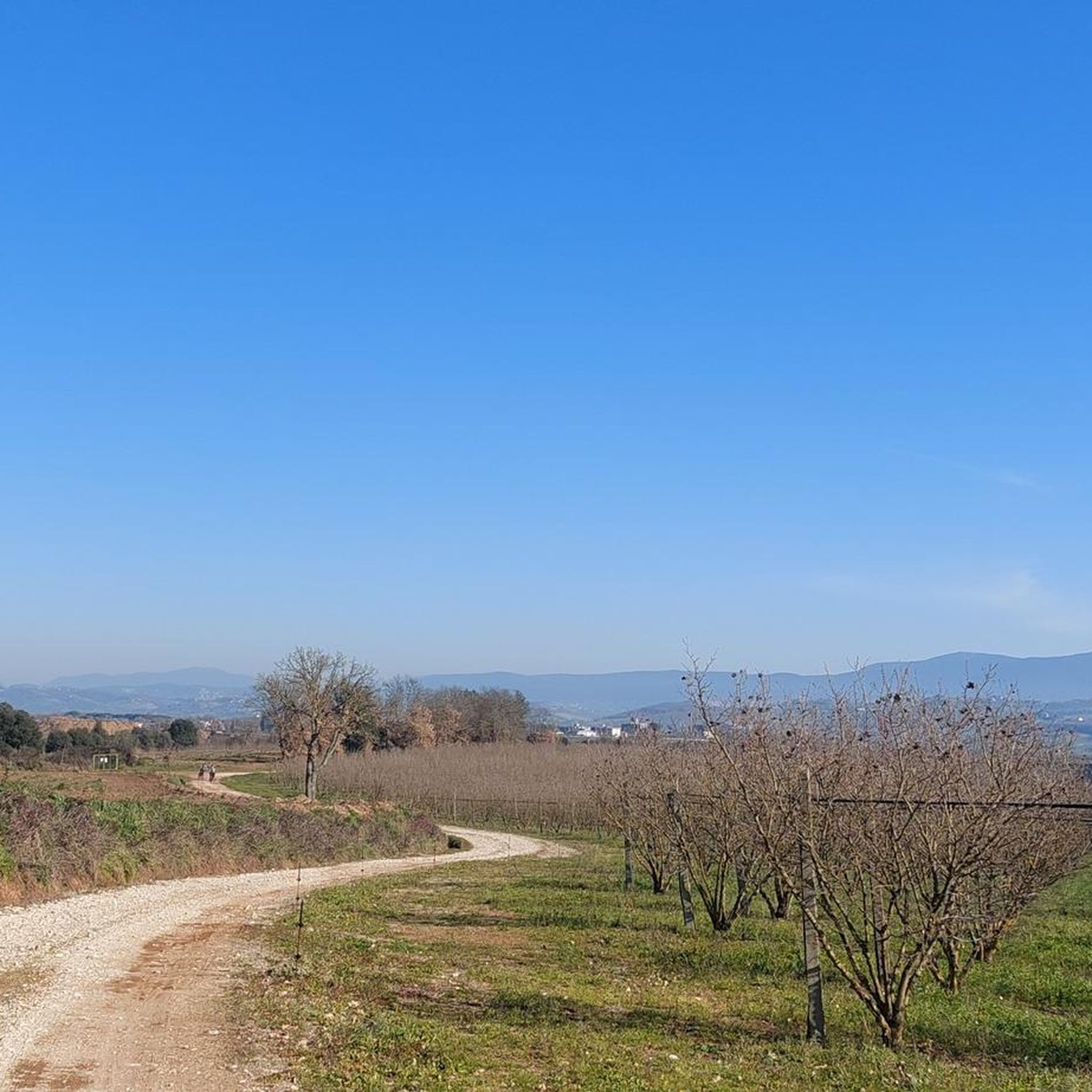
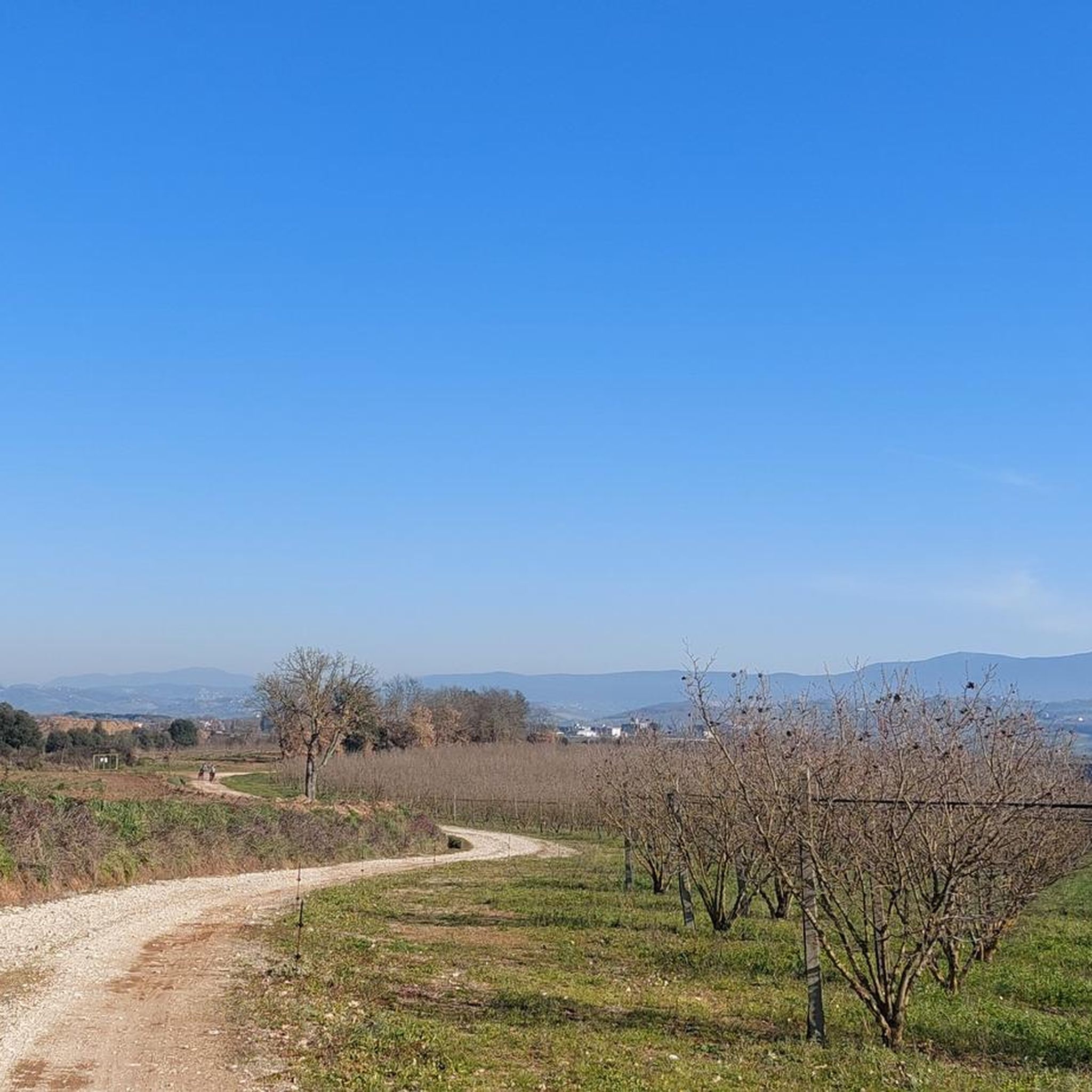
Pedaled entirely after rainy days, it was perfectly passable on gravel. The small ford of the Treja was almost dry and it was easy to pass over the rocks.
0
0
Frequently Asked Questions
What natural attractions can I explore around Fabrica Di Roma?
The region offers several compelling natural features. You can visit the Devil’s Well Cave (Monte Venere), a volcanic mountain within the Monti Cimini group, located near Lake Vico. Another notable site is the Corchiano Historic Village and Gorges, known for its natural monuments and archaeological sites, including impressive ravines. Additionally, the Corchiano Waterfall along the Rio Fratta provides a picturesque natural setting.
Are there historical sites to visit in and around Fabrica Di Roma?
Yes, Fabrica di Roma is rich in history. You can explore the ancient Roman ruins of Falerii Novi, which include encircling stone walls and traces of the forum. The town itself features the Collegiate Church of San Silvestro, dating back to the 11th century, and the 12th-century Farnese Castle (La Rocca). The ancient Via Amerina, a significant Roman and medieval thoroughfare, is also a point of interest, with a section known as The Path of Light.
What cultural landmarks are prominent in Fabrica Di Roma?
Beyond its ancient roots, Fabrica di Roma boasts several cultural landmarks. The Collegiate Church of San Silvestro is considered the most important church, featuring frescoes including a Renaissance masterpiece by the Torresani brothers. Other significant historical buildings include the 13th-century Palazzo dei Prefetti di Vico, Palazzo Bachetoni, and Palazzo Cencelli, which now serves as the Town Hall. The Church of Santa Maria della Pietà, with its distinctive octagonal layout, is also noteworthy.
Are there family-friendly attractions or activities available?
Absolutely. The Corchiano Historic Village and Gorges offers equipped paths suitable for various age levels, making it a great option for families. The Corchiano Waterfall is also considered family-friendly. For a historical outing, the Palazzo Farnese of Caprarola is a grand Renaissance palace with extensive grounds that can be enjoyed by all ages.
What kind of outdoor activities can I do near Fabrica Di Roma?
The area around Fabrica Di Roma is ideal for outdoor enthusiasts. You can find numerous routes for mountain biking, gravel biking, and cycling. For example, there are MTB trails like the 'Via Amerina Trail – Palazzolo Archaeological Site loop' and cycling routes such as the 'Lake Vico – Lake Vico loop'. You can explore more options and detailed routes in the MTB Trails around Fabrica Di Roma, Gravel biking around Fabrica Di Roma, and Cycling around Fabrica Di Roma guides.
Are there hiking or walking routes available near the attractions?
Yes, the region offers various hiking and walking opportunities. The ancient Via Amerina, now known in parts as The Path of Light, is a recommended route for walking tours. The Corchiano Historic Village and Gorges also features equipped paths for exploring its ravines. For more challenging hikes, the volcanic terrain of the Cimini Mountains, including Monte Venere where the Devil’s Well Cave is located, provides scenic trails.
What is the best time of year to visit Fabrica Di Roma for outdoor activities?
The region experiences a Mediterranean climate, making spring (April-June) and autumn (September-October) ideal for outdoor activities. During these seasons, the weather is generally mild and pleasant, perfect for hiking, cycling, and exploring historical sites without the intense heat of summer. Winter walks are also possible, especially on gravel routes that remain passable after rain.
What are some unique local events or festivals in Fabrica Di Roma?
Fabrica di Roma is known for its vibrant local events and culinary traditions. You can experience the annual Beer Festival at the end of August. In July, the Sagra della Pecora (Sheep Festival) celebrates the region's pastoral heritage and ovine products. November brings the Festival of the Fagiolo Carne, highlighting a precious local bean once used as currency. The nearby Corchiano also hosts an 'infiorata' (flower festival) in May and a living nativity scene in December.
What do visitors particularly enjoy about the attractions around Fabrica Di Roma?
Visitors appreciate the diverse range of experiences, from exploring ancient history and religious art to enjoying the natural beauty of the Lazio region. The Corchiano Historic Village and Gorges is praised for its unique natural monuments and archaeological sites, with well-maintained paths. The Devil’s Well Cave (Monte Venere) offers an adventurous ascent to a volcanic summit with intriguing geological formations.
Can I visit the ancient Roman city of Falerii Novi?
Yes, Falerii Novi is a significant archaeological site near Fabrica di Roma. It was an ancient Roman city founded in 241 BC. Visitors can still observe its impressive encircling stone walls, a gate, and traces of the forum. Within the site, you'll also find the Romanesque Abbey Church of Santa Maria di Falleri, built around 1100 AD, which is considered a Romanesque architectural gem with five intact apses.
Is there a notable Renaissance palace nearby?
Yes, the Palazzo Farnese of Caprarola is one of the most important buildings of Renaissance-Mannerist architecture in Italy. Built in the 16th century, it features a unique pentagonal shape, a circular courtyard, and numerous Mannerist frescoes. The palace also boasts a large park that rises steadily, ending in a cascade with a casino. It's open most days, but it's advisable to check visiting hours and ticket prices in advance.
What is the terrain like for outdoor activities around Fabrica Di Roma?
The terrain around Fabrica Di Roma is characterized by its location on the eastern slopes of the Cimini Mountains. This area features green hills, forests, and a volcanic landscape with hilly reliefs. You can expect a mix of well-worn root paths, gravel routes, and some paved sections, especially along ancient roads like the Via Amerina. Some trails, particularly those leading to summits like Monte Venere, can be challenging and rocky.
Most popular routes around Fabrica Di Roma
Most popular attractions around Fabrica Di Roma

Get inspired with the komoot mobile app


Explore more
Still not found the Highlight you’re looking for? See guides of the top attractions in other regions:
