Attractions and Places To See around Poggio Picenze - Top 20
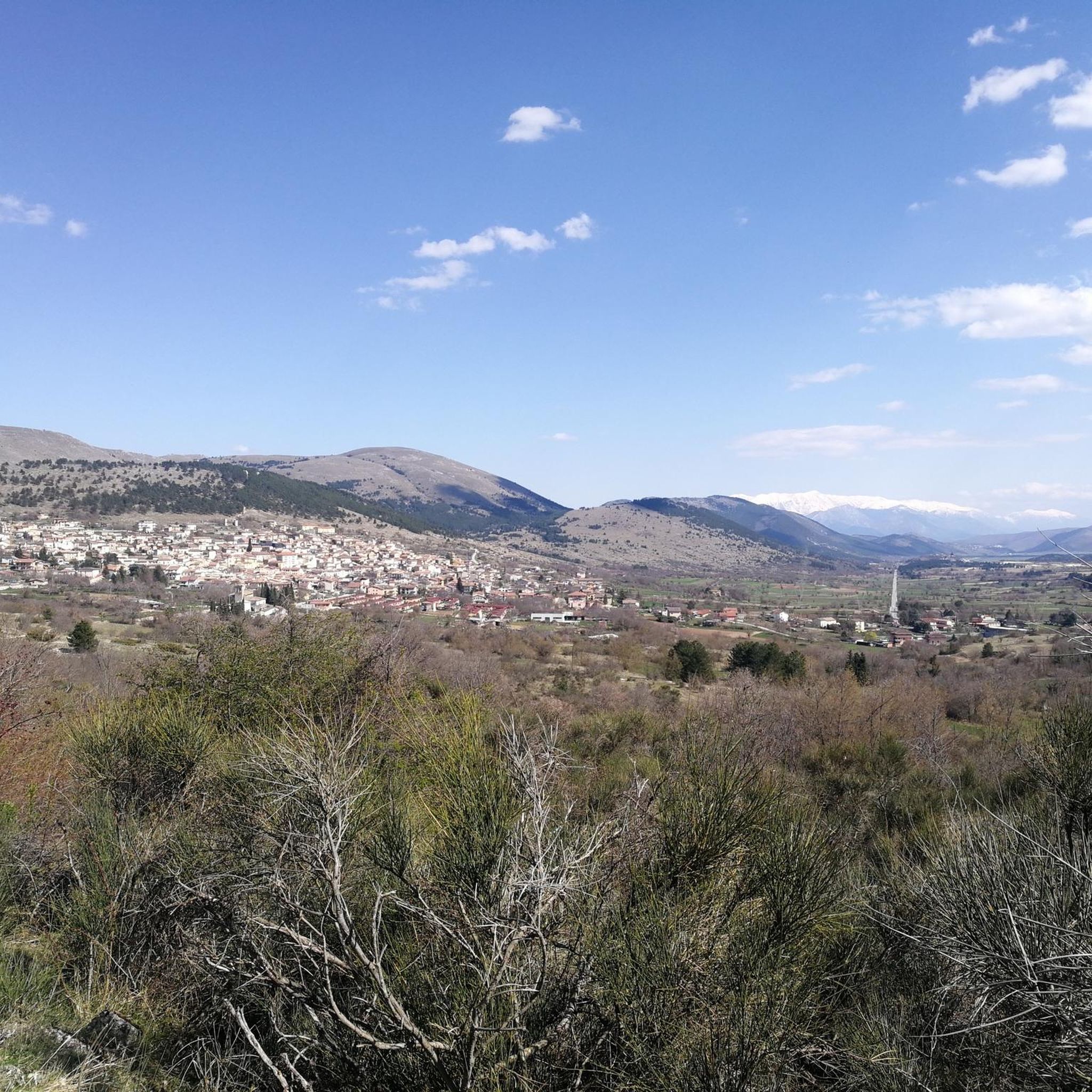
Best attractions and places to see around Poggio Picenze include a blend of historical landmarks, cultural sites, and natural beauty. Situated on a hilltop overlooking the Aquila basin, the town offers panoramic views of the surrounding landscape. Poggio Picenze is known for its stone sculpture tradition and features over 50 km of green trails, including accessible paths. The area provides diverse experiences for visitors interested in history, culture, and outdoor exploration.
Best attractions and places to see around Poggio Picenze
…Last updated: October 11, 2026
Our Lady of Pity
Highlight • Religious Site
Translated by Google •
Tip by

Santo Stefano di Sessanio
Highlight • Settlement
Translated by Google •
Tip by

Sign up now to discover places like this
Get recommendations on the best single tracks, peaks, & plenty of other exciting outdoor places.
Lentil Fields of Santo Stefano di Sessanio
Highlight • Natural
Translated by Google •
Tip by

L'Aquila
Highlight • Settlement
Showing Translation
Tip by

Maccione Pass
Highlight • Mountain Pass
Translated by Google •
Tip by

Sign up for free to discover even more attractions around Poggio Picenze.
Already have an account?
Start today with a free account
Your next adventure awaits.

Tips from the Community

In L'Aquila, a rich medieval past effortlessly merges with admirable modern resilience. The proud capital of Abruzzo rises in full glory and is best discovered on foot. Wandering through the atmospheric streets, you'll encounter one architectural treasure after another. For example, start at the iconic Fontana delle 99 Cannelle, where 99 mystical stone masks continuously spout water. Climbing further up, you'll reach the massive 16th-century Forte Spagnolo. From this impressive fortress, you can enjoy a sweeping view of the rugged, often snow-capped peaks of the Gran Sasso massif. The city's rich history is also palpable in the many beautifully restored palazzi and churches. For instance, the Basilica di San Bernardino overwhelms every visitor with a breathtaking baroque ceiling adorned with gold leaf. After all the cultural immersion, lively squares like Piazza del Duomo invite you for a well-deserved break. It's the perfect place to enjoy the local cuisine and a good glass of Abruzzese wine at an outdoor cafe. As a grand finale, the Basilica di Santa Maria di Collemaggio should not be missed. This striking, pink-and-white checkered church houses a true world first: the very first Holy Door in the world. Thanks to the central, free parking facilities just outside the city walls, this compact art city is the ideal destination for a carefree and inspiring cultural walking holiday.
4
0

It’s an enchanted village, walking in those narrow alleys makes you dream, just like the delicacies that Barbara and Andrea expertly prepare in their small restaurant make you dream.
0
0

The village is a little gem, it's a shame the welcome isn't great for cyclists, but it's a rather touristy area.
0
0
The village is a little gem, it's a shame about the lack of hospitality for cyclists.
0
0

A superbly beautiful village with narrow streets and delicious restaurants. However, it's also the most touristy village for miles around. Tour groups are also "delivered" here by bus.
0
0


Place rich in history. I recommend going outside of weekends and holidays.
1
0

The origin of the Church of Santa Maria della Pietà dates back to 1596, but the place had already been used as a votive site for at least a century. In fact, there was a much older votive shrine here, already frequented and venerated by the locals. Not much is known about the origin of this religious site, but a legend tells that in this place the local population managed to defeat a band of brigands who had long tormented the nearby village with raids and plunder, for this reason a celebratory site was built in honor of the Madonna, to thank her for this victory.
1
0
Frequently Asked Questions
What historical sites can I explore in Poggio Picenze?
Poggio Picenze is rich in history. You can visit the Chiesa di San Felice Martire, an important artistic site with a 16th-century Renaissance facade and Baroque interior. Explore the remains of the Castle in Piazza Castello, dating back to around the year 1000, which offers a panoramic viewpoint. Don't miss the Medieval House from the 13th century, notable for its 'door of the dead' and Gothic mullioned windows.
Are there any natural attractions or scenic viewpoints around Poggio Picenze?
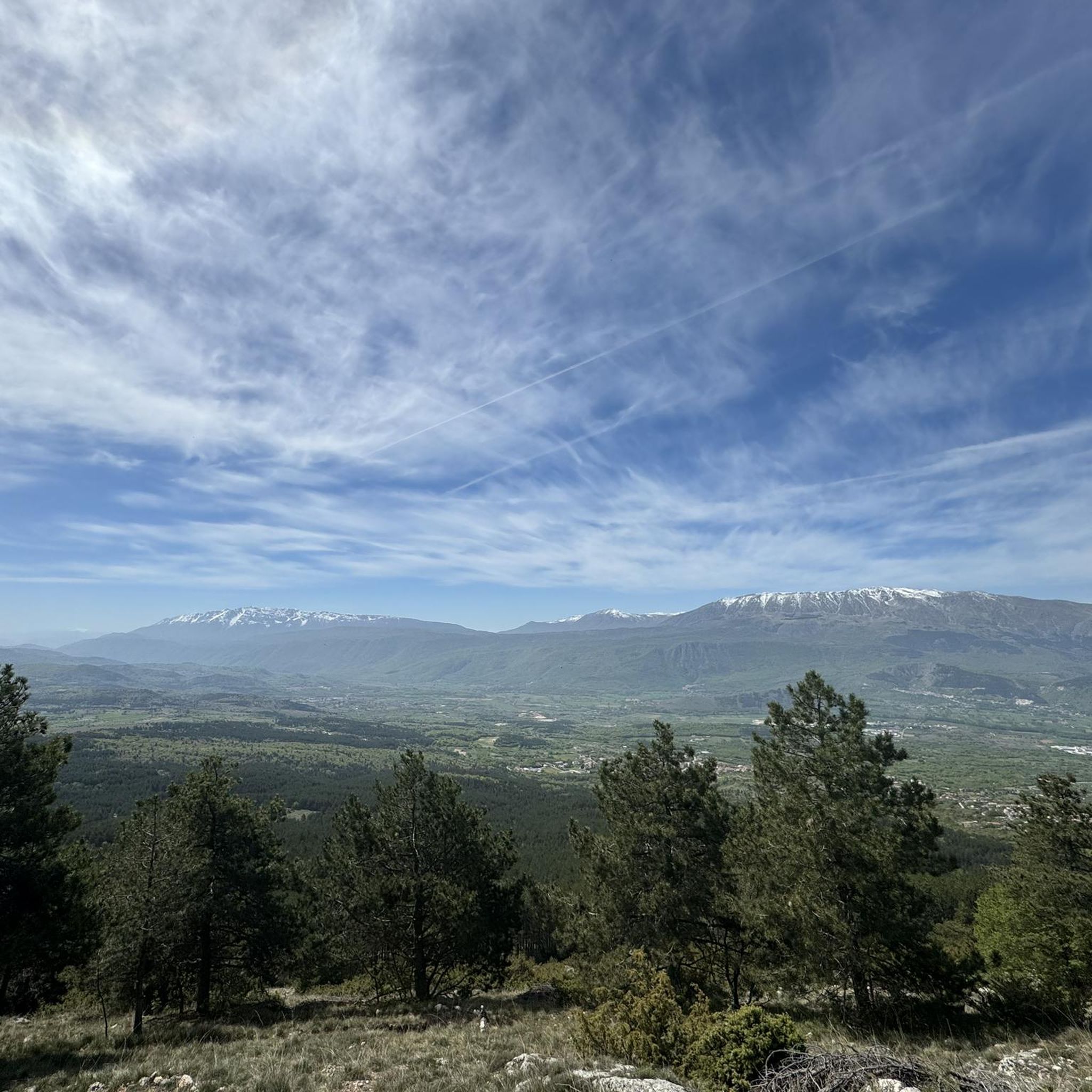
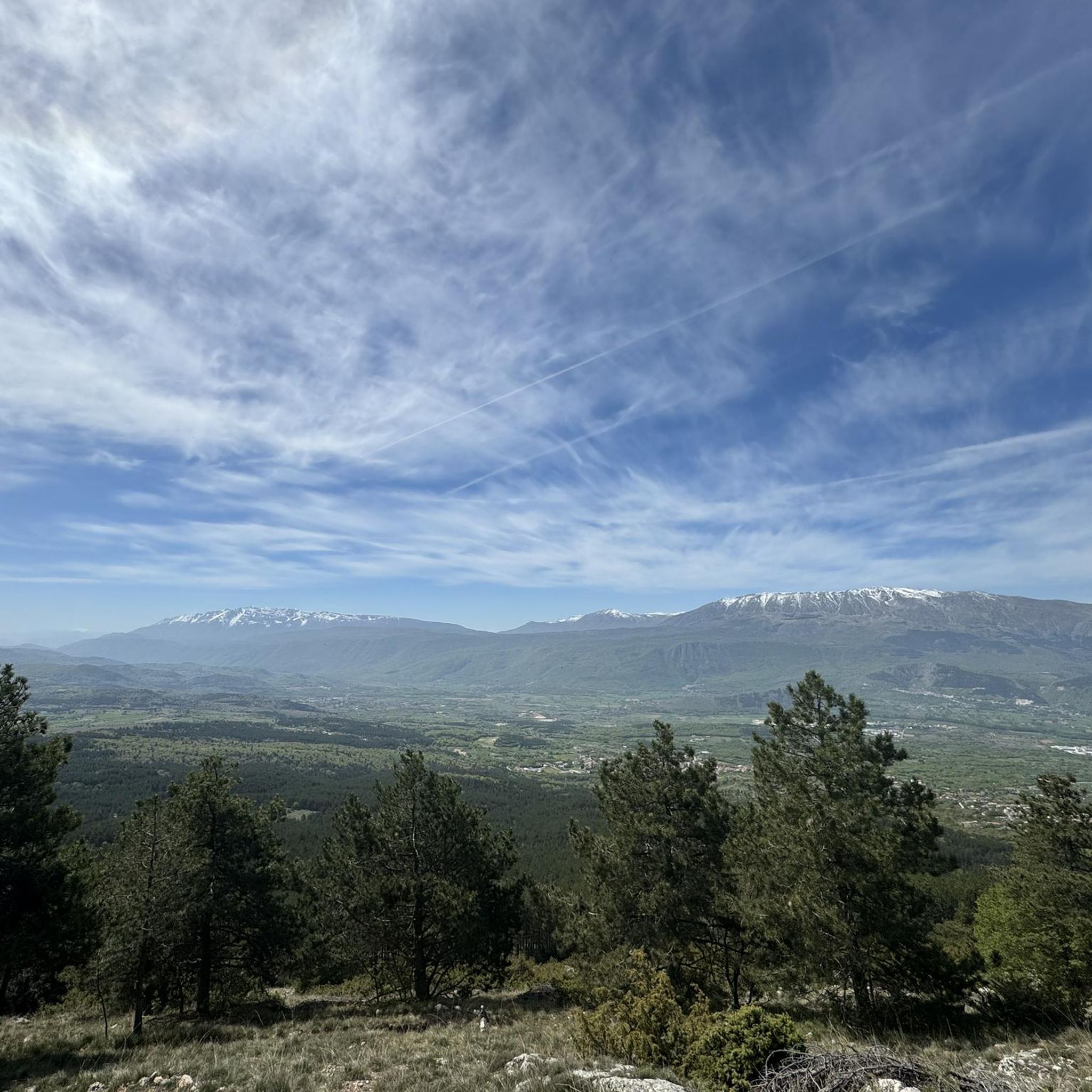
Yes, Poggio Picenze offers several natural attractions and scenic views. The town itself sits at 760 meters, providing wonderful views of the Aquila basin. You can visit the Maccione Pass, which offers a unique perspective on uncontaminated nature and views that recall the iconic ones of the Asian area, earning it the nickname 'Little Tibet'. The Valle del Campanaro just above Poggio Picenze is also a popular spot for hikers with scenic trails.
What outdoor activities are available near Poggio Picenze?
The area around Poggio Picenze is excellent for outdoor activities. You can find numerous trails for hiking, cycling, and gravel biking. For hiking, explore routes like the 'Rifugio Cenerale – Croce del Poggio loop from Poggio Picenze'. Cyclists can enjoy challenging routes such as the 'Fonte Vedice – Rocca Calascio Castle loop from Poggio Picenze'. For more details on routes, you can check the hiking guide, cycling guide, and gravel biking guide for the region.
Are there family-friendly attractions in the Poggio Picenze area?
Absolutely. Many attractions around Poggio Picenze are suitable for families. The Our Lady of Pity is a religious building set in an impressive landscape that can be enjoyed by all. The city of L'Aquila, nearby, offers numerous monuments like the Fountain of the 99 Spouts and the Basilica of Collemaggio, which are great for family exploration. Additionally, Poggio Picenze has embraced sustainability and inclusion, offering over 50 km of green trails, including an accessible handbike path, which can be enjoyed by families.
Can I find accessible trails or attractions in Poggio Picenze?
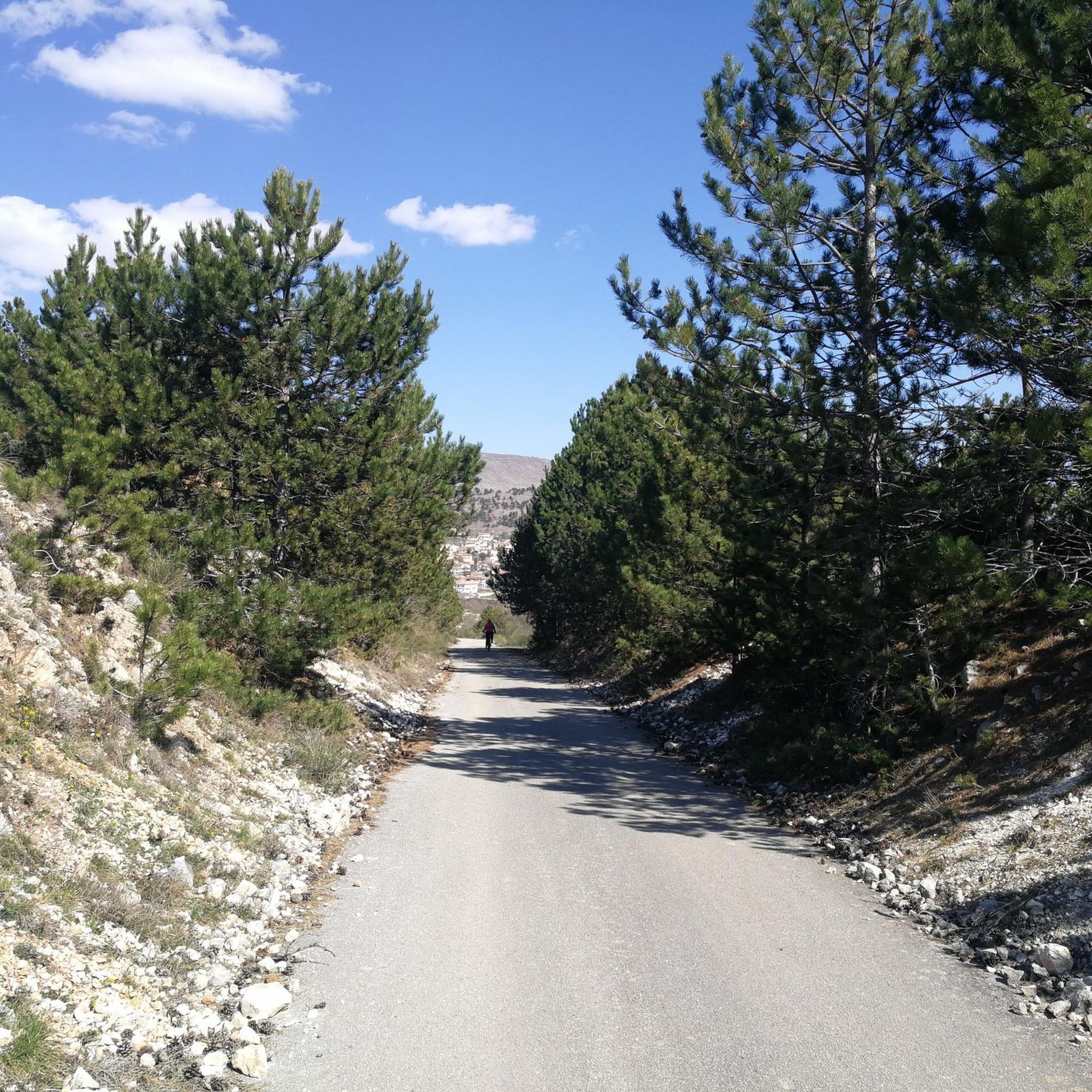
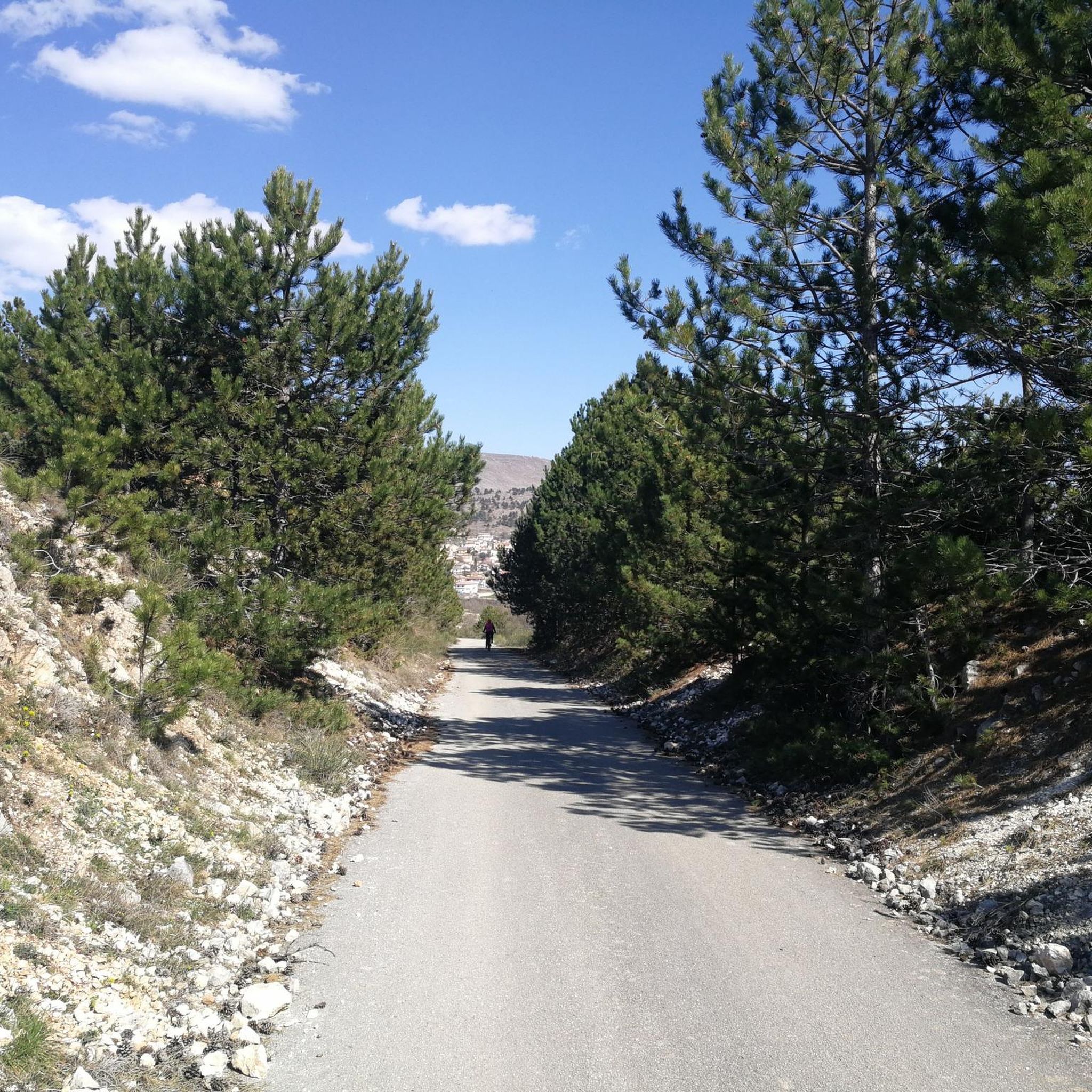
Yes, Poggio Picenze is committed to accessibility. The town offers over 50 km of green trails, including an accessible handbike path, making it a destination for travelers and walkers seeking regenerative experiences regardless of mobility.
What is the best time of year to visit Poggio Picenze for outdoor activities?
The Abruzzo region, where Poggio Picenze is located, generally offers pleasant weather for outdoor activities from spring through autumn. Spring brings blooming landscapes, while autumn provides comfortable temperatures and beautiful foliage. Summer is also popular, especially for higher altitude trails, but can be warmer. Winter offers opportunities for different types of outdoor activities, though some trails might be less accessible due to snow.
What makes Santo Stefano di Sessanio a must-see village near Poggio Picenze?
Santo Stefano di Sessanio is considered one of the most beautiful villages in Italy. It's a very suggestive medieval village with narrow, winding streets that transport visitors to past times. Known for its Florentine Renaissance style and the Medici tower, it's located in a panoramic position below the Gran Sasso d'Italia massif, offering stunning views.
Where can I experience panoramic views near Poggio Picenze?
For extraordinary panoramic views, consider visiting the remains of the Castle in Poggio Picenze, located in the oldest part of town. The Maccione Pass also provides breathtaking vistas. Additionally, the nearby Castello d'Ocre Diroccato (Ocre Castle ruins) offers well-preserved walls and seven towers with extraordinary views, and Rocca Calascio is another stunning castle known for its charm and views.
What is the significance of Pozzo Caldaio?
Pozzo Caldaio is the only persistent natural water surface in the immediate area of Poggio Picenze. It collects rainwater and melted snow, and notably, feeds the beautiful waterfalls and caverns known as Grotte di Stiffe, which are a short distance away. It's a unique natural feature worth observing.
Are there any unique local traditions or crafts in Poggio Picenze?
Poggio Picenze is particularly known for its stone sculpture tradition. The town has deposits of white stone, and local master sculptors have adorned the town with finely crafted fountains and monuments, showcasing a unique artistic heritage.
What kind of hiking trails can I find around Poggio Picenze?
You can find a variety of hiking trails around Poggio Picenze, ranging from easy to moderate difficulty. The Valle del Campanaro offers scenic trails, some of which have been restored. Examples include the 'Rifugio Cenerale – Croce del Poggio loop from Poggio Picenze' (moderate, 12.8 km) and the 'Lago Sinizzo loop from San Demetrio ne' Vestini' (easy, 4.2 km). For a comprehensive list and details, refer to the Hiking around Poggio Picenze guide.
What other notable towns or cities are worth visiting near Poggio Picenze?
Several other notable attractions are located in the vicinity. The capital of the Abruzzo region, L'Aquila, boasts numerous monuments including the Fountain of the 99 Spouts and the Basilica of Collemaggio. You can also visit the picturesque village of Santo Stefano di Sessanio, the stunning Rocca Calascio castle, and the archaeological site of Peltuinum, an ancient Italic city.
What do visitors particularly enjoy about the attractions around Poggio Picenze?
Visitors to Poggio Picenze particularly appreciate the blend of historical landmarks, cultural sites, and natural beauty. The komoot community highlights the diverse appeal of the area, with over 350 upvotes and 140 photos. They enjoy the impressive landscapes, the charm of medieval villages like Santo Stefano di Sessanio, and the unique perspectives offered by natural spots like Maccione Pass.
Most popular routes around Poggio Picenze
Most popular attractions around Poggio Picenze

Get inspired with the komoot mobile app


Explore more
Still not found the Highlight you’re looking for? See guides of the top attractions in other regions:
