Attractions and Places To See around Marcetelli - Top 20
Best attractions and places to see around Marcetelli, a medieval village situated on a rocky spur, offers views over the Valle del Salto. This area is known for its historic center, ancient churches, and traditional craftsmanship. Marcetelli is located within the Riserva Naturale Monti Navegna e Cervia, providing a natural landscape with diverse flora and fauna. Visitors can explore cultural sites and natural features in this region.
Best attractions and places to see around Marcetelli
- The most popular attractions is…
Last updated: August 30, 2026
Salto Dam
Highlight • Monument
Translated by Google •
Tip by

Ponte Vecchio of Posticciola
Highlight • Bridge
Translated by Google •
Tip by

Sign up now to discover places like this
Get recommendations on the best single tracks, peaks, & plenty of other exciting outdoor places.
Sign up for free
San Rocco Chapel at Lake Turano
Highlight • Religious Site
Translated by Google •
Tip by

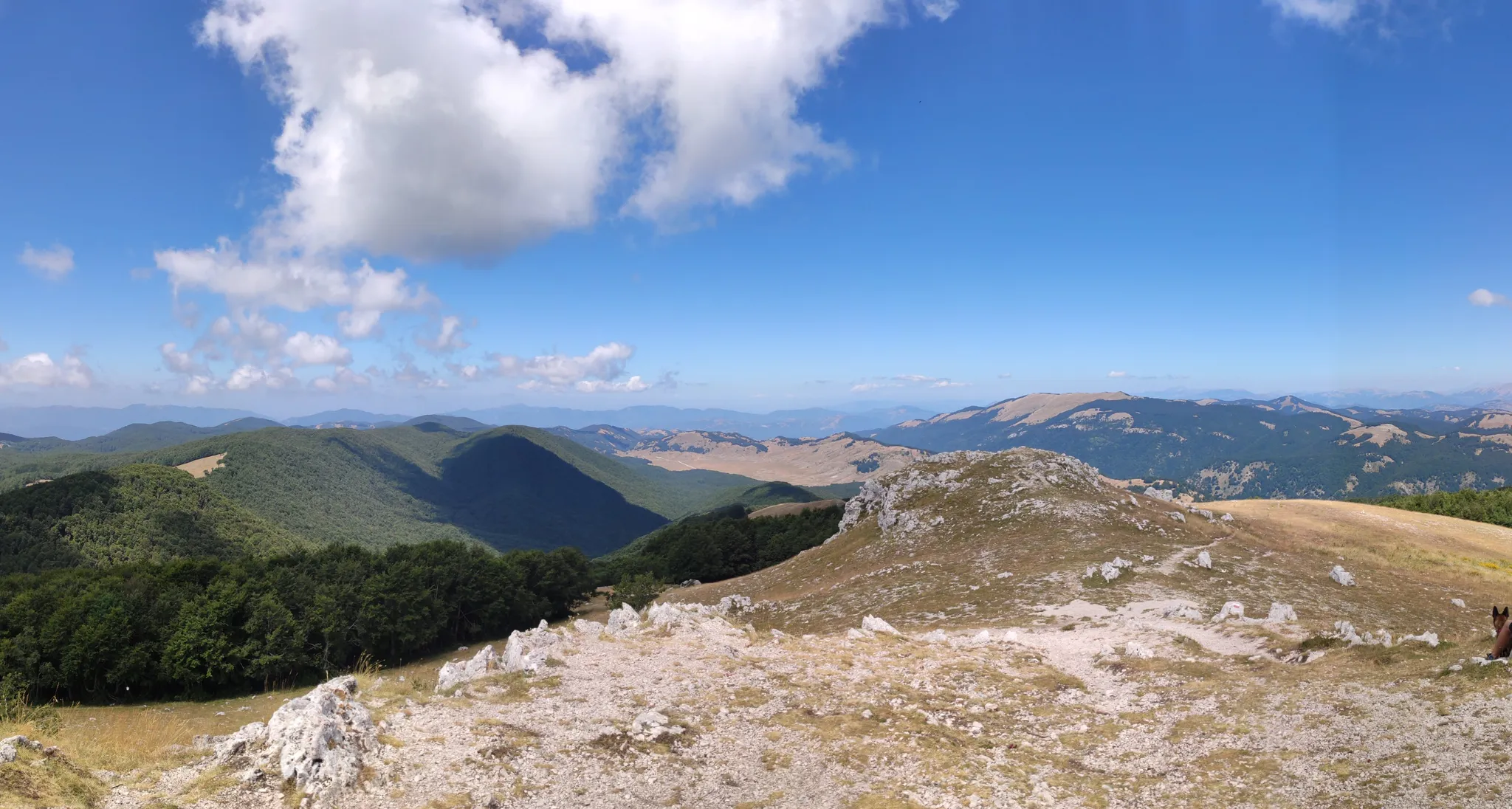
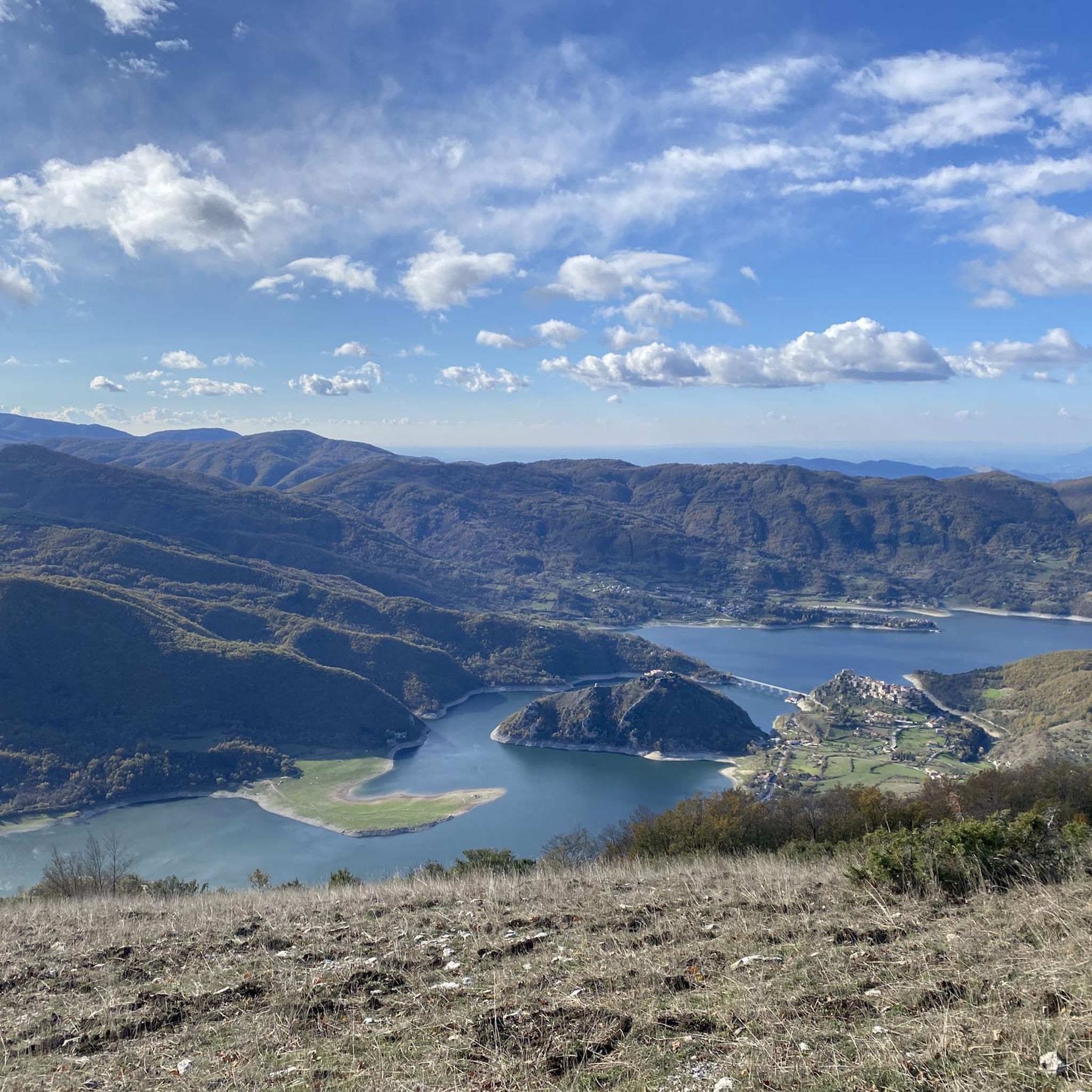
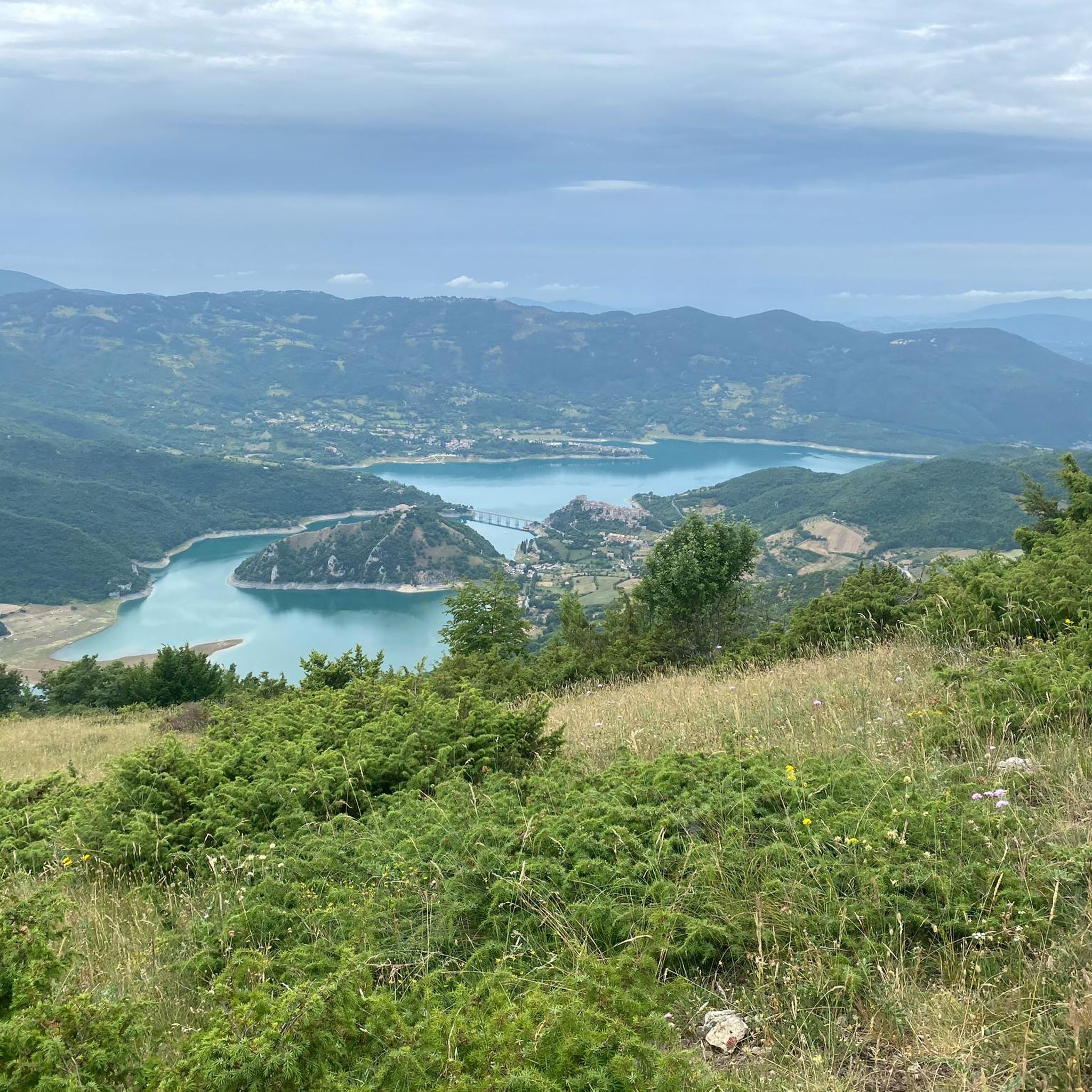
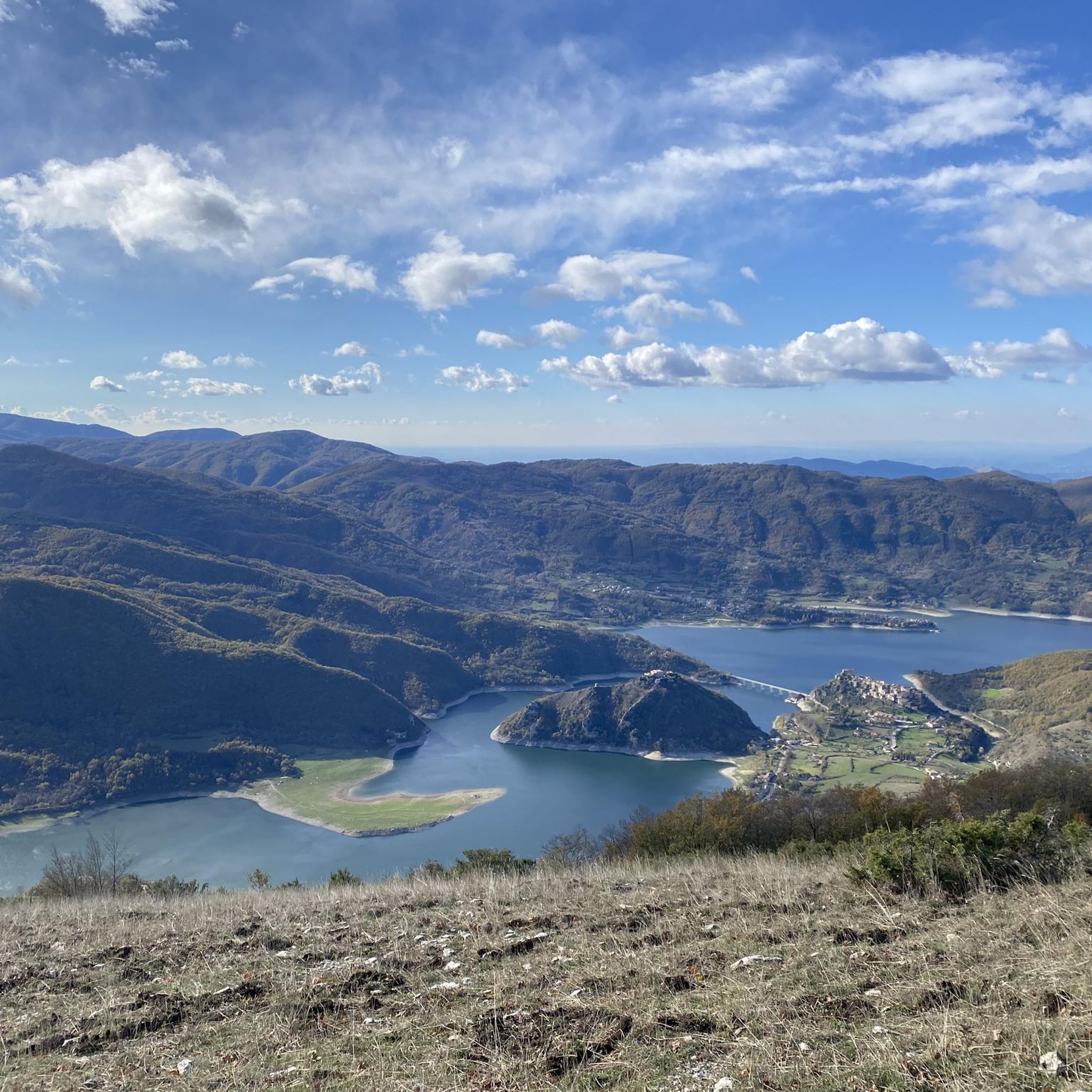
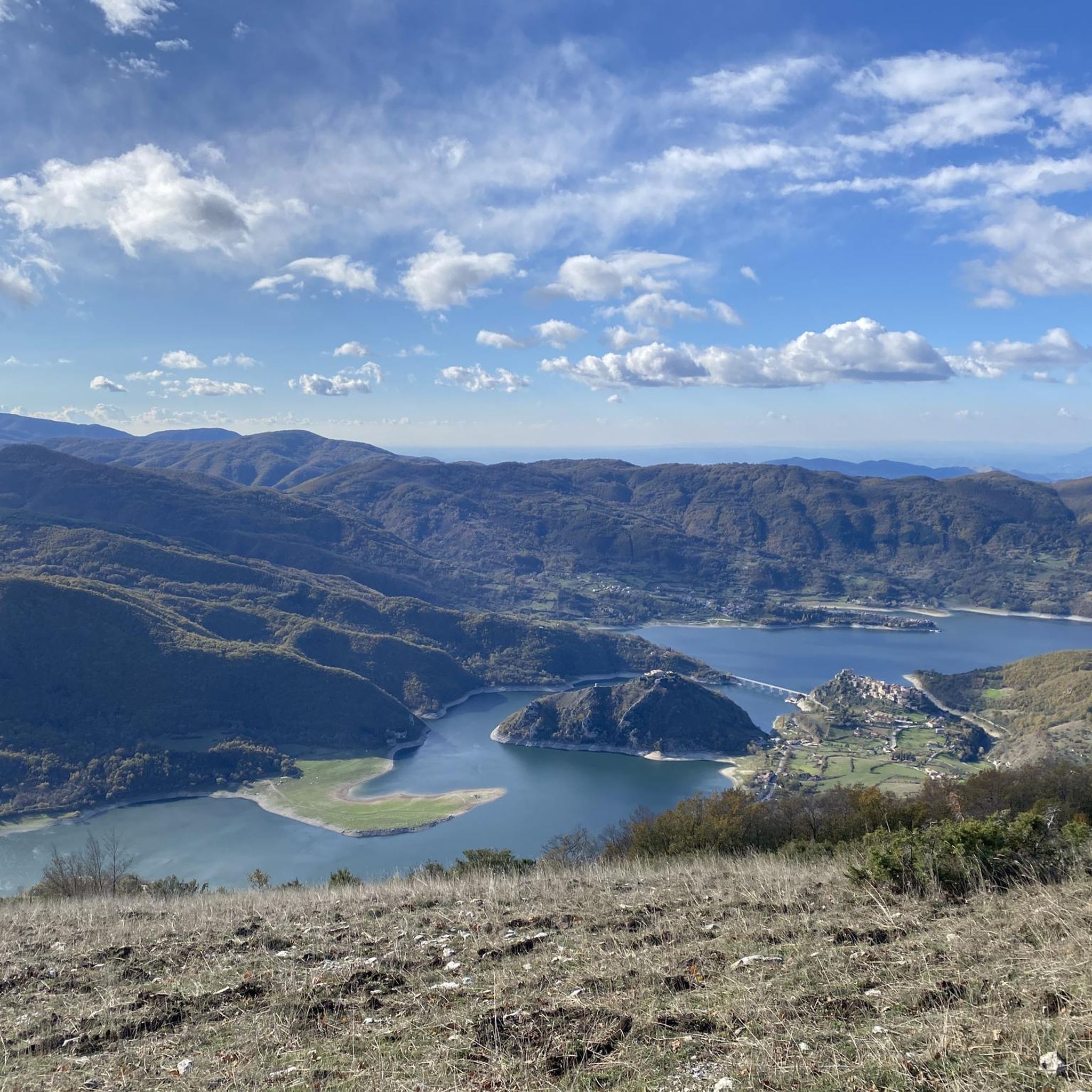
View of Lake Turano and Lake Salto from Monte Navegna
Highlight • Summit
Translated by Google •
Tip by

Santa Maria del Piano
Highlight • Religious Site
Translated by Google •
Tip by
Sign up for free to discover even more attractions around Marcetelli.
Sign up for free
Already have an account?
Start today with a free account
Your next adventure awaits.
Login or Signup
Other adventures around Marcetelli

Tips from the Community

Chapel of San Rocco
0
0
for 12 centuries guardian of the territory..
0
0

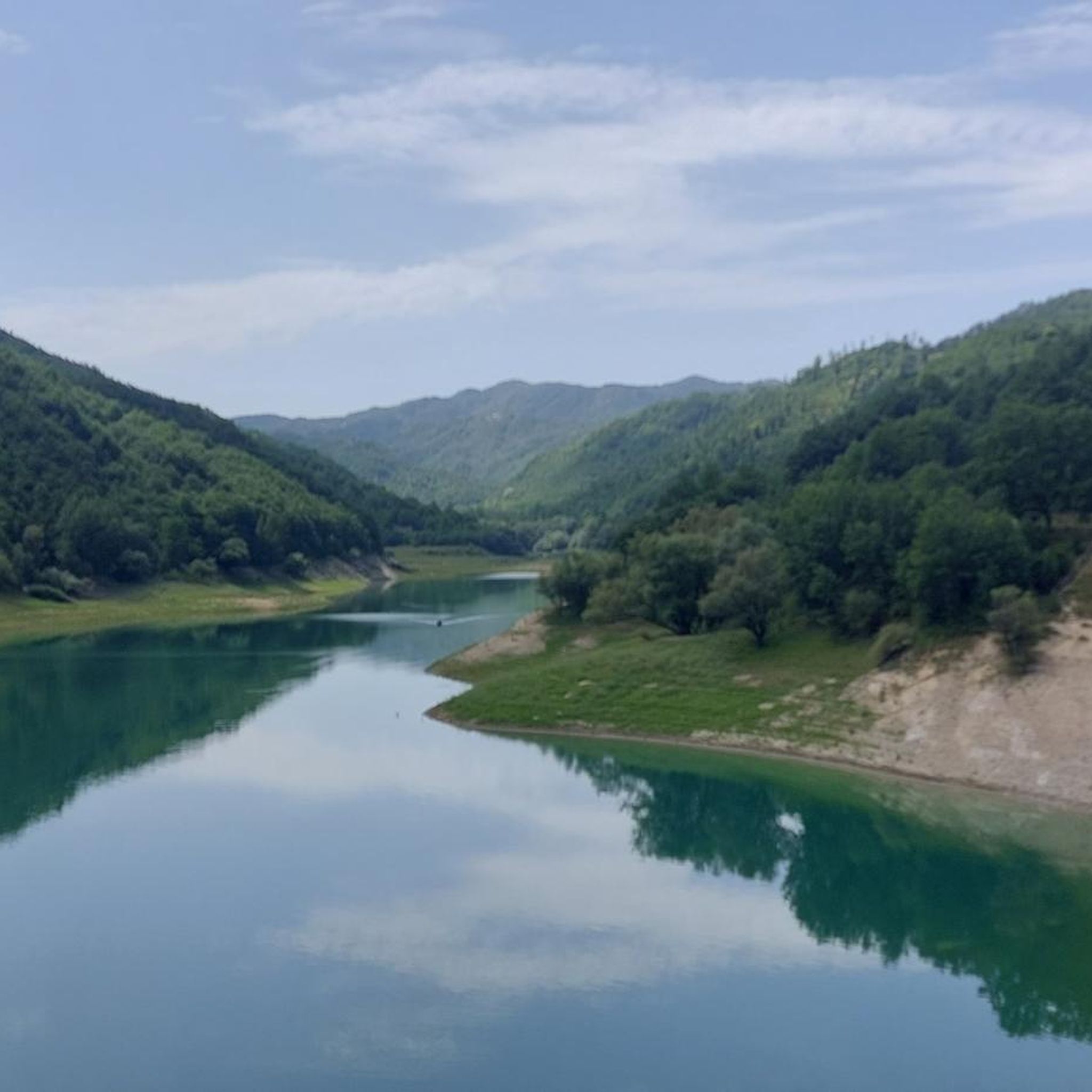
View of Lake Salto
0
0

It is located just before the bridge that crosses the lake and leads to Castel di Tora
4
0

A nice hike, but the view of the two lakes of Turano and Salto is priceless.
0
0

San ROCCO was chosen as the patron saint for this church and the corresponding parish. Saint Roch was born in the middle of the 14th century in Montpellier, France. He is popularly regarded as the "plague saint" - alongside Saint Sebastian. A characteristic feature of Roch's depiction in paintings and as a statue is that he is usually pointing to a plague boil on his leg; a dog can also often be seen at his feet, because according to legend, when he was caring for plague victims, he himself became ill and withdrew into solitude, and the dog provided him with bread every day. The memorial day of San Rocco in the calendar of saints is August 16th.
0
0

Lago del Salto is a small but successive artificial lake near Rieti whose circumference is about 32 km of asphalted and mostly flat road. A wonderful route to do by bike, even with the family, taking into account both the low car traffic and the good condition of the road surface perfectly passable with MTB, GRAVEL, City Bike, Racing bike etc. and the beautiful naturalistic views of the lake and the mountains. Along the route there are several rest areas where you can rest and eat a sandwich, but there is also a bar with a beautiful view near the dam. Also along the route you will encounter the town of Fiumata, diametrically opposite the dam, and the town of Borgo San Pietro, halfway between Fiumata and the dam, this is the ideal starting point thanks to the large spaces available for parking cars, but above all for the numerous restaurants with a view of the lake, open all year round and offering excellent local dishes, ideal to enjoy especially after a nice ride like this. For those who want to make the undertaking more challenging there is the variant that passes through Varco Sabino and then through the town of Rigatti, the tour is extended by a total of 10 km, testing a truly challenging climb and descent. Definitely worth trying.
0
0

The passage over the dam is spectacular and the "jump" below is very impressive.
0
0
Frequently Asked Questions
What natural features can I explore around Marcetelli?
Marcetelli is nestled in the Valle del Salto, offering picturesque views. It is also situated within the Riserva Naturale Monti Navegna e Cervia, known for its rich forests of chestnut, white hornbeam, turkey oak, beech, and oak trees. You can also find the monumental "Cerqua Bella," a 500-year-old downy oak. For scenic vistas, consider visiting View of Lake Turano and Lake Salto from Monte Navegna, which offers expansive views from its 1508-meter summit.
What historical sites and cultural landmarks are there in Marcetelli?
The village itself boasts an Ancient Historic Centre with narrow, steep alleys and perched houses. Notable religious sites include the Church of San Venanzio Martire, the Church of Santa Maria in Villa (dating back to the year 1000 with valuable frescoes), and the Church of San Rocco. You can also see the historic Palazzo Barberini and the Octagonal Fountain in the Piazza della Porta.
Are there hiking trails suitable for different skill levels near Marcetelli?
Yes, Marcetelli is immersed in the greenery of the Cammino Naturale dei Parchi, making it ideal for hiking. The area offers various trails, including moderate options like the "View of Lake Turano – Monte Navegna Summit Cross loop from Ascrea" (11.8 km) and "View of Lake Turano – View of Lake Turano loop from Paganico Sabino" (11.6 km). You can find more details and routes in the Hiking around Marcetelli guide.
What kind of wildlife can be found in the Riserva Naturale Monti Navegna e Cervia?
The mountainous woods surrounding Marcetelli are home to diverse Apennine fauna. Visitors might spot wolves, wild boars, roe deer, deer, fallow deer, hares, and wild cats. The reserve is also a haven for almost all species of birds of prey, ranging from owls to golden eagles.
Where can I learn about local traditions and crafts in Marcetelli?
Marcetelli maintains a strong tradition of chestnut wood craftsmanship. You can visit the Museo Bottega dei Cerchiari, dedicated to master coopers who handcraft vats, tubs, and barrels. The museum allows visitors to explore workshops and view traditional craftsman tools, preserving this ancient art.
What is the best time of year to visit Marcetelli for outdoor activities?
The region's natural beauty, especially within the Riserva Naturale Monti Navegna e Cervia, makes spring, summer, and early autumn ideal for outdoor activities like hiking and exploring. The Red Chestnut Festival on November 1st and the gastronomic tour "Il Serpentone di Montagna" on August 10th offer unique cultural experiences during these seasons.
Are there family-friendly attractions or activities in Marcetelli?
Yes, several attractions are suitable for families. The Salto Dam, which created Lazio's largest artificial lake, is a fascinating man-made monument. The San Rocco Chapel at Lake Turano offers a peaceful spot by the lake. Exploring the historic center of Marcetelli itself, with its medieval charm, can also be an engaging activity for families.
What local culinary experiences or festivals can I enjoy in Marcetelli?
Marcetelli is known for its traditional cuisine, deeply rooted in local resources like chestnuts, mushrooms, and pork. You can experience the Red Chestnut Festival annually on November 1st, celebrating this local delicacy. On August 10th, the gastronomic tour "Il Serpentone di Montagna" offers a chance to taste local wines and traditional dishes like "pizzicotti" and lentil soup through the historic center.
How can I reach Marcetelli using public transport?
Marcetelli is a small, medieval village. While specific public transport details can vary, it's generally advisable to check local bus schedules from larger towns in the Rieti province. For the most up-to-date information on routes and timings, it is recommended to consult regional transport websites or local tourist information centers.
Is parking available for visitors in Marcetelli?
As a historic village with narrow streets, parking directly within Marcetelli's ancient center may be limited. Visitors typically find parking areas just outside the main historic core, often near the Piazza della Porta or designated spots on the outskirts of the village. It is advisable to look for signs indicating public parking upon arrival.
What do visitors particularly enjoy about the attractions around Marcetelli?
Visitors appreciate the breathtaking views from spots like View of Lake Turano and Lake Salto from Monte Navegna, where they can admire the surrounding landscape. The tranquility and beauty of the Salto Dam area are also highly valued, making one forget its man-made nature. The historical significance of sites like Santa Maria del Piano, an 11th-century abbey, also draws considerable interest.
Are there any specific permits required for hiking in the Riserva Naturale Monti Navegna e Cervia?
Generally, permits are not required for casual hiking on marked trails within the Riserva Naturale Monti Navegna e Cervia. However, for specific activities, large groups, or research purposes, it is always best to check with the official park authority or local tourist information for any updated regulations or requirements.
Most popular attractions around Marcetelli

Get inspired with the komoot mobile app


Explore more
Still not found the Highlight you’re looking for? See guides of the top attractions in other regions:
