Attractions and Places To See around Colle Di Tora - Top 20
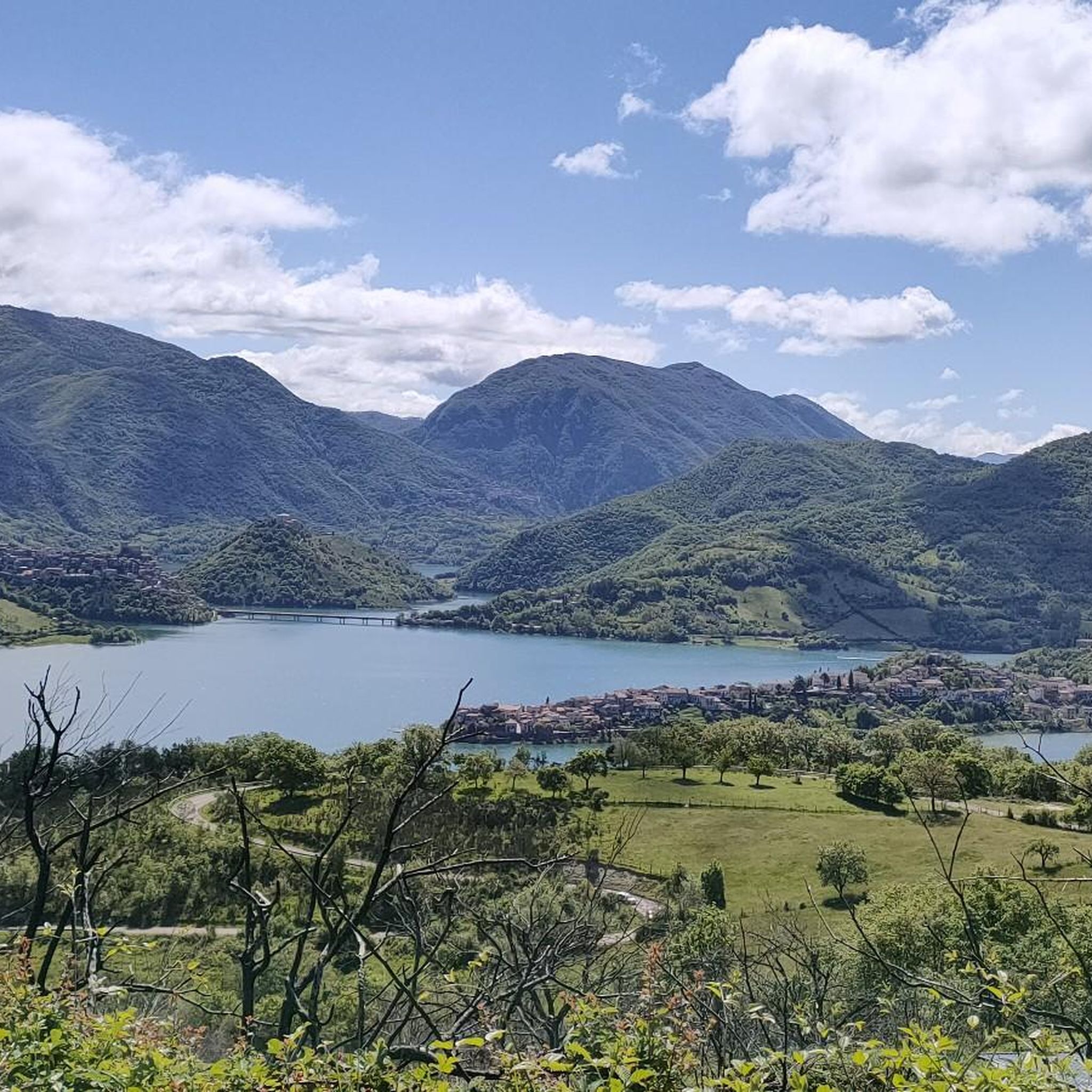
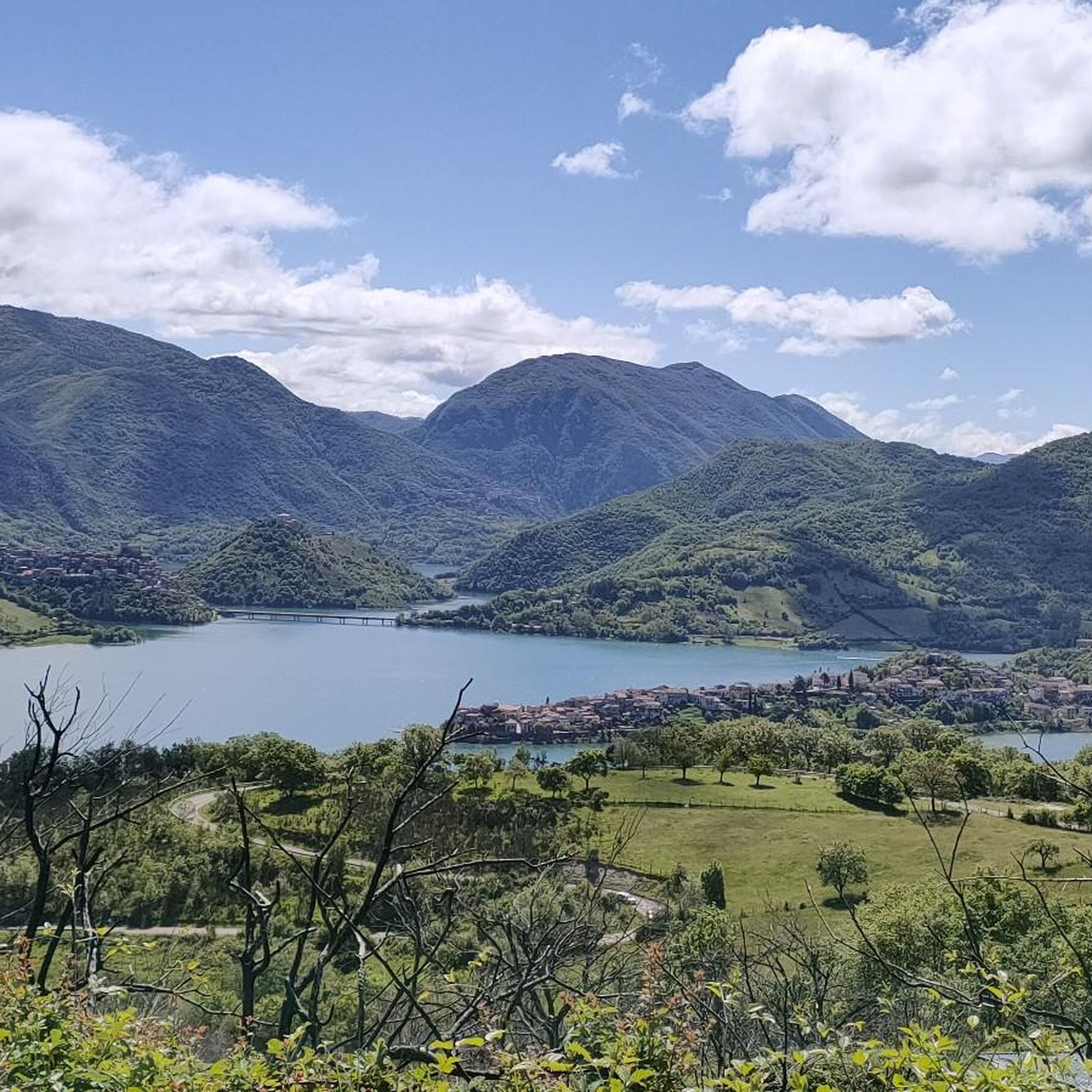
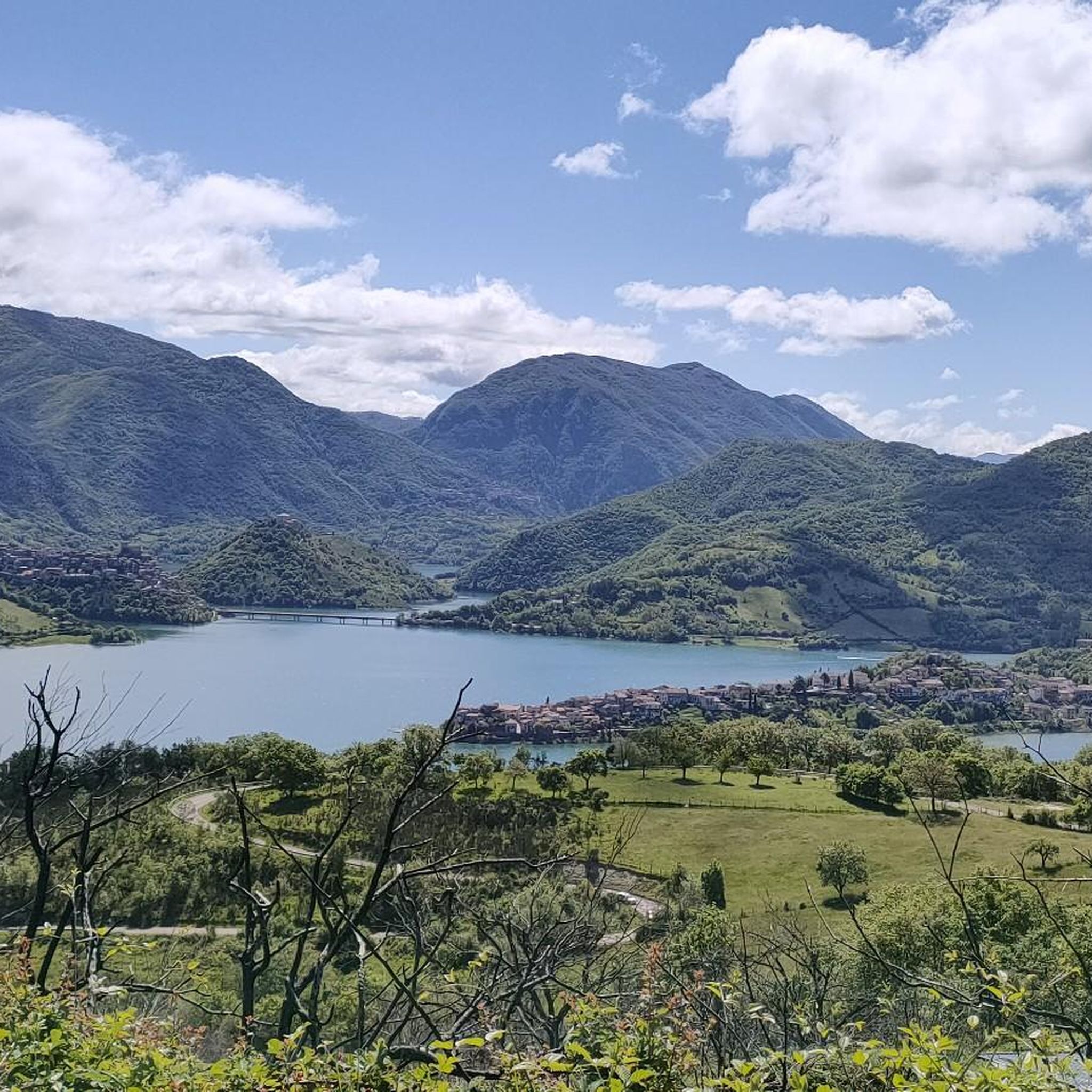
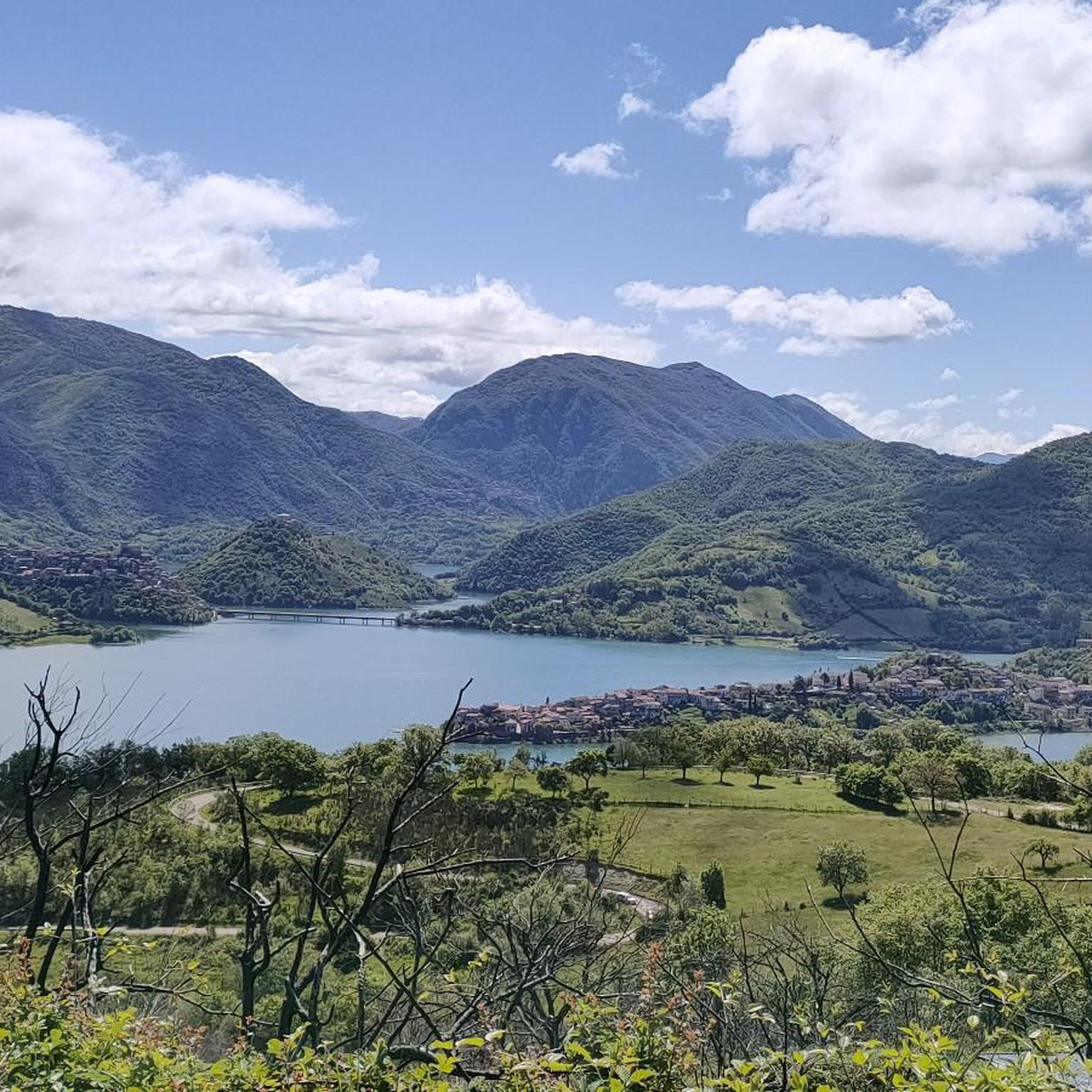
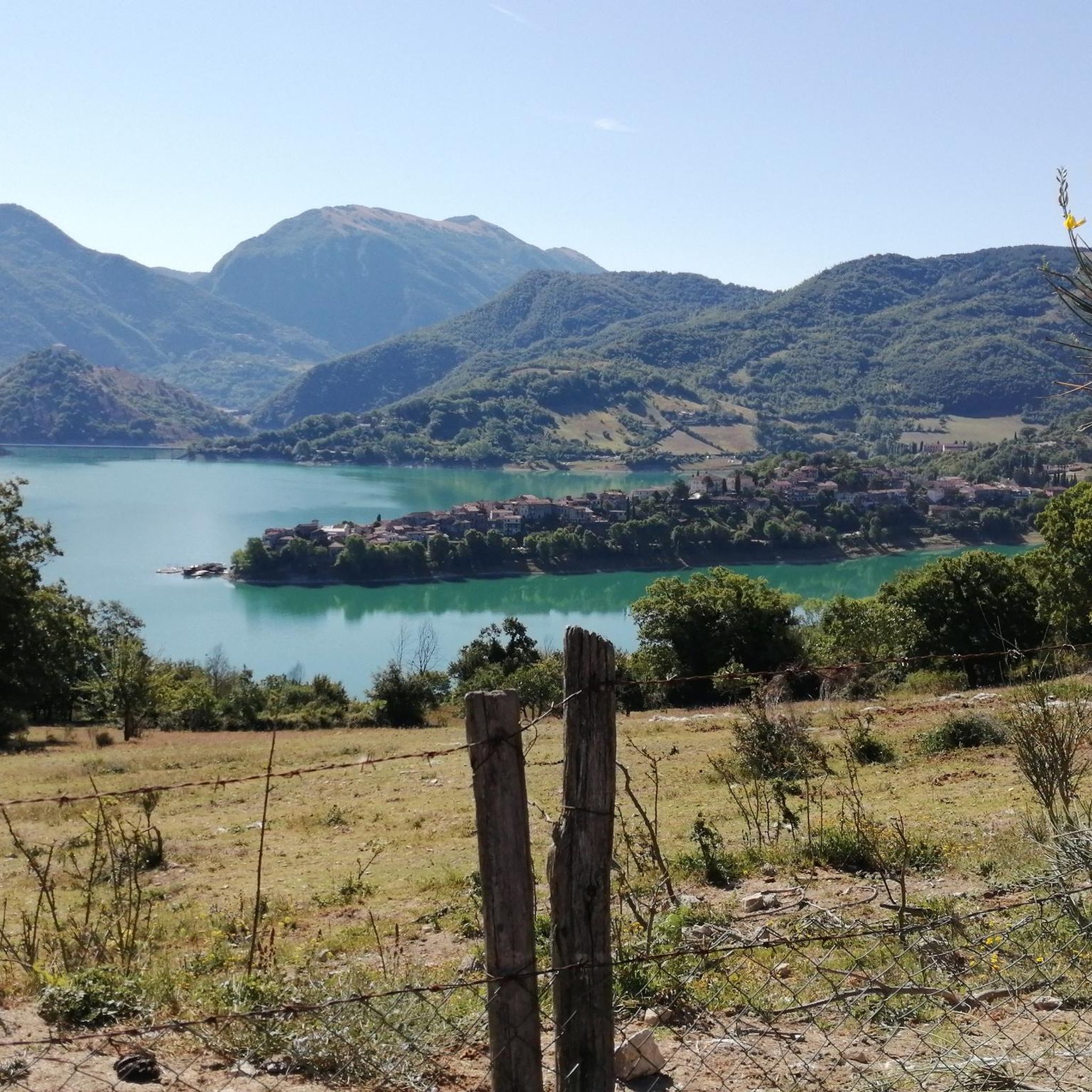
Best attractions and places to see around Colle Di Tora include a historic village in Lazio, Italy, situated on a narrow peninsula extending into Lake Turano. The region is characterized by its blend of natural beauty, including the surrounding Apennine Mountains and wooded hills, and its preserved medieval architecture. Visitors can explore a variety of points of interest, from artificial lakes and historical sites to charming village squares. The area offers diverse experiences for those interested in natural landscapes and…
Last updated: May 11, 2026
Salto Dam
Highlight • Monument
Translated by Google •
Tip by

Ponte Vecchio of Posticciola
Highlight • Bridge
Translated by Google •
Tip by

Sign up now to discover places like this
Get recommendations on the best single tracks, peaks, & plenty of other exciting outdoor places.
Sign up for free
San Rocco Chapel at Lake Turano
Highlight • Religious Site
Translated by Google •
Tip by

Rocca Sinibalda Castle
Highlight • Castle
Translated by Google •
Tip by
Casa del Pastore Mountain Hut
Highlight • Mountain Hut
Translated by Google •
Tip by
Sign up for free to discover even more attractions around Colle Di Tora.
Sign up for free
Already have an account?
Start today with a free account
Your next adventure awaits.
Login or Signup
Tips from the Community

It is located just before the bridge that crosses the lake and leads to Castel di Tora
4
0

San ROCCO was chosen as the patron saint for this church and the corresponding parish. Saint Roch was born in the middle of the 14th century in Montpellier, France. He is popularly regarded as the "plague saint" - alongside Saint Sebastian. A characteristic feature of Roch's depiction in paintings and as a statue is that he is usually pointing to a plague boil on his leg; a dog can also often be seen at his feet, because according to legend, when he was caring for plague victims, he himself became ill and withdrew into solitude, and the dog provided him with bread every day. The memorial day of San Rocco in the calendar of saints is August 16th.
0
0

Lago del Salto is a small but successive artificial lake near Rieti whose circumference is about 32 km of asphalted and mostly flat road. A wonderful route to do by bike, even with the family, taking into account both the low car traffic and the good condition of the road surface perfectly passable with MTB, GRAVEL, City Bike, Racing bike etc. and the beautiful naturalistic views of the lake and the mountains. Along the route there are several rest areas where you can rest and eat a sandwich, but there is also a bar with a beautiful view near the dam. Also along the route you will encounter the town of Fiumata, diametrically opposite the dam, and the town of Borgo San Pietro, halfway between Fiumata and the dam, this is the ideal starting point thanks to the large spaces available for parking cars, but above all for the numerous restaurants with a view of the lake, open all year round and offering excellent local dishes, ideal to enjoy especially after a nice ride like this. For those who want to make the undertaking more challenging there is the variant that passes through Varco Sabino and then through the town of Rigatti, the tour is extended by a total of 10 km, testing a truly challenging climb and descent. Definitely worth trying.
0
0

Rocca Sinibalda dominates the lush Turano Valley from above, the second most important river in Sabina after the Velino. The village is dominated by a castle founded around 1060. It was rebuilt as a fortress and noble residence in the 1630s by Cardinal Alessandro Cesarini who hired the famous Sienese architect Baldassarre Peruzzi for the occasion. It can only be visited on certain days. It is therefore advisable to inform yourself before departure.
0
0

The passage over the dam is spectacular and the "jump" below is very impressive.
0
0

The Romanesque bridge dates back to the 11th century, but was probably built on a pre-existing building of an unspecified period, of rare beauty, still usable but which requires urgent and significant restoration. In the two pillars it is possible to notice the three "holes" used to insert wooden poles horizontally, capable of supporting the "centre" for closing the stone arch. As you pass the bridge on the left, going up towards Posticciola, there is still a clear trace of "Garitta Muraria" where the border point with the Papal State and Kingdom of the Two Sicilies was made, and with the "horizontal transhumance" the duty for the ride. Transhumance has an ancient history which most likely coincides with the history of breeding itself and was regulated and disciplined since Roman times by a set of laws of taxes to be paid in the various customs. Transhumance derives from the Latin "trans" (beyond) and "humus" (earth) = pastoralism transmigrating with the seasons, along the sheep tracks (from the Latin "tractoria" = the shepherds' roads). In southern Italy transhumance was divided into "vertical" and "horizontal". The first concerned the Kingdom of the Two Sicilies, with several sheep tracks that connected from Abruzzo to Puglia (the most important was the famous "Tratturo Magno"). Horizontal transhumance, however, also of ancient origins, descended into the Roman countryside and increased considerably in 1477, when Pope Sixtus IV forced all the shepherds of the "Kingdom of the Church" to take their animals to winter in the Agro Romano. Transhumance in Lazio reached its peak starting from 1800, when the "vertical" one entered into crisis. This was usually in provincial sections from Umbria towards Civitavecchia, from the Marche towards Polo and Maccarese, from Abruzzo towards the Roman countryside, from Ciociaria towards Anzio and Terracina. http://www.magiadelturano.it/index.php/posticciola/ponte-romanico
0
0

The Castle of Rocca Sinibalda, located in the province of Rieti, has a rich and fascinating history. Its construction dates back to the 10th century and was built to defend the surrounding area and control the territory. Over the centuries, the castle passed between various noble families, including the Savellis, the Orsinis and the Sinibaldis, from which it takes its name.
1
0
The Romanesque bridge (or Ponte Vecchio) near Posticciola is a really good example of the time it was. Formerly a post station and place of transit for transhumance, the bridge preserves the layout of a medieval Sabine village well.
2
0
Frequently Asked Questions
What natural attractions can I explore around Colle di Tora?
Colle di Tora is nestled amidst stunning natural beauty. The primary attraction is Lake Turano, an artificial lake perfect for swimming, boating, kayaking, and fishing. You can also enjoy the scenic Lungolago di Colle di Tora promenade. Nearby, the Navegna and Cervia Mountains Nature Reserve offers opportunities for hiking through woods, gorges, and streams, with trails like the Sentiero Italia.
What historical sites can I visit in and around Colle di Tora?
The area is rich in history. Within Colle di Tora, you can explore its medieval character, the Church of San Lorenzo Martire, and the remains of a Roman Tomb dedicated to Caracalla. Further afield, visit the impressive Rocca Sinibalda Castle, a 10th-century fortress, and the historic Ponte Vecchio of Posticciola, a Romanesque bridge that was formerly a post station.
Are there opportunities for swimming or water activities near Colle di Tora?
Yes, Lake Turano is ideal for water activities. Its turquoise waters are perfect for swimming, boating, kayaking, and fishing. The lake's shores offer various spots to enjoy the water.
What hiking opportunities are available near Colle di Tora?
The region offers diverse hiking experiences. The Navegna and Cervia Mountains Nature Reserve has trails like the Sentiero Italia. For specific routes, you can find options such as the easy "Vallocchie Waterfall – Castel di Tora loop" or the moderate "View of Lake Turano – View of Lake Turano loop." Explore more trails in the Hiking around Colle Di Tora guide.
What is there to see in the village of Colle di Tora itself?
Colle di Tora is a charming medieval village. Wander through its narrow streets, old stone houses, and alleyways that descend towards the waterfront. The social heart is Piazza Umberto I, lined with local cafés. Don't miss the Church of San Lorenzo Martire for panoramic views and the remains of a Roman Tomb dedicated to Caracalla.
Are there any interesting neighboring villages to explore?
Absolutely. The neighboring village of Castel di Tora, also on Lake Turano, features the baroque Fontana del Tritone, the Church of San Giovanni, and the Hermitage of San Salvatore with 17th-century frescoes. You can also visit the 15th-century Palazzo del Drago and a sensory Labyrinth. Another unique spot is Mount of Antuni, an abandoned village with a special charm.
What local cuisine and traditional dishes can I try in the area?
The region offers delicious traditional Sabine dishes. Look for meals incorporating local products like the PAT pea bean, truffles, chestnuts, fava beans, and local sausages. Popular dishes include pizzullu coll'erbe (grilled flatbread with wild chicory), potato gnocchi with mutton and pecorino sauce, mutton arrosticini, and grilled lake fish like rosciola. Many walks include tastings of local wines and olive oil.
What is the best time of year to visit Colle di Tora for outdoor activities?
The area offers a dynamic environment in warmer seasons, perfect for nature walks and water activities on Lake Turano. In winter, the harmonious blend of mountains and woods creates a "fairytale atmosphere." The best time depends on your preferred activities, but spring and autumn generally offer pleasant temperatures for hiking and exploring.
Are there any unique or lesser-known places worth visiting?
Beyond the main attractions, consider visiting the Salto Dam, which created the largest artificial lake in Lazio. The Mount of Antuni, an abandoned village connected by a thin strip of land, offers a unique historical experience. The Ponte Vecchio of Posticciola is also a well-preserved Romanesque bridge with historical significance.
What cycling routes are available around Colle di Tora?
Cyclists can enjoy various routes, including challenging gravel rides around Lake Turano within the Monti Navegna e Cervia Nature Reserve. There are also longer, difficult routes like the "Roman Bridge over the Velino River – Posticciola Dam loop." For more options, check the Cycling around Colle Di Tora guide.
What do visitors enjoy the most about Colle di Tora?
Visitors appreciate the blend of natural beauty and historical charm. The tranquility of Lake Turano, the preserved medieval character of Colle di Tora, and the panoramic views from spots like the Church of San Lorenzo Martire are frequently highlighted. The area's rich history, from ancient Roman remains to medieval castles, also captivates many.
Most popular attractions around Colle Di Tora

Get inspired with the komoot mobile app


Explore more
Still not found the Highlight you’re looking for? See guides of the top attractions in other regions:
