Attractions and Places To See around Civitella San Paolo - Top 20
Best attractions and places to see around Civitella San Paolo include a medieval village nestled in the Tiber Valley, northwest of Rome. This area features a characteristic hilly landscape and offers a glimpse into centuries of history. The town's elevated position provides scenic views, while ancient origins are evident in its historical sites and natural features. Visitors can explore well-preserved architecture and significant landmarks within this picturesque setting.
Best attractions and places to see around Civitella San Paolo
- The most popular attractions is Hermitage of Saint Sylvester, a religious building located at the top of Mount Soratte. This hermitage offers a panoramic view of the surrounding valleys and the Tiber Valley.
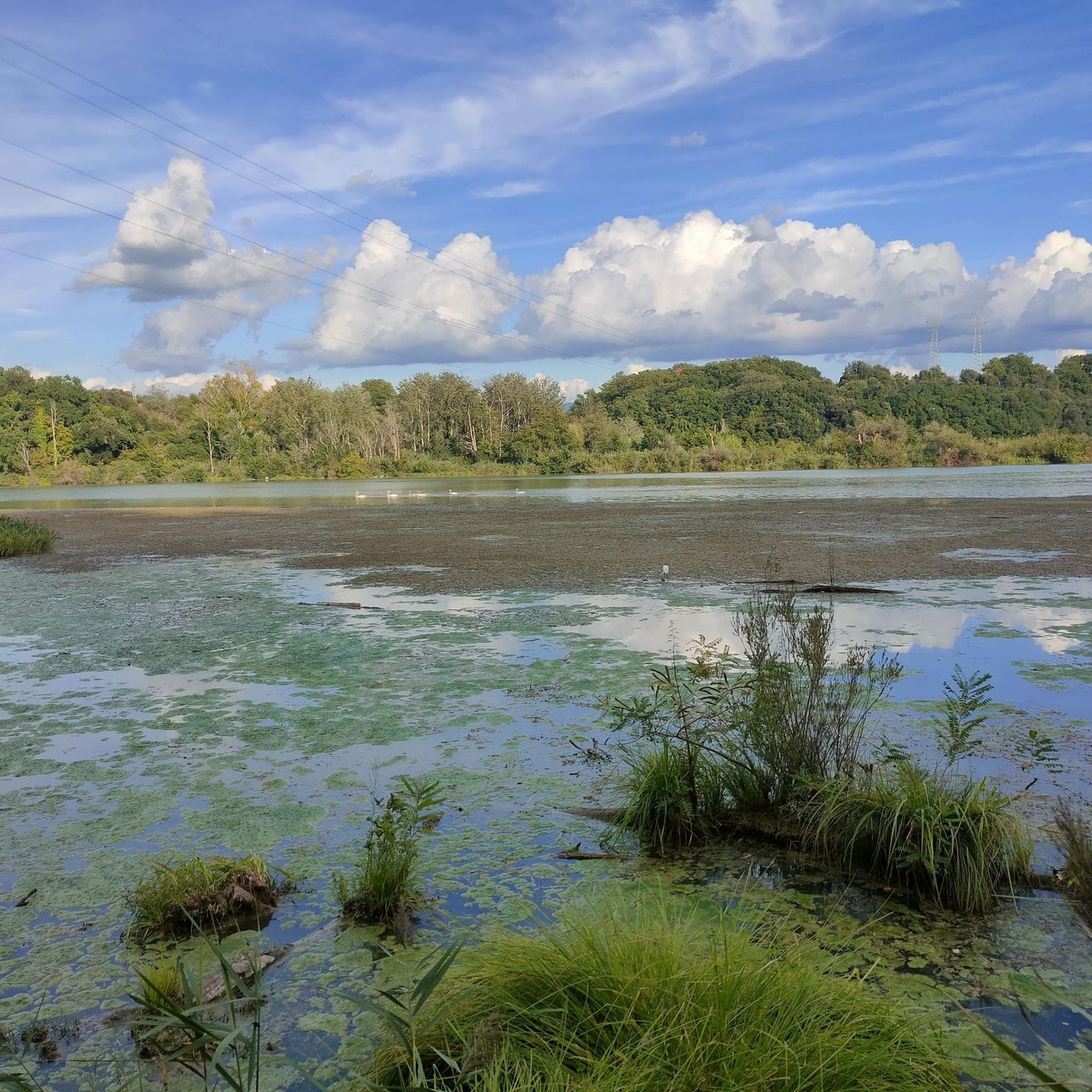
- Another must-see spot is Nazzano Tevere-Farfa Nature Reserve, a protected natural area in the Tiber Valley north of Rome. It is characterized by the Tiber river, its tributary Farfa, and the artificial lake of Nazzano.
- Visitors also love Monte Soratte Bunker, a man-made monument built in 1937. This network of tunnels inside the mountain extends for about 4 km and served as a military bunker.
- Civitella San Paolo is known for its historical sites, natural features, and religious buildings. The area offers a variety of attractions to see and explore, from ancient ruins to protected natural reserves.
- The attractions around Civitella San Paolo are appreciated by the komoot community, with over 110 upvotes and 90 photos shared by visitors.
Last updated: July 6, 2026
Hermitage of Saint Sylvester
Highlight • Religious Site
Translated by Google •
Tip by

Nazzano Tevere-Farfa Nature Reserve
Highlight • Natural
Translated by Google •
Tip by

Sign up now to discover places like this
Get recommendations on the best single tracks, peaks, & plenty of other exciting outdoor places.
Sign up for free
Monte Soratte Bunker
Highlight • Monument
When, after 8 September 1943, the German supreme command of the South was bombed in Frascati, Field Marshal Albert Kesselring, who was in charge of it, arranged to transfer its headquarters to Soratte. There it would remain almost undisturbed until early June 1944. The bunker also resisted the bombing of 12 May 1944 carried out by two flocks of allied B-17s, which had left specifically from Foggia to destroy it. The operation, which hit many houses in nearby Sant'Oreste, caused about a hundred victims among the 980 German soldiers in the town. To leave, however, the Wehrmacht troops waited for June 5, when British and American tanks entered Rome. Before leaving, they flooded the tunnels with petrol and set them on fire. To enter, the British had to wait for the fire to burn itself out five days later.
After the end of the war, the complex remained abandoned until 1967, when a fallout shelter was built under the aegis of NATO, which however was not completed and abandoned in 1972.
Translated by Google •
Tip by

Ponzano Romano
Highlight • Settlement
Translated by Google •
Tip by
Church of Santa Romana
Highlight • Religious Site
Translated by Google •
Tip by

Sign up for free to discover even more attractions around Civitella San Paolo.
Sign up for free
Already have an account?
Start today with a free account
Your next adventure awaits.
Login or Signup

Tips from the Community

The hermitage of Santa Romana, in Sant’Oreste sul Monte Soratte, is a rock-hewn church carved into a cave on the northeast side of the mountain, in a wooded and very evocative setting. According to tradition, it was consecrated in 1218, but the site seems to have even older origins, perhaps also linked to pre-Christian cults. The site preserves remains of walls and ruins that show how the hermitage was larger than it appears today, as well as frescoes visible on the damp cave walls. Inside there is also a marble basin that collects water dripping from the rock, traditionally used for devotion by women who lacked milk,
0
0

An open-air museum, recommended
0
0

Short panoramic walk with an exhibition of military vehicles.
0
0

The Nazzano Tevere - Farfa Regional Nature Reserve extends upstream of the Enel hydroelectric power plant in Nazzano, and includes the stretch of the Tiber river that goes from the power plant itself to the Poggio Mirteto mountain and along the course of the Farfa river up to the Granica bridge .
0
0

On the way to the top of Soratte, just before the San Silvestro hermitage, you can take the path on the left that leads to the small San Sebastiano hermitage, of which modest wall traces remain. The latter was home to hermits in the 16th and 17th centuries, after which it began to be abandoned and fell into ruin. In the rock there is a cavity used to collect water. Short trail but to be followed with care.
0
1

This hermitage has a patronal name that is truly on everyone's lips, but only a few will know the person behind it: the feast day of Saint Sylvester (San Silvestro) is December 31st. He lived at the end of the third or beginning of the fourth century and was Bishop of Rome when Emperor Constantine - later generations gave him the nickname "the Great" - recognized Christianity as a religion with the so-called "Edict of Toleration" of Milan, thus ending - at least temporarily - the period of bloody persecution of Christians.
1
2

The Eremo di San Silvestro, located at the top of Mount Soratte, offers a stunning panoramic view of the surrounding valleys. This hermitage, one of the numerous hermitages scattered in the Sabina region, stands in a clearing overlooking the beautiful Tiber Valley. Its isolated location far from the town of Sant'Oreste gives it a suggestive atmosphere.
4
0

A wonderful place still well preserved, it is worth booking a guided tour
3
0
Frequently Asked Questions
What historical landmarks can I explore in Civitella San Paolo?
Civitella San Paolo is rich in history. You can visit the well-preserved Medieval Castle (Castello Abbaziale di Civitella San Paolo), which dates back to the 10th or 11th century. Explore the historic gates like Porta Capena (late 15th century) and Porta Romana (1800). The Church of San Lorenzo, built on Roman villa ruins, and the Monastery of Santa Scolastica are also significant. Evidence of ancient origins can be found in the two discovered Ancient Necropolises.
Where can I experience nature around Civitella San Paolo?
The region offers several natural escapes. The village is nestled in the picturesque Tiber Valley, providing scenic views. Directly within Civitella San Paolo, you can visit the Parco Naturale La Corona Sant'Andrea. A short distance away is the Nazzano Tevere-Farfa Nature Reserve, a protected area characterized by the Tiber river, its tributary Farfa, and the artificial lake of Nazzano.
Are there any good viewpoints in the area?
Yes, several spots offer panoramic views. The Hermitage of Saint Sylvester, located at the top of Mount Soratte, provides a stunning vista of the surrounding valleys and the Tiber Valley. From the ruins of San Martino Abbey on Mount Acuziano, you can enjoy a 360° panorama stretching from the Tiber Valley to the Sabine mountains. The elevated position of Civitella San Paolo itself also offers characteristic hilly landscapes.
What outdoor activities or routes are available near these attractions?
The area around Civitella San Paolo is great for various outdoor activities. You can find numerous routes for road cycling, gravel biking, and running. For example, there are challenging gravel biking routes like the "Tevere-Farfa Nature Reserve – Monte Soratte Bunker loop." Running enthusiasts can explore trails such as the "Observation Tower loop from Civitella San Paolo." You can find more details and specific routes on the Road Cycling Routes, Gravel Biking, and Running Trails guide pages.
Are there family-friendly attractions in Civitella San Paolo?
Yes, the region offers options for families. The Nazzano Tevere-Farfa Nature Reserve is considered family-friendly, offering easy paths along the Tiber. Exploring the medieval village of Civitella San Paolo itself, with its castle and historic gates, can be an engaging activity for children. The nearby settlement of Ponzano Romano is also listed as family-friendly.
What is the Monte Soratte Bunker?
The Monte Soratte Bunker is a significant man-made monument built in 1937. It's a network of tunnels extending about 4 km inside Mount Soratte, originally intended as an air-raid shelter for military staff during WWII. It later served as a German command post and was considered for a NATO fallout shelter. The area outside is free to access, and guided tours are available for the interior.
What local traditions and cuisine can I experience in Civitella San Paolo?
Civitella San Paolo celebrates the "Festa dei Canestri" on the first of May, where women parade with flower baskets and distribute traditional sweets, followed by a gastronomic festival. When it comes to local cuisine, be sure to try "Cacione," a sweet pastry with pumpkin pulp, dried fruit, cocoa, and cinnamon, and "Treccia all'olio con i semi di anice," a savory, braided aniseed bread.
What do visitors enjoy most about Civitella San Paolo?
Visitors appreciate the blend of history and natural beauty. The well-preserved medieval architecture, particularly the castle and historic gates, offers a journey back in time. The scenic views from elevated points like the Hermitage of Saint Sylvester and the tranquil environment of the Tiber Valley and Nazzano Tevere-Farfa Nature Reserve are also highly valued. The unique historical significance of sites like the Monte Soratte Bunker also draws considerable interest.
Are there any ancient Roman sites or ruins to visit?
Yes, Civitella San Paolo has ancient origins. The Church of San Lorenzo was built upon the ruins and with materials from a Roman villa. Furthermore, evidence of the pre-Roman Capenati people can be found in the two Ancient Necropolises discovered in the area, highlighting the region's deep historical roots.
What is the best time to visit Civitella San Paolo?
While specific seasonal activities are not detailed, the region's natural beauty and historical sites can be enjoyed throughout much of the year. Spring and autumn generally offer pleasant weather for exploring the medieval village, hiking, and enjoying the scenic Tiber Valley. The "Festa dei Canestri" in May provides a cultural highlight during spring.
Can I find accommodation or dining options in Civitella San Paolo?
Civitella San Paolo is a charming village, and while specific accommodation options are not detailed, you can expect to find local eateries that offer traditional specialties like "Cacione" and "Treccia all'olio con i semi di anice." For broader options, nearby towns in the Tiber Valley would also provide choices for dining and lodging.
Most popular routes around Civitella San Paolo
Most popular attractions around Civitella San Paolo

Get inspired with the komoot mobile app


Explore more
Still not found the Highlight you’re looking for? See guides of the top attractions in other regions:
