The best cycling routes around Montorio Romano
4.6
(38)
1,265
riders
108
rides
Touring cycling around Montorio Romano offers routes characterized by significant elevation changes and varied terrain. The region features a landscape of rolling hills and valleys, often leading to historical sites and scenic viewpoints. Many routes navigate through rural areas, providing a mix of open stretches and more challenging ascents. The area's topography makes it suitable for cyclists seeking demanding rides with rewarding vistas.
Best touring cycling routes around Montorio Romano
- The most popular touring cycling route is Castello Orsini –…
Last updated: October 9, 2026
32
riders
44.3km
03:05
820m
820m
Hard bike ride. Very good fitness required. Mostly paved surfaces. Suitable for all skill levels.
4.8
(4)
26
riders
55.3km
04:01
1,210m
1,210m
Hard bike ride. Very good fitness required. Mostly paved surfaces. Suitable for all skill levels.

23
riders
70.8km
04:45
1,140m
1,140m
Hard bike ride. Very good fitness required. Mostly paved surfaces. Suitable for all skill levels.
4.5
(4)
16
riders
Hard bike ride. Very good fitness required. Mostly paved surfaces. Suitable for all skill levels.
4.0
(1)
9
riders
35.6km
02:48
890m
890m
Hard bike ride. Very good fitness required. Mostly paved surfaces. Suitable for all skill levels.
Get access to more routes and recommendations from other explorers.
Already have an account?
Our route recommendations are based on thousands of hikes, rides, and runs completed by other people on komoot.
Start today with a free account
Your next adventure awaits.
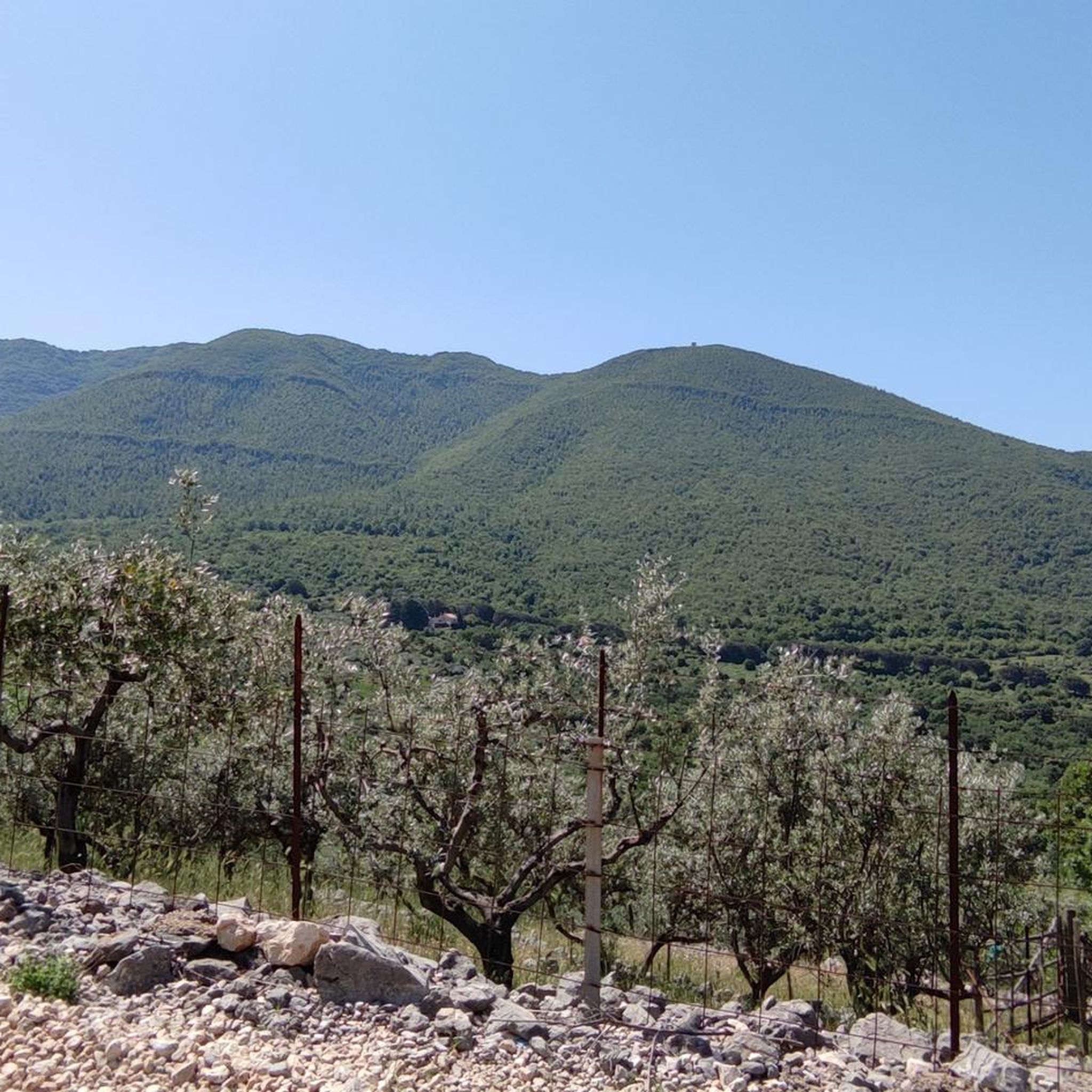
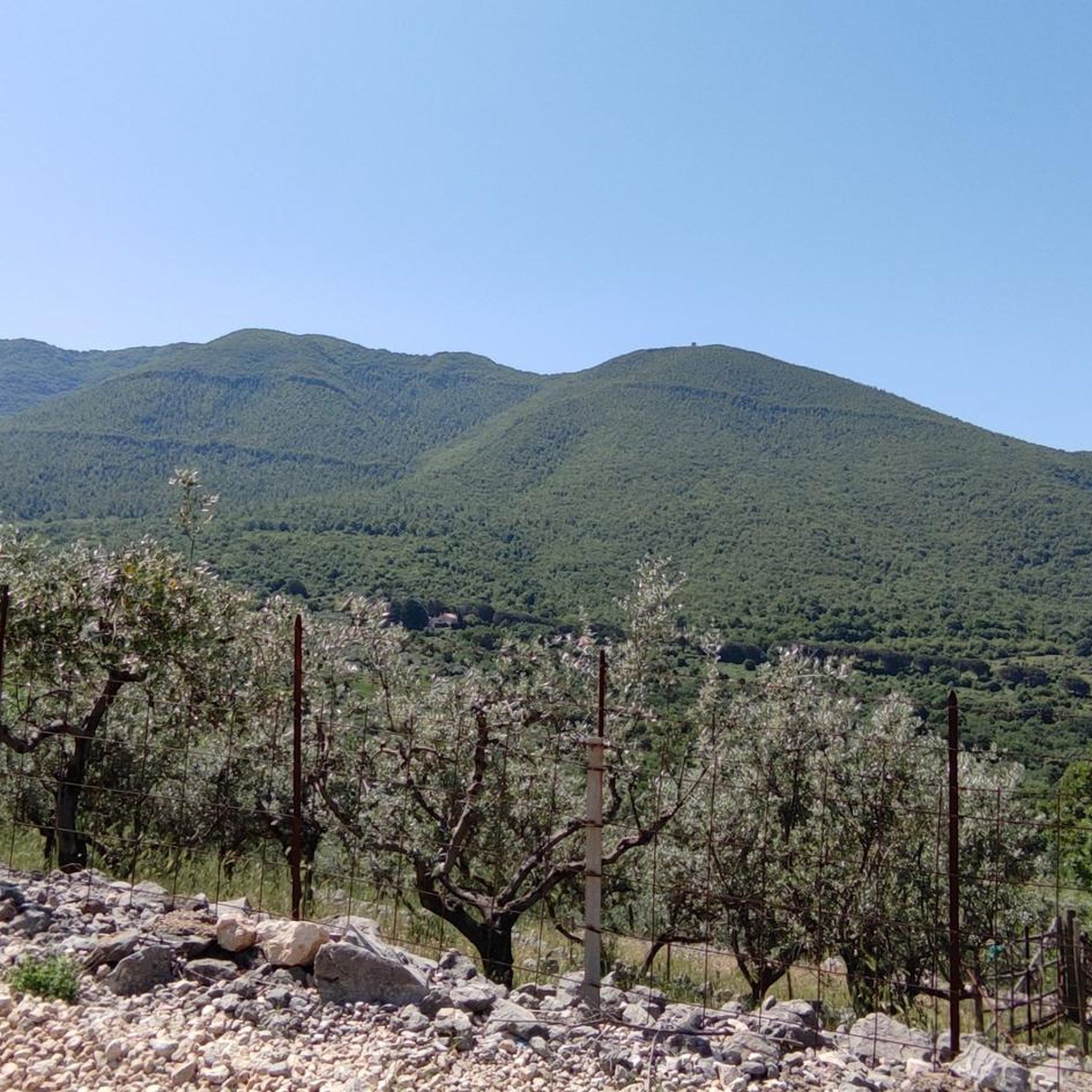
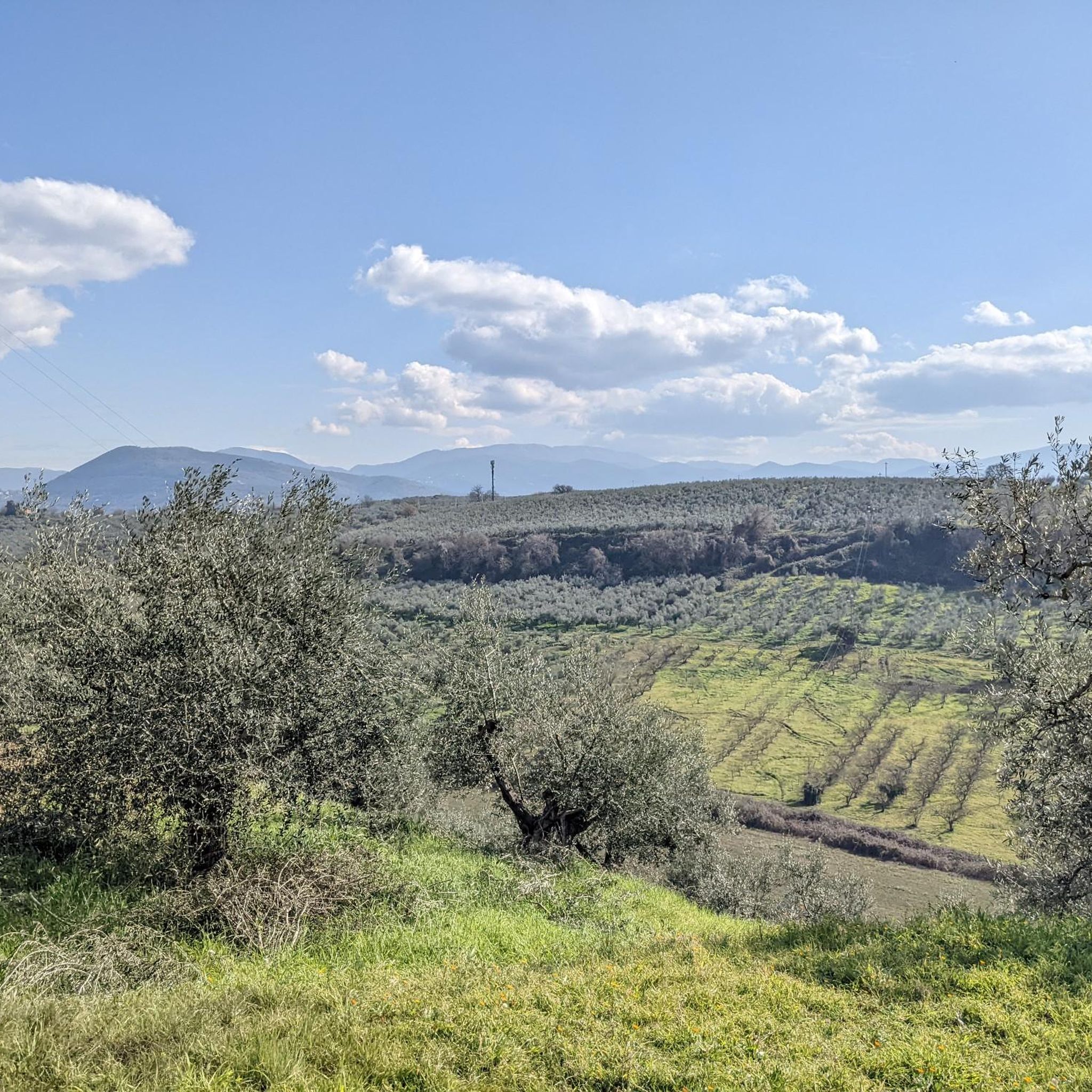
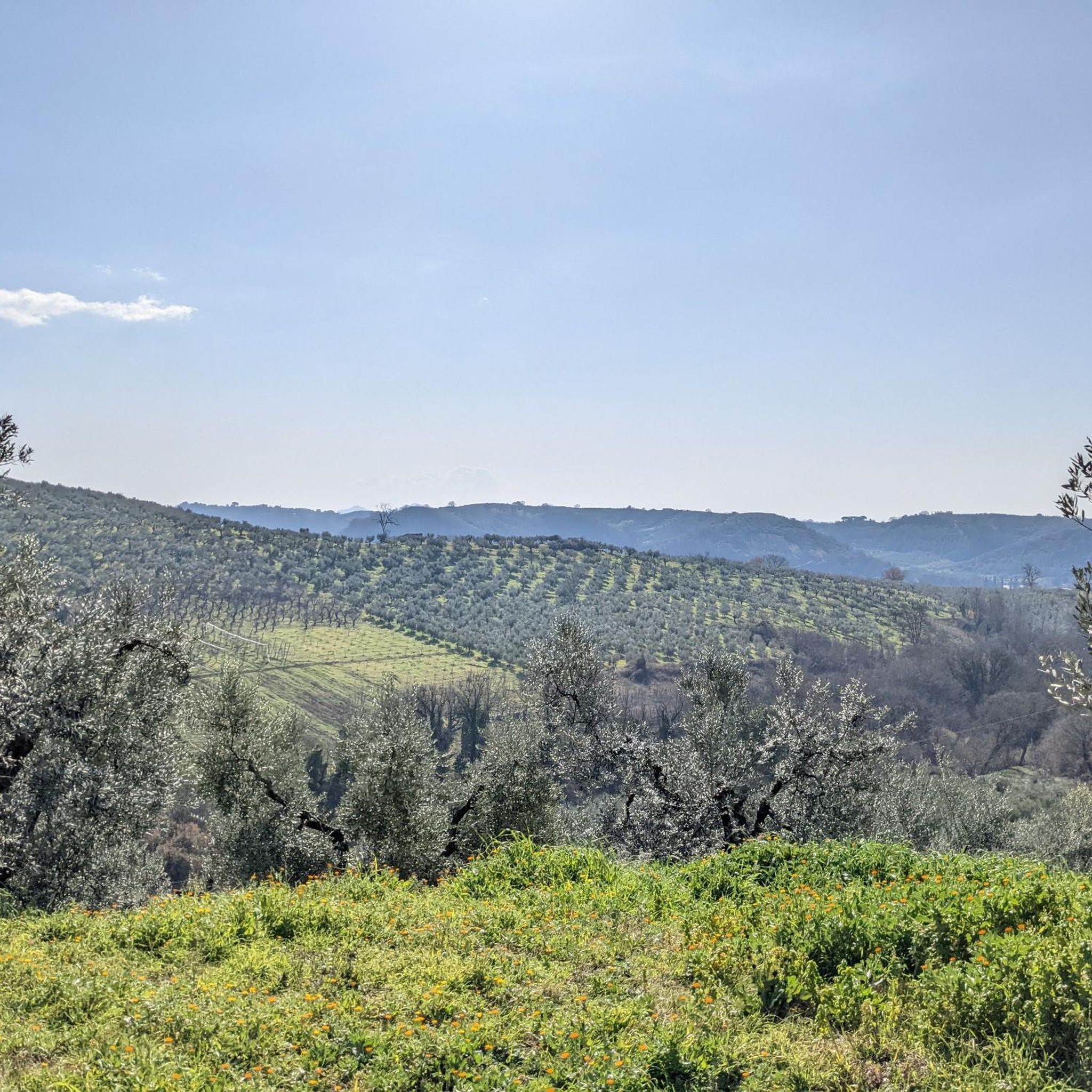

Tips from the Community

among the most beautiful villages in Italy
0
0

The sanctuary of Santa Maria delle Grazie is linked to Nerola both dynastically and devotionally. It was indeed Raimondo Orsini, Duke of Gravina and Count of Nerola, who had the church and convent built for the Franciscan Amadeiti, as a sign of gratitude towards the blessed Amedeo Menezes da Silva. The venerated image of the Madonna delle Grazie came from the castle of Nerola, from where it was brought to the church in a solemn procession on Pentecost Day in 1480. Local sources report that the Madonna venerated in the sanctuary was found in the castle of Nerola, or at least kept there, and then transferred to the new conventual church of Santa Maria delle Grazie. According to the sanctuary's tradition, the blessed Amedeo found the image of the Madonna in the castle of Nerola by revelation and left the castle of Nerola in procession for its new home precisely upon the completion of the sanctuary's construction in 1480. In a later age, the image was first placed in the first side chapel and then, in 1826, on the high altar. The sources of the Via Mariana recall that the venerated image was crowned in 1779 and, after a theft, was crowned again in 2008 by Cardinal Angelo Comastri. Another record describes the image as placed above the altar, stripped after the theft and recently restored, also with the contribution of gold offered by the population. Alongside this Marian devotion, a wooden triptych commissioned by the Orsini from Antoniazzo Romano is also documented in the sanctuary, with the Madonna and Child between Saint Francis and Saint Anthony of Padua, but distinct from the miraculous image that is the object of popular worship.
0
0

Village in the circuit of "The most beautiful villages in Italy". The roads to go up are also very beautiful, both from Licenza and from Poggio Moiano
0
0

Enchanting views, intense climbs. A little extra attention is needed due to the uneven asphalt and motorcyclists.
0
0

It is the highest municipality within the Monti Lucretili Park. Its crenellated profile is drawn against the backdrop of green mountains by the Malvezzi Campeggi castle, a sixteenth-century structure transformed into a residence and surrounded by a wonderful Italian garden. Among the buildings of worship, it is worth visiting the church of the Madonna dei Raccomadati, with a beautiful cycle frescoed by Vincenzo Mamenti, a seventeenth-century painter, that of San Gacomo, elevated and elegant, and the parish church of San Nicola di Bari. The miraculous image of the Madonna of Vallebona is kept and venerated in the seventeenth-century sanctuary of Santa Maria di Vallebona, just outside the town.
0
0

Characteristic town with its centenary olive groves.
0
0

Poggio Moiano is a beautiful village of medieval origin, built on a hill overlooking the surrounding woods of the Monti Lucretili regional park. In the surrounding area there are various testimonies from the Roman era even if the first news of the town is later and dates back to the year 1000 AD. Here every year, during the last week of June for the feast of the Sacred Heart, the flower display takes place with the streets of the village transformed into enormous canvases for works made with flower petals.
0
0

Mandatory stop in Palombara
0
0
Frequently Asked Questions
What are the general characteristics of touring cycling routes around Montorio Romano?
Touring cycling routes in the Montorio Romano area are known for significant elevation changes and varied terrain, featuring rolling hills and valleys. Many routes lead to historical sites and offer scenic viewpoints, navigating through rural areas with a mix of open stretches and challenging ascents. The topography is well-suited for cyclists seeking demanding rides with rewarding vistas.
What difficulty levels can I expect for touring bike trails in Montorio Romano?
The majority of touring bike trails around Montorio Romano are classified as difficult, with 75 routes in this category. There are also 20 moderate routes and 1 easy route available, offering options for various ability levels, though the region generally caters to more experienced cyclists.
Are there any circular touring bike routes available?
Yes, many routes in the Montorio Romano area are designed as loops. For example, the Castello Orsini – Deer Enclosure loop from Nerola is a popular circular route. Another option is the View of Montorio Romano – Castello Orsini loop from Montelibretti, which offers expansive views.
What kind of historical landmarks can I see along the touring cycling routes?
The routes often pass by historical landmarks. You might encounter sites like the historic Castello Orsini, featured in routes such as the Castello Orsini – Deer Enclosure loop from Nerola. Additionally, the region is home to highlights like the Abbey of Farfa and the Ruins of San Martino Abbey on Mount Acuziano, which can be explored in the wider area.
Are there routes with good viewpoints or scenic vistas?
Absolutely. The region's hilly terrain provides numerous opportunities for panoramic views. The View of Montorio Romano – Castello Orsini loop from Montelibretti is specifically highlighted for its expansive views of Montorio Romano. Another route, the Monte Gennaro Tower – View of Palombara Sabina loop from Moricone, offers views of Palombara Sabina.
What do other touring cyclists say about the routes in Montorio Romano?
The touring cycling routes in Montorio Romano are highly regarded by the komoot community, holding an average rating of 4.6 stars from over 30 reviews. Cyclists often praise the challenging ascents, the historical landmarks encountered, and the rewarding panoramic viewpoints.
What is the typical length and duration of touring bike trails in this area?
Route lengths and durations vary. For instance, the Castello Orsini – Deer Enclosure loop from Nerola is about 27.4 miles (44.1 km) and takes around 3 hours. Longer routes like the View of Palombara Sabina – Murals of the Former Gentili Quarry loop from Nerola extend to 40.8 miles (65.7 km) and can take over 4.5 hours to complete.
Are there any natural attractions or monuments to see while cycling?
Yes, the area around Montorio Romano features several natural attractions. Cyclists can explore highlights such as Pizzo Pellecchia, Monte Gennaro Meadow, and the Ancient Beech Tree of La Troscia. These natural monuments add to the scenic beauty of the rides.
What is the best time of year for touring cycling in Montorio Romano?
Given the region's significant elevation changes and varied terrain, spring and autumn generally offer the most pleasant conditions for touring cycling, with milder temperatures. Summer can be warm, making early morning or late afternoon rides preferable, while winter might present colder temperatures and potentially more challenging conditions on higher elevations.
Are there any routes that pass by unique points of interest, like murals?
Yes, for a unique cultural experience, consider the View of Palombara Sabina – Murals of the Former Gentili Quarry loop from Nerola. This route offers not only scenic views but also the opportunity to see the distinctive murals at the Former Gentili Quarry.
How many touring cycling routes are available in total around Montorio Romano?
There are nearly 100 touring cycling routes available around Montorio Romano, offering a wide range of options for exploring the region's diverse landscapes and historical sites.
Can I find routes that are suitable for a more advanced touring cyclist?
Montorio Romano is particularly well-suited for advanced touring cyclists, as 75 of the nearly 100 routes are classified as difficult. Routes like the Poggio Moiano – Orvinio loop from Nerola, with its considerable elevation gain, provide a challenging experience.
Most popular routes around Montorio Romano
Most popular attractions around Montorio Romano

Get inspired with the komoot mobile app


Explore more
Browse the best Cycling routes in other regions.
