The 8 Most Amazing Peaks around Pratola Peligna
Best mountain peaks around Pratola Peligna are found in the heart of Abruzzo, Italy, surrounded by a natural landscape that includes the Majella National Park. This region features prominent mountain peaks offering diverse experiences. The area is characterized by limestone compositions, varied vegetation, and significant wildlife. It provides opportunities for hiking, historical exploration, and cultural immersion.
Best mountain peaks around Pratola Peligna
- The most popular mountain peaks is Monte Miletto, a summit that is appreciated for its beauty and ease of completion. It is a pearl of the Majella National Park.
- Another must-see spot is Passo San Leonardo, a mountain pass. It offers wonderful views of the Majella and Mount Morrone and serves as a base for excursions.
- Visitors also love Monte Morrone Summit, a summit within the Majella National Park. From its elevation of 2,061 meters, the view is expansive.
- Pratola Peligna is known for high-altitude summits, panoramic viewpoints, and significant mountain passes. The area offers a variety of experiences, from challenging treks to accessible trails suitable for different fitness levels.
- The mountain peaks around Pratola Peligna are appreciated by the komoot community, with over 140 upvotes and 70 photos shared.
Last updated: July 1, 2026
Passo San Leonardo
Highlight • Mountain Pass
Translated by Google •
Tip by

Monte Morrone Summit
Highlight • Summit
Translated by Google •
Tip by

Sign up now to discover places like this
Get recommendations on the best single tracks, peaks, & plenty of other exciting outdoor places.
Sign up for free
Monte Miletto
Highlight • Summit
Translated by Google •
Tip by

Monte Rotondo Summit
Highlight • Summit
Translated by Google •
Tip by

Monte Mitra Summit Cross
Highlight • Summit
Translated by Google •
Tip by

Sign up for free to discover even more peaks around Pratola Peligna.
Sign up for free
Already have an account?
Start today with a free account
Your next adventure awaits.
Login or Signup
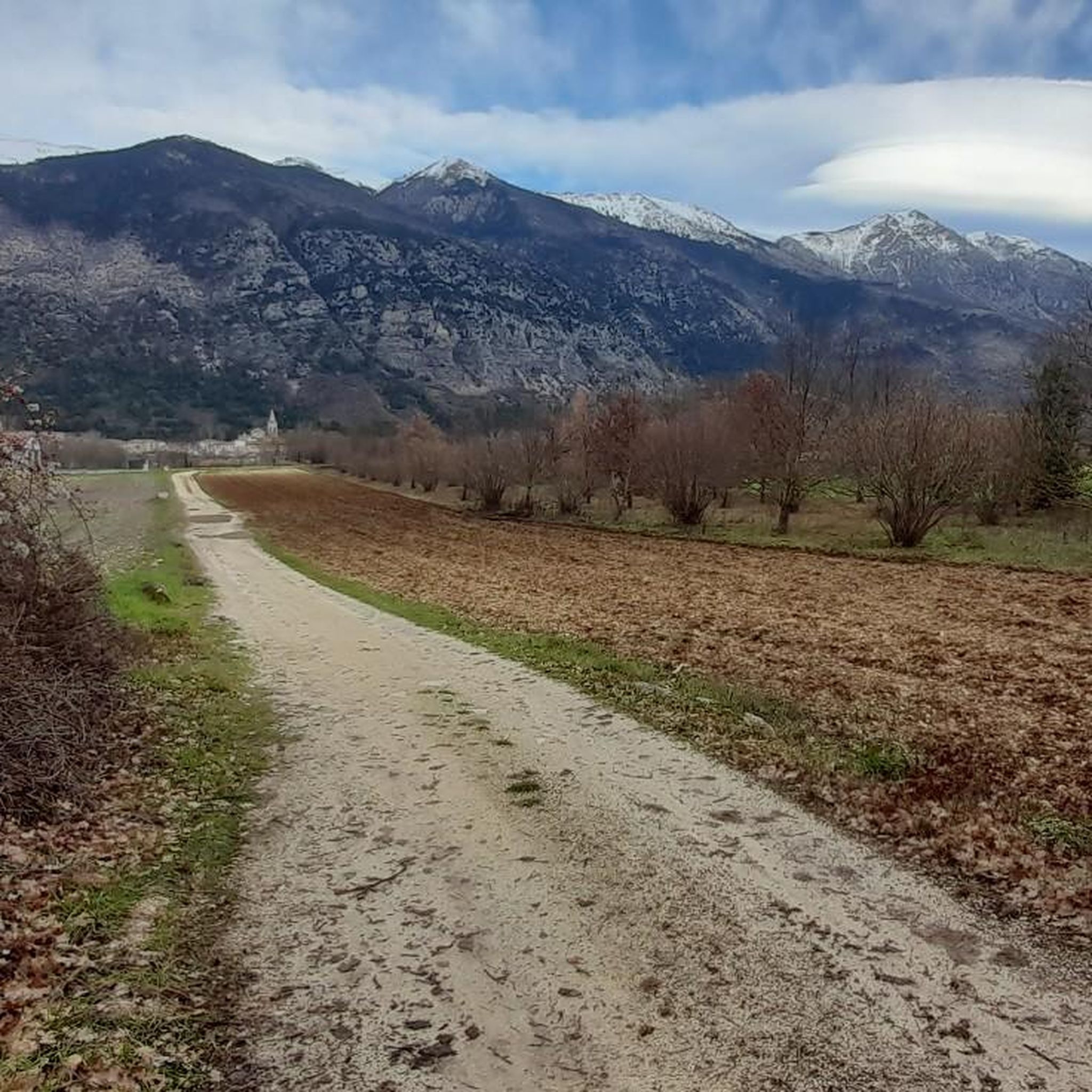
Tips from the Community

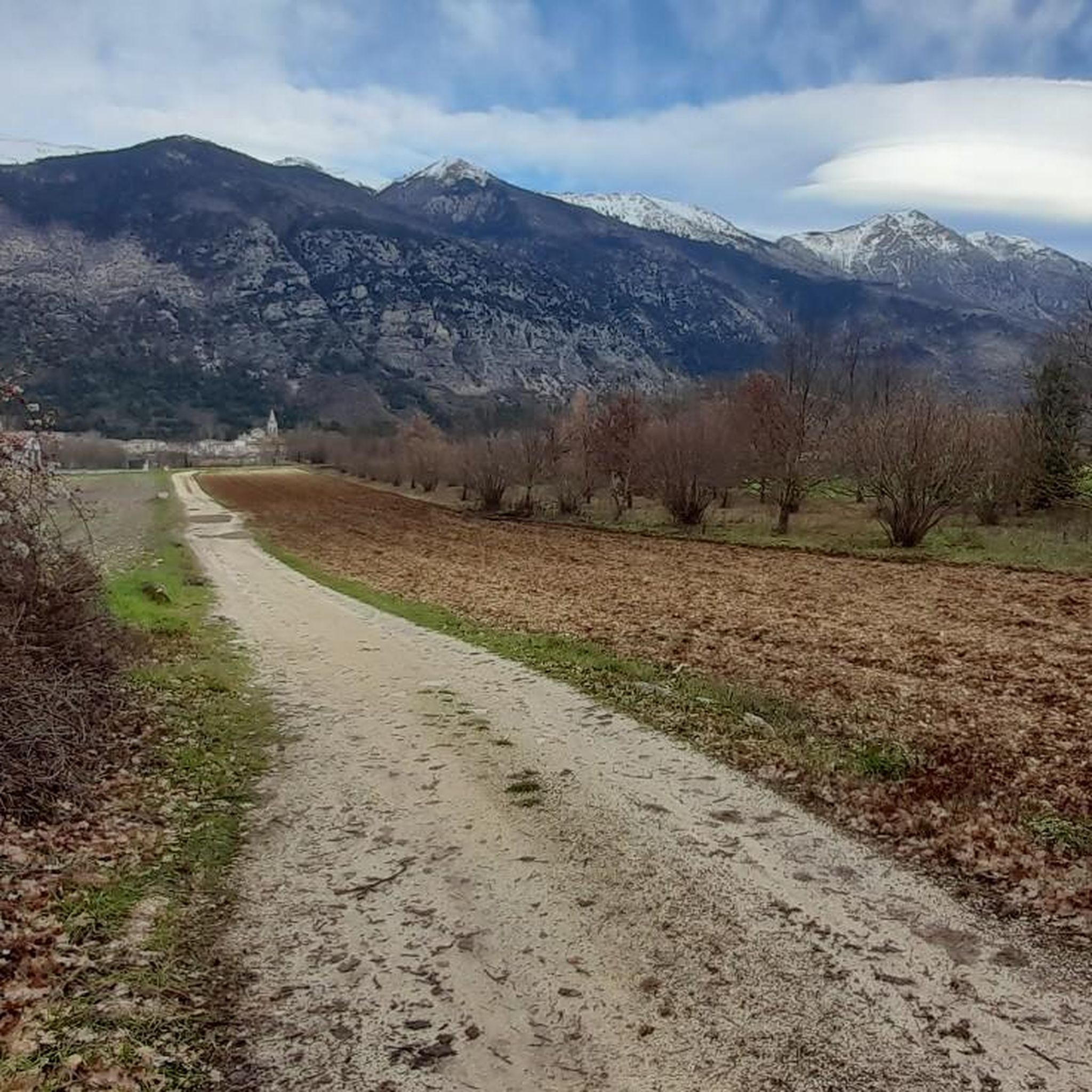
At 2,061 meters above sea level, Mount Morrone is located on the border between the provinces of Pescara and L'Aquila, within the Majella national park. From this top, the view is simply enchanting. The paths that lead here are all very easy and have no particular technical characteristics. It's really fun to run in this area.
1
0

Passo San Leonardo is one of the most important passes in Abruzzo, not only for racing bikes but also for MTBs.
2
0
The great Monte Mileto, a pearl of the Majella National Park. It can also be reached by bicycle from Passo San Leonardo.
1
0

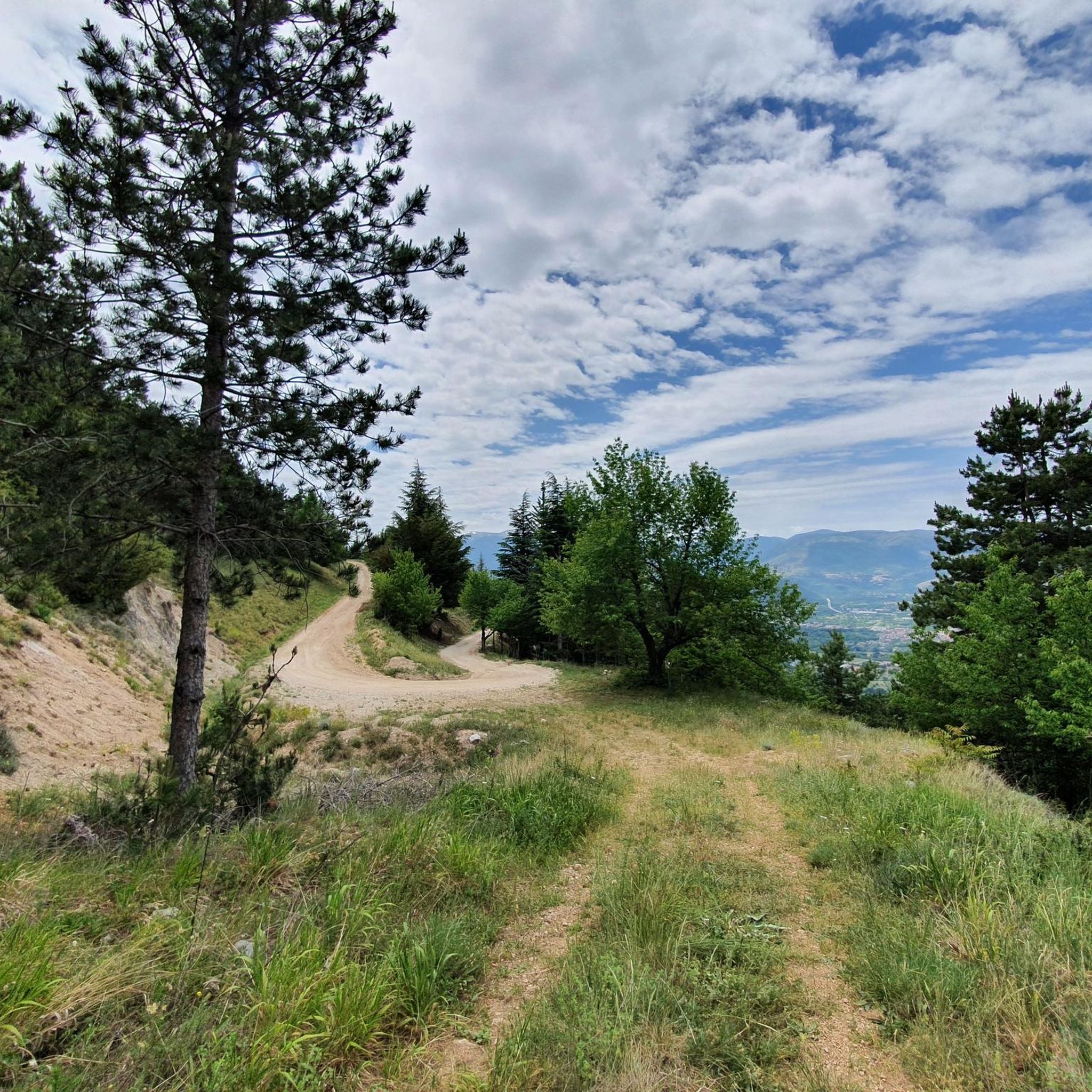
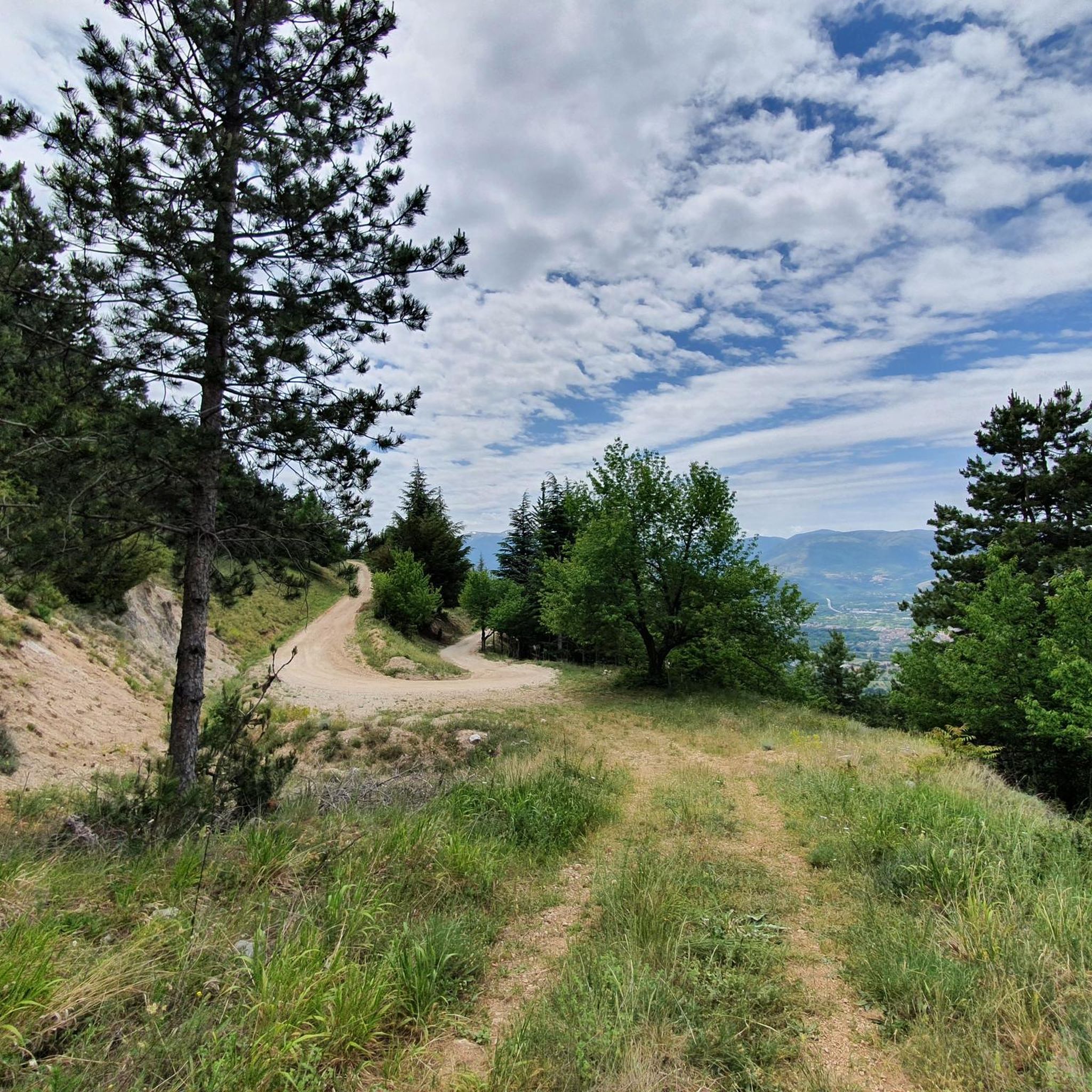
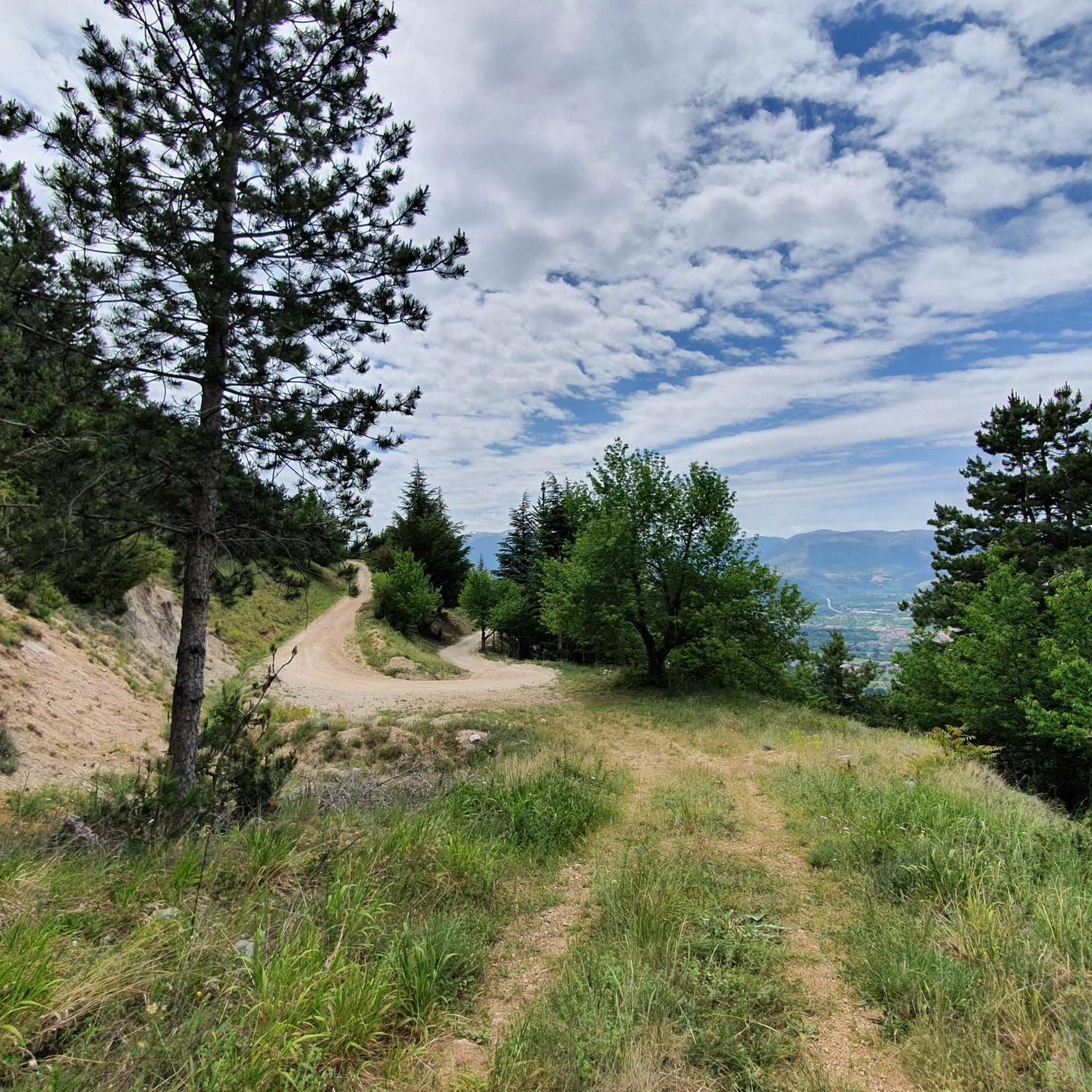
The San Leonardo pass, at an altitude of 1,282 metres, connects Pacentro to Sant'Eufemia a Majella. The pass offers wonderful views of the Majella and Mount Morrone. The San Leonardo pass is an excellent base for excursions, among which the so-called direct route that leads to the summit of Monte Amaro stands out. The Orta river flows from the San Leonardo pass.
1
0

The second page of the San Leonardo Pass: Road to Caramanico Terme- San Leonardo- Campo di Giove- Pacentro- San Leonardo- Caramanico Terme. Tourvideo June 2023: https://youtu.be/tBpWiGuon8Q
1
0
Passo di San Leonardo is an enchanting place suspended between Monte Morrone and Majella, where the beauty of nature reigns supreme. The colors that can be admired in autumn here are truly unique. It's one of the best seasons to visit (although it's a show all year round). The vivid colors of the leaves, together with the deep red of the sunset, create a rare and wonderful sight.
1
0

Monte Morrone is located on the border between the provinces of Pescara and L'Aquila, within the Majella National Park. From up here the view is enchanting.
3
0

The climb to the San Leonardo da Tocco da Casauria pass is truly spectacular. In the final stretch, a serpentine of curves opens up the view to the Majella massif and its highest peak, Monte Amaro. Passo San Leonado is the gateway to the great plateaus of Abruzzo and offers ample space for a night bivouac.
2
0
Frequently Asked Questions
What are some of the most popular mountain peaks and passes around Pratola Peligna?
The region around Pratola Peligna offers several highly regarded peaks and passes. Monte Miletto is a popular summit appreciated for its beauty and relative ease of completion, considered a pearl of the Majella National Park. Another must-see is Passo San Leonardo, a mountain pass offering wonderful views of the Majella and Mount Morrone, serving as an excellent base for excursions. The Monte Morrone Summit itself, at 2,061 meters, provides expansive and enchanting views.
Are there family-friendly mountain peaks or trails near Pratola Peligna?
Yes, several options cater to families. The paths leading to the Monte Morrone Summit are described as very easy with no particular technical characteristics, making it a fun area for running and hiking with family. Monte Rotella also offers rewarding trekking experiences that are not excessively physically demanding, with clear paths suitable for those new to trekking, including families with moderate fitness levels.
What kind of wildlife can I expect to see in the mountains around Pratola Peligna?
The mountains surrounding Pratola Peligna are rich in biodiversity. Monte Morrone is home to diverse wildlife, including the Marsican brown bear, Italian wolf, mouflon, red deer, golden eagle, and peregrine falcon. The Majella National Park, encompassing the Majella Massif, is a haven for wildlife, including wolves and Marsican bears. Monte Genzana's Guided Natural Reserve is a crucial ecological corridor, boasting almost all typical Apennine mammals such as deer, roe deer, wild boar, fox, badger, martens, dormouse, hare, and critically, the Marsican brown bear and Apennine wolf. Birdwatchers can spot golden eagles and peregrine falcons there.
What historical or cultural sites can be found on these mountain peaks?
The mountains offer significant historical and cultural sites. Monte Morrone is notable for housing the remains of a Roman villa, believed to belong to the poet Ovid, recognized as a sanctuary of Hercules Curinus. Nearby, you can explore the 13th-century Morronese Abbey and two caves where the future Pope Celestine V lived as a hermit. The Majella Massif features numerous ancient churches, abbeys, and hermitages carved into the rocks, such as the Hermitage of Santo Spirito a Majella and the Hermitage of San Bartolomeo in Legio. The 73 km “Spiritual Trail” connects major places of worship within the Majella National Park.
Which mountain peaks offer the best panoramic views of the region?
Many peaks provide stunning vistas. Passo San Leonardo offers wonderful views of the Majella and Mount Morrone. From the Monte Morrone Summit, the view is described as enchanting and expansive. Monte Rotella is particularly noted for its long ridges that offer panoramic views extending from the Altopiano delle Cinquemiglia to the Majella, Pizzalto, Genzana, Conca Peligna, and even the Gran Sasso. Its relatively isolated position provides an unobstructed view of the entire Majella group.
Are there challenging hiking opportunities for experienced trekkers?
Yes, the Majella Massif offers extensive and challenging hiking opportunities. The ascent to Monte Amaro, the highest peak in the Majella at 2,793 meters, is a demanding climb. It can involve the highest altitude difference in the Apennines when starting from the Gorges of Fara San Martino. The Passo San Leonardo also serves as a base for excursions, including the direct route to Monte Amaro.
What is the best time of year to visit the mountain peaks around Pratola Peligna?
While specific seasonal advice isn't detailed, the region's diverse flora and fauna suggest spring and summer for lush greenery and wildlife spotting, and autumn for vibrant foliage. Winter offers opportunities for winter hiking, but conditions can be challenging, especially on higher peaks like the Majella Massif. Always check local weather conditions before planning a trip.
What outdoor activities, besides hiking, can I do near these mountain peaks?
Beyond hiking, the area offers a variety of outdoor activities. You can find numerous MTB trails around Pratola Peligna, with routes like the 'Nomad Tour – Napoleonic Road Cycle Path loop'. There are also many running trails, including loops from Sulmona and Abbazia di Santo Spirito del Morrone. For road cycling, explore cycling routes around Pratola Peligna, such as the 'Medieval Aqueduct of Sulmona – Pacentro loop'.
Where can I find easy mountain hikes suitable for beginners near Pratola Peligna?
For beginners, the paths leading to the Monte Morrone Summit are generally considered very easy and lack particular technical difficulties. Monte Rotella also offers accessible trekking experiences, especially the ascent from Pescocostanzo, which is noted for not presenting particular difficulties and having a clear path suitable for those new to trekking.
What makes Monte Genzana a unique destination?
Monte Genzana, with its peak at 2,170 meters, is unique due to its eastern slope hosting the Monte Genzana and Alto Gizio Guided Natural Reserve. This reserve is Abruzzo's largest and acts as a vital ecological corridor between the Abruzzo, Lazio and Molise National Park and the Majella National Park. It boasts diverse natural environments, from river habitats to extensive beech forests and high-altitude prairies, supporting a rich array of Apennine fauna, including the Marsican brown bear and Apennine wolf. It's also known for its flora, with the rare 'Ghost Orchid' having reappeared there.
Are there any specific monuments or crosses on the mountain peaks?
Yes, Monte Rotella is notable for having two peaks adorned with crosses dedicated to the passion of Christ, including Monte Calvario and Monte Mitra Summit Cross. On the summit of Monte Rotella, there is also a monument dedicated to the Alpini (Italian mountain troops).
Most popular attractions around Pratola Peligna

Get inspired with the komoot mobile app


Explore more
See even more amazing summits around Pratola Peligna with these guides:
