The best walks and hikes around Vivaro Romano
4.4
(595)
2,192
hikers
66
hikes
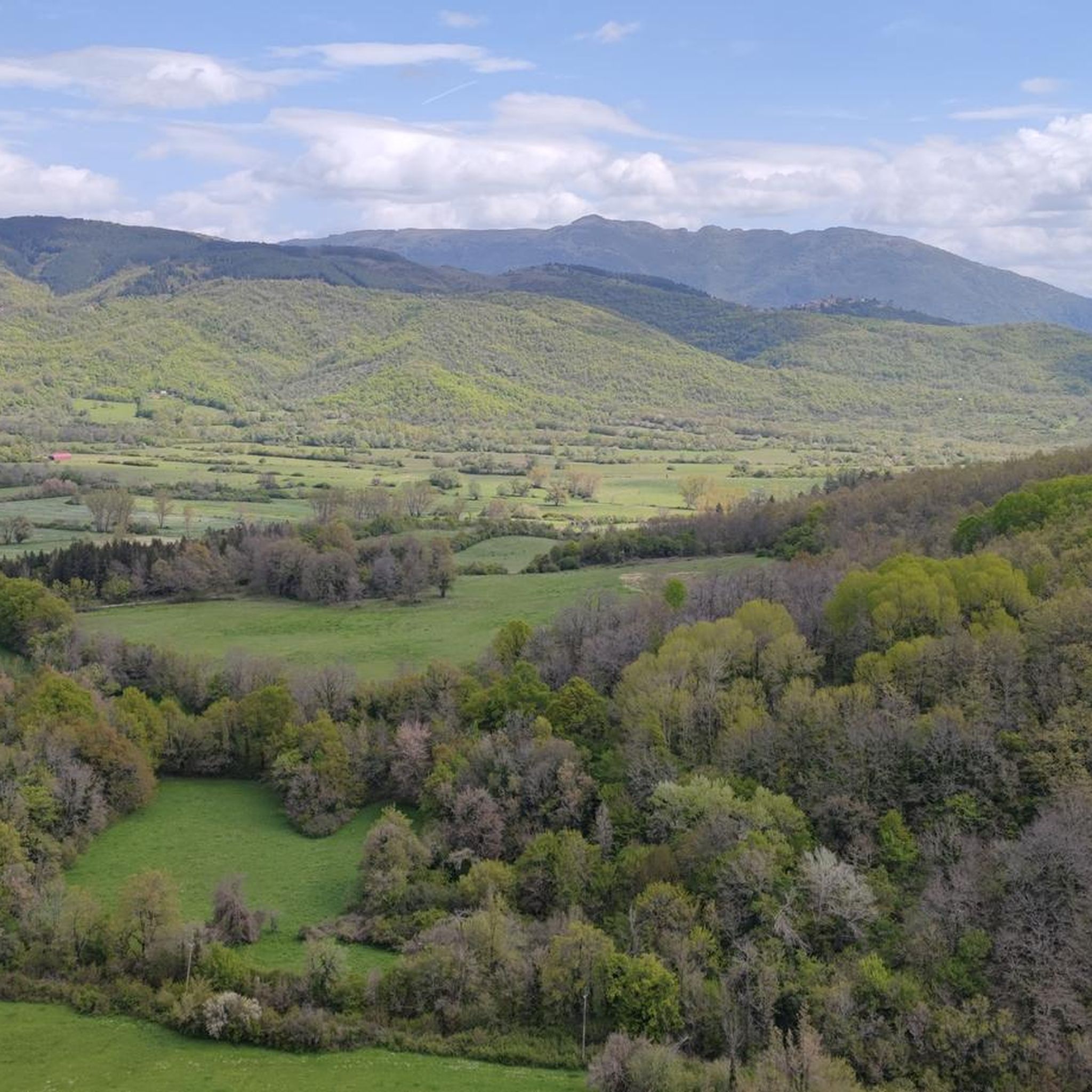
Hiking around Vivaro Romano offers diverse landscapes within Italy's Lazio region, nestled in the Monti Lucretili. The area is characterized by mountainous terrain, including the rocky spur of Colle Gennaro, and features the scenic Turano and Aniene Valleys. Numerous natural springs contribute to the region's lushness, providing varied environments for outdoor exploration. The surrounding natural parks and reserves offer trails winding through centuries-old forests and alongside crystal-clear streams.
Best hiking trails around Vivaro Romano
- The most popular hiking route is…
Last updated: October 22, 2026
4.5
(22)
69
hikers
9.83km
03:14
450m
450m
Moderate hike. Good fitness required. Easily-accessible paths. Suitable for all skill levels.
5.0
(1)
3
hikers
4.78km
01:31
180m
180m
Easy hike. Great for any fitness level. Easily-accessible paths. Suitable for all skill levels.

4.5
(4)
18
hikers
5.47km
01:49
260m
260m
Easy hike. Great for any fitness level. Easily-accessible paths. Suitable for all skill levels.
4.0
(2)
20
hikers
10.4km
03:10
340m
340m
Moderate hike. Good fitness required. Easily-accessible paths. Suitable for all skill levels.
4.0
(2)
9
hikers
17.4km
05:23
620m
620m
Hard hike. Very good fitness required. Mostly accessible paths. Sure-footedness required.
Get access to more routes and recommendations from other explorers.
Already have an account?
Our route recommendations are based on thousands of hikes, rides, and runs completed by other people on komoot.
Start today with a free account
Your next adventure awaits.

Tips from the Community

among the most beautiful villages in Italy
0
0
among the most beautiful villages in Italy
0
0
for 12 centuries guardian of the territory..
0
0

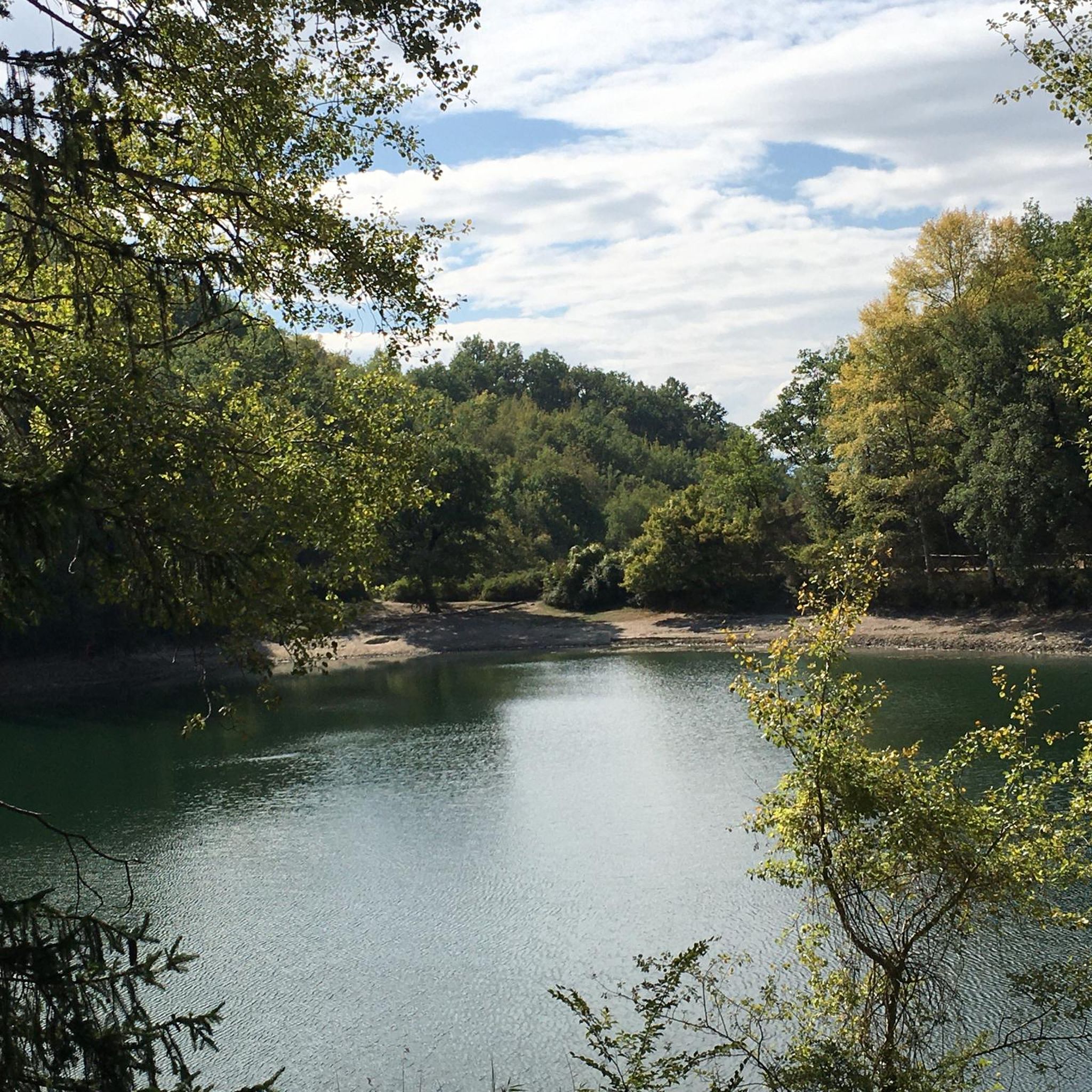
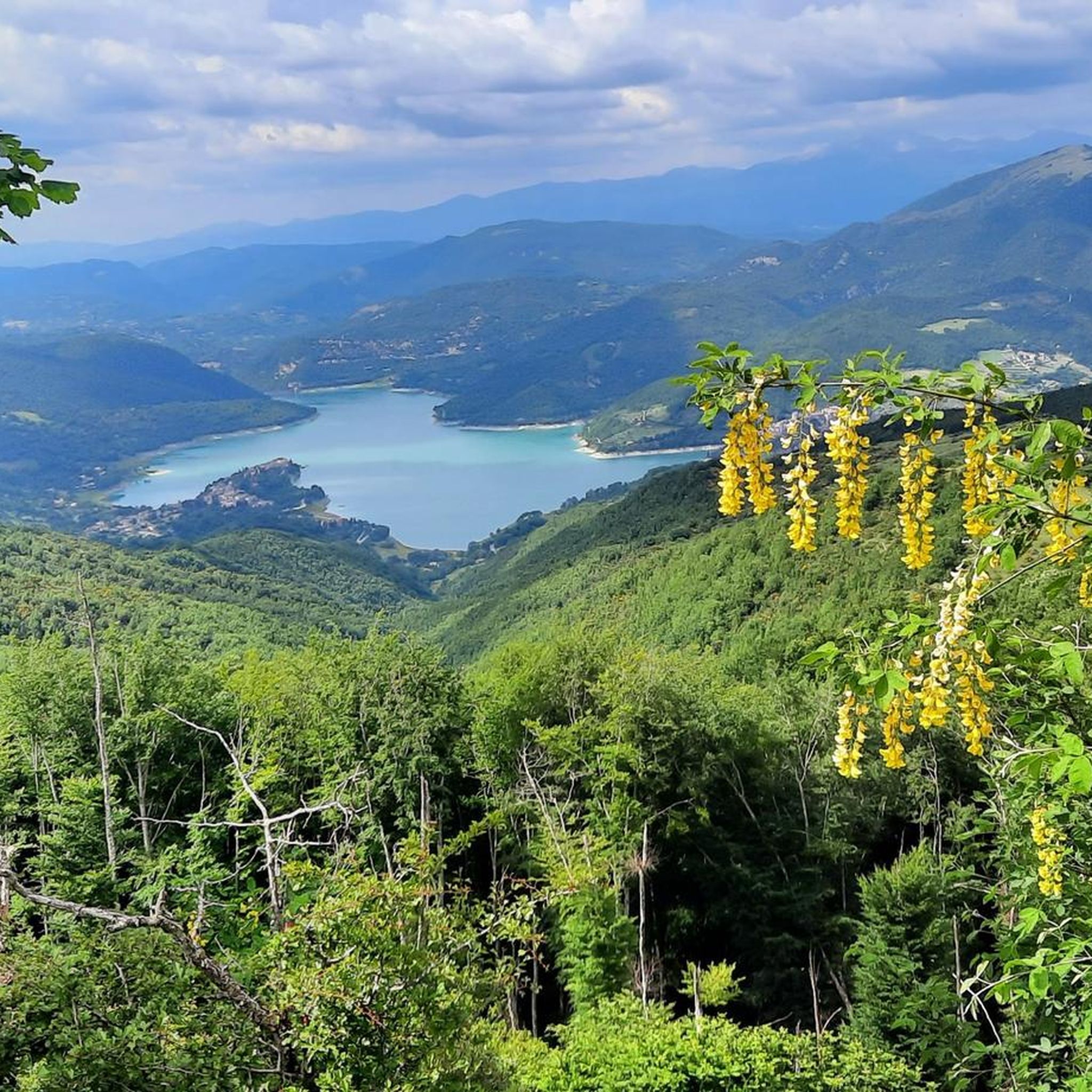
View of Lake Marraone, not reachable because the path is closed due to dangerous banks.
0
0

A truly spectacular hermitage, my grandfather used to tell me incredible stories about a hermit who lived in this hermitage.
0
0

the famous pizza in Orvino, a must
0
0

wonderful place, the trail is very easy
1
0

Shelter for grazing animals
1
0
Frequently Asked Questions
How many hiking trails are available around Vivaro Romano?
There are over 60 hiking routes in the Vivaro Romano area, catering to various skill levels. You'll find everything from easy walks to more challenging ascents within the Monti Lucretili.
What kind of natural features can I expect to see on hikes near Vivaro Romano?
The region is rich in natural beauty, characterized by the mountainous terrain of the Monti Lucretili, the dramatic rocky spur of Colle Gennaro, and the scenic Turano and Aniene Valleys. You'll also encounter numerous natural springs, which contribute to the area's lushness and offer refreshing stops along the trails.
Are there any historical landmarks or viewpoints to explore while hiking?
Yes, the area combines natural beauty with historical sites. You can visit the ruins of the ancient Rocca Borghese (Borghese Castle), which offer panoramic views of the surrounding valleys. The 13th-century Sanctuary of Santa Maria Illuminata is another elevated point of interest. Additionally, highlights like the San Rocco Chapel at Lake Turano and Pizzo Pellecchia offer scenic views and cultural significance.
Are there any easy hiking trails suitable for beginners or families?
Yes, out of the 61 available routes, 11 are classified as easy, making them suitable for beginners or families. These trails offer a gentle introduction to the region's landscapes without significant elevation challenges. For example, the area around Santa Maria del Piano offers less strenuous options.
What is the best time of year to go hiking in Vivaro Romano?
The spring and autumn months are generally ideal for hiking in Vivaro Romano, offering pleasant temperatures and vibrant landscapes. Spring brings blooming flora, while autumn showcases beautiful fall foliage. Summer can be warm, so early morning or late afternoon hikes are recommended, especially for more exposed trails.
Are there any circular hiking routes in the area?
Yes, many of the trails around Vivaro Romano are designed as loops, allowing you to start and end at the same point. A popular moderate circular route is the Monte San Giovanni – Fontanella di Pietra loop from Collalto Sabino, which covers 6.8 km and takes about 2 hours 21 minutes.
Can I bring my dog on the hiking trails in Vivaro Romano?
Many trails in the Vivaro Romano area are dog-friendly, allowing you to enjoy the outdoors with your canine companion. However, it's always advisable to keep your dog on a leash, especially in areas with wildlife or near livestock, and to check for any specific local regulations or protected areas that might have restrictions.
What do other hikers say about the trails in Vivaro Romano?
The hiking routes in Vivaro Romano are highly rated by the komoot community, with an average score of 4.4 stars from over 400 reviews. Hikers often praise the diverse scenery, the well-maintained paths, and the rewarding views from elevated points like Colle Gennaro and the Borghese Castle ruins.
Are there any waterfalls or lakes I can visit on a hike?
While the region is known for its natural springs, the Santa Maria del Piano – Cascata del Petescia loop from Orvinio specifically mentions a waterfall (Cascata del Petescia). For lakes, the area is close to Lake Turano, which offers additional scenic beauty and is home to highlights like the San Rocco Chapel.
Where can I find parking for hiking trails near Vivaro Romano?
Parking availability varies by trailhead. Many routes, especially those starting from smaller towns like Riofreddo or Orvinio, will have designated parking areas or roadside spots. It's recommended to check the specific route details on komoot for information on starting points and parking facilities for your chosen hike.
Are there any longer, more challenging hikes for experienced hikers?
Yes, for experienced hikers, there are 19 routes classified as difficult. These trails often feature significant elevation gains and cover longer distances, providing a more strenuous challenge within the Monti Lucretili. An example of a longer moderate route is the Morella Ruins – Panorama loop from Riofreddo, which is over 15 km long.
Can I reach the hiking trails around Vivaro Romano by public transport?
While Vivaro Romano is a small municipality, public transport options to the immediate trailheads might be limited. It's advisable to research local bus schedules if you plan to rely on public transport. Many hikers prefer to drive to the starting points of the trails for greater flexibility.
Most popular attractions around Vivaro Romano

Get inspired with the komoot mobile app


Explore more
Browse the best Hikes in other regions.
