Attractions and Places To See around Roccascalegna - Top 18
Attractions and places to see around Roccascalegna include a medieval village in Abruzzo, Italy, known for its dramatic cliffside castle and rich historical heritage. The village is situated on a hilly strip between the Adriatic coast and the Maiella massif, near the Sangro River. Visitors can explore notable landmarks, cultural sites, and natural features, offering panoramic views of the surrounding Sangro Valley. The area provides a blend of historical significance and unspoiled natural surroundings.
Best attractions and places to see…
Last updated: August 25, 2026
Gorges of Fara San Martino
Highlight • Gorge
Translated by Google •
Tip by

Vallone di Santo Spirito
Highlight • Gorge
Translated by Google •
Tip by
Sign up now to discover places like this
Get recommendations on the best single tracks, peaks, & plenty of other exciting outdoor places.
Sign up for free
Convent of San Pasquale (Atessa)
Highlight • Religious Site
Translated by Google •
Tip by

Roccascalegna Castle
Highlight • Castle
Translated by Google •
Tip by

Sources of the Verde River
Highlight • River
Translated by Google •
Tip by

Sign up for free to discover even more attractions around Roccascalegna.
Sign up for free
Already have an account?
Start today with a free account
Your next adventure awaits.
Login or Signup

Tips from the Community

Historic Franciscan monastery in an oasis of peace. The Convento di San Pasquale (officially the monastery of Santa Maria degli Angeli) is hidden in the greenery on the hill of Vallaspra, just outside the medieval town of Atessa. This impressive complex was founded as early as 1408 by the blessed Tommaso da Firenze. It is built entirely of natural stone and exudes a serene, historic atmosphere. Although the interior and the beautiful monastery garden with the central well (from 1709) are unfortunately often closed to the public due to varying opening hours, the complex is an absolute sight to behold from the outside. Under the large portico at the front, you can still admire a centuries-old fresco of the Pietà. Moreover, the quiet, shady surroundings are perfect for a well-deserved break during your sporting tour. Fun fact: the monastery used to lend its name to the well-known local herbal liqueur "Amaro San Pasquale", which was originally prepared by the monks with herbs from this valley.
2
0

Convent of S.Maria degli Angeli (S.Pasquale) in Vallaspra di Atessa (CH) In the name Vallaspra, Valle-aspra, one can sense the peculiarity of a wild and fruitless nature, but also the sedimentation of a troubled historical and religious with long periods of splendor and apostolate. The history of the Vallaspra convent is linked to the Franciscan spirit and the incessant work of evangelization of the observant Friars Minor. Way back in 1408, Tommaso da Firenze, lay friar and secretary of Father Nicola da Osimo, commissioner of the province of Sant'Angelo in Puglia, stopped his wanderings in the Frenta area, in front of an ancient Cona depicting the Madonna of Sorrows with the Dead Christ and on the sides Saint John and Saint Francis on the right, Mary Magdalene and Saint Anthony of Padua on the left, venerated in a barren and wild place, precisely Vallassero di Atessa. Conquered by the evocative sacredness of the place and the profound meaning of this Pietà, Frà Tommaso began the construction of the first nucleus of the convent, which was completed and inaugurated just ten years later, in 1430. The convent of Vallaspra dedicated by Frà Tommaso to Santa Maria degli Angeli , not only in the dedication, but above all in the architectural structures, preserves the cleanliness of the Franciscan forms. The church, with a central nave and a side one, was enriched, in the early 1700s, with a chapel dedicated to San Pasquale Baylon (Spanish), a lay Franciscan, canonized in 1860, in honor of the Contestabile Colonna; the latter changed the title of the convent and San Pasquale simply, rather than Vallaspra, indicates the locality and the monastic complex. Over the centuries the structure was a woolen mill (the Franciscan habit was produced there); operating for more than a century and closed in 1675, it was linked to the intense period of traffic along the herd arteries. Over the years, the Convent of S.Pasquale became an important center of theological studies. Today, the Convent transmits a strong sense of belonging, of religious, spiritual and cultural identity; characteristics, the latter, which make it a solid, safe reference center, as well as a pole of aggregation, prayer and apostolate.
1
0


Coming from the Fara San Martino gorges, the route becomes less narrow, even if it requires concentration and caution. We then arrive at the Vallone di Santo Spirito, where we find an area with tables and water fountains for resting.
0
0
The Fara San Martino Gorges are one of the most fascinating places in the Majella, with a network of easy-to-follow paths.
0
0

After passing the narrow gorges of Fara San Martino the path widens and opens onto the Santo Spirito Valley. Along the route there are wooden tables and frozen water fountains. Legend has it that Fra Martino opened the mountain with his elbows to create an opening and allow the local inhabitants to reach the grassy clearings at the top of the mountain. Walking in these places you perfectly understand the origin of the legend. Magical places!
2
0
The gorges of Fara San Martino are among the most evocative and accessible places of the Majella. The route inside the gorges is easy and suitable for families. It allows you to get to know the mountain from the inside, through its very high rocks. For those who love challenges, from here they can undertake the climb to the summit of Mount Amaro and face the highest altitude difference in the Apennines!
3
0

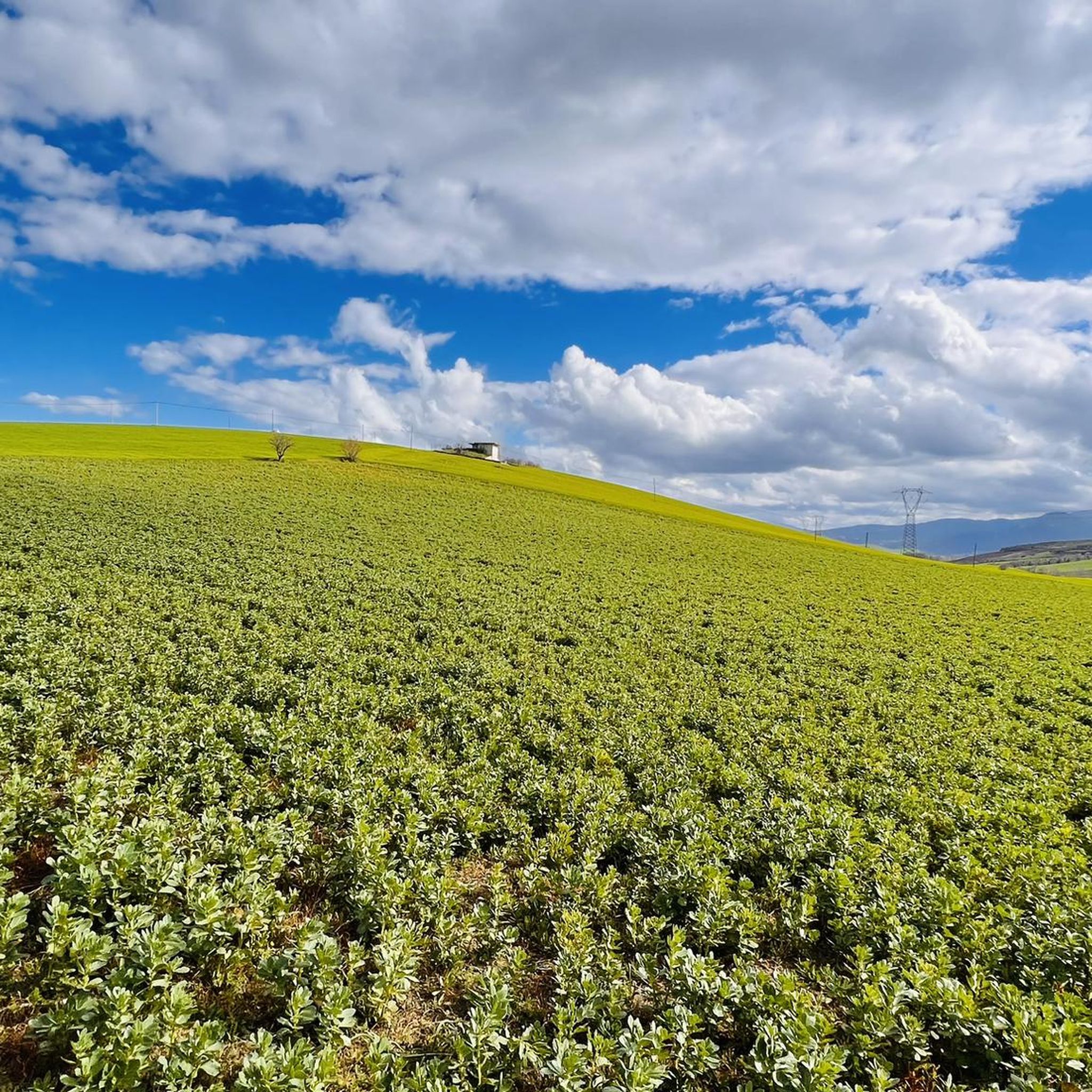
The headwaters of the Verde River are an obligatory stop for anyone in the area. The waterfalls and crystal clear water are easily accessible.
2
0
Frequently Asked Questions
What natural features can I explore around Roccascalegna?
Roccascalegna is surrounded by diverse natural beauty. You can visit the Gorges of Fara San Martino, which offer an immersive experience within high rock formations, suitable for families. Further along, the Vallone di Santo Spirito provides a wider path with resting areas amidst a magical landscape. Another notable natural spot is the Sources of the Verde River, known for its easily accessible waterfalls and crystal-clear water. The village itself is nestled in a hilly landscape, offering panoramic views of the Sangro Valley and the Maiella massif.
Are there any historical or cultural sites besides the castle?
Yes, beyond the iconic Castello di Roccascalegna, the village and surrounding area offer several historical and cultural sites. You can explore the medieval street plan of the fortified village itself. The Church of San Pietro, located at the foot of the castle, and the Church of San Cosmo e Damiano are significant historical churches. Traces of the ancient Abbey of San Pancrazio can also be found. Further afield, the Convent of San Pasquale (Atessa) is a Renaissance/Baroque monastic complex with origins dating back to the 15th century.
What activities are suitable for families in Roccascalegna?
Roccascalegna offers several family-friendly options. The route inside the Gorges of Fara San Martino is considered easy and suitable for families, allowing children to experience the mountain from within its high rocks. The Sources of the Verde River, with its waterfalls and clear water, is also easily accessible and enjoyable for families. The village itself, with its medieval charm, offers a pleasant environment for walks and exploration.
How can I get to the attractions, and is parking available?
Roccascalegna is best accessed by car. Parking is generally available within the village, especially near the main attractions like the castle. While public transport options are limited, the village is well-connected by road. It's advisable to check local signage for specific parking regulations and availability, particularly during peak seasons.
When is the best time of year to visit Roccascalegna?
The best time to visit Roccascalegna is typically during the spring (April to June) and autumn (September to October) months. During these periods, the weather is pleasant for exploring the castle and walking paths, and the natural landscape is vibrant with seasonal flora. Summer (July to August) can be warm, but also offers opportunities for outdoor activities. Winter visits are possible, but some paths might be less accessible, and the focus would shift more towards the historical sites.
Are there opportunities for hiking or walking near Roccascalegna?
Yes, the region around Roccascalegna is excellent for hiking and walking. You can explore paths through the village and surrounding areas, experiencing local flora. For more structured routes, consider the running trails available, such as the 'Race from Fara San Martino to Vallone di Santo Spirito' or the 'Colledimezzo and Lake Bomba Loop'. You can find more details and routes on the Running Trails around Roccascalegna guide.
What cycling routes are available in the Roccascalegna area?
The Roccascalegna area offers various cycling routes for different skill levels. For touring cyclists, options include the 'Castello di Roccascalegna – View of Casoli loop from Altino' or the 'Fountain of Roccascalegna – Castello di Roccascalegna loop from Roccascalegna'. Road cyclists can enjoy routes like 'Around the lake of Casoli from Roccascalegna - Ring tour'. Detailed information and more routes can be found in the Cycling around Roccascalegna guide and the Road Cycling Routes around Roccascalegna guide.
Where can I find local food and drink in Roccascalegna?
Roccascalegna provides opportunities to savor traditional Abruzzese dishes. Local establishments like La Locanda del Corvo offer traditional flavors, and you can also find craft beers at Microbirrificio Delphìn. It's recommended to make reservations, especially for restaurants, as the village is small. The broader Abruzzo region is also known for specialties like 'Cannarozzetti allo Zafferano' and 'Ndocca Ndocca'.
What are some lesser-known places to discover in the region?
While the castle is the main draw, exploring the fortified village itself reveals hidden gems in its medieval street plan and traditional homes. The quiet lanes leading to the castle offer a glimpse into the past. Beyond the immediate village, the traces of the ancient Abbey of San Pancrazio and the serene beauty of the Sources of the Verde River provide quieter, less-trafficked experiences.
Can I visit the <a href="https://www.komoot.com/highlight/2097939" target="_blank" rel="noopener">Castello di Roccascalegna</a>, and what can I expect?
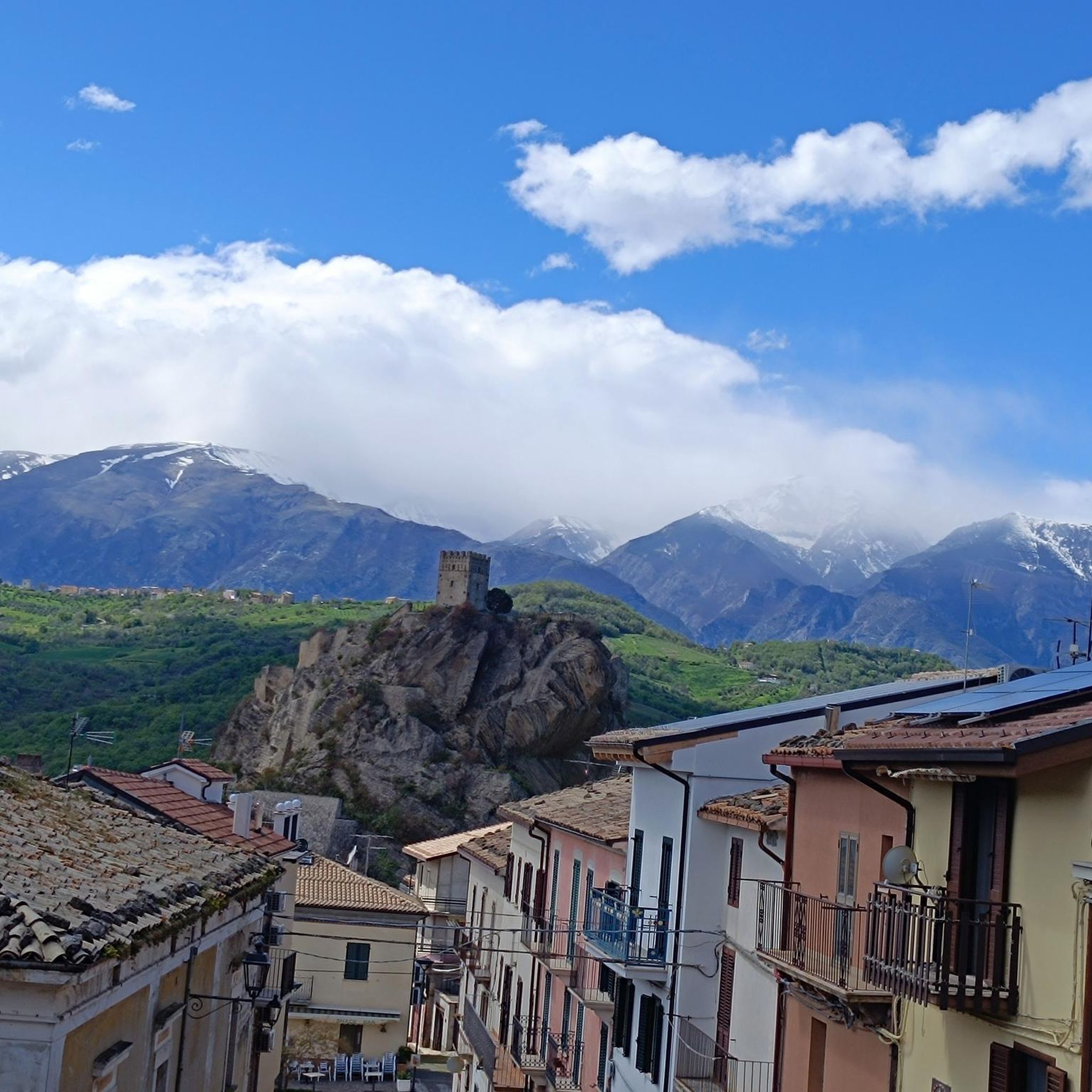
Yes, the Castello di Roccascalegna is open to visitors. Perched dramatically on a rocky outcrop, it offers panoramic views of the surrounding hills and olive groves. You can explore its towers, ramparts, keep, chapel, and prison tower. While there isn't a traditional museum, the restored medieval features, including a watchtower and Angevin tower, provide a rich historical experience. The castle also occasionally hosts exhibitions and cultural events.
What kind of views can I expect from Roccascalegna?
From various points within Roccascalegna, especially from the castle, you can enjoy breathtaking panoramic views. These vistas include the expansive Sangro Valley, the majestic Mount San Pancrazio, and the distant Maiella massif. The hilly landscape between the Adriatic coast and the Maiella massif ensures a blend of natural beauty that changes with the seasons.
Are there any running trails around Roccascalegna?
Yes, there are several running trails in the vicinity of Roccascalegna. Popular options include the 'Race from Fara San Martino to Vallone di Santo Spirito' and the 'Colledimezzo and Lake Bomba Loop'. For those seeking more challenging runs, the 'Gole di Fara San Martino loop from Fara San Martino' is also available. You can find detailed information and maps for these and other routes in the Running Trails around Roccascalegna guide.
What is the historical significance of the <a href="https://en.wikipedia.org/wiki/Castello_di_Roccascalegna" target="_blank" rel="noopener">Castello di Roccascalegna</a>?
The Castello di Roccascalegna is a medieval fortress built between the 11th and 15th centuries, dramatically situated on a cliffside. It has undergone significant restoration, preserving its original features like the watchtower, prison tower, and Angevin tower. The castle has also served as a filming location, notably for 'Tale of Tales', adding to its cultural legacy. Its strategic position offered control over the surrounding valley, making it a crucial historical landmark in Abruzzo.
Most popular attractions around Roccascalegna

Get inspired with the komoot mobile app


Explore more
Still not found the Highlight you’re looking for? See guides of the top attractions in other regions:
