Attractions and Places To See around Bomba - Top 11
Attractions and places to see around Bomba include a variety of historical sites, religious buildings, and natural features. This hilltop village in Italy's Abruzzo region overlooks Lake Bomba and offers views of the Sangro Valley and Maiella Mountains. Bomba is characterized by its medieval origins, with remnants of ancient fortifications and traditional stone architecture. The area provides opportunities to explore both cultural landmarks and the surrounding natural landscape.
Best attractions and places to see around Bomba
- The most popular attractions…
Last updated: August 25, 2026
Convent of San Pasquale (Atessa)
Highlight • Religious Site
Translated by Google •
Tip by

Roccascalegna Castle
Highlight • Castle
Translated by Google •
Tip by

Sign up now to discover places like this
Get recommendations on the best single tracks, peaks, & plenty of other exciting outdoor places.
Sign up for free
Church of Saint Peter
Highlight • Religious Site
Translated by Google •
Tip by

Waterfall in Gola di Pennadomo
Highlight • Waterfall
Now, at the beginning of October, the …
Translated by Google •
Tip by

View of Lake Casoli
Highlight (Segment) • Viewpoint
Translated by Google •
Tip by

Sign up for free to discover even more attractions around Bomba.
Sign up for free
Already have an account?
Start today with a free account
Your next adventure awaits.
Login or Signup


Tips from the Community

Historic Franciscan monastery in an oasis of peace. The Convento di San Pasquale (officially the monastery of Santa Maria degli Angeli) is hidden in the greenery on the hill of Vallaspra, just outside the medieval town of Atessa. This impressive complex was founded as early as 1408 by the blessed Tommaso da Firenze. It is built entirely of natural stone and exudes a serene, historic atmosphere. Although the interior and the beautiful monastery garden with the central well (from 1709) are unfortunately often closed to the public due to varying opening hours, the complex is an absolute sight to behold from the outside. Under the large portico at the front, you can still admire a centuries-old fresco of the Pietà. Moreover, the quiet, shady surroundings are perfect for a well-deserved break during your sporting tour. Fun fact: the monastery used to lend its name to the well-known local herbal liqueur "Amaro San Pasquale", which was originally prepared by the monks with herbs from this valley.
2
0

Convent of S.Maria degli Angeli (S.Pasquale) in Vallaspra di Atessa (CH) In the name Vallaspra, Valle-aspra, one can sense the peculiarity of a wild and fruitless nature, but also the sedimentation of a troubled historical and religious with long periods of splendor and apostolate. The history of the Vallaspra convent is linked to the Franciscan spirit and the incessant work of evangelization of the observant Friars Minor. Way back in 1408, Tommaso da Firenze, lay friar and secretary of Father Nicola da Osimo, commissioner of the province of Sant'Angelo in Puglia, stopped his wanderings in the Frenta area, in front of an ancient Cona depicting the Madonna of Sorrows with the Dead Christ and on the sides Saint John and Saint Francis on the right, Mary Magdalene and Saint Anthony of Padua on the left, venerated in a barren and wild place, precisely Vallassero di Atessa. Conquered by the evocative sacredness of the place and the profound meaning of this Pietà, Frà Tommaso began the construction of the first nucleus of the convent, which was completed and inaugurated just ten years later, in 1430. The convent of Vallaspra dedicated by Frà Tommaso to Santa Maria degli Angeli , not only in the dedication, but above all in the architectural structures, preserves the cleanliness of the Franciscan forms. The church, with a central nave and a side one, was enriched, in the early 1700s, with a chapel dedicated to San Pasquale Baylon (Spanish), a lay Franciscan, canonized in 1860, in honor of the Contestabile Colonna; the latter changed the title of the convent and San Pasquale simply, rather than Vallaspra, indicates the locality and the monastic complex. Over the centuries the structure was a woolen mill (the Franciscan habit was produced there); operating for more than a century and closed in 1675, it was linked to the intense period of traffic along the herd arteries. Over the years, the Convent of S.Pasquale became an important center of theological studies. Today, the Convent transmits a strong sense of belonging, of religious, spiritual and cultural identity; characteristics, the latter, which make it a solid, safe reference center, as well as a pole of aggregation, prayer and apostolate.
1
0

This church, the "Chiesa di San Pietro" was dedicated to Saint Peter (Peter). Simon, nicknamed Peter (Rock), was a fisherman on the Sea of Galilee when he - together with his brother Andrew - was called by Jesus Christ to be "fishers of men". According to Catholic understanding, he is the supreme apostle, and the two millennia-long line of popes - currently Francis - are his successors. On statues and paintings, Peter is almost always depicted with two keys in his hand; this attribute refers to the biblical saying in Matthew: “I will give you the keys of the kingdom of heaven; Whatever you bind on earth will be bound in heaven, and whatever you loose on earth will be loosed in heaven” (Chapter 16, verse 19). Peter and Paul are also known as the “Princes of the Apostles”; their common feast day in the saints’ calendar is June 29th.
2
0

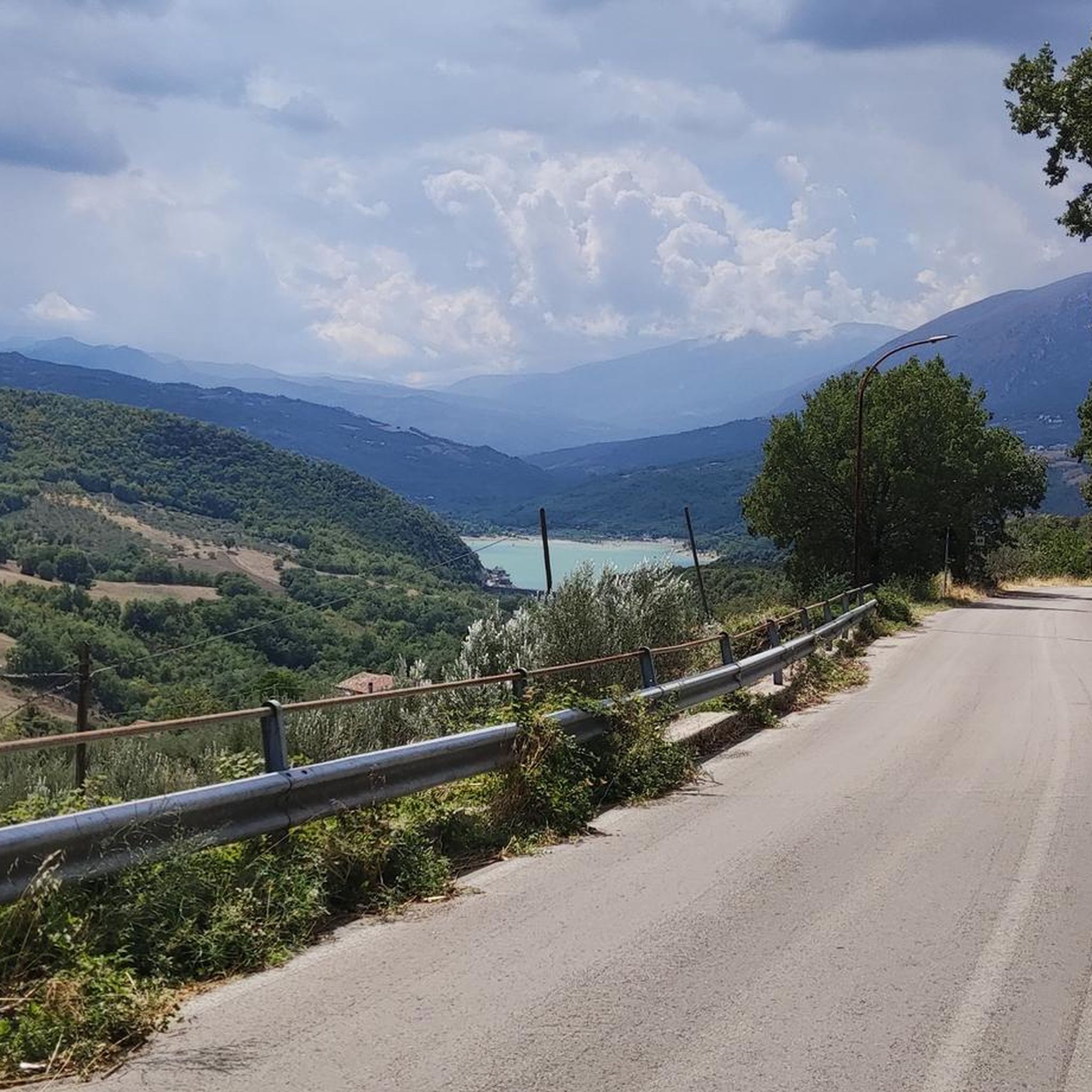
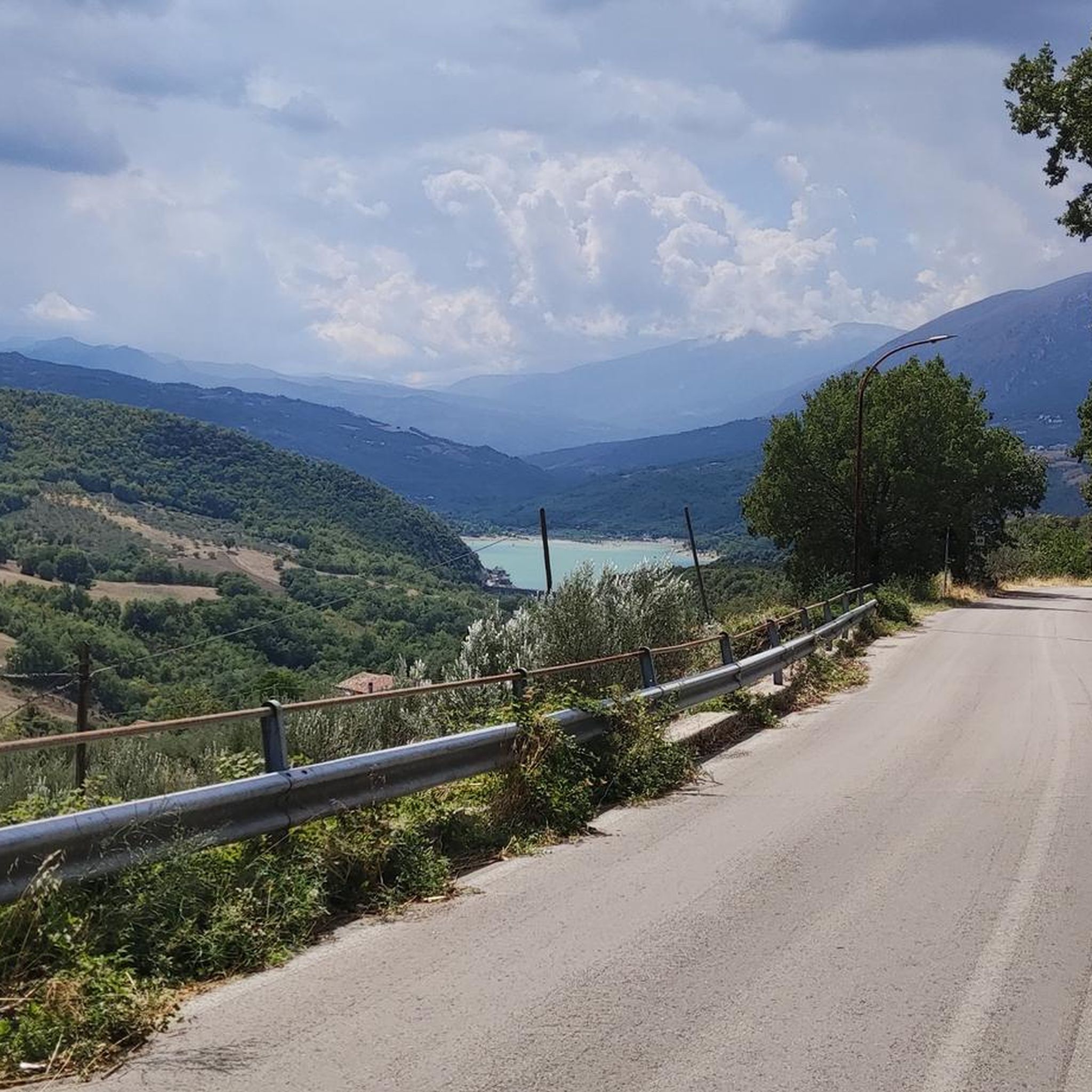
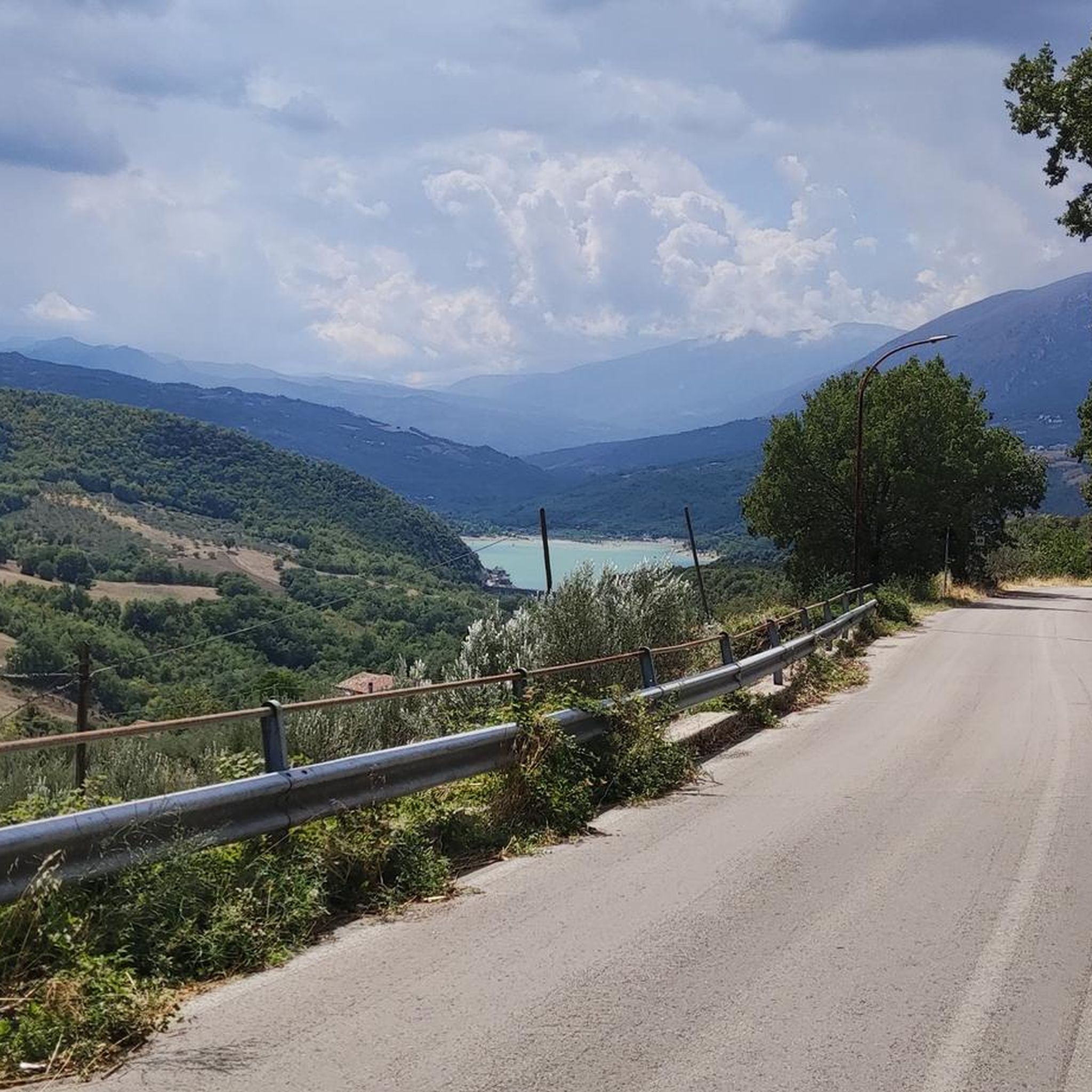
This is a beautiful stretch of road between Corpi Santi and Casoli, from where you can admire Lake Casoli. The road is in good condition.
1
0

Monastic complex located in Atessa. The style is Renaissance/Baroque and its origins date back to the 15th century. the convent is entirely made of stone and there is a nursery in its garden.
2
0

In addition to numerous small frogs and fish, this small water snake also lives in the Gola and presumably feeds on the former. Now, at the beginning of October, the waterfall is more of a small trickle. To do this, it can be easily reached from the parking lot at the entrance to the gorge after a few minutes of walking over round stones and mini climbing inserts over two slightly larger rocks with dry feet. Sturdy footwear is still advisable and, especially in bad weather, you should take the notice at the entrance to the gorge that you should only enter it with a helmet because of the risk of falling rocks.
0
0

Slit inside the fortress from which it is possible to observe the church of San Pietro.
0
0
Tower from which the whole fortress of the municipality of Roccascalegna was subsequently born
0
0
Frequently Asked Questions
What historical sites can I explore in and around Bomba?
Bomba and its surroundings are rich in history. You can visit the ruins of the Castello di Roccascalegna, a medieval castle perched dramatically on a cliff. Within Bomba itself, explore the historic Church of Saint Peter, the Parish Church of Santa Maria del Popolo, and the Sanctuary of San Mauro Abate. Don't miss the Convent of San Pasquale (Atessa), a beautiful Renaissance/Baroque complex made entirely of stone.
Are there natural attractions or scenic viewpoints near Bomba?
Absolutely! Bomba is known for its natural beauty. The most prominent feature is Lake Bomba, offering serene views. For a dramatic natural spectacle, visit the Waterfall in Gola di Pennadomo, which is easily accessible after a short walk from a parking lot. You can also enjoy panoramic vistas over Lake Bomba, the Sangro Valley, and the Maiella Mountains from various points, including the View from Roccascalegna Castle.
What activities can I do at Lake Bomba?
Lake Bomba is a hub for outdoor activities, especially during summer. You can enjoy water sports such as swimming, canoeing, paddle boating, and windsurfing. It's also a popular spot for fishing from April to late October. Boat excursions are available, and the shores are well-equipped with tourist facilities.
What outdoor activities are available around Bomba?
The region around Bomba offers diverse outdoor activities. You can find numerous trails for running, gravel biking, and road cycling. Popular routes include the 'Lago di Bomba – ring tour' for running, and various challenging gravel and road cycling routes that offer views of the lake and surrounding areas. For more details on routes, check out the Running Trails around Bomba, Gravel biking around Bomba, and Road Cycling Routes around Bomba guides.
Are there family-friendly attractions in the Bomba area?
Yes, there are options for families. The View from Roccascalegna Castle is considered family-friendly, offering a scenic spot to relax below the castle. The easy accessibility of the Waterfall in Gola di Pennadomo after a short walk also makes it suitable for families. Additionally, the shores of Lake Bomba provide facilities and space for family enjoyment, including water activities.
What is the best time of year to visit Bomba?
The best time to visit Bomba largely depends on your interests. For water sports and outdoor activities around Lake Bomba, the summer months are ideal. Fishing is popular from April to late October. If you prefer milder weather for exploring historical sites and hiking, spring and autumn offer pleasant temperatures and beautiful scenery.
Can I learn about local culture and traditions in Bomba?
Yes, Bomba offers insights into local culture. The Ethnographic Museum, established in 1990, showcases the life of Abruzzese peasants in the early 20th century. It features rooms dedicated to traditional trades like blacksmithing, carpentry, tailoring, and shoemaking, along with historical photographs illustrating rural and school life.
What are the characteristics of Bomba's village architecture?
Bomba is characterized by its charming cobbled streets, rustic buildings, and traditional stone houses, reflecting its medieval origins. The village's elevated position also provides numerous spots for enjoying panoramic views, adding to its idyllic atmosphere.
What do visitors enjoy most about the attractions around Bomba?
Visitors particularly appreciate the blend of historical significance and natural beauty. The dramatic setting of the Castello di Roccascalegna and the serene environment of Lake Bomba are frequently highlighted. The ease of access to natural wonders like the Waterfall in Gola di Pennadomo and the historical depth of sites like the Convent of San Pasquale (Atessa) also receive positive feedback.
Are there any ancient ruins or archaeological sites nearby?
Yes, the archaeological site of Monte Pallano, located on the lower slopes of the mountain, contains remains of the ancient Lucanati town of Pallanum, dating back to the 6th century BC. This offers a glimpse into the region's deep historical roots.
Where can I find local gathering spots or experience village life in Bomba?
Piazza San Mauro serves as the social hub of Bomba. Lined with stone buildings, this square hosts markets, festivals, and gatherings, offering visitors a taste of local life with its cobblestone paving and rustic charm.
Most popular attractions around Bomba

Get inspired with the komoot mobile app


Explore more
Still not found the Highlight you’re looking for? See guides of the top attractions in other regions:
