Attractions and Places To See around Gerano - Top 20
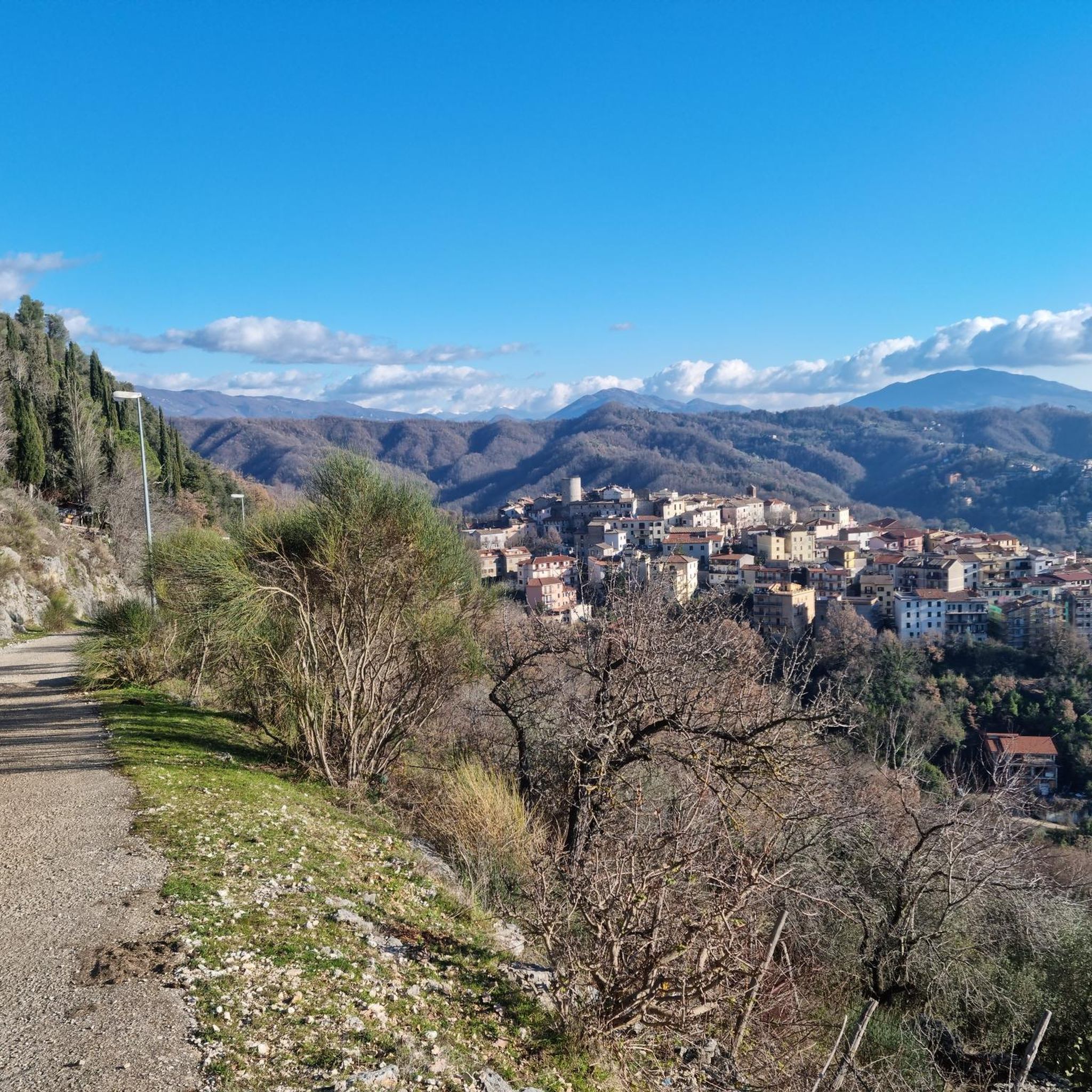
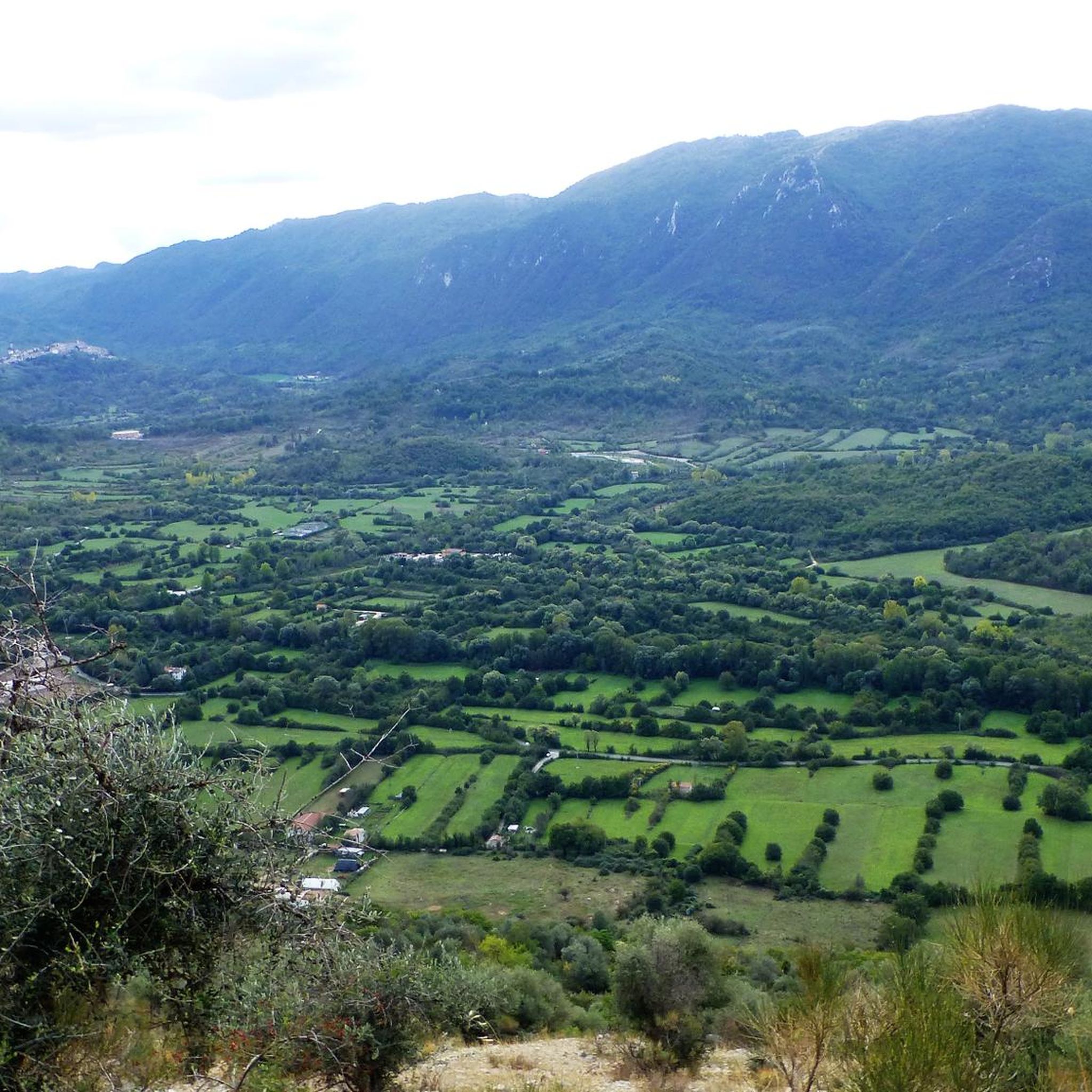
Best attractions and places to see around Gerano are found in the Giovenzano valley, surrounded by chestnut forests and olive groves. This Italian village is situated within the Monti Lucretili Natural Park, offering a blend of historical exploration and natural landscapes. Gerano features a rich history and cultural heritage, with landmarks dating back centuries. The area provides opportunities for exploring nature trails and historical sites.
Best attractions and places to see around Gerano
- The most popular attractions is Brancaccio Castle…
Last updated: June 23, 2026
Karol Wojtyła Trail to the Sanctuary of Mentorella
Highlight (Segment) • Trail
Translated by Google •
Tip by

Villa of Nero Ruins
Highlight • Historical Site
Translated by Google •
Tip by

Sign up now to discover places like this
Get recommendations on the best single tracks, peaks, & plenty of other exciting outdoor places.
Sign up for free
Brancaccio Castle in San Gregorio da Sassola
Highlight • Castle
Translated by Google •
Tip by

Ponte di San Francesco
Highlight • Bridge
Translated by Google •
Tip by

Ascent to the Monastery of Saint Benedict on the Via dei Monasteri
Highlight • Religious Site
Translated by Google •
Tip by

Sign up for free to discover even more attractions around Gerano.
Sign up for free
Already have an account?
Start today with a free account
Your next adventure awaits.
Login or Signup

Tips from the Community

These are the ruins of Nero's villa, on the road that goes from Subiaco towards the Benedictine monasteries.
4
0

The river Aniene passes underneath it
1
0

the San Francesco Bridge connects the two banks of the Aniene river at the entrance to the city of Subiaco (RM). Entirely built in blocks of local stone called cardellino, it is a perfectly preserved humpback bridge on a single span with a guard tower on one side.
1
0


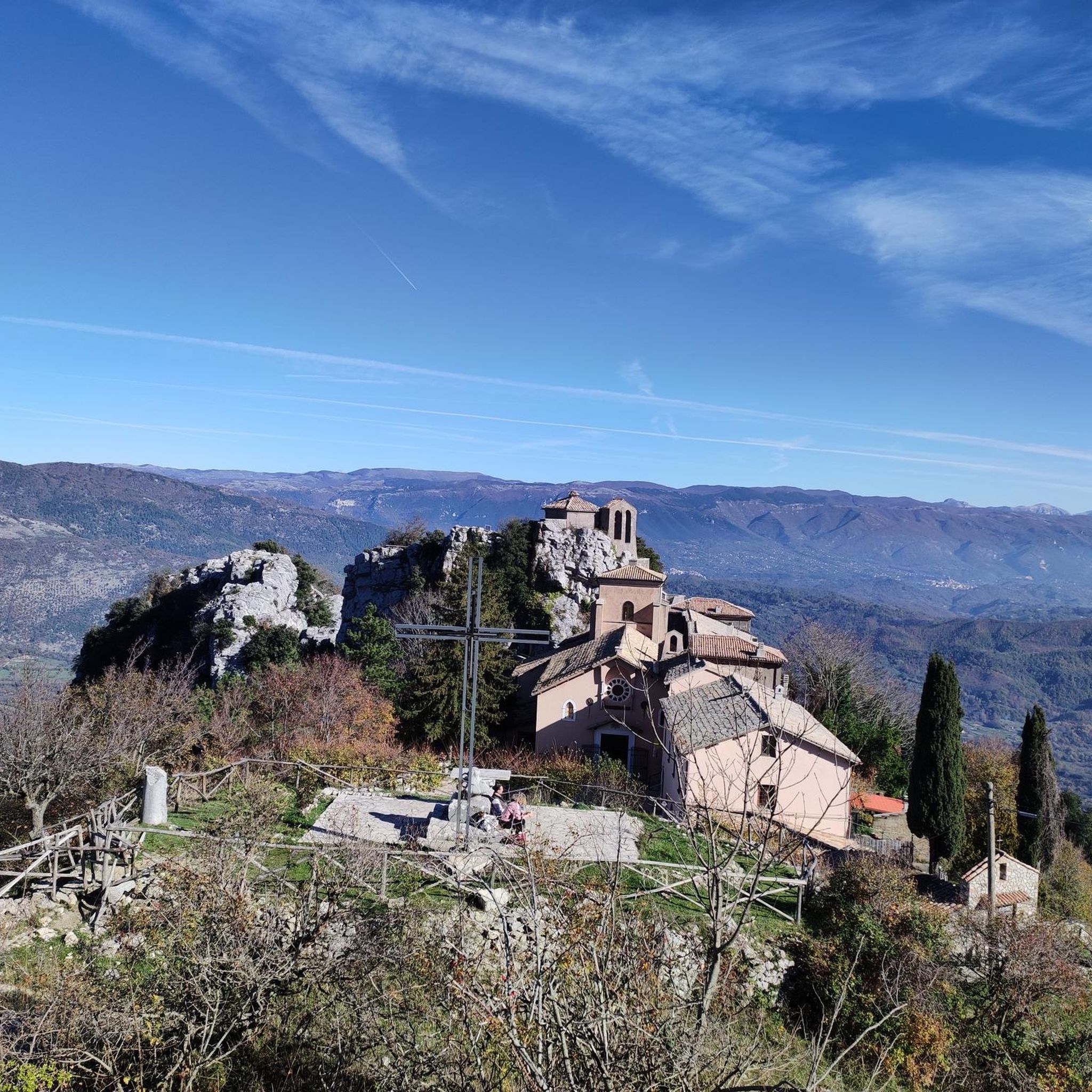
It is a challenging but absolutely wonderful path, to be followed like the ancient pilgrims, in silence and prayer...
1
0

"The Villa of Nero is a historic site located in Subiaco, Italy. It was part of a much larger and more complex Roman villa that was later used by Saint Benedict. The villa is located on the right bank of the Aniene River, along the road leading to the Benedictine monasteries of Subiaco. The remains of the villa are small but still provide evidence of one of the most original and ambitious works of the Roman Empire. The villa was built by Emperor Nero in 60 AD, before he built the Domus Aurea in Rome. The structure was located in a rural area along the Aniene river and was characterized by three artificial lakes, the Simbruina Stagna, which were created by three dams on the river. The lakes were designed to integrate with the surrounding natural environment and modify it in ways unthinkable for that time. The remains of the villa are a testimony to its grandeur and magnificence".
0
0
"It was built in 1358 by Abbot Ademaro, with the ransom paid by Tivoli for the prisoners of the Battle of Campo d'Arco. Crossing the door of the turret, walking on the stone cobblestones, worn by time, is an emotion but, above all, the Ponte di San Francesco is a place to be experienced and perhaps this is precisely why the European Film Commission Network has included it among the best film locations in Europe.
1
0

Among the many things that the Romans knew how to do well, there is also the ability to know how to enjoy the natural wonders of their territory. This summer residence of Emperor Nero is a testament to this. Right next to the villa there is a road that descends towards the Aniene river, if you follow it for a few minutes you can reach corners of the river where you can swim immersed in an incredible natural environment.
3
0
Frequently Asked Questions
What natural attractions can I explore around Gerano?
Gerano is nestled within the Monti Lucretili Natural Park and the scenic Giovenzano Valley. You can enjoy picturesque landscapes of chestnut forests and olive groves, with the Giovenzano river flowing through the valley. These areas offer opportunities for walks and nature trails.
Are there hiking opportunities near Gerano?
Yes, the region around Gerano offers various hiking opportunities. You can find trails within the Monti Lucretili Natural Park and the Giovenzano Valley. For specific routes, consider exploring the hiking guide for Gerano, which includes routes like the San Benedetto Cave – Monte Cerella loop.
What historical sites can I visit in Gerano?
Gerano boasts a rich history with several notable landmarks. You can visit the 10th-century Church of Santa Maria Assunta with its distinctive bell tower, the ancient Roman Fontana di Ciocio from the 2nd century, and the 14th-century Palazzo di Corte. The historical center itself, with its narrow streets, dates back to between the 9th and 10th centuries.
Are there any ancient Roman ruins to explore near Gerano?
Yes, the Giovenzano valley, where Gerano is located, holds numerous testimonies of Roman colonization. You can explore the ruins of villas, the remains of Trebula Suffenas, the Fortuna Pass, and polygonal walls. Additionally, the Villa of Nero Ruins, a summer residence of Emperor Nero, is a significant historical site nearby.
What cultural events or unique traditions does Gerano offer?
Gerano is famous for its Infiorata Festival, Italy's oldest flower festival, held annually on the first Sunday after St. Mark's Day (April 25th). This unique event features master florists creating designs directly on the ground using only flower petals and leaves. Another cultural highlight is the annual festival in July honoring Saint Anatolia, the patron saint of Gerano, which combines secular and religious traditions.
Are there any museums in Gerano?
Yes, Gerano is home to the Infiorata Museum of Gerano, which preserves the historical records and activities related to the town's renowned flower festival. You can also visit the unique Casa delle Antiche Scatole di Latta (House of Ancient Tin Boxes), featuring over 1,000 Italian tin boxes produced between 1890 and 1950.
Can I visit a castle near Gerano?
Absolutely. The Brancaccio Castle in San Gregorio da Sassola is a characteristic medieval village and castle offering many beautiful views. It's considered a family-friendly historical site.
What is the Karol Wojtyła Trail?
The Karol Wojtyła Trail to the Sanctuary of Mentorella is a route dedicated to Pope John Paul II, who often walked in the Prenestini mountains. This trail crosses a wooded area and is particularly recommended in spring when the forest floor is covered with many species of flowers.
Are there any religious buildings of historical significance near Gerano?
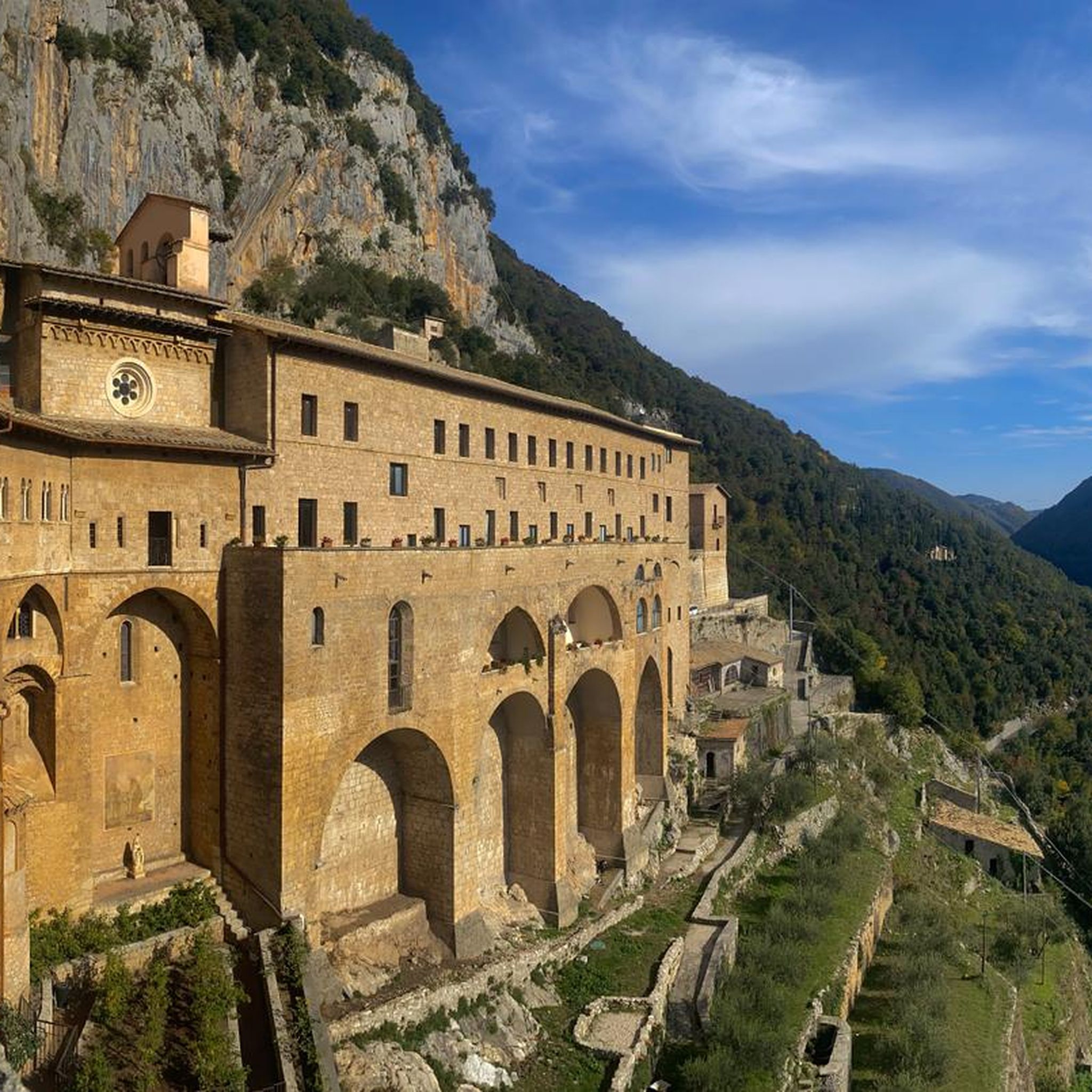
Beyond the local churches, you can explore the Ascent to the Monastery of Saint Benedict on the Via dei Monasteri. This route leads to a Benedictine monastery with Romanesque-Gothic architecture, featuring chapels carved out of rock, and is a significant site for Western monasticism.
What is the best time of year to visit Gerano for outdoor activities?
Spring is an excellent time to visit Gerano for outdoor activities, especially when the forests and valleys are vibrant with flowers. The Giovenzano valley and Monti Lucretili Natural Park are particularly beautiful during this season.
Are there any family-friendly attractions around Gerano?
Yes, the Brancaccio Castle in San Gregorio da Sassola is noted as a family-friendly historical site. The natural parks and trails also offer gentle walks suitable for families.
What do visitors enjoy most about the attractions around Gerano?
Visitors appreciate the blend of historical exploration and natural beauty. The scenic views from places like Brancaccio Castle, the tranquility of the wooded trails such as the Karol Wojtyła Trail, and the immersive historical experience at sites like the Villa of Nero Ruins are frequently highlighted. The area's rich history and natural environment are highly valued by the komoot community.
Can I find places for swimming near the attractions?
Near the Villa of Nero Ruins, there is a road that descends towards the Aniene river. If you follow it, you can reach spots where you can swim immersed in a natural environment.
Most popular attractions around Gerano

Get inspired with the komoot mobile app


Explore more
Still not found the Highlight you’re looking for? See guides of the top attractions in other regions:
