Attractions and Places To See around Rocca Santo Stefano - Top 20
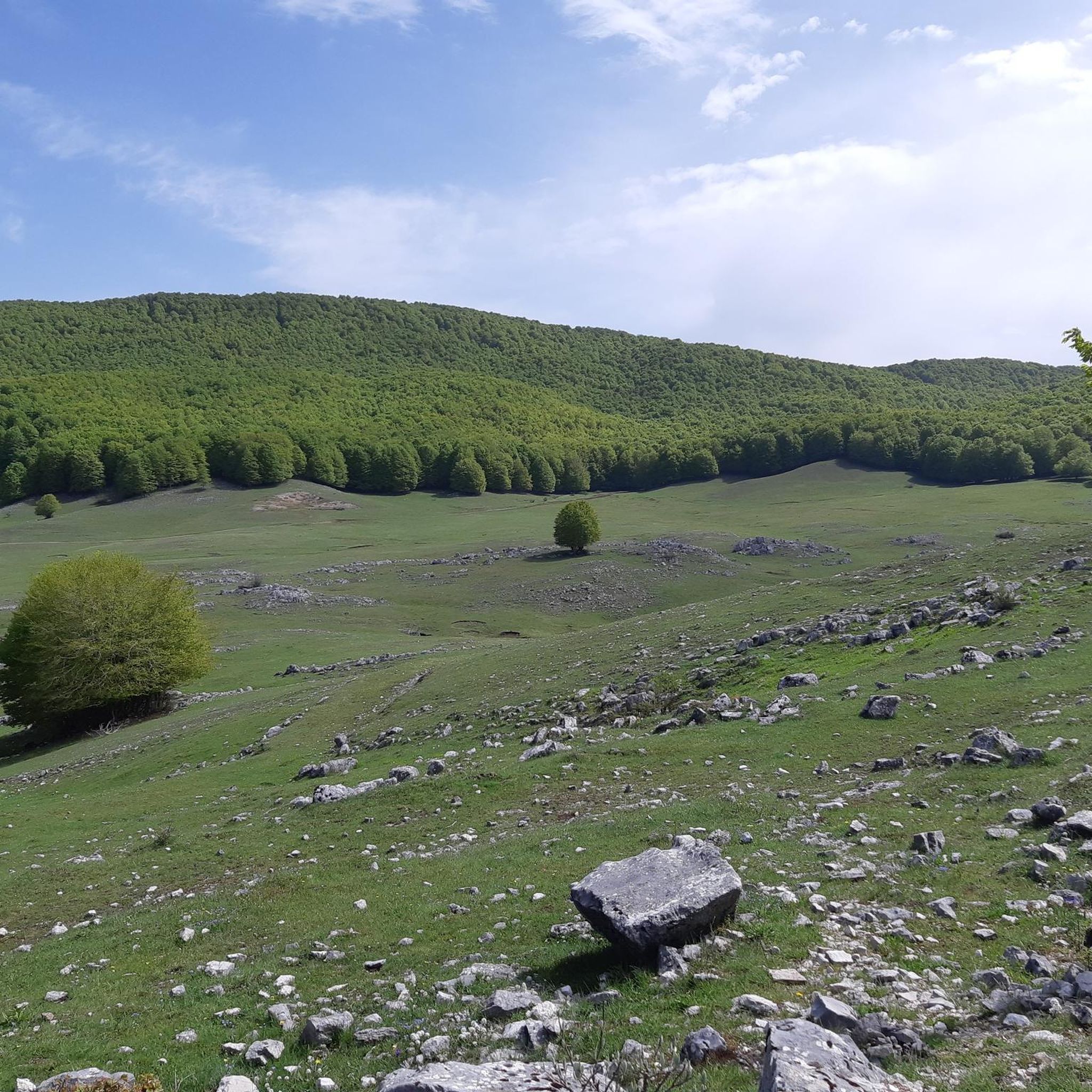
Best attractions and places to see around Rocca Santo Stefano, a medieval village, are situated in the Aniene Valley between the Ruffi and Affilani mountains. This region offers a blend of historical sites, natural beauty, and cultural experiences. The area is characterized by dense woodlands, including chestnut and oak trees, and is known for its artistic initiatives. It provides a variety of options for those interested in history, art, and nature.
Best attractions and places to see around Rocca Santo…
Last updated: July 6, 2026
Karol Wojtyła Trail to the Sanctuary of Mentorella
Highlight (Segment) • Trail
Translated by Google •
Tip by

Old Mill of Jenne
Highlight • Structure
Translated by Google •
Tip by

Sign up now to discover places like this
Get recommendations on the best single tracks, peaks, & plenty of other exciting outdoor places.
Sign up for free
Villa of Nero Ruins
Highlight • Historical Site
Translated by Google •
Tip by

Ponte di San Francesco
Highlight • Bridge
Translated by Google •
Tip by

Ascent to the Monastery of Saint Benedict on the Via dei Monasteri
Highlight • Religious Site
Translated by Google •
Tip by

Sign up for free to discover even more attractions around Rocca Santo Stefano.
Sign up for free
Already have an account?
Start today with a free account
Your next adventure awaits.
Login or Signup

Tips from the Community

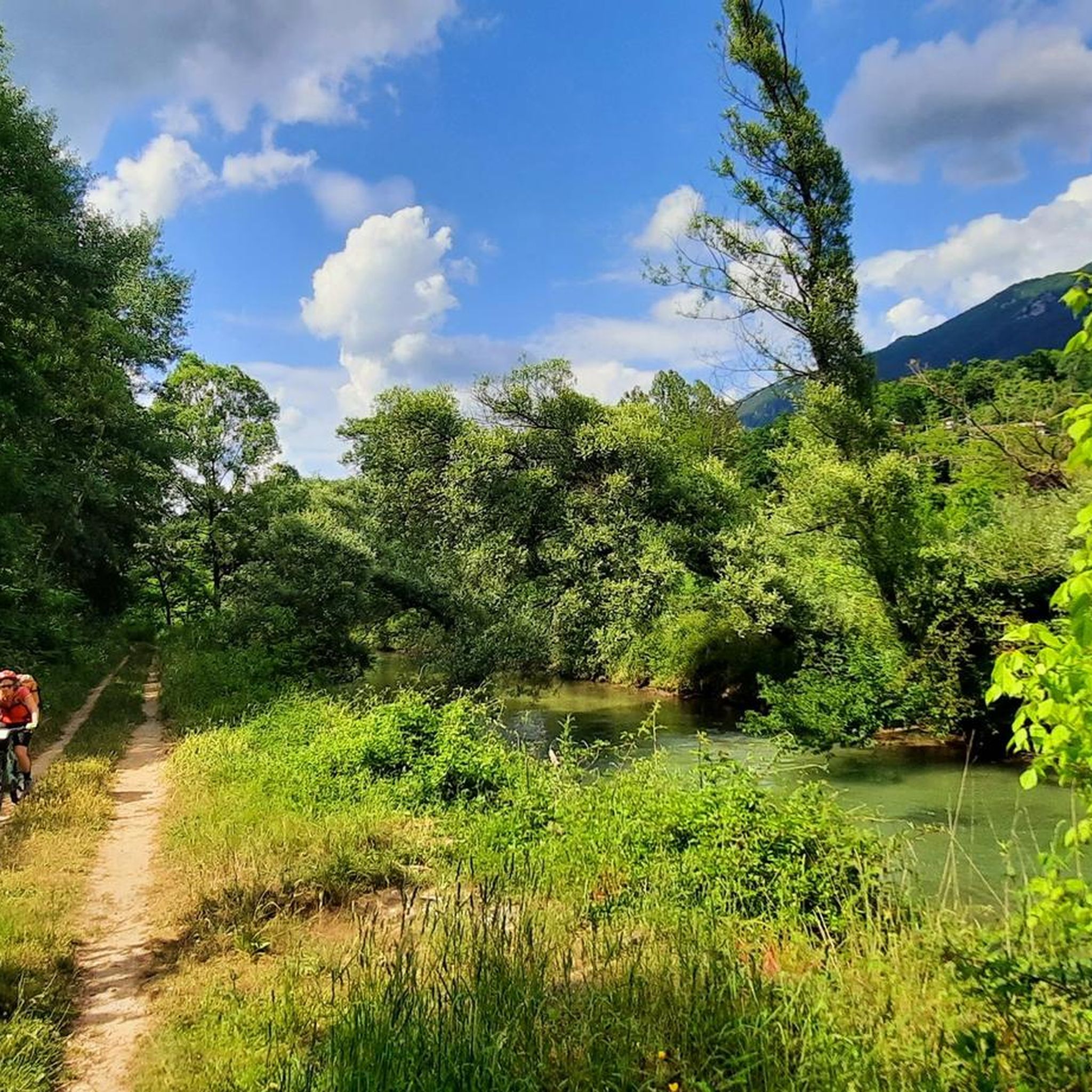
This mill, built by Benedictine monks around the year 1000, was a fundamental point of reference for the inhabitants of the town and the surrounding areas. For centuries, people brought grain here to be ground, relying on the power of the water that, even today, flows clear and abundant. Today, all that remains of the Mola are the sturdy walls and the room where the milling took place, immersed in an almost fairy-tale landscape. All around, the river makes its way through moss and waterfalls, creating water games and reflections of light that make the atmosphere magical, especially in the early hours of the morning or at sunset. It is easy to let your imagination run wild and think about what life here must have been like once upon a time, with the noise of the millstones and the smell of freshly baked bread that spread through the houses of Jenne. The Vecchia Mola is not only a place of historical memory, but also an oasis of uncontaminated nature. In the surrounding area there are crystalline springs, such as that of the Cardellino, and paths that invite you to explore woods, caves and small waterfalls. Traveling along these routes, you often meet hikers, families and nature lovers, all attracted by the simple and authentic beauty of this corner of Lazio.
0
0

These are the ruins of Nero's villa, on the road that goes from Subiaco towards the Benedictine monasteries.
4
0

Well preserved and maintained, there is a picnic area that is excellent for a food break and a nap.
0
0

The river Aniene passes underneath it
1
0

the San Francesco Bridge connects the two banks of the Aniene river at the entrance to the city of Subiaco (RM). Entirely built in blocks of local stone called cardellino, it is a perfectly preserved humpback bridge on a single span with a guard tower on one side.
1
0


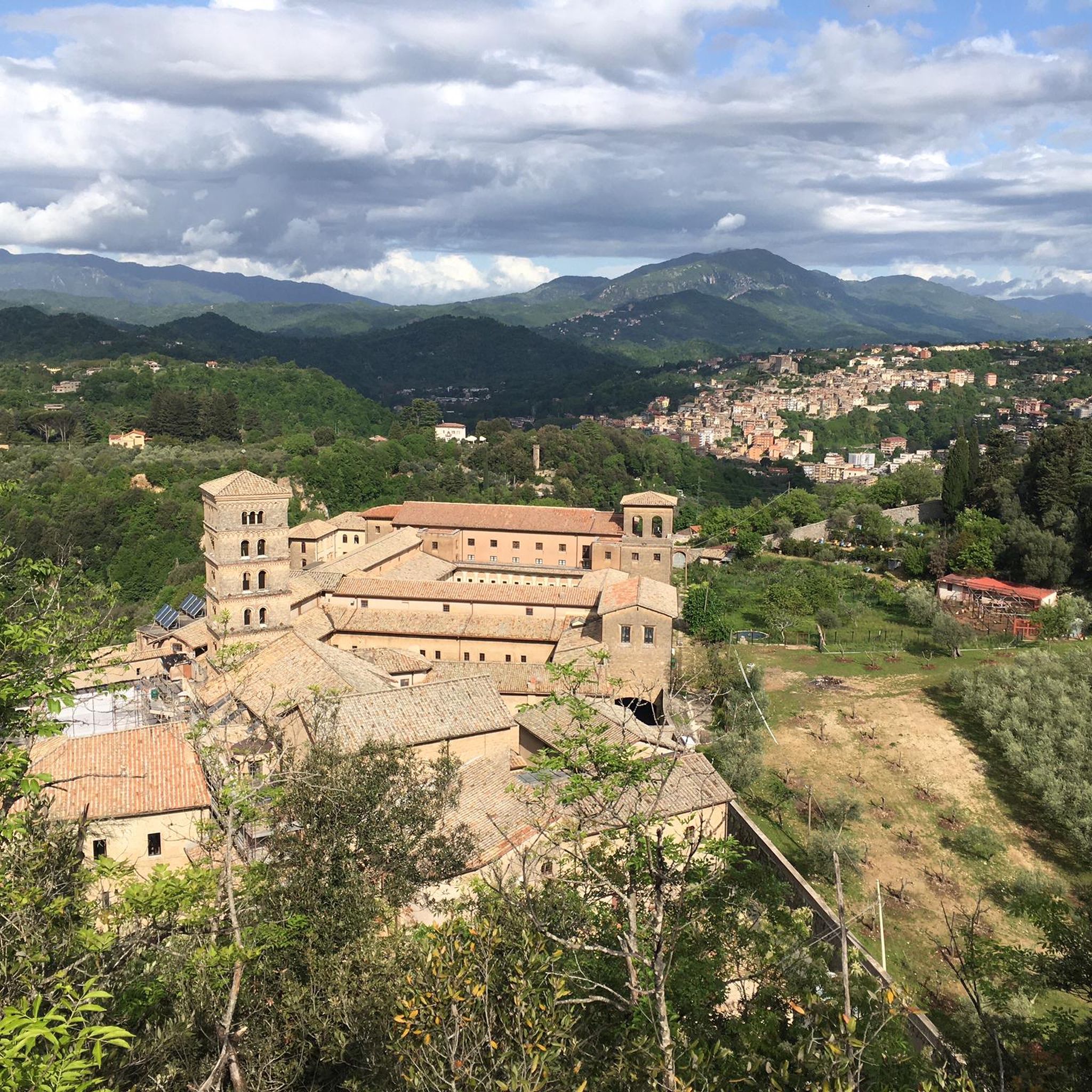
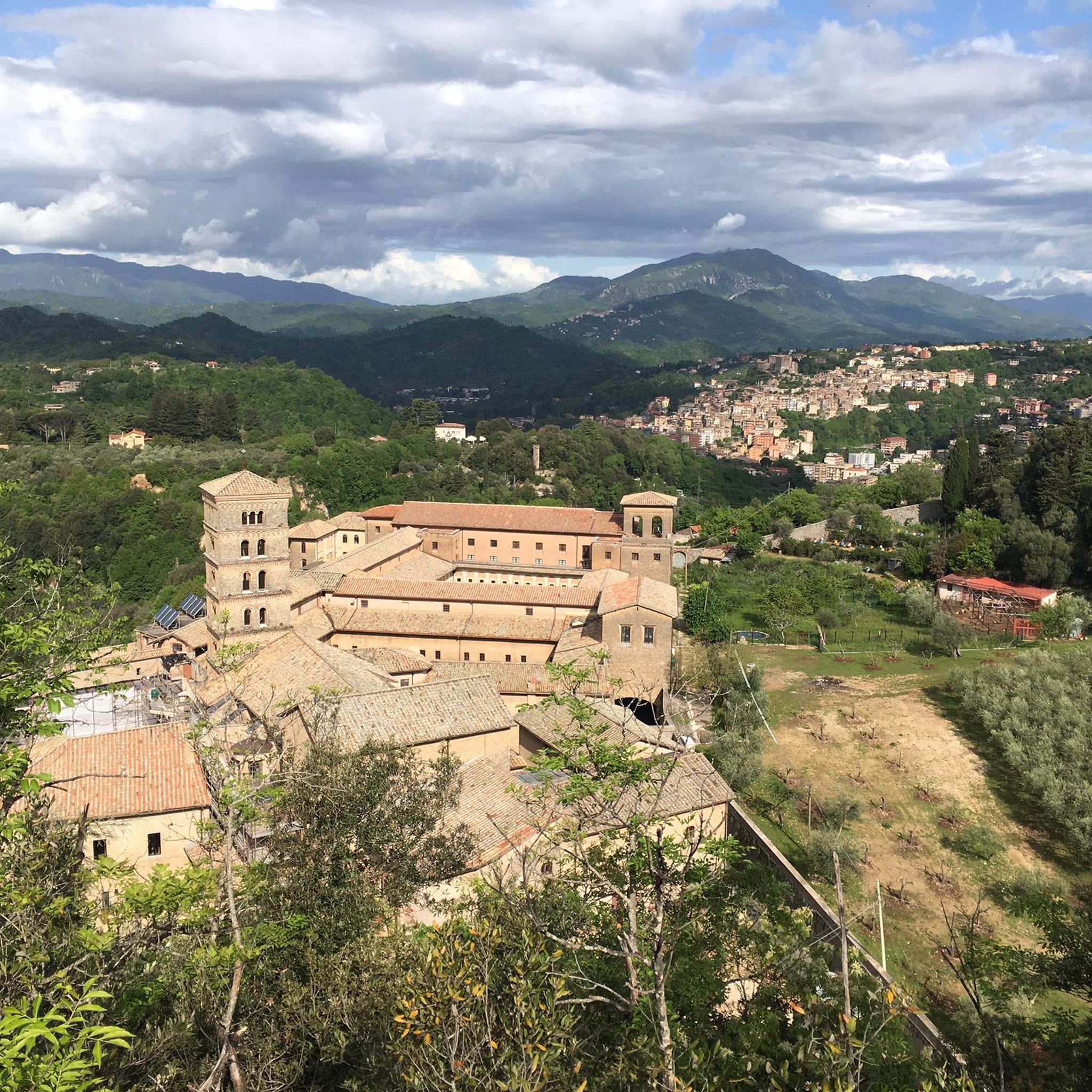
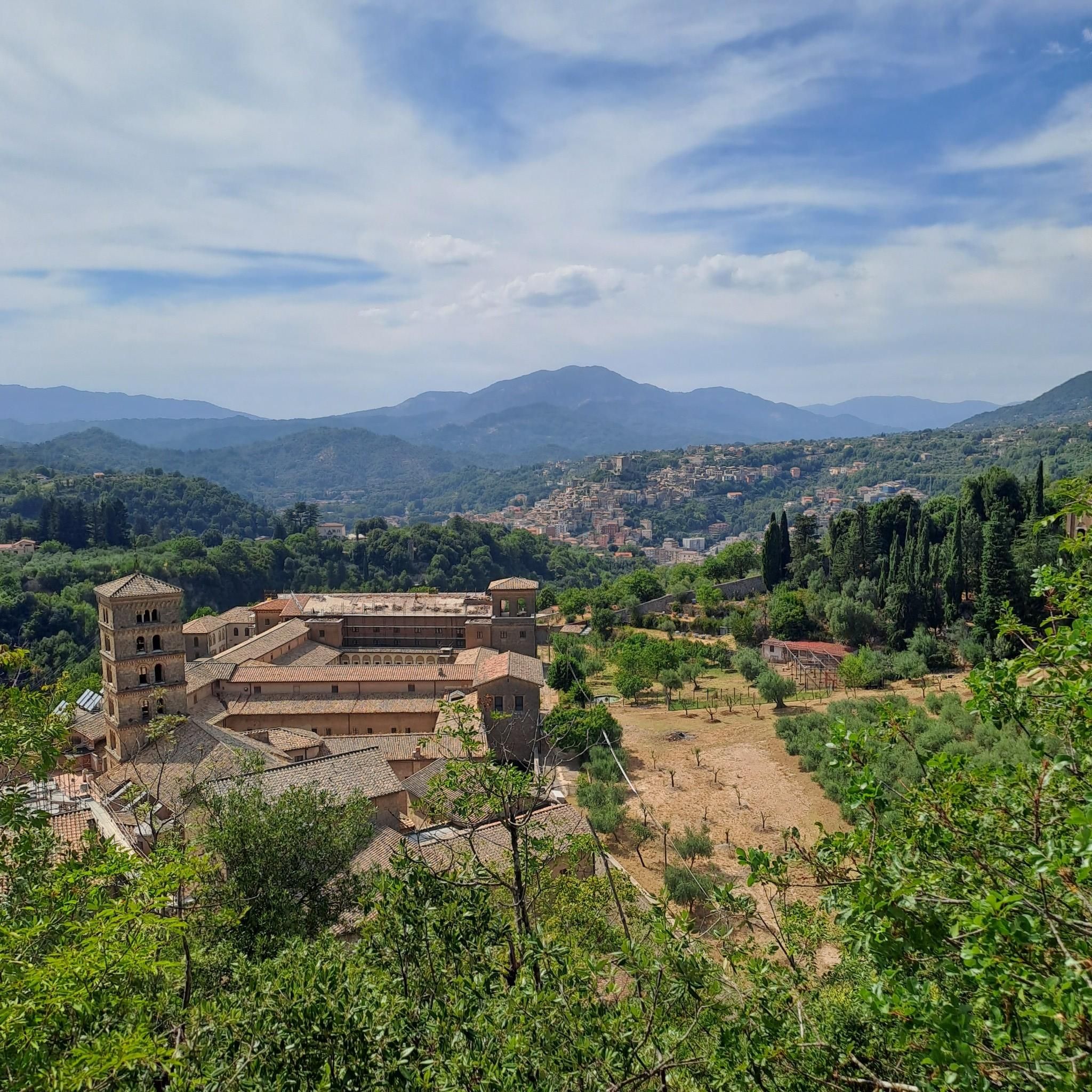
It is a challenging but absolutely wonderful path, to be followed like the ancient pilgrims, in silence and prayer...
1
0
"The Villa of Nero is a historic site located in Subiaco, Italy. It was part of a much larger and more complex Roman villa that was later used by Saint Benedict. The villa is located on the right bank of the Aniene River, along the road leading to the Benedictine monasteries of Subiaco. The remains of the villa are small but still provide evidence of one of the most original and ambitious works of the Roman Empire. The villa was built by Emperor Nero in 60 AD, before he built the Domus Aurea in Rome. The structure was located in a rural area along the Aniene river and was characterized by three artificial lakes, the Simbruina Stagna, which were created by three dams on the river. The lakes were designed to integrate with the surrounding natural environment and modify it in ways unthinkable for that time. The remains of the villa are a testimony to its grandeur and magnificence".
0
0
Frequently Asked Questions
What kind of hiking trails can I find around Rocca Santo Stefano?
The region offers a variety of hiking experiences. You can explore the Karol Wojtyła Trail to the Sanctuary of Mentorella, a forested path dedicated to Pope John Paul II, particularly beautiful in spring with wildflowers. The Ascent to the Monastery of Saint Benedict on the Via dei Monasteri also offers a pleasant mountain environment. For nature lovers, the Bosco dell'Antera (Antera Forest) provides various trails through chestnut and oak trees.
Are there any historical sites to explore in Rocca Santo Stefano?
Yes, Rocca Santo Stefano is rich in history. You can wander through the medieval Historic Centre, visit the Church of Santa Maria Assunta within the ancient castle remains, or see the Church of Santo Stefano with its 16th-century frescoes. Further afield, discover the Villa of Nero Ruins, an imperial residence next to the Aniene river, or the ancient Old Mill of Jenne, built by Benedictine monks around the year 1000. Don't miss the historic Ponte di San Francesco, a well-preserved humpback bridge.
What natural features characterize the area around Rocca Santo Stefano?
Rocca Santo Stefano is nestled in the verdant Aniene Valley, surrounded by the Ruffi and Ernici mountains. The Bosco dell'Antera, a rich forest of chestnut and oak trees, offers dense woodland and diverse undergrowth. The Aniene river itself is a prominent feature, with clear waters and natural spots for relaxation, such as those found near the Villa of Nero Ruins.
Are there family-friendly activities or attractions near Rocca Santo Stefano?
Families can enjoy exploring the trails in the Bosco dell'Antera or visiting the Old Mill of Jenne, which has a picnic area and a magical landscape with waterfalls. For animal lovers, Valle Vegan, a shelter for abused animals, is located a few kilometers away.
What cultural or artistic aspects can I experience in Rocca Santo Stefano?
Rocca Santo Stefano is known as a 'town of artists.' The village is dotted with unique travertine stone sculptures, often depicting ancient local trades, such as the 'Porta Del Bottaio' (Cooper's Gate). The town also celebrates with the traditional Infiorata during the Corpus Domini procession in June, where streets are adorned with elaborate flower petal carpets.
What outdoor activities, besides hiking, are available in the region?
Beyond hiking, the area around Rocca Santo Stefano is excellent for cycling. You can find various road cycling routes, gravel biking, and MTB trails. These routes often take you through scenic mountain environments and past historical sites.
When is the best time of year to visit Rocca Santo Stefano for outdoor activities?
Spring is highly recommended, especially for hiking, as the woods are covered with many species of wildflowers, and the Falconara ditch is full of water. The mild temperatures also make it ideal for exploring the natural and historical sites.
Are there any local culinary specialties or festivals to experience?
Yes, Rocca Santo Stefano celebrates the 'Gnoccacci ai Funghi Porcini Festival,' dedicated to its local specialty, 'gnoccacci' (a type of pasta) served with porcini mushrooms collected from the surrounding forests. This offers a taste of authentic Italian village life and local traditions.
Where can I find panoramic views in the Rocca Santo Stefano area?
The Ascent to the Monastery of Saint Benedict on the Via dei Monasteri offers beautiful viewpoints as it passes through a pleasant mountain environment. The village itself, set on a limestone spur between mountains, provides picturesque natural surroundings and scenic vistas.
Are there any unique natural spots for swimming or relaxation?
Near the Villa of Nero Ruins, there's a road descending to the Aniene river where you can find spots for swimming amidst an incredible natural environment. The area around the Old Mill of Jenne also features crystalline springs, such as the Cardellino, and small waterfalls.
What do visitors enjoy most about the attractions around Rocca Santo Stefano?
Visitors appreciate the blend of historical charm, natural beauty, and cultural experiences. The well-preserved historical sites like the Old Mill of Jenne and the serene hiking trails like the Karol Wojtyła Trail are frequently highlighted. The opportunity to immerse oneself in authentic Italian village life and explore ancient ruins amidst verdant landscapes is also a major draw.
Most popular routes around Rocca Santo Stefano
Most popular attractions around Rocca Santo Stefano

Get inspired with the komoot mobile app


Explore more
Still not found the Highlight you’re looking for? See guides of the top attractions in other regions:
