Attractions and Places To See around Gamberale - Top 20
Best attractions and places to see around Gamberale, a charming commune nestled in Italy's Abruzzo region, offers a rich blend of historical landmarks and natural beauty. Situated as the highest village in the Province of Chieti, it provides expansive views and a serene atmosphere. The area is part of the Maiella National Park, featuring dense woods and limestone formations. Visitors can explore a variety of sites, from ancient castles to tranquil natural spots.
Best attractions and places to see around Gamberale
- The most popular attractions is Passo Forchetta, a mountain pass that connects Roccaraso to Campo di Giove. This road is immersed in a fresh and lush forest, offering a picturesque journey.
- Another must-see spot is Fanzago Palace, a historical site. This former monastery, designed by Cosimo Fanzago, now houses the Museo del Tombolo and features impressive stone architecture.
- Visitors also love Porta Antonetta, a historical site of fifteenth-century origins. It constitutes one of the ancient village entrances, still visible today, with stone corbels that once supported a bertesque for defense.
- Gamberale is known for its historical sites, religious buildings, and natural mountain passes. The region offers a diverse range of attractions to see and explore, catering to interests from history and architecture to scenic drives and walks.
- The attractions around Gamberale are appreciated by the komoot community, with highlights receiving 18 upvotes and 2 photos.
Last updated: July 2, 2026
Fanzago Palace
Highlight • Historical Site
Tip by

Hermitage of San Michele Arcangelo of Pescocostanzo
Highlight • Religious Site
Translated by Google •
Tip by
Sign up now to discover places like this
Get recommendations on the best single tracks, peaks, & plenty of other exciting outdoor places.
Sign up for free
Basilica of Santa Maria del Colle
Highlight • Religious Site
Translated by Google •
Tip by
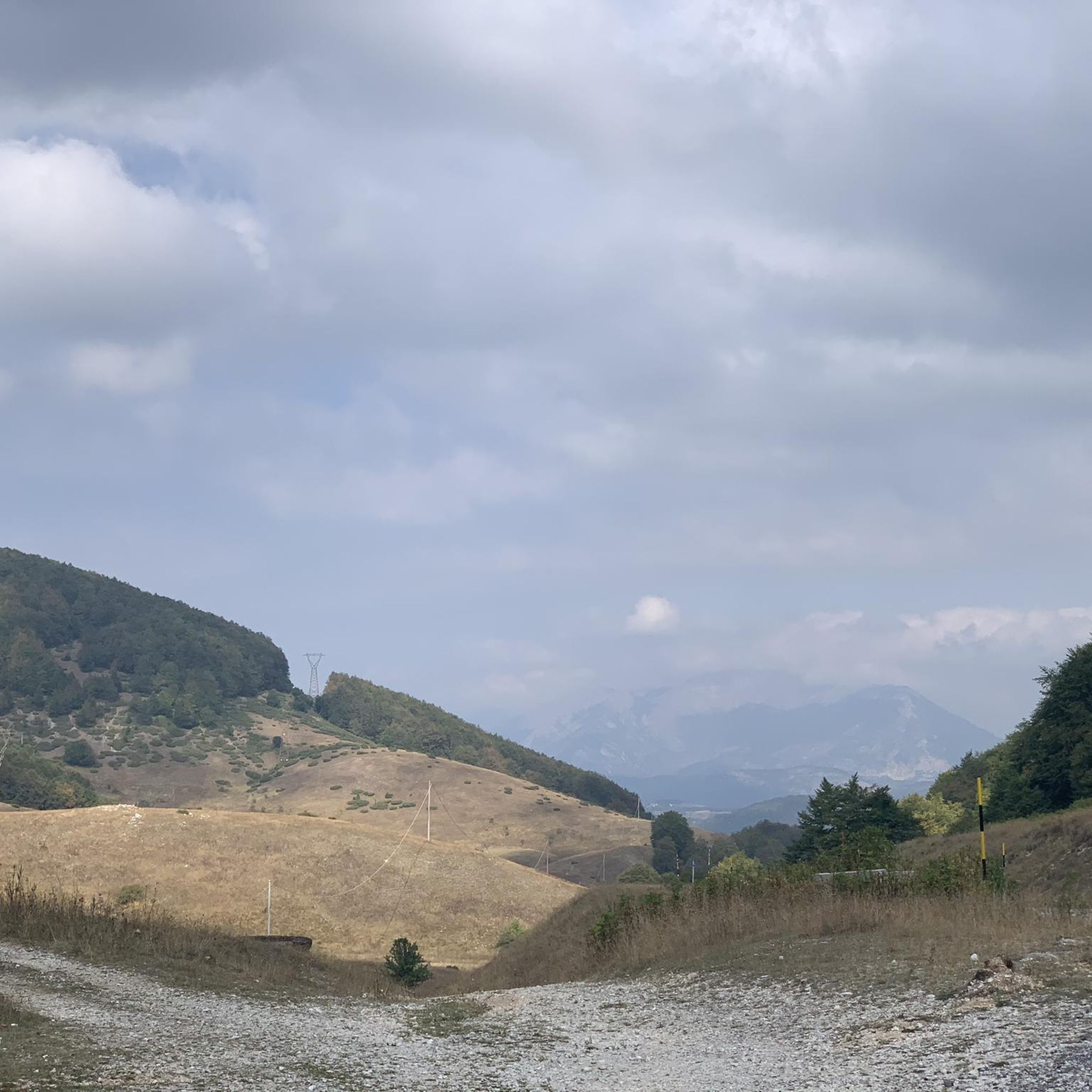
Passo Forchetta
Highlight • Mountain Pass
The road is fresh and wooded. The asphalt is not the best and the road could be affected by small landslides.
Translated by Google •
Tip by

Historic Center of Pescocostanzo
Highlight • Historical Site
Translated by Google •
Tip by

Sign up for free to discover even more attractions around Gamberale.
Sign up for free
Already have an account?
Start today with a free account
Your next adventure awaits.
Login or Signup

Tips from the Community

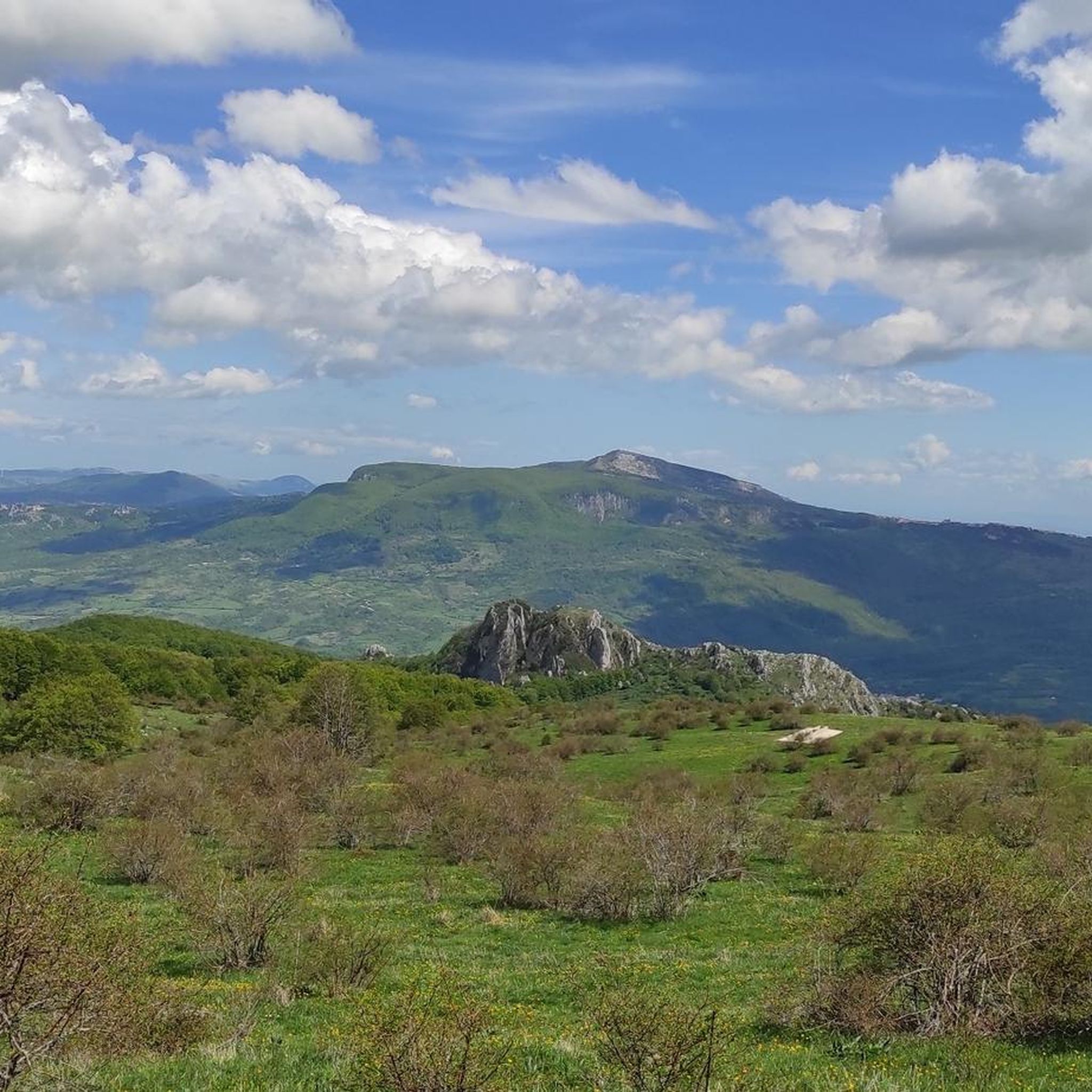
spectacular places, lots of wind.
0
0

It is located in Pescocostanzo (AQ) and is one of the most significant and complete examples of Abruzzo Baroque.
0
0

Passo Forchetta, connecting Roccaraso to Campo di Giove, offers a journey through a fresh and lush forest. The road, although the asphalt is not in perfect condition and subject to small landslides, offers a picturesque and fascinating driving experience.
1
0
Pescocostanzo is a charming town located in Abruzzo, characterized by a well-preserved ancient medieval village within the Majella National Park. It offers opportunities for excursions and outdoor activities, both in summer and winter, thanks to its proximity to the ski slopes. The town is known for its traditional architecture, Abruzzo cuisine and religious and cultural festivities. It is a fascinating destination to immerse yourself in the authentic atmosphere of mountain Abruzzo.
0
0

Road immersed in a very fresh wood. Very beautiful.
18
0

It connects Roccaraso to Campo di Giove. The road is fresh and wooded. The asphalt is not the best and the road could be affected by small landslides.
4
0

Accessibility: the route is easy to travel and suitable for families. It can be reached by car or a short walk of about 3 and a half kilometers from the center of the village of Pescocostanzo.Information: Municipality of Pescocostanzo - 0864.640003
0
0
Frequently Asked Questions
What historical landmarks can I explore in and around Gamberale?
Gamberale is rich in history. You can visit the enchanting ruins of Rocca di Gamberale (Gamberale Castle), dating back to the 12th century, which offers stunning views. Another significant site is Fanzago Palace, a former monastery now housing the Museo del Tombolo. Don't miss Porta Antonetta, an ancient 15th-century village entrance, and the ancient fortress of Monte Castel Fraiano for panoramic views.
Are there any notable religious sites in the Gamberale area?
Yes, the region features several historic religious buildings. The Church of San Lorenzo, rebuilt in 1709, stands in Gamberale's main square and is adorned with beautiful frescoes. You can also visit the Chiesa di San Giovanni Apostolo, known for its intricate frescoes and towering bell tower. Further afield, explore the Hermitage of San Michele Arcangelo of Pescocostanzo, a unique rock worship site in a cave, and the impressive Basilica of Santa Maria del Colle, an 11th-century church rebuilt in 1466 with a rich collection of art.
What natural attractions and outdoor activities are available near Gamberale?
Gamberale is nestled within the Majella National Park, offering a wealth of natural beauty. You can explore the Sentieri del Sole for scenic hikes through lush forests or visit the Fauna e Avifauna natural reserve for birdwatching. The tranquil Lake Sant'Angelo is perfect for relaxation, and the mysterious Grotte di Caramanico offer a unique underground experience. The Valle del Sole is also ideal for relaxing walks amidst beautiful scenery.
What kind of hiking and running trails can I find around Gamberale?
The area around Gamberale, being part of the Majella National Park, offers diverse trails. For running enthusiasts, options include challenging routes like the 'Ascent to CIME Porrara and Paradina' or the 'Monte Campo and Monte Ciglione Loop'. You can find more details and routes on the Running Trails around Gamberale guide.
Are there cycling routes or mountain biking trails near Gamberale?
Yes, the region provides excellent opportunities for cycling and mountain biking. You can find scenic cycling loops such as 'Roccaraso Town Center – Porta Antonetta loop' or 'Roccaraso Town Center – Fanzago Palace loop'. For mountain biking, explore trails like 'Deer Wildlife Area and Piatra Cernaia' or 'Quarto di Santa Chiara – Passo Forchetta loop'. Discover more routes on the Cycling around Gamberale guide and the MTB Trails around Gamberale guide.
What are some family-friendly activities or attractions in the Gamberale area?
Families can enjoy the natural beauty of the Majella National Park with easy walks and wildlife spotting. The Hermitage of San Michele Arcangelo of Pescocostanzo is noted as family-friendly and accessible. Additionally, nearby adventure parks and playgrounds offer activities like zip-lines and climbing walls for children.
What is the best time of year to visit Gamberale for outdoor activities?
Gamberale offers year-round appeal. The spring and autumn months are ideal for hiking and exploring the natural trails like Sentieri del Sole, with pleasant temperatures and vibrant scenery. Summer is great for enjoying Lake Sant'Angelo and local festivals. For winter sports enthusiasts, the Majella National Park provides beautiful ski resorts.
Can I experience local culture and cuisine in Gamberale?
Absolutely. Wander through Gamberale's narrow, cobblestone streets in the Historic Center to admire centuries-old architecture. Indulge in authentic regional delicacies such as 'maccheroni alla chitarra' and 'fiadoni', and consider local wine tours to savor Abruzzo's vineyards. The Fiera dei Sapori local market is a great place to sample regional foods, and participating in community festivals offers an authentic taste of Italian village life.
Are there any scenic viewpoints or drives around Gamberale?
Gamberale, being the highest village in the Province of Chieti, offers breathtaking views. The ruins of Rocca di Gamberale and Monte Castel Fraiano both provide stunning panoramic vistas of the surrounding valleys. Additionally, driving through Passo Forchetta, which connects Roccaraso to Campo di Giove, offers a picturesque journey through a fresh and lush forest.
What are some unique cultural or artistic spots to visit?
Beyond historical sites, Gamberale offers cultural insights. The La Piazzetta Art Gallery showcases creative works by local artisans. The Fanzago Palace, now home to the Museo del Tombolo, provides a glimpse into traditional lacemaking and local craftsmanship.
What are the characteristics of the Majella National Park surrounding Gamberale?
The Majella National Park, where Gamberale is situated, is characterized by dense woods and unique limestone formations known as 'morge'. It's a naturalistic setting that provides a diverse landscape for outdoor lovers, with paths ranging from easy forest tracks to more challenging hill routes, offering panoramic views of distant ridges and villages.
Most popular attractions around Gamberale

Get inspired with the komoot mobile app


Explore more
Still not found the Highlight you’re looking for? See guides of the top attractions in other regions:
