The best road cycling routes around Rabel
4.5
(224)
3,274
riders
172
rides
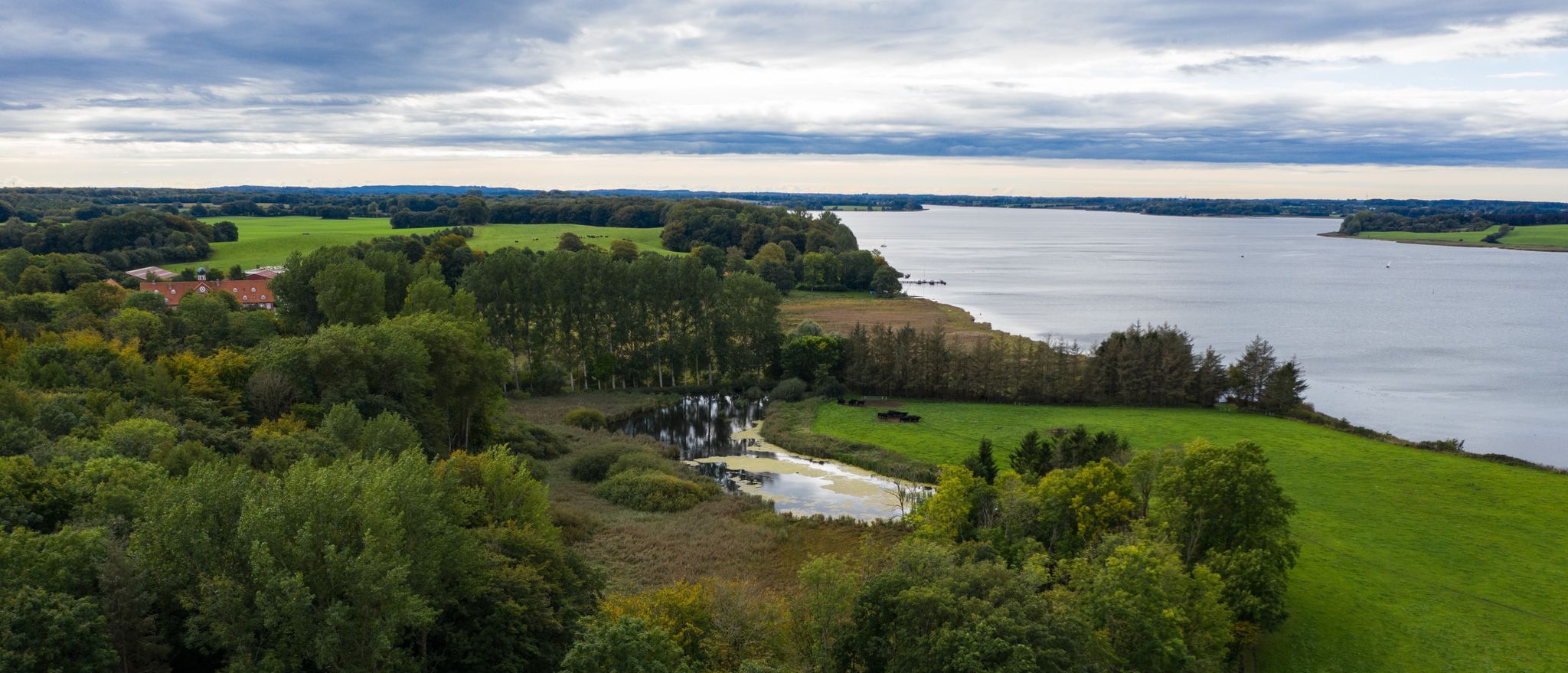
Road cycling routes around Rabel are characterized by a landscape shaped by the Schlei inlet and the Baltic Sea coast. The terrain is generally flat to gently rolling, featuring riverside paths, coastal roads, and routes connecting small towns and bridges. Road cyclists can expect to encounter open fields, some forested sections, and views of the water. The area offers varied surfaces suitable for road bikes, with minimal significant elevation changes.
Best road cycling routes around Rabel
- The most popular road…
Last updated: October 11, 2026
4.5
(6)
72
riders
63.7km
02:49
280m
280m
Moderate road ride. Good fitness required. Some segments of this route may be unpaved and difficult to ride.
4.0
(2)
82
riders
39.1km
01:41
110m
110m
Moderate road ride. Great for any fitness level. Some segments of this route may be unpaved and difficult to ride.

4.5
(2)
48
riders
Easy road ride. Great for any fitness level. Mostly well-paved surfaces and easy to ride.
3.0
(2)
46
riders
21.2km
00:57
90m
90m
Moderate road ride. Great for any fitness level. Some segments of this route may be unpaved and difficult to ride.
13
riders
32.9km
01:33
110m
110m
Moderate road ride. Great for any fitness level. Some segments of this route may be unpaved and difficult to ride.
Get access to more routes and recommendations from other explorers.
Already have an account?
Our route recommendations are based on thousands of hikes, rides, and runs completed by other people on komoot.
Start today with a free account
Your next adventure awaits.


Tips from the Community

The Heringszaun in Kappeln is a historic fish-catching device in the Schlei and a testament to traditional fishing. The structure consists of wooden stakes driven into the riverbed, which blocked the herring's path. The fish could then be collected and subsequently caught. The Kappeln Heringszaun is today an important technical monument and recalls the former economic importance of herring fishing for the region.
1
0
The herring fence in Kappeln is a historic fishing device in the Schlei and a testament to traditional fishing. The structure consists of wooden stakes, which were driven into the waterbed and blocked the path of the herring. The fish could thus be collected and subsequently caught. The Kappeln herring fence is today an important technical monument and recalls the former economic importance of herring fishing for the region.
2
0

Unfortunately not open to the public
0
0

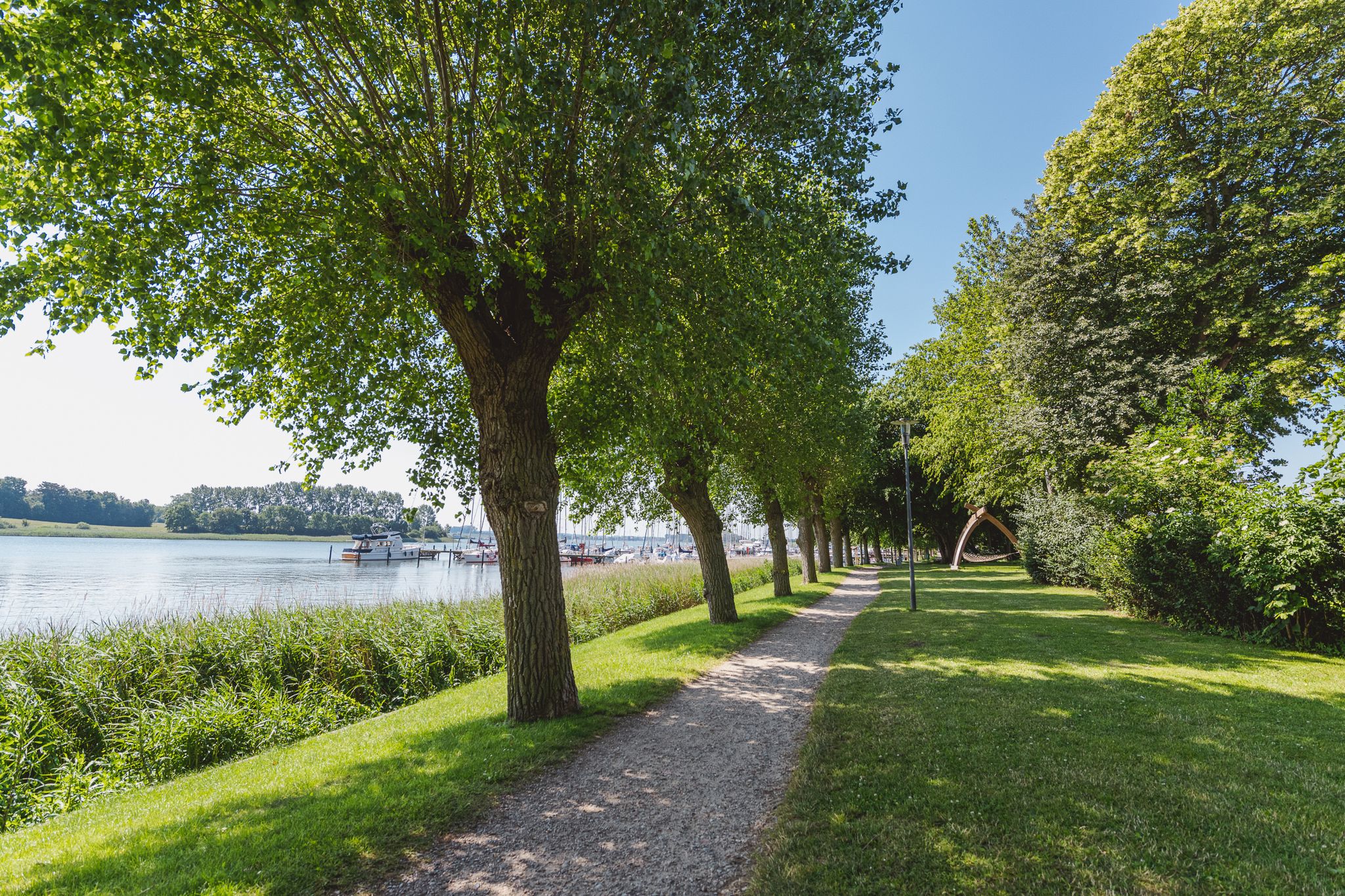
Very nice view of the marina and a floating housing development.
0
0


The origins of the Kappeln herring fence date back to the 15th century. At that time there were still almost 40 of these woven fences, which were found close together in the middle of the Schlei. Between the 13th and 16th centuries there was bitter competition between the Holm fishermen from Schleswig and other fishermen from the region, the so-called "Schleijunkers", who were landowners in the Schlei region. It was not until 1614 that this dispute was settled and a balance was established between the two fishing parties. Today the herring fence consists of a total of 2,000 ash wood posts driven into the Schlei bottom, each with a length of between 1.80 meters and 4.50 meters. These are supported by horizontal posts, also made of ash wood. The herrings see this entire structure as a natural obstacle. Due to the strong current in the Schlei, the silverlings rarely turn back despite the obstacle and follow the increasingly narrower inflow
1
0
It's worth taking a look if you're passing by. It's not worth driving there 🤙
1
0
Frequently Asked Questions
What kind of terrain can I expect on road cycling routes around Rabel?
The road cycling routes around Rabel are characterized by a landscape shaped by the Schlei inlet and the Baltic Sea coast. You'll find generally flat to gently rolling terrain, featuring riverside paths, coastal roads, and routes connecting small towns and bridges. Expect open fields, some forested sections, and frequent views of the water. The area offers varied surfaces suitable for road bikes, with minimal significant elevation changes.
Are there easy road cycling routes suitable for beginners or families in Rabel?
Yes, Rabel offers a good selection of easy road cycling routes. Out of nearly 200 routes, 41 are classified as easy. An excellent option for an enjoyable ride is the Kappeln Bascule Bridge – View of Olpenitz Marina loop from Kappeln, which is 11.8 miles (19.0 km) long and offers scenic views with minimal elevation.
What are the typical distances and elevation gains for road cycling routes in the Rabel area?
Routes in Rabel vary in length, with many moderate options available. For instance, the Lindaunis Bridge – Old Avenue loop from Maasholm covers 39.6 miles (63.7 km) with a moderate elevation gain of 925 feet (282 meters). Another popular route, the Kappeln Bascule Bridge – Olpenitz Resort Beach loop from Maasholm, is 26.4 miles (42.5 km) with 388 feet (118 meters) of elevation gain. Generally, you can expect routes with manageable elevation changes, making them accessible for various fitness levels.
Are there any circular road cycling routes or loops around Rabel?
Yes, many of the road cycling routes around Rabel are designed as loops, offering convenient starting and ending points. For example, the Schlei Riverside Path – View of the Schlei loop from Rabel is a moderate 38.6 miles (62.1 km) circular route that provides extensive views along the Schlei.
What kind of scenic viewpoints or natural attractions can I find along the road cycling routes?
The region offers numerous scenic viewpoints and natural attractions. You can enjoy views of the Baltic Sea from the Schlei, explore the Geltinger Birk Nature and Bird Sanctuary, or cycle past the Basrotter Noor. Coastal routes often provide glimpses of the Gelting Bay and the Schlei Estuary Nature Reserve.
Are there any notable landmarks or points of interest to see while road cycling near Rabel?
Absolutely. Many routes pass by significant landmarks. The historic Lindaunis Bridge is a highlight on several routes, including the Lindaunis Bridge – Old Avenue loop from Maasholm. The Kappeln Bascule Bridge is another prominent feature, visible on routes like the Kappeln Bascule Bridge – Olpenitz Resort Beach loop from Maasholm. You can also find highlights like the Schleimünde Nature Reserve & Pilot Island.
What is the best time of year for road cycling in Rabel?
The best time for road cycling in Rabel is generally from spring through early autumn (April to October). During these months, the weather is typically milder, and the days are longer, offering pleasant conditions for exploring the coastal and riverside paths. While winter cycling is possible, be prepared for colder temperatures and potentially windier conditions, especially along the coast.
What do other road cyclists enjoy most about road cycling in Rabel?
The area is highly rated by the komoot community, with an average score of 4.4 stars from over 170 reviews. Reviewers often praise the diverse coastal and riverside scenery, the well-maintained paths, and the generally flat to gently rolling terrain that makes for enjoyable rides. The presence of charming small towns and bridges along the routes is also frequently highlighted.
Are there any advanced or challenging road cycling routes around Rabel?
While most routes in Rabel are easy to moderate, there is at least one route classified as difficult for those seeking a greater challenge. The region's terrain is generally not mountainous, so 'difficult' typically refers to longer distances or slightly more varied elevation rather than steep climbs. For a longer, moderate challenge, consider the Museum Harbour Flensburg – Flensburg Harbor loop from Kappeln, which is 53.9 miles (86.9 km) long with 1479 feet (451 meters) of elevation gain.
Is parking readily available near the starting points of road cycling routes in Rabel?
Yes, parking is generally available in and around the towns that serve as common starting points for these routes, such as Rabel, Kappeln, and Maasholm. Look for designated parking areas within these communities, often near harbors or town centers, which provide convenient access to the cycling network.
Are there cafes or places to stop for refreshments along the road cycling routes?
Yes, the routes often connect or pass through small towns and villages along the Schlei and Baltic Sea coast. These communities typically offer cafes, bakeries, and restaurants where you can stop for refreshments, a meal, or to refill water bottles. Kappeln, in particular, is a good hub for such amenities.
Most popular attractions around Rabel

Get inspired with the komoot mobile app


Explore more
Browse the best Road cycling routes in other regions.
