Attractions and Places To See around Baia E Latina - Top 20
Best attractions and places to see around Baia E Latina, a municipality in the Province of Caserta, Campania, Italy, offers a blend of historical sites and natural landscapes. The area features two distinct medieval villages, Baia and Latina, alongside historical churches and ancient structures. Visitors can explore a wilderness area characterized by dense Mediterranean scrubland and enjoy panoramic views towards the Aurunci Mountains. This region provides opportunities to discover its rich history and diverse natural beauty.
Best attractions and places to see around Baia E Latina
- The most popular attractions is Piedimonte Matese, a settlement located between the Campania plain and the Matese massif. It is situated at the foot of Mount Muto, near the 'Castello terrace'.
- Another must-see spot is Bocchetta di Croce, a settlement in the province of Caserta. Its name derives from a medieval castle and a fifteenth-century church, offering panoramic views towards the Aurunci Mountains.
- Visitors also love Porta Romana of Alife, a historical site with ecclesiastical history dating back to 499. This ancient gate is part of Alife, known for its historic cultivation of onions.
- Baia E Latina is known for its historical sites, natural features, and cultural attractions. The area offers a variety of churches, medieval structures, and natural landscapes to see and explore.
- The attractions around Baia E Latina are appreciated by the komoot community, with 3 photos and 16 upvotes.
Last updated: October 10, 2026
Bocchetta di Croce
Highlight • Settlement
Translated by Google •
Tip by

Piedimonte Matese
Highlight • Settlement
Translated by Google •
Tip by

Sign up now to discover places like this
Get recommendations on the best single tracks, peaks, & plenty of other exciting outdoor places.
Porta Romana of Alife
Highlight • Historical Site
Translated by Google •
Tip by
Croce Village Entrance and Fountain
Highlight • Settlement
Translated by Google •
Tip by

Piedimonte Matese
Highlight • Settlement
Translated by Google •
Tip by

Sign up for free to discover even more attractions around Baia E Latina.
Already have an account?
Start today with a free account
Your next adventure awaits.

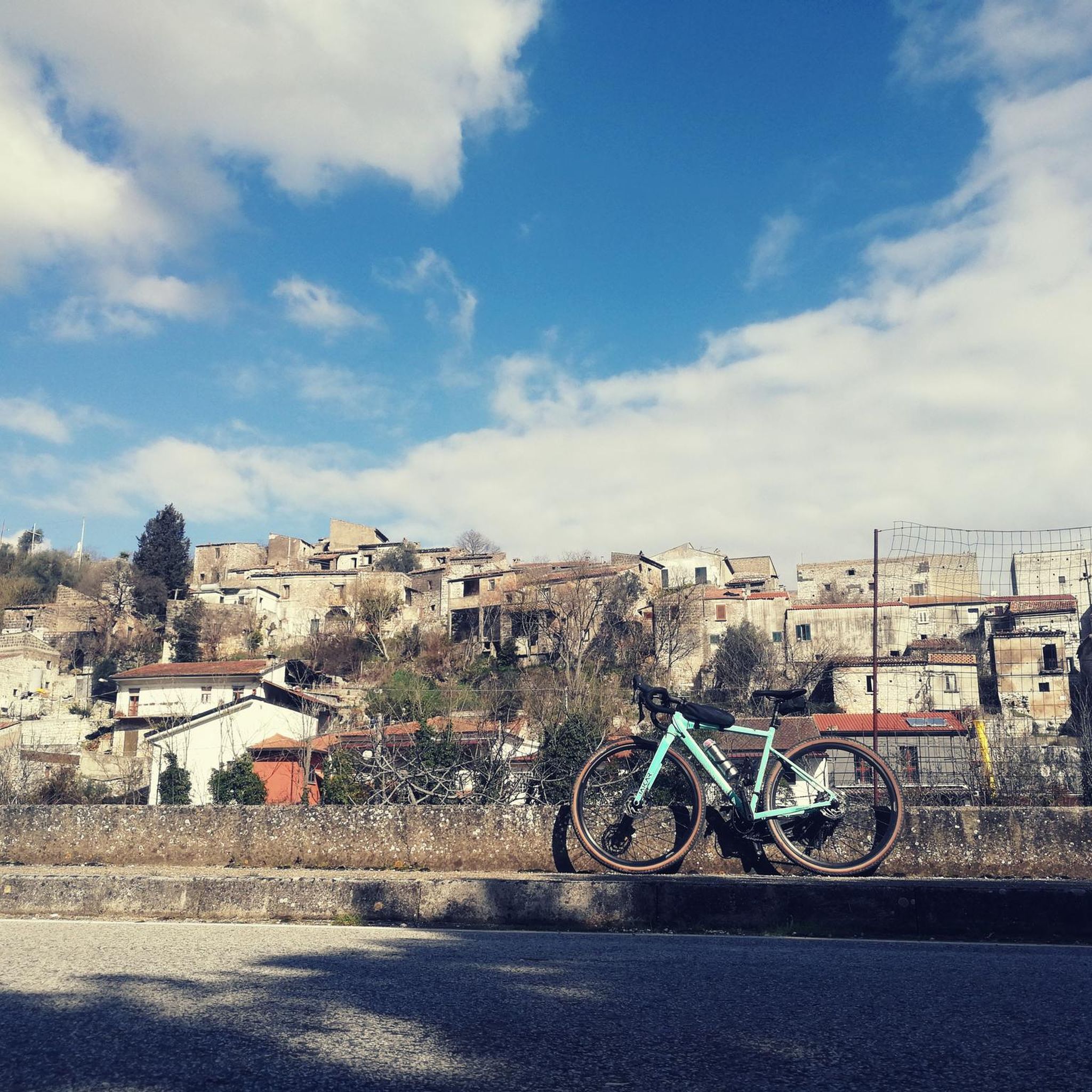
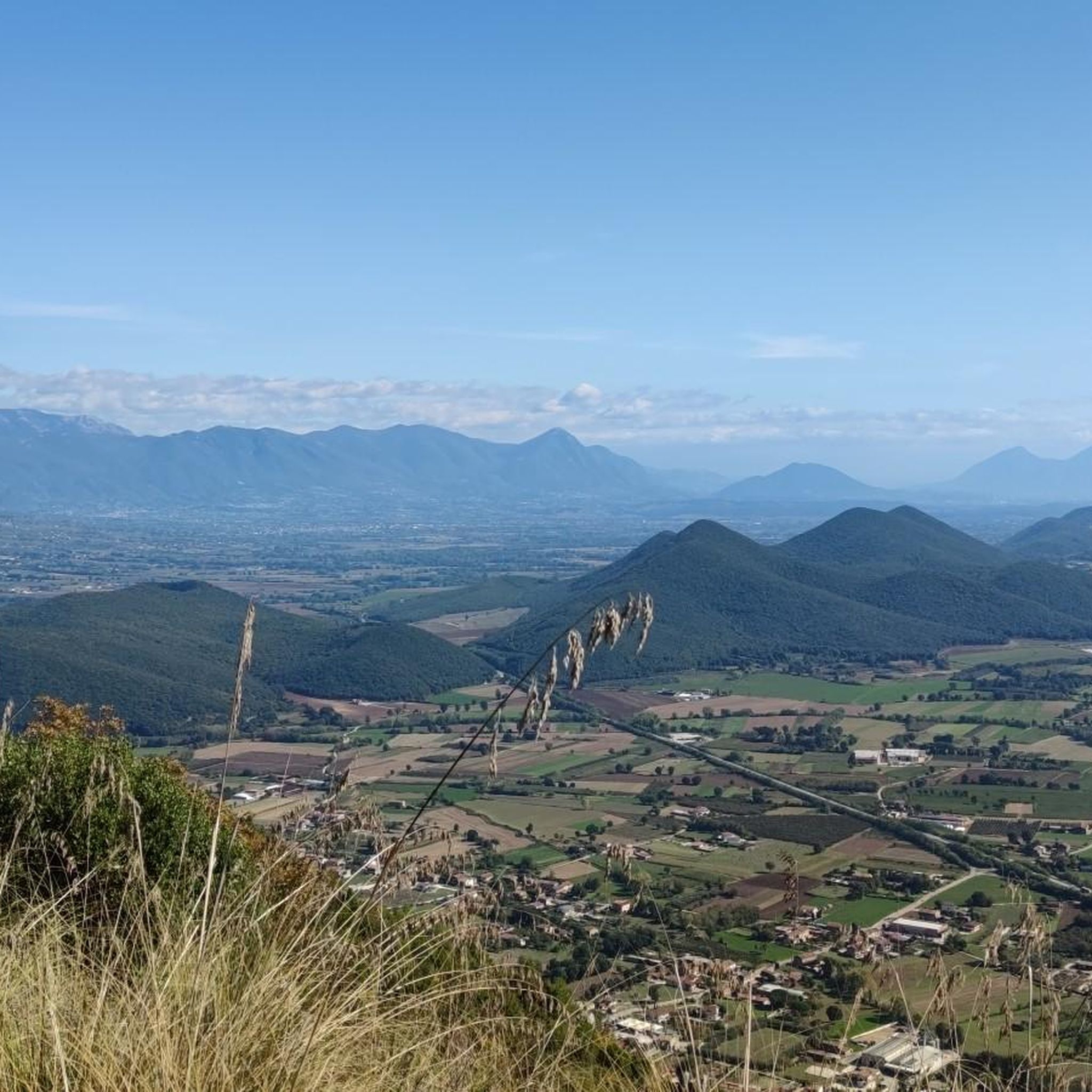

Tips from the Community

Alife boasts an ecclesiastical history dating back to 499. Located in Sannio, at the foot of the Matese, it is known as the "city of the onion" for the historic cultivation of this vegetable since Roman times.
0
0
Piedimonte Matese is a municipality in the province of Caserta, located between the Campania plain and the Matese massif. It is located at the foot of Mount Muto, near the 'Castello terrace', where the town of Castello del Matese stands.
1
0

Rocchetta e Croce is a small town in the province of Caserta, its name derives from the medieval castle built on a natural rock, and from the church of the Holy Cross, built in the fifteenth century. Thanks to its position you can enjoy the panorama towards the Aurunci Mountains and the surrounding hills.
1
0

Piedimonte Matese is the starting point for many excursions. The Campania section of the Sentiero Italia also passes through here. This city offers all the primary services needed on a long-distance journey.
1
0

Croce is a mountain community at an altitude of 857 metres, and here you can also proceed towards S. Salvatore on the Via Francigena. Here are a small church and a former monastery.
2
0
Frequently Asked Questions
What historical sites can I explore in Baia e Latina?
Baia e Latina is rich in history, featuring two distinct medieval villages, Baia and Latina. You can visit several historical churches, including the eighteenth-century Church of San Vito Martire, the Church of Santo Stefano, and the Church of the Annunciation with its monumental access staircase. The Church of Madonna delle Grazie offers magnificent views, and the Sanctuary of Maria SS. Assunta houses statues of four saints. Don't miss the recently restored ancient tower of Baia and remnants of the monumental Oloferne bridge over the Volturno River. Nearby, explore the imposing Aragonese Castle of Vairano Patenora and the ancient Porta Romana of Alife.
Are there any natural areas or viewpoints to enjoy in the region?
Yes, the Area Wilderness Baia e Latina offers a hilly complex with dense Mediterranean scrubland, including holm oaks and terebinths. It features a small gorge and lateral valley, with the highest point reaching 437 meters above sea level, providing panoramic views towards the Aurunci Mountains and surrounding hills. The settlement of Bocchetta di Croce also offers excellent panoramic views.
What kind of outdoor activities can I do near Baia e Latina?
The area around Baia e Latina is great for outdoor enthusiasts. You can find numerous routes for hiking, running, and mountain biking. For example, there are moderate to difficult hiking trails like the 'Fontana Lazzaro to Monte Friento Trail' or the 'Visit of Piedimonte Matese'. If you prefer running, explore running loops from Piedimonte Matese or Riardo. Mountain biking enthusiasts can tackle challenging MTB trails such as the 'View of the Matese Mountains – Lake Matese loop from Alife'.
Are there family-friendly attractions in Baia e Latina?
Yes, several attractions are suitable for families. The settlement of Piedimonte Matese is considered family-friendly, offering a pleasant environment to explore. Additionally, the historical site of Porta Romana of Alife is also noted as family-friendly, allowing for an engaging historical experience for all ages.
What is the best time to visit Baia e Latina for outdoor activities?
While specific seasonal data isn't provided, generally, the Campania region of Italy, where Baia e Latina is located, experiences pleasant weather in spring (April-May) and autumn (September-October), making these ideal times for hiking, running, and exploring historical sites. Summers can be hot, and winters mild but potentially rainy.
Where can I learn more about the ancient history of the area?
To delve deeper into the ancient history, you can visit the Archaeological Museum of Ancient Allifae. Located in a modern building, this museum showcases finds from prehistoric to medieval times, organized chronologically across two rooms, featuring weapons, ceramics, frescoes, and historical documents.
Are there any specific villages or settlements worth visiting near Baia e Latina?
Absolutely. Besides the medieval villages of Baia and Latina themselves, you should consider visiting Piedimonte Matese, a settlement at the foot of Mount Muto. Another notable spot is Bocchetta di Croce, known for its medieval castle and fifteenth-century church, offering panoramic views. The Croce Village Entrance and Fountain is also a charming mountain community to explore.
What are some unique cultural aspects of Baia e Latina?
Baia e Latina's cultural heritage is deeply rooted in its ancient origins and religious history. The unification of the two medieval villages, Baia and Latina, in 1811, reflects a long history. The presence of numerous historical churches, some dating back to the 18th century, and the ancient tower of Baia, which has Etruscan and Roman evidence, highlight the area's rich past and enduring traditions.
Can I find any challenging hiking trails in the Baia e Latina area?
Yes, for those seeking a challenge, there are difficult hiking routes available. For instance, the 'From Vairano Patenora to Monte Caievola and Pietravairano – ring tour' is a demanding hike. You can find more details and other challenging options on the Hiking around Baia E Latina guide page.
What makes Piedimonte Matese a significant attraction?
Piedimonte Matese is a significant attraction as a municipality in the province of Caserta, strategically located between the Campania plain and the Matese massif. It sits at the foot of Mount Muto, near the 'Castello terrace', offering both natural beauty and historical context. It's also recognized as a family-friendly destination.
Are there any specific historical structures from the medieval period in Baia e Latina?
The region is home to two distinct medieval villages, Baia and Latina. The village of Baia features characteristic alleys and a recently restored castle with a Norman tower. The ancient tower of Baia, located on the same hill as the Sanctuary of Maria SS. Assunta, has been restored to reveal its original battlements and internal subdivisions, offering a tangible link to the medieval past.

Get inspired with the komoot mobile app


Explore more
Still not found the Highlight you’re looking for? See guides of the top attractions in other regions:
