Attractions and Places To See around Andria - Top 20
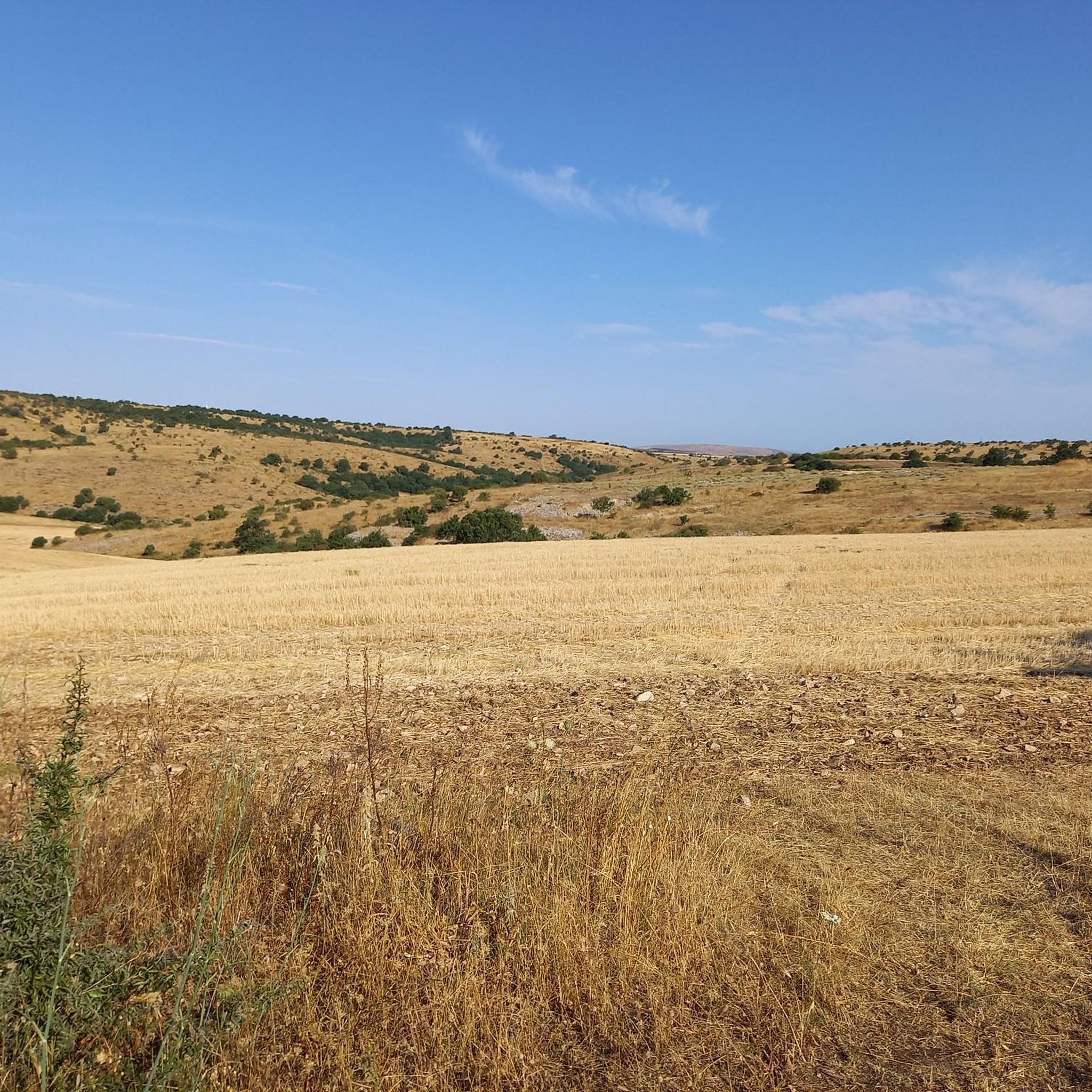
Best attractions and places to see around Andria, a city in Puglia, Italy, offers a blend of historical landmarks, cultural sites, and natural beauty. The region is characterized by limestone hills, olive groves, and vineyards, transitioning from coastal plains inland. It is situated near the Alta Murgia National Park, providing diverse landscapes and opportunities for exploration. This area serves as a base for discovering the rich history and natural features of the Apulian region.
Best attractions and places to see…
Last updated: October 11, 2026
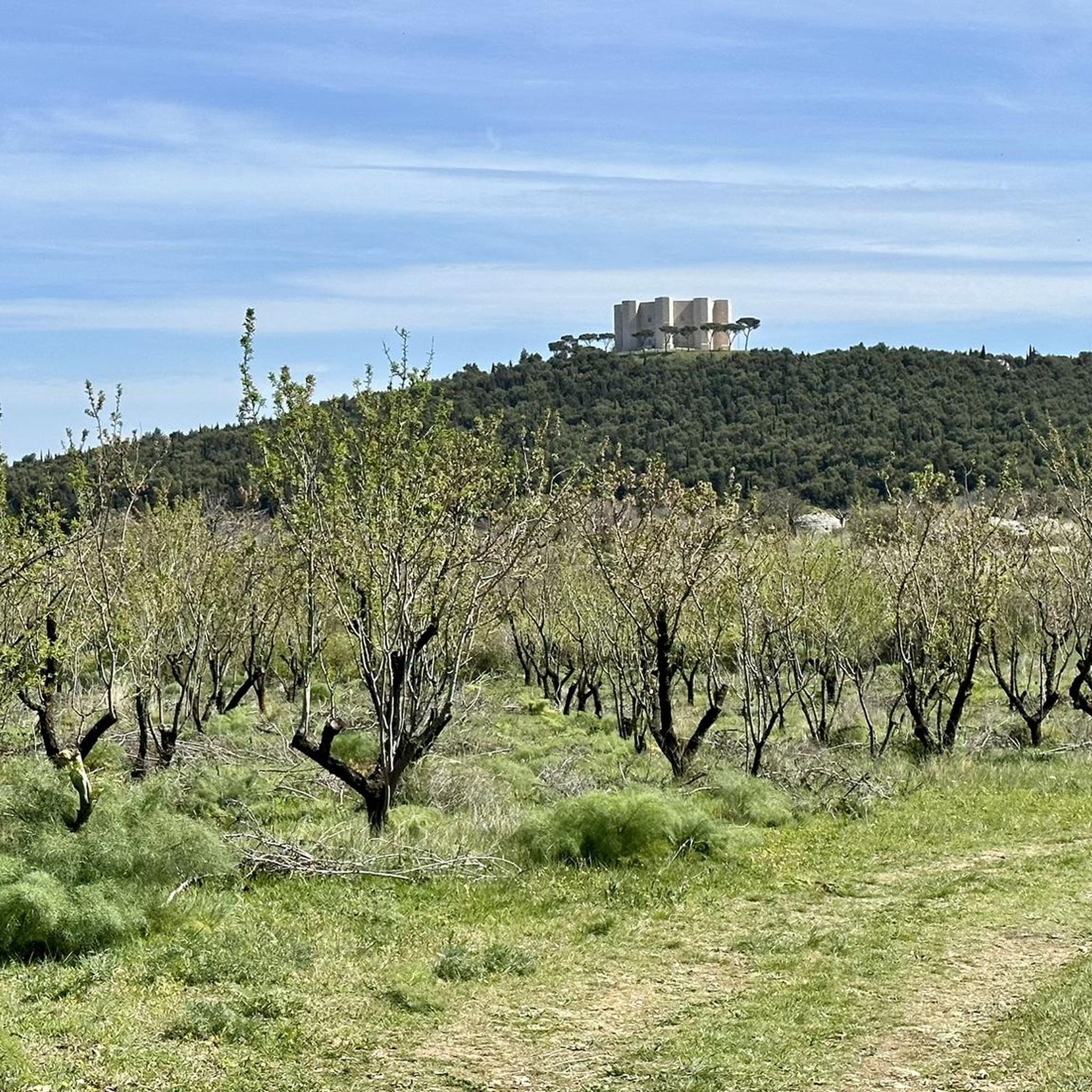
Castel del Monte
Highlight • Castle
Translated by Google •
Tip by

Trani Cathedral (Cathedral of Saint Nicholas the Pilgrim)
Highlight • Religious Site
Translated by Google •
Tip by

Sign up now to discover places like this
Get recommendations on the best single tracks, peaks, & plenty of other exciting outdoor places.
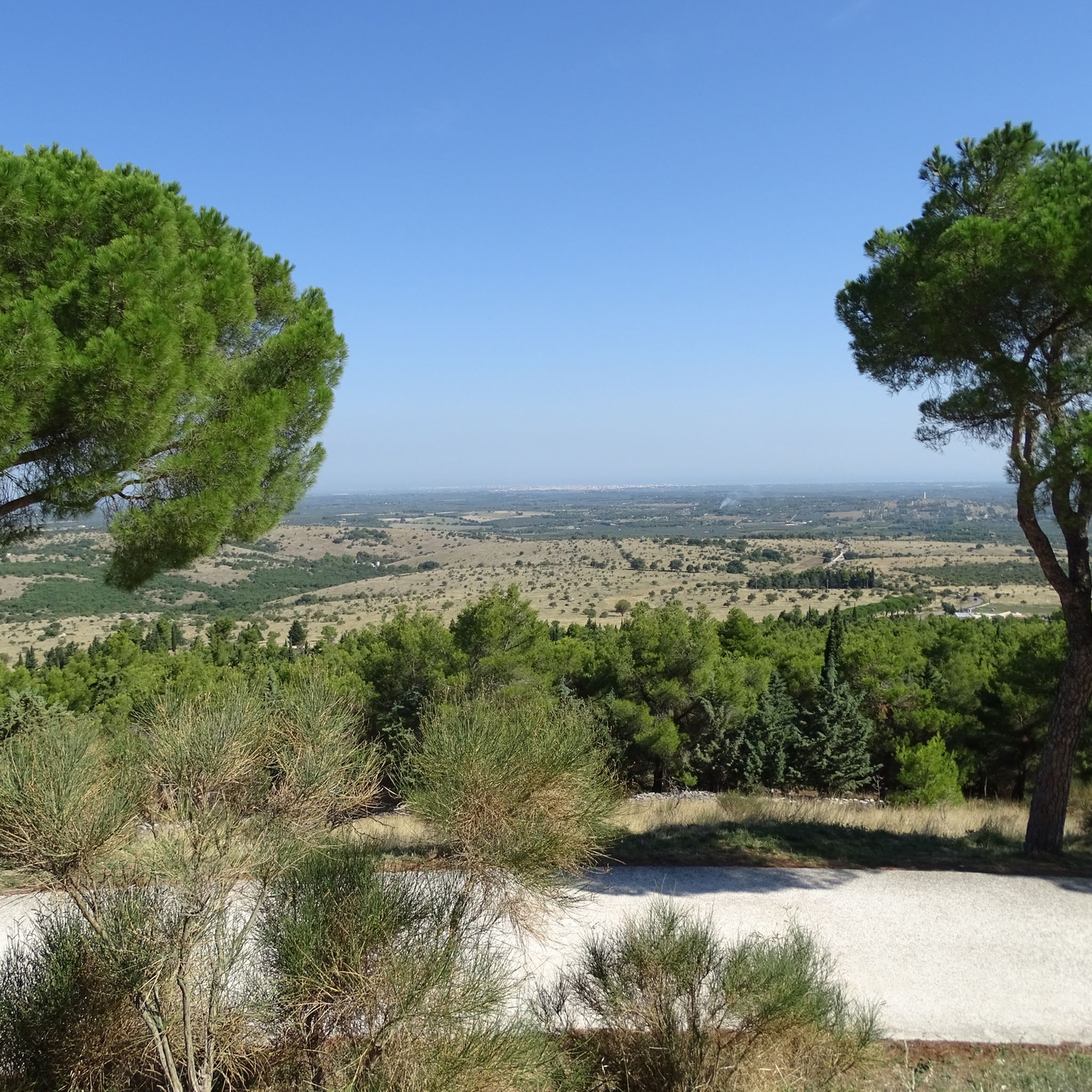
Scoparella Forest
Highlight • Forest
It takes its name from the presence of brooms, a plant …
Translated by Google •
Tip by

Port of Trani
Highlight • Structure
Translated by Google •
Tip by
Monastero di Colonna
Highlight • Religious Site
Translated by Google •
Tip by

Sign up for free to discover even more attractions around Andria.
Already have an account?
Start today with a free account
Your next adventure awaits.

Tips from the Community

It's nice when the fishing boats come in. Many buyers are already waiting at the harbor.
2
0

The Basilica Cattedrale di Santa Maria Assunta (Basilica of the Assumption of Mary) in Trani, commonly known as the Basilica di San Nicola Pellegrino (Basilica of Saint Nicholas the Pilgrim), is the cathedral of the Archdiocese of Trani-Barletta-Bisceglie. The building is a double church with a crypt. Beneath the upper church, dedicated to Saint Nicholas the Pilgrim, are the lower church of Santa Maria della Scala and the hall crypt, also dedicated to this saint. San Nicola Pellegrino is one of the Norman churches in Apulia and stands directly on the sea. Source: https://de.m.wikipedia.org/wiki/Kathedrale_von_Trani The crypt is particularly worth seeing.
3
0


At the end of the Sant'Antonio Pier there is the lighthouse.
0
0

The most prominent building in the panorama of Trani is the famous Cathedral (Cattedrale di San Nicola Pellegrino). The bright cathedral, built around 1000 years ago, is made of the city's typical stone and stands in a very prominent location.
3
0

Small climb and visit to the overflow
0
0

The cathedral of Trani is commonly known as the Cathedral of San Nicola Pellegrino (its official name would be the Cathedral Basilica of Santa Maria Assunta) and is one of the most beautiful in the area. Construction work on the Romanesque basilica began in 1099 and it was consecrated in 1143.
3
0
The cathedral of Trani is commonly known as the Cathedral of San Nicola Pellegrino (its official name would be the Cathedral Basilica of Santa Maria Assunta) and is one of the most beautiful in the area. Construction work on the Romanesque-style basilica began in 1099 and it was consecrated in 1143.
6
0
Frequently Asked Questions
What historical sites can I explore in and around Andria?
Andria is rich in history. You can visit the iconic Castel del Monte, a UNESCO World Heritage site known for its unique octagonal shape. Other notable historical sites include the Andria Cathedral with its ancient crypt, the historic center of Andria with its charming narrow streets, and the ruins of Rocca del Garagnone within the Alta Murgia National Park. The nearby Archaeological Site of Cannae also offers a glimpse into ancient history.
Are there any significant religious buildings to visit in the area?
Yes, the region features several impressive religious sites. The Andria Cathedral (Cattedrale di Santa Maria Assunta) is a beautiful example of Apulian Romanesque architecture. Just outside the city, the Sanctuary of the Madonna dei Miracoli is a significant pilgrimage site. Further afield, the Trani Cathedral (Cathedral of Saint Nicholas the Pilgrim) is a stunning example of Apulian Romanesque architecture, often called 'the Queen of the Cathedrals of Puglia'.
What natural attractions are there near Andria?
Andria is surrounded by diverse natural landscapes. The Alta Murgia National Park, which encompasses the area, offers suggestive landscapes, unique karst topography, and diverse habitats. Within the park, you can explore the Scoparella Forest, primarily composed of downy oak. For a different natural experience, the Saline di Margherita di Savoia, Italy's largest saltworks, is a protected natural area known for its birdlife, including flamingos.
Are there opportunities for hiking or cycling around Andria?
Absolutely! The area around Andria, particularly within the Alta Murgia National Park, offers excellent opportunities for outdoor activities. You can find various routes for cycling, gravel biking, and running. For example, there are challenging cycling routes like the 'Castel del Monte – Castel del Monte loop from Andria Sud' and running trails such as the 'Trail Castel del Monte – loop in nature'. You can explore more options on the Cycling around Andria, Running Trails around Andria, and Gravel biking around Andria guide pages.
What is the best time to visit Andria and its attractions?
The best time to visit Andria and its surrounding attractions is typically during the spring (April to June) and autumn (September to October). During these months, the weather is pleasant for exploring historical sites and engaging in outdoor activities, avoiding the intense heat of summer and the cooler, potentially wetter, winter months.
Are there any family-friendly attractions in Andria?
Many of Andria's main attractions are suitable for families. Castel del Monte, with its fascinating history and unique architecture, can be an engaging visit for children. The Trani Cathedral is also considered family-friendly. Exploring the historic center of Andria and enjoying the Marano Public Gardens can also be pleasant activities for families.
What cultural experiences can I find in Andria beyond historical buildings?
Beyond its historical architecture, Andria offers unique cultural experiences. The Museo del Confetto Mucci Giovanni provides a fascinating insight into the history and production of traditional 'confetto' (sugared almonds), a local confectionery specialty. Strolling through the charming, maze-like streets of the Historic Center of Andria also offers a glimpse into local life and culture.
Is public transport available to reach attractions like Castel del Monte?
While public transport options exist, reaching some attractions like Castel del Monte can be more convenient by car or organized tour, especially given its location on a hill within the Alta Murgia National Park. For specific routes and schedules, it's advisable to check local transport information upon arrival in Andria.
What are some lesser-known or 'hidden gems' near Andria?
Beyond the most famous sites, consider exploring the Rocca del Garagnone, ancient castle ruins nestled in the heart of the Alta Murgia National Park, offering a sense of discovery and impressive views. The Sanctuary of the Madonna dei Miracoli, with its complex of three churches, also provides a deeper dive into local religious history and art.
What do visitors enjoy most about the attractions around Andria?
Visitors frequently praise the unique architecture and historical significance of sites like Castel del Monte, often highlighting its well-preserved state and the panoramic views it offers. The natural beauty of the Alta Murgia National Park, including the Scoparella Forest, is also highly appreciated for its tranquility and opportunities for outdoor exploration. The stunning coastal location and Romanesque architecture of the Trani Cathedral also receive significant acclaim.
Are there any viewpoints offering scenic vistas near Andria?
Yes, several locations offer scenic views. Castel del Monte, situated on a hill, provides spectacular panoramic views of the Apulian countryside. The ruins of Rocca del Garagnone also offer commanding vistas over the Alta Murgia National Park. The general landscape of the Alta Murgia, with its gentle limestone hills covered in olive trees and vineyards, provides numerous picturesque spots.
Most popular attractions around Andria

Get inspired with the komoot mobile app


Explore more
Still not found the Highlight you’re looking for? See guides of the top attractions in other regions:
