The best running trails around San Vitaliano
4.8
(8)
868
runners
79
runs
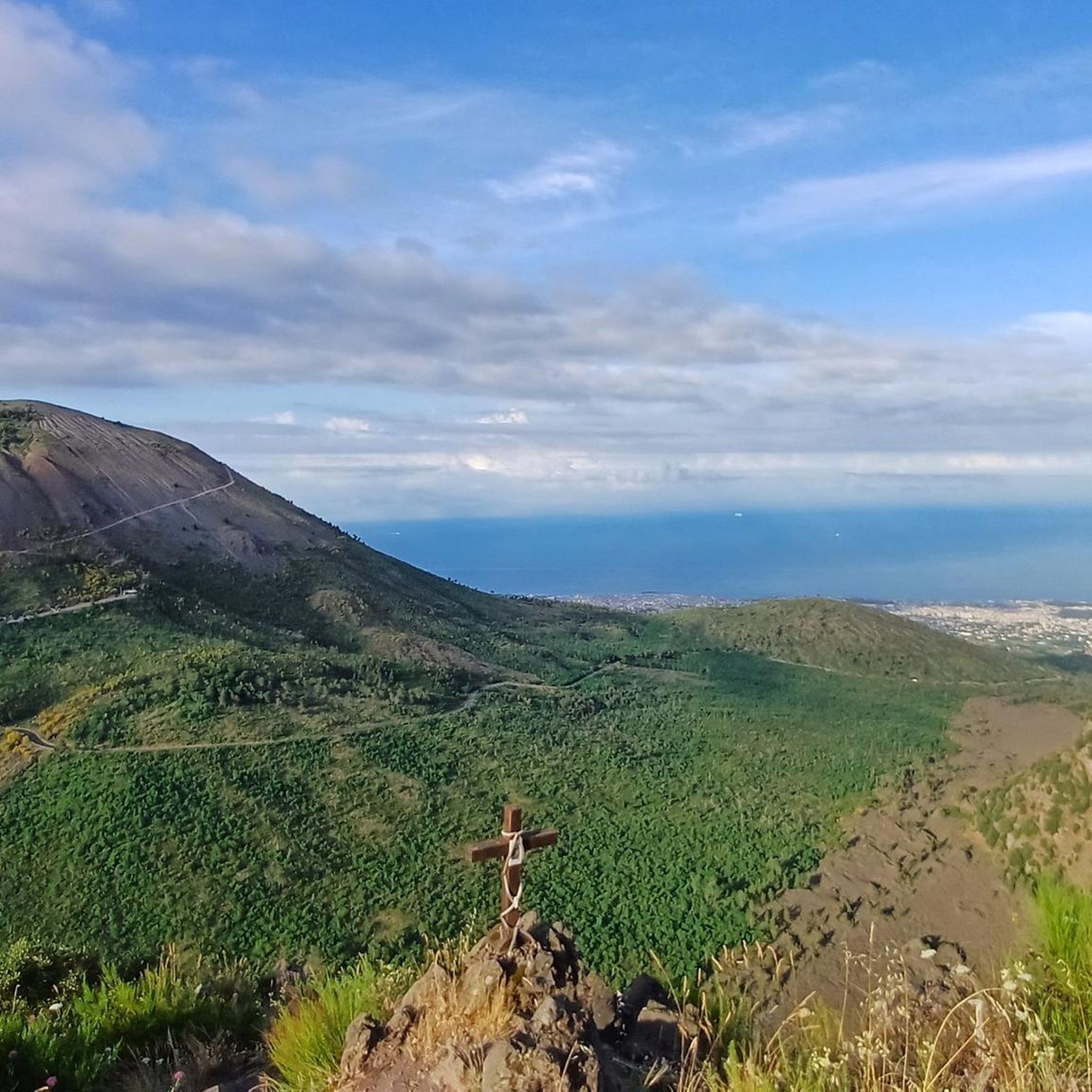
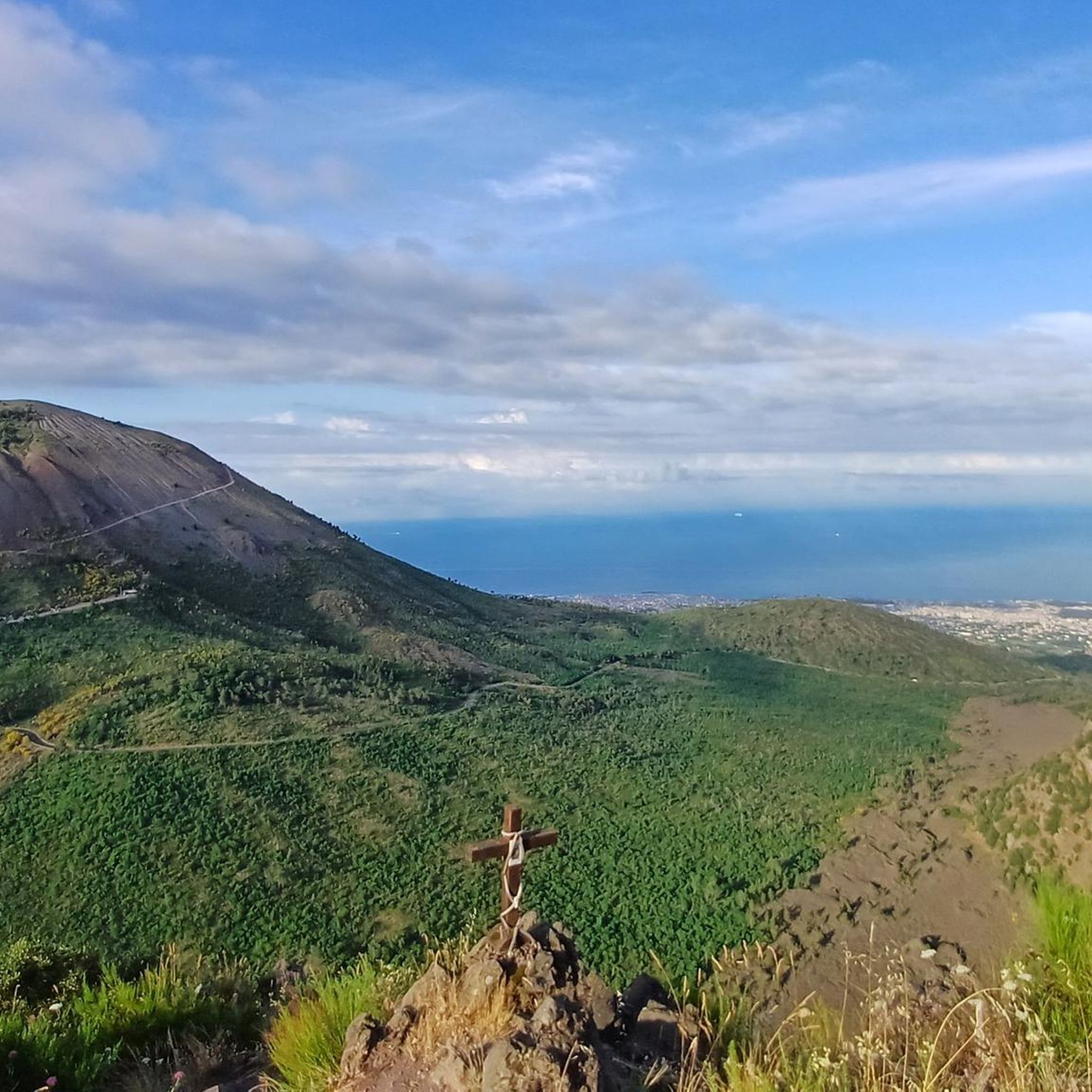
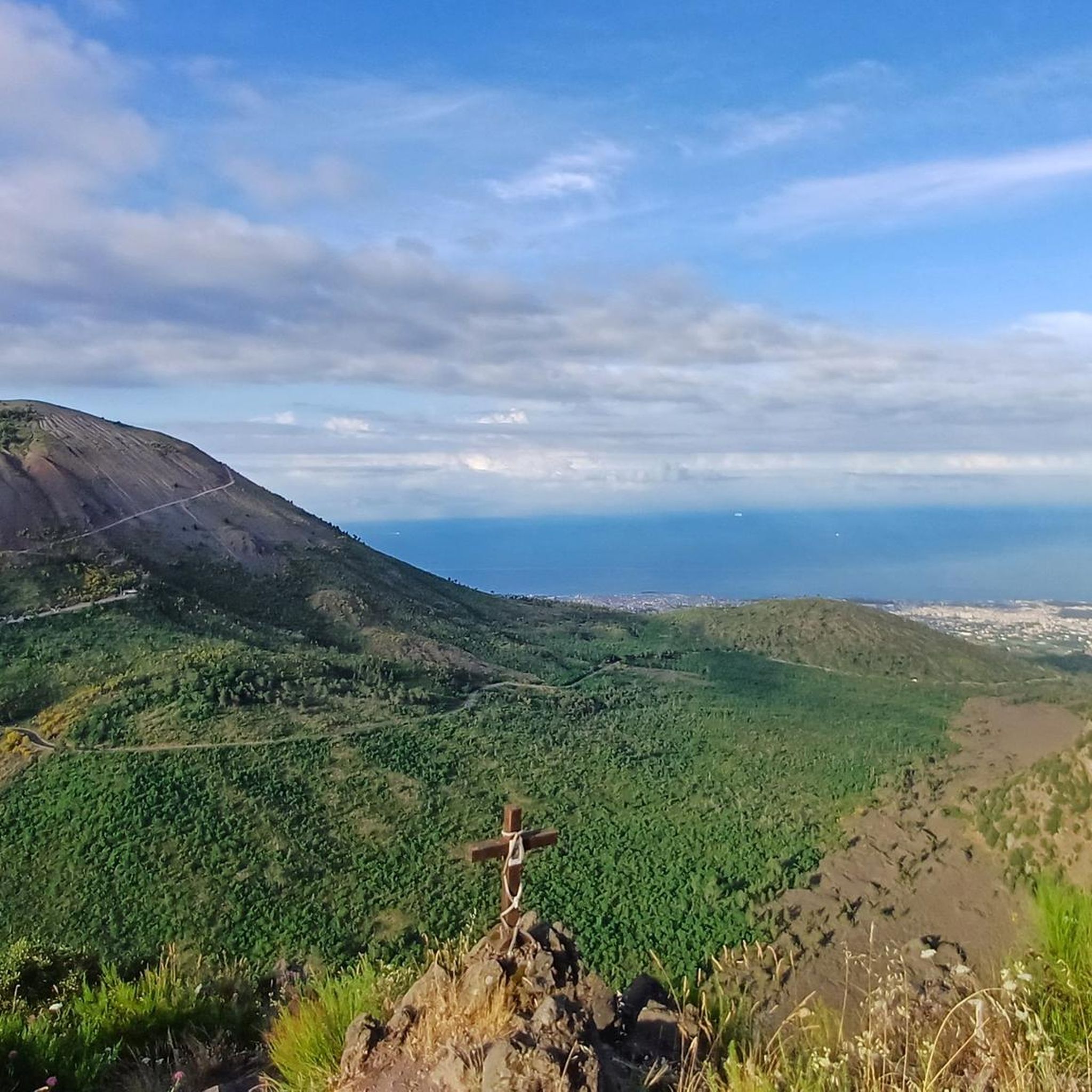
Jogging around San Vitaliano offers access to diverse landscapes within the Metropolitan City of Naples, particularly those influenced by the nearby Vesuvius National Park. The region features varied terrain, including pine forests, mesophilous forests with chestnut and holm oak, and areas of scrubland. Paths can range from asphalted sections to dirt trails, providing different surfaces for runners. These natural features contribute to a dynamic environment for running, often accompanied by panoramic views of the Somma-Vesuvius area.
Best jogging routes around…
Last updated: July 8, 2026
4.0
(1)
6
runners
10.2km
01:03
20m
20m
Moderate run. Good fitness required. Mostly paved surfaces. Suitable for all skill levels.
10
runners
Hard run. Very good fitness required. Mostly paved surfaces. Suitable for all skill levels.

Sign up for free
6
runners
12.0km
01:14
40m
40m
Moderate run. Good fitness required. Mostly paved surfaces. Suitable for all skill levels.
8
runners
Hard run. Very good fitness required. Mostly paved surfaces. Suitable for all skill levels.
3
runners
7.59km
00:47
10m
10m
Moderate run. Good fitness required. Mostly paved surfaces. Suitable for all skill levels.
Get access to more routes and recommendations from other explorers.
Sign up for free
Already have an account?
Our route recommendations are based on thousands of hikes, rides, and runs completed by other people on komoot.
Start today with a free account
Your next adventure awaits.
Login or Signup

Tips from the Community

TO visit, it is still possible to climb up one of the 4 towers for a view over the entire valley
1
0

at night towards san michele, watch out for wild boars
0
0

This castle was wanted by Tommaso II d'Aquino. Over the years it was the home of nobles, such as the Sicilian kings, but later also of brigands.
2
0

The ruins of the castle are very impressive and are worth a visit. Too bad for the very poor enhancement of the site that deserves a better fate ...
6
0
The castle of Matinale, or Rudovaco, is a castle in Cancello, a hamlet of the municipality of S. Felice a Cancello, in the province of Caserta. It stands on an elevation that dominates the entrance to the Suessola valley. The construction of the Castle is attributed to Thomas II Aquinas, Count of Acerra. [....] According to local tradition, an original Lombard fortification from the 9th century was the work of a certain Rudovaco and passed upon his death to the Count of Acerra, Cullezio. He wanted to connect his castle of Acerra to that of Cancello with an underground route, causing the ruin of the western side and was unable to carry out the restoration following his death in battle. The castle was later restored or rebuilt by the Norman Ramperto and again by the Mattaloni counts in the 12th century. The castle hosted the kings of Sicily William the Evil (1131-1166) and Manfred of Swabia (1232-1266) and the dukes of Rebursa and again, in the Angevin era, King Ladislaus I and the Carafa in the Aragonese era. In the 15th century it was abandoned, having lost its military function. [....] It was donated at the beginning of the twentieth century by the D'Aquino family, princes of Caramanico, to Baron Giovanni Barracco. During the Second World War it hosted the Allied command in 1943. The castle has a square plan with square corner towers and a fifth tower on the north-west side to protect a postern. The tallest tower measures 20 m high. Splayed windows open in the towers and on the walls. The structures are in uncertain masonry, with corners in ashlar blocks, with wide smooth edges, over 7 m in height. The thickness of the masonry reaches approximately 2.5 m in the towers. The main access portal opens on the south-west side, near one of the towers, and has a double archivolt in white limestone blocks, with the sliding channel for the closing portcullis, and an external smooth ashlar display with an upper profile spearheaded (similar to the portals of the Norman-Swabian castles of Bari and Gioia del Colle). Inside it was divided into four two-storey wings around a courtyard, with rooms with various roofs (acute barrel vaults, cross vaults or wooden vaults on arches). Currently only the south-eastern wing is preserved. https://fondoambiente.it/luoghi/castello-del-matinale?ldc
16
0

The castle of Matinale, or Rudovaco castle, is a castle of Cancello, a fraction of the municipality of San Felice a Cancello, in the province of Caserta. It stands on an elevation overlooking the entrance to the Suessola valley. The construction of the castle of Matinale is attributed to Tommaso II d'Aquino, count of Acerra, on the occasion of his wedding with Margherita di Svevia, illegitimate daughter of Emperor Frederick II, a wedding which took place before 1247. The bride's dowry included the fiefdom di Suessola, to which the Cancello hamlet also belonged. According to local tradition [2] an original Lombard fortification of the ninth century would have been the work of a certain Rudovaco and would have passed on to his death to the count of Acerra, Cullezio. He wanted to join his castle of Acerra to that of Cancello with an underground route, causing the ruin of the western side and was unable to restore it following his death in battle. The castle was later restored or rebuilt by the Norman Ramperto and again by the Mattaloni counts in the 12th century. The castle hosted the kings of Sicily Guglielmo il Malo (1131-1166) and Manfredi di Svevia (1232-1266) and the Dukes of Rebursa and again, in the Angevin period, King Ladislao I and the Carafa in the Aragonese period. In the 15th century it was abandoned, having lost its military function. It was the seat of an inn and probably housed an archpriest church dedicated to St. Thomas the Apostle. In 1799 the French general Jean Étienne Championnet established his headquarters there and later became a den of brigands. It was donated at the beginning of the twentieth century by the D'Aquino family, princes of Caramanico, to the baron Giovanni Barracco. During the Second World War it hosted the allied command in 1943.
26
0

The castle of Matinale, or castle of Rudovaco, is a castle of Cancello, a fraction of the municipality of San Felice a Cancello, in the province of Caserta. It stands on an elevation overlooking the entrance to the Suessola valley.
16
0

well-made and well-maintained routes
10
0
Frequently Asked Questions
How many running routes are available around San Vitaliano?
There are over 60 running routes available around San Vitaliano, offering a wide variety of options for different preferences and fitness levels.
What kind of terrain can I expect on the running trails near San Vitaliano?
The running trails around San Vitaliano offer diverse terrain, influenced by the nearby Vesuvius National Park. You can expect a mix of pine forests, mesophilous forests with chestnut and holm oak, and areas of scrubland. Paths can range from asphalted sections to dirt trails, providing varied surfaces for runners.
Are there options for different fitness levels, from beginners to experienced runners?
Yes, the routes cater to various abilities. There are 3 easy routes perfect for beginners, 47 moderate routes for those looking for a good workout, and 15 difficult routes for experienced runners seeking a challenge.
What natural features or scenic views can I expect while jogging near San Vitaliano?
Jogging near San Vitaliano offers opportunities to experience the diverse landscapes of the Vesuvius National Park. You can enjoy panoramic views of the Somma-Vesuvius area and the Vesuvian hinterland. Some trails wind through shady chestnut groves, and you might even encounter suggestive paths like those leading to Cognoli Summit and Valle dell'Inferno, offering immersive natural experiences.
Are there any specific landmarks or points of interest along the running routes?
While the routes focus on natural beauty, you can find interesting points nearby. For instance, the Sanctuary of Sant'Angelo a Palombara is a notable religious building, and you can find viewpoints like the Panoramic Viewpoint with Benches in Parco Regionale del Partenio, offering great vistas.
What do other runners enjoy the most about jogging in San Vitaliano?
The running routes around San Vitaliano are highly rated by the komoot community, with an average score of 5.0 stars from over 4 reviews. Runners often praise the varied terrain, the natural surroundings, and the opportunity to explore the landscapes influenced by Mount Vesuvius.
Are there any circular running routes available in the area?
Yes, many of the popular running routes around San Vitaliano are circular. For example, the Running loop from Marigliano and the Running loop from San Vitaliano are both well-liked circular options.
Can I find longer running trails for endurance training?
Absolutely. For those looking for longer distances, routes like the Running loop from Scisciano offer a challenging 9.8 miles (15.7 km) trail, perfect for endurance training through local agricultural and natural areas.
Is San Vitaliano a good base for exploring other natural parks or historical sites after a run?
San Vitaliano's location makes it an excellent base. It's close to the diverse trails of Vesuvius National Park. Additionally, world-renowned archaeological parks like Pompeii and Herculaneum, and other regional parks such as Parco Regionale del Partenio, are within reach for further exploration.
What is the typical duration for a running route in San Vitaliano?
The duration varies greatly depending on the route's length and your pace. For instance, a moderate route like the Running loop from Marigliano typically takes about 41 minutes, while longer trails can take over an hour and a half.
Are there any routes that offer views of the wider region, including Mount Vesuvius?
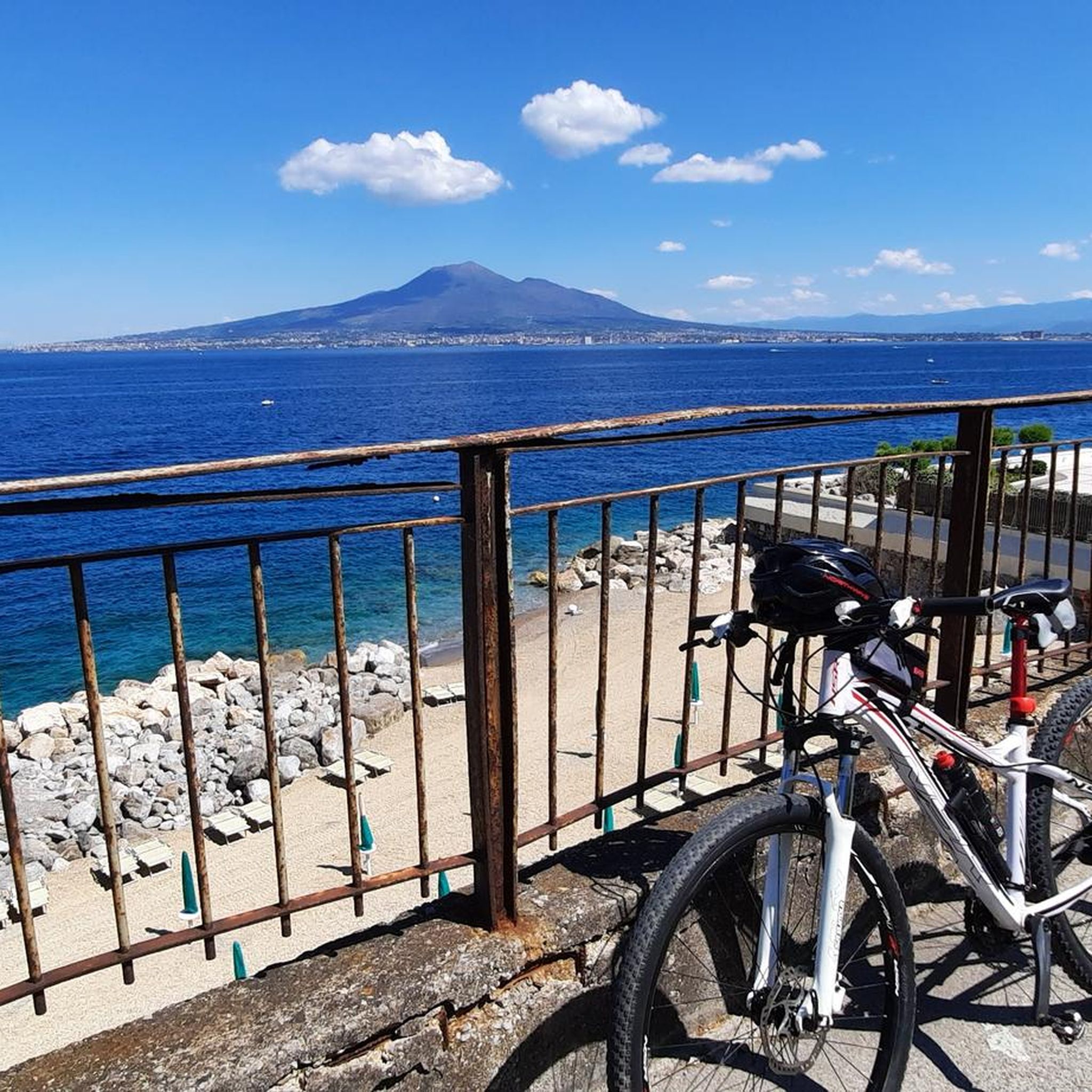
Many trails in the area, particularly those within or near the Vesuvius National Park, provide stunning panoramic views of the Somma-Vesuvius area and the surrounding Vesuvian hinterland, allowing you to appreciate the iconic volcano from various perspectives.
Most popular routes around San Vitaliano
Most popular attractions around San Vitaliano

Get inspired with the komoot mobile app


Explore more
Browse the best Running Trails & Routes in other regions.
