Attractions and Places To See around Banzi - Top 13
Best attractions and places to see around Banzi include historical sites, medieval landmarks, and natural features. This town in the Basilicata region of southern Italy offers a blend of ancient history and cultural sites. The surrounding area provides opportunities to explore mountainous and hilly landscapes, with scenic rural roads and rolling hills. Banzi is known for its historical significance, including Roman remains and Norman-built castles.
Best attractions and places to see around Banzi
- The most popular attractions is Scenic rural…
Last updated: August 17, 2026
Monteserico Castle
Highlight • Castle
Translated by Google •
Tip by

Palazzo San Gervasio
Highlight • Settlement
Translated by Google •
Tip by

Sign up now to discover places like this
Get recommendations on the best single tracks, peaks, & plenty of other exciting outdoor places.
Sign up for free
Chapel of Our Lady of Monteserico
Highlight • Religious Site
Translated by Google •
Tip by

Scenic rural road through rolling hills
Highlight • Trail
Translated by Google •
Tip by

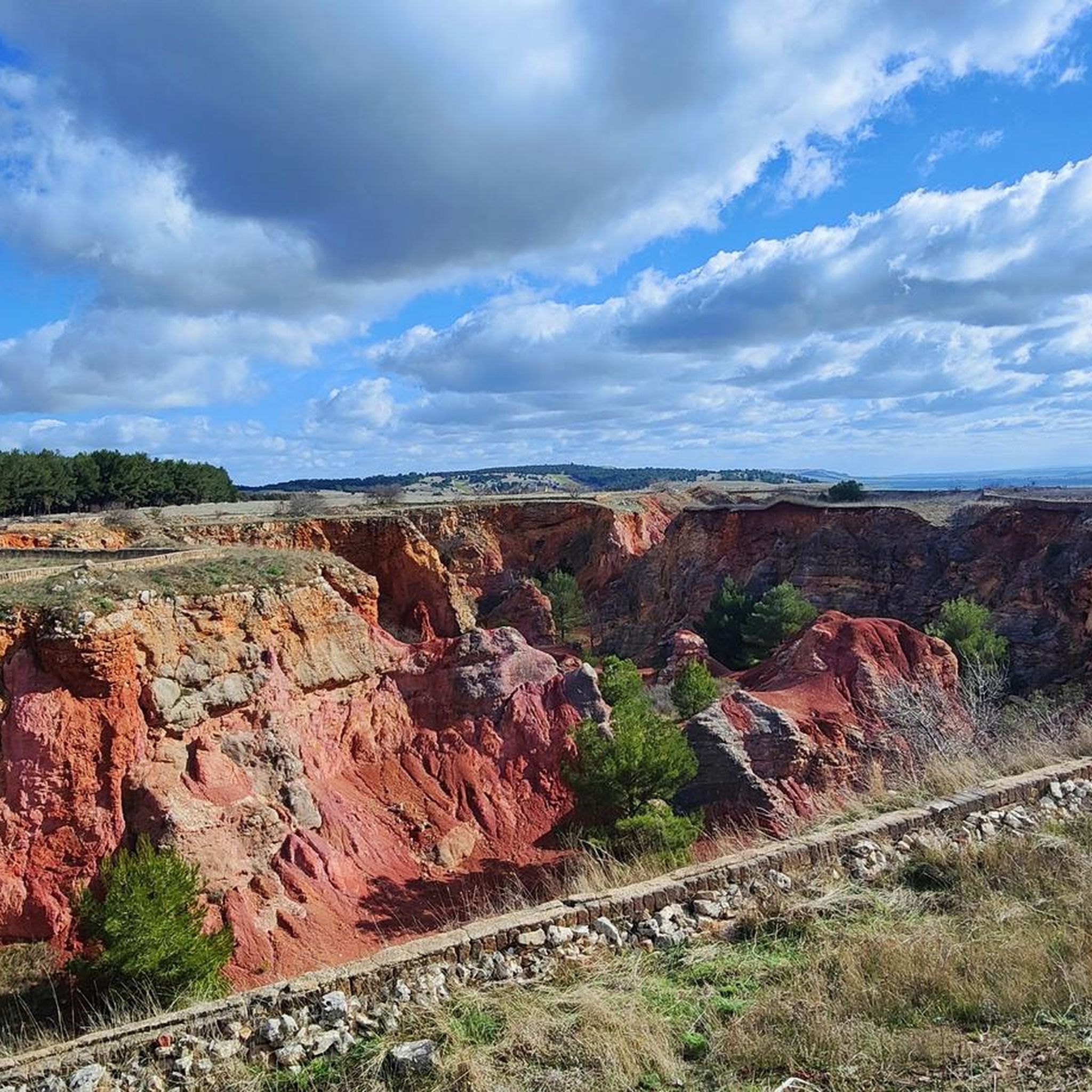
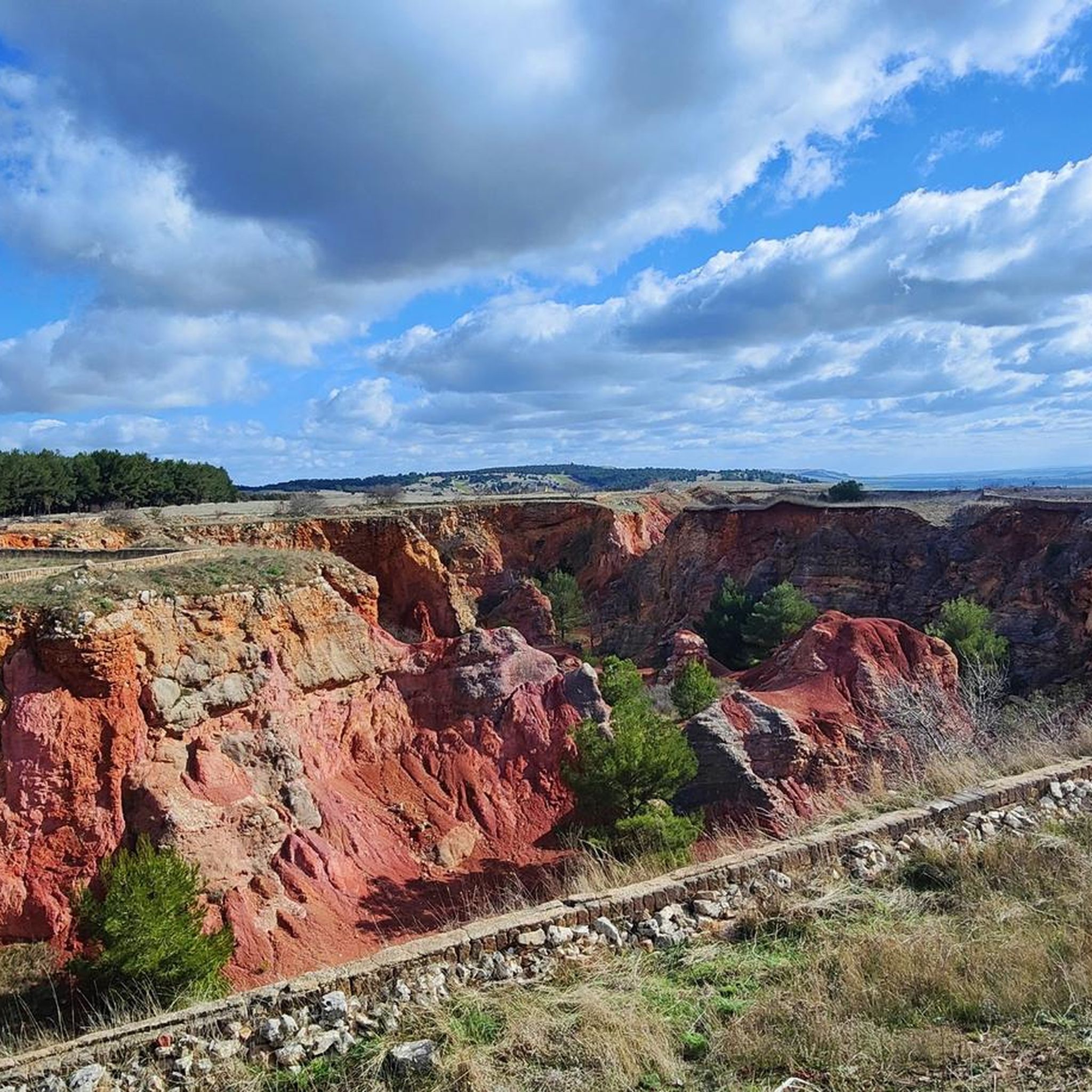
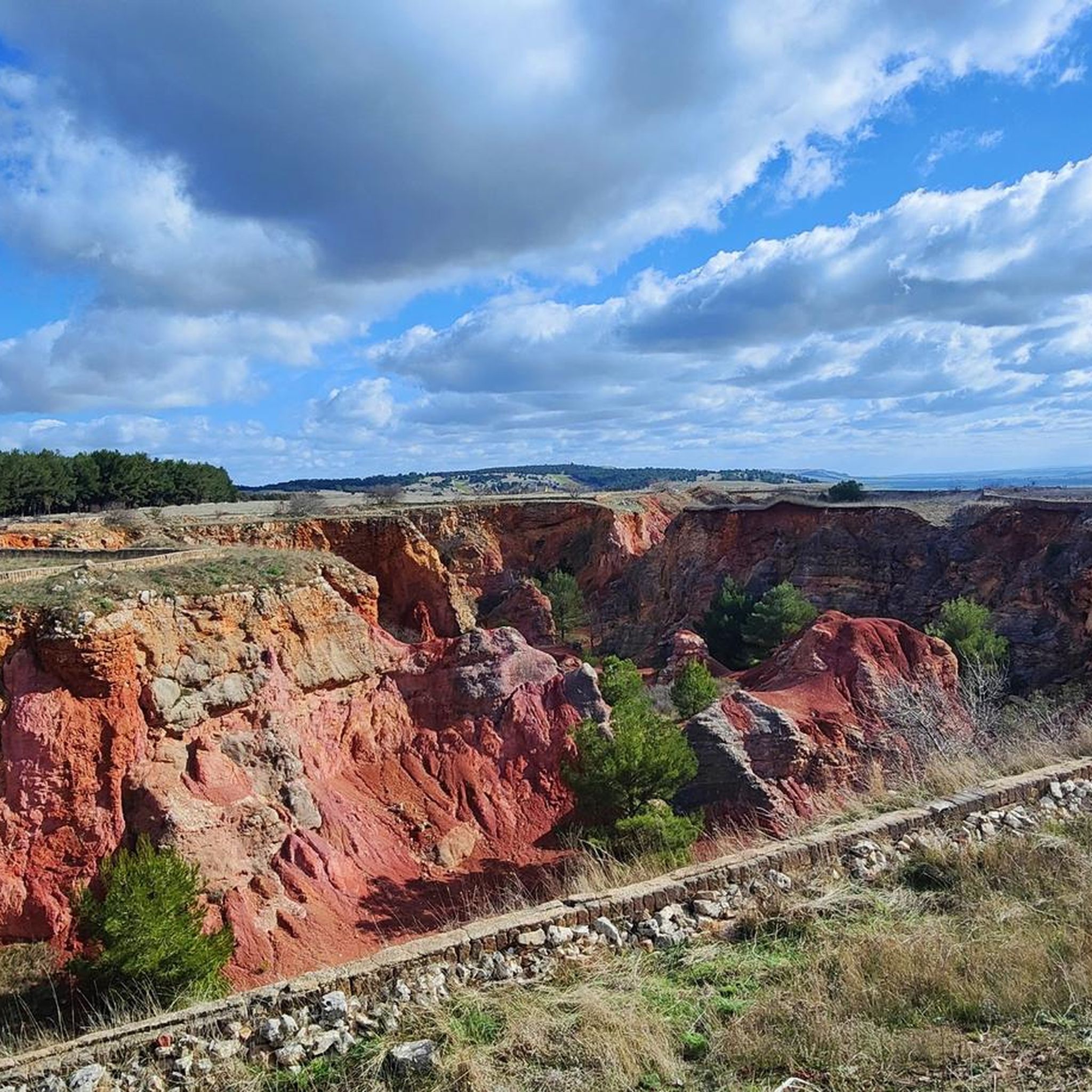
Bauxite Mine of Alta Murgia
Highlight • Historical Site
Translated by Google •
Tip by

Sign up for free to discover even more attractions around Banzi.
Sign up for free
Already have an account?
Start today with a free account
Your next adventure awaits.
Login or Signup



Tips from the Community

The Chapel of the Madonna di Monteserico, located on the esplanade of the ancient castle, is a small rural sanctuary linked to the local popular devotion. Once the hub of the village's religious life, it housed an image of the Virgin believed to be miraculous, and even today, Mass is celebrated there once a year in her honor.
0
0

One of the best Woods in this area
1
0

Signs of the history of bauxite ore exploitation
1
0

Palazzo San Gervasio, a small town in the province of Potenza, is immersed in the lush nature of Basilicata and rich in history. Probably founded around 1050, it is known for its historic waters and for being one of the first to join the Neapolitan Republic in 1799. Here is also the characteristic mother church of "San Nicola", a splendid example of Apulian Romanesque architecture from the Nineteenth century.
0
0

Of the ancient village, only the small church remains today, not far from the castle, dedicated to the Madonna. The castle of Monteserico belonged in the following centuries to various local noble lords. From the 17th to the end of the 18th century, it was owned by the Genoese Grimaldi dei Doria and some descendants of the Sancia family. It remained abandoned, therefore, for more than half a century, until in 1857 it was purchased by local barons, the dell’Agli-Cetti, when, however, it had already become an uninhabitable place.
2
0
The manor is accessed via a ramp paved with cobblestones. After the entrance portal, you enter a square courtyard that separates the keep from the external mass that encloses it. Originally the entrance was located exactly on the opposite side to the current one, opened only in recent times (19th century), and consisted of an ogival door with stone frames. The ground floor plan is divided into two parts with an arch supporting a pointed barrel vault. The two upper floors are accessed via a spiral staircase.
2
0
Around 980, Otto II, after invading Puglia, ordered that defense posts be created at the borders of the occupied regions, also to serve as supply points for the planned expedition to Calabria. The Castle was then transformed into a fortress.
2
0
Frequently Asked Questions
What historical sites can I explore in and around Banzi?
Banzi is rich in history. You can visit the Norman-built Monteserico Castle, which served as a crucial defensive system and was later restored by the Swabians. Other significant historical sites include the Santa Maria Abbey, the ruins of medieval town walls and a 12th-century square tower, and the Archaeological Park preserving Roman and Hellenistic remains of ancient Bantia. Don't miss the Roman site in Cervarezza and the Castle in the Arioso locality.
Are there any notable religious buildings in the Banzi area?
Yes, Banzi features several historical religious buildings. These include the Santa Maria Abbey, founded by Benedictine monks in the 8th century, the Chapel of Our Lady of Monteserico located near the castle, the 16th-century S. Gerardo Church, the 13th-century Mother Church of S. Maria Maggiore, and the Franciscan Convent. The Madonna of Monteforte Sanctuary, founded in the 12th century, also features a Byzantine-influenced fresco.
What natural features or viewpoints can I discover near Banzi?
The region around Banzi offers beautiful natural landscapes. You can experience the quiet beauty of the Scenic rural road through rolling hills, which offers contemplative views with only agricultural traffic. Another popular spot is the Endless Fields of Basilicata, a viewpoint offering expansive views where the only sound is the wheels on dirt roads. Additionally, the Fonte Nocella, identified as the Fons Bandusiae mentioned by Horace, is a small wellspring located two kilometers from Banzi.
What kind of outdoor activities can I do around Banzi?
The lush nature of Basilicata surrounding Banzi provides excellent opportunities for outdoor activities. You can explore various routes for running, road cycling, and general cycling. For running, consider routes like the 'Running loop from Palazzo San Gervasio' or 'Lago Frontetusio loop from Palazzo San Gervasio'. Cyclists can enjoy challenging routes such as 'Palazzo San Gervasio, Maschito, Fore' or 'Roman Bridge – Bauxite Mines of Spinazzola loop from Spinazzola'. Find more details on these activities in the dedicated guides for Running Trails around Banzi, Road Cycling Routes around Banzi, and Cycling around Banzi.
Are there any family-friendly attractions or towns to visit near Banzi?
Yes, the town of Palazzo San Gervasio is considered family-friendly. It's a small town immersed in the nature of Basilicata, rich in history, and known for its historic waters and the characteristic mother church of 'San Nicola', a splendid example of Apulian Romanesque architecture.
What is the significance of Monteserico Castle?
The Monteserico Castle is a Norman-built fortress located atop Monte Serico. It was a crucial defensive system and a battleground between Normans and Byzantines. In the Middle Ages, it also served as a refuge for Basilian monks and experienced its maximum splendor under the Swabians, with Frederick II reportedly staying there. Architecturally, it's a classic example of medieval design with a truncated cone shape, a central quadrangular tower, and a moat.
What is the Archaeological Park in Banzi known for?
The Archaeological Park in Banzi preserves Roman remains of ancient Bantia, along with foundations from the Hellenistic period. Banzi, known as Bantia in antiquity, is also famous as the discovery site of the Tabula Bantina in 1793, a bronze tablet containing fragments of the ancient Oscan language and Roman laws.
What do visitors enjoy most about the attractions around Banzi?
Visitors particularly appreciate the historical depth and the serene natural beauty of the area. The contemplative views from the Scenic rural road through rolling hills and the expansive vistas from the Endless Fields of Basilicata are highly rated for their quiet and immersive experience. The historical significance of sites like Monteserico Castle also draws considerable interest.
Are there any specific cycling routes recommended near Banzi?
Yes, the area around Banzi is great for cycling. For road cycling, you can try the 'Palazzo San Gervasio – Genzano di Lucania loop from Genzano di Lucania' which is a moderate 52.75 km route. For touring bicycles, a challenging 62.38 km route is the 'Genzano di Lucania – Monteserico Castle loop from Genzano'. You can find more cycling options and details in the Cycling around Banzi guide.
What is the Chapel of Our Lady of Monteserico?
The Chapel of Our Lady of Monteserico is a small rural sanctuary located on the esplanade of the ancient Monteserico Castle. It holds significant local popular devotion, once housing a miraculous image of the Virgin. Even today, Mass is celebrated there annually, continuing a long-standing tradition.
Can I find any ancient Roman connections in Banzi?
Absolutely. Banzi, known as Bantia in antiquity, has strong Roman connections. The Archaeological Park preserves Roman remains, and the famous Tabula Bantina, a bronze tablet with Oscan language and Roman laws, was discovered here. Additionally, the Roman poet Horace mentioned the Fons Bandusiae, identified as the Fonte Nocella, a small wellspring near Banzi.

Get inspired with the komoot mobile app


Explore more
Still not found the Highlight you’re looking for? See guides of the top attractions in other regions:
