Attractions and Places To See around San Gennaro Vesuviano - Top 20
Best attractions and places to see around San Gennaro Vesuviano offer a blend of historical sites, cultural experiences, and natural features. Situated at the eastern base of Mount Vesuvius in the Metropolitan City of Naples, the town serves as a gateway to exploring the broader Campania region. Visitors can find ancient Roman remains, significant religious buildings, and access to iconic volcanic landscapes. The area provides diverse opportunities for exploration, from archaeological parks to scenic summits.
Best attractions and places to…
Last updated: July 6, 2026
Crater of Mount Vesuvius
Highlight • Volcano
Translated by Google •
Tip by

Villa of the Mysteries
Highlight • Historical Site
Translated by Google •
Tip by

Sign up now to discover places like this
Get recommendations on the best single tracks, peaks, & plenty of other exciting outdoor places.
Sign up for free
Shrine of Our Lady of the Rosary of Pompei
Highlight • Religious Site
Translated by Google •
Tip by

Interior of the Pontifical Shrine of the Blessed Virgin of the Rosary of Pompei
Highlight • Religious Site
Translated by Google •
Tip by

Cognoli Summit and Valle dell'Inferno
Highlight • Summit
Translated by Google •
Tip by

Sign up for free to discover even more attractions around San Gennaro Vesuviano.
Sign up for free
Already have an account?
Start today with a free account
Your next adventure awaits.
Login or Signup
Tips from the Community

The Sanctuary of the Blessed Virgin of the Holy Rosary of Pompei is an important Catholic place of worship located in Pompei. It is dedicated to the Madonna of the Rosary and is one of the most important Marian shrines in the world. It was founded by Bartolo Longo in 1876, on land donated by Countess Marianna De Lellis di Palma. Inside there are wonderful frescoes of great artistic importance.
0
0

The "big" ticket for Pompeii is worth it! It includes access to two villas that aren't accessible with the express ticket, but are definitely worth it.
0
0

The splendor of colors is overwhelming. If it weren't for Katharina, I would have walked past it today.
0
0


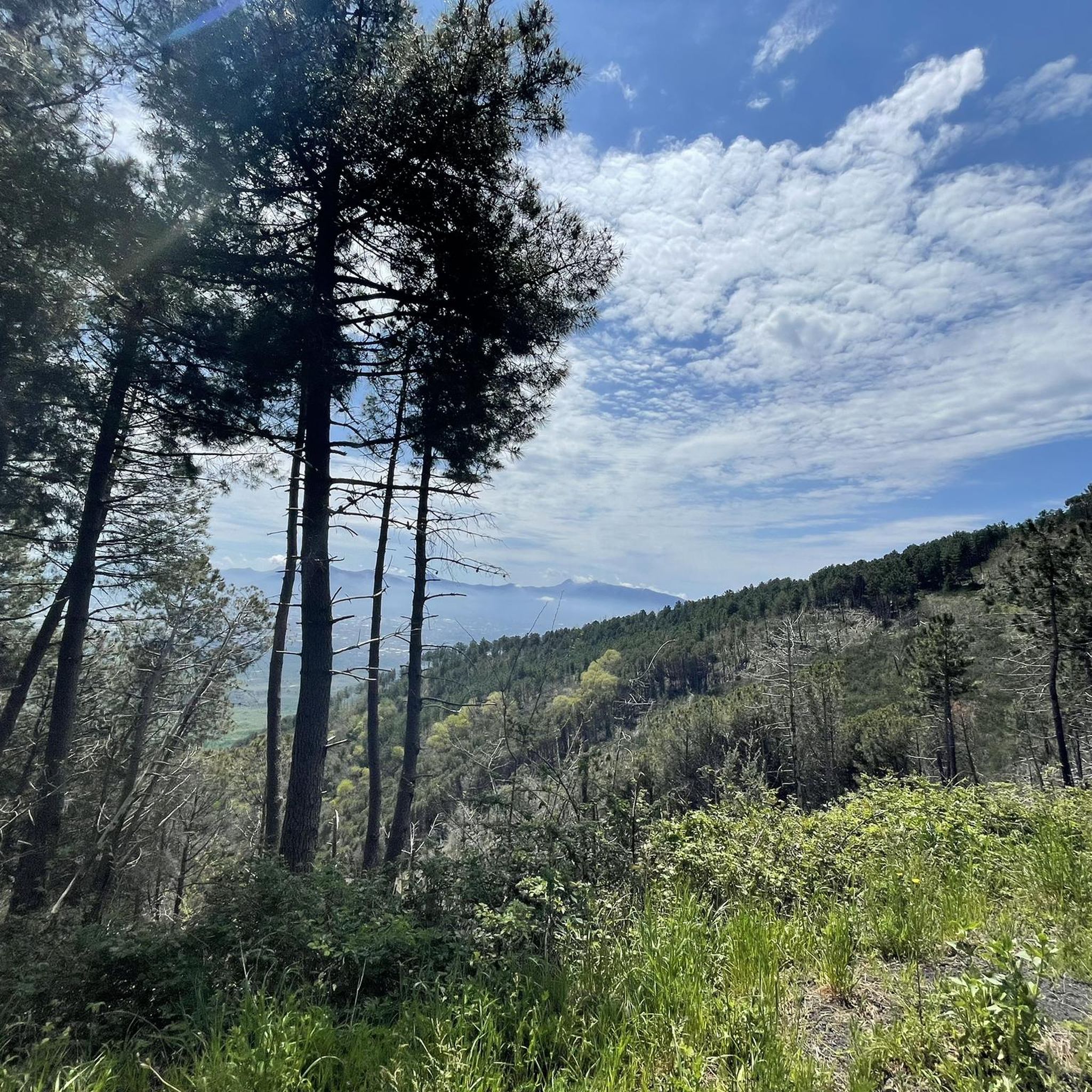
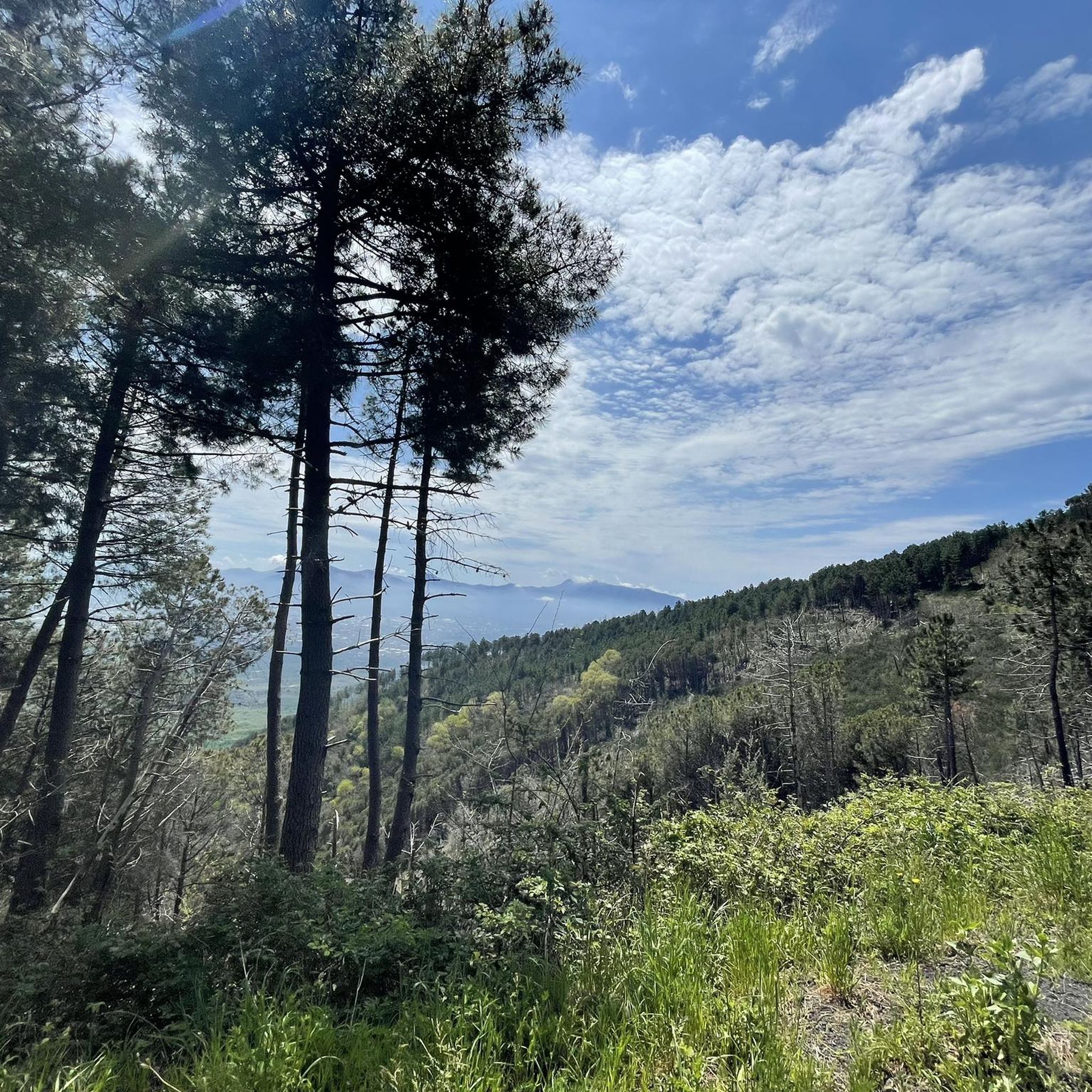
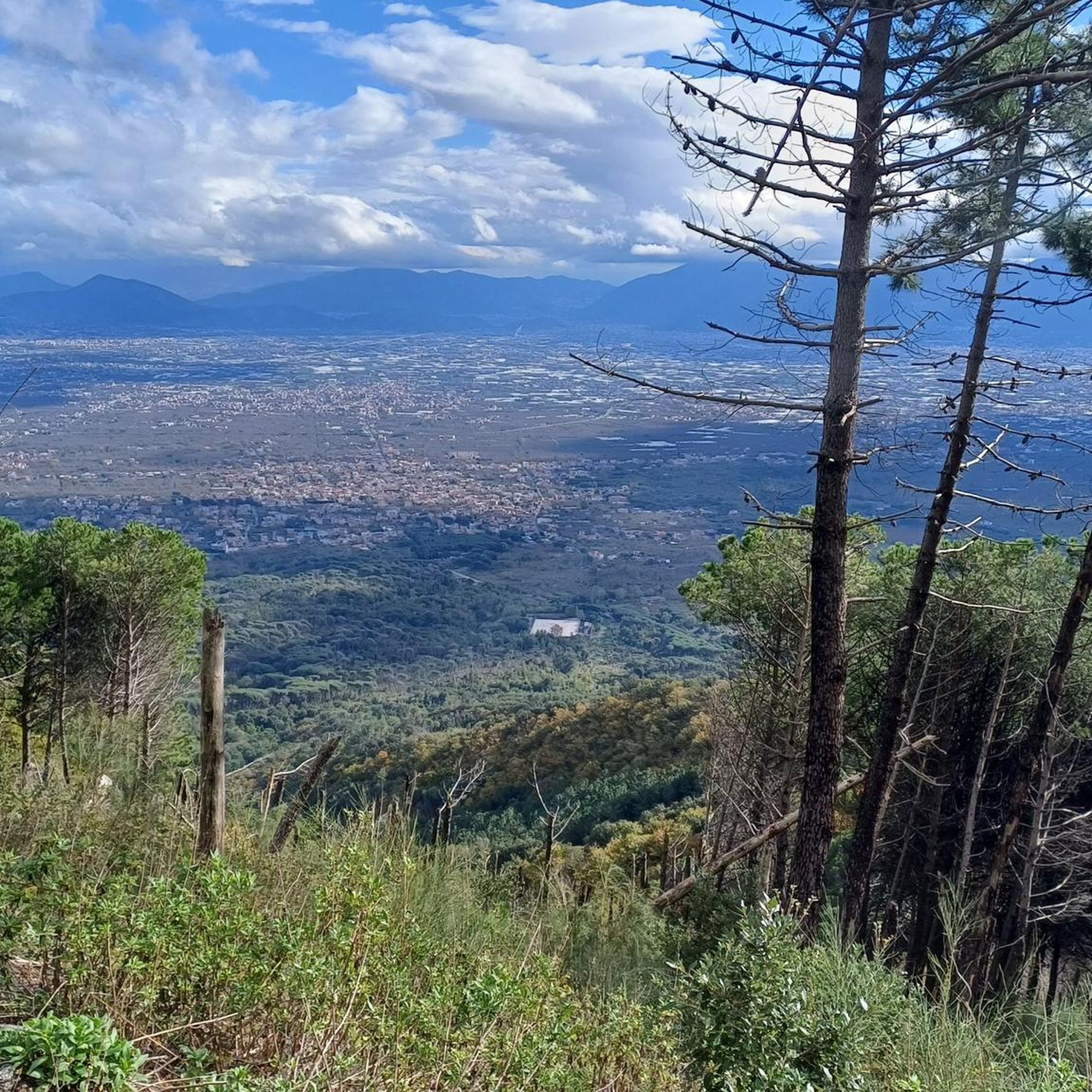
The very panoramic itinerary allows you to enjoy the most suggestive and wild scenery of Somma-Vesuvius, crossing forest environments, scrubland up to bare lava rock. The starting point is located along the road that from the Medici Palace of Ottaviano continues towards the volcanic complex. A barrier prohibiting vehicular traffic marks the beginning of the route, the first stretch of the path, common with path no. 1, winds along asphalted hairpin bends, and then turns into a dirt path. The plant landscape consists initially of a thick pine forest of stone pine and then in a mesophilous forest, with essences such as chestnut, Neapolitan alder, Neapolitan maple, holm oak, black locust. Among the nesting birds, the minute lesser spotted woodpecker, rare and localized in Campania, has only recently colonized the Vesuvius Park. After more than 1 km of walking on a steep climb you reach Largo Angelo Prisco dedicated to the young financier murdered by poachers in 1995 which represents the closest destination. From the Largo, path no. 1 branches off to the left, while the itinerary continues on the right on a slight climb, entering, between twists and turns, into a shady chestnut grove where the numerous species of mushrooms present give off an intense and pleasant fragrance.
0
0


The Rosary Basilica faces north. The choir and transept arms end with round apses. Above the crossing is a dome with a high drum, surrounded by four side domes. The facade to the south and the 80 m high campanile, completed in 1925, with a publicly accessible viewing platform, are richly structured and decorated with statues. The side aisles are divided into chapels with their own flat domes and apses; the chapel ring at the choir has the same design. The interior of the church is richly decorated with mosaics, frescoes and sculptures, thematically revolving around the mysteries of the rosary.
3
0

That of the Blessed Virgin Mary of the Holy Rosary is one of the most important sanctuaries in Italy.
0
0
Frequently Asked Questions
What historical sites can I visit near San Gennaro Vesuviano?
San Gennaro Vesuviano is a great base for exploring significant historical sites. You can visit the Villa of the Mysteries, a well-preserved Roman villa on the outskirts of Pompeii famous for its frescoes. The world-renowned Pompeii Archaeological Park and Herculaneum Archaeological Park, both buried by Vesuvius, are also easily accessible. Within San Gennaro Vesuviano itself, you can find remains of the Augustean Aqueduct and the Sepulchre of Neronio Rufo.
Are there any natural attractions or viewpoints around San Gennaro Vesuviano?
Absolutely. The region is dominated by Mount Vesuvius. You can hike to the Crater of Mount Vesuvius, an active volcano offering impressive views. Another excellent natural viewpoint is Cognoli Summit and Valle dell'Inferno, which provides panoramic views of the Somma-Vesuvius landscape, crossing forests and lava rock.
What religious buildings are worth visiting in the area?
The Interior of the Pontifical Shrine of the Blessed Virgin of the Rosary of Pompei and the Shrine of Our Lady of the Rosary of Pompei are highly significant. This major Catholic worship site in Pompeii is known for its elaborate decorations and religious importance, attracting millions of visitors annually. In San Gennaro Vesuviano, you can also visit the historic Church of the Franciscans and the Parish Church of San Gioacchino.
What outdoor activities can I do near San Gennaro Vesuviano?
The area offers diverse outdoor activities, especially around Mount Vesuvius and the surrounding national parks. You can find numerous running trails, including challenging routes like the "Trail to Cognoli di Ottaviano – View of Mount Vesuvius' crater loop." For mountain biking enthusiasts, there are difficult MTB trails such as the "Tribucchi Forest Ranger Station – Salita delle Pezze loop." Gravel biking is also popular, with routes like the "Singletrack to Strada Matrone – Stone Mask Sculpture loop." You can explore more options on the running trails guide, MTB trails guide, and gravel biking guide for the region.
Are there family-friendly attractions around San Gennaro Vesuviano?
Yes, several attractions are suitable for families. The Shrine of Our Lady of the Rosary of Pompei is marked as family-friendly and offers a rich cultural experience. Exploring the archaeological parks of Pompeii and Herculaneum can also be an educational and engaging experience for older children, bringing ancient history to life.
What do visitors enjoy most about the attractions near San Gennaro Vesuviano?
Visitors frequently praise the impressive natural beauty and historical significance of the area. The Crater of Mount Vesuvius is often described as a mystical and awe-inspiring experience. The Villa of the Mysteries is highlighted for its well-preserved frescoes, offering a unique glimpse into ancient Roman life. The panoramic views from summits like Cognoli Summit are also highly appreciated.
Can I hike on Mount Vesuvius from San Gennaro Vesuviano?
Yes, San Gennaro Vesuviano is located at the eastern base of Mount Vesuvius, making it an excellent starting point for exploring the volcano. You can hike up to the Crater of Mount Vesuvius. The Vesuvius National Park offers various trails, including the scenic and wild landscapes found around Cognoli Summit and Valle dell'Inferno.
What are some lesser-known natural parks in the region?
Beyond Vesuvius National Park, you can explore other beautiful natural areas. The Parco Regionale Monti Picentini, located east of Naples, is known for its valleys and walking paths. The Parco Regionale del Partenio features extensive chestnut woods and a protected oasis, offering a different natural experience.
Is the Shrine of Our Lady of the Rosary of Pompei accessible?
Yes, the Shrine of Our Lady of the Rosary of Pompei is noted as wheelchair accessible, making it an inclusive destination for visitors. It also features a publicly accessible viewing platform on its 80-meter high campanile, offering panoramic views.
What is the best time to visit the attractions around San Gennaro Vesuviano?
The spring (April-May) and autumn (September-October) months generally offer the most pleasant weather for exploring the outdoor attractions like Mount Vesuvius and the archaeological parks. Temperatures are milder, and the crowds are typically smaller than in the peak summer months. Always check local weather forecasts before planning your visit, especially for hikes.
Are there any ancient Roman engineering marvels to see?
Yes, within San Gennaro Vesuviano, you can find the remains of the Augustean Aqueduct, which stands as a testament to ancient Roman engineering. This provides a glimpse into the sophisticated infrastructure of the Roman Empire in the region.
Most popular routes around San Gennaro Vesuviano
Most popular attractions around San Gennaro Vesuviano

Get inspired with the komoot mobile app


Explore more
Still not found the Highlight you’re looking for? See guides of the top attractions in other regions:
