The best road cycling routes around Ottaviano
4.3
(565)
8,993
riders
203
rides
Road cycling around Ottaviano offers diverse terrain at the foot of Mount Vesuvius in the Campania region of Italy. The landscape is characterized by volcanic slopes, varied elevation changes, and views across the Bay of Naples. Routes often traverse the Vesuvius National Park, providing a mix of paved and unpaved surfaces. This area presents options for both moderate and challenging road cycling experiences.
Best road cycling routes around Ottaviano
- The most popular road cycling route is Palazzo Mediceo di Ottaviano…
Last updated: September 1, 2026
5.0
(1)
76
riders
63.2km
02:39
280m
280m
Moderate road ride. Good fitness required. Some segments of this route may be unpaved and difficult to ride.
5.0
(2)
58
riders
40.8km
01:52
390m
390m
Moderate road ride. Good fitness required. Mostly well-paved surfaces and easy to ride.

Sign up for free
44
riders
61.3km
02:46
560m
560m
Moderate road ride. Good fitness required. Some segments of this route may be unpaved and difficult to ride.
22
riders
83.7km
03:32
550m
550m
Moderate road ride. Good fitness required. Some segments of this route may be unpaved and difficult to ride.
3.0
(1)
43
riders
64.8km
03:08
810m
810m
Moderate road ride. Good fitness required. Mostly well-paved surfaces and easy to ride.
Get access to more routes and recommendations from other explorers.
Sign up for free
Already have an account?
Our route recommendations are based on thousands of hikes, rides, and runs completed by other people on komoot.
Start today with a free account
Your next adventure awaits.
Login or Signup
Tips from the Community

The Carolino Aqueduct (also known as Vanvitelli's Aqueduct) is a monumental engineering work designed by Luigi Vanvitelli to supply the Royal Palace of Caserta, its fountains, gardens, and the nearby industrial complex of San Leucio. Inaugurated in 1762 after 9 years of work, the aqueduct draws water from the Fizzo springs in the territory of Airola and winds for about 38 kilometers, much of which is underground. In 1997 it was included in the UNESCO World Heritage list along with the Palace and the Belvedere of San Leucio.
1
0

Wonderful aqueduct built by Vanvitelli to bring water to the Royal Palace of Caserta
1
0

The Palazzo Mediceo is a historic structure built in the Lombard era before the year 1000 in Ottaviano, a municipality in the province of Naples, and later belonged to a branch of the Florentine Medici family. In the second half of the 20th century it ended up in the hands of the Camorra, and was then returned to the city of Ottaviano in 1995. From the garden you can enjoy a beautiful view of the nearby Parish of San Michele Arcangelo. From November to April it is open from Thursday to Sunday from 10 am to 1 pm and from 2 pm to 5 pm. From May to October it is open from Monday to Friday from 10 am to 1 pm and from 4 pm to 8 pm. On Saturday and Sunday instead from 11 am to 2 pm and from 4 pm to 8 pm. During this period it hosts beautiful Christmas markets in the evening, with shows and various related initiatives.
0
0

A beautiful, high-lying castle with a charming park all around. The administration of the Vesuvio National Park is located in the gatehouse at the entrance.
2
0

Town of over 30,000 inhabitants, Nola was the birthplace of the philosopher Giordano Bruno and is also known for the popular Catholic tradition called the "Festa dei Ligli".
2
0

Hydraulic engineering work from the 1700s
0
0

The municipality of Avella is famous for the cultivation of hazelnuts, the name of the city derives from this peculiarity since in Latin the fruit of the hazelnut is called nux avellana.
1
0

Pedaling on the state road, you pass right under the imposing 18th century Carolino Aqueduct. It was used to bring water to the Royal Palace of Caserta from the Fizzo springs, today it is no longer in use and has been a UNESCO World Heritage Site since 1997 together with the Royal Palace of Caserta and the San Leucio complex.
2
0
Frequently Asked Questions
What kind of terrain can I expect on road cycling routes around Ottaviano?
Road cycling around Ottaviano offers a diverse landscape characterized by the volcanic slopes of Mount Vesuvius. You'll encounter varied elevation changes, from moderate climbs to challenging ascents, with routes often traversing the Vesuvius National Park. The terrain includes both paved and unpaved surfaces, providing a dynamic cycling experience.
Are there road cycling routes suitable for beginners in Ottaviano?
Yes, Ottaviano offers several road cycling routes suitable for beginners. For instance, the Bar Bellini – View of Rio Palazzo loop from San Leonardo is an easy 27.8-mile (44.7 km) path with minimal elevation gain, perfect for those new to road cycling in the area. Overall, there are 4 easy routes available.
What are some challenging road cycling routes for experienced riders in Ottaviano?
Experienced road cyclists looking for a challenge will find routes with significant elevation gains. The Hill Ride – View of the Gulf of Naples loop from Ottaviano, for example, is a difficult 29.6-mile (47.6 km) trail with nearly 940 meters of ascent, offering panoramic views. There are 2 difficult routes in total, providing demanding climbs and descents.
What natural features and viewpoints can I see while road cycling in Ottaviano?
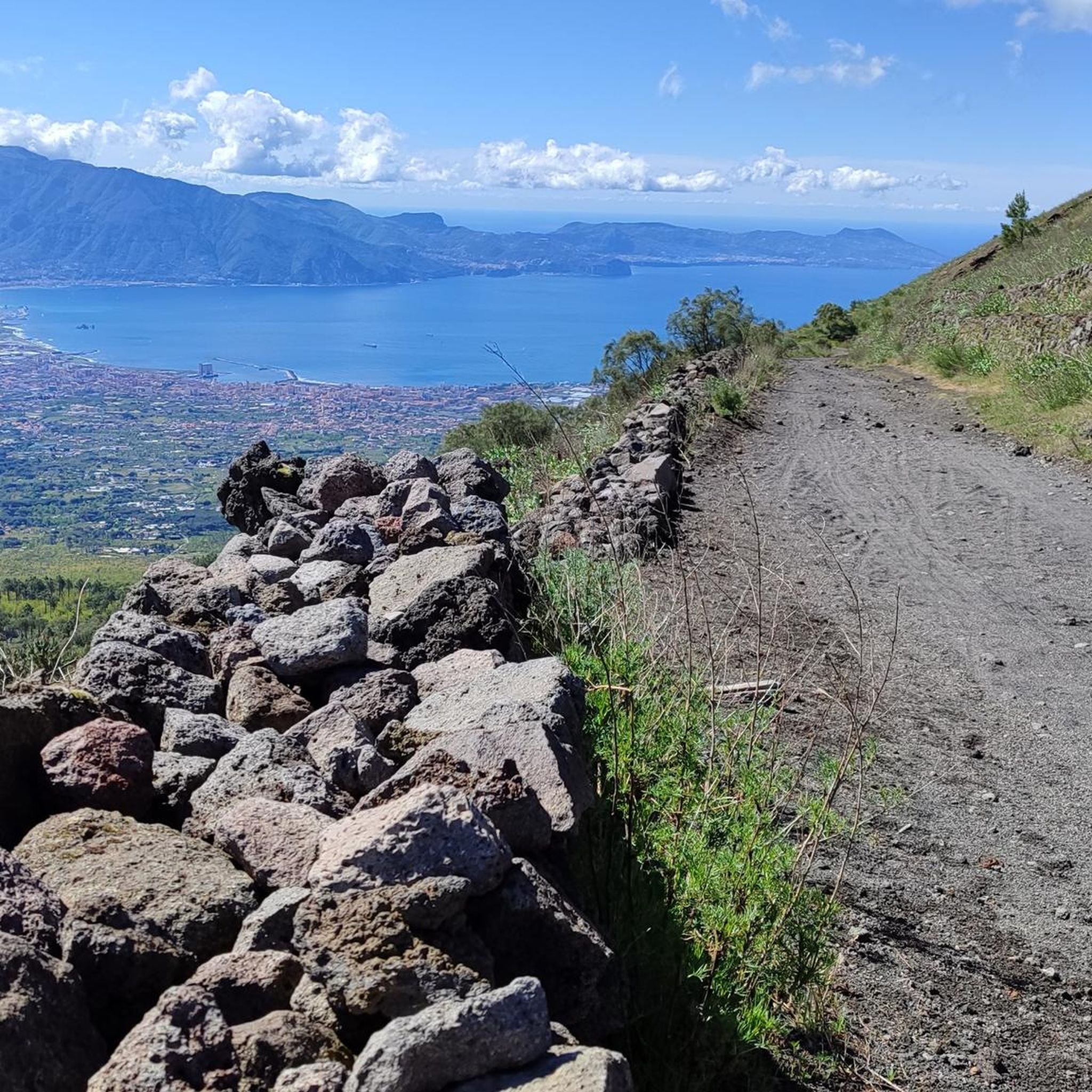
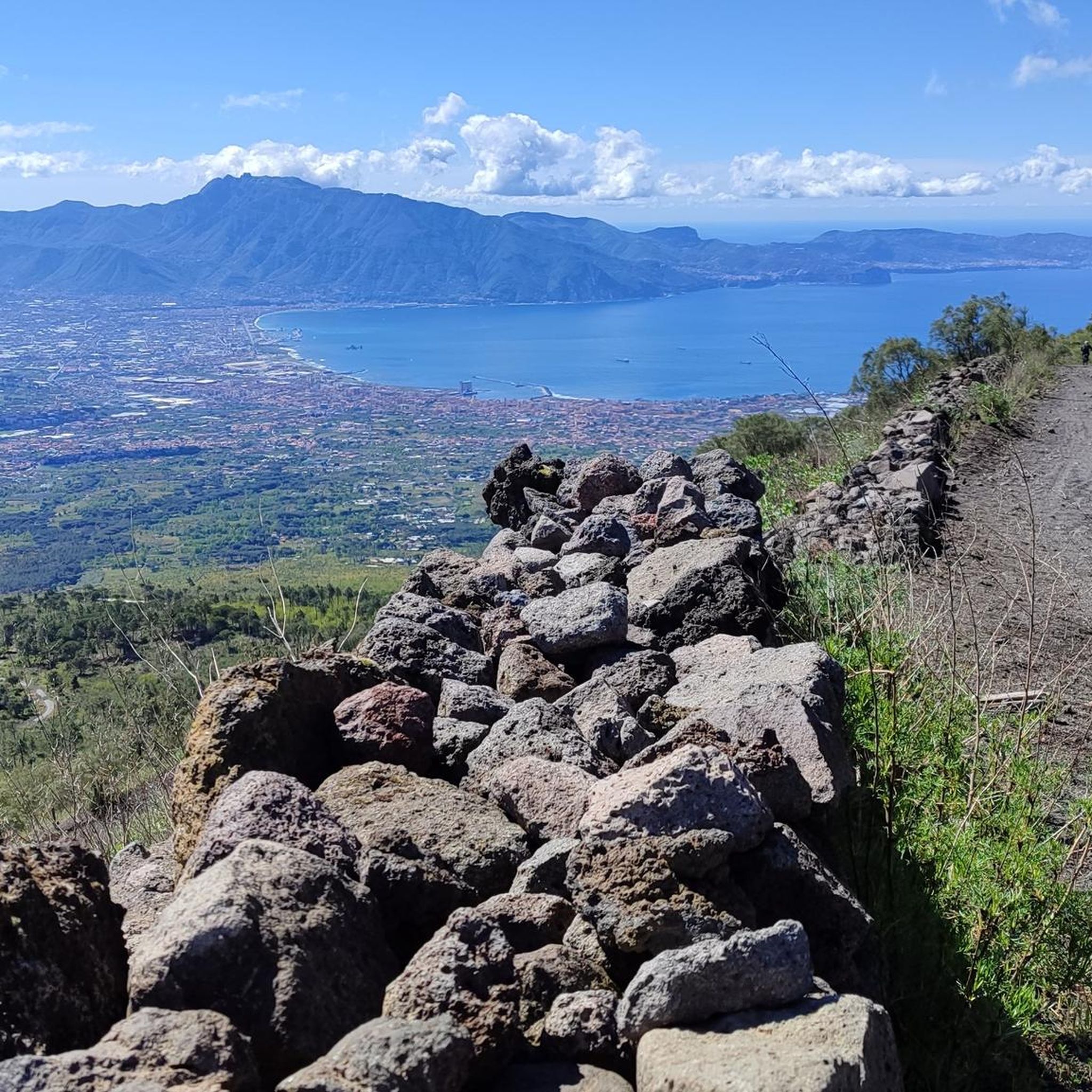
The most prominent natural feature is the majestic Mount Vesuvius, which forms a dramatic backdrop to many routes. Cyclists can enjoy stunning panoramic views from the volcano's slopes and across the beautiful Bay of Naples. Routes often lead into the Vesuvius National Park, an area rich in unique ecosystems and geological formations. You can even visit the Crater of Mount Vesuvius.
Are there any historical or cultural landmarks along the road cycling routes?
Yes, Ottaviano and its surroundings are rich in historical and cultural sites. The Palazzo Mediceo di Ottaviano loop from Ottaviano passes by the historic Medicean Palace. Additionally, the region is close to world-renowned archaeological sites like the Pompeii Forum and Herculaneum Excavations, offering opportunities to explore ancient history.
What is the best time of year for road cycling in Ottaviano?
Ottaviano's Mediterranean climate generally offers pleasant conditions for road cycling for much of the year. Spring and autumn typically provide mild temperatures and less rainfall, making them ideal. Summer can be hot, especially in July and August, so early morning or late afternoon rides are recommended. Winters are generally mild but can have more unpredictable weather.
Are there any circular road cycling routes in Ottaviano?
Yes, many of the road cycling routes around Ottaviano are designed as loops, allowing you to start and end in the same location. Examples include the Palazzo Mediceo di Ottaviano loop from Ottaviano and the Bar Bellini – View of Rio Palazzo loop from San Leonardo, providing convenient round trips.
What do other road cyclists say about the routes in Ottaviano?
The road cycling routes in Ottaviano are highly rated by the komoot community, with an average score of 4.2 stars from over 250 reviews. More than 3,500 road cyclists have used komoot to explore the varied terrain, often praising the unique experience of cycling on the slopes of Mount Vesuvius and the stunning views of the Bay of Naples.
Are there options for long-distance road cycling routes near Ottaviano?
For those seeking longer distances, routes like the Cetara and the Angioina Tower – View of the Agro Sarnese loop from San Leonardo offer a substantial ride of over 112 km with significant elevation gain, extending your exploration beyond the immediate vicinity of Ottaviano.
Is it possible to access road cycling routes using public transport in Ottaviano?
Ottaviano is connected by local public transport, which can help access various starting points for routes. While specific public transport options directly to every trailhead may vary, the town itself serves as a good base. It's advisable to check local bus or train schedules for connections to specific areas or villages where routes begin.
Are there places to eat or drink along the road cycling routes in Ottaviano?
While specific cafes directly on every route may vary, Ottaviano and the surrounding towns and villages offer numerous opportunities for refreshments. Many routes pass through or near populated areas where you can find local cafes, restaurants, and shops to refuel and experience local cuisine.
What are the typical elevation gains on road cycling routes in Ottaviano?
The elevation gains on road cycling routes around Ottaviano vary significantly, reflecting the diverse terrain at the foot of Mount Vesuvius. Easy routes might have around 200-300 meters of ascent, while moderate routes can feature 400-500 meters. Challenging routes, such as the Hill Ride – View of the Gulf of Naples loop from Ottaviano, can involve nearly 940 meters of climbing, and longer, more difficult tours can exceed 2,000 meters.
Most popular attractions around Ottaviano

Get inspired with the komoot mobile app


Explore more
Browse the best Road cycling routes in other regions.
