Attractions and Places To See around Oppido Lucano - Top 14
Best attractions and places to see around Oppido Lucano include a mix of historical, cultural, and natural sites. Situated on a panoramic hill overlooking the Alto Bradano, the area is surrounded by vineyards and olive groves. The region features significant Roman archaeological sites and medieval architecture, alongside natural features like Monte Montrone and the Bradano River. This landscape offers diverse exploration opportunities.
Best attractions and places to see around Oppido Lucano
- The most popular attractions is Monteserico Castle, a…
Last updated: July 7, 2026
Vaglio Basilicata
Highlight • Settlement
Translated by Google •
Tip by

Monteserico Castle
Highlight • Castle
Translated by Google •
Tip by

Sign up now to discover places like this
Get recommendations on the best single tracks, peaks, & plenty of other exciting outdoor places.
Sign up for free
Chapel of Our Lady of Monteserico
Highlight • Religious Site
Translated by Google •
Tip by

High-altitude scenic crossroads
Highlight • Trail
Translated by Google •
Tip by

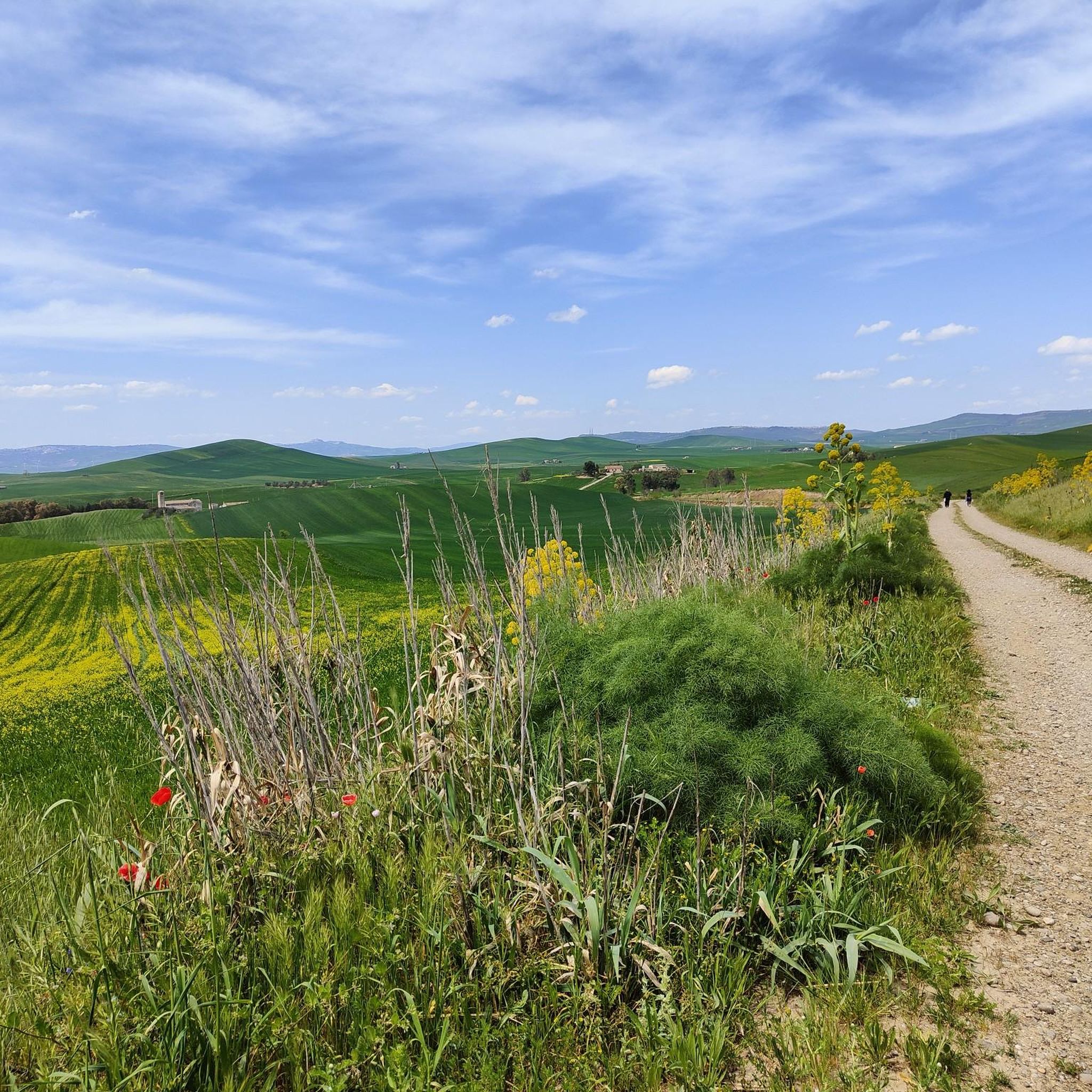
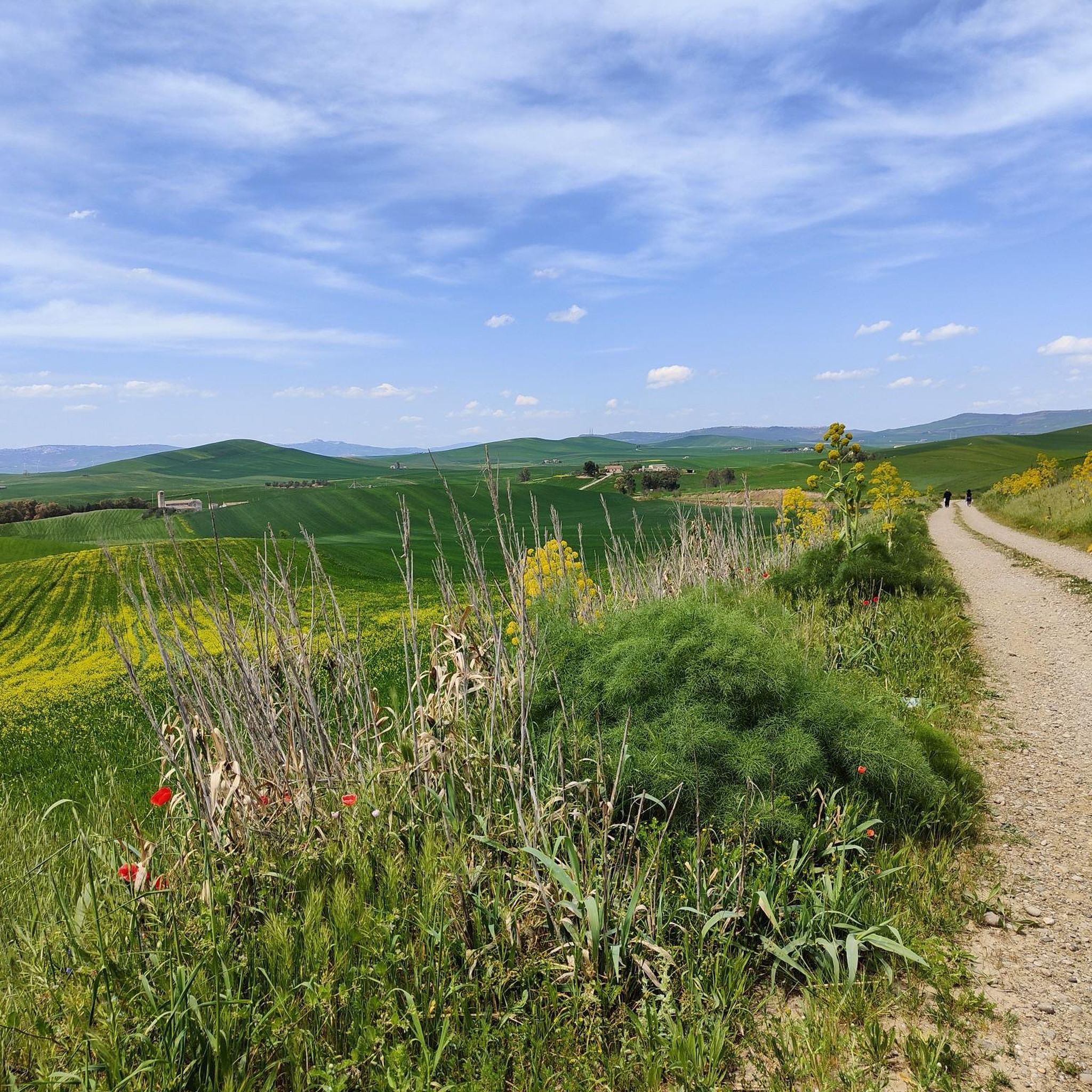
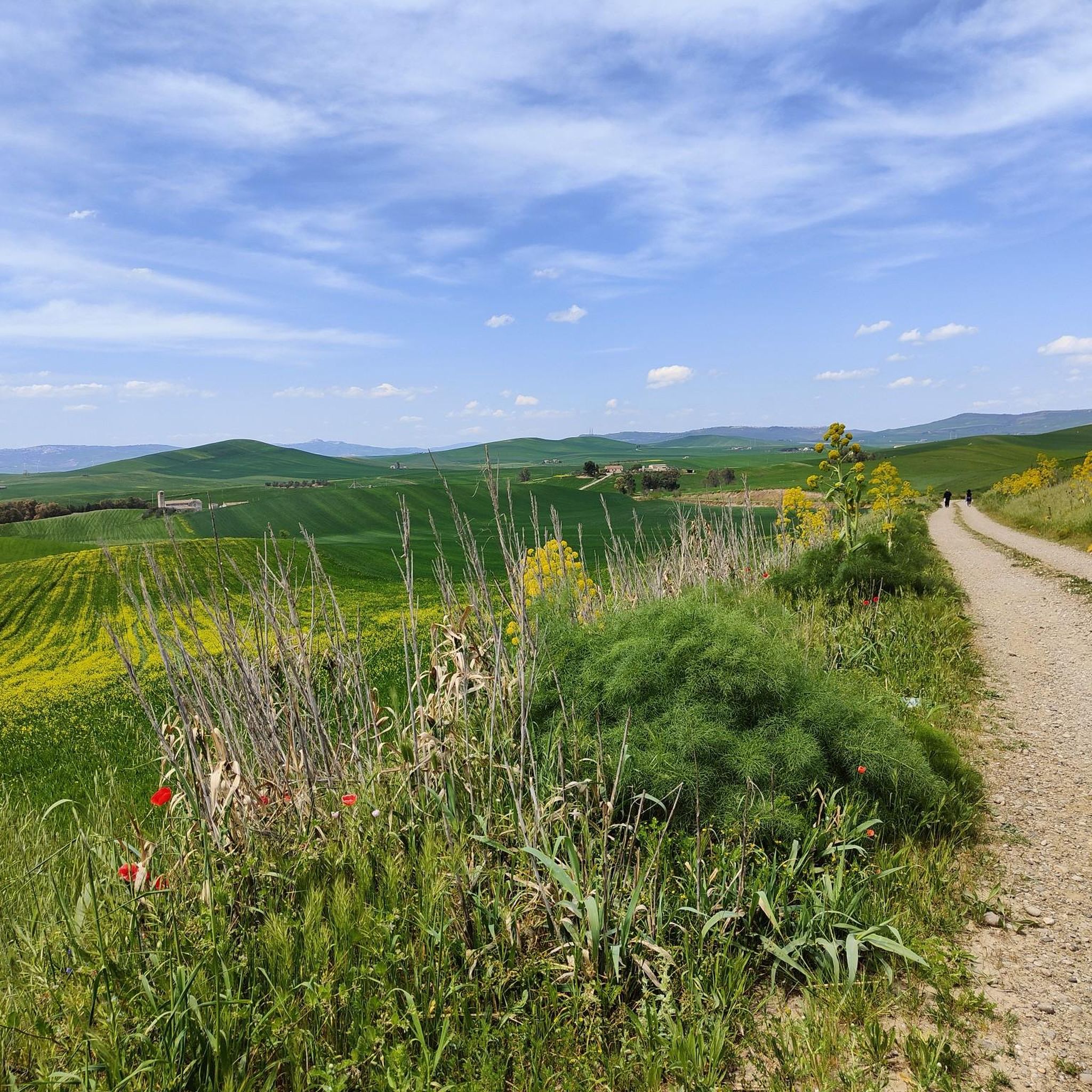
View of the fields near Monteserico Castle
Highlight • Viewpoint
Translated by Google •
Tip by
Sign up for free to discover even more attractions around Oppido Lucano.
Sign up for free
Already have an account?
Start today with a free account
Your next adventure awaits.
Login or Signup

Tips from the Community

The Chapel of the Madonna di Monteserico, located on the esplanade of the ancient castle, is a small rural sanctuary linked to the local popular devotion. Once the hub of the village's religious life, it housed an image of the Virgin believed to be miraculous, and even today, Mass is celebrated there once a year in her honor.
0
0

This crossroads enjoys a panoramic location near Vaglio Basilicata. At approximately 1,000 meters above sea level, it offers beautiful views of the surrounding valleys, where—among other things—there is an interesting archaeological site.
0
0

Of the ancient village, only the small church remains today, not far from the castle, dedicated to the Madonna. The castle of Monteserico belonged in the following centuries to various local noble lords. From the 17th to the end of the 18th century, it was owned by the Genoese Grimaldi dei Doria and some descendants of the Sancia family. It remained abandoned, therefore, for more than half a century, until in 1857 it was purchased by local barons, the dell’Agli-Cetti, when, however, it had already become an uninhabitable place.
2
0
The manor is accessed via a ramp paved with cobblestones. After the entrance portal, you enter a square courtyard that separates the keep from the external mass that encloses it. Originally the entrance was located exactly on the opposite side to the current one, opened only in recent times (19th century), and consisted of an ogival door with stone frames. The ground floor plan is divided into two parts with an arch supporting a pointed barrel vault. The two upper floors are accessed via a spiral staircase.
2
0
Around 980, Otto II, after invading Puglia, ordered that defense posts be created at the borders of the occupied regions, also to serve as supply points for the planned expedition to Calabria. The Castle was then transformed into a fortress.
2
0
Some trace its construction back to Roman times, but many rightly believe it is from the Norman age as in the case of Giustino Fortunato. Others, such as the German medievalist Carl Arnold Willemsen - who made a considerable effort in studying the time and the figure of Emperor Frederick II - have believed that, being of modest proportions, it is a holiday rather than a defense , but recent studies show the opposite, especially if we take into account that next to it there was an extensive village. However, it seems certain that it was transformed into a fortress at the time of Otto II, around 980. In 1041 it was the scene of the battle that saw the Normans of Melfi defeat the Byzantines of Montepeloso. The castle was restored and enlarged by the Swabians and it seems that it was frequently visited by Frederick II as the natural habitat of the birds of prey so dear to the Emperor.
2
0
In 1897, the people of Genzano, following a dream had by an old wise man, flocked to that place and began to dig on the northern flank of the castle in search of the Madonna dreamed of by the old man. The work lasted a long time and was resumed in the following years, resulting in serious damage to the structure.
2
0
Frequently Asked Questions
What significant historical and religious sites can I visit in Oppido Lucano?
Oppido Lucano is rich in history. You can explore the Rupestrian Church of Sant'Antuono, a cave church with invaluable 14th-century frescoes depicting the life of Christ. Another notable site is the Convent of Santa Maria di Gesù (Sant'Antonio), founded in 1482, which houses rare artworks and a finely carved wooden choir. The historic Cathedral of Saint Mary of the Assumption and Saint Canius Bishop, and the 17th-century Parish Church of SS Pietro e Paolo with its painting of the Last Supper, are also significant religious landmarks.
Are there any Roman archaeological sites to explore near Oppido Lucano?
Yes, the area boasts significant Roman archaeological sites. The Roman Villas of San Gilio and Masseria Ciccotti offer a glimpse into the region's Roman past. The Villa of San Gilio, recognized internationally, features monumental remains of a *basis villae*, two large thermal bath complexes, and various cisterns. The Villa of Masseria Ciccotti, likely belonging to high-ranking individuals, showcases a peristyle plan and an impressive thermal system with splendid mosaics.
Where can I find unique historical sites beyond the main town of Oppido Lucano?
Beyond the town, you can visit the Palmenti of Pietragalla. These fascinating cave cellars are dug into the rock, preserving thousand-year-old stories and offering a glimpse into historical agricultural practices in the municipality of Pietragalla.
What natural attractions and scenic viewpoints are there around Oppido Lucano?
The region offers beautiful natural landscapes. You can visit Monte Montrone for expansive views, with some claiming to see glimpses of the Adriatic Sea on clear days. The area is characterized by oak forests, olive groves, and vineyards. The Bradano River banks are lined with poplars and reeds, providing refuge for wildlife. Additionally, Lago Frontetusio is another natural attraction contributing to the scenic beauty.
What kind of outdoor activities and trails are available near Oppido Lucano?
The area around Oppido Lucano is great for outdoor enthusiasts. You can find various cycling routes, including road cycling, mountain biking, and general touring. For example, there are challenging road cycling routes like 'From Acerenza to Avigliano via Pietragalla' and mountain biking trails such as 'Lago di Serra del Corvo - giro ad anello'. You can find more details on these and other routes in the Road Cycling Routes around Oppido Lucano, MTB Trails around Oppido Lucano, and Cycling around Oppido Lucano guides.
Are there any castles or medieval structures to visit?
Absolutely. The most popular attraction is Monteserico Castle, a Norman-built castle located on a peak that dominates a vast valley. It's a classic example of medieval architecture with a central quadrangular tower. Nearby, you can also find the Chapel of Our Lady of Monteserico, a small rural sanctuary linked to local devotion.
What is the best time of year to visit Oppido Lucano for outdoor activities?
The region transforms with the seasons, offering picturesque natural settings. Spring and autumn generally provide pleasant weather for exploring historical sites and engaging in outdoor activities like hiking and cycling, with comfortable temperatures and beautiful scenery. Summer can be warm, ideal for enjoying the natural features, while winter offers a different, quieter charm.
Are there any cultural events or traditions unique to Oppido Lucano?
Yes, Oppido Lucano is known for its traditional events, such as the Sacred Representation of the Passion of Christ (La Preggessione). This event highlights local craftsmanship, with costumes and scenery created by local artisans, offering a unique cultural experience.
Where can I find panoramic views or high-altitude spots?
For panoramic views, consider visiting Monte Montrone, which offers expansive vistas. Another excellent spot is the High-altitude scenic crossroads near Vaglio Basilicata, located at approximately 1,000 meters above sea level, providing beautiful views of the surrounding valleys. The View of the fields near Monteserico Castle also offers a unique perspective after a challenging climb.
What are some lesser-known or 'hidden gem' attractions in the area?
Beyond the main highlights, you might enjoy exploring the Old Rustic Filled Houses (Palmenti), which are traditional structures offering a glimpse into historical agricultural practices. The Ethnographic Museum is also a great place to delve deeper into local traditions and history, providing a unique cultural insight.
Are there any specific cycling routes that pass by historical sites?
Yes, some cycling routes allow you to discover historical sites. For instance, the 'Discovering Monteserico' route, a moderate 23.8 km ride, will take you near Monteserico Castle. You can find more details on this and other cycling options in the Cycling around Oppido Lucano guide.

Get inspired with the komoot mobile app


Explore more
Still not found the Highlight you’re looking for? See guides of the top attractions in other regions:
