The best running trails around Manduria
4.3
(19)
671
runners
47
runs
Jogging around Manduria offers diverse landscapes, from the Ionian Sea coastline with its pristine beaches and dune systems to serene inland parks and ancient historical paths. The region features salt marshes, extensive vineyards, and olive groves, providing varied terrain for running. These natural and historical settings create engaging routes suitable for different fitness levels.
Best jogging routes around Manduria
- The most popular jogging route is Salina dei Monaci – Salina dei Monaci loop from Torre Colimena, a 6.5 miles…
Last updated: October 11, 2026
4.8
(5)
89
runners
12.4km
01:19
10m
10m
Moderate run. Good fitness required. Mostly paved surfaces. Suitable for all skill levels.
4.0
(1)
74
runners
9.87km
01:02
10m
10m
Moderate run. Good fitness required. Mostly paved surfaces. Suitable for all skill levels.

5.0
(4)
58
runners
Moderate run. Good fitness required. Mostly paved surfaces. Suitable for all skill levels.
5.0
(2)
42
runners
11.0km
01:11
40m
40m
Moderate run. Good fitness required. Mostly paved surfaces. Suitable for all skill levels.
5.0
(2)
31
runners
16.3km
01:42
40m
40m
Hard run. Very good fitness required. Mostly paved surfaces. Suitable for all skill levels.
Get access to more routes and recommendations from other explorers.
Already have an account?
Our route recommendations are based on thousands of hikes, rides, and runs completed by other people on komoot.
Start today with a free account
Your next adventure awaits.
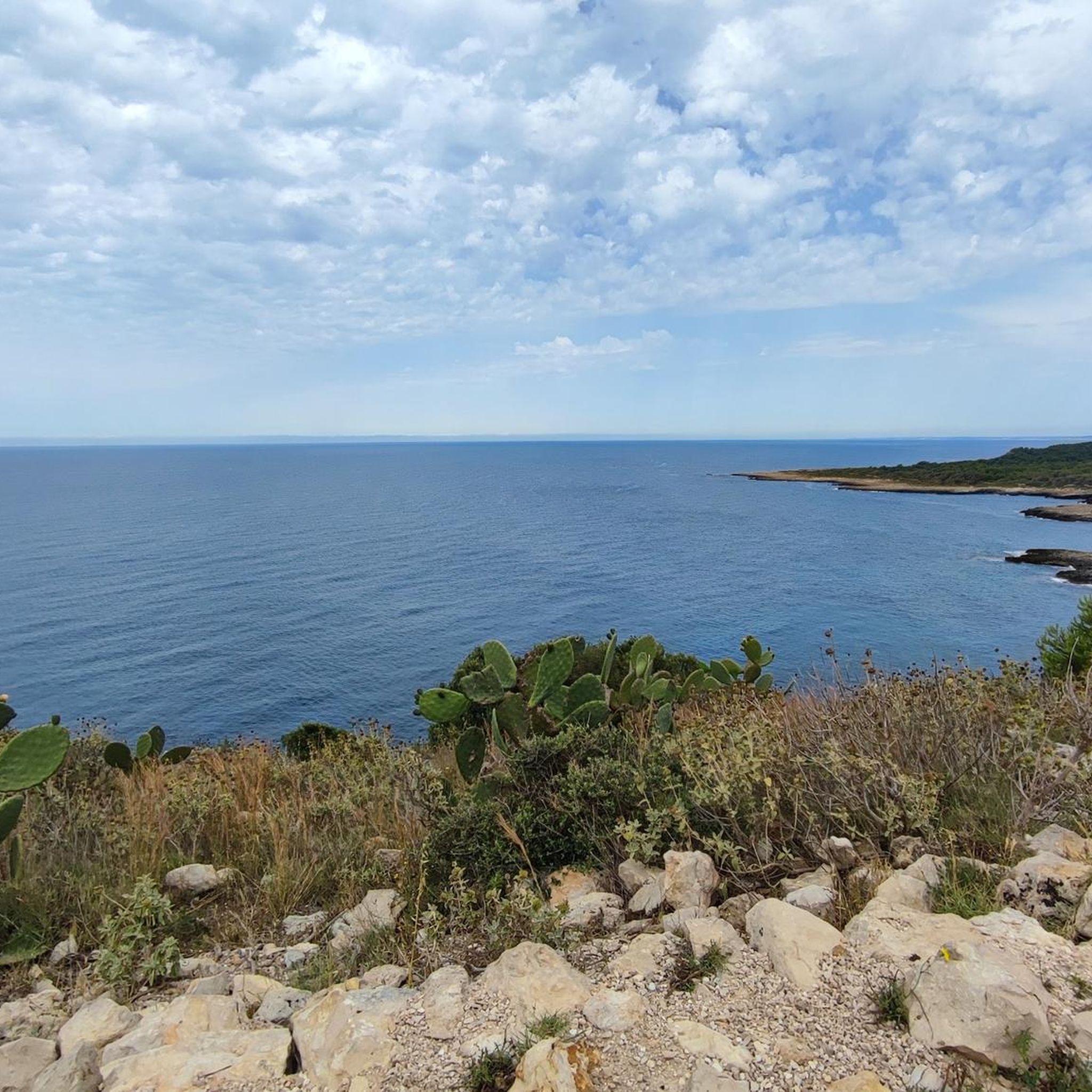
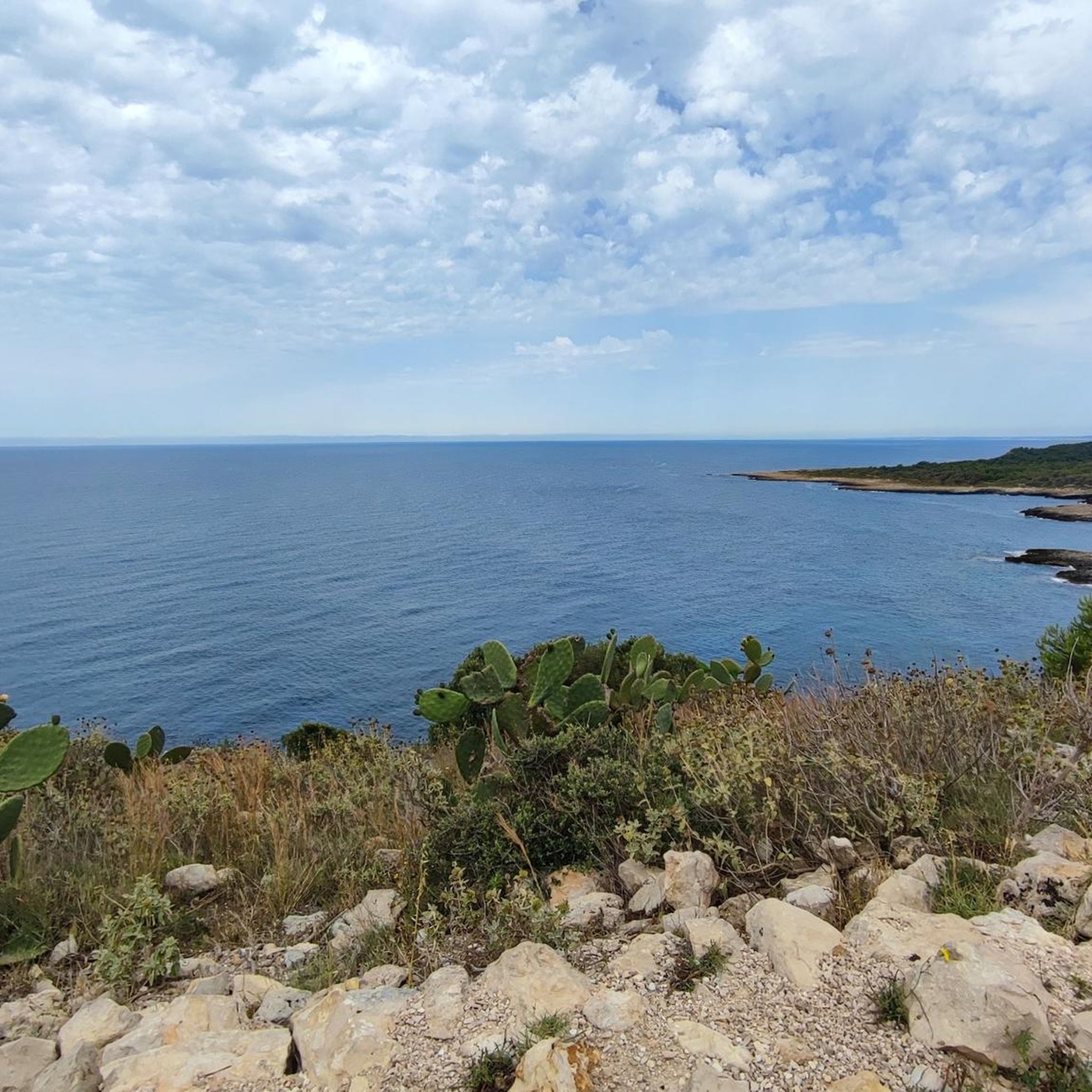
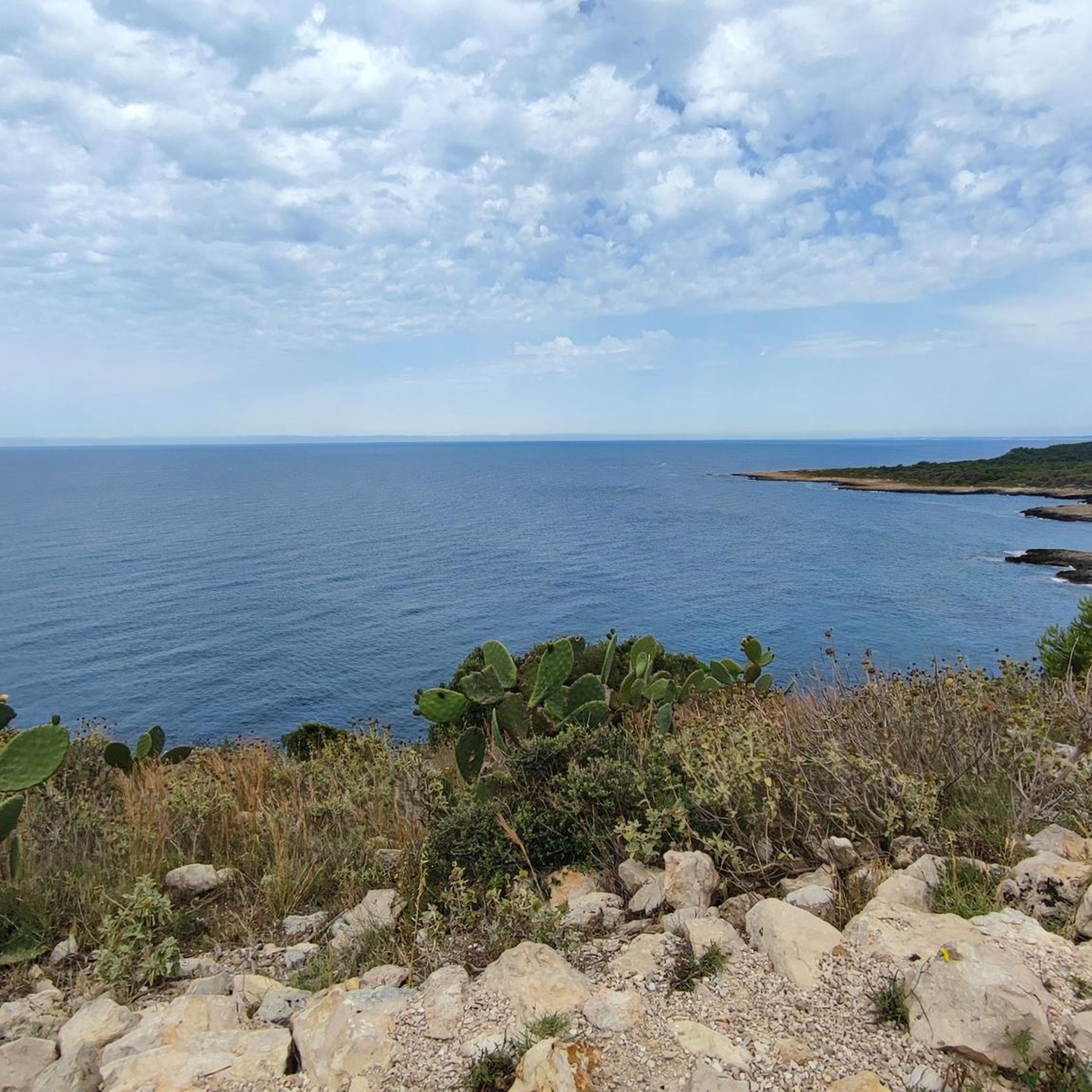
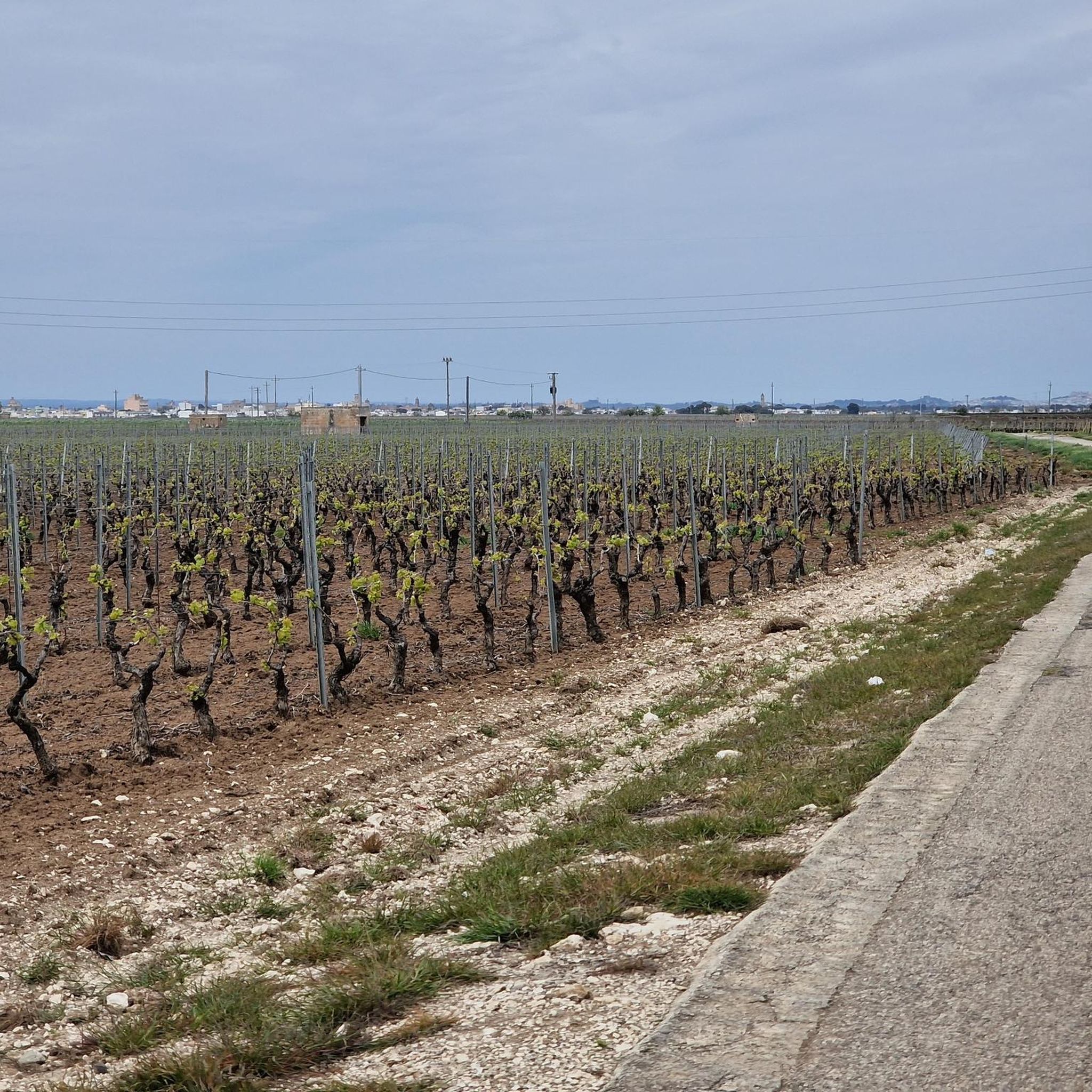

Tips from the Community

One of the numerous 16th-century coastal watchtowers standing here along the coast every 4 km (within sight of each other).
0
0

In some parts the sand on the trail is quite thick: if you are travelling with a very heavy bike it might be better to push it.
0
0

The Salina dei monaci of Torre Colimena is a small earthly paradise located on the Ionian coast of Salento a few kilometers from Porto Cesareo
0
0

One of the many coastal towers in the area. Among the most beautiful and imposing.
1
0

SALINA MONACI Salina Monaci, part of the Regional Natural Reserves of the Eastern Taranto Coast, was established in 2002 as a protected area, characterized by a salt pan no longer in use, subject to a variation in the water level and formation of extensive salt crusts in the summer season. In 1600, the area was owned by the Benedictine monks of Aversa and later passed to the Imperiali family. In the 19th century and, in particular, after the expulsion of the Bourbons, the Salina came under the control of the State Property Agency. The Salina has survived two reclamation interventions: in 1882, when Avetrana was not included in the drainage program and in the mid-twentieth century, when the intervention was limited due to the scarce economic resources allocated. In 1960 it was separated from the sea with the construction of the Salento coast road, later removed in that stretch with the establishment of the Reserves. The illustrated book "The never-ending story" by Fulvio Filo Schiavoni, a Rotarian friend, tells the story of the place, long disputed, between Manduria and Avetrana.
2
0

Today we started the lovely walk through the dunes and had lunch in Torri Colimena, on the way back from the roundabout this route is absolutely no longer recommended, first along a road, then the land is plowed and then no good passable path can be found, we are over climbed stone walls and crossed a ditch over metal pipes to get back on the route and finally went straight through blackberry bushes and over a wall with difficulty and ended up back on the road, didn't try the last part anymore, seemed to be overgrown
1
1

The Salina dei Monaci is a nature reserve and protected area located in the province of Taranto near Torre Colimena.
1
0
Torre Colimena is part of a system of coastal towers wanted by the king of Spain, after the invasion of Otranto by the Turks in 1480.
2
0
Frequently Asked Questions
How many running routes are available in Manduria?
Manduria offers a wide selection of running routes, with over 40 trails available for you to explore. These routes cater to various fitness levels, ensuring there's something for everyone.
What are the difficulty levels of the running trails in Manduria?
The running trails in Manduria offer a good mix of difficulties. You'll find 4 easy routes perfect for a gentle jog, 33 moderate paths for a more sustained effort, and 3 challenging trails for experienced runners seeking a tougher workout.
What kind of terrain can I expect on Manduria's jogging routes?
Manduria's jogging routes feature diverse terrain, from the pristine coastline along the Ionian Sea with its sandy beaches and dune systems to serene inland parks and ancient historical paths. You can expect mostly paved surfaces in some areas like the Salina dei Monaci loop, accessible paths through dunes, and trails winding through extensive vineyards and olive groves.
Are there circular running routes in Manduria?
Yes, many of Manduria's running routes are circular, offering convenient starting and ending points. Popular options include the Salina dei Monaci loop from Torre Colimena and the Dune di Campomarino loop from torre borraco, allowing you to experience varied landscapes without retracing your steps.
Are there family-friendly jogging routes in Manduria?
While specific 'family-friendly' designations aren't always explicit, many of the easier and moderate routes, particularly those with mostly paved or accessible paths like sections around the Salina dei Monaci or Dune di Campomarino, would be suitable for families. The Bosco dei Cuturi also offers a serene park environment for leisurely strolls and light jogging.
Can I bring my dog on the running trails in Manduria?
Manduria's natural landscapes, including coastal paths and inland trails, are generally welcoming for dogs. However, it's always recommended to keep your dog on a leash, especially in nature reserves like the Torre Colimena and Salina dei Monaci Nature Reserve, and to be mindful of local regulations and other trail users.
Are there jogging routes that pass by historical sites or landmarks?
Absolutely! You can combine your run with a journey through history. The Archeological Park of the Messapian Walls offers a unique experience, allowing you to jog past ancient defensive structures, ditches, and tombs. Nearby, you can also find the historic Fonte Pliniano, adding a touch of ancient wonder to your route.
What natural features or scenic viewpoints can I enjoy while running?
Manduria is rich in natural beauty. You can enjoy scenic runs along the Ionian Sea coastline, with pristine beaches and dune systems. The Salina dei Monaci salt marsh is a significant natural attraction where you might spot flamingos, while the Dune di Campomarino offer accessible paths through unique coastal vegetation. The Natural Reserve of River Chidro also provides a refreshing environment.
Are there options for longer distance running in Manduria?
Yes, Manduria offers several routes suitable for longer distance running. For instance, the Torre Colimena – Salina dei Monaci loop from San Pietro in Bevagna is a moderate 8.8 miles (14.2 km) path, and the Spiaggia di Campomarino – Dune di Campomarino loop from torre borraco is a challenging 10.1 miles (16.3 km) route, perfect for those looking to cover more ground.
When is the best time of year to go jogging in Manduria?
The best time to jog in Manduria is typically during the spring (April-May) and autumn (September-October) months. The weather is milder and more pleasant, avoiding the intense heat of summer. These seasons also offer beautiful natural scenery, from blooming wildflowers to vibrant autumn colors, making your run even more enjoyable.
What do other runners think about the trails in Manduria?
The running routes in Manduria are highly regarded by the komoot community, boasting an impressive average rating of 4.8 stars from over 10 reviews. Runners frequently praise the diverse landscapes, from coastal views to historical sites, and the variety of terrain that caters to different preferences and fitness levels.
Are there any easy running routes suitable for beginners in Manduria?
Yes, Manduria has several easy running routes perfect for beginners or those looking for a relaxed jog. While specific beginner routes are not highlighted by name, the region offers 4 easy-rated tours. Look for routes with minimal elevation gain and mostly paved or well-maintained paths, such as sections around the Salina dei Monaci or the Bosco dei Cuturi park.
Most popular attractions around Manduria

Get inspired with the komoot mobile app


Explore more
Browse the best Running Trails & Routes in other regions.
