Routes

Planner

Features

Updates

App

Login or Signup

Get the App

Login or Signup

Routes
Places to see
Italy
Calabria

Fiumara

Attractions and Places To See around Fiumara - Top 20

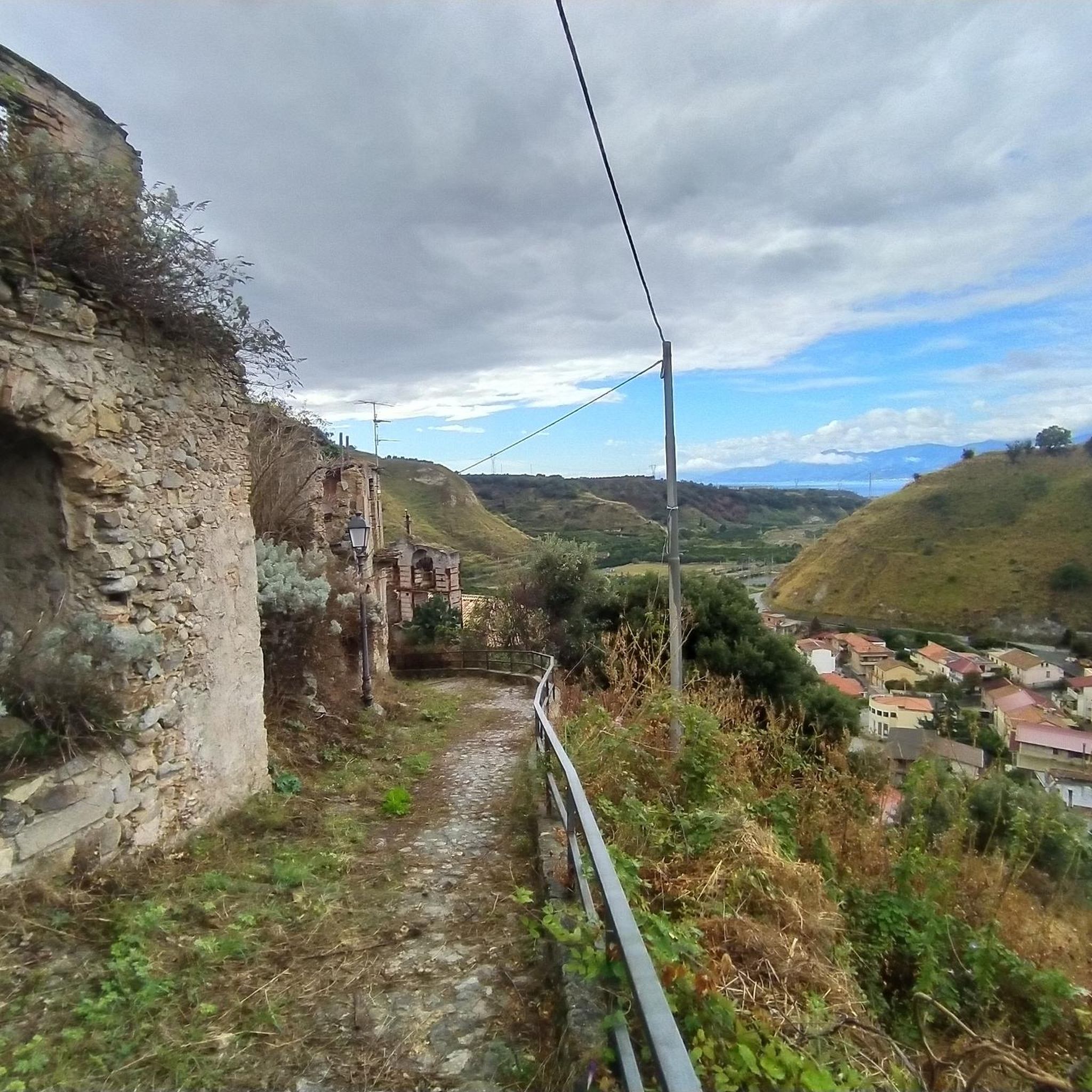
Best attractions and places to see around Fiumara in Reggio Calabria include historical districts and traditional charm. This region offers views of the Strait of Messina and is characterized by its coastal setting. Visitors can explore ancient sites and cultural landmarks. The area provides a blend of historical significance and scenic views.

Best attractions and places to see around Fiumara

  • The most popular attractions is Church of the Most Holy Immaculate Conception, Scilla, a religious building located at the crossroads of Scilla's main districts. This church, also known as "Mesa," has undergone extensive renovations due to past earthquakes.
  • Another must-see spot is Scilla, a settlement known for its picturesque fishing village, Chianalea. This town is situated on a scenic promontory with views of the Strait of Messina.
  • Visitors also love Ruffo Castle of Scilla, a historic castle with origins dating back to Magna Graecia. The castle, perched on a promontory, offers panoramic views of the sea and coast.
  • Fiumara is known for its historical sites, castles, and settlements. The region offers a variety of attractions to see and explore, from ancient fortresses to charming coastal towns.
  • The attractions around Fiumara are appreciated by the komoot community, with more than 50 upvotes and 60 photos.

Last updated: June 23, 2026

Church of the Most Holy Immaculate Conception, Scilla

Highlight • Religious Site

Chiesa Maria Santissima Immacolata, Scilla
The mother church of the Santissima Immacolata di Scilla is also called the church "Mesa" or half because it is located at the crossroads of the streets that lead to the three main districts of the country: Marina Grande, Chianalea and San Giorgio. The current building was built on a pre-existing church dedicated to Santa Maria Cattolica and part of the ancient Basilian monastery of San Pancrazio. In the sixteenth century it was badly damaged by earthquakes, so much so that it had to undergo extensive renovations, which also led to an expansion of the structure. The church also suffered the same fate in the eighteenth century, with an earthquake that collapsed the entire central vault, and in 1908, when the rear and the interior of the colonnade on the west side were demolished.
Text / Source: Italia Virtual Tour is a project by Comunicando Leader
italiavirtualtour.it/dettaglio.php?id=95990

Translated by Google •

Tip by

See hikes here

Send to Phone

Save

Scilla

Highlight • Settlement

Among the most beautiful places in all of Calabria, Scilla stands on a scenic promontory not far from the Strait of Messina. It is famous for the church of San Rocco, the Ruffo Castle and above all for its seaside hamlet, Chianalea, a splendid fishing village.

Translated by Google •

Tip by

Save

Sign up now to discover places like this

Get recommendations on the best single tracks, peaks, & plenty of other exciting outdoor places.

Sign up for free

Ruffo Castle of Scilla

Highlight • Castle

Castle Ruffo di Scilla
Its history dates back to the time of Magna Graecia. She is said to have been created by the tyrant Anaxillas, who died in 476 BC. BC, to protect against pirate attacks. Built as an outpost of the city of Rhegion, the fortress was snatched from the city by Dionysius I of Syracuse and after about 50 years came back under the control of the city of Rhegion under Timoleon.
Also under the Romans it served to defend Reggio. In the Middle Ages it fell under Byzantine control and was used by the Basilians as a monastery dedicated to Saint Pancras. In the 11th century the building came into the possession of the Norman ruler and Duke of Apulia and Calabria Robert Guiskard. In 1255 the complex was expanded on behalf of the Hohenstaufen Manfred of Sicily. In the 13th century it fell to Charles I of the House of Anjou.
Under the Aragonese, during the 15th century, as firearms became more widespread, the medieval castle was adapted and transformed into a Renaissance fortress. In 1469 it changed hands again, falling into the hands of Gutierre De Nava, a Castilian knight of alleged German descent. In 1533 the Ruffos acquired the Renaissance fortress and established their residence there in 1620. At the same time, a dungeon was housed in the basement, which was notorious for its torture. At the beginning of the 18th century it completely lost its military importance. In 1713, during the War of the Spanish Succession, it was occupied by Habsburg troops. After the Peace of Vienna in 1738, it fell to the Bourbon Kingdom of the Two Sicilies.[4] From 1770 to 1772, the first modern fortification work took place.
The Castello Ruffo di Scilla was also affected by the Calabria earthquake in 1783 and as a result the dungeon was closed. After the end of the Parthenopean Republic in 1799, the complex was occupied by Napoleonic troops. At the beginning of the 19th century, the French and English changed hands several times during the coalition wars. After the temporary French occupation in 1806 under General Louis de Partouneaux, the French were able to take possession of the fortress again in February 1808. After the building suffered considerable damage from artillery fire during the previous sieges, renovation work took place between 1811 and 1813, which characterizes the current appearance of the fortress. In particular, after a lightning strike on the powder store in 1812, which severely damaged the building and killed two officers, the original structure of the facility was significantly altered. At the end of the Napoleonic era, little was left of the previous building.
During the “Course of a Thousand” in 1860, the complex was handed over to the volunteers of Giuseppe Garibaldi without resistance. Allegedly, after the handover, Garibaldi himself hoisted the tricolor on the fortress.
During the Messina earthquake in 1908, the older parts of the building that still existed were largely destroyed, so that nothing remains of the Ruffo's former residence.[4] In 1913, a small lighthouse was erected on the northern edge of the ledge, which is still operated by the Italian Navy. Until the Second World War, the fortress was used, among other things, by the Italian coastal artillery. At the end of the 20th century, a youth hostel was housed in the former fortifications. After extensive restoration work, it has since been used for exhibitions and conferences, among other things.
Text/Source: Wikipedia
de.wikipedia.org/wiki/Castello_Ruffo_di_Scilla

Translated by Google •

Tip by

Save

Sea monster Scylla

Highlight • Monument

Here is a memorial to the sea monster Scylla.
A song like you've never heard it before, infinitely beautiful! And suddenly everything happens very quickly: tentacles from the depths! They drag the sailors into their wet grave. This horror story of the sea monster Scylla is 3000 years old and was told and written by the Greek poet Homer. In fact, the monster gave its name to the town of Scilla in Calabria, because it is said to have ambushed seafarers here on the Strait of Messina.

Translated by Google •

Tip by

Save

Fontana Storica della Sirena is a beautiful fountain in the Chianalea district of Scilla, about 100 meters from the picturesque Port of Scilla.

The fountain of modern construction is located in Via Grotte, in a small open space between the buildings. The sculpture evokes the myth of the Scylla mermaid, with whom Scilla is closely associated. Source: italyscapes.com/places/calabria/scilla/fountains/fontana-storica-della-sirena

Translated by Google •

Tip by

Save

Sign up for free to discover even more attractions around Fiumara.

Sign up for free

Already have an account?

Start today with a free account

Your next adventure awaits.

Login or Signup
Popular around Fiumara

Road Cycling Routes around Fiumara

MTB Trails around Fiumara

Cycling around Fiumara

Running Trails around Fiumara

Hiking around Fiumara

Tips from the Community

JakobusPilger
October 2, 2025, Fontana Storica della Sirena di Chianalea

At the so-called "Strait of Messina", which separates the Italian mainland from the island of Sicily, we encounter Greek mythology: According to the poet HOMER - whose dates of birth are unknown (the eighth and seventh centuries BC are generally assumed), but who is considered the author of the famous works Iliad and Odyssey - a female monster named Scylla lived in this strait, which repeatedly claimed victims among sailors.

Translated by Google

0

0

Fantastically beautiful, very well organized and very well maintained and clean.

Translated by Google

1

0

Beautiful sculpture, great view from the square

Translated by Google

1

0

Among the most beautiful places in all of Calabria, Scilla stands on a scenic promontory not far from the Strait of Messina. It is famous for the church of San Rocco, the Ruffo Castle and above all for its seaside hamlet, Chianalea, a splendid fishing village.

Translated by Google

2

0

Many Italian churches are dedicated to the Mother of God Mary and thus have a "SANTA MARIA" (sometimes, as here, increased to "SANTISSIMA") in their name. This church in Scilla has the addition "IMMACOLATA", so it is dedicated to the "Immaculate Conception" of the Mother of God. This term, which today may sound a bit theoretical and difficult to understand, is intended to say that the Mother of God was freed from the beginning by the grace of God from the burden of original sin - which otherwise every person carries within themselves. This meant that when the archangel later announced to her in Nazareth that she would give birth to the Son of God, she was willing to answer YES of her own free will. In 1854, Pope Pius IX elevated this article of faith to dogma. The feast for this occasion - and at the same time the patronage of this church here - which in the Catholic liturgy is called the "Solemnity of the Immaculate Conception of the Virgin Mary without Original Sin" is celebrated annually on December 8th.

Translated by Google

3

0

Andi
May 17, 2024, Scilla

Scilla (formerly U Scigghiu in the dialect of Reggio Calabria) is an Italian municipality with 4,501 inhabitants in the metropolis of Reggio Calabria in Calabria. It is a popular tourist resort on a promontory at the northern entrance to the Strait of Messina. Source and further information: https://it.m.wikipedia.org/wiki/Scilla_(Italia)

Translated by Google

2

1

The promontory of Scilla was fortified by the tyrant Anassilla as early as 493 BC. In 842 AD, under Byzantine rule, the Basilian Fathers founded and fortified the monastery of San Pancrazio. In 1282, after the War of the Vespers, Pope Martin IV authorized Charles of Anjou to fortify the castles on this coast. At the end of 1284, the fortress of Scilla fell into the hands of the Aragonese. In 1533, Scilla was bought by Paolo Ruffo, Count of Sinopoli. Source: https://catalogo.beniculturali.it/detail/ArchitecturalOrLandscapeHeritage/1800012068

Translated by Google

4

1

The current church building dates from the 1970s, but the church was only completed in the late 1990s, see https://www.calabriaportal.com/scilla/5020-scilla.html#fontana-sirena The church is open during the day and has a beautiful modern mosaic.

Translated by Google

2

1

Frequently Asked Questions

What historical sites can I explore around Fiumara?

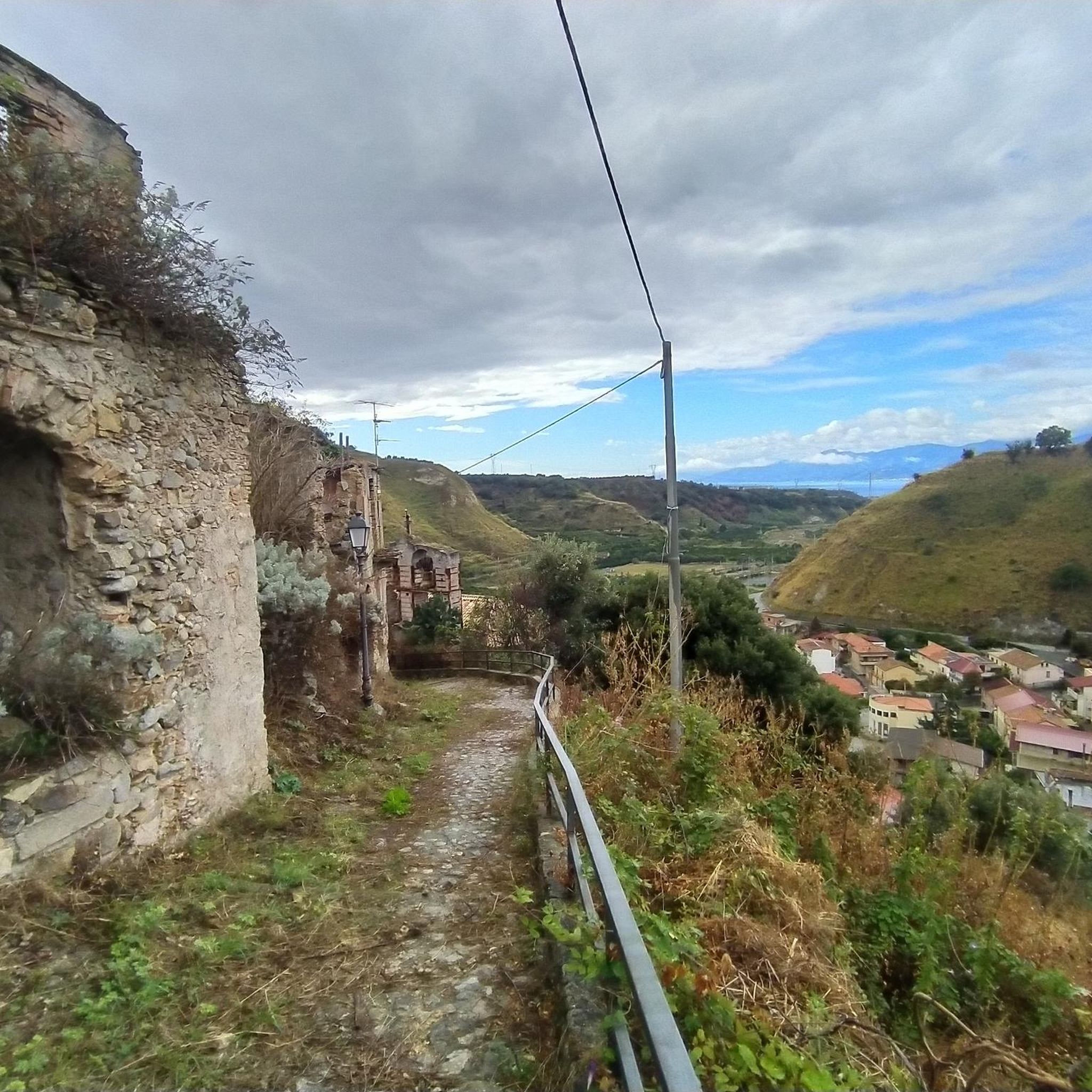
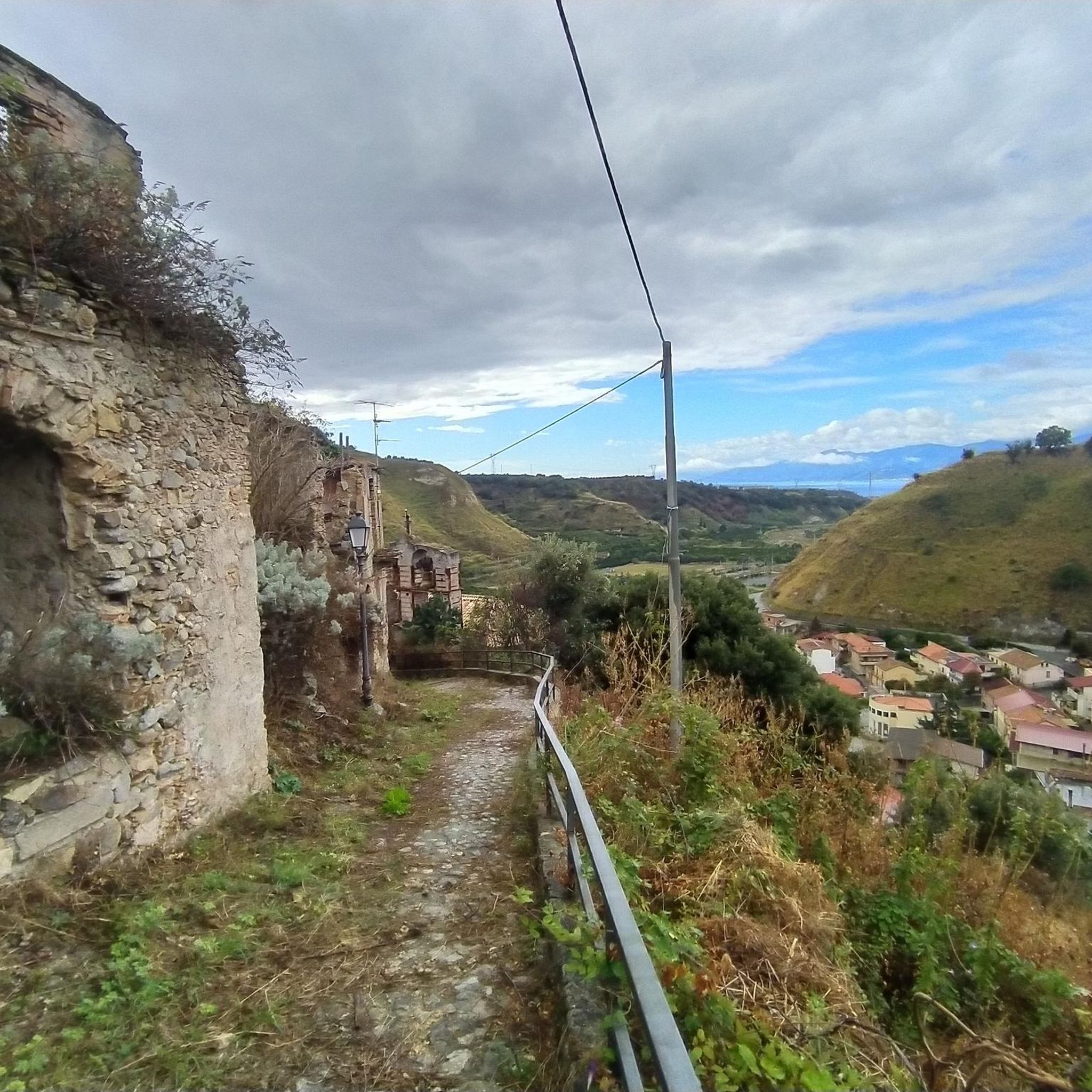
The area around Fiumara in Reggio Calabria is rich in history. You can visit the historic Ruffo Castle of Scilla, which has origins dating back to Magna Graecia and offers panoramic views. The town of Scilla itself is a historical settlement with a picturesque fishing village, Chianalea. Additionally, Fiumara's Terra district features the ruins of the Ruffo di Calabria Castle and the Immaculate Conception Church, an ancient archpriestal center.

Are there any family-friendly attractions in the Fiumara area?

Yes, several attractions are suitable for families. The charming settlement of Scilla, with its fishing village Chianalea, is a great place to explore. Children might also enjoy the monument to the Sea monster Scylla and the Historic Siren Fountain of Chianalea, both linked to local mythology. The Church of the Most Holy Immaculate Conception, Scilla is also considered family-friendly.

What kind of views can I expect to see around Fiumara?

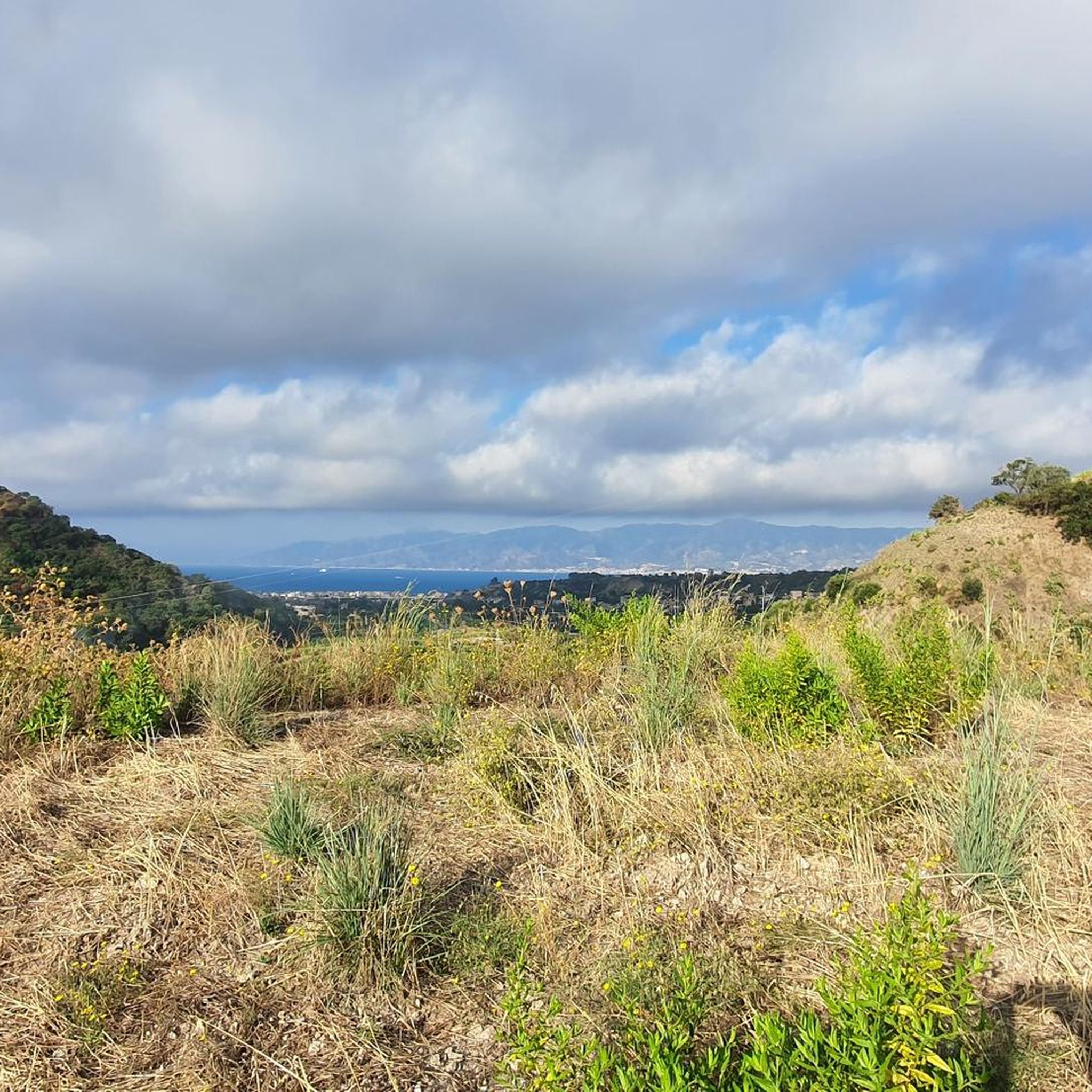
The Fiumara area, particularly around Scilla, offers breathtaking views. From the Ruffo Castle of Scilla, you can enjoy panoramic vistas of the sea and coast. The town of Scilla itself is situated on a scenic promontory with views of the Strait of Messina. The Croce district in Fiumara also provides suggestive panoramic views of the valley and the Strait of Messina.

What outdoor activities are available near Fiumara's attractions?

You can find various outdoor activities near Fiumara. For cycling enthusiasts, there are routes like the 'Reggio Calabria Promenade – Cathedral of Reggio Calabria loop' or the 'View of the Strait of Messina – View of the Costa Viola loop'. Mountain biking options include the 'Terra District of Fiumara di Muro – Hydraulic Mills of San Roberto loop'. If you prefer running, consider routes like the 'Faro di Scilla loop' or the 'Punta Pezzo Lighthouse – Lungomare Fata Morgana local Port loop'. You can find more details on these activities in the respective Komoot guides for cycling, MTB, and running around Fiumara.

Are there any specific cultural events or traditions in Fiumara?

Yes, during the Christmas season, the Terra district of Fiumara in Reggio Calabria is particularly known for its unique and traditional Live Nativity Scene. This event involves many local citizens and attracts thousands of visitors, offering a special cultural experience.

What is the significance of the Church of the Most Holy Immaculate Conception in Scilla?

The Church of the Most Holy Immaculate Conception, Scilla, also known as 'Mesa' or 'half' church, is the mother church of Scilla. It's located at the crossroads of the town's three main districts: Marina Grande, Chianalea, and San Giorgio. The current building, though extensively renovated due to past earthquakes, stands on the site of a pre-existing church and is dedicated to the Immaculate Conception of the Virgin Mary.

What makes Scilla a popular destination near Fiumara?

Scilla is a popular destination due to its picturesque fishing village, Chianalea, and its stunning location on a scenic promontory overlooking the Strait of Messina. It's also home to the historic Ruffo Castle and is steeped in Greek mythology, particularly the legend of the sea monster Scylla.

Can I find any natural features or beaches near Fiumara's attractions?

While Fiumara itself is more focused on historical districts, the nearby town of Scilla offers a beautiful coastal setting. Scilla features a 600-meter-long beach in the Marina Grande district, which is a mix of fine pebbles and coarse sand, providing a fantastic view of the Castello Ruffo.

What do visitors particularly enjoy about the attractions around Fiumara?

Visitors appreciate the blend of historical significance and scenic beauty. The panoramic views from Ruffo Castle of Scilla and the charm of the fishing village of Scilla are frequently highlighted. The area's rich history, from ancient fortresses to traditional districts, also captivates many.

Are there specific districts in Fiumara (Reggio Calabria) worth exploring for their local culture?

Yes, the municipality of Fiumara in Reggio Calabria has distinct districts known for their traditional charm. The Terra district is considered the historic heart, featuring the Immaculate Conception Church and the ruins of Ruffo di Calabria Castle. The San Rocco district houses a church of the same name and a former Capuchin convent, while the Croce district offers scenic panoramic views.

What is the best way to get around to see the attractions near Fiumara?

While specific public transport details for Fiumara's immediate attractions are not provided, many of the key sites like Scilla and its castle are accessible. Driving is often recommended for flexibility in exploring the wider Reggio Calabria region. For specific routes and outdoor activities, Komoot provides detailed guides that can assist with navigation.

Most popular routes around Fiumara

Road Cycling Routes around Fiumara

Store rating

Get inspired with the komoot mobile app

With a free komoot account, you can easily find, customize, and navigate endless outdoor adventures.

or

Join komoot Now

Store rating

Explore more

Still not found the Highlight you’re looking for? See guides of the top attractions in other regions:

Campo CalabroVilla San GiovanniReggio Di CalabriaSant'Eufemia D'AspromonteBagnara CalabraStiloBivongiScillaSanto Stefano In AspromonteLaganadiSant'Alessio In AspromonteSan RobertoOppido MamertinaCalannaCauloniaCosoletoSinopoliVarapodioSan Pietro Di CaridàSan ProcopioMelicuccàPazzanoPalmiSeminaraGioia TauroRoghudiSan LorenzoTaurianovaDelianuovaParco nazionale dell'AspromonteCardetoRizziconiCondofuriBagaladiRoccaforte Del GrecoAfricoGalatroGrotteriaMartonePlatìSamoSan LucaMotta San GiovanniScidoMammolaCiminàRoccella IonicaMolochioMontebello JonicoMelito Di Porto SalvoCanoloSanta Cristina D'AspromonteSan Giorgio MorgetoCinquefrondiCittanovaGioiosa IonicaSan Giovanni Di GeraceGeraceSant'Agata Del BiancoAntoniminaGiffoneRosarnoAgnana CalabraCareriArdoreSidernoCandidoniBovaPalizziBova MarinaMarina Di Gioiosa IonicaPolistenaSant'Ilario Dello IonioTerranova Sappo MinulioLocriPlacanicaMaropatiSan FerdinandoLaureana Di BorrelloPortigliolaAnoiaStaitiBrancaleoneBruzzano ZeffirioStignanoBovalinoMelicuccoBenestareCasignanaCaraffa Del BiancoFerruzzanoCaminiRiaceMonasteraceBiancoSerrataFeroleto Della Chiesa

Nearby adventure guides

Things to Do around Campo Calabro

background

Get ready to conquer new peaks

Sign up for Free

Explore
RoutesRoute plannerFeaturesHikesMTB TrailsRoad cycling routesBikepackingSitemap
Download the app
Follow Us on Socials

© komoot GmbH

Privacy Policy