The best road cycling routes in Plaines De L'Escaut Natural Park
4.5
(114)
3,789
riders
304
rides
Road cycling in Plaines De L'Escaut Natural Park offers routes through a landscape characterized by agricultural plains, extensive forested areas, and numerous wetlands. The Escaut River flows through the park, contributing to a network of waterways and marshlands. While generally flat, the region includes some challenging climbs, such as Mont-Saint-Aubert, providing varied terrain for road cyclists. The park's diverse environments include features like pollard willows and a mix of deciduous forests.
Best road cycling routes in Plaines De L'Escaut Natural…
Last updated: July 9, 2026
133
riders
110km
04:33
360m
360m
Moderate road ride. Good fitness required. Mostly well-paved surfaces and easy to ride.
4.8
(8)
230
riders
86.1km
03:59
290m
290m
Moderate road ride. Good fitness required. Mostly well-paved surfaces and easy to ride.

Sign up for free
4.0
(2)
90
riders
84.5km
03:46
410m
410m
Moderate road ride. Good fitness required. Mostly well-paved surfaces and easy to ride.
4.0
(5)
85
riders
30.2km
01:36
130m
130m
Easy road ride. Great for any fitness level. Mostly well-paved surfaces and easy to ride.
5.0
(1)
79
riders
83.0km
04:31
340m
340m
Moderate road ride. Good fitness required. Some segments of this route may be unpaved and difficult to ride.
Get access to more routes and recommendations from other explorers.
Sign up for free
Already have an account?
Our route recommendations are based on thousands of hikes, rides, and runs completed by other people on komoot.
Start today with a free account
Your next adventure awaits.
Login or Signup
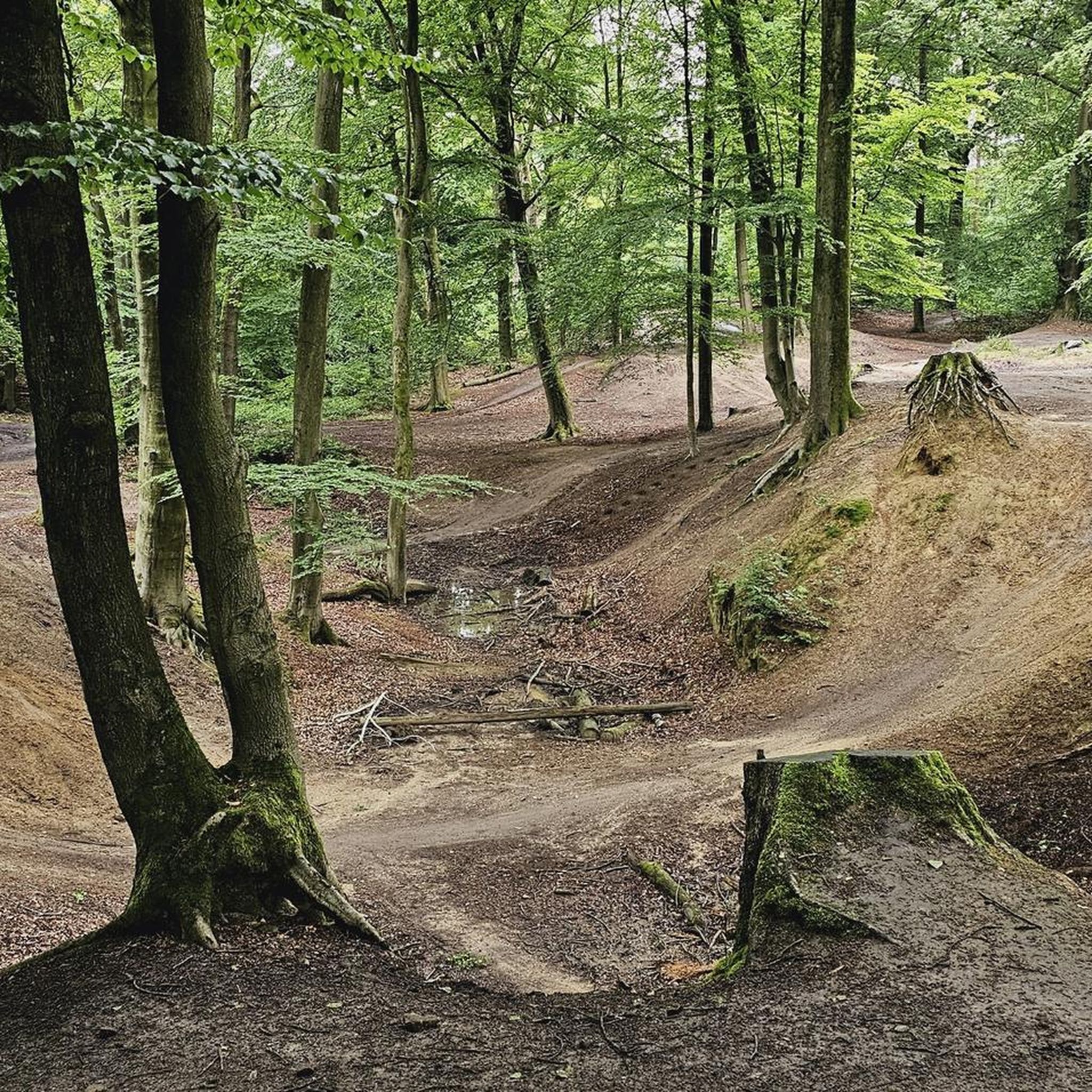
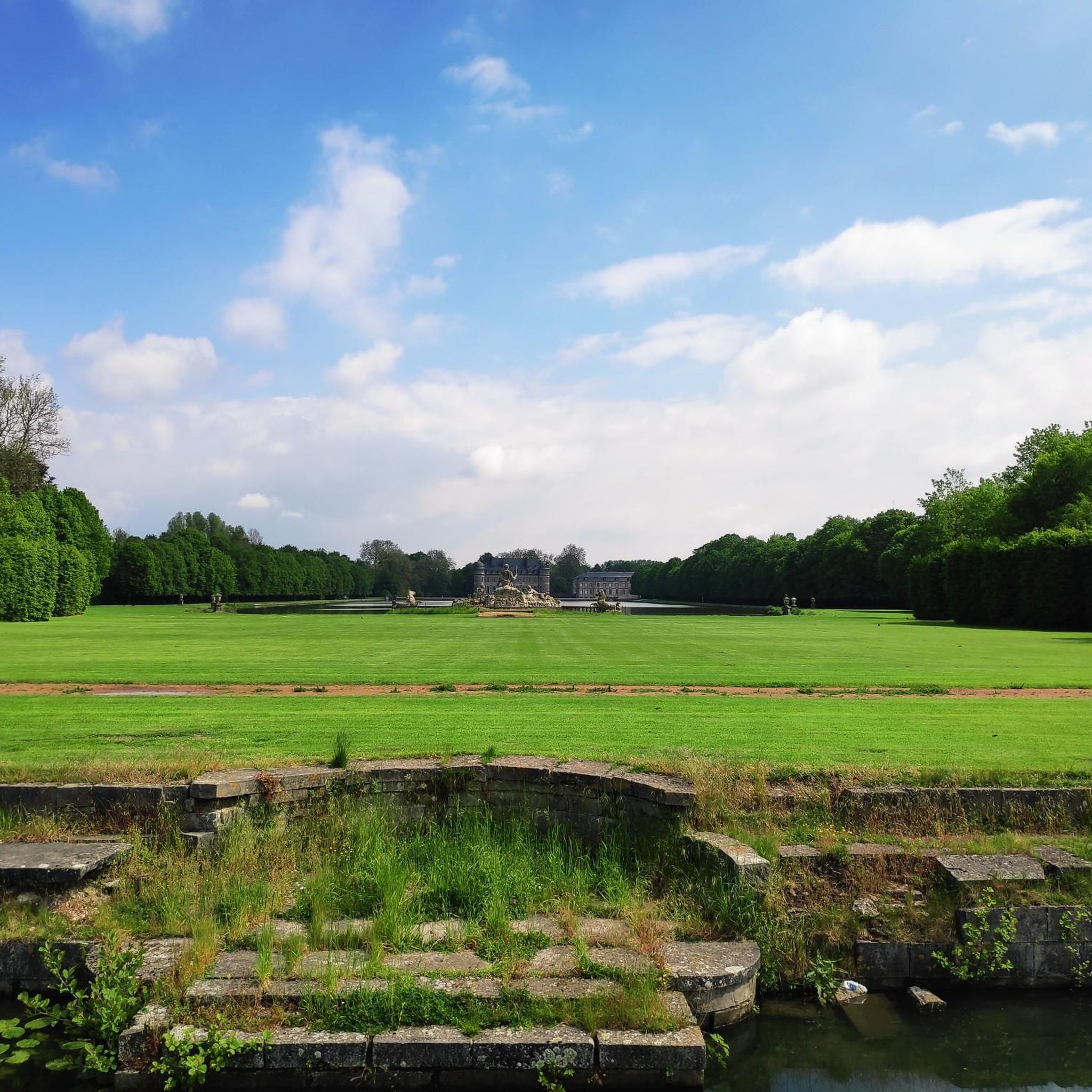
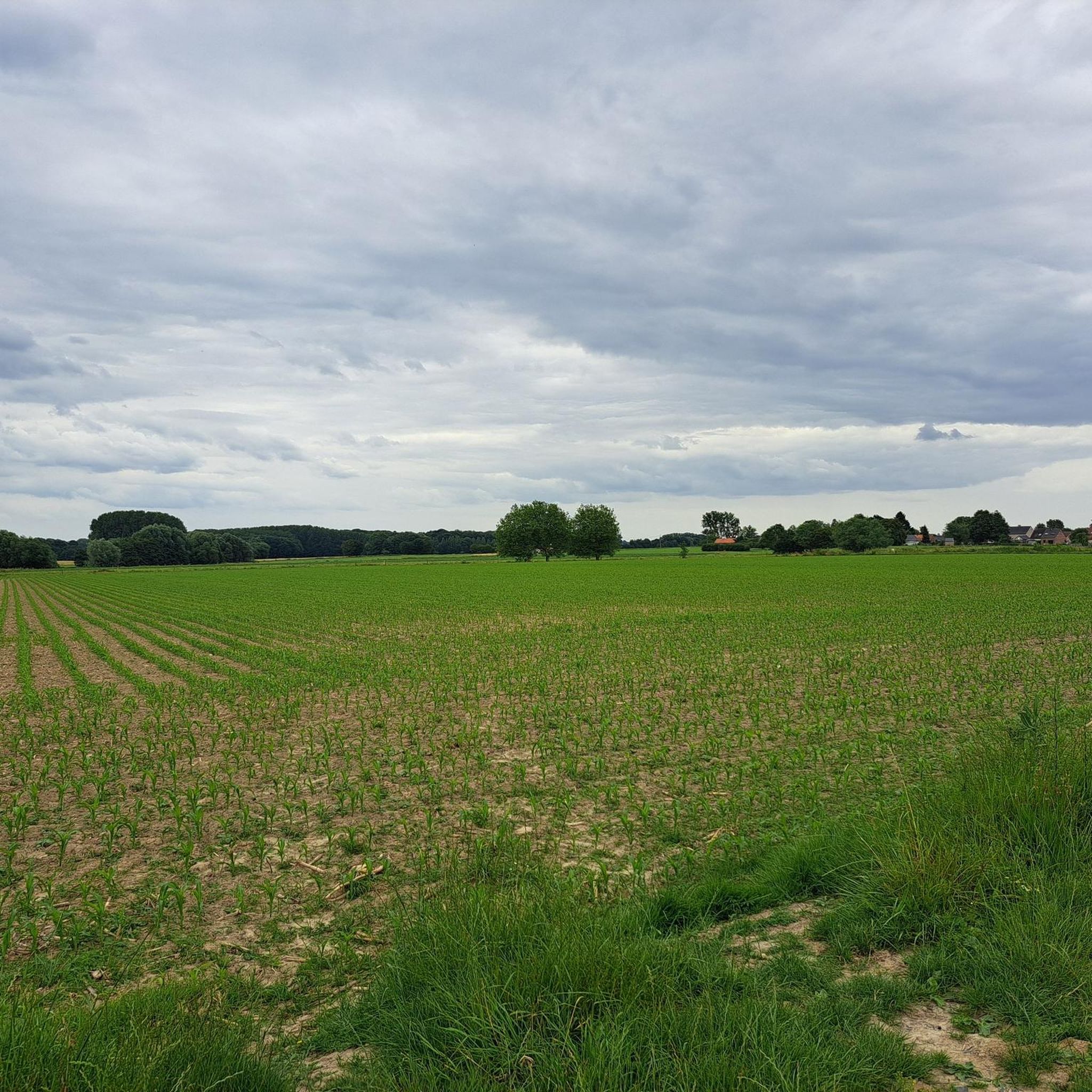
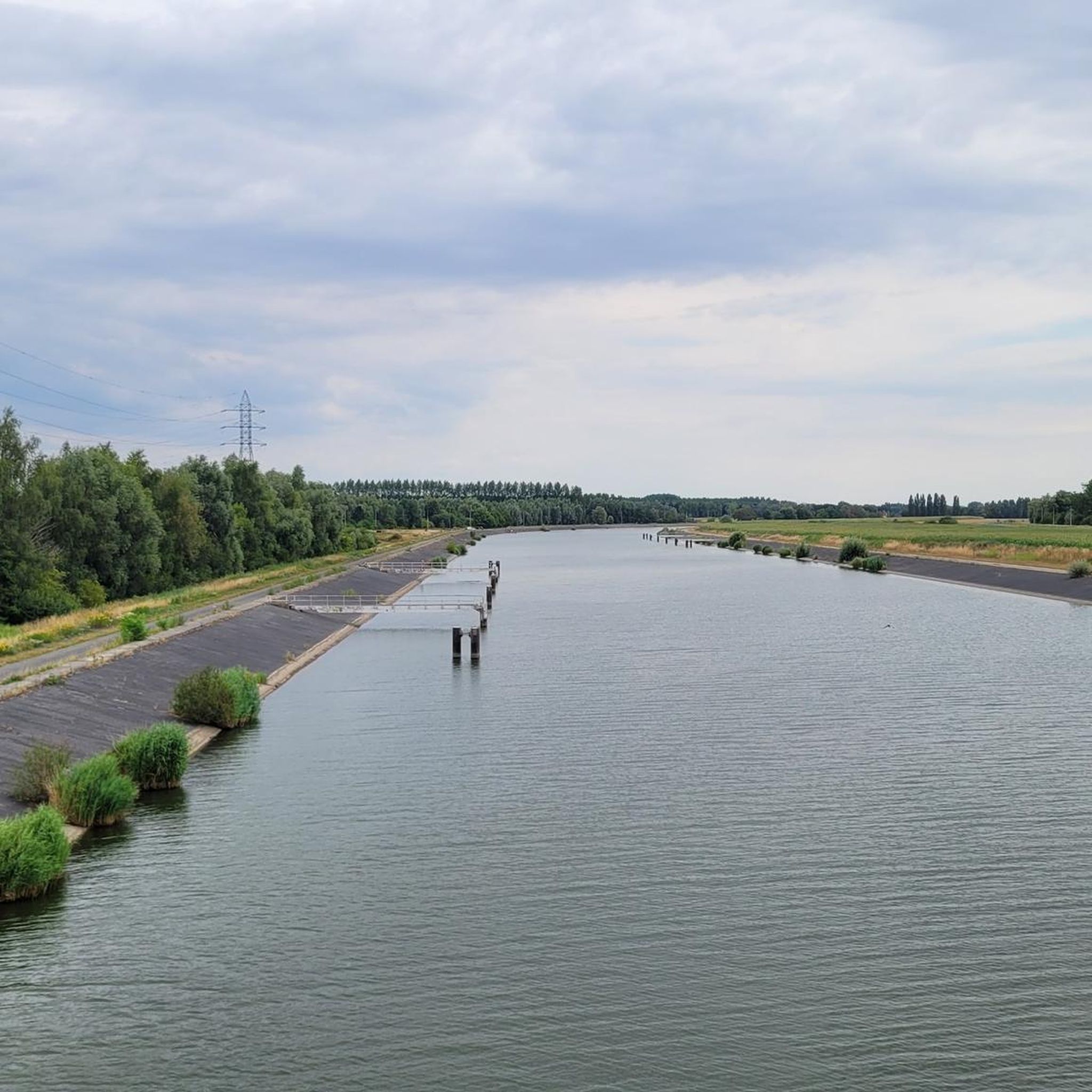

Tips from the Community

Cathedral on the market square Tournai
0
0

Free entrance, and you can ride, run on it. Don't come too late in the evening/night though as the area may not be always safe. It is OK during the day.
0
0

The church is located at the end of the Grote Markt and undoubtedly has its origins in the large Gallo-Roman cemetery that stretched over the site of the Grote Markt and an adjacent district. The nave dates from the end of the 12th century. Two round chapels, one of which houses the tomb of Jacques Castaigne (1327), are housed in the corners formed by the nave and the transept. The transept and the choir, with their ribbed vaults, belong to the transition between the Romanesque and Gothic periods. The central tower also dates from the 13th century. It is decorated inside with a double triforium. The choir, surrounded by a 17th-century marble enclosure, was surrounded in 1464 by an ambulatory and several chapels. At the ends of the nave, you can admire two statues forming the so-called Annunciation group, namely the Virgin and the Archangel Gabriel. The statues were made by Jean Delemer, a sculptor from Tournai. They are made of white stone from Avesnes and the original polychromy is attributed to Robert Campin. The organ with 36 registers was made by Georges Delmotte in 1986. Source: openchurches.eu
1
0
The belfry of Tournai is the oldest in Belgium (12th century). The building, which is part of UNESCO World Heritage, is 72 meters high and dominates the Grand-Place. During the ascent of the tower with its 257 steps, one discovers various didactic exhibitions, the prison, the carillonneur's room, and finally the bells which ring every Sunday during the summer (around 3:30 PM). The belfry of Tournai, built in 1192, symbolizes municipal freedoms. Its bell (the “Bancloque”) was used to warn the population of trials, executions, invasions, fires, etc. The belfry served as a watchtower, prison, bell tower, and town hall. You have access to the first terrace, which offers a breathtaking view of Tournai and its surroundings. source: visitwapi.be
1
0
The velodrome is officially called "Vélodrome André Pétrieux". The velodrome is named after a sports official working for the city of Roubaix. His father ran a café on the corner of Jules-Guesde Street and Lannoy Street, Chez Pétrieux. He was one of the founders in 1966 of the Vélo-Club Roubaisien, later the Vélo-Club de Roubaix Lille Métropole, an association with a development program for young cyclists, and since 2007 also a professional cycling team, Roubaix Lille Métropole. The velodrome has honored both cycling enthusiasts with his name since the spring of 2000 and before the start of Paris-Roubaix 2000. Source: Wikipedia
3
0
This velodrome isn't the first in Roubaix. In 1895, a Roubaix velodrome was built in the municipality of Croix. The track was built at the initiative of Théo Vienne and Maurice Pérez. This velodrome already served as the finish line for Paris-Roubaix, specifically for the first 19 editions until 1914, as Vienne was one of the race's initiators and organizers. The track's wood didn't survive the raids for firewood during the First World War. The entire circuit was demolished in 1924. ...so, in 1936, the current track was built in the Parc des Sports in the eastern part of Roubaix. It's a concrete velodrome with a length of 499.75 meters. Starting with the 1943 edition, the tradition that had prevailed until 1914 was revived, and Paris-Roubaix once again finished at a velodrome. Only from 1986 to 1988 were there any editions where the classic didn't reach its finale here. The velodrome also hosted the French National Track Cycling Championships in 1966 and 1971. Between 2006 and 2012, it also hosted an annual cyclocross race, the Grand Prix Lille Métropole, which was a stage of the Cyclocross World Cup in the 2008-2009, 2009-2010, and 2012-2013 seasons. In addition to the outdoor track, the indoor track, Vélodrome Jean Stablinski, opened in 2012. Source: Wikipedia
3
0
Frequently Asked Questions
What is the typical terrain like for road cycling in Plaines De L'Escaut Natural Park?
The park is characterized by expansive agricultural and horticultural plains, making for generally flat to gently rolling terrain. However, some routes incorporate challenging climbs, such as Mont-Saint-Aubert, offering varied experiences for road cyclists. You'll also encounter significant forested areas and numerous wetlands, with the Escaut River flowing through the park.
Are there road cycling routes suitable for beginners or advanced cyclists?
Yes, the park offers a diverse network of routes. For beginners, there are 72 easy routes, such as the Mural of Antoing Castle – Avenue du Domaine de Chercq loop from Maubray, which is 30.3 km with moderate elevation. For those seeking more challenge, there are 16 difficult routes, and 204 moderate routes like the Le pas Roland – Climb of Mons-en-Pévèle loop from Antoing, which includes a notable climb.
What natural features can I expect to see while cycling in the park?
Road cycling routes often pass through a mosaic of environments. You'll encounter the Escaut River and its alluvial plain, contributing to a dense network of waterways and marshlands. Picturesque elements like pollard willows dot the landscape, and the region boasts diverse forests with a mix of deciduous trees. Notable natural features include the Harchies Marshes, a significant ornithological site, and the Mer de Sable State Reserve with its unique flora.
Are there any historical sites or landmarks along the road cycling routes?
Yes, the park is rich in cultural heritage. You might cycle past historical sites like the Château de Beloeil or the Antoing Castle. The Château de Beloeil – Beloeil Castle loop from Antoing is a great route to explore this area. The region also features characteristic rural architecture and nurseries.
How can I access Plaines De L'Escaut Natural Park by public transport or find parking for cycling?
While specific public transport routes directly to trailheads for cyclists can vary, the park is generally accessible. For detailed information on public transport options and parking facilities within the different municipalities of the park, it's advisable to check local transport websites or the official park information center, L'Escale forestière - Bon-Secours. Many routes start from towns like Antoing or Maubray, which typically offer parking.
When is the best time of year for road cycling in Plaines De L'Escaut Natural Park?
The park is enjoyable for road cycling through much of the year. Spring and autumn offer pleasant temperatures and beautiful scenery with changing foliage or blooming nature. Summer is also popular, though it can be warmer. Winters can be cold and potentially wet, so conditions should be checked if planning a ride during this season.
Are there family-friendly road cycling routes in the park?
Yes, the generally flat terrain of the plains makes many sections of the park suitable for family cycling. While specific 'family-friendly' road cycling routes are not explicitly designated, the extensive network of low-traffic roads and marked trails provides numerous options for less strenuous rides, especially in the agricultural and forested areas away from major climbs.
Can I find circular road cycling routes in Plaines De L'Escaut Natural Park?
Absolutely. Many of the road cycling routes in the park are designed as loops, allowing you to start and finish at the same point. For example, the Mont-Saint-Aubert – Church of Ramegnies-Chin loop from Maubray is a popular circular option, covering 52.7 km. This design is convenient for exploring the diverse landscapes without retracing your path.
Are there places to stop for refreshments or food along the road cycling routes?
Yes, the region offers opportunities for refreshment stops. The park features characteristic rural architecture and nurseries, and you can find local, sustainable products. Numerous breweries within the natural park offer refreshing stops, and towns along the routes will have cafes and restaurants where you can refuel.
What do other cyclists say about road cycling in Plaines De L'Escaut Natural Park?
The area is highly rated by the komoot community, with an average score of 4.4 stars from over 100 reviews. More than 3,000 road cyclists have used komoot to explore the park. Reviewers often praise the varied terrain, from flat scenic rides to routes incorporating climbs like Mont-Saint-Aubert, and the extensive network of trails that connect natural and cultural highlights.
How many road cycling routes are available in Plaines De L'Escaut Natural Park?
There are over 290 road cycling routes available in Plaines De L'Escaut Natural Park on komoot. This extensive network provides a wide range of options for cyclists of all abilities, from easy scenic rides to more challenging tours with significant elevation gain.
Most popular routes in Plaines De L'Escaut Natural Park
Most popular attractions in Plaines De L'Escaut Natural Park

Get inspired with the komoot mobile app


Explore more
Browse the best Road cycling routes in other regions.
