The best road cycling routes in Vallée De L'Attert Natural Park
4.3
(318)
11,321
riders
30
rides
Road cycling routes in Vallée De L'Attert Natural Park traverse a transitional geological zone, offering varied terrain from the sandy soils of Lorraine to the schist of the Ardennes. The landscape features winding river valleys, expansive meadows, and dense forests, providing diverse environments for road cyclists. This region is characterized by its unique geological formations, including the sinemurian cuesta, and offers mostly paved surfaces suitable for road biking.
Best road cycling routes in Vallée De L'Attert Natural Park
- The most popular road cycling route is Post Village – Habay-la-Neuve loop from Attert, a 25.3 miles (40.7 km) moderate trail that takes 1 hour 46 minutes to complete, winding through the park's varied terrain.
- Another top favourite among local road cyclists is Post Village – Useldange Castle loop from Schockville, a moderate 27.5 miles (44.3 km) path that offers views of the natural landscape and historical sites.
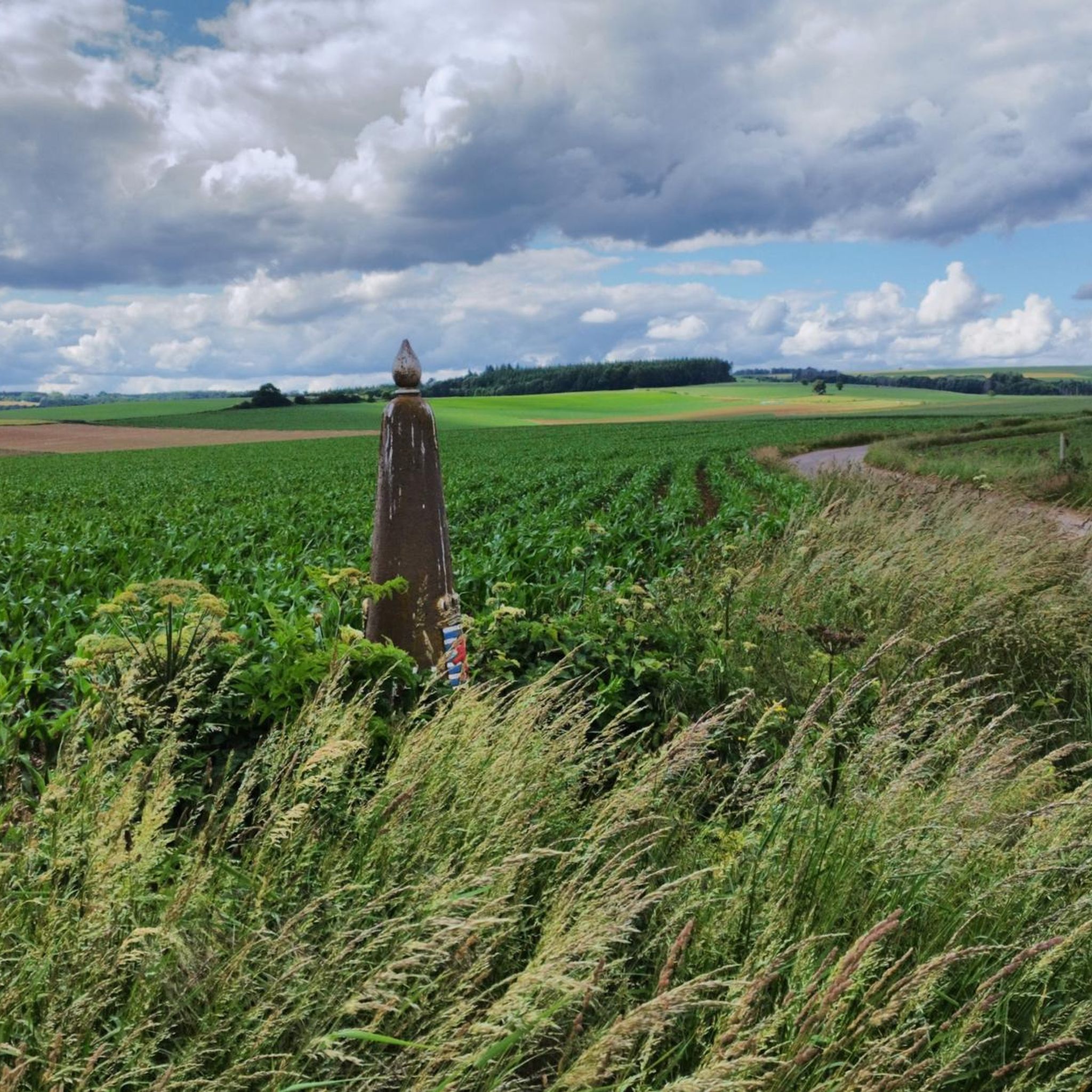
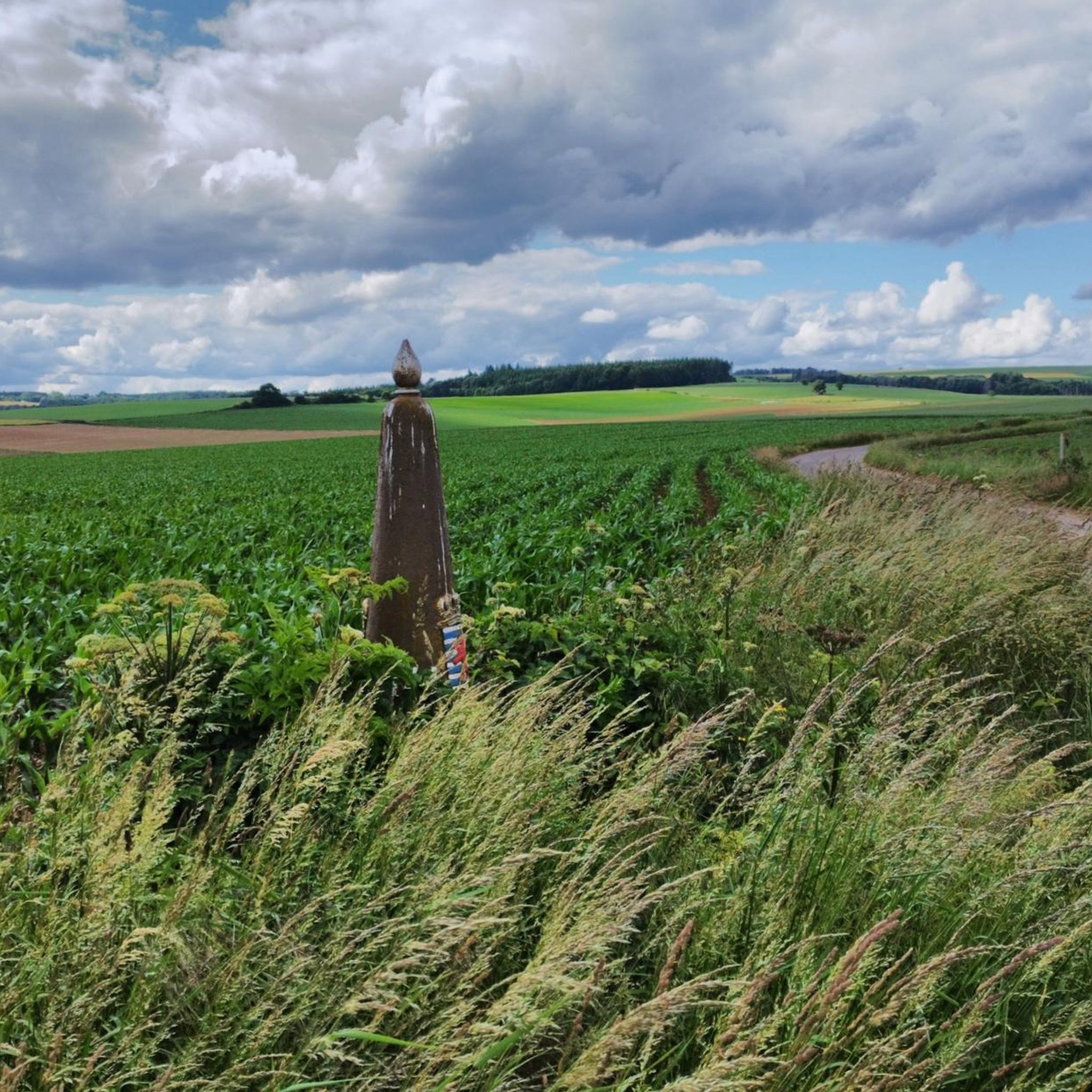
- Local road cyclists also love the Redange-sur-Attert Church – Boundary Marker No. 132 loop from Attert, a 28.7 miles (46.2 km) trail leading through river valleys and past significant landmarks, often completed in about 1 hour 55 minutes.
- Road cycling in Vallée De L'Attert Natural Park is defined by winding river valleys, dense forests, and unique geological formations like the sinemurian cuesta. The network offers options for various ability levels, from moderate to more challenging rides.
- The routes in Vallée De L'Attert Natural Park are highly rated by the komoot community with an average score of 4.9 stars from more than 20 reviews. More than 400 road cyclists have used komoot to explore Vallée De L'Attert Natural Park's varied terrain.
Last updated: July 15, 2026
4.6
(7)
122
riders
40.7km
01:46
380m
380m
Moderate road ride. Good fitness required. Mostly well-paved surfaces and easy to ride.
21
riders
42.7km
01:58
460m
460m
Moderate road ride. Good fitness required. Some segments of this route may be unpaved and difficult to ride.

Sign up for free
24
riders
40.4km
01:45
320m
320m
Moderate road ride. Good fitness required. Mostly well-paved surfaces and easy to ride.
3.8
(4)
24
riders
39.1km
01:43
300m
300m
Easy road ride. Great for any fitness level. Mostly well-paved surfaces and easy to ride.
5.0
(1)
15
riders
28.5km
01:20
370m
370m
Moderate road ride. Good fitness required. Mostly well-paved surfaces and easy to ride.
Get access to more routes and recommendations from other explorers.
Sign up for free
Already have an account?
Our route recommendations are based on thousands of hikes, rides, and runs completed by other people on komoot.
Start today with a free account
Your next adventure awaits.
Login or Signup

Tips from the Community

The Mellier forges are a historic site in Belgium which highlights the industrial heritage of the region. They were built in 1617 by François de Gorzée and Pierre Goens, who wanted to exploit the region's natural resources: water, wood and iron ore. Forges produced high-quality metal products until the early 19th century, when they could not compete with new technologies in the coal and coke industries. The site was then used as a sawmill until the 20th century, when it was abandoned and left to fall into disrepair. Today, the Mellier forges are a protected monument and part of Wallonia's exceptional heritage. You can visit the remains of the buildings, such as the coal hall, lime kilns, dam bridge and ore hall, and learn about the history and techniques of the metalworkers. The site is also surrounded by a beautiful forest, where you can hike along the Mellier River.
2
0

Habay-la-Neuve was an important center for forges in the 18th century. Habay and the neighboring municipalities have kept romantic castles and ponds which follow one another along the Rulles. This combination of water and forest characterizes this region where the savagery of a still intact nature rubs shoulders with the cordial welcome of its inhabitants. The Château du Pont d'Oye, cultural meeting centre, the tomb of the writer and statesman Pierre Nothomb, the chapel of Notre-Dame de Grâces, the church of Saint-Nicolas, the chapel of Bonhomme, the forest of 'Anlier with an area of 5,500 ha, the Forge du Prince waterfall... a few small wonders to see among many others.
2
0
Calvary, at the exit of the hamlet of Lischert, on the road to Thiaumont. Classification as a monument on February 25, 1983
0
0
Classification as a monument on December 9, 1991 Walloon Heritage Institute
0
0
Post is a Belgian village located in the municipality of Attert in the province of Luxembourg and the Walloon Region. It is located on the western edge of the N4 national road. The official language is French, but the vernacular is Luxembourgish. The patron saint of the church is Saint Michael.
0
0
This chapel (16th century) is located at the western gates of the village, at the crossroads linking Heinstert and Post. It was the privileged place for the creation of tales and legends.
0
0
Pastoral unit: Val d'Attert Diocese: Diocese of Namur Rebuilt in 1845 above the main road, the Saint-Jean-Baptiste church seems to look down on the core of remarkable buildings it overlooks.
0
0
The SAINT-WILLIBRORD church in VANCE is one of the oldest churches in the region. It is located on a mound and was formerly surrounded by a cemetery. The modernization of the roads has removed this environment and moreover somewhat disturbs the foundations of the building which is currently under constant surveillance because it could open by the pressure of the walls. In a note, Henri Jacob noted that "examination of the masonry of the tower indicates 3 stages. The base is clearly Carolingian with the layout of the materials in staggered rows which was already the rule in the imperial period of Rome. The second part which goes from the base to the bells is made of large rubble stones, then comes the last more modern part built with hydraulic lime from Vance". The high altar and the side altars are said to have been made at the Abbey of Orval. The woodwork dates from the time of the reconstruction, around 1750. The painting of the high altar was painted in 1865 by Vandekerkove, Prix de Rome. That of the altar of St-Hubert is a painting by Edouard Franquinet, painter from Arlon. There are still two other paintings, one of the Holy Family and one of Perpetual Help. You can admire a 14th century Gothic Virgin in sculpted and polychromed stone as well as a beautiful 19th century Stations of the Cross (painted in 1896 by Alexandre Alaux-Bakès). Also noteworthy in the church, a statue of Saint Willibrord in oak dating from the 17th century, as well as a rather curious statue of Saint Renelde represented as a little peasant girl from the 18th century, dressed in her Sunday best and wearing a large hat. Also worth seeing in the church is the bronze basin of the baptistery placed near the pulpit of truth and which, according to H.Jacob, would be of Roman origin and would have been the "oenochae" or vase to contain the wine of a Roman villa. It would have subsequently been provided with feet. Two chronograms, one engraved in the choir, the other on one of the pillars of the nave, give the year of the reconstruction and designate those who assumed the task. During the reconstruction of the church, the masonry contractor had re-established a lime kiln on the premises in the mound which bears the church, on the north-west side. The vestiges were discovered during transformations which were undertaken when the old cemetery which surrounded the church was removed. All the interior paintings of the church were restored around 1985.
1
0
Frequently Asked Questions
What kind of terrain can I expect when road cycling in Vallée De L'Attert Natural Park?
The Vallée De L'Attert Natural Park offers a diverse road cycling experience due to its transitional geological zone. You'll encounter varied terrain, from the sandy soils of Lorraine to the schist of the Ardennes, often featuring hilly sections and mostly paved surfaces. The landscape is characterized by winding river valleys, expansive meadows, dense forests, and unique geological formations like the sinemurian cuesta.
Are there road cycling routes suitable for all skill levels?
Yes, the park provides options for various abilities. While most of the 25 available road cycling routes are considered moderate, there are also 3 easier routes and 2 more challenging options for experienced cyclists. This ensures that both beginners and advanced riders can find suitable paths.
What natural landmarks or attractions can I see while road cycling?
Many routes offer views of the park's natural beauty and significant landmarks. You might pass by the Tattert-Thiaumont Pond, a beautiful spot with a wooden bridge, or the impressive Dragon Rock. The Nothomb Valley State Nature Reserve also showcases diverse habitats.
Are there any charming villages or historical sites to visit along the routes?
Absolutely. The park is home to charming villages and historical sites. For instance, Nobressart Village is recognized as one of Wallonia's most beautiful, featuring typical light-colored plaster facades and well-preserved 18th and 19th-century farmhouses. Some routes, like the Post Village – Useldange Castle loop from Schockville, even offer views of historical castles.
What do other road cyclists enjoy most about road cycling in Vallée De L'Attert Natural Park?
The area is highly rated by the komoot community, with an average score of 4.9 stars from over 20 reviews. Road cyclists often praise the varied terrain, the unique geological formations like the sinemurian cuesta, and the peaceful atmosphere of the winding river valleys and dense forests. Over 400 road cyclists have used komoot to explore the park's diverse paths.
Are there any family-friendly road cycling options in the park?
Yes, the PC 12 Attert Cycle Route is particularly suitable for family expeditions. This route follows the tracks of an old railway line, offering a unique and generally accessible journey that skirts the border between Belgium and Luxembourg. It's a great way to explore the park with children.
Can I find circular road cycling routes in Vallée De L'Attert Natural Park?
Many of the road cycling routes in the park are designed as loops, allowing you to start and end at the same point. Examples include the Post Village – Habay-la-Neuve loop from Attert and the Redange-sur-Attert Church – Boundary Marker No. 132 loop from Attert, providing convenient options for your ride.
What is the best time of year for road cycling in Vallée De L'Attert Natural Park?
While the park is beautiful year-round, spring and autumn generally offer the most pleasant conditions for road cycling. During these seasons, the weather is typically milder, and the natural scenery, with blossoming flora or vibrant fall colors, is particularly appealing. Summer can also be great, but be prepared for potentially warmer temperatures.
Are there facilities like cafes or accommodation near the road cycling routes?
The villages within and around the Vallée De L'Attert Natural Park, such as Attert and Nobressart, offer various amenities. You can find local cafes, restaurants, and accommodation options to refuel and rest during or after your rides. The House of the Park in Attert also provides information and insights into the region.
Is public transport available to access road cycling routes in the park?
The Vallée De L'Attert Natural Park is accessible, and while specific public transport links directly to every trailhead might vary, regional bus services connect the main towns and villages. For detailed information on public transport options to and within the park, it's advisable to check local transport schedules or visit the official tourism websites for the region, such as Visit Luxembourg or Visit Wallonia.
Where can I find parking for road cycling in Vallée De L'Attert Natural Park?
Parking is generally available in the main villages and towns within or bordering the park, such as Attert, Redange, and Schockville. Many routes, like the Habay-la-Vieille village – Habay-la-Neuve loop from Heinstert, often start from locations with designated parking areas, making it convenient to begin your ride.
Can I road cycle with my dog in Vallée De L'Attert Natural Park?
While many natural areas are dog-friendly, road cycling with dogs requires careful consideration for their safety and comfort, especially on paved roads with potential traffic. If you plan to cycle with your dog, ensure they are well-trained to run alongside a bike and consider quieter routes or paths specifically designated for shared use. Always keep your dog on a leash and be mindful of other cyclists and pedestrians.
Most popular routes in Vallée De L'Attert Natural Park
Most popular attractions in Vallée De L'Attert Natural Park

Get inspired with the komoot mobile app


Explore more
Browse the best Road cycling routes in other regions.
