The 12 Most Amazing Peaks in Baronnies Provençales
Best mountain peaks in Baronnies Provençales are found within a Regional Natural Park, situated between the Alps and Mont Ventoux. This region features limestone mountains, diverse flora, and rich wildlife, making its peaks rewarding to explore. The park is characterized by a Mediterranean climate and varied landscapes, including oak forests, lavender fields, and impressive limestone cliffs. It is also a significant site for raptor observation, with four European vulture species present.
Best mountain peaks in Baronnies Provençales
- The most popular…
Last updated: October 18, 2026
Montagne de Vic
Highlight (Segment) • Summit
Translated by Google •
Tip by

Montagne de Raton
Highlight • Summit
Translated by Google •
Tip by

Sign up now to discover places like this
Get recommendations on the best single tracks, peaks, & plenty of other exciting outdoor places.
Chamouse Mountain
Highlight • Summit
Translated by Google •
Tip by

Summit of Montagne d'Oule
Highlight • Summit
Showing Translation
Tip by

Saint-Ange Pass
Highlight • Summit
Translated by Google •
Tip by

Sign up for free to discover even more peaks in Baronnies Provençales.
Already have an account?
Start today with a free account
Your next adventure awaits.
Popular around Baronnies Provençales
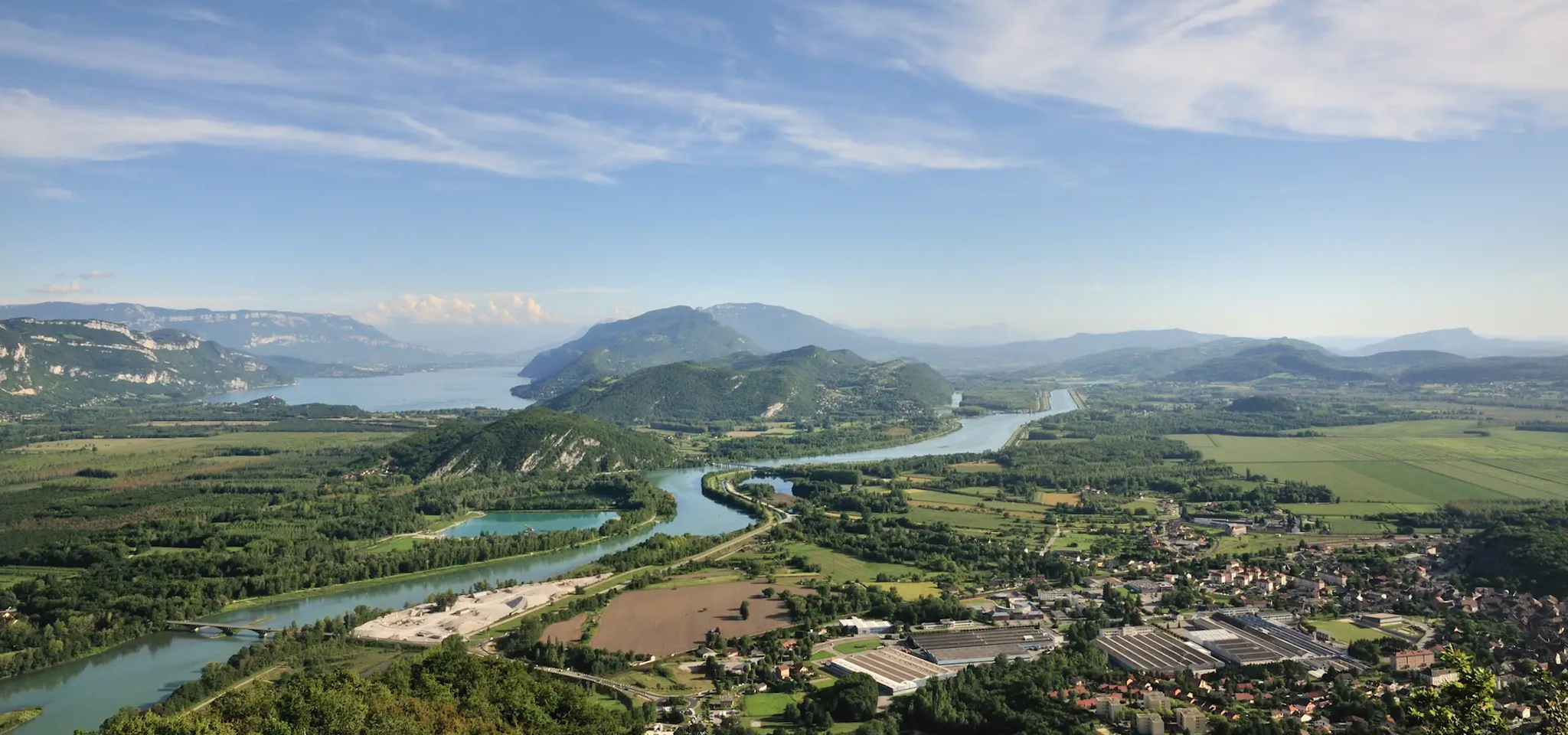
GR 9 from the Jura to the Mediterranean – Crossing contrasts
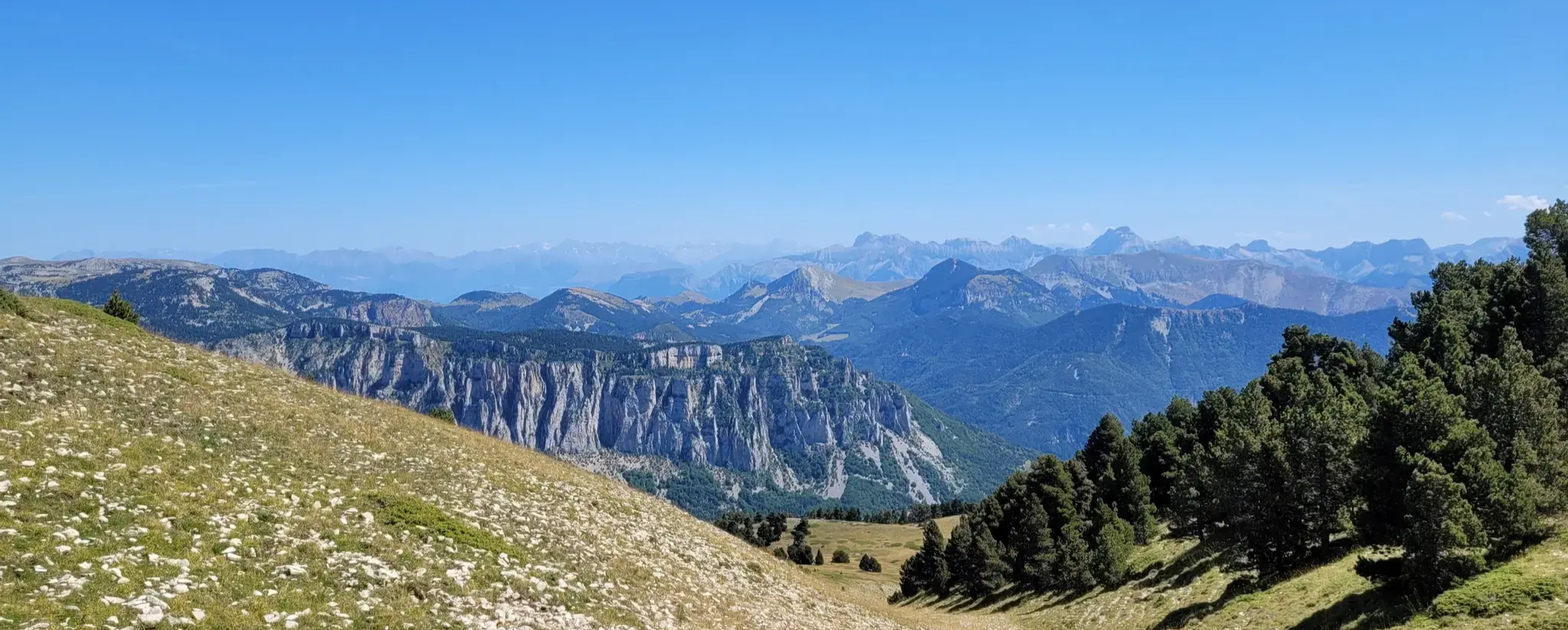
GR 91 - From the Vercors High Plateaux to Provence
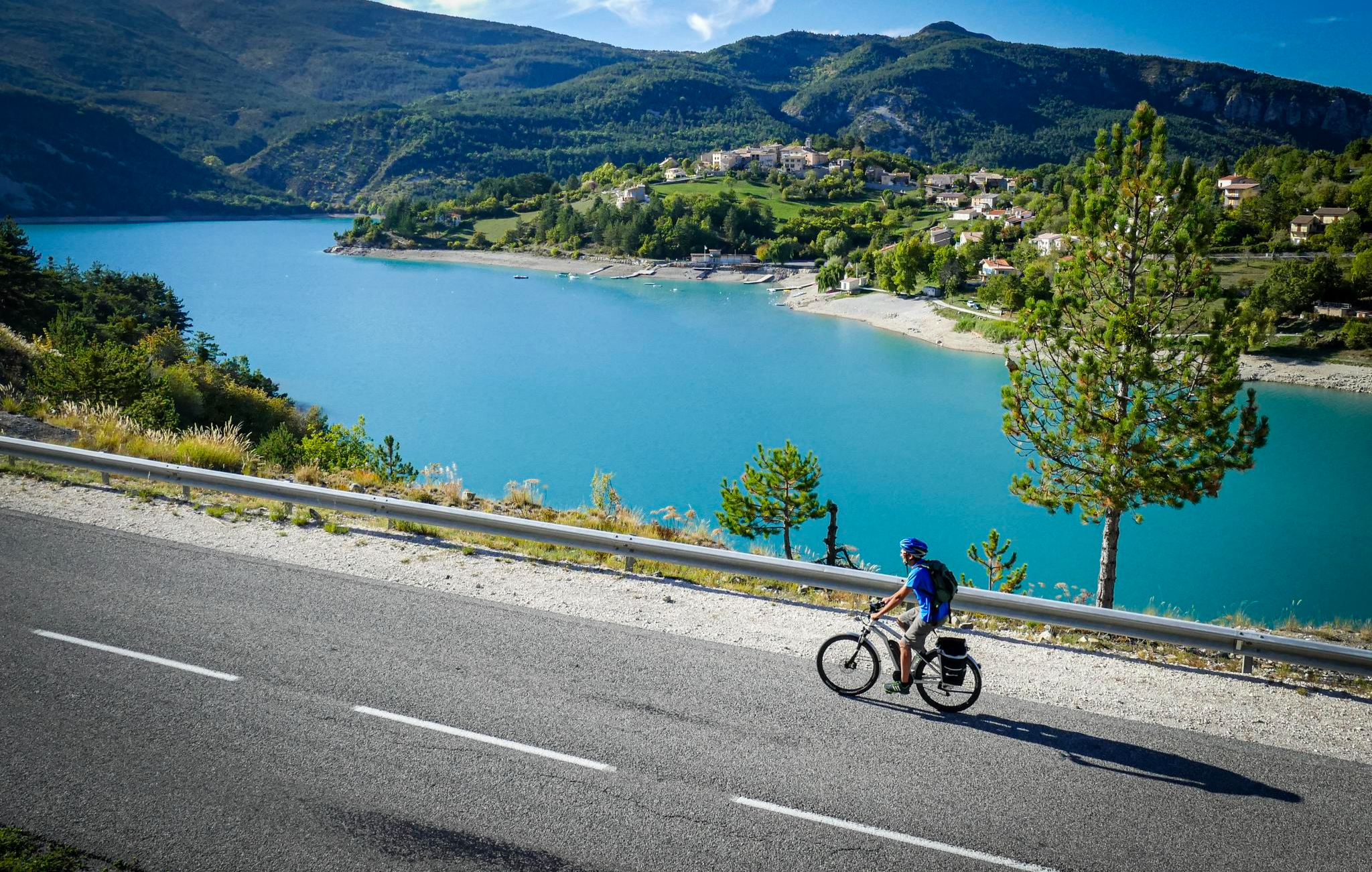
P'tites Routes du Soleil (Little Routes of the Sun)
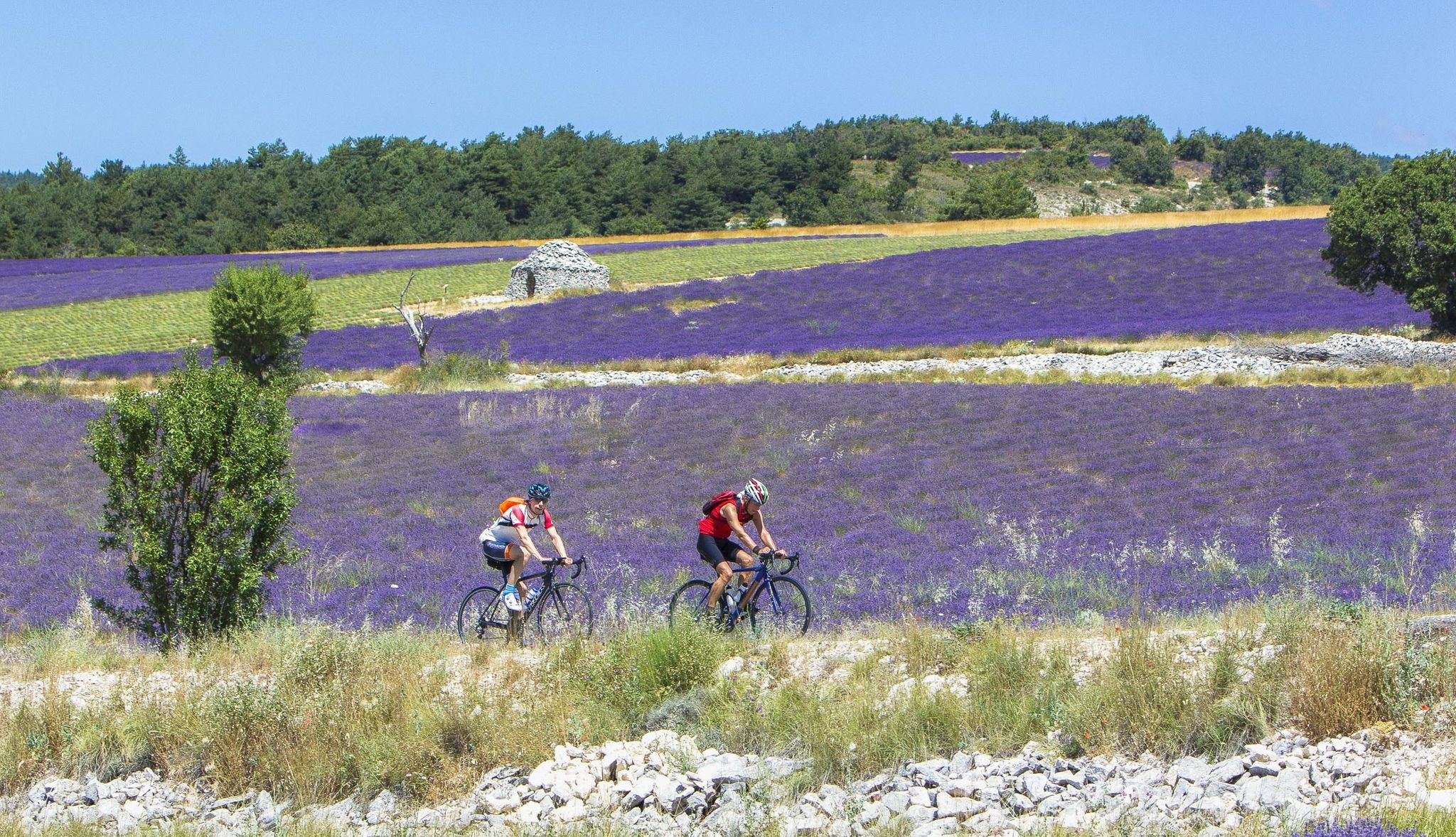
Between passes and mountain villages – bike rides in the Drôme
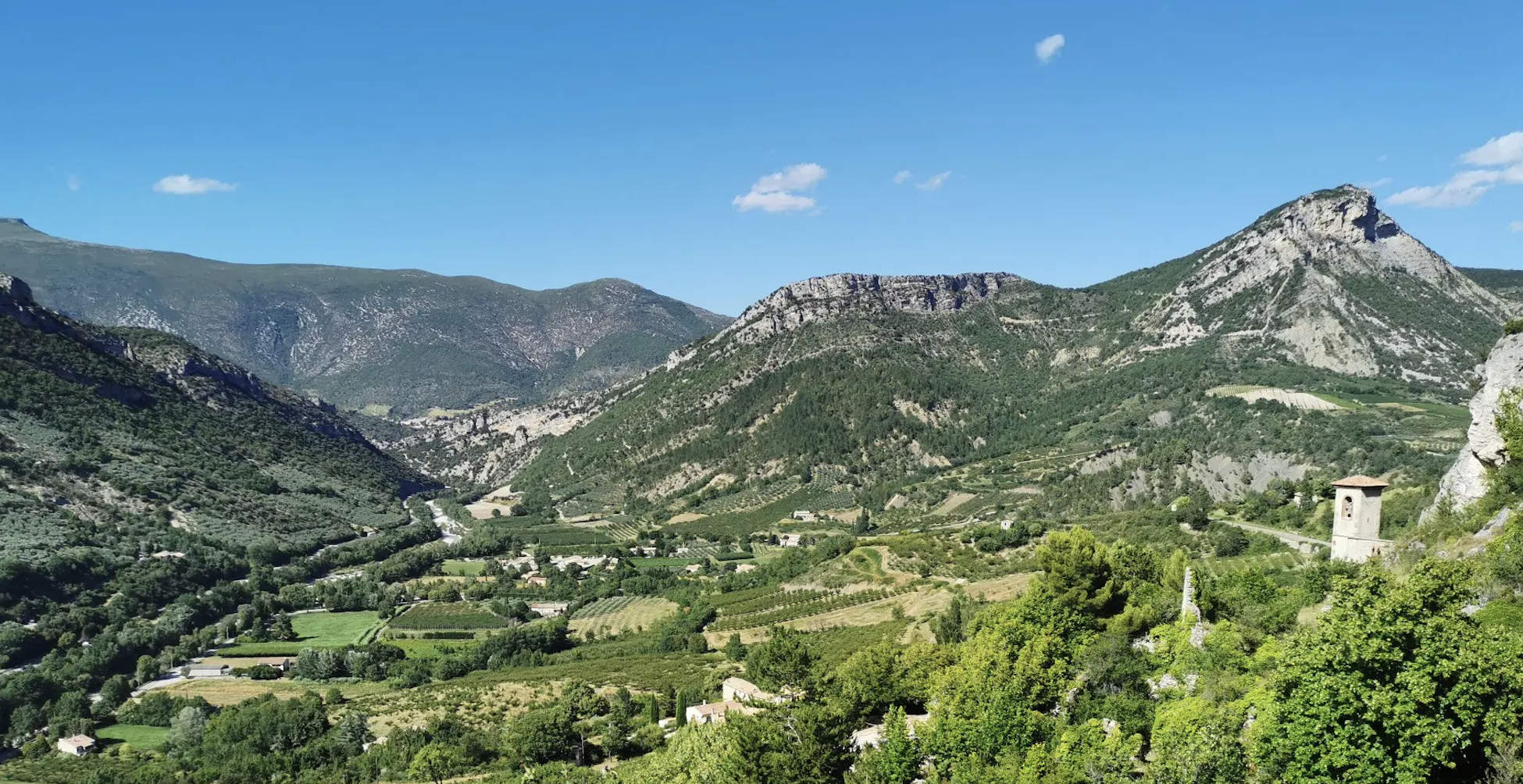
In the shadow of vultures – Tour des Baronnies Provençales
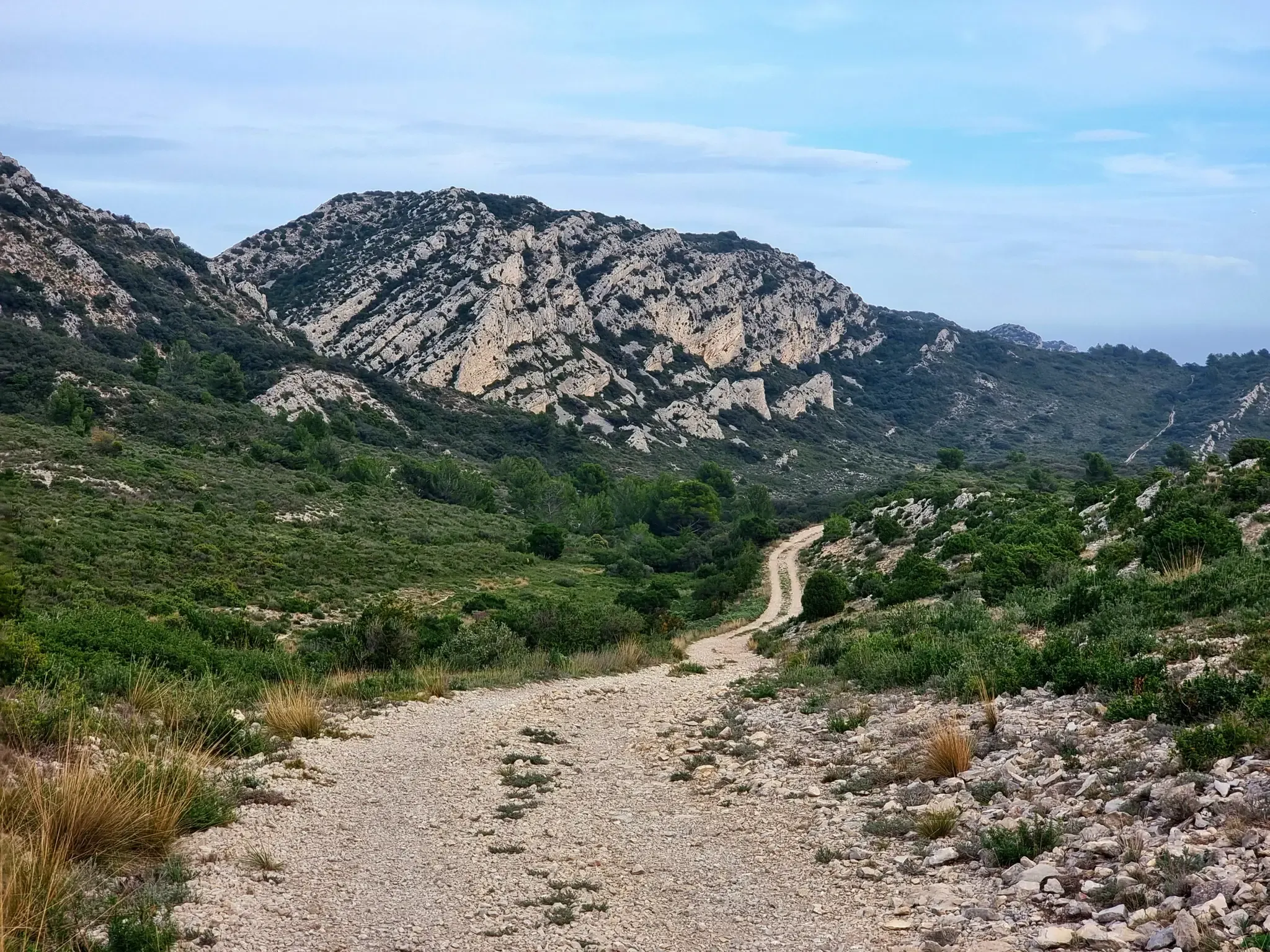
The four massifs — Gravel Tour de la Provence
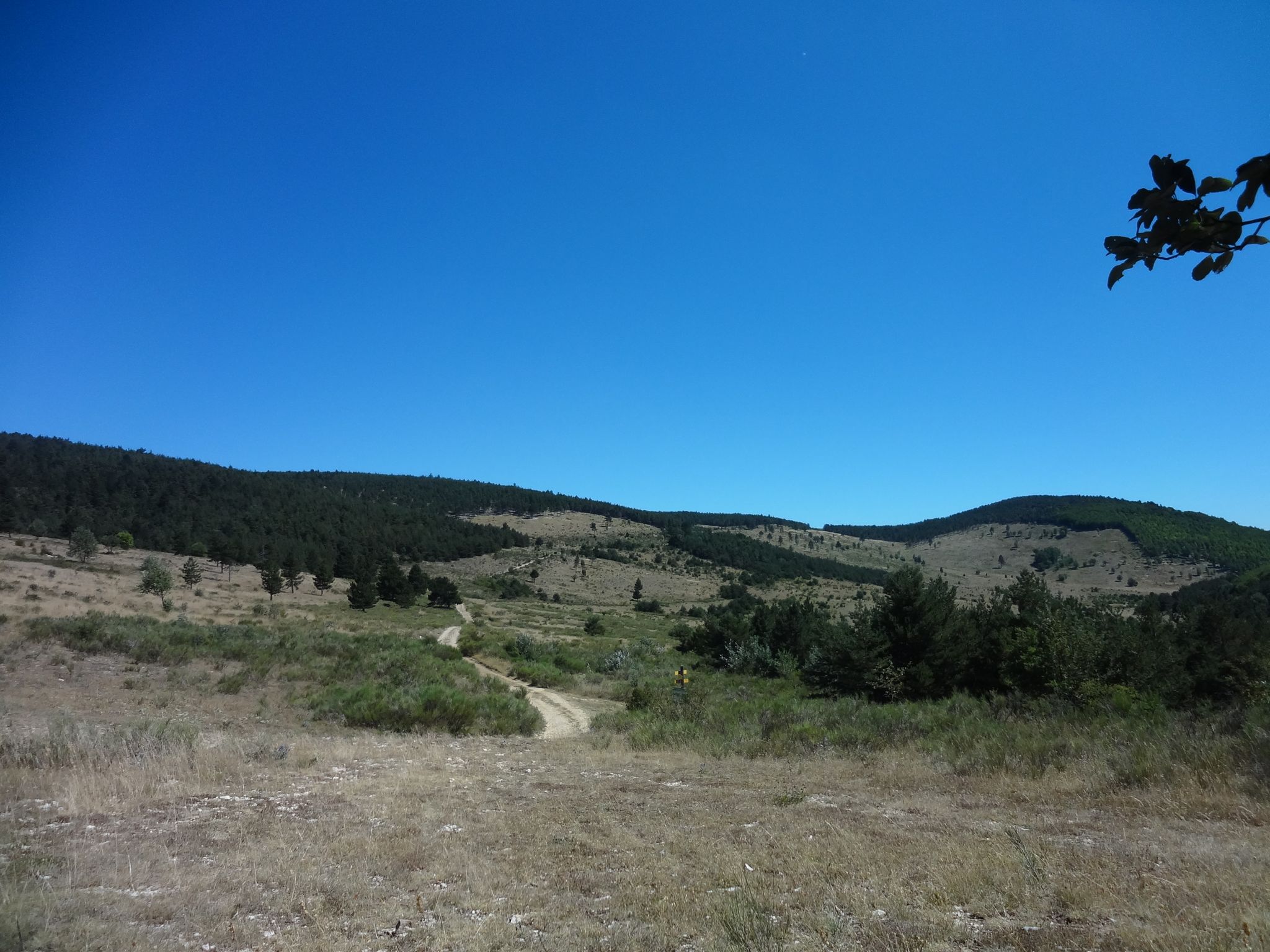
A French literary adventure in Provence – Giono country by bike
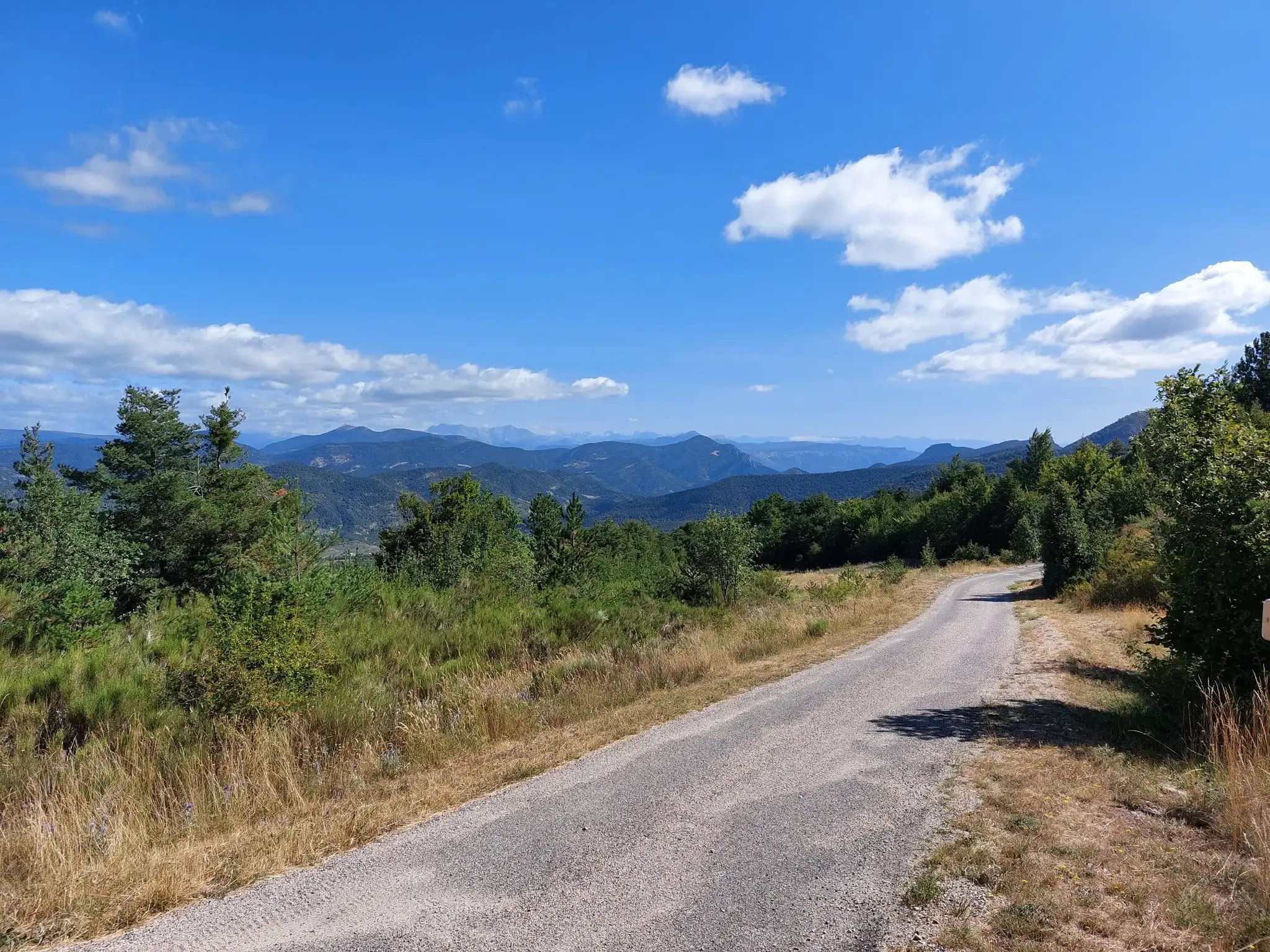
P'tites Routes du Soleil – crossing the pre-Alps from Lake Geneva to Nice
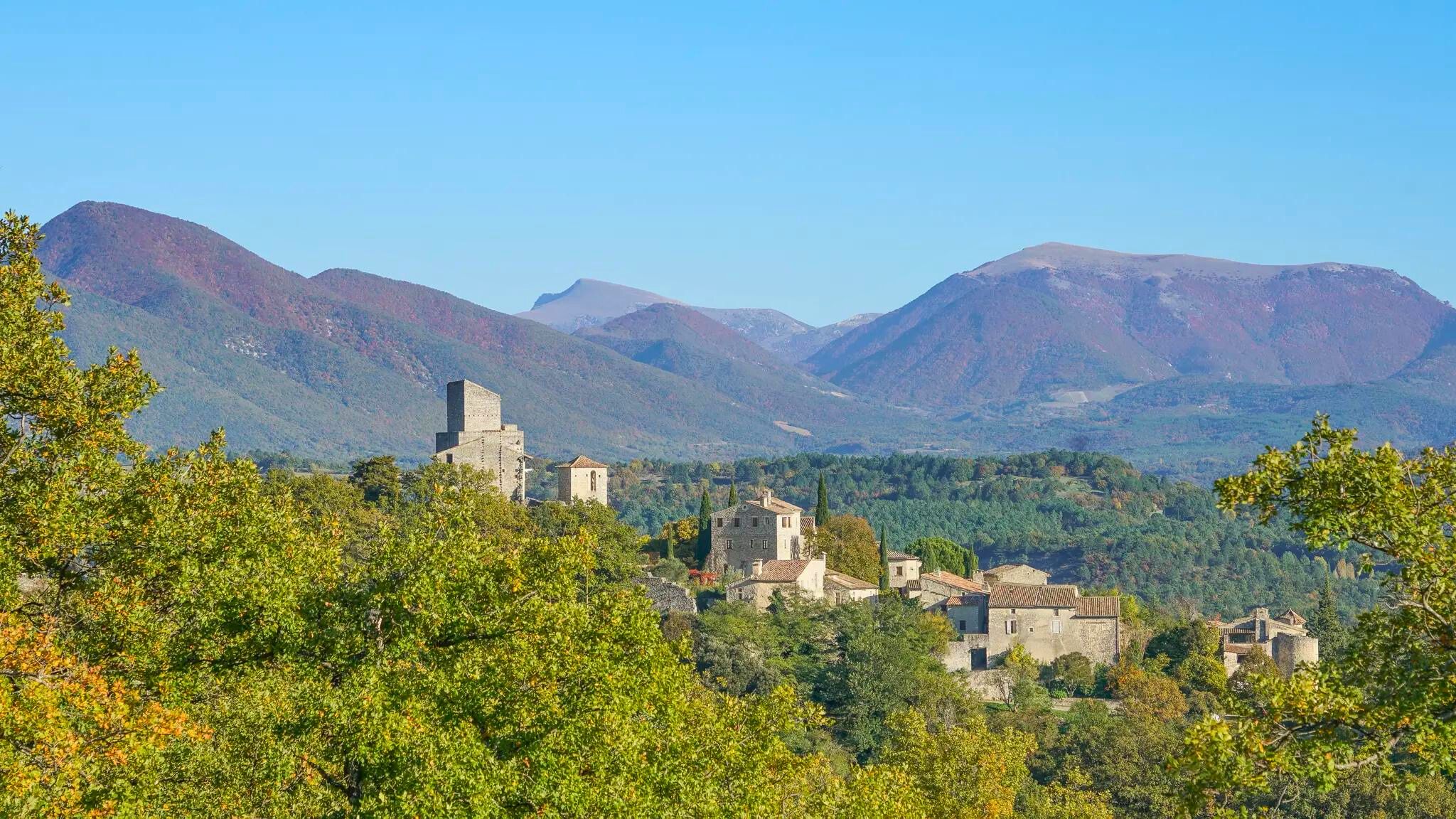
Hike between the Drôme and Ardèche – two days on the GR 429
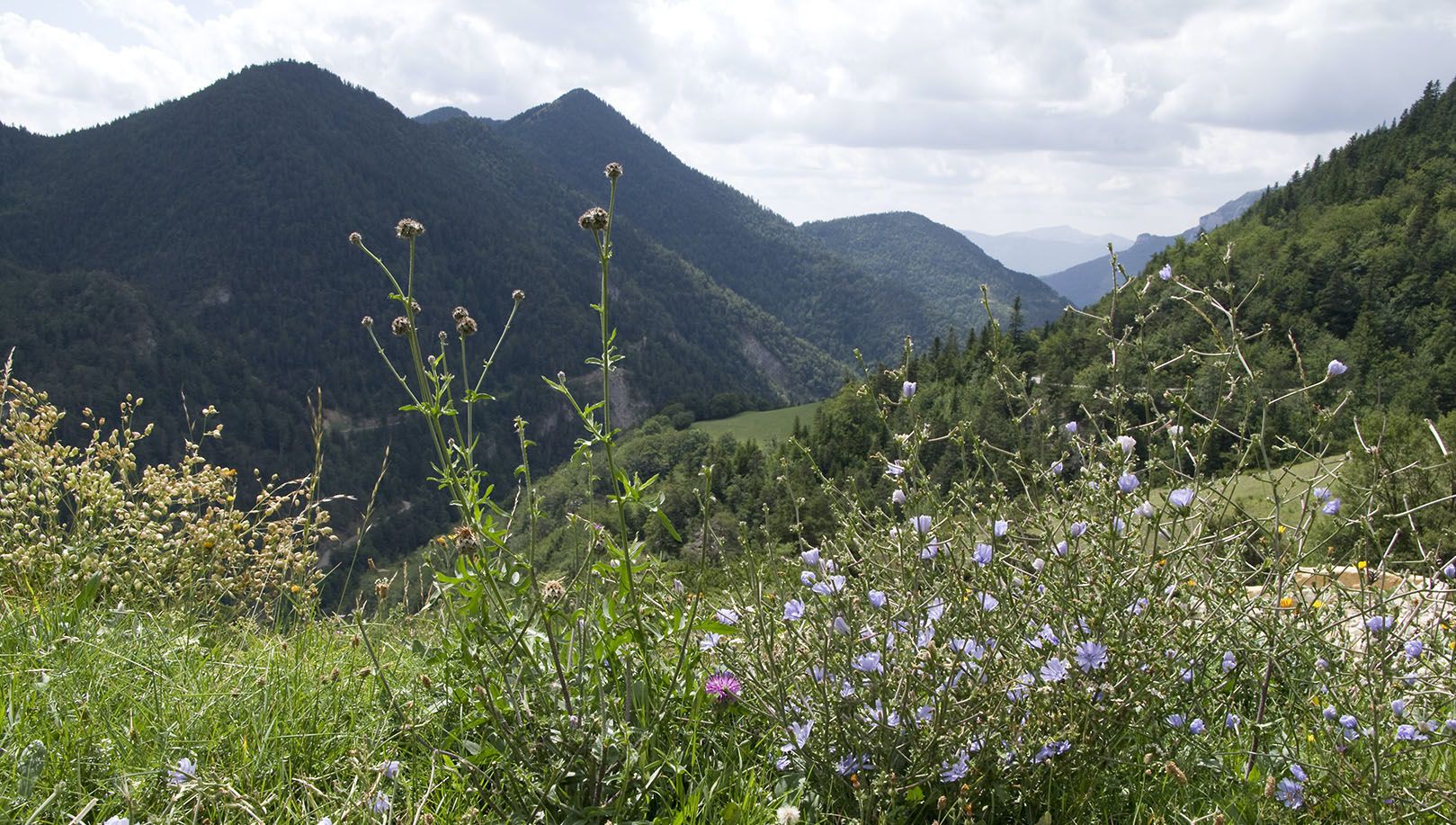
Celebrate the arrival of spring – hike from Savoie to Provence in France
Other adventures in Baronnies Provençales


Tips from the Community

The path is a bit adventurous, you should be sure-footed. Partially steep, partially slippery and rocky. But the view from the summit makes up for all of it 🤩
0
0

bring good shoes and a windbreaker at the top
0
0

Magnificent panorama. Once at the top, it's not very difficult and very pleasant.
0
0

Located on the Chabre mountain, the Col Saint-Ange peaks at an altitude of 1,238 meters. Its summit part offers exceptional views all the way to the Alps.
0
0

The route around the mountain of Vic, with breathtaking views, joins the small hamlets of Vénéjean, Vic, La Villette which experienced a prosperous period during Roman times. The discoveries in these places have brought to light vestiges of constructions which testify to a certain ease. Wheat, vines and olive trees could dispense here all their wealth. Work on the road to Aulan has revealed the existence, for irrigation, of a canal cut in the hard rock of the gorges, allowing the waters of the Toulourenc to be domesticated.
0
0

Located at 1473 meters, the summit straddles the departments of Hautes-Alpes and Drôme and offers beautiful views of the mountains and their forests!
1
0

Sublime 360-degree panorama, to the north, over the Devoluy and Vercors massifs, to the south-west, to Mont Ventoux (non-exhaustive list).
3
0
Frequently Asked Questions
What are some of the most prominent mountain peaks in Baronnies Provençales?
The region offers several prominent peaks. Le Duffre (Montagne de l'Aup) is the highest point in the park at 1,757 meters. Rocher de Beaumont is recognized as the most prominent mountain, offering outstanding panoramic views. Montagne de Raton and Chamouse Mountain are also highly regarded for their extensive vistas.
Which mountain peak offers the highest vantage point in the Baronnies Provençales?
Le Duffre (Montagne de l'Aup), also known as Montagne de Laups Duffre, is the highest point in the Parc naturel régional des Baronnies provençales, standing at 1,757 meters. It provides a magnificent 360-degree panorama of the Southern Alps, Mont Ventoux, and the Vercors and Dévoluy massifs.
Are there mountain peaks with exceptional 360-degree panoramic views?
Yes, several peaks offer stunning 360-degree panoramas. Le Duffre (Montagne de l'Aup), Rocher de Beaumont, Montagne d'Oule, and Chamouse Mountain are all celebrated for their wide-ranging, spectacular viewpoints, often encompassing the Alps, Mont Ventoux, and various massifs.
What are the typical difficulty levels for hiking these mountain peaks?
Hiking difficulty varies. Peaks like Montagne de Laups Duffre often involve trails of T2 difficulty (moderate hiking). Rocher de Beaumont features a somewhat challenging, yet regular climb with some rocky passages and equipped sections. Montagne d'Oule is described as a sporty ascent with about 800 meters of elevation gain over a relatively short distance. Many trails are intermediate, but advanced options are also available.
What unique natural features can be found on these mountain peaks?
The Baronnies Provençales peaks are rich in natural features. Montagne de Chamouse, for instance, is characterized by a concave geological fold known as a 'synclinal,' which houses the sources of the Ouvèze river. The region also boasts diverse flora, including aromatic Provençal 'adrets' and humid beech forests, and is known for its limestone cliffs and varied landscapes.
What is the best time of year to visit the mountain peaks in Baronnies Provençales?
The Baronnies Provençales benefits from a Mediterranean climate. Spring and autumn are generally ideal for hiking, offering pleasant temperatures and vibrant landscapes. During warmer periods, the pine and beech forests found on ascents like Montagne d'Oule provide welcome shade. Winter hiking is possible, but weather conditions can be more challenging.
What wildlife can I expect to see around the mountain peaks?
The Baronnies Provençales Regional Natural Park is a significant site for raptor observation. You can often spot four European species of vultures—Griffon, Black, Egyptian, and Bearded Vultures—soaring above the cliffs, particularly around the Rocher du Caire. The park also hosts over 200 protected animal species, making it a rich area for wildlife enthusiasts.
Are there specific hiking trails or routes recommended near these peaks?
Yes, there are numerous hiking opportunities. For mountain hikes, you can explore routes like the 'Le Rochas – Le Suillet loop from Orpierre' or the 'Mountaineering loop from Parking de Jubéo.' For more options, refer to the Mountain Hikes in Baronnies Provençales guide. There are also running and waterfall hiking guides available for the region.
Can I find trails suitable for advanced hikers in the Baronnies Provençales mountains?
Yes, the region offers challenging options for experienced hikers. Peaks like Montagne de Laups Duffre provide rewarding endeavors for those seeking the highest vantage points. The ascent to Rocher de Beaumont involves challenging sections, and Montagne d'Oule is known for its sporty climb. You can find more difficult routes in the Mountain Hikes in Baronnies Provençales guide.
What makes Montagne de Chamouse a unique peak to visit?
Chamouse Mountain is unique for its wide, grassy summit plateau and horseshoe-shaped rocky bar, offering magnificent 360-degree views. Its diverse terrain includes sunny Provençal 'adrets,' humid beech forests, pastures, and lavender fields, providing a varied and tranquil hiking experience. It also features a distinctive geological synclinal.
Is parking available for accessing the mountain peaks?
While specific parking details for every peak are not provided, access to popular hiking destinations in the Baronnies Provençales typically includes designated parking areas near trailheads in villages or at the base of mountains. It is advisable to check local information for specific peak access points.
Are there any historical sites near the mountain peaks?
Yes, for example, the area around Montagne de Vic has historical significance. The small hamlets of Vénéjean, Vic, and La Villette experienced a prosperous period during Roman times, with discoveries revealing vestiges of constructions and an ancient irrigation canal cut into the hard rock of the gorges.
What kind of forest environments can I expect to encounter while hiking?
The Baronnies Provençales offers diverse forest environments. You'll find pine forests and beautiful beech groves, particularly on ascents like Montagne d'Oule, which provide pleasant shade. The region also features oak forests and varied terrain with aromatic scents, contributing to a rich natural experience.
Most popular routes in Baronnies Provençales
Most popular attractions in Baronnies Provençales

Get inspired with the komoot mobile app


Explore more
See even more amazing summits in Baronnies Provençales with these guides:
