Top 8 Castles in Lorraine
Castles in Lorraine offer a journey through centuries of history, situated in a region with a strategic location between France and Germany. The landscape features diverse architectural styles, from medieval fortresses to elegant ducal palaces. These sites provide insights into the region's past and its cultural heritage. Lorraine's varied terrain also offers opportunities for exploration around these historical landmarks.
Best castles in Lorraine
- The most popular castles is Prény Castle, a castle that is an old fortified castle overlooking the town of the same name. It is a symbolic fortress of the Dukes of Lorraine, known for its impressive pentagonal keep and thick walls.
- Another must-see spot is Château de Romécourt, a castle and historical site. Visitors can explore this listed 16th-century fortified farm, which offers tranquility and a connection to nature.
- Visitors also love Dieulouard Castle and Church, a castle and religious building. This site is a notable stop on the Way of St. James, offering a small village with amenities and historical significance.
- Lorraine is known for its medieval fortresses, Renaissance châteaux, and Baroque palaces. Visitors can explore a variety of castles, showcasing different architectural periods and historical significance across the region.
- The castles in Lorraine are appreciated by the komoot community, with 8 highlights featuring more than 20 photos and 26 upvotes.
Last updated: July 1, 2026
Prény Castle
Highlight • Castle
Translated by Google •
Tip by

Old Fénétrange
Highlight • Castle
Translated by Google •
Tip by

Sign up now to discover places like this
Get recommendations on the best single tracks, peaks, & plenty of other exciting outdoor places.
Sign up for free
Réchicourt Castle 🏰
Highlight • Historical Site
Translated by Google •
Tip by

Château de Romécourt
Highlight • Castle
fr.wikipedia.org/wiki/Ch%C3%A2teau_de_Rom%C3%A9court
Translated by Google •
Tip by

Dieulouard Castle and Church
Highlight • Castle
Stamp point for the Way of St. James in the church
Translated by Google •
Tip by

Sign up for free to discover even more castles in Lorraine.
Sign up for free
Already have an account?
Start today with a free account
Your next adventure awaits.
Login or Signup
Popular around Lorraine
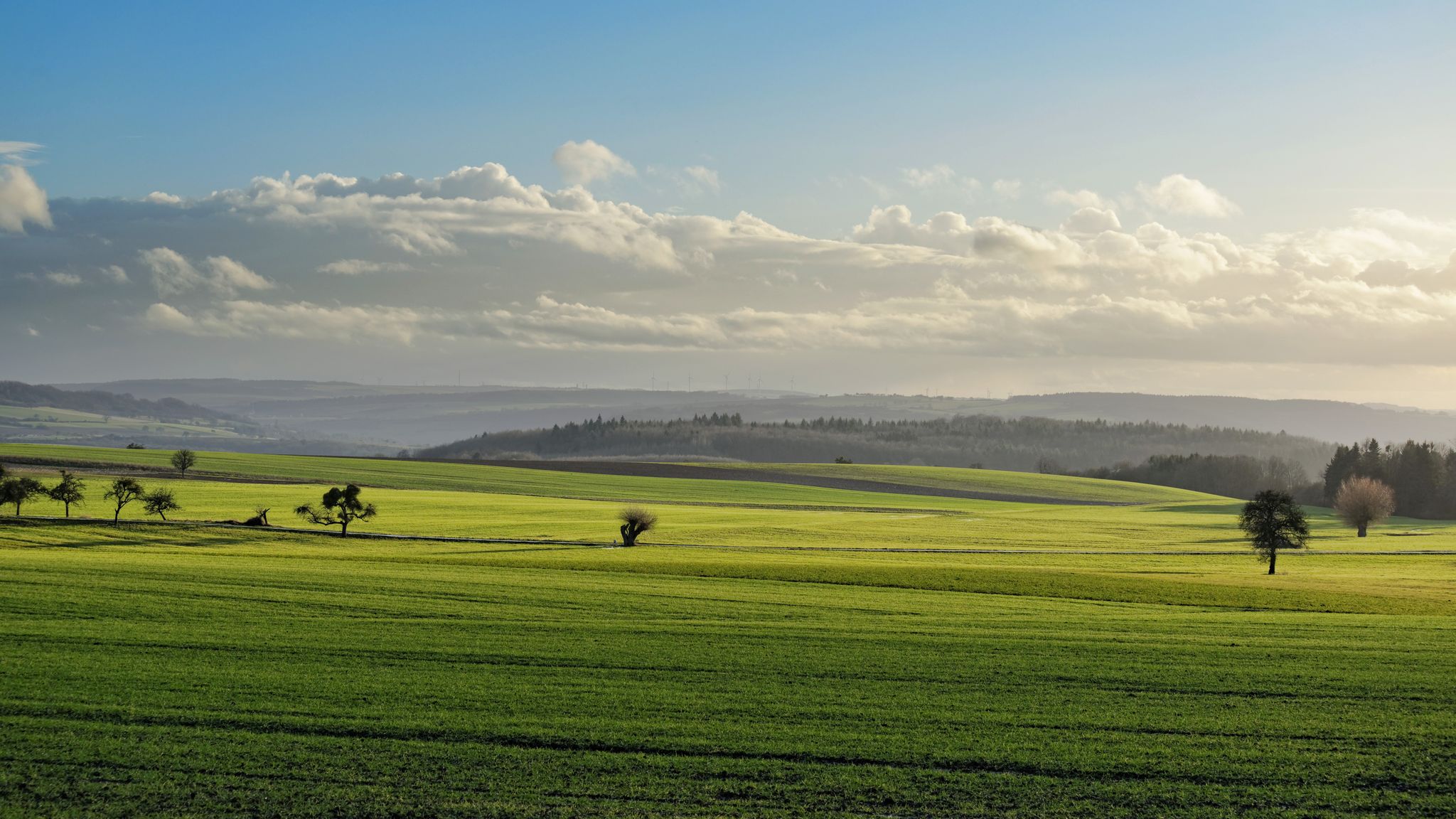
GR5 — The Europe Trail from Abreschviller to Apach
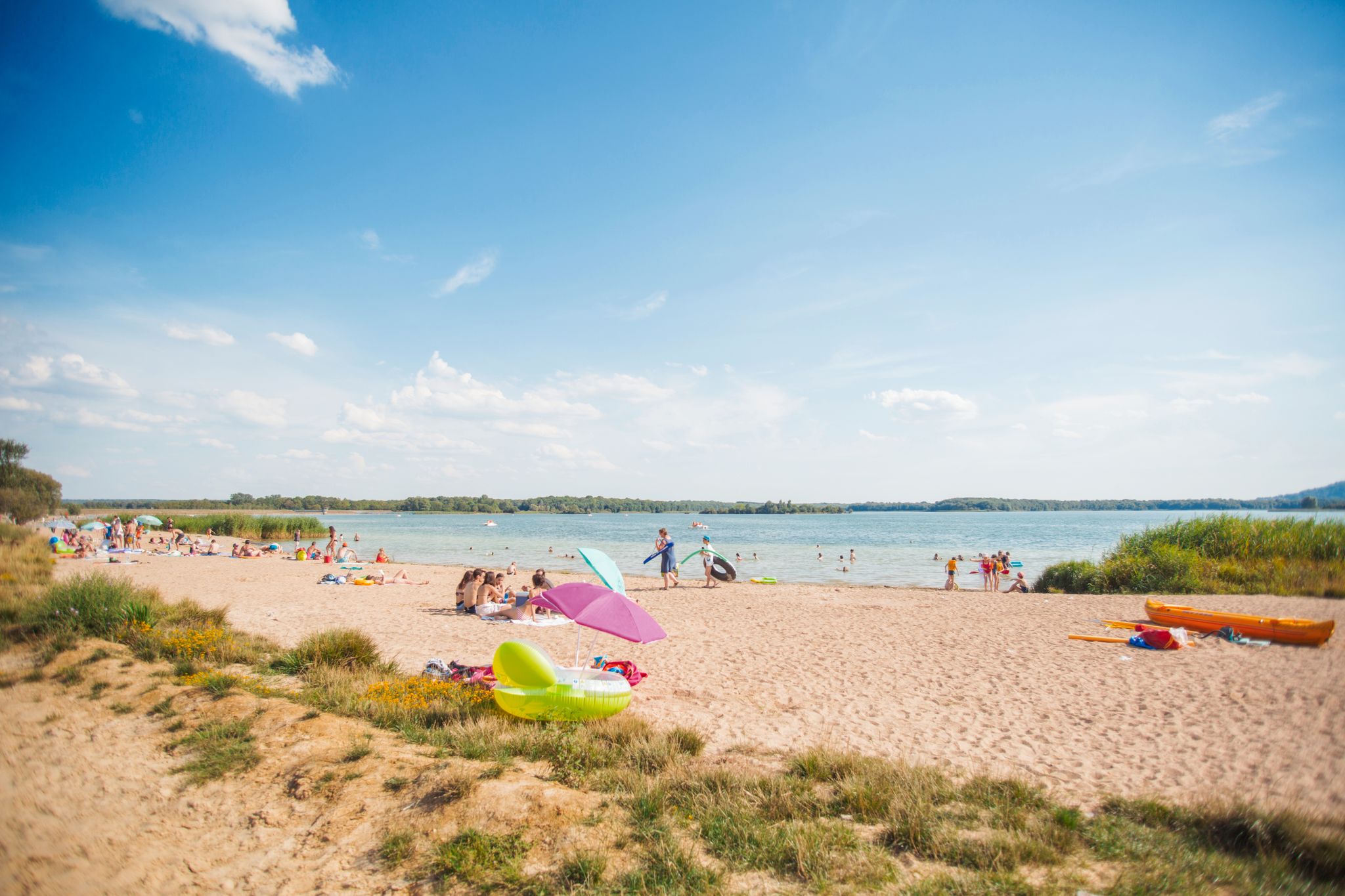
Walking in fresh air or alongside water in the Grand Est
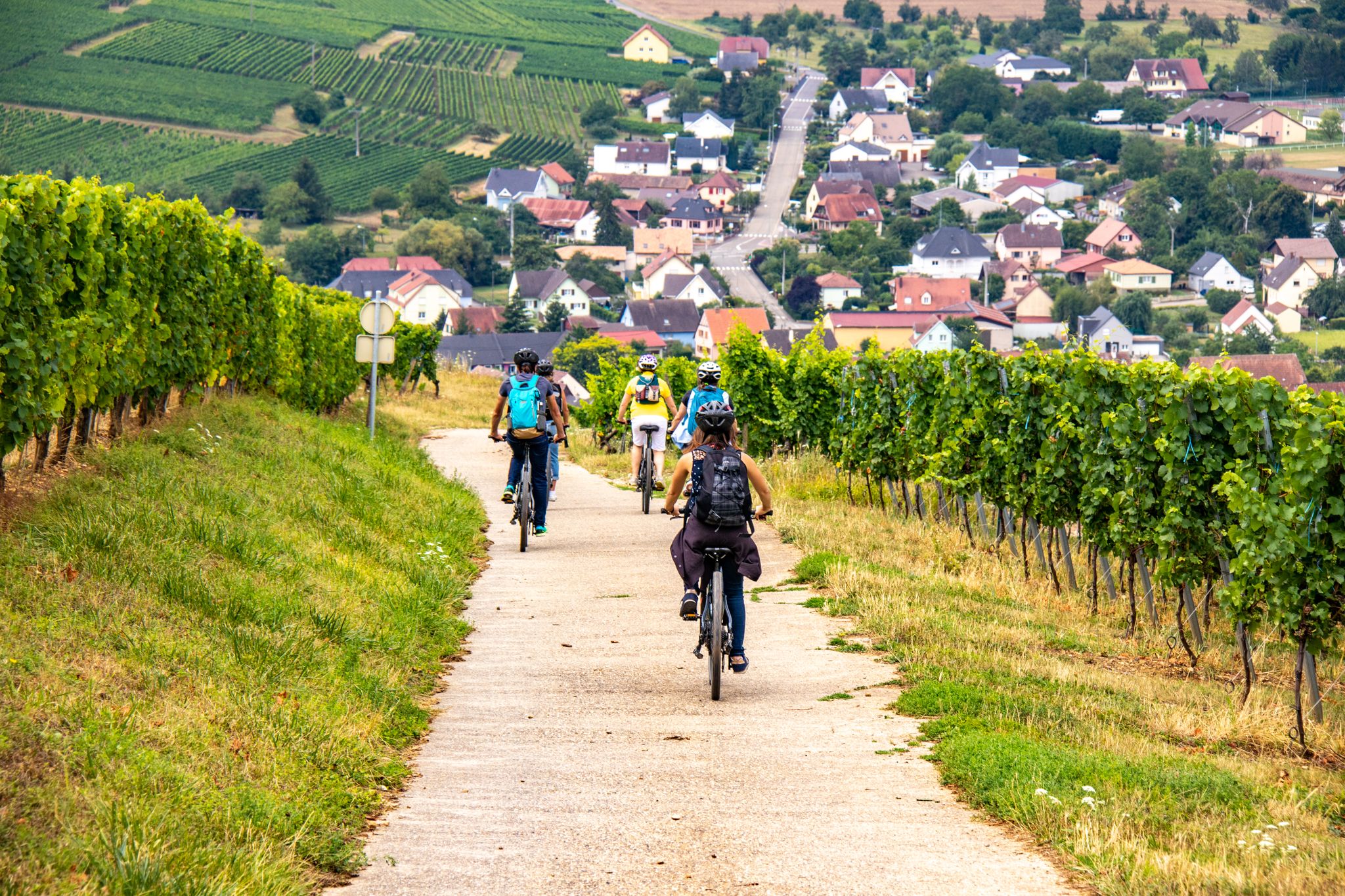
EuroVelo 5 - Via Romea (Moselle - Alsace)
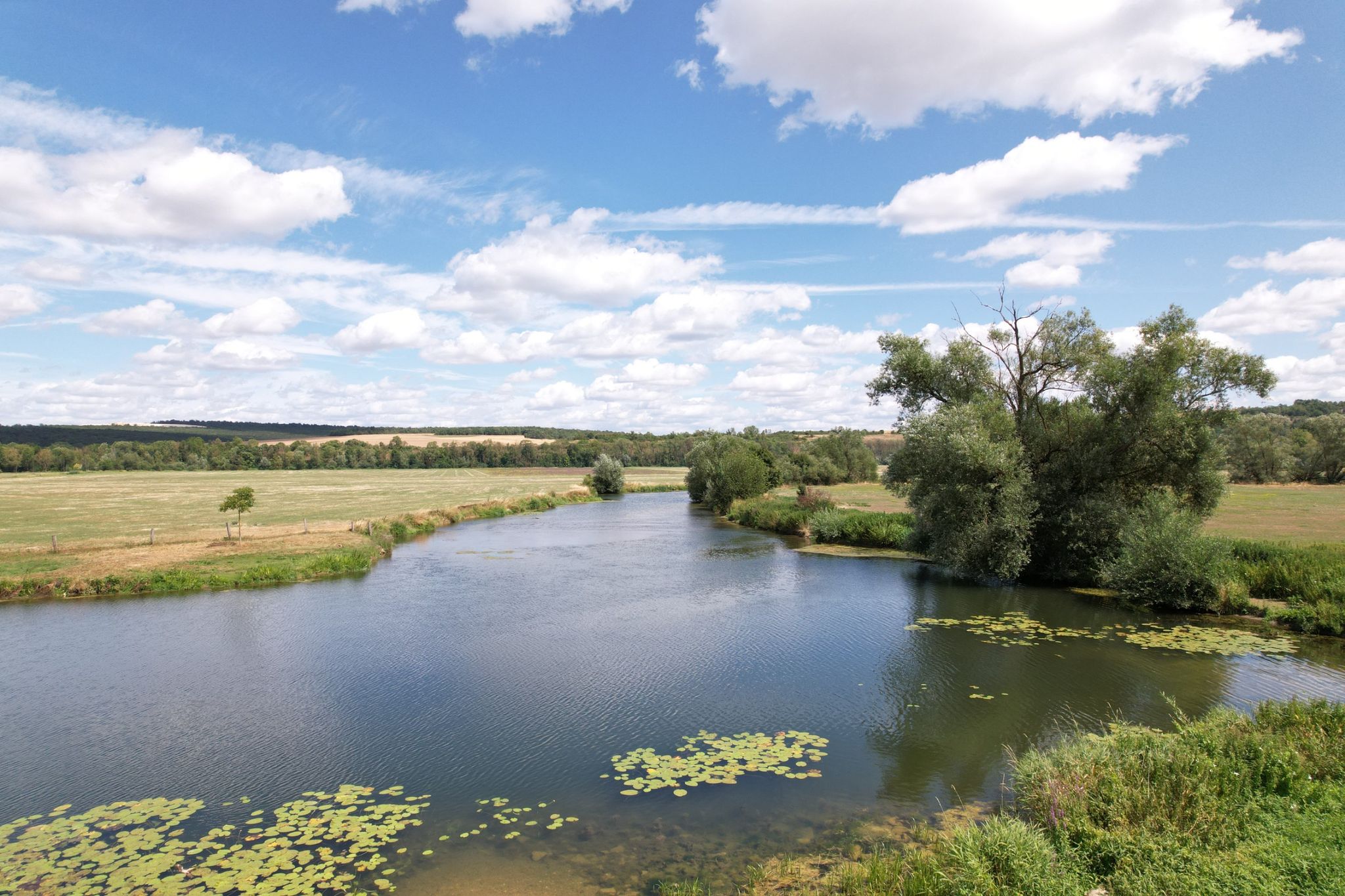
Along the Meuse River – an adventure on EuroVelo 19
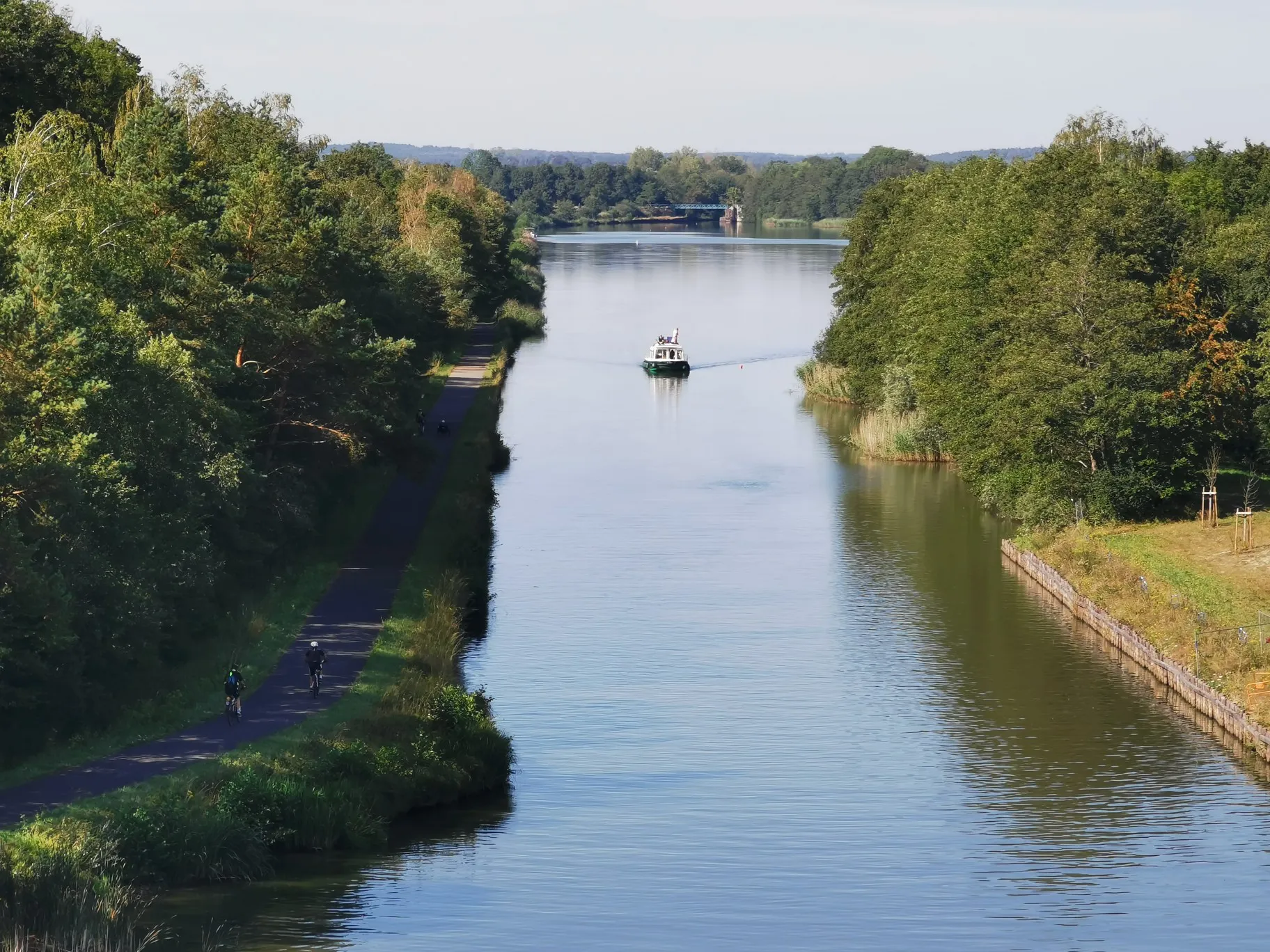
A river getaway – along the Marne-Rhine Canal
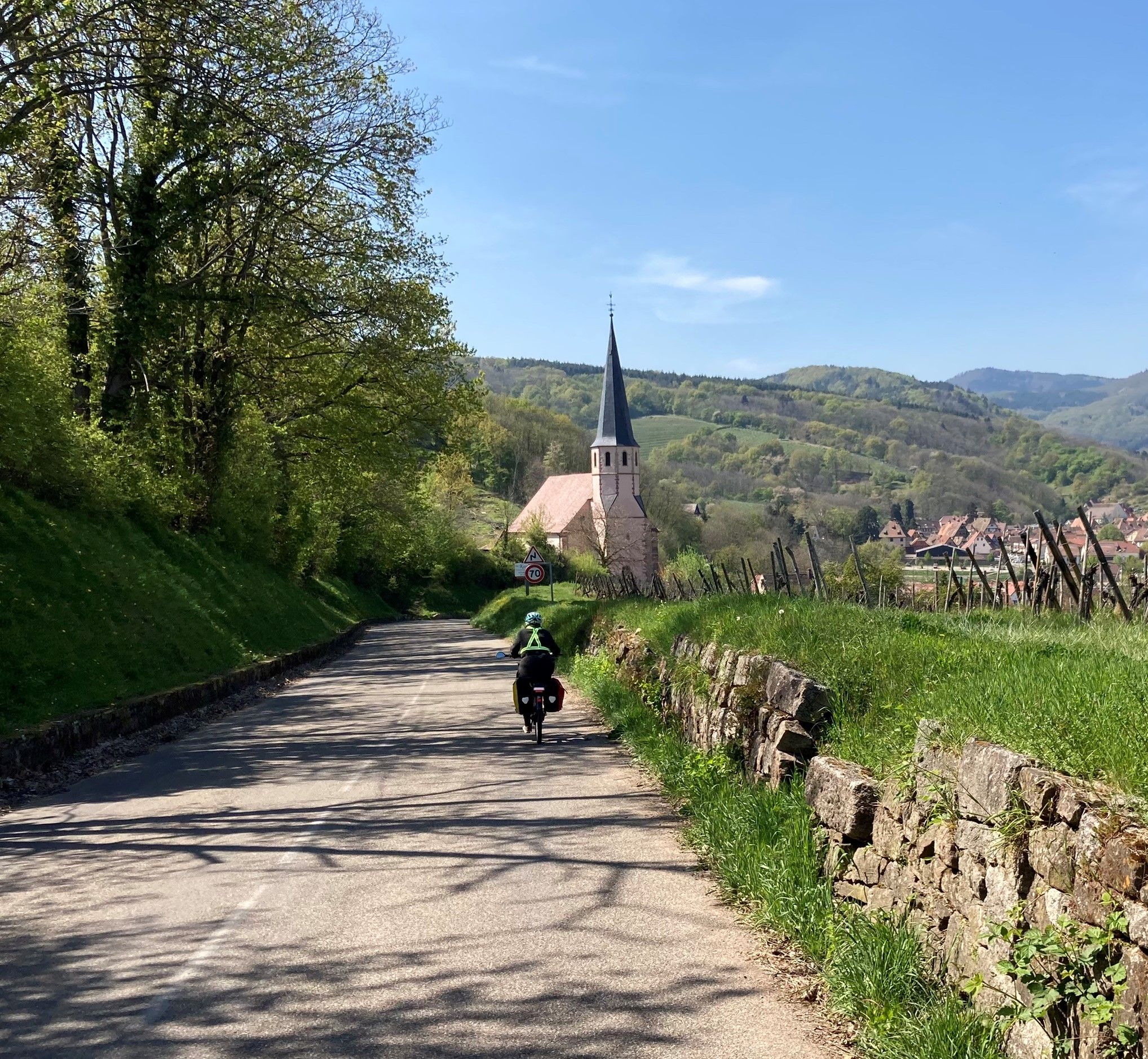
The Via Romea Francigena in Alsace-Moselle – EuroVelo 5
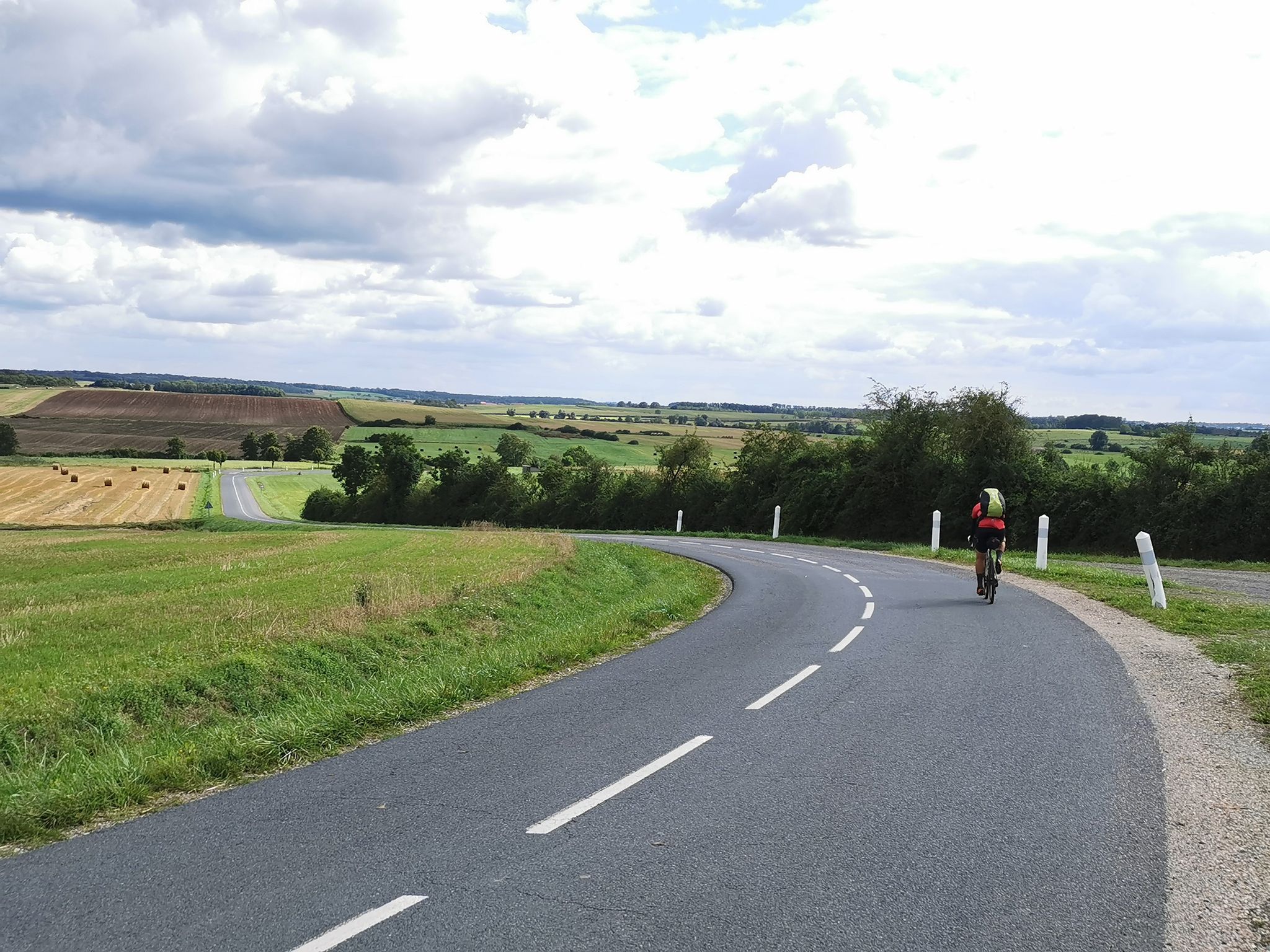
Bikepacking on the Veloroute SaarLorLux
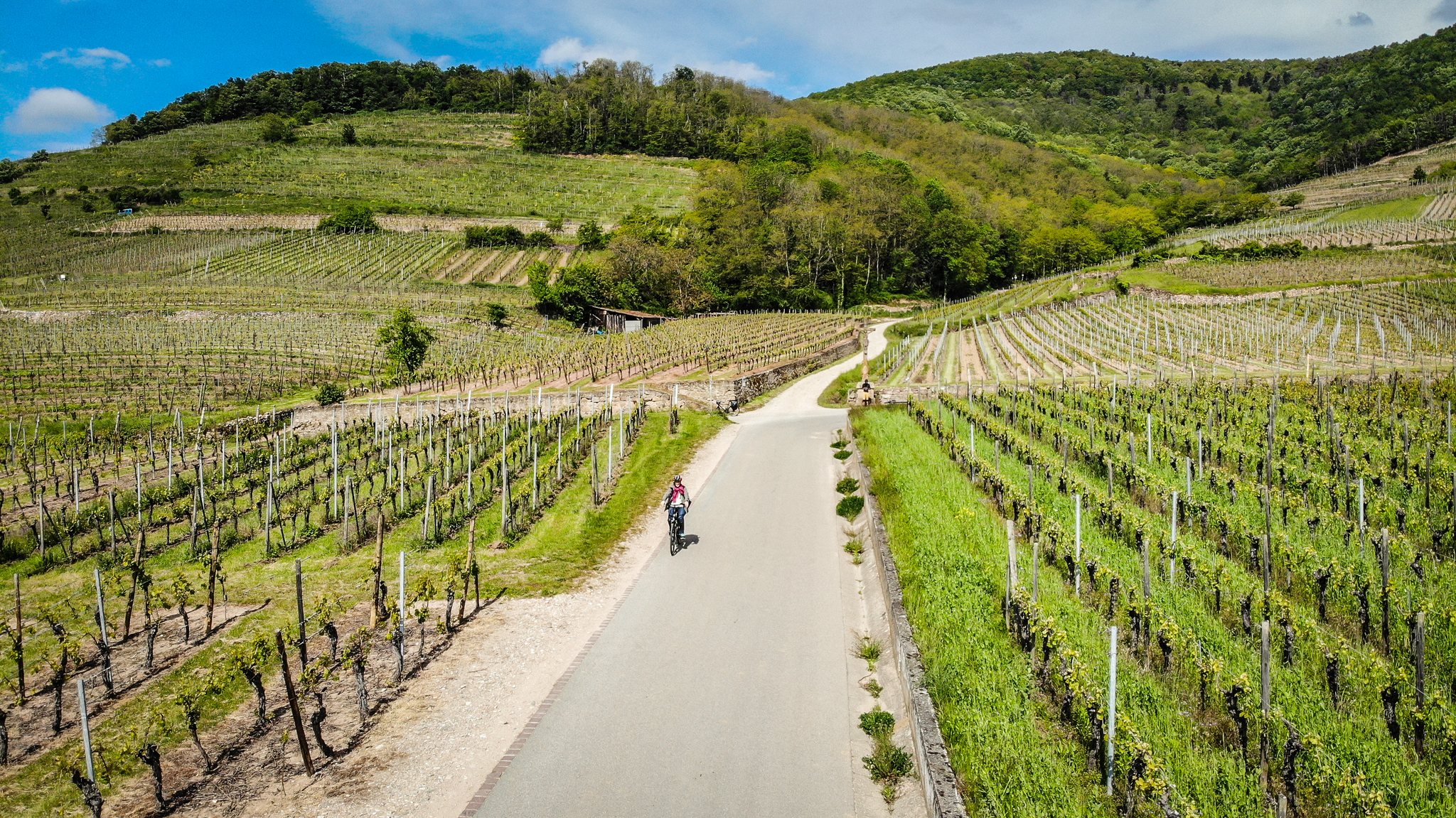
L’Alsace à Vélo - Entre canaux, vignoble et vallées vosgiennes
Hiking in Lorraine
Cycling in Lorraine
Other adventures in Lorraine


Tips from the Community

be careful at the intersection without road markings and traffic
0
0

The small town with only about 700 inhabitants dates back to at least the 11th century. A short detour from the main street is worthwhile if you are interested in the town's history and historical architecture. Behind the town gate you can see a place whose proud buildings do not really fit in with the size of the village - somehow strange.
0
0

Symbolic fortress of the Dukes of Lorraine, the name of this castle has become the war cry of the princes "Prény! Prény!". Dominating the Moselle valley from its spur, the castle benefits from a large enclosure around the lower courtyard in which the village developed and the eastern small, isolated from the village by a large ditch, and which constitutes the largest part. strongest on the site. This place constitutes one of the northern locks of the Dukes of Lorraine, in a region largely held by the Counts of Bar who particularly enjoy the neighboring castle of Mousson. Undoubtedly built in the 12th century to guard the abbey of Sainte-Marie-aux-Bois, the Dukes of Lorraine remain attorneys of this religious establishment. The warmand keep or tower constitutes the most impressive element of this castle with its pentagonal shape, its thick walls and its great height.
1
0

listed 16th century fortified farm, tranquility and nature. Share of Moselle and Lorraine heritage
0
0

The place on the Romance-Germanic language border was first mentioned in 770, as well as in 1103 as Castrum Richis Curtis and in 1273 as Ruchesingne.[1] He belonged to the diocese of Metz.[2] As an imperial fief independent of the Duchy of Lorraine, the town belonged to the Counts of Leiningen from the 13th century. Belonging to German Bellism, their rule included Rixingen, among other things. the towns of Avricourt, Gondrexange (Gunderchingen) and Xouaxange (Schweixingen). During the Thirty Years' War, Rixingen was looted and devastated four times by the Swedes between 1628 and 1630. In 1667, Adolf Johann I of Zweibrücken came into possession of the imperial fiefdom of Rixingen through purchase; in the 18th century the Dukes of Richelieu owned the county.[1] Through the Peace of Frankfurt on May 10, 1871, the region came to the German state of Alsace-Lorraine, and the village was assigned to the Saarburg district in the Lorraine district. Rixingen was the canton's capital.[2] After the First World War, the region had to be ceded to France in 1919 due to the terms of the Treaty of Versailles and became part of the Moselle department. During the Second World War, the region was occupied by the German Wehrmacht from June 1940 to mid-1944 and was under German administration. On November 18, 1944, the place was taken by US forces in alliance with the 44th French Infantry Division,[3] which was followed by the battles for Alsace and Lorraine. Réchicourt-le-Château belonged to the constituency (canton) of Réchicourt-le-Château until it was dissolved in 2015. Unfortunately, it is not worth visiting the ruins of the château. Danger of collapse.
0
0

yes, the situation is very sad. On the side you can clearly see the advanced decay.
3
0

The castle of Prény is an old fortified castle which overlooks the town of the same name. Few traces evoke its origin and affiliations. The impressive building is however registered on the list of historical monuments in 1862.
5
0

When you drive through the old city gate, you feel transported back to times long past. It is an impressive picture when approaching the city tour.
0
0
Frequently Asked Questions
What types of architectural styles can I expect to see among Lorraine's castles?
Lorraine's castles showcase a rich blend of architectural styles, reflecting centuries of history. You can find impressive medieval fortresses like the fully restored Château de Malbrouck with its imposing circular towers, or the symbolic Prény Castle with its pentagonal keep. The region also features elegant Renaissance châteaux, such as Château de Fléville which blends medieval and Renaissance elements, and grand 18th-century Baroque palaces like the "Petit Versailles Lorrain," Château de Lunéville, and Château de Commercy.
Are there family-friendly castles to visit in Lorraine?
Yes, several castles in Lorraine are great for families. Château de Fléville, for instance, offers knight and princess costumes and play booklets for children. Château de Romécourt, a listed 16th-century fortified farm, provides a tranquil setting and connection to nature that families often enjoy. Many sites also host events and exhibitions suitable for all ages.
Which castles offer a strong sense of medieval history?
For a deep dive into medieval history, consider Château de Malbrouck, a fully restored 15th-century fortress known for its authentic medieval experience and well-preserved structure. Prény Castle, a symbolic fortress of the Dukes of Lorraine, also offers a glimpse into medieval defensive architecture with its impressive pentagonal keep and thick walls. The Palace of the Dukes of Lorraine in Nancy, now housing the Musée Lorrain, also features significant medieval collections and architecture.
What outdoor activities can I do near castles in Lorraine?
The region around Lorraine's castles offers various outdoor activities. For cycling, you can explore routes like the 'Landscapes of History Loop from Thiaucourt-Regniéville' or the 'Gondrexange Pond Loop'. If you prefer hiking, there are easy trails such as the 'Former Canal and Locks – Angelgewässer loop from La Péniche' or 'The Great Lock of Réchicourt'. For more active pursuits, running trails like the 'Lac de Madine — loop' are available. You can find more details on these and other routes in the Cycling in Lorraine, Easy hikes in Lorraine, and Running Trails in Lorraine guides.
Are there castles in Lorraine with notable gardens or natural surroundings?
Yes, several castles boast beautiful gardens and natural settings. Château de Lunéville is famous for its extensive, restored 21-hectare French gardens, Les Bosquets. Château de Pange features contemporary gardens designed by Louis Benech, awarded the 'Jardin Remarquable' label, set within a 300-hectare agricultural and forest estate bordered by the Nied Française river. Château de Fléville also has a 'Remarkable Garden' with an 18th-century Orangery.
What are some lesser-known or 'hidden gem' castles in Lorraine worth visiting?
Beyond the major sites, Lorraine offers several intriguing, lesser-known castles. Château de Romécourt, a listed 16th-century fortified farm, offers tranquility and a connection to nature. Château d'Alteville, a 16th-century castle, provides a unique opportunity to stay or dine in a historical setting. The ruins of Réchicourt Castle, while in a sad state of decay, hold significant historical context as a former imperial fiefdom.
What is the best time of year to visit castles in Lorraine?
The spring and summer months (April to September) are generally ideal for visiting Lorraine's castles, offering pleasant weather for exploring outdoor grounds and gardens. Many castles also host special events and exhibitions during this period. Autumn brings beautiful foliage, which can enhance the scenic beauty of the castle surroundings. Some castles may have limited opening hours or closures during winter, so it's advisable to check specific castle websites for their seasonal schedules.
Are there options for dining or accommodation near Lorraine's castles?
Yes, some castles offer dining and accommodation directly, or you can find options nearby. For example, Château d'Alteville allows visitors to stay or dine within its 16th-century walls. Smaller villages like Dieulouard, home to Dieulouard Castle and Church, often have local bars, restaurants, and bakeries. Larger towns near major castles like Lunéville or Nancy will offer a wider range of dining and accommodation choices.
How accessible are Lorraine's castles for visitors with mobility concerns?
Accessibility varies significantly between castles due to their historical nature. While some modern facilities may offer ramps or elevators, many medieval structures, like Prény Castle with its thick walls and towers, may present challenges. It's recommended to check the official websites of specific castles for detailed accessibility information regarding parking, public transport options, and wheelchair access before your visit. For example, the Château de Malbrouck is a restored site, which may offer better accessibility than ruins.
Can I bring my dog to castles or nearby trails in Lorraine?
Policies regarding dogs vary by castle. While most indoor areas of historical buildings typically do not permit pets, some castle grounds or gardens might be dog-friendly, especially if on a leash. For outdoor activities, many of the hiking and cycling trails in Lorraine, particularly those in natural areas or along canals, are suitable for dogs. Always check the specific rules of each castle or park before visiting. For example, the tranquil surroundings of Château de Romécourt might be pleasant for a walk with a dog on nearby paths.
Where can I find information on opening hours and ticket prices for Lorraine castles?
For the most accurate and up-to-date information on opening hours, ticket prices, and any special events, it is always best to consult the official websites of the individual castles you plan to visit. Some castles, like Château de Malbrouck, may also be part of regional passes or tourism initiatives, which could offer combined entry or discounts. Websites like Thionville Tourisme or Nancy Tourisme can also provide details for specific sites.
Which castles in Lorraine offer panoramic views of the surrounding landscape?
Many of Lorraine's castles, particularly the medieval fortresses built on elevated positions, offer impressive panoramic views. Château de Malbrouck, for example, provides sweeping views of the Moselle valley and into neighboring Luxembourg and Germany from its towers. Prény Castle, dominating the Moselle valley from its spur, also offers excellent vantage points. The rebuilt Château de Hattonchâtel is also known for its impressive views over the Seine valley.
Most popular routes in Lorraine
Most popular attractions in Lorraine

Get inspired with the komoot mobile app


