Top 13 Mountain Passes in Haut-Languedoc
Best mountain passes in Haut-Languedoc traverse a diverse region situated between the Massif Central and the Mediterranean Sea. This area features a variety of environments, from verdant forests to rugged massifs. The passes offer panoramic views, rich natural landscapes, and opportunities for outdoor activities. Haut-Languedoc is a destination for cyclists, hikers, and nature enthusiasts seeking varied terrain and quiet roads.
Best mountain passes in Haut-Languedoc
- The most popular mountain pass is Fontfroide Pass, a mountain pass that offers a…
Last updated: June 26, 2026
Col de la Croix de Mounis
Highlight • Mountain Pass
Translated by Google •
Tip by

L'Espinouse Pass (1,124 m)
Highlight • Mountain Pass
Translated by Google •
Tip by

Sign up now to discover places like this
Get recommendations on the best single tracks, peaks, & plenty of other exciting outdoor places.
Sign up for free
Fontfroide Pass
Highlight • Mountain Pass
A few passages at 10%, with little traffic.
Translated by Google •
Tip by

Salettes Pass
Highlight • Cycleway
Translated by Google •
Tip by

Fontbruno Pass (880 m)
Highlight • Mountain Pass
Translated by Google •
Tip by

Sign up for free to discover even more mountain passes in Haut-Languedoc.
Sign up for free
Already have an account?
Start today with a free account
Your next adventure awaits.
Login or Signup
Popular around Haut-Languedoc
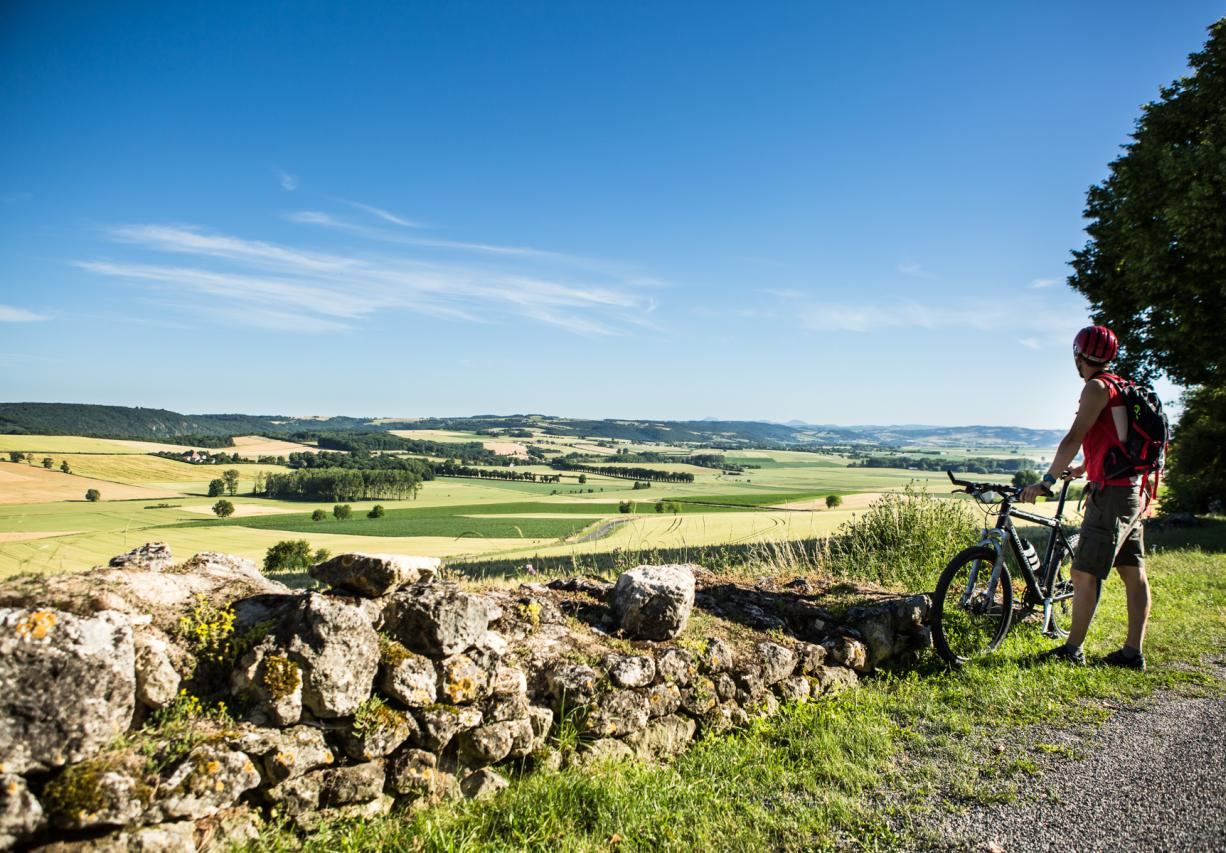
The Grande traversée du Massif Central by gravel bike
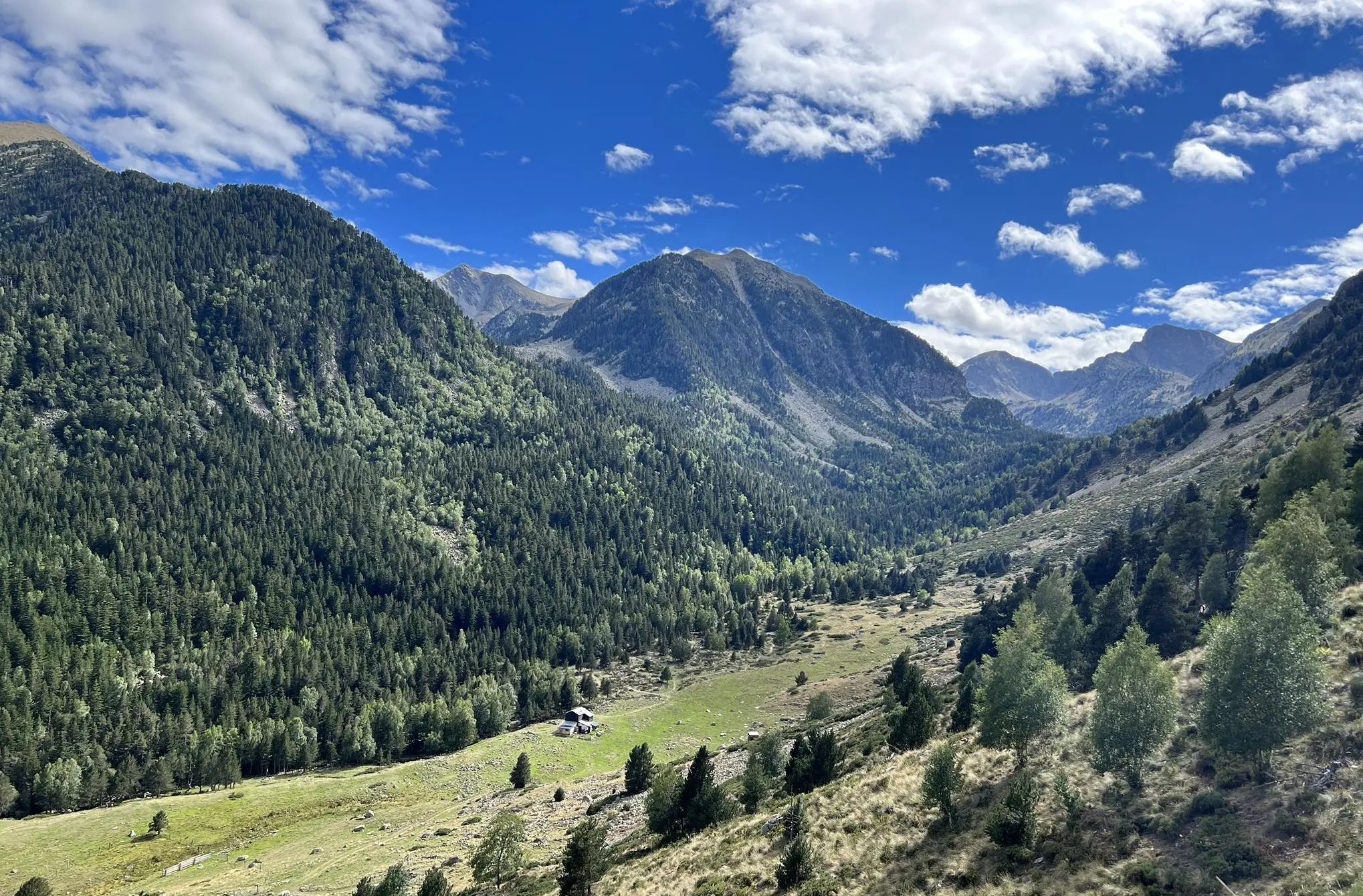
GR 36 long-distance footpath – Cross France from the Channel to the Pyrenees
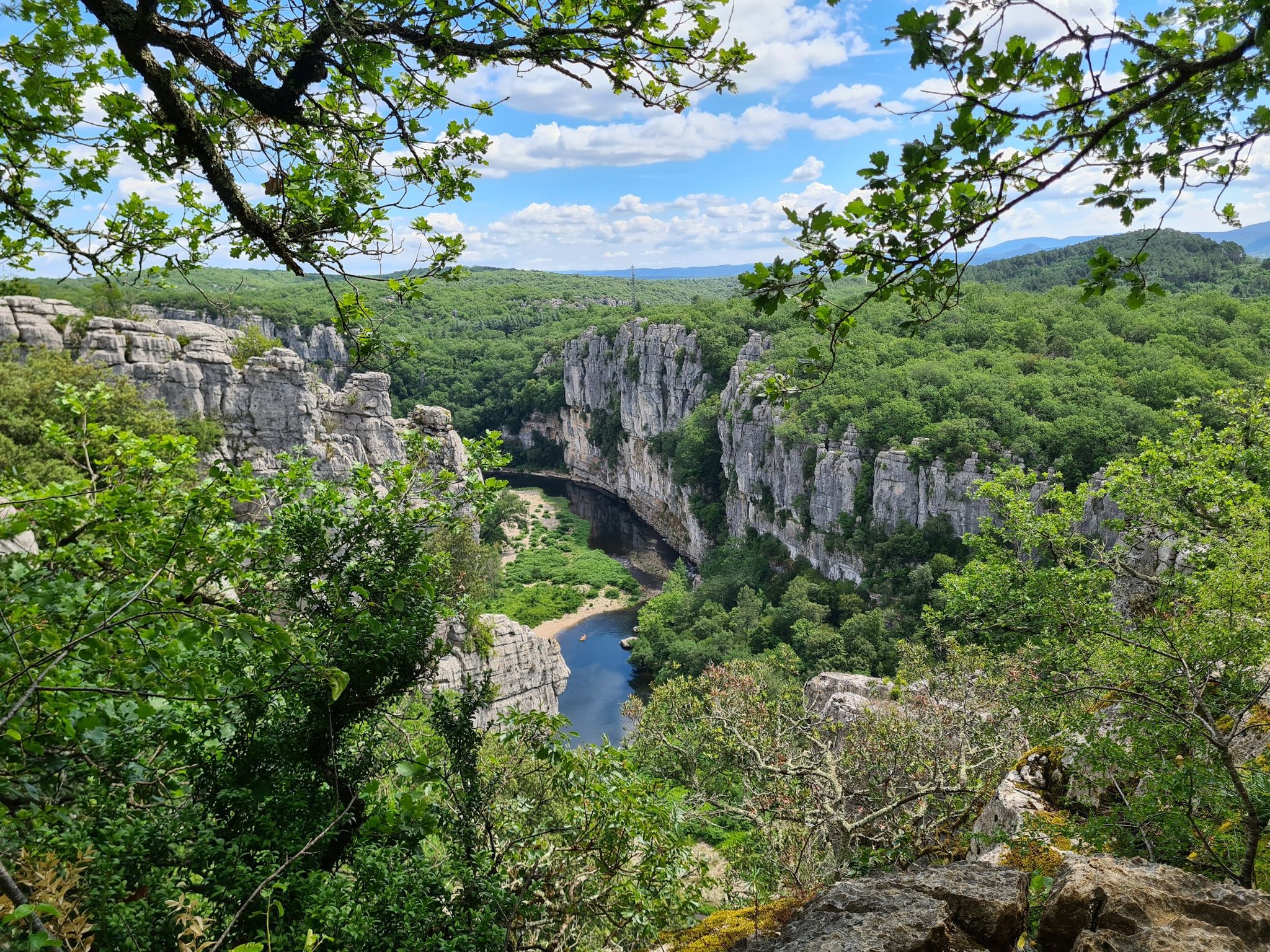
Hexatrek – The Cévennes to the Pyrenees between gorges and limestone plateau
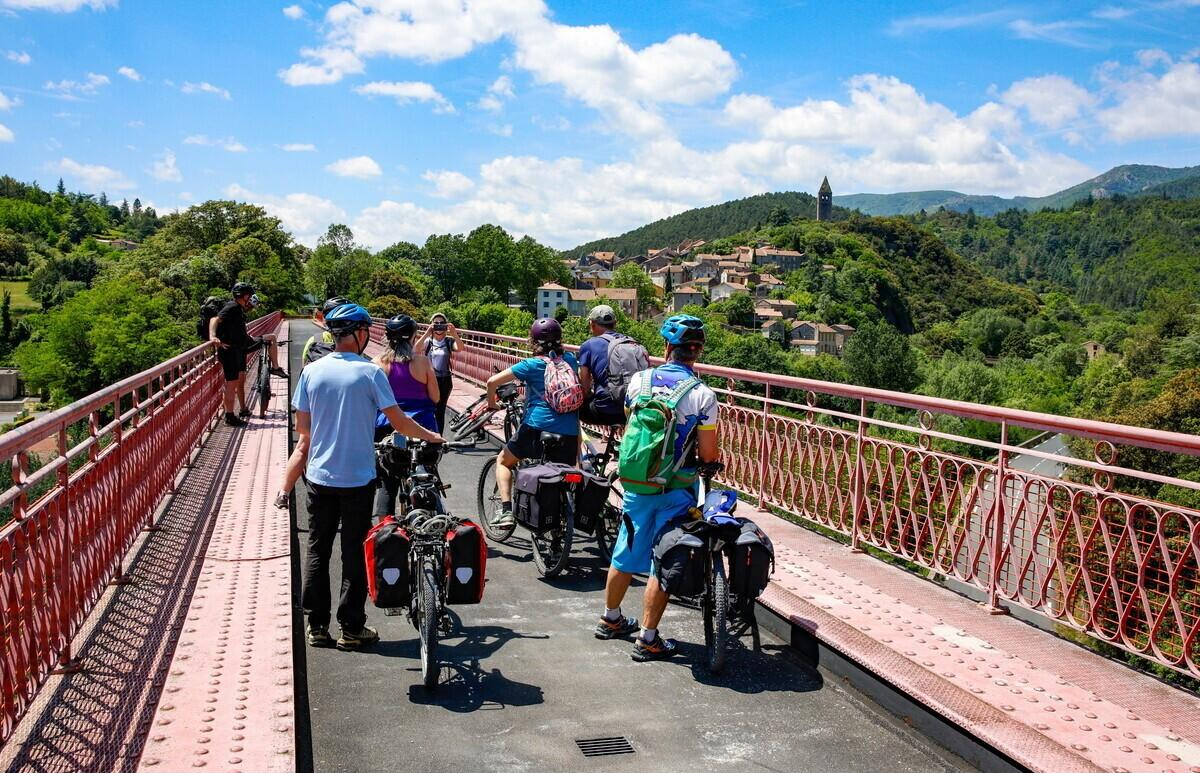
Loops between Toulouse and Mazamet – the special liO bike train
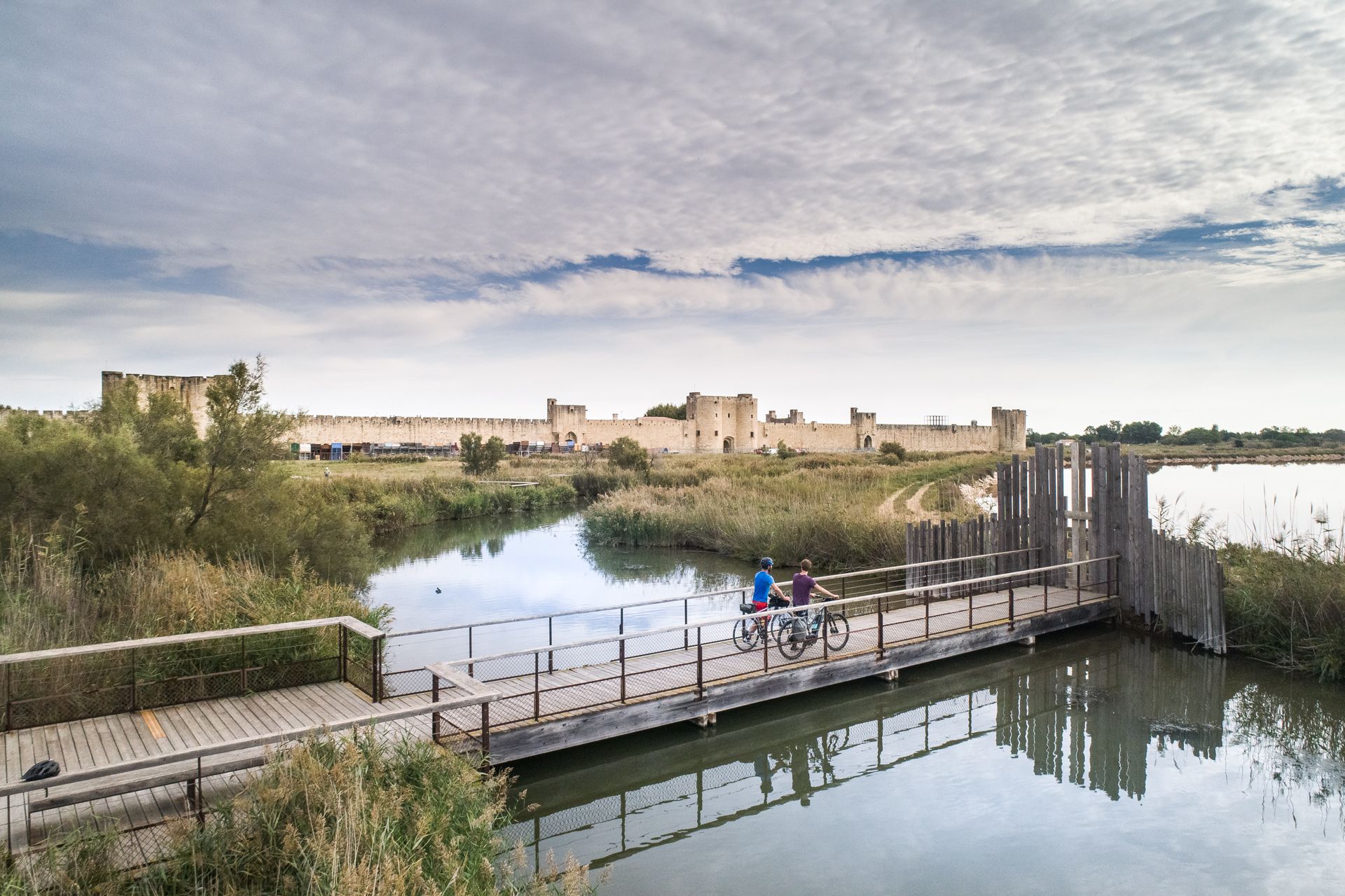
The most beautiful bike rides in Occitanie
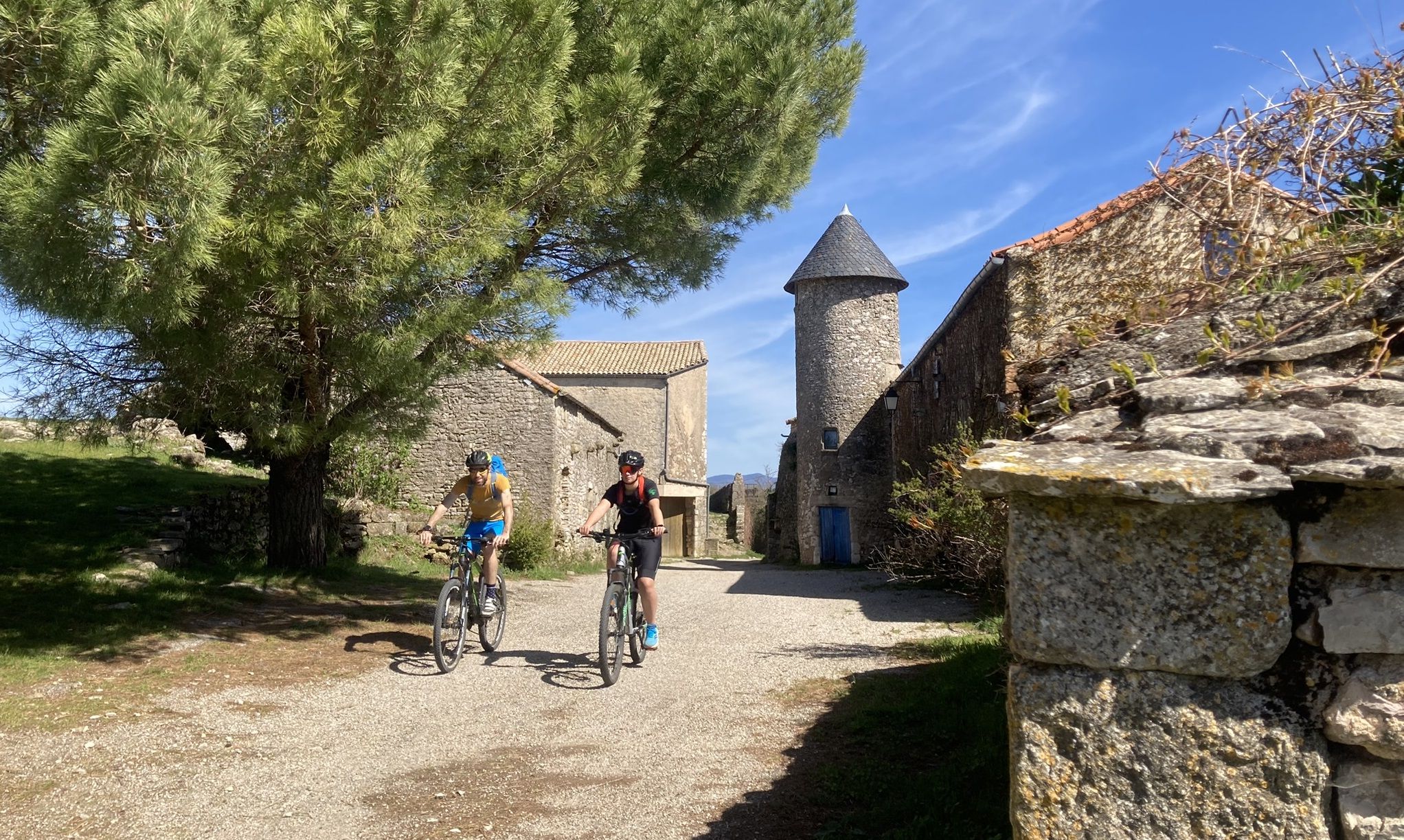
Grande Traversée de l'Hérault — Passa Meridia (North)
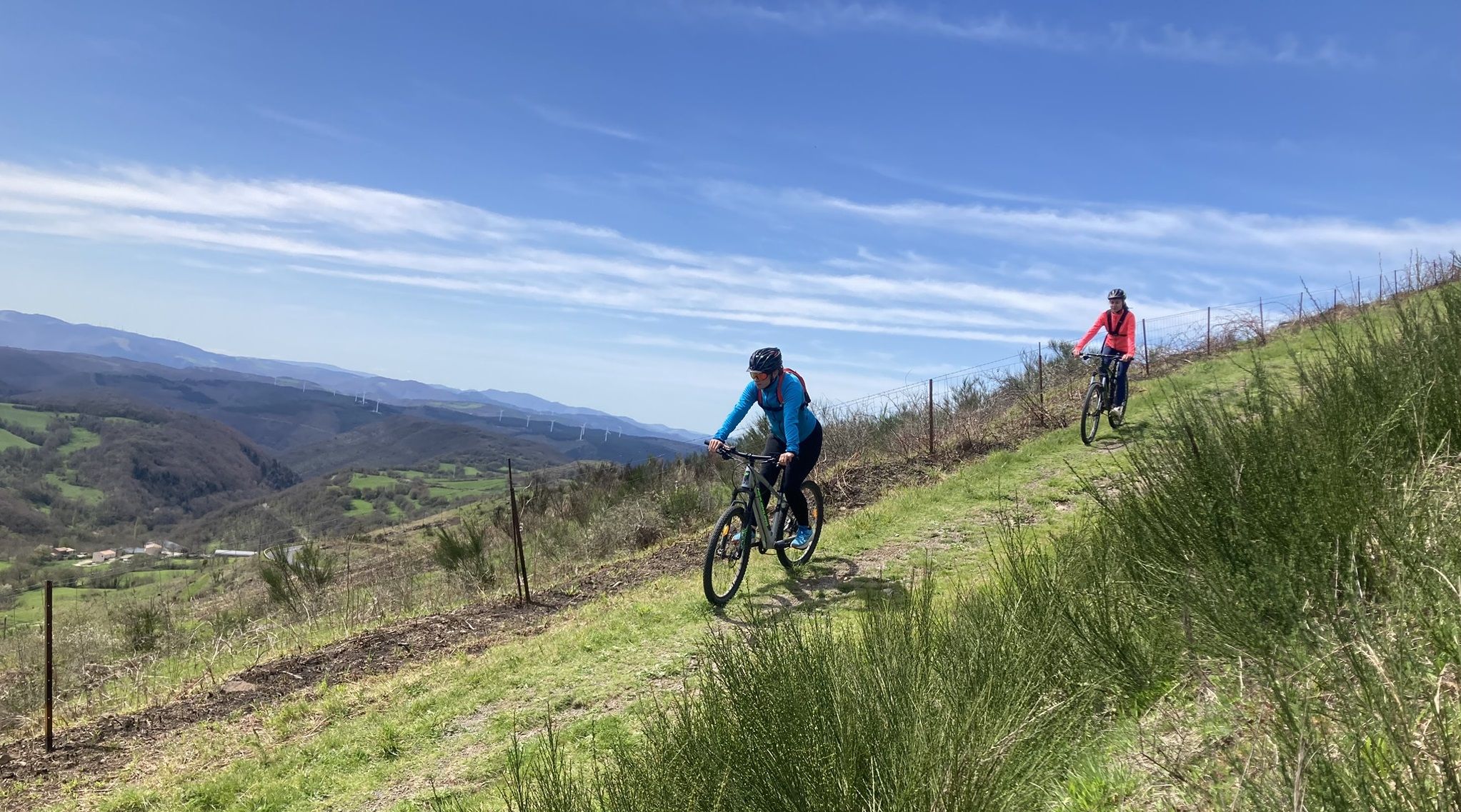
Grande Traversée de l'Hérault — Passa Meridia (South)
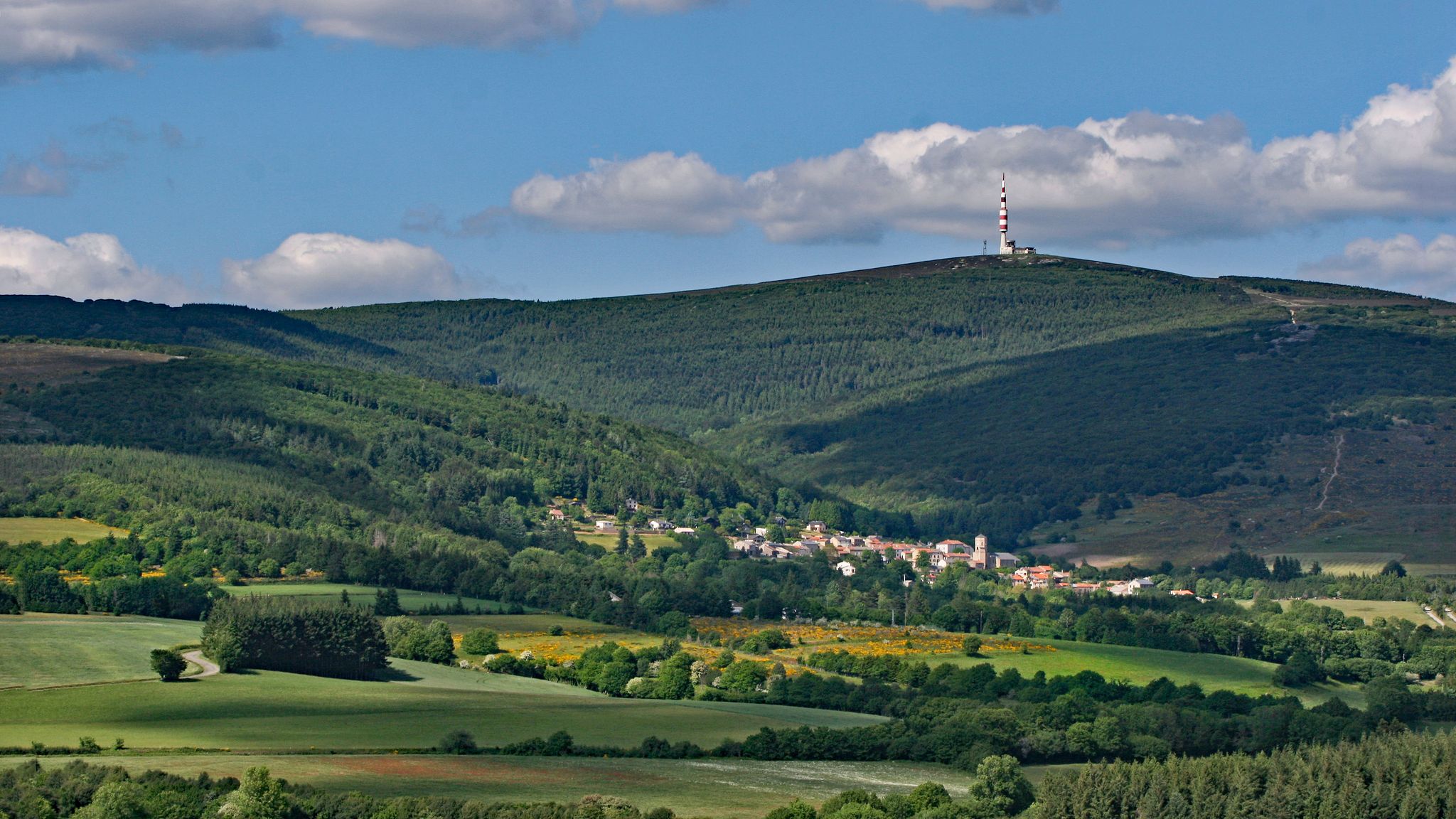
Béziers in loop - The Haut-Languedoc
On the way to Compostela – Via Tolosana (Arles Way)
Under the sun of the Midi — La Véloccitanie
Other adventures in Haut-Languedoc


Tips from the Community

The Col de la Croix de Mounis is one of those passes where you don't just cross a slope, but a true border between two valleys. Perched at an altitude of about 800 meters, in the heart of Haut-Languedoc, it connects the Mare valley to that of the Dourdou. For a long time, this pass was a strategic crossing point between Lacaune and Saint-Gervais-sur-Mare. Before modern roads, it was already part of a local circulation network, used by muleteers and stagecoaches, where villages, markets, and valleys were connected via routes dictated by the terrain. The current road still retains something of this logic: it doesn't cut through the mountain, it goes around it and "negotiates" it.
0
0

Passing the mountain pass between Aude and Hérault
0
0

A very pleasant climb from Lamalou-les-Bains! The beginning is (very) steep (7-8% average over quite a few kilometers), but it becomes more rolling after that.
0
0

Very beautiful pass, not very difficult but very shaded for the great summer heat.
1
0

Regular climb of 12 km, ideal for a smooth effort. No big percentages. Very pleasant on sunny days because it is shaded.
1
0

At the crossroads between the Agout sector and the Erich gorges. On the edge of the national reserve.
0
0
The Col de Fontfroide marks the break in the Haut-Languedoc plateaus with diving in the Jaur valley in Olargues.
0
0

The view of the heights of Fontfroide is magnificent, and the Salvetat is just as magnificent, a route with a bit of D+ but it is well worth it.
0
0
Frequently Asked Questions
What makes the mountain passes in Haut-Languedoc unique?
The mountain passes in Haut-Languedoc are unique due to their location between the Massif Central and the Mediterranean Sea, creating a striking contrast in landscapes. You'll find everything from lush, green forests to rugged massifs, often with distinct Mediterranean flora on one side and more oceanic vegetation on the other. This diversity offers stunning panoramic views and a rich environment for outdoor activities.
Which mountain passes are best for challenging cycling routes?
For a challenging cycling experience, the Fontfroide Pass is highly recommended. The climb from Olargues covers 11.8 km with an average gradient of 6.6% and sections reaching 10%. It's known for its 'little Alpine character' and offers magnificent views. Another superb climb is to L'Espinouse Pass (1,124 m), which offers a quiet road and a wild environment.
Are there mountain passes with historical significance in Haut-Languedoc?
Yes, the Col de la Croix de Mounis marks a historically significant route. In the 18th and 19th centuries, it hosted a coaching inn where horses could be swapped, making it a crucial crossing point. It has also been featured three times in the Tour de France, adding to its legacy.
What kind of views can I expect from the mountain passes?
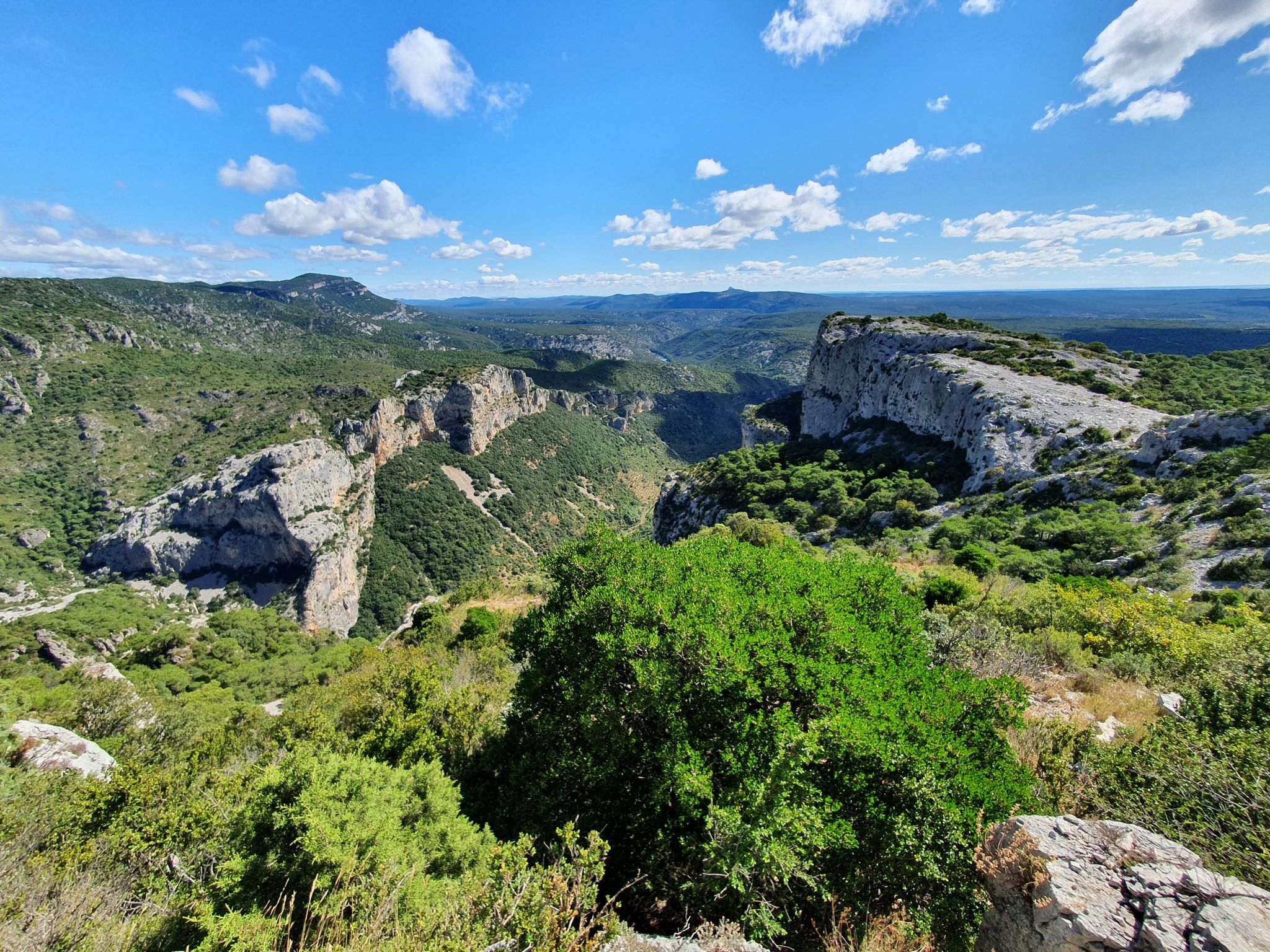
Many passes offer superb panoramic views. From Fontfroide Pass, you can admire the contrasting vegetation and the Somail National Forest. The Col de la Croix de Mounis has a rest area with a panorama of the surroundings. From Col de Salettes, you can enjoy views of the Montagne Noire, Minervois, and even the Pyrenees on clear days. The Layrac Pass also provides a lovely panorama from its clear summit.
When is the best time to visit the mountain passes in Haut-Languedoc?
The region's mountain passes are enjoyable throughout much of the year, but summer is particularly pleasant for some. For instance, Fontbruno Pass (880 m) is highly recommended in summer because its paths are well-shaded, offering a comfortable experience for cyclists and hikers during warmer months.
Are there hiking opportunities near the mountain passes?
Absolutely. The area around Col de Salettes is excellent for hiking, offering varied landscapes, numerous Occitan crosses, and superb panoramic views. You can explore circuits around the Sales Plateau. Additionally, Fontfroide Pass serves as a starting point for various hikes, including circuits through the Somail National Forest. For more hiking options, explore waterfall hikes or easy hikes in Haut-Languedoc.
What other outdoor activities can I do in Haut-Languedoc?
Beyond cycling and hiking the passes, the Haut-Languedoc Regional Natural Park is a 'playground for outdoor enthusiasts.' You can find numerous trails for running, explore picturesque villages, and enjoy the rich biodiversity. The quiet roads are also ideal for discovering the varied terrain, from the heights of Espinouse to the wine-growing plains.
What natural features can I observe around the passes?
The passes offer a rich array of natural features. The Fontfroide Pass is notable for its Atlantic/Mediterranean watershed, creating a striking contrast in vegetation. You can see lush northern slopes and Mediterranean flora like olive trees on the southern side. The L'Espinouse Pass (1,124 m) is located in the heart of a nature reserve around a wooded and wild massif.
Are there any mountain passes that are particularly shaded for summer visits?
Yes, Fontbruno Pass (880 m) is particularly recommended in summer because it is well-shaded. Its wooded roads and paths provide a comfortable experience for cyclists and hikers, even on sunny days.
What do visitors enjoy most about the mountain passes in Haut-Languedoc?
Visitors frequently praise the stunning panoramic views, the challenging yet rewarding cycling routes, and the tranquility of the natural environment. Many appreciate the diverse landscapes, from dense forests to rugged mountains, and the opportunity to explore historic routes and charming villages. The quiet roads and varied terrain make it a favorite for outdoor enthusiasts seeking an unspoiled experience.
Can I find easy or moderate routes among the mountain passes?
While some passes offer challenging climbs, many also provide options for a smoother effort. For example, the ascent to Col de Salettes from Caunes-Minervois has an average gradient of 3.5%, making it more moderate. The Layrac Pass is described as an excellent objective for a smooth and pleasant effort due to its shaded paths and clear summit views.
Most popular routes in Haut-Languedoc
Most popular attractions in Haut-Languedoc

Get inspired with the komoot mobile app


