Top 20 Mountain Passes in Pyrénées Catalanes
Best mountain passes in Pyrénées Catalanes are located in a region characterized by its high-altitude terrain and diverse natural landscapes. This area features routes that connect valleys and serve as hydrological divides, with waters flowing towards both the Atlantic and the Mediterranean. The region also holds historical significance, marking past borders and offering routes used for centuries.
Best mountain passes in Pyrénées Catalanes
- The most popular mountain passes is Col de la Llose, a mountain pass and climb that…
Last updated: June 26, 2026
Col de la Perche (1,579 m)
Highlight • Mountain Pass
More information: quaeldich.de/paesse/col-de-la-perche
Translated by Google •
Tip by

Puymorens Pass
Highlight • Mountain Pass
Translated by Google •
Tip by

Sign up now to discover places like this
Get recommendations on the best single tracks, peaks, & plenty of other exciting outdoor places.
Sign up for free
Col du Calvaire (Font-Romeu)
Highlight • Mountain Pass
Translated by Google •
Tip by

Col de la Llose
Highlight • Mountain Pass
Translated by Google •
Tip by

Col de la Creu
Highlight • Mountain Pass
Translated by Google •
Tip by

Sign up for free to discover even more mountain passes in Pyrénées Catalanes.
Sign up for free
Already have an account?
Start today with a free account
Your next adventure awaits.
Login or Signup
Popular around Pyrénées Catalanes
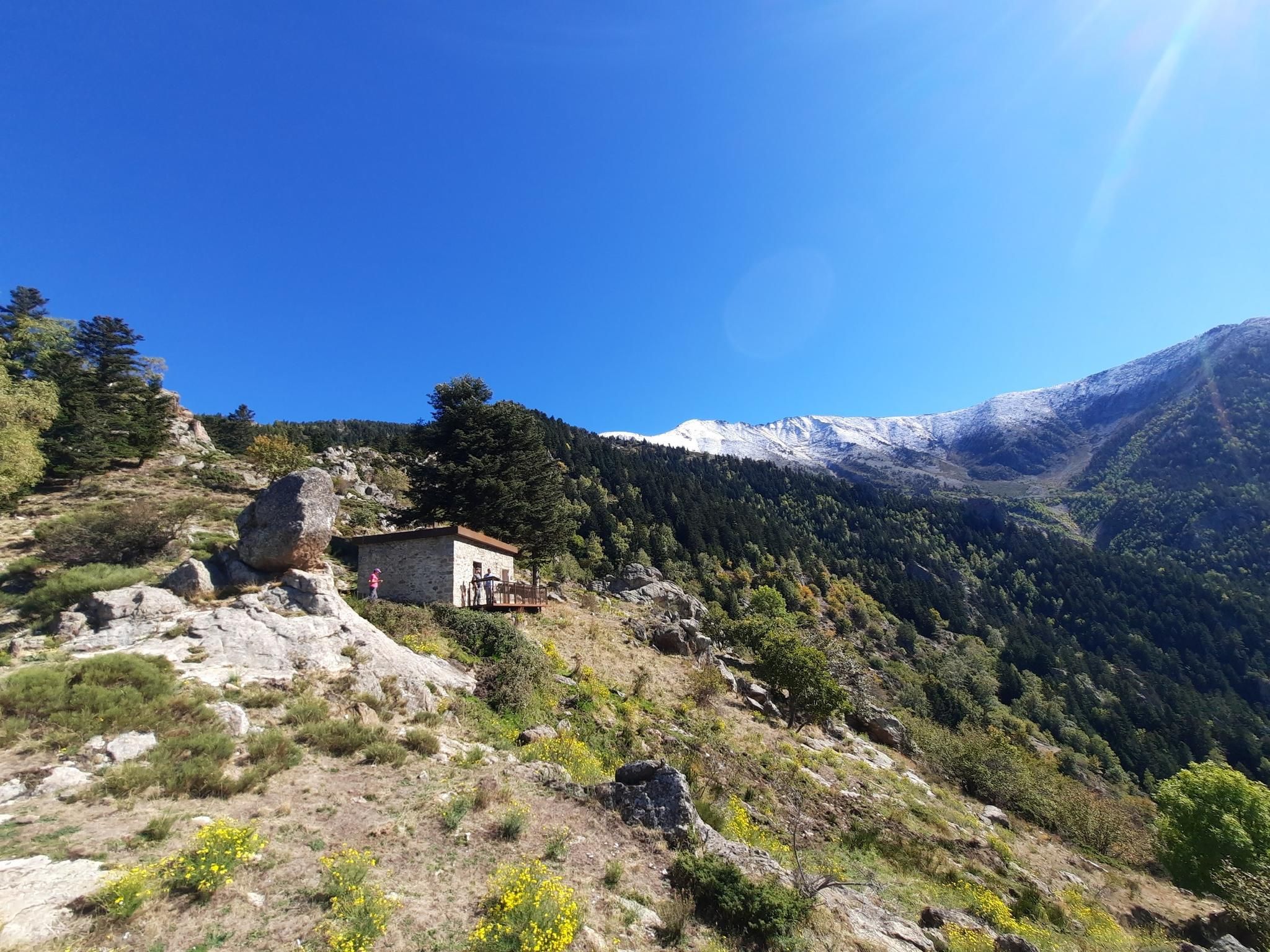
The Crossing of the Pyrenees via the GR 10 — Eastern Pyrenees
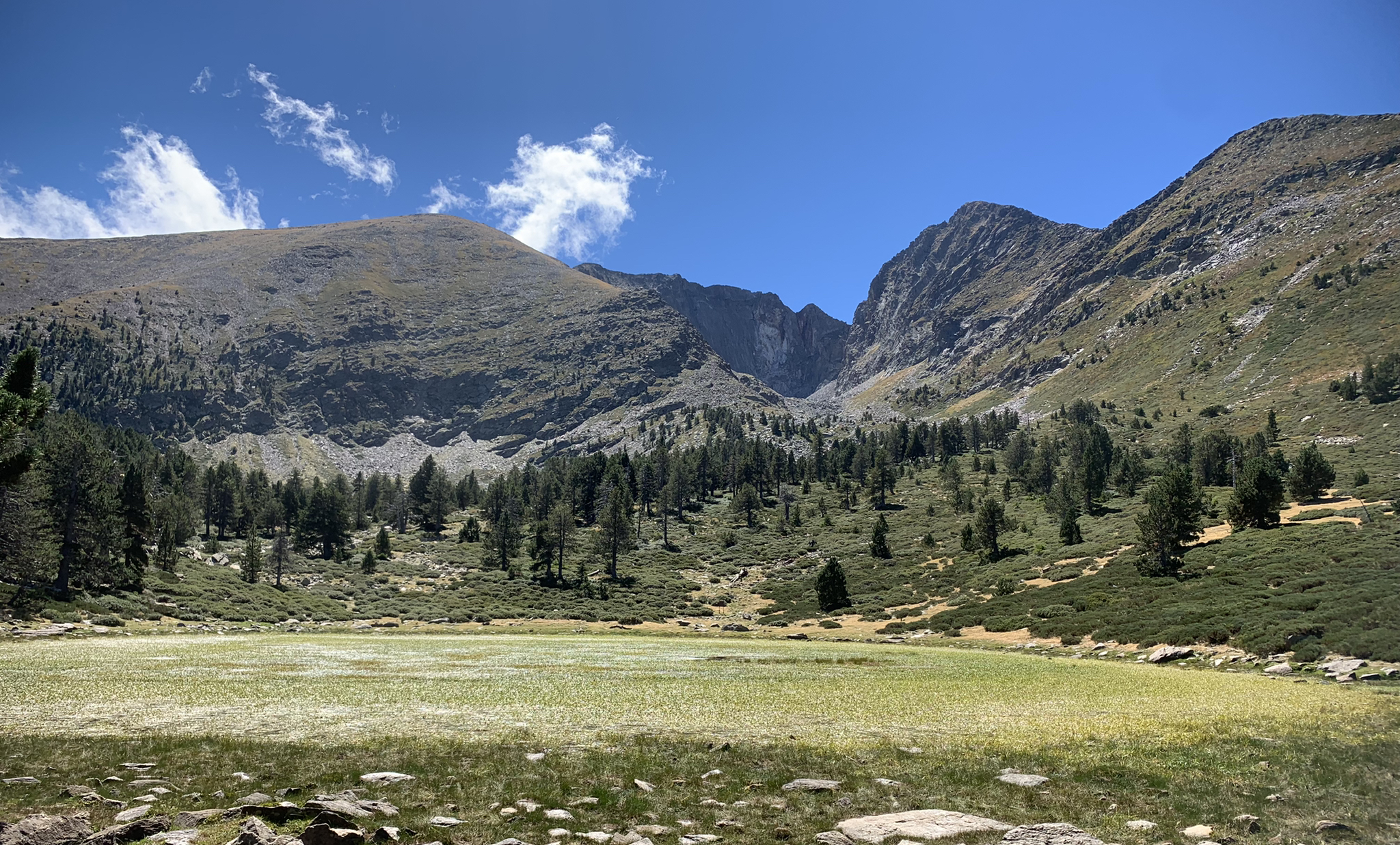
Tour du Canigou – Through the heart of the Mediterranean Pyrenees
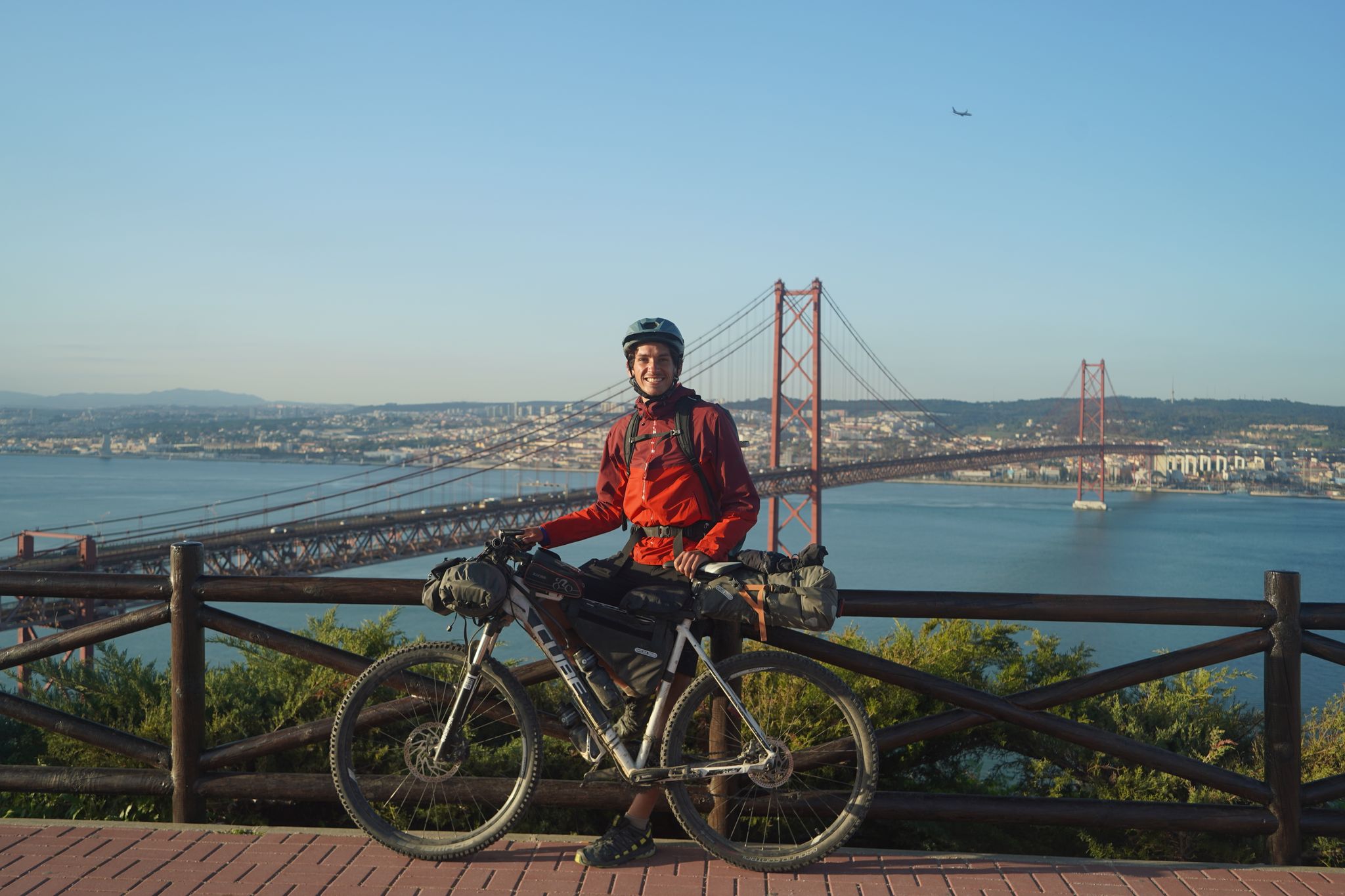
Road to Lisbon – bikepacking the Alps, Pyrenees and Picos de Europa
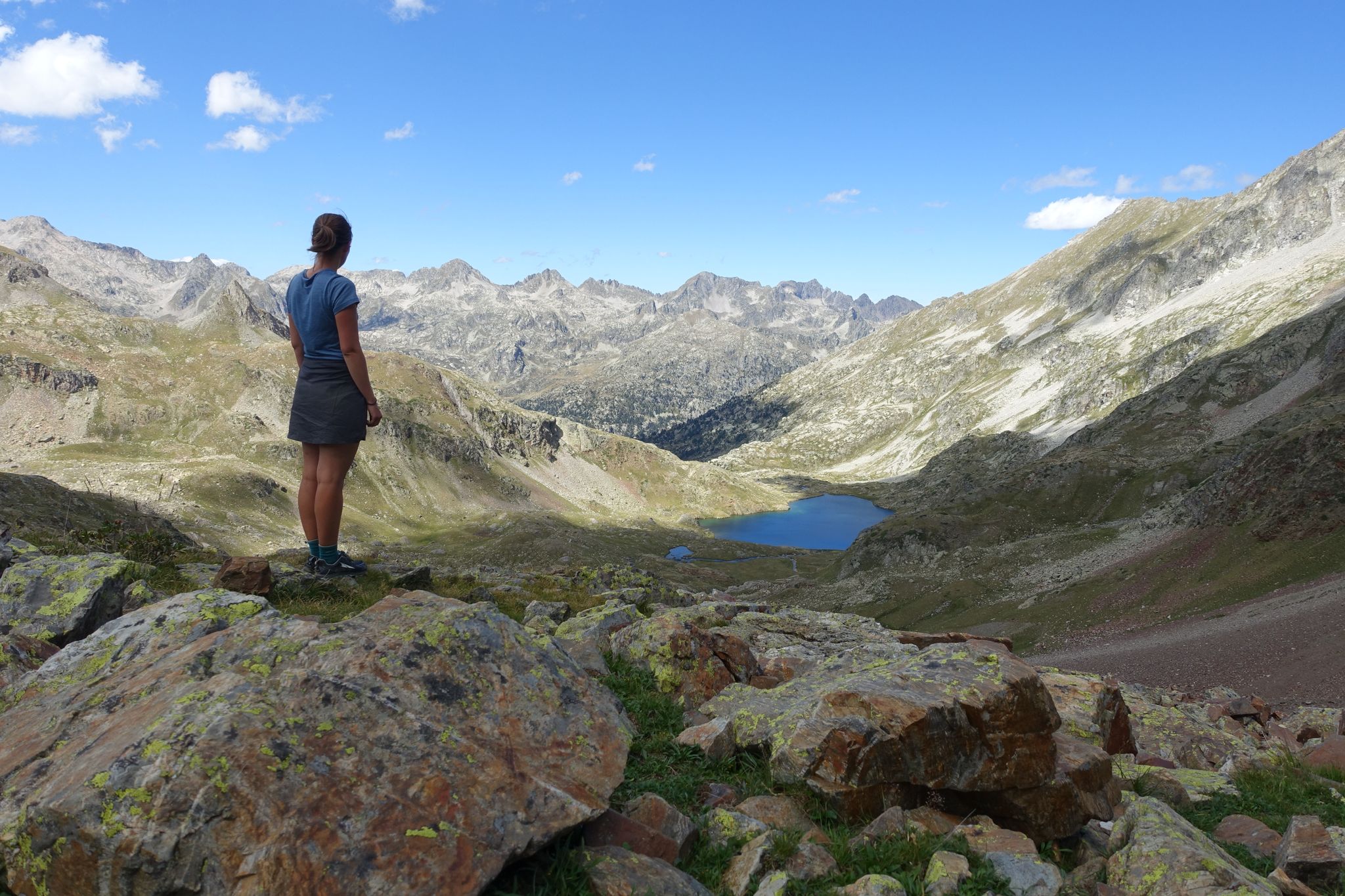
Haute Route Pyrénéenne – Pyrenees Crossing
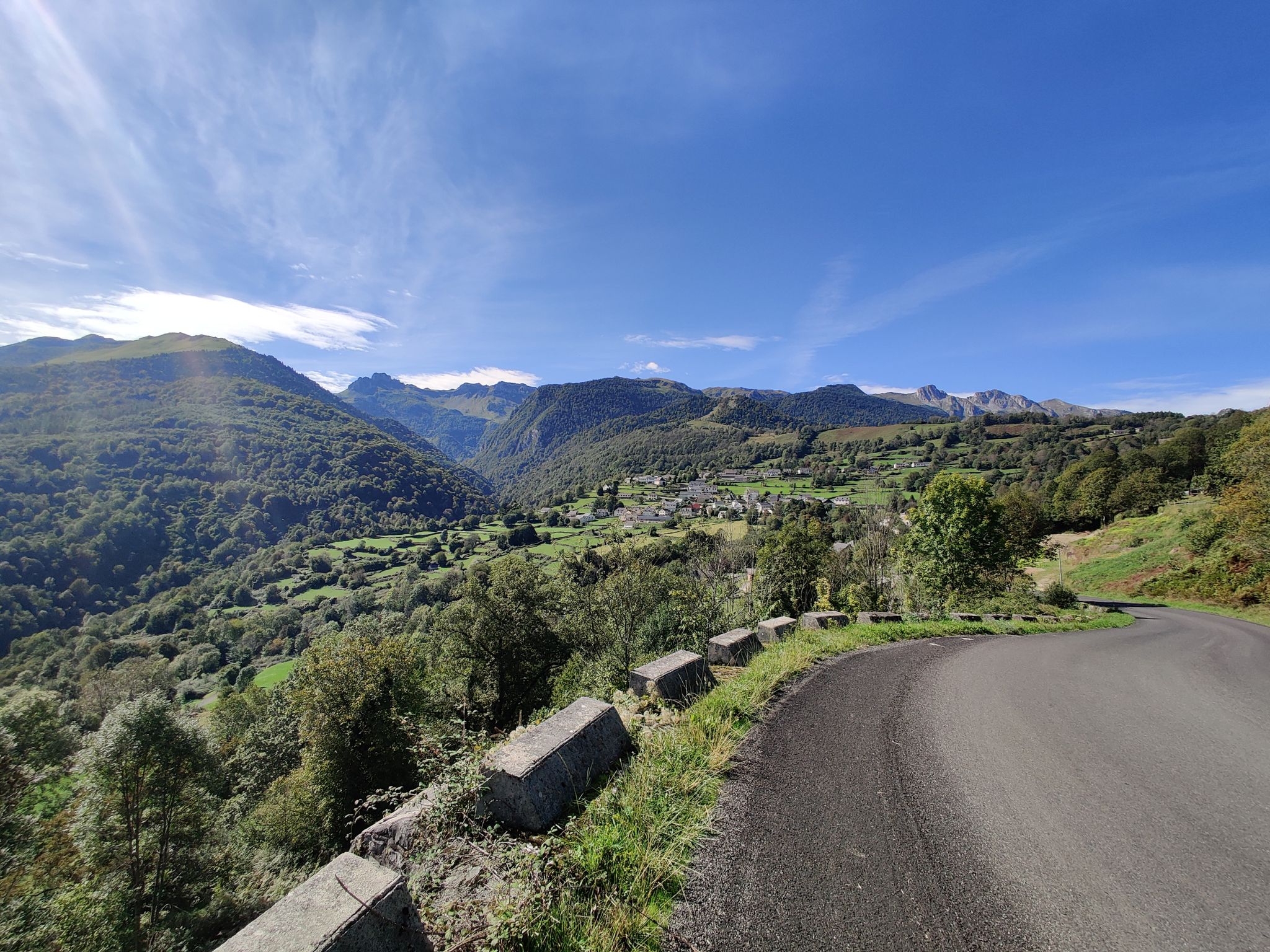
From the Atlantic to the Mediterranean – Route des Cols in the Pyrénées
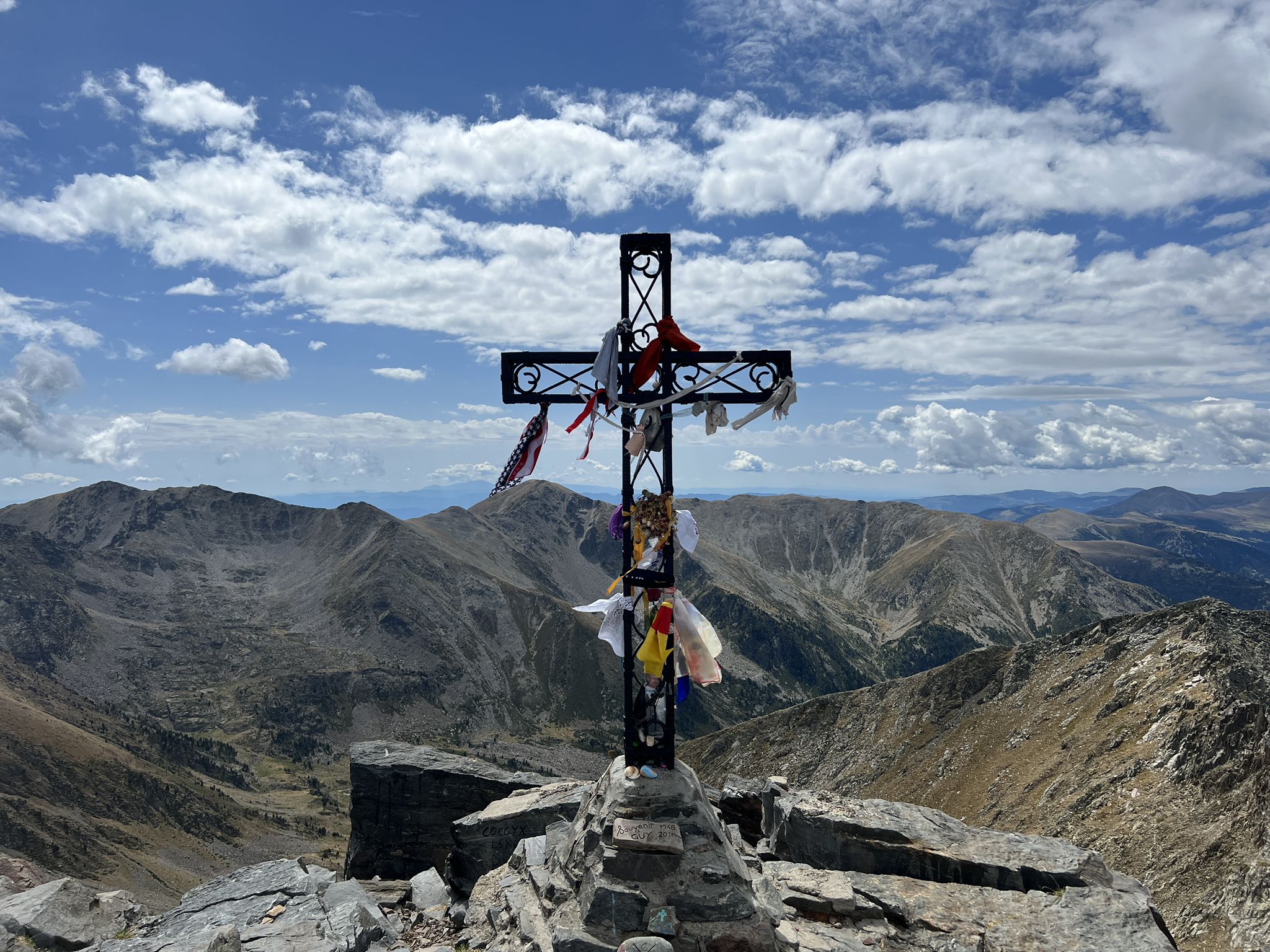
Tour of Canigo — The last great massif of the Pyrenees
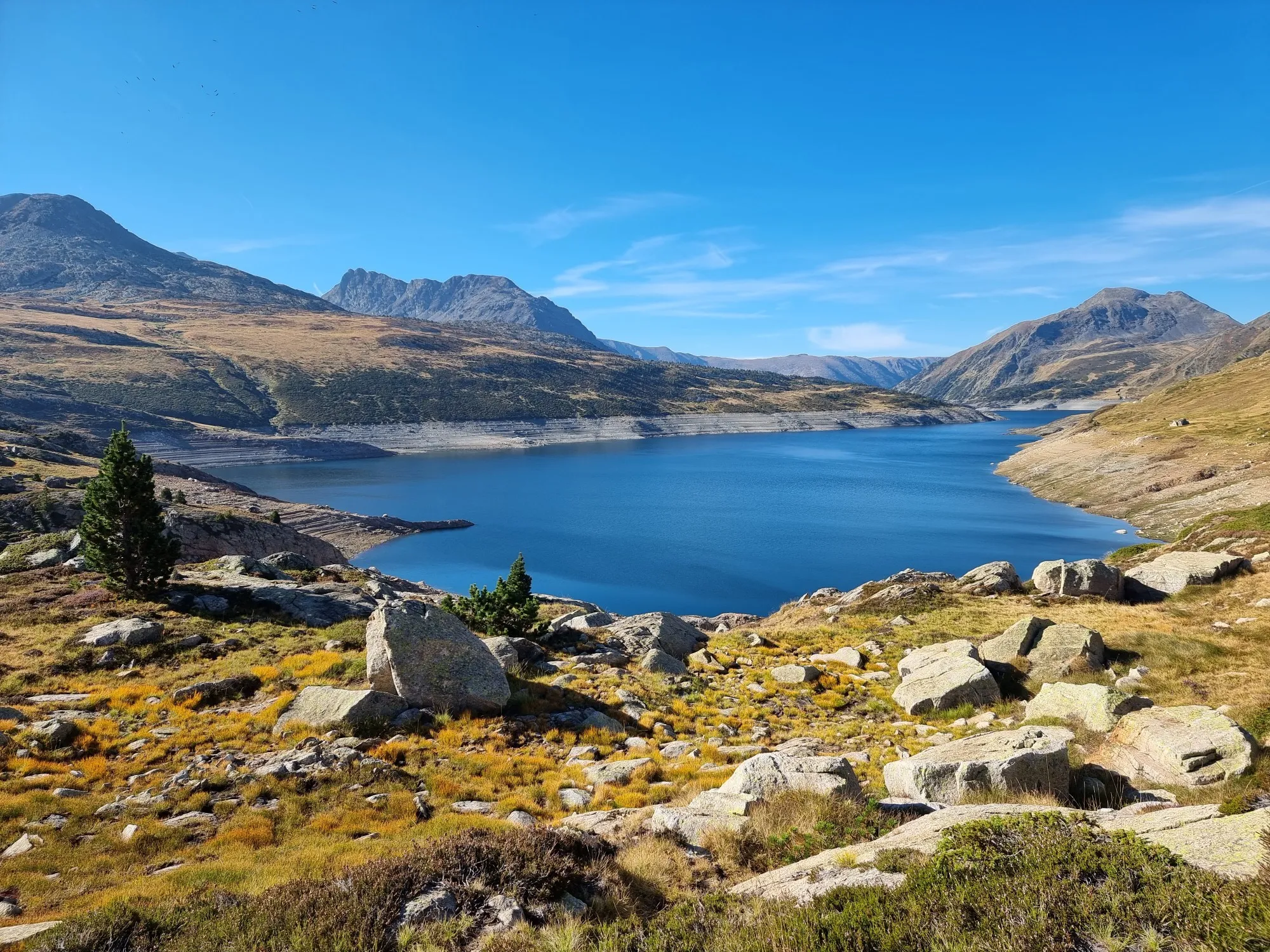
On wild ridges: Catalonia to Ariège – Hexatrek, Eastern Pyrenees
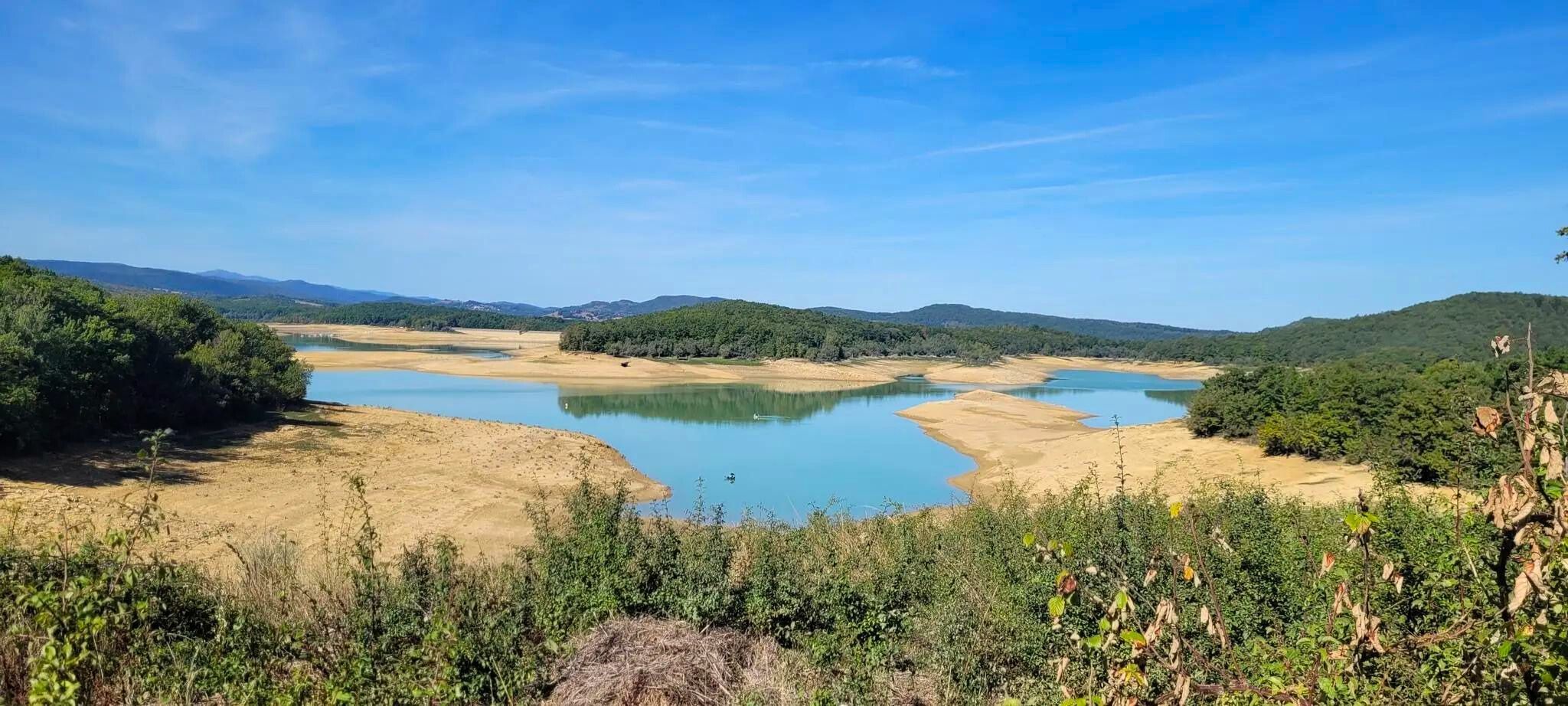
Plains, hills and mountains – GR 7 in the heart of France’s Occitania
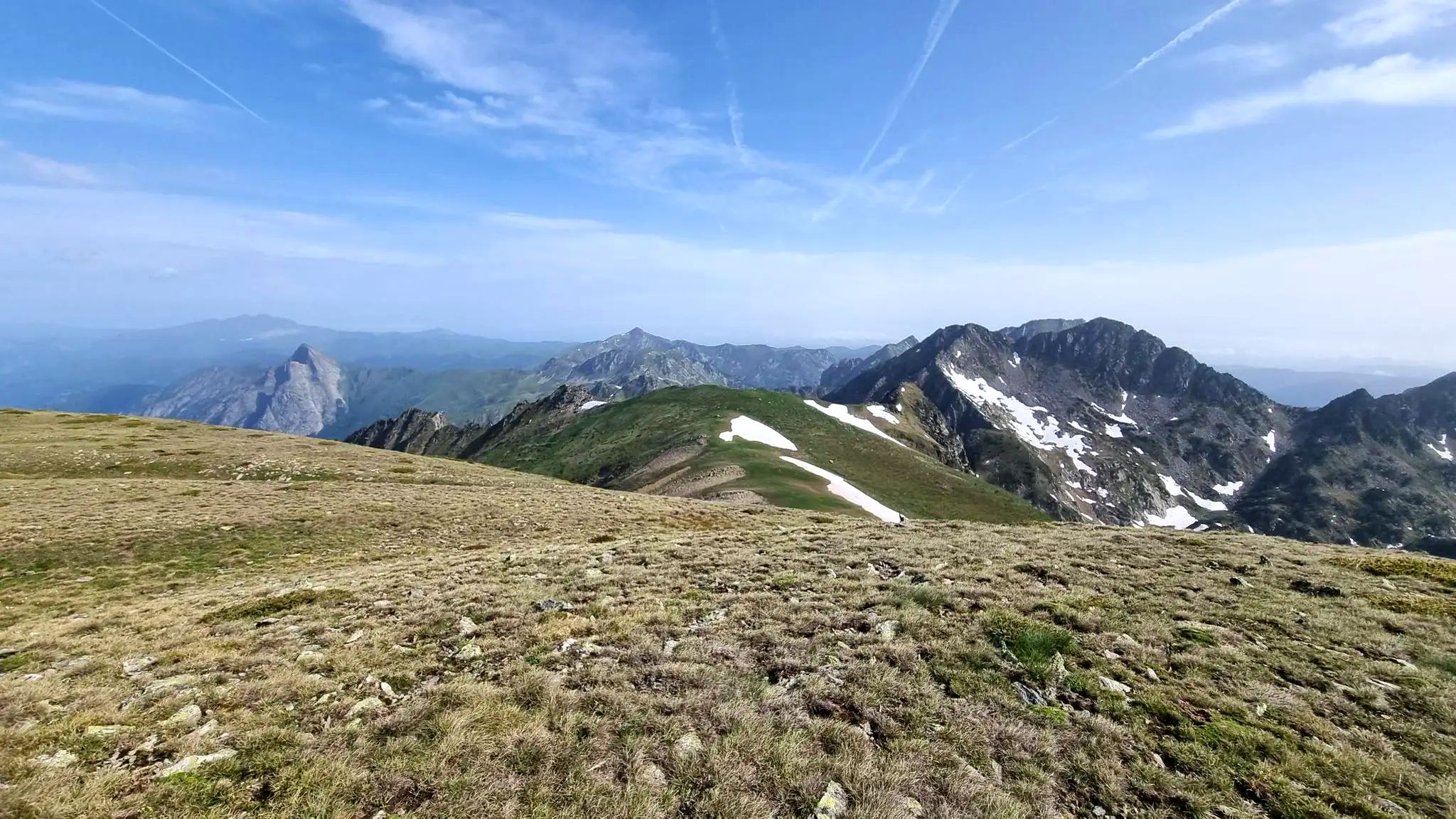
From refuge to refuge — Tour des Pérics
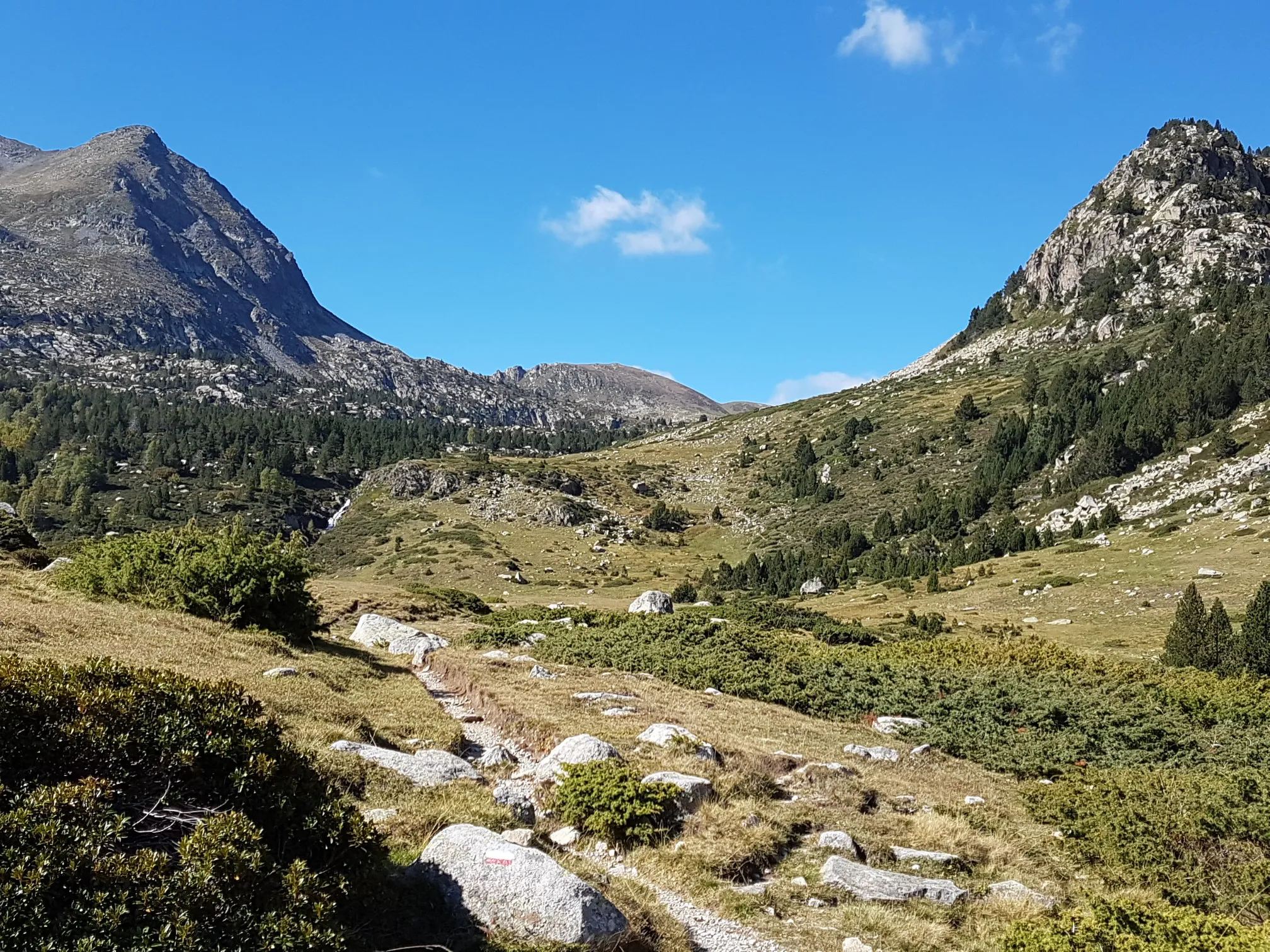
Le chemin des Bonshommes — In the footsteps of the Cathars
Other adventures in Pyrénées Catalanes


Tips from the Community

The only positive thing about this pass is its relatively moderate gradient. The traffic (until the road to Andorra turns off) is horrific. Hordes of motorcyclists, trucks, cars... If you can, you should avoid this pass.
1
0

Although limited to 70 km/h, the tunnel is not passable by bicycle. There's even an electronic toll system.
1
0

Well, starting from Font Romeu and breaking legs from Mont Louis
0
0


It is a simply spectacular port that unites the regions of Conflent and Capcir. It is one of the most beautiful ports in the easternmost Pyrenees. It is very close to the Col de la Llosa, and you can take a circular route that is known as the "Route des Cols". It is also indicated on nearby road signs. The hardest slope is the one that begins in Olette (Conflent) and goes up through Aiguatèbia. There are almost 22 km of ascent and 1,089 meters of elevation gain. It has 3 very different zones: (1) the first is a constant 5 km at 7%; (2) the second is 10 km at 4% and with some very pleasant rest areas, with beautiful views; (3) The final part is 6 km on average at 7%, since it passes the town of Railleu, although the hard part is the last 3 km, with several ramps that exceed 10%. The road is narrow and has uneven asphalt, with hardly any cars and motorcycles. For me, the final part of this port is truly spectacular and should not be missed. The west slope begins in the town of Matamala (Capcir) and is 3 km with an average of close to 8%. It is a long irregular stretch along a narrow and very quiet road, with panoramic views of the valley when the thick black pine forest gives some opportunity.
0
0

A little disappointing: the pass is in the middle of the forest and offers no view. The climb from (and to!) Railleu is nevertheless superb. A nice picnic area to have a bite to eat.
1
0
The Col de la Calvaire de Font Romeu is a mountain pass in French Cerdanya, next to the town and ski resort of Font Romeu. This port connects the Bolquère valley with the Cerdanya valley. The port is within the same town of Font Romeu, next to the station's ski lifts. There are many slopes to reach Col de la Calvaire: - the western slope that starts from Ur is approximately 16 km and crosses the town of Targasone and the Col d'Egat. It is a very steep climb along a road in perfect condition, although on holidays there is a lot of traffic. - The southern slope starts from Llívia and crosses Estavar and joins the previous one at the Col d'Egat. Unlike the first, the first section of the climb is very hard, with several horseshoe curves and with wonderful views of the entire Cerdanya and the Tosa d'Alp. - The eastern slope stops at Olette, and after approximately 28 km it reaches the top of the pass, passing through the town of Mont-Louis and Bolquère. It is a very steep climb, like the first, on a road in perfect condition but with a lot of traffic. I don't like going up here. - the eastern slope that starts from Olette and passes through the Col de la Perche, reaching the town of Font-Romeu and from there to the top. Of all the slopes, the one I like the most is the slope that starts from Llívia and crosses Estavar.
0
0

Culminating at 1,579 meters above sea level, the Col de la Perche can be climbed by four routes in total. Each of them includes relatively gentle slopes. At the top, the view of the surrounding area is splendid and rewards your efforts!
0
0
Frequently Asked Questions
What are some challenging mountain passes for cyclists in Pyrénées Catalanes?
For cyclists seeking a challenge, the Pyrénées Catalanes offer several demanding passes. Port de Pailhères is notable as one of only two passes in the French Pyrenees exceeding 2,000 meters, known for its steep gradients and inclusion in the Tour de France. Another excellent option is Col de la Llose, which features an approximately 24 km long climb with 1200m elevation gain. Col de Jau also presents challenging gradients, particularly from Prats De Mollo La Preste, averaging 5.8% over 13 kilometers.
Which mountain passes offer the best panoramic views in the region?
Several passes in Pyrénées Catalanes are renowned for their stunning vistas. Col de la Perche (1,579 m) provides splendid 360-degree panoramic views of the surrounding mountains, valleys, and plains. From the summit of Port de Pailhères, you can also experience some of the finest views in the Pyrenees. Col d'Ares offers breathtaking panoramic views, including the iconic Canigó peak.
Are there mountain passes with historical significance in Pyrénées Catalanes?
Yes, the region is rich in history. Col d'Ares, also known as Coll d'Arès, is a historically significant pass marking a natural border between France and Spain. It played a profound role during the Spanish Civil War as a 'path of hope as much as exile.' Col de Puymorens has been a well-traveled route since the 18th century and historically marked the border between France and Catalonia until 1659.
What is the best time of year to visit the mountain passes in Pyrénées Catalanes?
Most mountain passes in Pyrénées Catalanes are typically open from late spring to early autumn. For example, Port de Pailhères is usually accessible from May to October, though this can vary with weather conditions. Col d'Ares is generally open continuously from mid-April to November. While Col de Jau is often open year-round, short-term closures can occur in winter due to snow. Always check local conditions before planning your trip, especially outside of summer months.
What outdoor activities can I do near these mountain passes?
The Pyrénées Catalanes offer a wide range of outdoor activities near its mountain passes. You can find numerous road cycling routes, such as the 'Coll de la Llose and Lake Matemale Loop' or the 'Ascent of Mont-Louis and col de la Llose'. For mountain biking, explore trails like the 'Lake Matemale – Lake Matemale loop from Les Angles'. Hiking is also popular, with options ranging from easy walks like the 'Saint-Vincent and English Falls Trail' to more challenging routes. You can find more details on these activities in the Road Cycling Routes, MTB Trails, and Easy Hikes guides for Pyrénées Catalanes.
Are there any mountain passes that are particularly suitable for families?
While specific family-friendly designations are not always available for passes themselves, the Col de la Perche (1,579 m) is known for its relatively gentle slopes across its four climbing routes, making it an enjoyable experience. The rewarding vistas at the top are accessible without extreme difficulty. The nearby Cerdagne railway line, known as the 'yellow train,' also passes through the area, offering an additional family attraction.
Which mountain passes are known for their unique natural features?
The Pyrénées Catalanes passes boast diverse natural features. Port de Pailhères transitions from lush forests to high peaks and stunning hairpin bends. Col de Puymorens marks a significant hydrological divide, with waters flowing towards both the Atlantic and the Mediterranean. Col de Jau features a narrow road winding along a dramatic gorge in its lower sections, becoming more forested higher up.
What do visitors enjoy most about the mountain passes in Pyrénées Catalanes?
Visitors frequently praise the breathtaking scenery and the sense of accomplishment from traversing these passes. Many appreciate the panoramic views, especially from spots like Col de la Perche. Cyclists enjoy the challenging climbs and well-maintained roads, often noting the reduced traffic on certain routes due to tunnels. The historical significance and the opportunity to experience distinct cultures at border passes like Col d'Ares also captivate travelers.
Can I find hiking trails that start directly from mountain passes?
Yes, some passes serve as excellent starting points for hikes. For instance, Jou Pass (Col de Jou) is a well-known rallying point for local hikers, with the GR 10 passing through it. It's also a starting point for many hikes, including the one that connects to Canigou peak. The area around Col de la Llose also offers opportunities to enjoy nature, with visitors often stopping to take in the surroundings.
Are there any mountain passes that are less crowded but still offer great scenery?
If you prefer a quieter experience, Col de Jau is considered one of the best 'lesser-known' cycling climbs in the Pyrenees, offering fantastic scenery and challenging gradients. While there can be some traffic in its initial kilometers, it becomes very quiet after passing through Molitg-les-Bains and Mosset. Port de Pailhères also generally has minimal traffic, especially near the summit, despite its popularity.
What are the road conditions like on the mountain passes?
Road conditions vary across the passes. Puymorens Pass is known for its well-developed road and decent surface, with a tunnel absorbing most traffic, making the pass itself quite pleasant. Port de Pailhères generally has good road conditions, though it can be narrow at the top. Col de Jau's paved surface can be rough and bumpy in places with some loose gravel on the upper slopes. Col d'Ares generally has good road surfaces with minimal traffic.
Are there any specific passes known for their inclusion in major cycling events?
Yes, several passes in the Pyrénées Catalanes have gained international recognition through major cycling events. Port de Pailhères has been frequently featured in the Tour de France, notably five times between 2003 and 2013. Col de Puymorens has also been included multiple times in the Tour de France, highlighting its significance in professional cycling.
Most popular routes in Pyrénées Catalanes
Most popular attractions in Pyrénées Catalanes

Get inspired with the komoot mobile app


Explore more
See even more epic mountain passes by checking out these guides in Pyrénées Catalanes:
