The best walks and hikes in Avesnois
4.4
(4737)
22,694
hikers
637
hikes
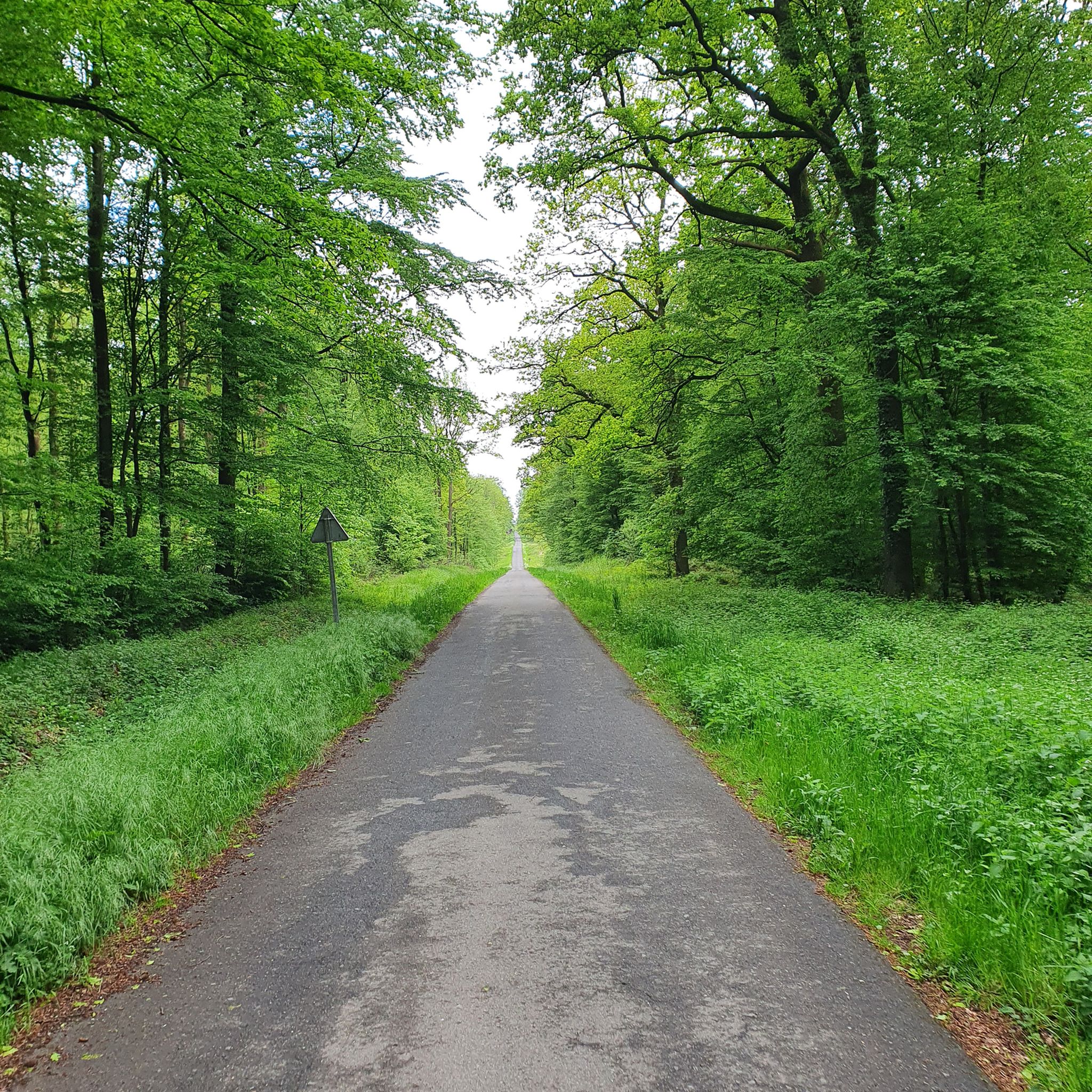
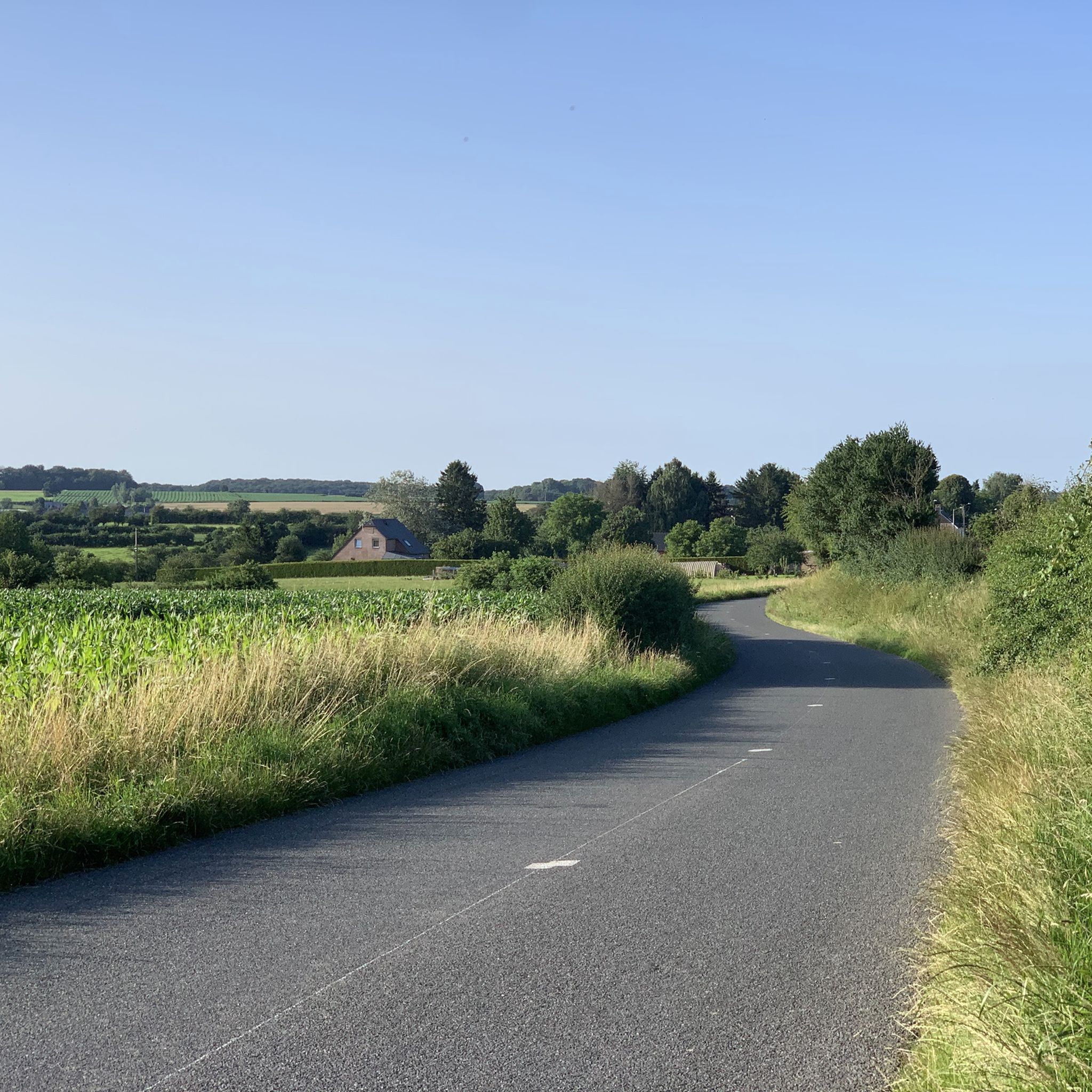
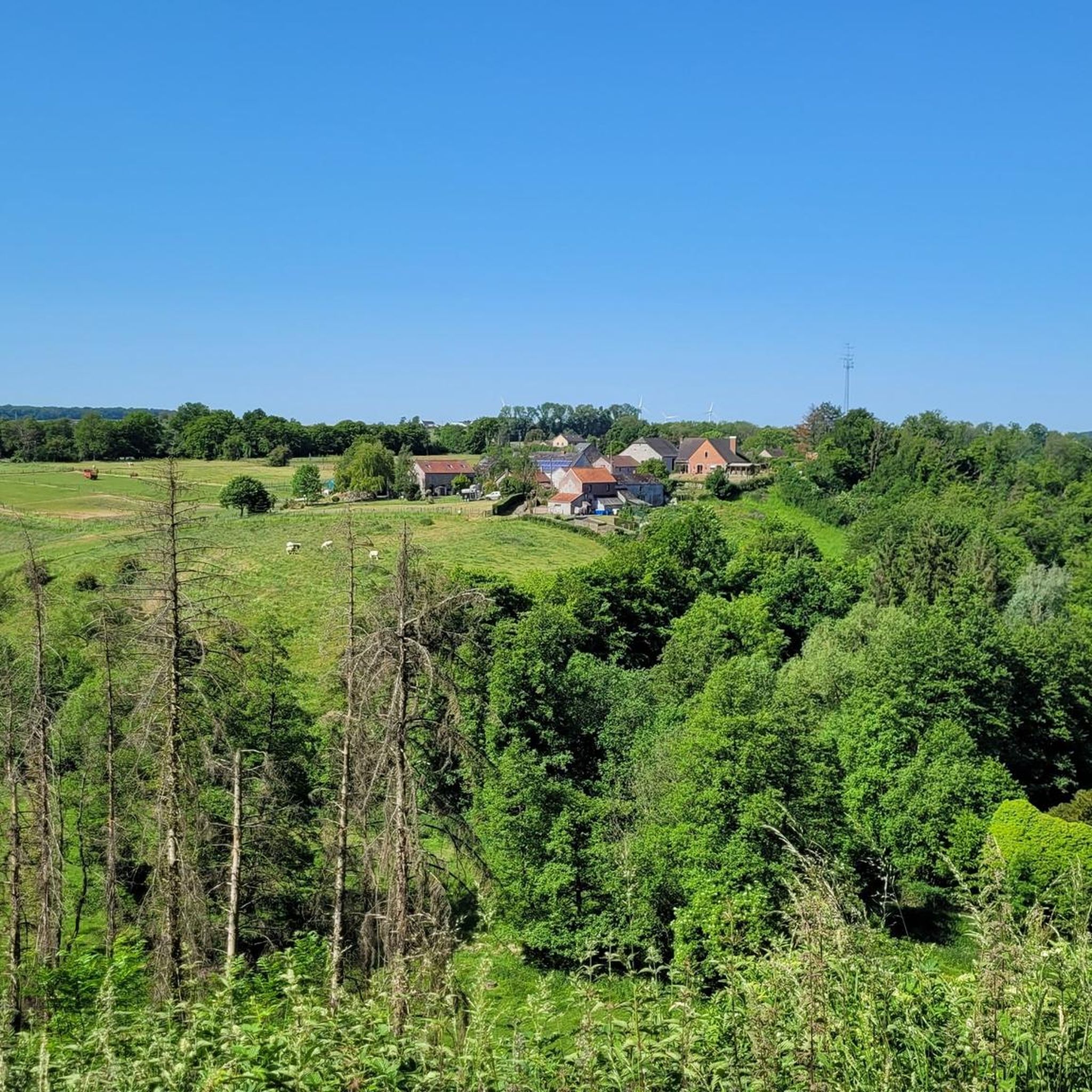
Hiking trails in Avesnois traverse a diverse landscape characterized by bocage, dense forests, and an extensive network of rivers and valleys. The region, classified as a Regional Nature Park, features a mosaic of meadows, hedges, and pollarded trees, alongside significant forest massifs like the Mormal Forest. Undulating terrain with numerous waterways, including the Sambre River and Val Joly lake, defines the area. This varied geography provides a range of natural environments for outdoor activities.
Best hiking trails in Avesnois
- The…
Last updated: June 23, 2026
4.2
(31)
131
hikers
Moderate hike. Good fitness required. Easily-accessible paths. Suitable for all skill levels.
4.3
(35)
117
hikers
10.3km
02:43
90m
90m
Hike the 6.4-mile (10.3 km) moderate Walk along the Grande Honnelle, exploring woodlands, streams, and the unique Le Caillou-qui-Bique.

Sign up for free
4.4
(36)
117
hikers
11.0km
02:55
100m
100m
Moderate hike. Good fitness required. Easily-accessible paths. Suitable for all skill levels.
4.4
(25)
106
hikers
10.7km
02:50
100m
100m
Moderate hike. Good fitness required. Mostly accessible paths. Sure-footedness required.
4.5
(19)
66
hikers
4.76km
01:13
20m
20m
Explore the easy 3.0-mile Circuit of the Ramparts of Le Quesnoy, a historic hike through fortifications and serene ponds.
Get access to more routes and recommendations from other explorers.
Sign up for free
Already have an account?
Our route recommendations are based on thousands of hikes, rides, and runs completed by other people on komoot.
Start today with a free account
Your next adventure awaits.
Login or Signup


Tips from the Community

The Wallen Garden in Le Quesnoy is a beautiful park designed around the historic fortifications of the city. It offers a peaceful and serene environment for walking and relaxing. The Wallen Garden is a relatively new addition to the city, designed to embrace the historic fortifications and integrate them into a green, accessible space. The park is a symbol of the combination of nature and history. The park is designed with a focus on natural materials and landscaping that harmonizes with the historic fortifications. It offers several walking paths that surround the city walls and provide access to the fortified bastions and gateways.
15
0
The fortifications of Le Quesnoy date back to the Middle Ages and were further strengthened in the 17th century under the direction of the famous military engineer Vauban. These fortifications were necessary to protect the city from attacks and sieges. The fortifications have been declassified since 1901, but they are still well maintained. The remparts are designed in a Renaissance style with heavily fortified walls and gateways. They are built of brick and stone, which is typical of the military architecture of that period. The fortifications include several bastions, such as the Porte Faurœulx and the Bastion Vert, which are strategically placed to protect the city.
12
0
The Jardin de la Paix Belge was created in 2018 by the collective artist group Plan B, consisting of Thomas Van Eeckhout and Mathieu Allain. The park is located in the fortifications of Le Quesnoy and is a symbol of peace and memory. The park was designed with a concept in which part of the city walls of Le Quesnoy is projected horizontally onto a lawn. The walls, originally 12 meters high, are now terraces that offer a peaceful place for walks and reflection. The use of brick and natural materials, such as engraved stones, emphasizes the historical and cultural ties between the regions.
14
0
The Porte Faurœulx is part of the fortified city walls built between the 15th and 17th centuries. These walls were built to protect the city from attacks and sieges. The gate itself dates from this period and is a remnant of the military architecture of the time. The gate is designed in a Renaissance style with strongly fortified walls and gateways strategically placed to protect the city. It has a circular plan and is built of brick and stone, which is typical of the military architecture of the period.
13
0

The Bois d'Angre, located in Honnelles, is a forest renowned for the Caillou-qui-Bique, a 370 million year old pudding rock. This forest is home to rich biodiversity with oaks, ash trees and various rare species. A place of legends and hikes, the Angre woods is a precious natural site in Wallonia, managed by Natagora and other organizations to preserve its unique fauna and flora.
2
0

Interesting alte Festung Le Quesnoy.
2
0


Nice walk, but impossible to do the complete loop, private road, closed by barbed wire at the exit of Bousignies sur Roc towards Montignies Saint Christophe.. too bad
0
0
Frequently Asked Questions
How many hiking trails are available in Avesnois?
Avesnois offers an extensive network of over 550 hiking routes on komoot, covering more than 1,000 km of marked trails. These routes cater to various fitness levels, from easy family walks to more challenging excursions through the region's diverse landscapes.
What kind of landscapes can I expect to see while hiking in Avesnois?
Avesnois is characterized by its unique bocage landscape, featuring a mosaic of meadows, hedges, and pollarded trees. You'll also find dense forests, such as the vast Mormal Forest, and an extensive network of rivers and valleys, including the Sambre River and Val Joly lake. The undulating terrain provides varied scenery throughout your hikes.
Are there any easy or family-friendly hiking routes in Avesnois?
Yes, Avesnois has numerous easy and family-friendly options. For a gentle introduction to the region's history and nature, consider the Circuit of the Ramparts of Le Quesnoy, an easy 4.8 km loop that explores the historic fortifications. Overall, there are over 230 easy routes available in the region.
What are some notable natural features or landmarks to look out for on the trails?
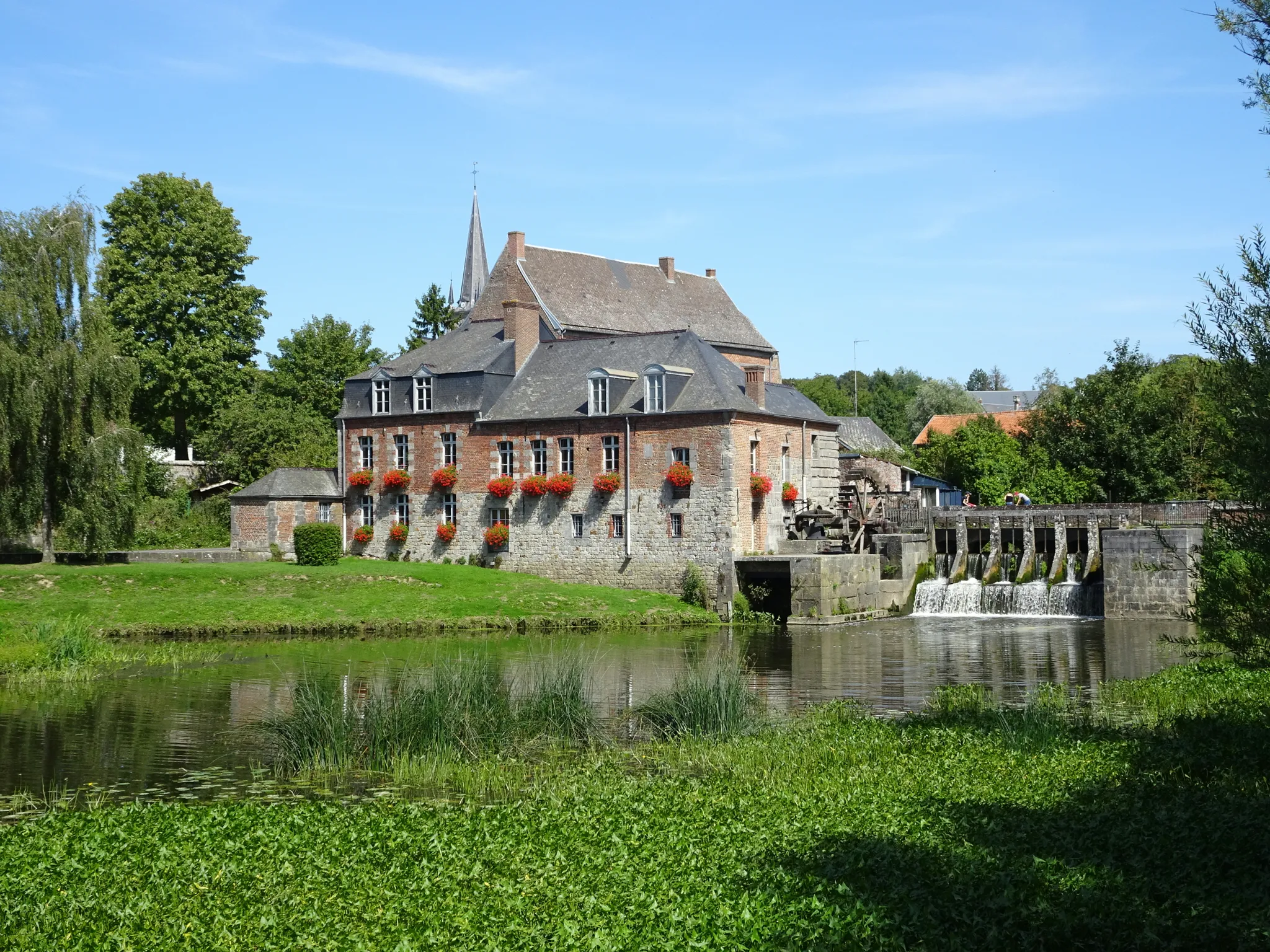
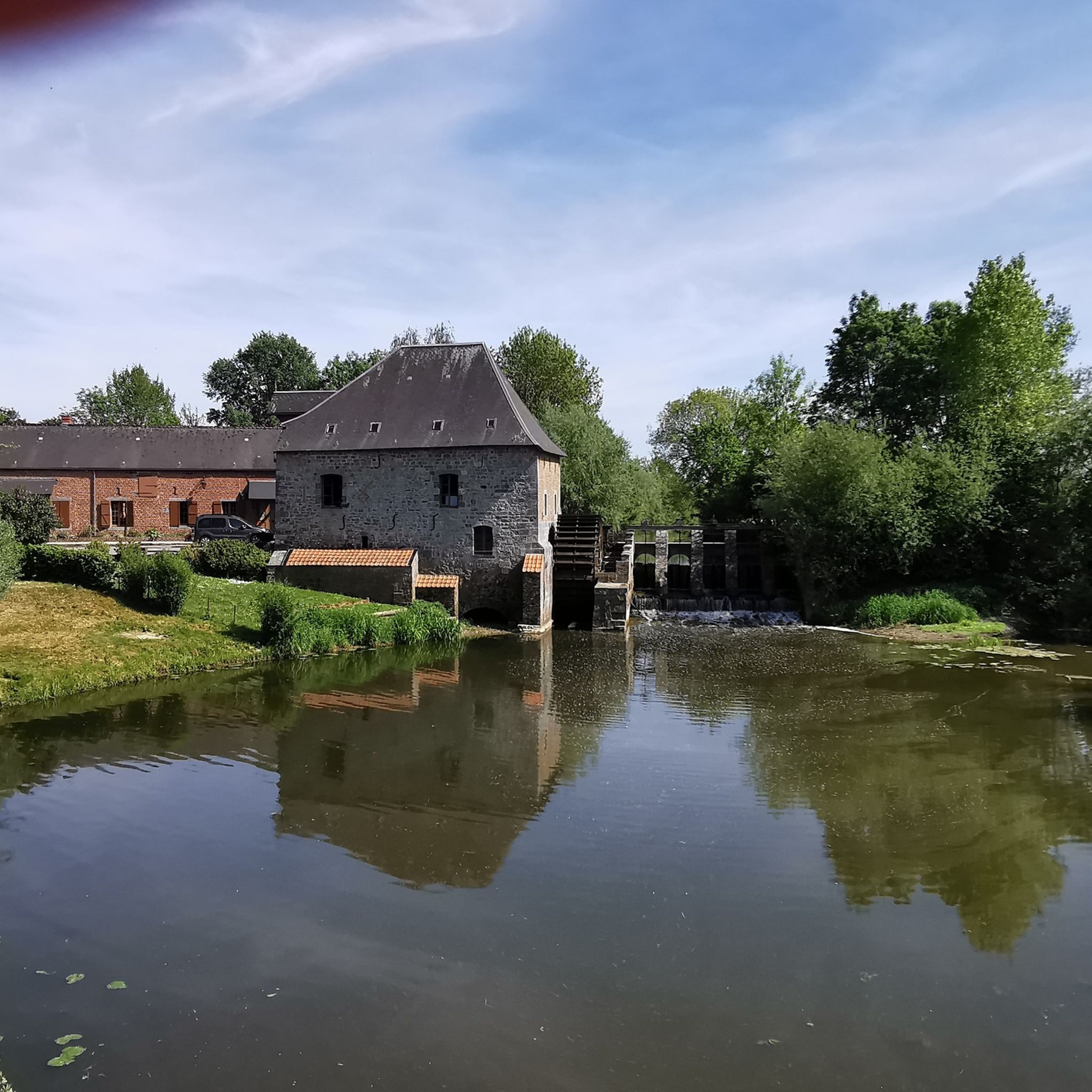
Hikers can discover a variety of natural and historical landmarks. The region's defining bocage and dense forests like Mormal are prominent. You might also encounter traditional bluestone houses, music kiosks, and water mills. Historic sites include the 16th-century fortifications of Le Quesnoy Ramparts, and the scenic Voie Verte de l'Avesnois, a greenway built on former railway lines.
Are there any circular hiking routes in Avesnois?
Yes, many routes in Avesnois are designed as circular loops, allowing you to start and end at the same point. An example is the Caillou-qui-Bique — loop from Eth in the Hauts-Pays natural park, a moderate 10.7 km trail that offers diverse scenery.
What do other hikers enjoy most about hiking in Avesnois?
The hiking experience in Avesnois is highly rated by the komoot community, with an average score of 4.4 stars from over 1,300 reviews. Hikers frequently praise the region's varied terrain, the tranquility of its forests, and the picturesque river valleys. The well-maintained trails and the opportunity to immerse oneself in the unique bocage landscape are also often highlighted.
Can I bring my dog on the hiking trails in Avesnois?
Many trails in Avesnois are suitable for dogs, especially those that traverse the extensive forests and open bocage landscapes. However, it's always recommended to keep your dog on a leash, especially in areas with wildlife or near agricultural land, and to check specific trail regulations before you go.
What is the best time of year to go hiking in Avesnois?
Avesnois offers pleasant hiking conditions throughout much of the year. Spring brings lush greenery and blooming wildflowers, while autumn showcases vibrant fall foliage in the forests. Summer is ideal for longer days and enjoying the Val Joly lake, though some trails might be busier. Winter hiking is possible, but conditions can be wet, so appropriate gear is essential.
Are there options for public transport to reach hiking trailheads in Avesnois?
While some trailheads might be accessible by local bus services, public transport options can be limited in rural areas of Avesnois. It's advisable to check local transport schedules in advance for specific routes. Many hikers prefer to drive to trailheads, where parking is often available.
Where can I find cafes or amenities near hiking routes?
Hiking routes in Avesnois often pass through or near picturesque villages where you can find local cafes, restaurants, and small shops. Larger towns like Le Quesnoy, Maubeuge, and Avesnes-sur-Helpe offer more extensive amenities. It's a good idea to plan your route to include these stops or carry sufficient supplies, especially on longer trails.
Are there any routes that follow rivers or offer waterside views?
Yes, Avesnois is rich in waterways. The Walk along the Grande Honnelle is a moderate 10.3 km path that follows the Grande Honnelle river, providing scenic views of the surrounding valleys. The Sambre River also offers waterside paths, and the region's numerous ponds and streams are integrated into many trails, providing picturesque scenery.
Most popular routes in Avesnois
Most popular attractions in Avesnois

Get inspired with the komoot mobile app


Explore more
Browse the best Hikes in other regions.
