Top 20 Natural Monuments in Vosges Du Nord
Best natural monuments in Vosges Du Nord are found within a region characterized by its sandstone formations and dense forests. This area, part of the Northern Vosges Regional Nature Park, features a landscape shaped by geological processes, offering numerous viewpoints and historical sites integrated into the natural environment. The terrain provides opportunities for exploration among its unique rock formations and wooded hills.
Best natural monuments in Vosges Du Nord
- The most popular natural monument is Hohenbourg Castle, a viewpoint that offers views of Fleckenstein Castle and the surrounding landscape. This castle is built into a high sandstone spur, with many remnants of its walls still visible.
- Another must-see spot is Fleckenstein Castle, a castle built into the rock. From its highest point, visitors have views of the Vosges and the Palatinate Forest.
- Visitors also love Klingelfels, a rock formation located near a parking area. This site is a short distance from the Wasigenstein castle ruins.
- Vosges Du Nord is known for its rock formations, historical castles, and forest viewpoints. The region offers a variety of natural monuments to see and explore, often integrated with historical structures.
- The natural monuments in Vosges Du Nord are appreciated by the komoot community. With more than 1800 upvotes and over 2700 photos, these locations are well-documented and highly regarded.
Last updated: July 10, 2026
Hohenbourg Castle
Highlight • Viewpoint
Translated by Google •
Tip by

Altschlossfelsen sandstone rock formation
Highlight • Natural Monument
Translated by Google •
Tip by

Sign up now to discover places like this
Get recommendations on the best single tracks, peaks, & plenty of other exciting outdoor places.
Sign up for free
Altschlossfelsen Trail
Highlight (Segment) • Natural Monument
Translated by Google •
Tip by

Fleckenstein Castle
Highlight • Castle
Translated by Google •
Tip by

Sentier des Roches (Felsenpfad)
Highlight • Trail
Translated by Google •
Tip by

Sign up for free to discover even more natural monuments in Vosges Du Nord.
Sign up for free
Already have an account?
Start today with a free account
Your next adventure awaits.
Login or Signup
Popular around Vosges Du Nord
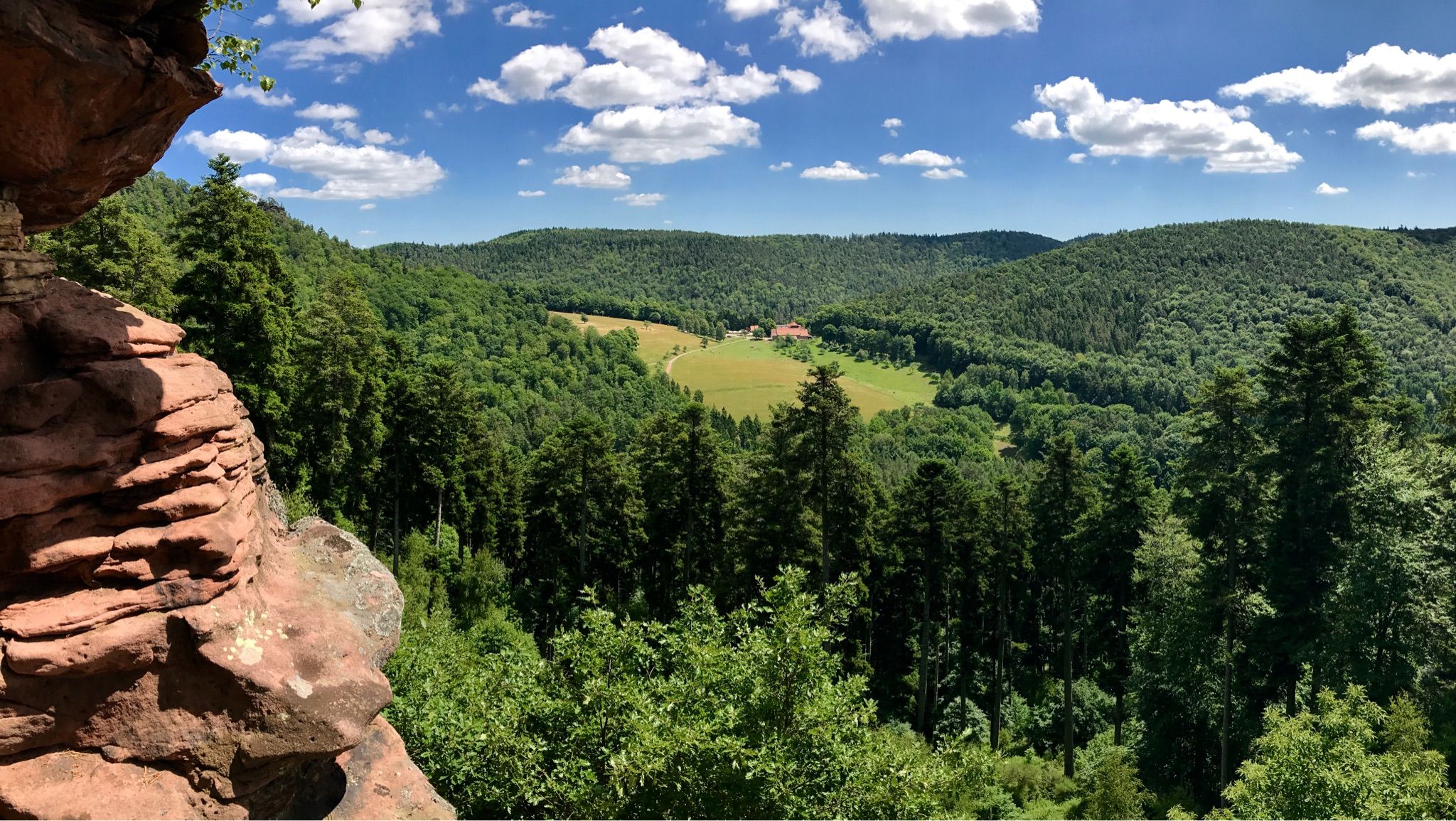
Hike the GR 53 – Explore castles along the Franco-German border
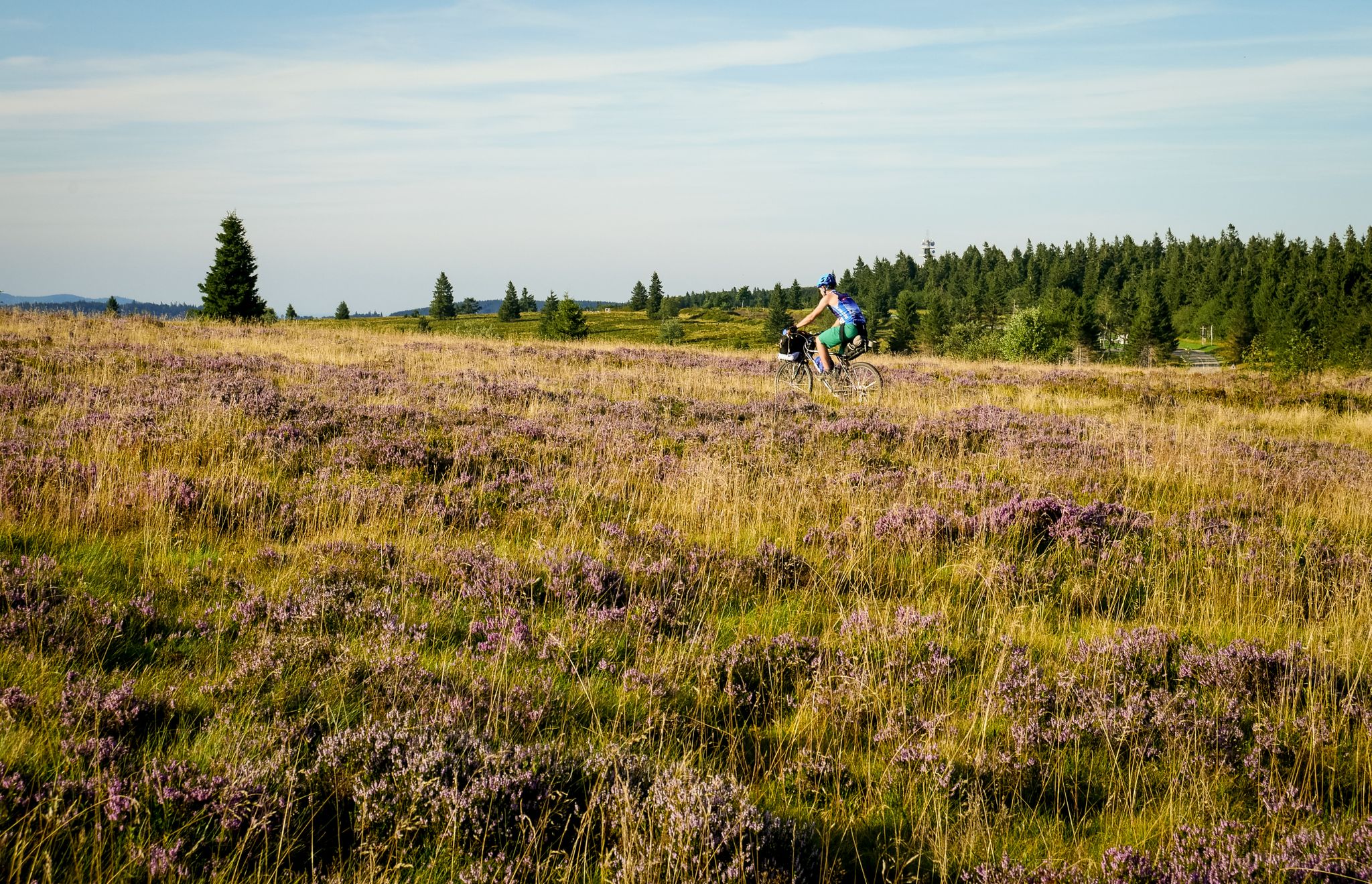
Traversée du Massif Vosgien — Alsace bikepacking
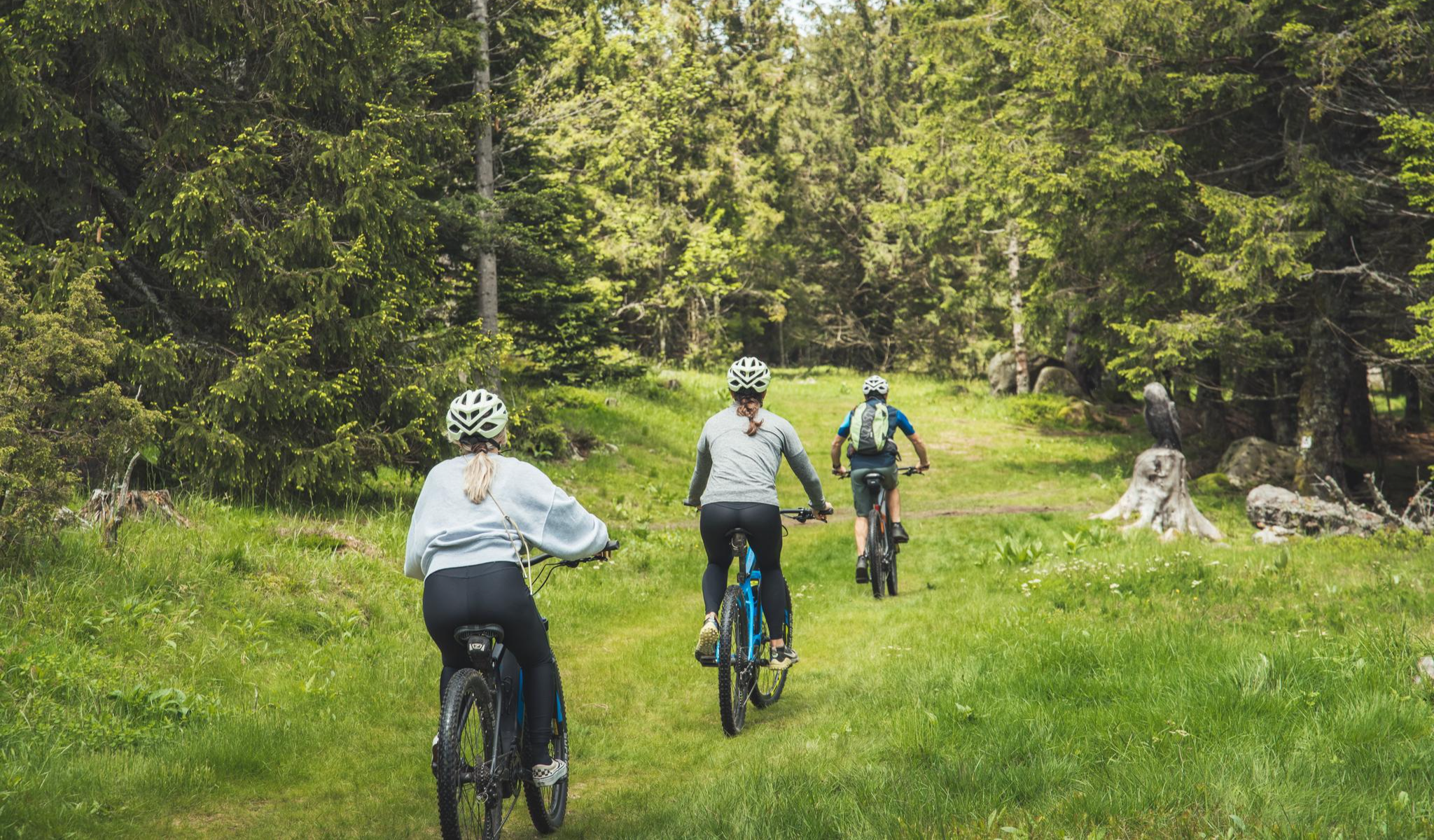
MTB and gravel in the Grand Est – the joy of the low mountains
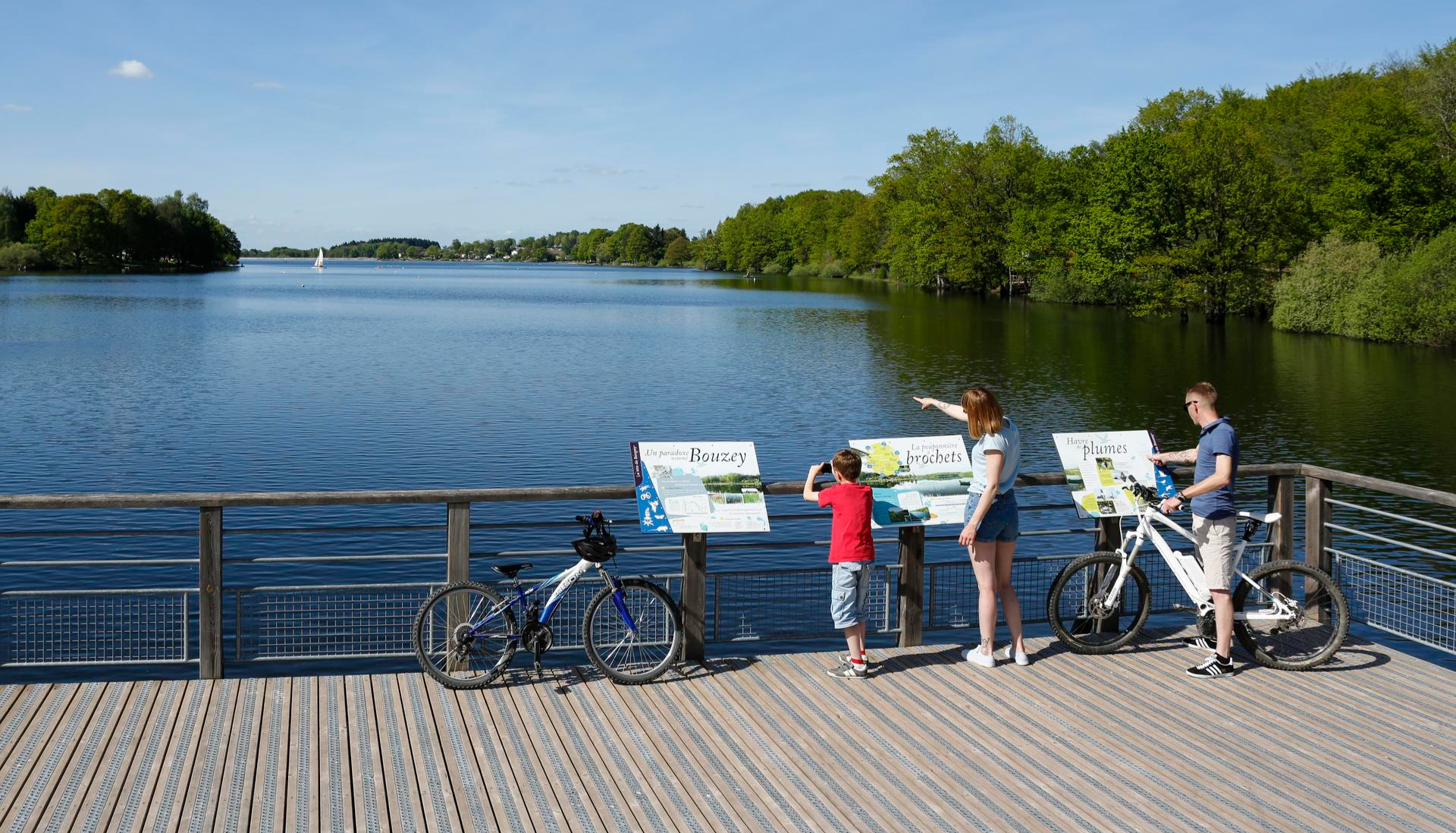
Family getaways – cycling in the Grand Est
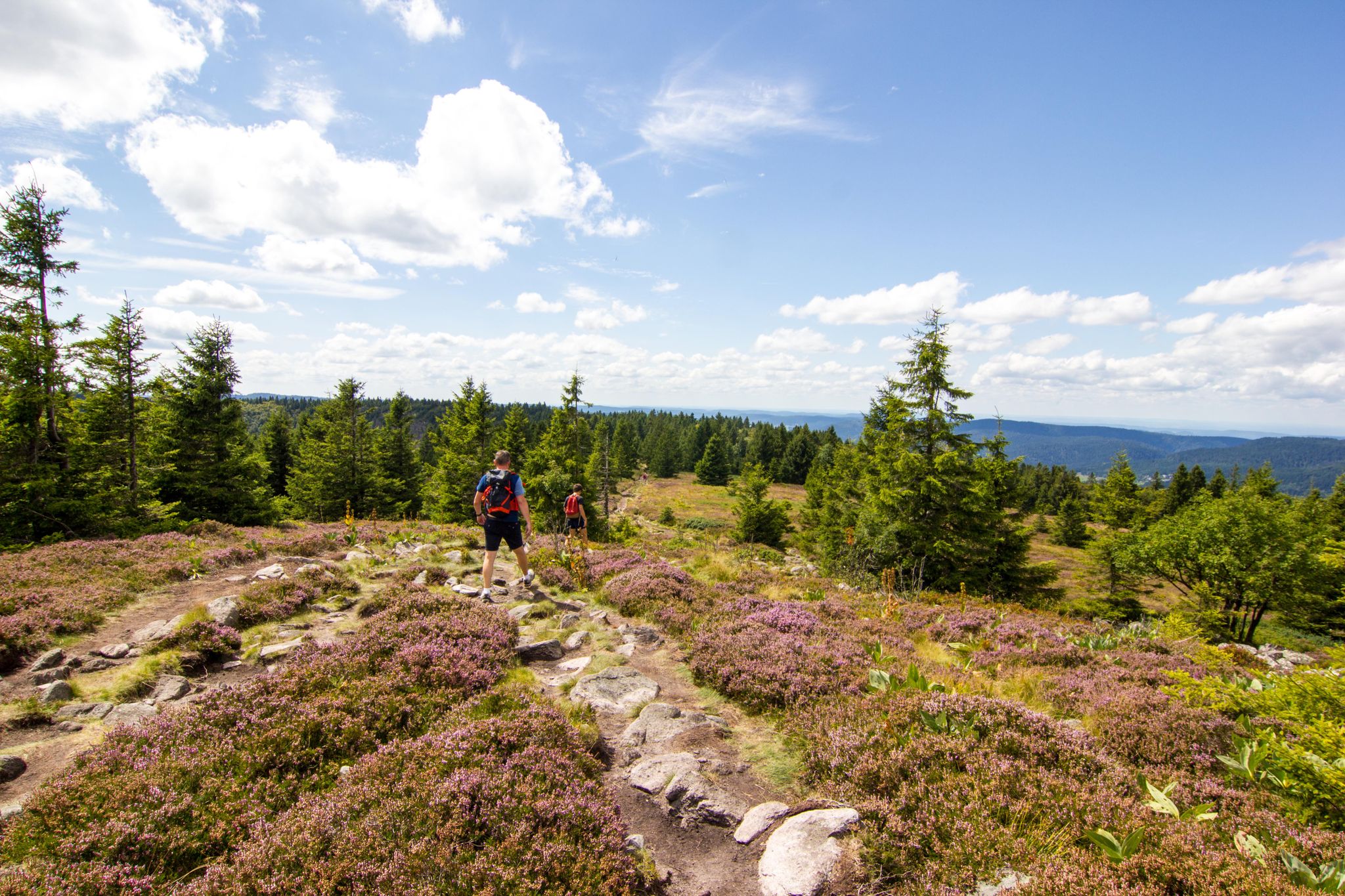
Hiking and relaxation – wellbeing on the Traversée des Vosges
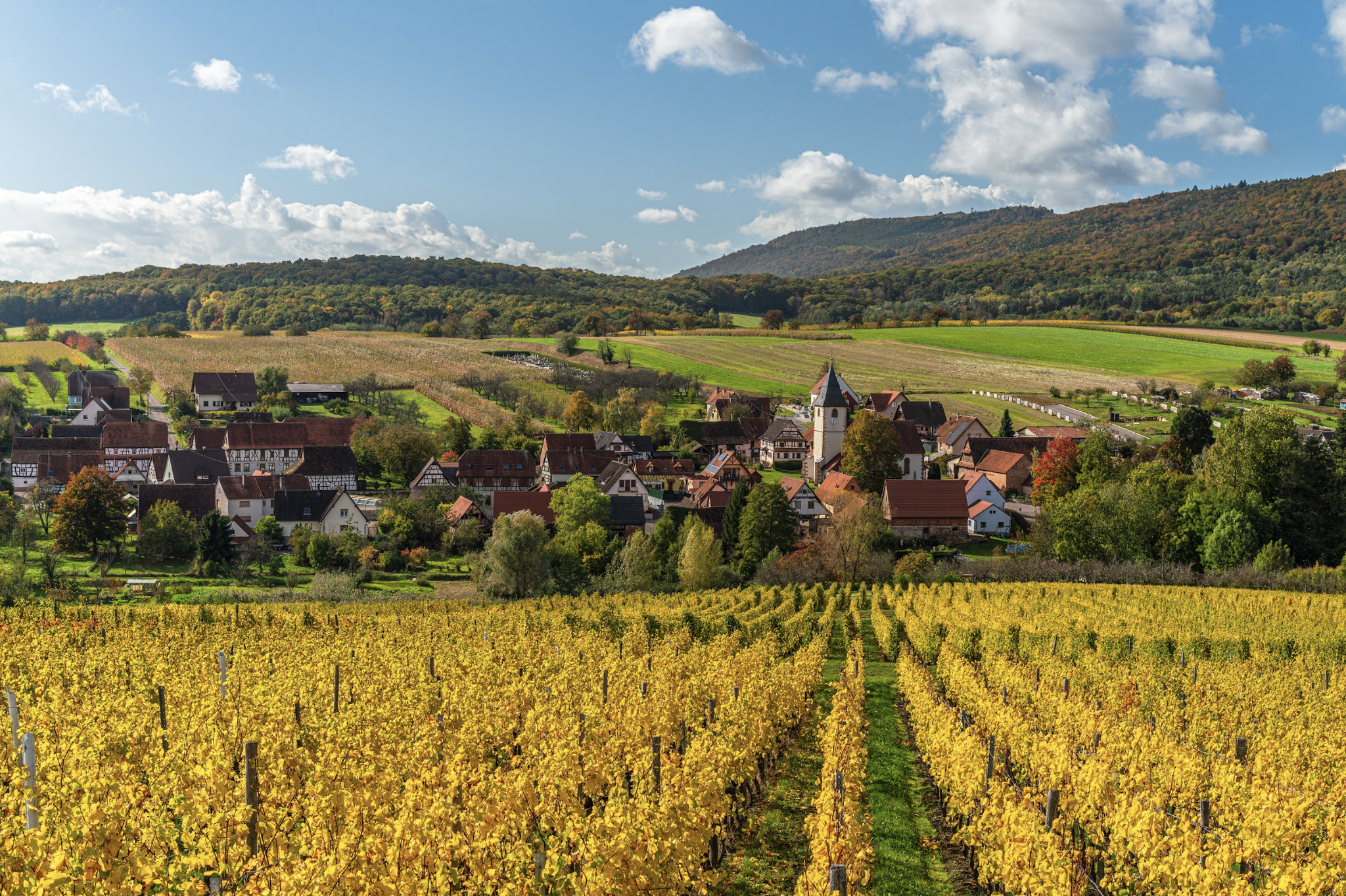
Alsace Verte on foot – hikes between history and vineyards
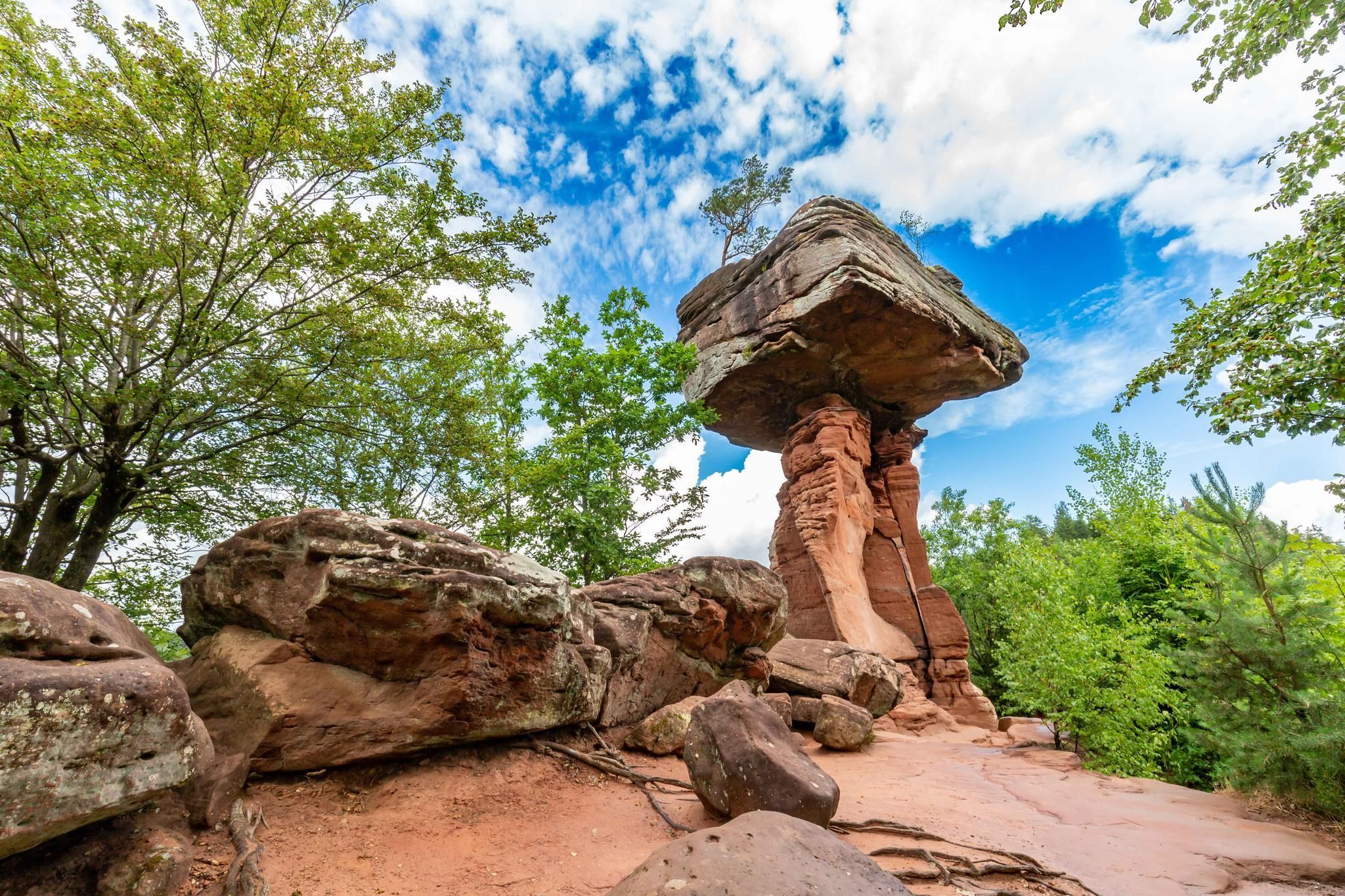
Cycling in Southern Palatinate – Karlsruhe to Zweibrücken
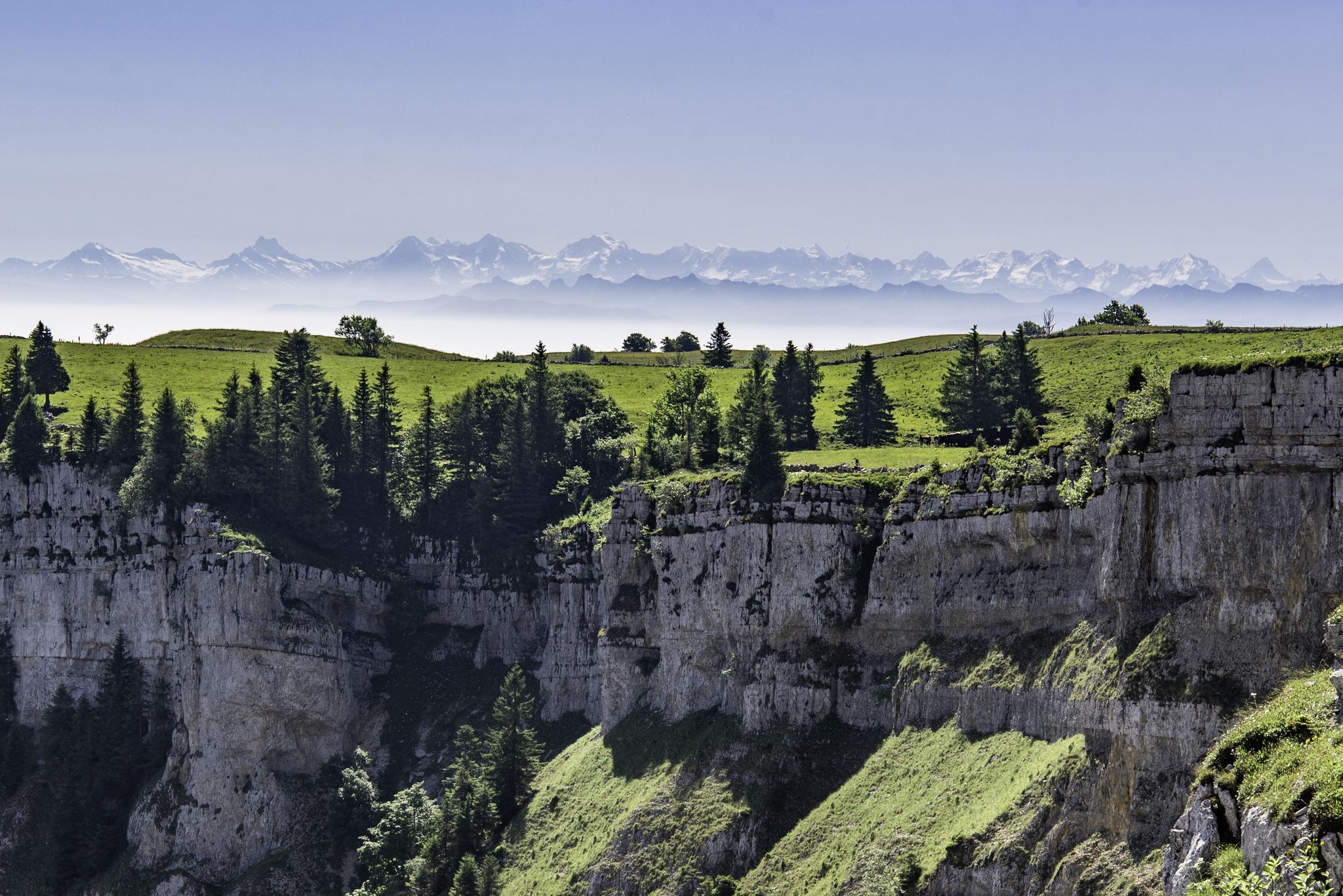
From the Vosges to the Jura mountains – Hexatrek, le Grand Est
Germany tour through all federal states
Palatinate hiking menu — day and half day hikes
Other adventures in Vosges Du Nord


Tips from the Community

In the early morning or evening, the light is particularly beautiful and it is quieter. We were there at midday, so the light, depending on the location, was sometimes more intense or paler on the rocks. Nevertheless, a great nature experience. Sturdy footwear is recommended.
9
0

The Altschlossfelsen (also known as Eppenbrunn Castle) are a group of red sandstone rocks designated as a natural monument (ND) ND-7340-205 and a cultural monument (KD) in the municipality of Eppenbrunn in the Palatinate Forest on the border with France, and are the largest rock formation in the Palatinate. They are located on the eastern slope of the Brechenberg (406 m) near Eppenbrunn and Roppeviller at an elevation of approximately 365 m above sea level at the northeast end and 380 m above sea level at the southwest end of the rock band. The Altschlossfelsen are a group of red sandstone rocks approximately one and a half kilometers long and up to 30 meters high. The group consists of sandstone towers and walls. The Altschlossfelsen are crisscrossed by cracks and joints, some of which are wide enough to climb through. They are known primarily for their diverse weathering phenomena and rare lichens. The summit plateau can be reached from the north and south on narrow paths. There, you'll find a sparse forest and moss-covered rocks. A special lighting situation created by the sun, the "rock glow," is best seen around 7:00 p.m. in the first half of April, depending on weather conditions, vegetation, and the position of the sun. In the morning hours, the glow occurs around 8:45 a.m. Finds from the Hallstatt and Roman periods attest to earlier settlement of the rock group. In 1964, for example, shards from the La Tène period (c. 450–50 BC) were found. Traces of a medieval castle from the 11th or 12th century are found on the four main rocks. These include the remains of a stepped structure, post holes, remains of masonry, and notches for beams in the rock. A depression with a diameter of four meters is located on a rock, which may have served as a cistern. Additionally, on the southern and northern slopes around the rock formation, humped blocks, which may have originated from the structure of a former castle, as well as shards from the High Middle Ages were found in a wall groove. A more precise dating of the castle complex is difficult, as the castle was not mentioned before 1297 or later in the 1605 border description between Lorraine and the County of Hanau-Lichtenberg. Source: https://de.wikipedia.org/wiki/Altschlossfelsen
4
0

A beautiful hiking trail along the historic rock formations near the border
4
0

A very beautiful path directly along the rocks.
3
1

Largest connected group of rocks north of the Alps, approx. 1.5 km long and over 30 meters high. A must-see
3
0

There are many beautiful, impressive spots on the Altschlosspfad. Here is another one that is worth taking a closer look at 🤩
6
0

Very interesting rock formation, take your time. Don't forget sturdy shoes 😎
5
0

Quite well preserved castle with a beautiful view of Fleckenstein Castle and, in the other direction, of Wegelnburg.
8
4
Frequently Asked Questions
What are some popular natural monuments to visit in Vosges Du Nord?
The region is rich in natural monuments, often integrated with historical structures. Highly regarded spots include Hohenbourg Castle, which offers extensive views, and Fleckenstein Castle, known for being built directly into the rock. Another popular site is Klingelfels, a distinctive rock formation easily accessible near a parking area.
Are there family-friendly natural monuments in Vosges Du Nord?
Yes, several natural monuments are suitable for families. Fleckenstein Castle is particularly family-friendly, offering puzzle tours for children and being made accessible for visitors. The Besucherzentrum Burg Fleckenstein also caters to families with its facilities and views of the castle.
What kind of rock formations can I expect to see in Vosges Du Nord?
Vosges Du Nord is characterized by its unique sandstone formations. You'll encounter impressive rock faces, spurs, and formations that have been shaped by geological processes over time. Many castles, like Hohenbourg and Fleckenstein, are built directly into these natural rock structures, making them integral parts of the landscape.
Are there historical sites integrated with the natural monuments?
Absolutely. The natural monuments in Vosges Du Nord are often intertwined with historical sites, particularly castles. For example, Hohenbourg Castle and Fleckenstein Castle are prime examples of structures built into and around the natural sandstone formations, offering both natural beauty and historical significance.
What are some easy hikes to natural monuments in Vosges Du Nord?
For easier walks, you can explore routes like the Fleckenstein Castle loop, which offers views of the castle and is around 4.7 km. The Hasselfurth Pond Loop (5.4 km) and the Wasenbourg Castle discovery hike (5.9 km) are also good options. You can find more easy hiking routes in the region on the Easy Hikes in Vosges Du Nord guide.
Are there challenging trails for experienced hikers among the natural monuments?
Yes, for those seeking a more demanding experience, the Sentier des Roches (Felsenpfad) offers breathtaking rock formations and steep paths overgrown with roots, requiring sure-footedness and fitness. It's a challenging but rewarding trail with fantastic views.
What is the best time of year to visit the natural monuments in Vosges Du Nord?
The Northern Vosges Regional Nature Park is beautiful throughout the year. Spring and autumn offer pleasant temperatures for hiking and vibrant foliage. Summer is ideal for longer days and exploring, while winter can provide a serene, snow-covered landscape, though some trails might be more challenging or require appropriate gear.
Where can I find parking near the natural monuments?
Many natural monuments, especially popular ones like Klingelfels and the castles, have designated parking areas nearby. For instance, Klingelfels is located right next to a parking lot, making it easily accessible. It's advisable to check specific highlight pages for detailed parking information.
Are there options for cycling or mountain biking near the natural monuments?
Yes, the region offers various routes for cycling and mountain biking. You can find moderate to difficult MTB trails, such as the La Petite-Pierre loop or the Wintersberg and Wasenkoepfel massifs loop, in the MTB Trails in Vosges Du Nord guide. For touring cyclists, options like the Loop of the Vosges du Nord are available in the Cycling in Vosges Du Nord guide.
What do visitors particularly enjoy about the natural monuments in Vosges Du Nord?
Visitors frequently praise the well-preserved castles and their integration with the natural landscape, offering beautiful views. The unique sandstone formations and the challenging yet rewarding trails like the Sentier des Roches are also highly appreciated. The combination of history, nature, and panoramic vistas makes these locations very popular.
What kind of wildlife might I encounter in the Vosges Du Nord Regional Nature Park?
As part of a regional nature park with dense forests, Vosges Du Nord is home to diverse wildlife. You might spot various bird species, deer, wild boar, and smaller mammals. The park's commitment to conservation means that if you are quiet and observant, you have a chance to witness the local fauna in their natural habitat.
What should I wear when visiting the natural monuments?
Given the varied terrain, including forest paths and rocky sections, it's recommended to wear sturdy hiking shoes or boots. Layered clothing is advisable to adapt to changing weather conditions, especially if you plan to hike. For challenging trails, consider bringing trekking poles for stability.
Most popular routes in Vosges Du Nord
Most popular attractions in Vosges Du Nord

Get inspired with the komoot mobile app


