Attractions and Places To See in Brière - Top 20
Best attractions and places to see in Brière include a vast wetland area in France, second in size only to the Camargue. This region features a complex network of canals, reed beds, and peat bogs, serving as a habitat for diverse wildlife. Brière also offers historical landmarks and cultural experiences, particularly its traditional thatched villages. The area provides opportunities for outdoor activities and exploration of its unique natural and cultural heritage.
Best attractions and places to see in Brière
- The…
Last updated: August 16, 2026
Rozé Port and Viewpoint
Highlight • Monument
Translated by Google •
Tip by

Beautiful section of the Vélocéan
Highlight • Other
Translated by Google •
Tip by

Sign up now to discover places like this
Get recommendations on the best single tracks, peaks, & plenty of other exciting outdoor places.
Sign up for free
Dolmens of Kerbourg
Highlight • Historical Site
Translated by Google •
Tip by

Pont de Gras
Highlight • Bridge
Translated by Google •
Tip by

Ruins of the Château de Lorieux
Highlight • Castle
Translated by Google •
Tip by
Sign up for free to discover even more attractions in Brière.
Sign up for free
Already have an account?
Start today with a free account
Your next adventure awaits.
Login or Signup
Popular around Brière
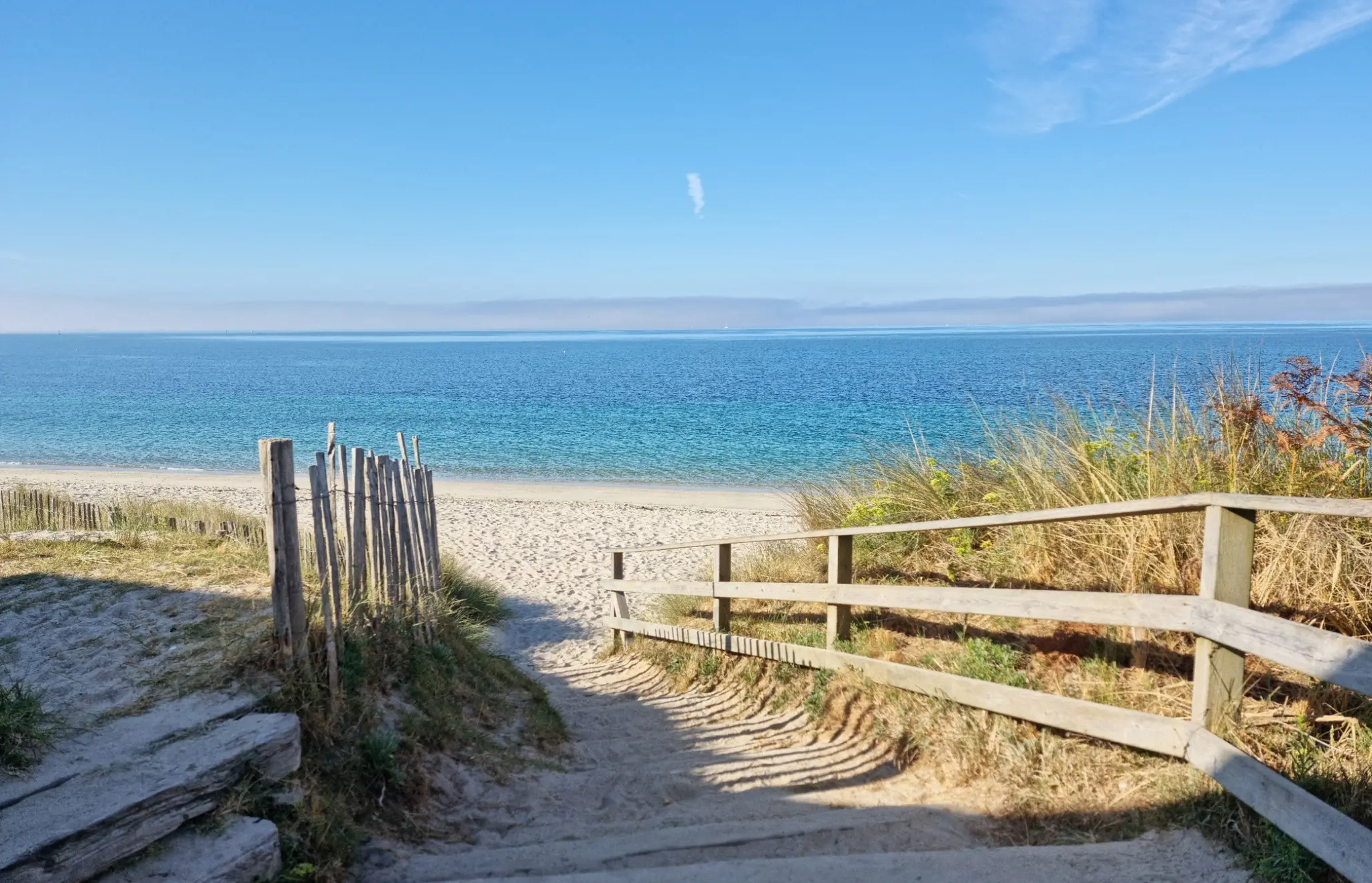
Cycling along the Breton coast - The Coastal (V45)
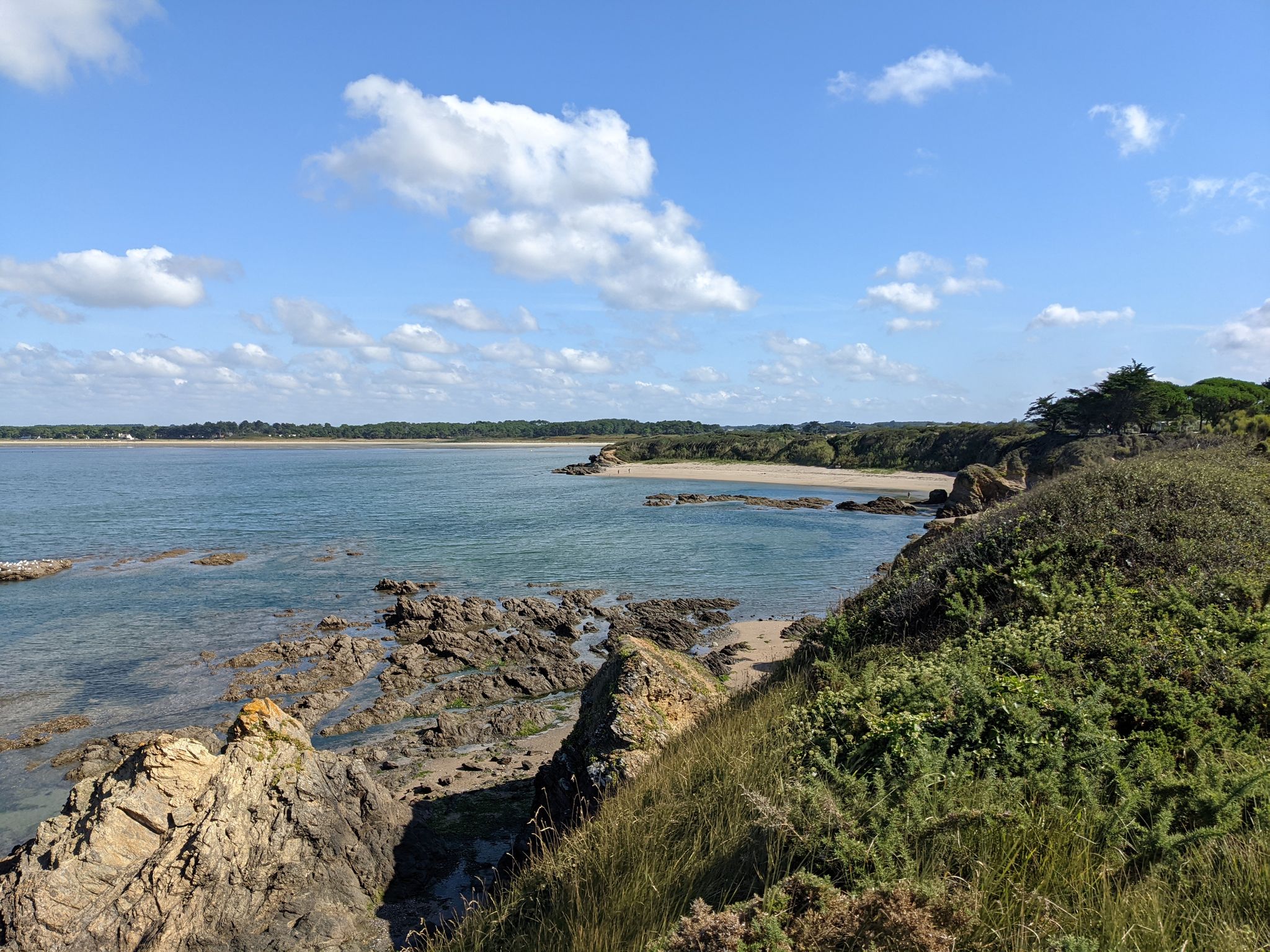
The Customs Officers’ path – GR 34 in Brittany part 2
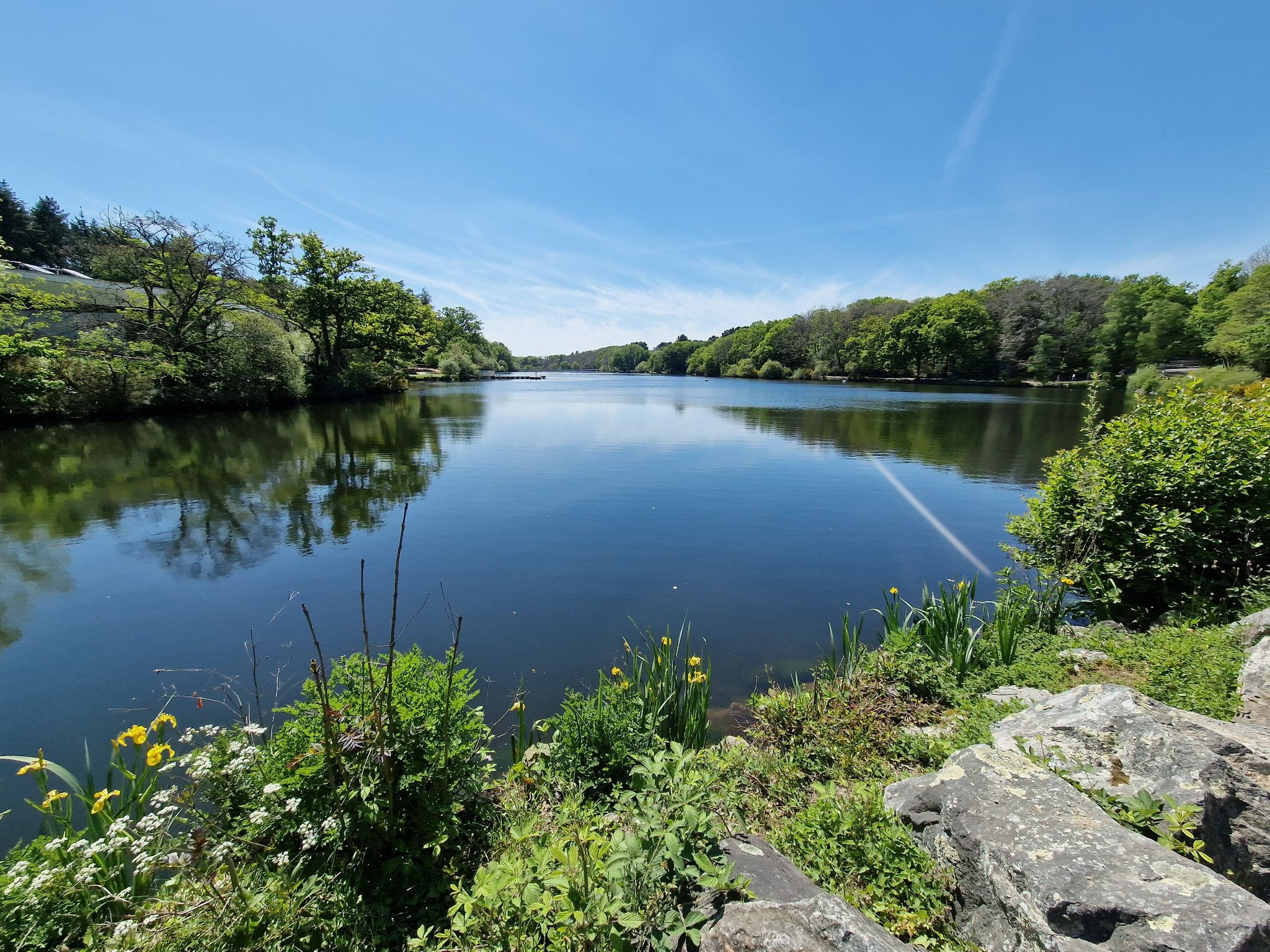
The Loire from ocean to source — GR3 La Baule-Escoublac to Nantes
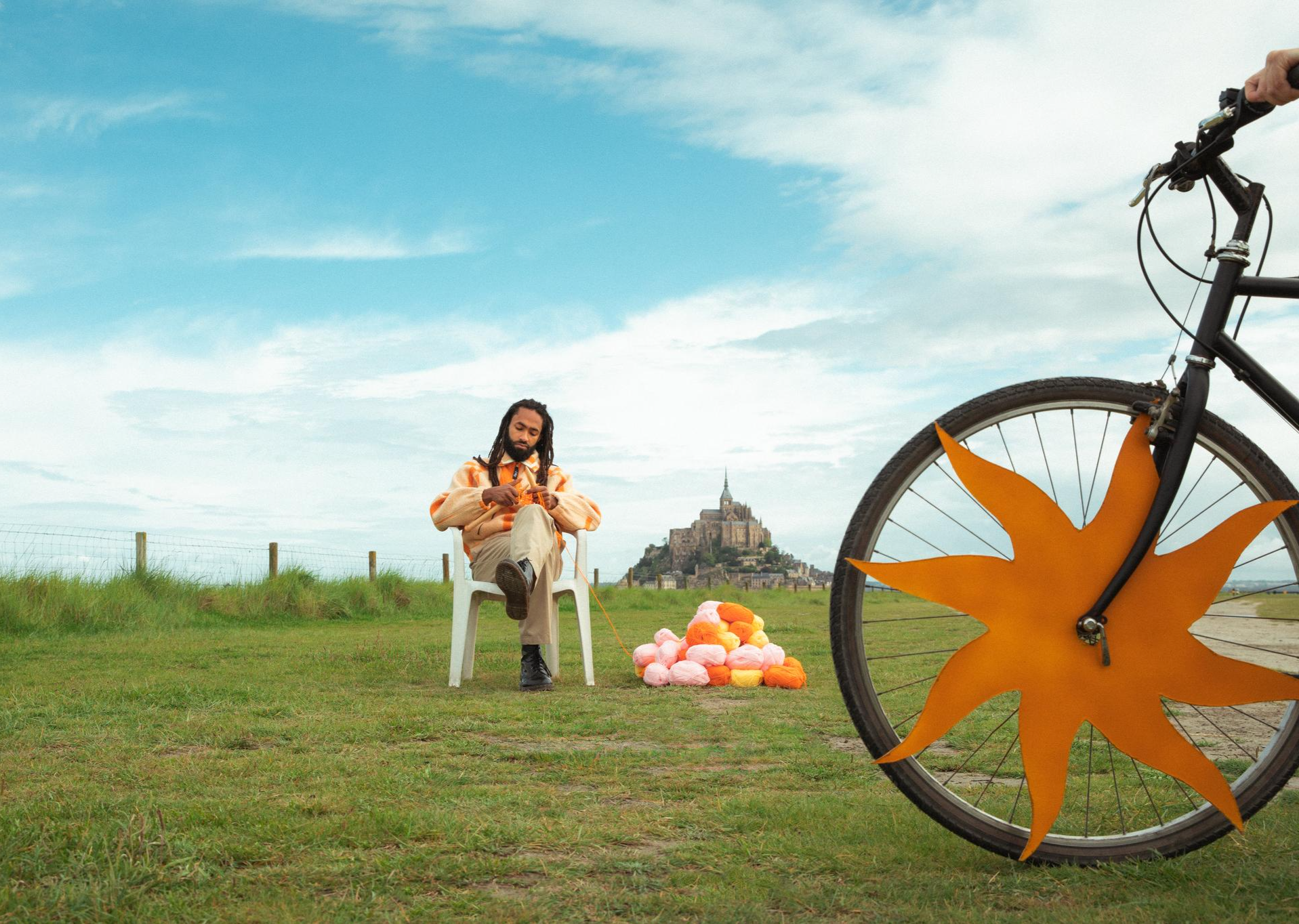
Brittany by bike – cycling from Nantes to Mont-Saint-Michel
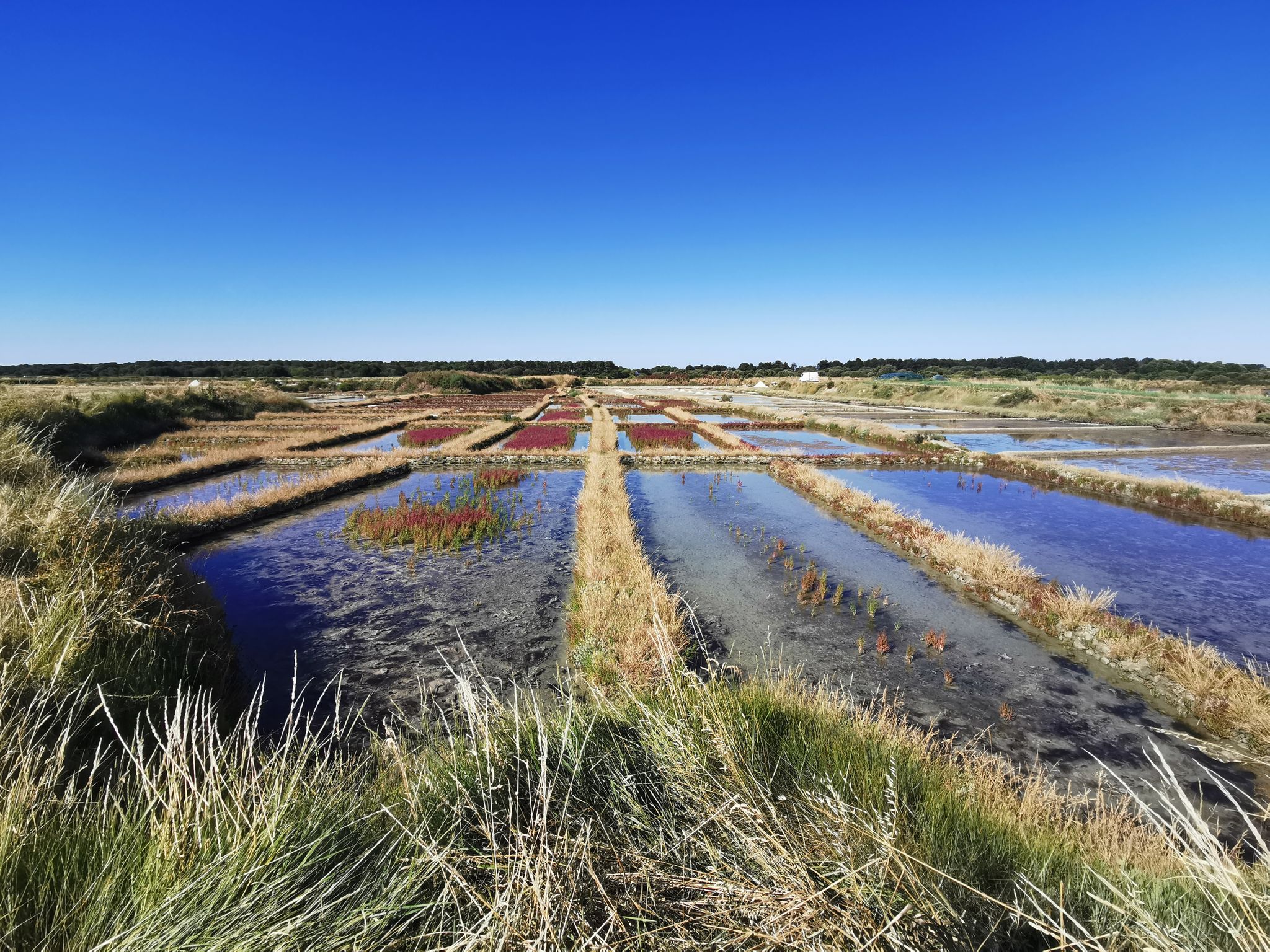
Ocean, salt marshes and villages – the Vélocéan
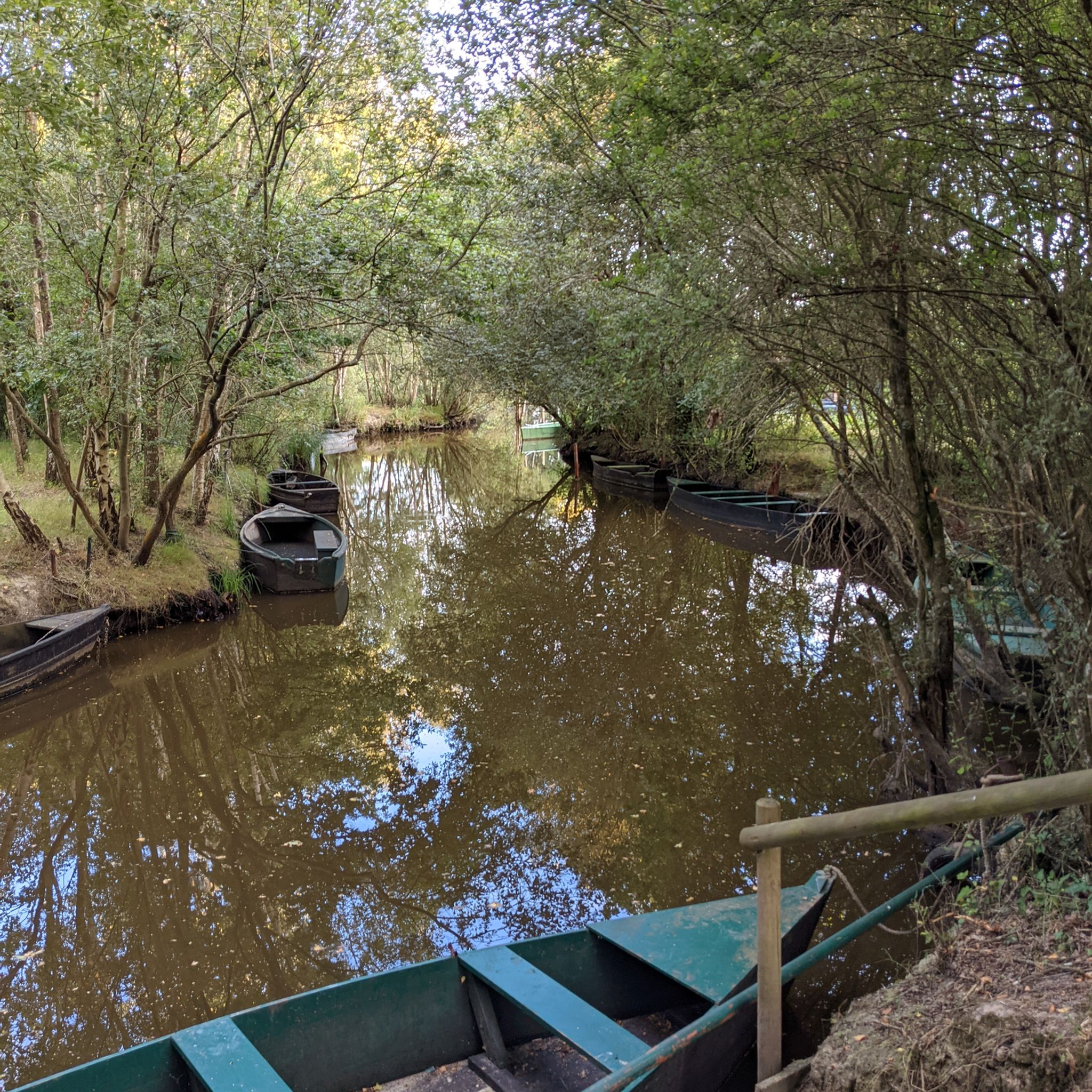
Hiking in Brière
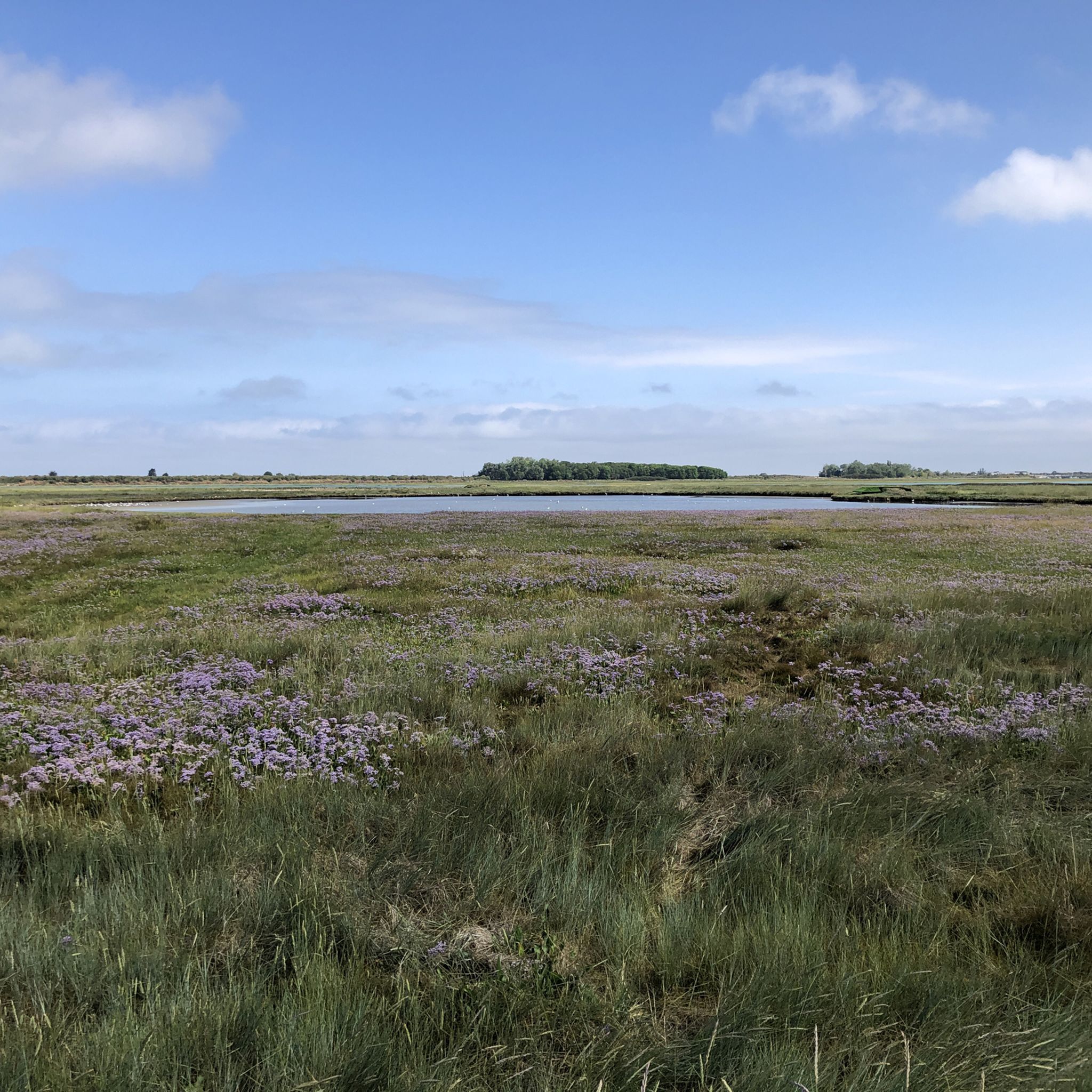
Cycling in Brière
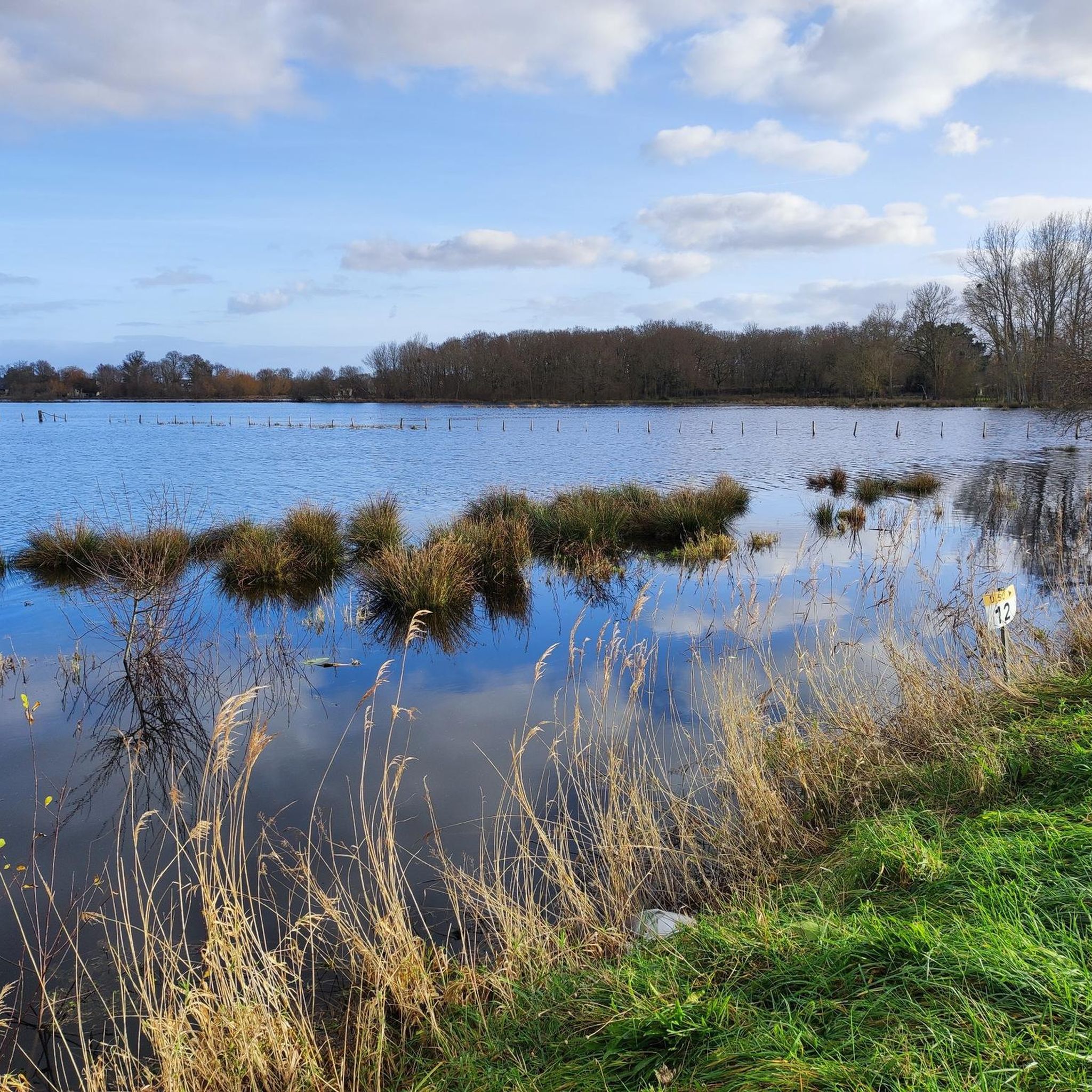
Running Trails in Brière
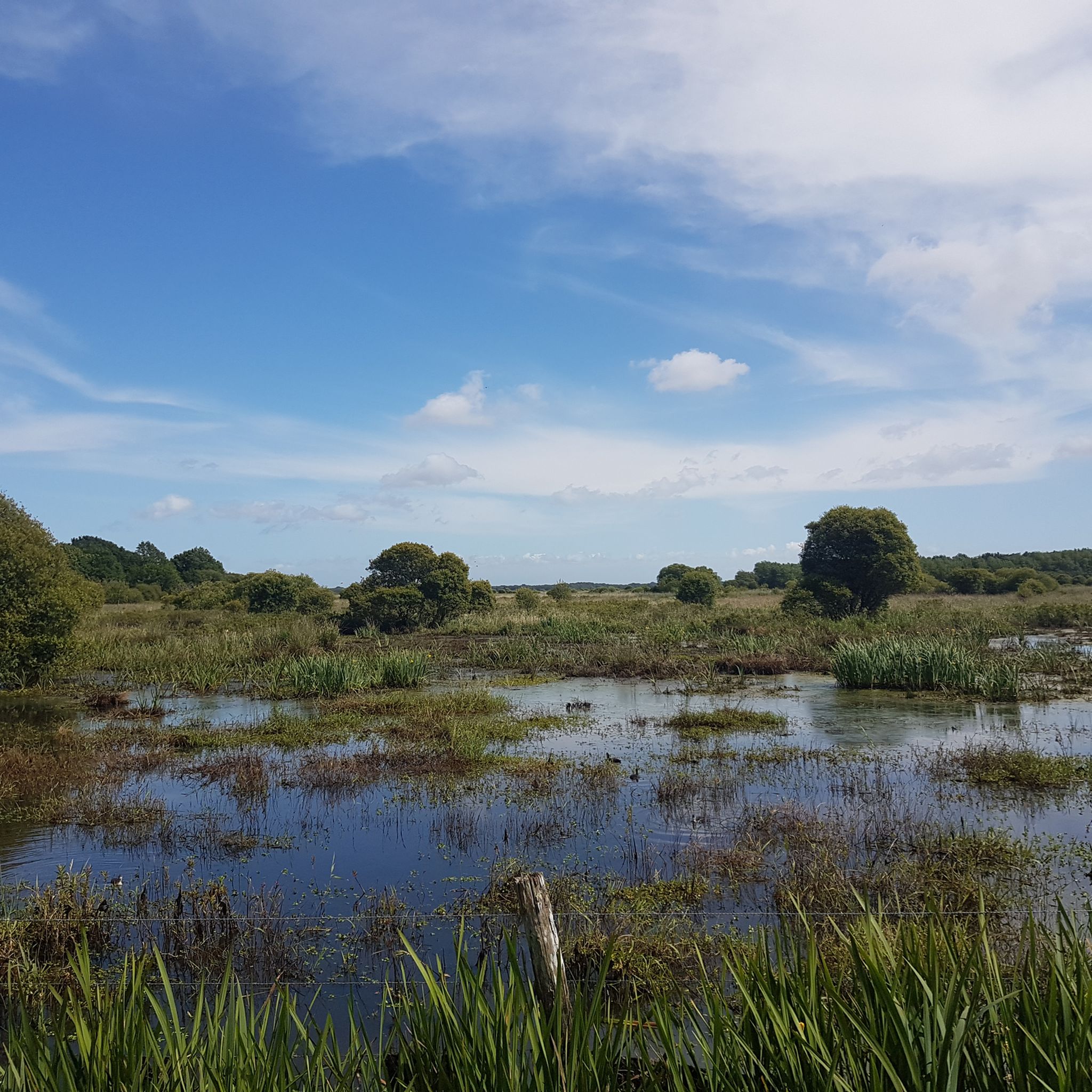
MTB Trails in Brière
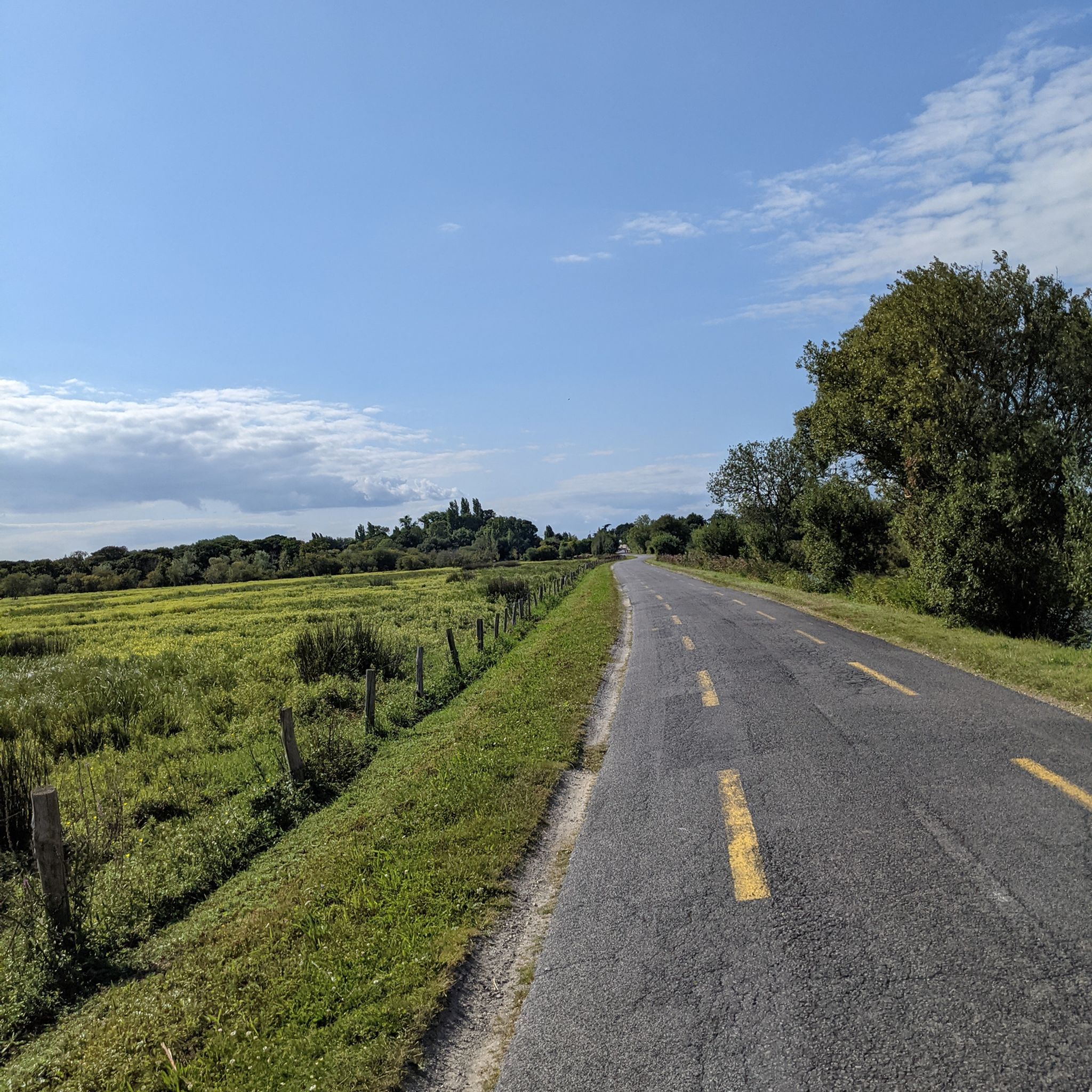
Road Cycling Routes in Brière
Other adventures in Brière


Tips from the Community

Impressive dolmen. You will find a second dolmen a few dozen meters further, but this one has fallen to the ground.
0
0

High viewpoint over the Briére marsh
0
0
To do in different seasons to see the evolution of the marsh.
3
0

Actually, it's more of an allée couverte—but I don't even want to know what Komoot translates into. Fifty meters further on, there's a second collapsed dolmen.
1
0

Impressive dimensions. It is hidden away in a dead end street and absolutely worth seeing. In the immediate vicinity there is another dolmen, a pretty old mill and great little houses with thatched roofs.
0
0

Attention. Bridge flooded this month of January 2024.
0
0

Superb viewpoint from its summit, on a clear day you can see the Saint Nazaire bridge and the surrounding marshes. However, be careful when climbing wooden steps in wet weather with cleats and road shoes.
0
0

Don't expect too much. It is a 0.5m wide footbridge over a small river. What is impressive for me is the story that this bridge has existed since Roman times.
0
0
Frequently Asked Questions
What are the best ways to experience the unique marshlands of Brière?
To truly immerse yourself in the Brière marshlands, consider a traditional guided barge (chaland) trip. These flat-bottomed boat tours offer an intimate perspective of the marsh, perfect for wildlife observation. Departure points include Port de la Chaussée-Neuve, Port de Tréhé, Fédrun, Port de Rozé, and Bréca. For a panoramic view, visit Rozé Port and Viewpoint, which offers a 360-degree vista from its 28-meter high lookout.
Are there any historical sites or ruins to visit in Brière?
Yes, Brière has several historical sites. You can explore the substantial ruins of the medieval Château de Ranrouët near Herbignac, which dates from the 13th to 17th centuries. Another intriguing site is the Ruins of the Château de Lorieux near Saint-Lyphard, a former fortress built to defend Brittany. Don't miss the ancient Pont de Gras, a Gallo-Roman ford crossing the Mès river, or the significant megalithic site of Dolmen de Kerbourg.
What kind of outdoor activities can I do in Brière?
Brière offers a wide range of outdoor activities. You can enjoy hiking, cycling, and horse riding on over 700 kilometers of maintained paths. The region is also excellent for canoeing through its network of canals. For cyclists, a beautiful section of the Vélocéan, a coastal cycling route, passes through Brière. You can find more detailed routes for various sports in our guides: Hiking in Brière, Road Cycling Routes in Brière, and MTB Trails in Brière.
Where can I see traditional architecture and learn about local culture?
Brière is famous for its traditional thatched villages. The meticulously restored Kerhinet Village functions as an open-air museum, showcasing traditional Briéron architecture and daily life. Fédrun Island is another charming village known for its idyllic thatched cottages. You can also visit museums like the Musée de la Chaumière Briéronne in Saint-Joachim, dedicated to the traditional cottage and local way of life.
What wildlife can I expect to see in Brière, especially birds?
Brière is a premier destination for birdwatching due to its vast wetland habitat. You can spot a variety of species including herons, egrets, bearded reedlings, marsh harriers, common teal, avocets, bitterns, and spoonbills. The Pierre Constant Natural Reserve in Rozé is particularly well-equipped for bird observation, featuring an observatory and dedicated stations.
Are there any family-friendly activities or attractions in Brière?
Many activities in Brière are suitable for families. Guided barge trips through the marsh are a gentle way to explore nature and spot wildlife. The open-air museum village of Kerhinet Village offers an engaging glimpse into traditional life. Easy walking and cycling paths are also available for families to enjoy the natural surroundings together.
What is the best time of year to visit Brière?
The best time to visit Brière largely depends on your interests. Spring and autumn are ideal for birdwatching, as migratory species pass through the wetlands. Summer offers pleasant weather for boat trips, cycling, and exploring the villages. The marsh landscape changes with the seasons, offering different visual experiences throughout the year.
Can I find accessible routes or activities in Brière?
While specific accessible routes are not detailed, many of the flat paths suitable for cycling and walking may offer easier access. Guided boat tours can also be a good option for experiencing the marsh. It's advisable to check with local tourism offices for the most up-to-date information on accessible facilities and routes.
Where can I get a good panoramic view of the Brière marshes?
For an exceptional panoramic view, head to the Rozé Port and Viewpoint in Saint-Malo de Guersac. Its 28-meter high lookout provides a comprehensive 360-degree vista of the surrounding marshes, extending towards the port of St Nazaire. Another option is the bell tower of the Church of Saint-Lyphard, which also offers wide views across the flat marshlands.
Are there opportunities to learn about local crafts or culinary specialties?
Yes, Brière provides opportunities to engage with local craftsmen and producers. You can learn about traditional trades such as marshland farming, pottery, and thatching. Be sure to sample local culinary specialties, including "la langouille" sausage, which reflects the region's unique heritage.
What makes the Brière marshland unique compared to other natural parks?
The Brière marshland is unique due to its vast size, being the second-largest wetland in France after the Camargue, and its distinctive cultural heritage. A significant aspect is the collective ownership of the marsh by its inhabitants, which has played a crucial role in its ongoing preservation. This blend of natural landscape, rich biodiversity, and unique human-marsh interaction sets it apart.
Most popular routes in Brière
Most popular attractions in Brière

Get inspired with the komoot mobile app


Explore more
Still not found the Highlight you’re looking for? See guides of the top attractions in other regions:
