The best cycling routes in Calanques
4.5
(219)
2,577
riders
44
rides
Touring cycling in Calanques offers a unique experience along the Mediterranean coast, characterized by rugged limestone cliffs and deep, narrow inlets. The terrain presents a mix of challenging climbs and scenic coastal roads, with significant elevation changes in many areas. Cyclists can navigate paths winding through diverse Mediterranean flora, providing views of turquoise waters and dramatic geological formations. The region's landscape includes both paved routes and gravel paths, catering to various cycling preferences.
Best touring cycling routes in Calanques
- The most popular touring cycling route is Fortin des Goudes et la calanque Blanche – gravel in loop, an 18.25 miles (29.37 km) trail that takes 2 hours 8 minutes to complete. This difficult route features gravel sections and offers views of the Calanque Blanche.
- Another top favourite among local touring cyclists is Prophet Beach – Sainte-Marie-Majeure Cathedral loop from Maïre, a moderate 18.34 miles (29.52 km) path. This route combines coastal riding with urban landmarks in Marseille.
- Local touring cyclists also love the Route de la Gineste – Port-Miou Marina loop from Cassis, a 13.89 miles (22.36 km) trail leading through scenic roads and offering views of the Port-Miou Marina, often completed in about 1 hour 48 minutes.
- Touring cycling in Calanques is defined by rugged limestone cliffs, turquoise waters, and Mediterranean flora. The network offers options for different ability levels, from moderate coastal rides to more demanding climbs.
- The routes in Calanques are highly rated by the komoot community with an average score of 4.4 stars from over 260 reviews. More than 2000 touring cyclists have used komoot to explore Calanques's varied terrain.
Last updated: October 6, 2026
4.4
(8)
57
riders
29.4km
02:08
410m
410m
Hard bike ride. Good fitness required. You may need to push your bike for some segments of this route.
4.7
(39)
387
riders
31.3km
02:26
830m
830m
Hard bike ride. Very good fitness required. Mostly paved surfaces. Suitable for all skill levels.

4.0
(24)
199
riders
22.2km
01:47
440m
440m
Moderate bike ride. Good fitness required. Mostly paved surfaces. Suitable for all skill levels.
4.9
(7)
115
riders
26.9km
02:20
630m
630m
Hard bike ride. Very good fitness required. Mostly paved surfaces. Suitable for all skill levels.
5.0
(1)
129
riders
11.6km
00:40
50m
50m
Easy bike ride. Great for any fitness level. Mostly paved surfaces. Suitable for all skill levels.
Get access to more routes and recommendations from other explorers.
Already have an account?
Our route recommendations are based on thousands of hikes, rides, and runs completed by other people on komoot.
Start today with a free account
Your next adventure awaits.
Popular around Calanques
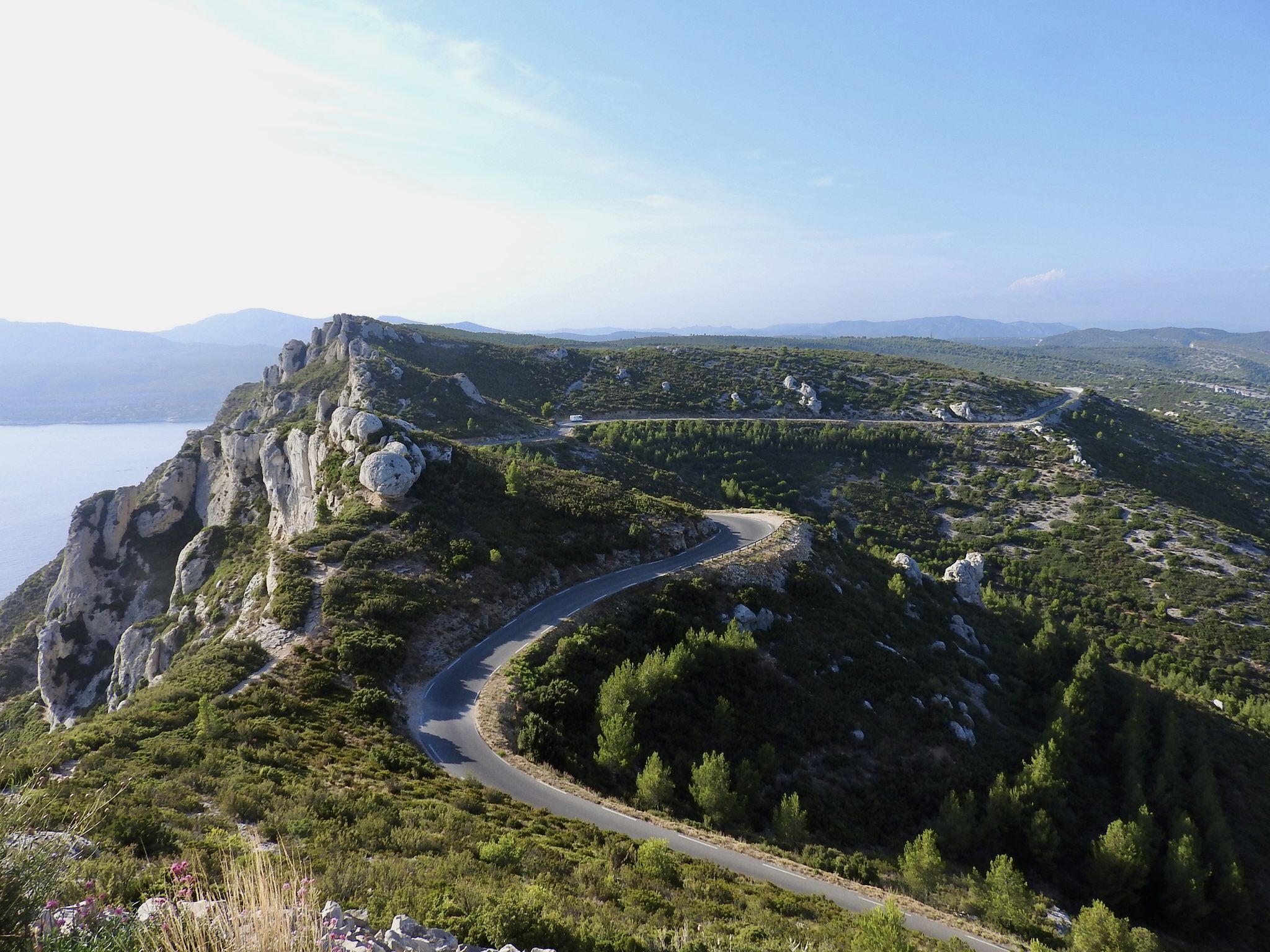
From the Calanques to Cézanne – discover the countryside of France’s Provence
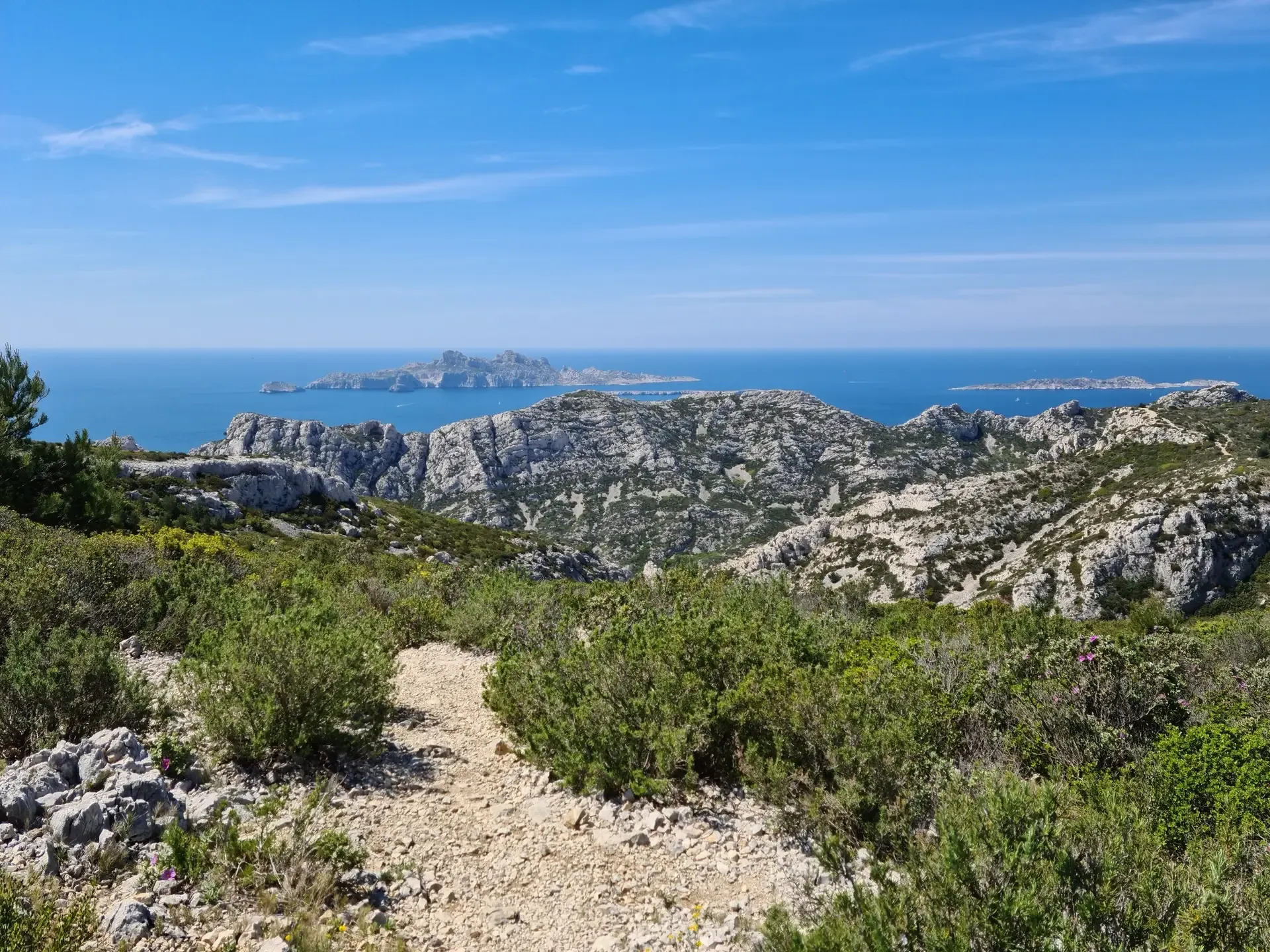
GR 51 - Balcony of the Mediterranean

Tarmac, trails and flow – Europe's best road to trail runs
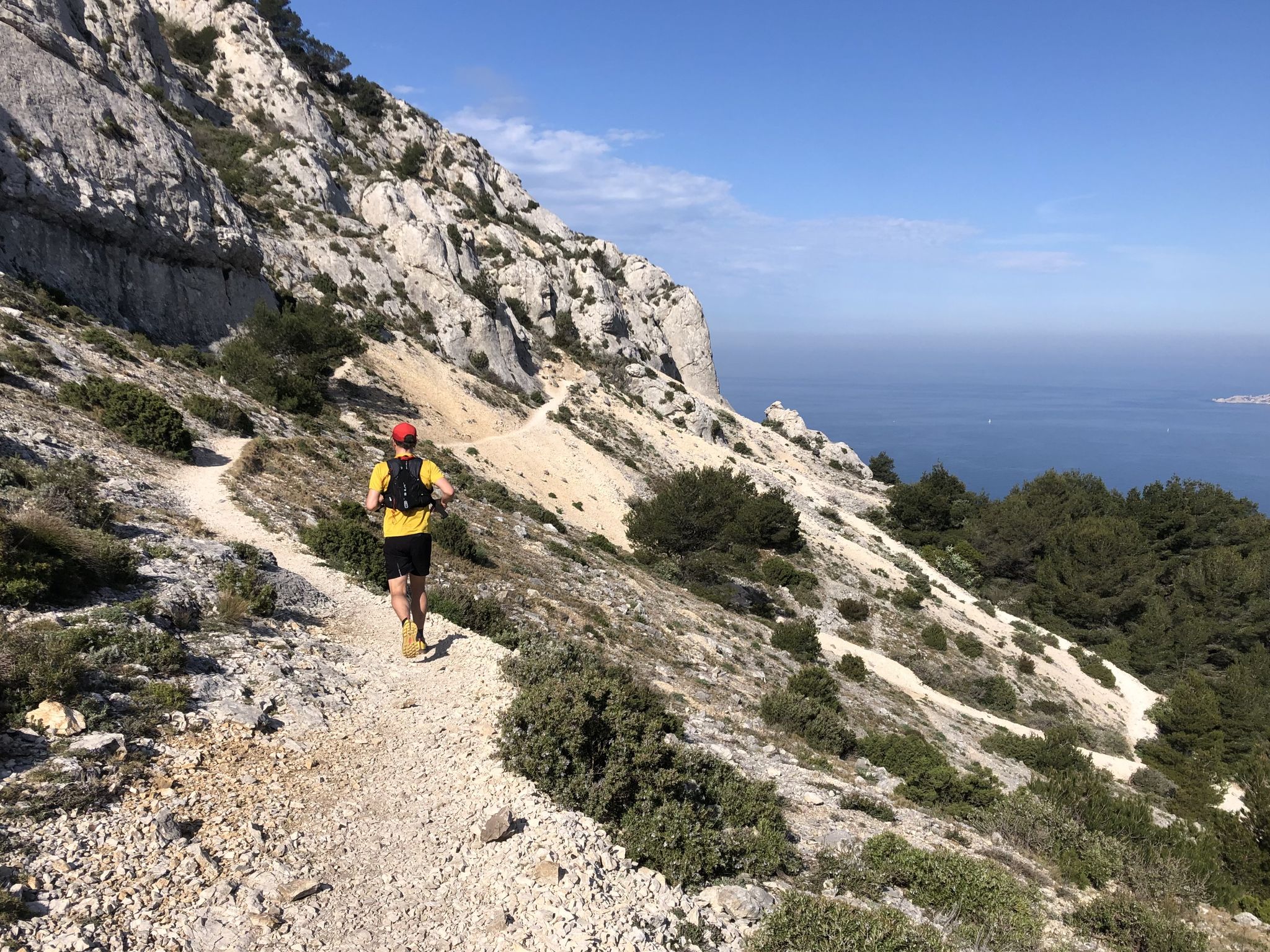
Cliffs, creeks and ridges – 10 sporty hikes in France’s Calanques
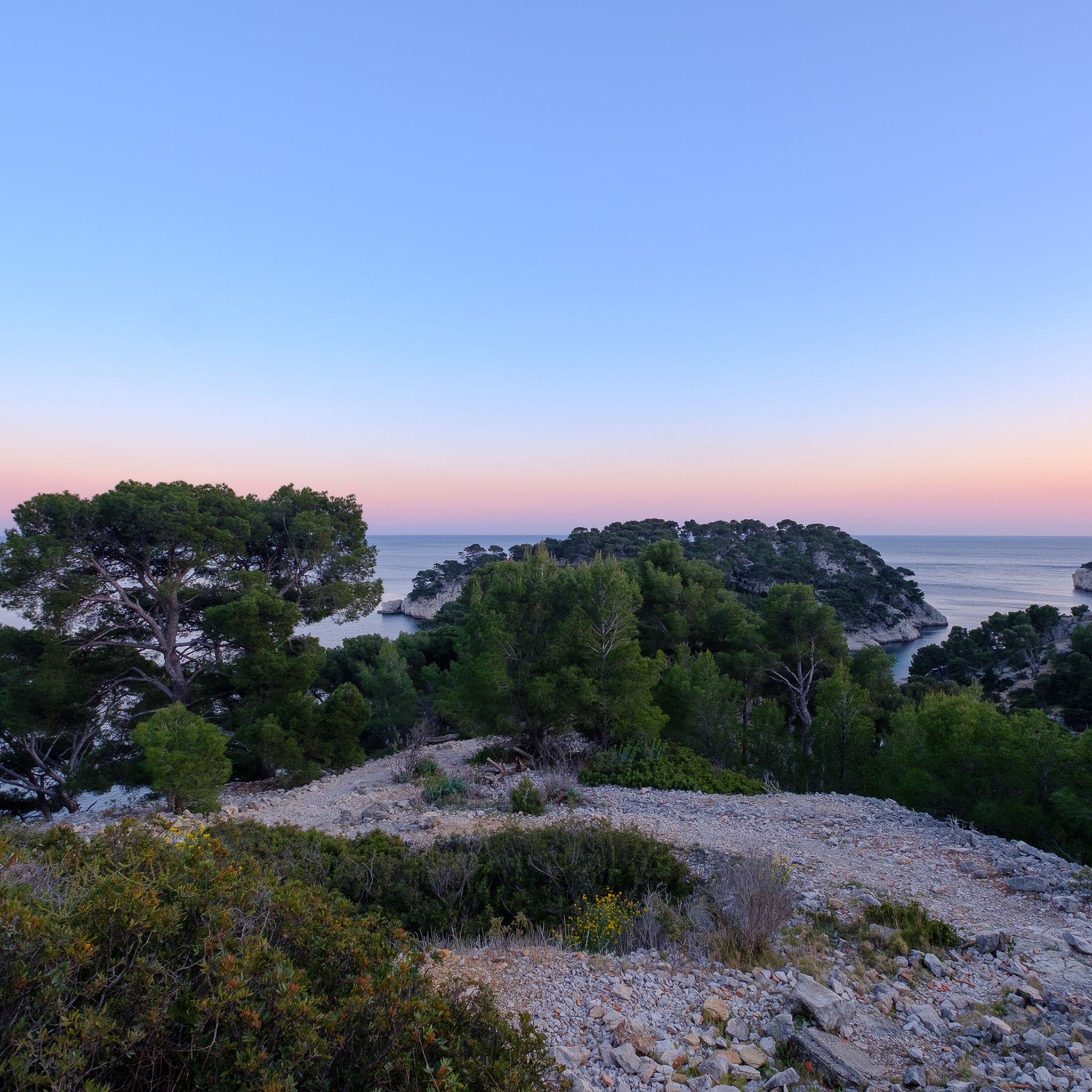
Hiking in Calanques
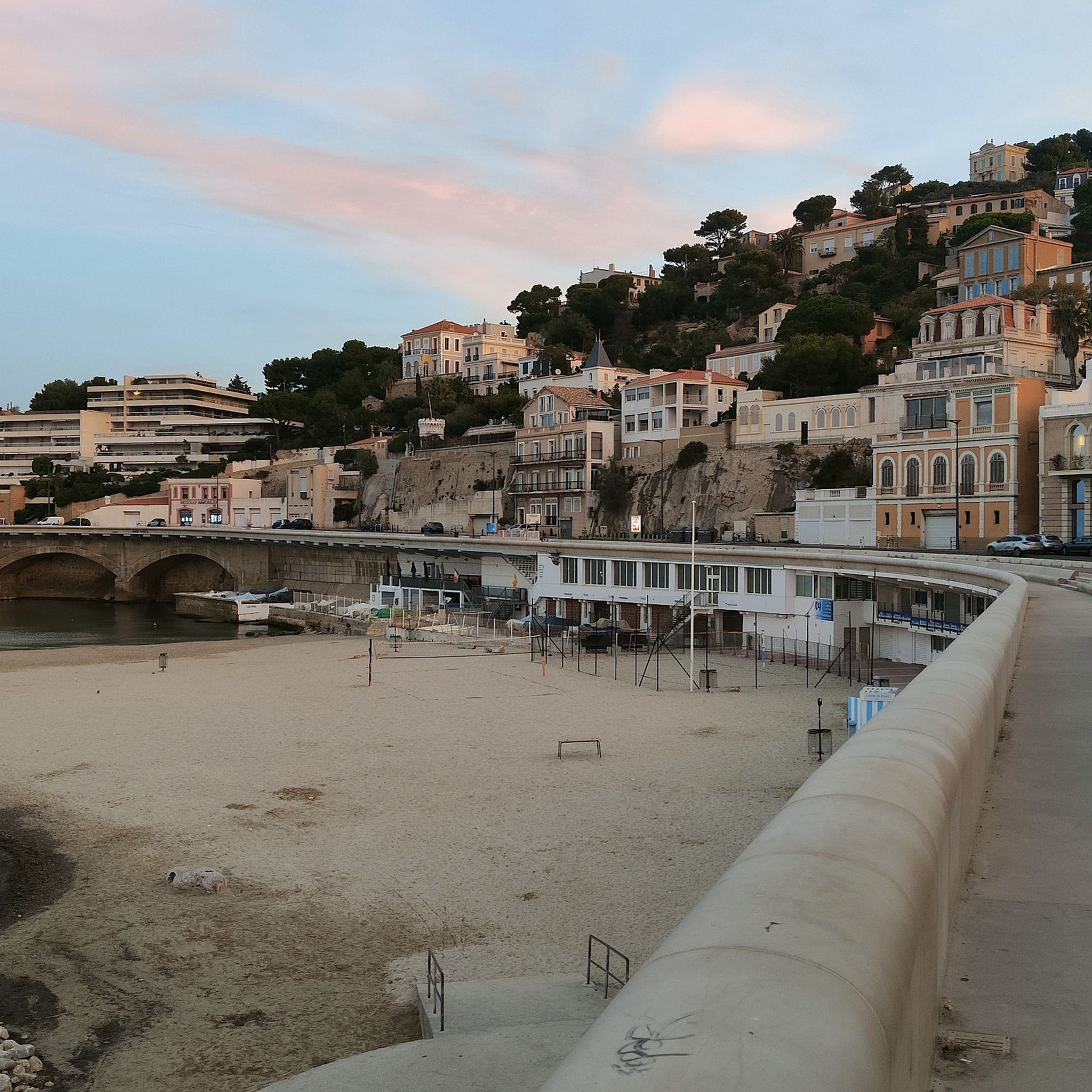
Running Trails in Calanques
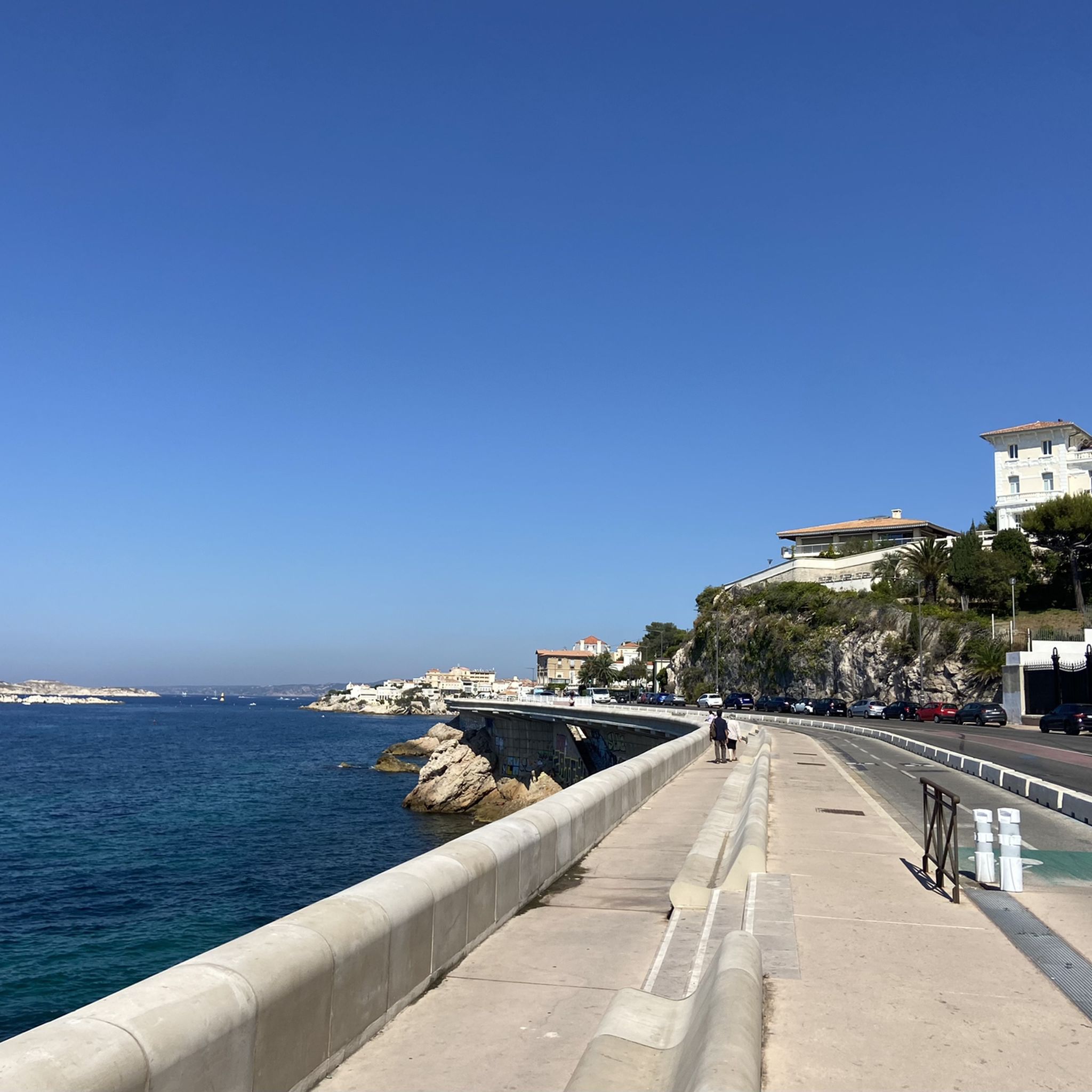
Road Cycling Routes in Calanques
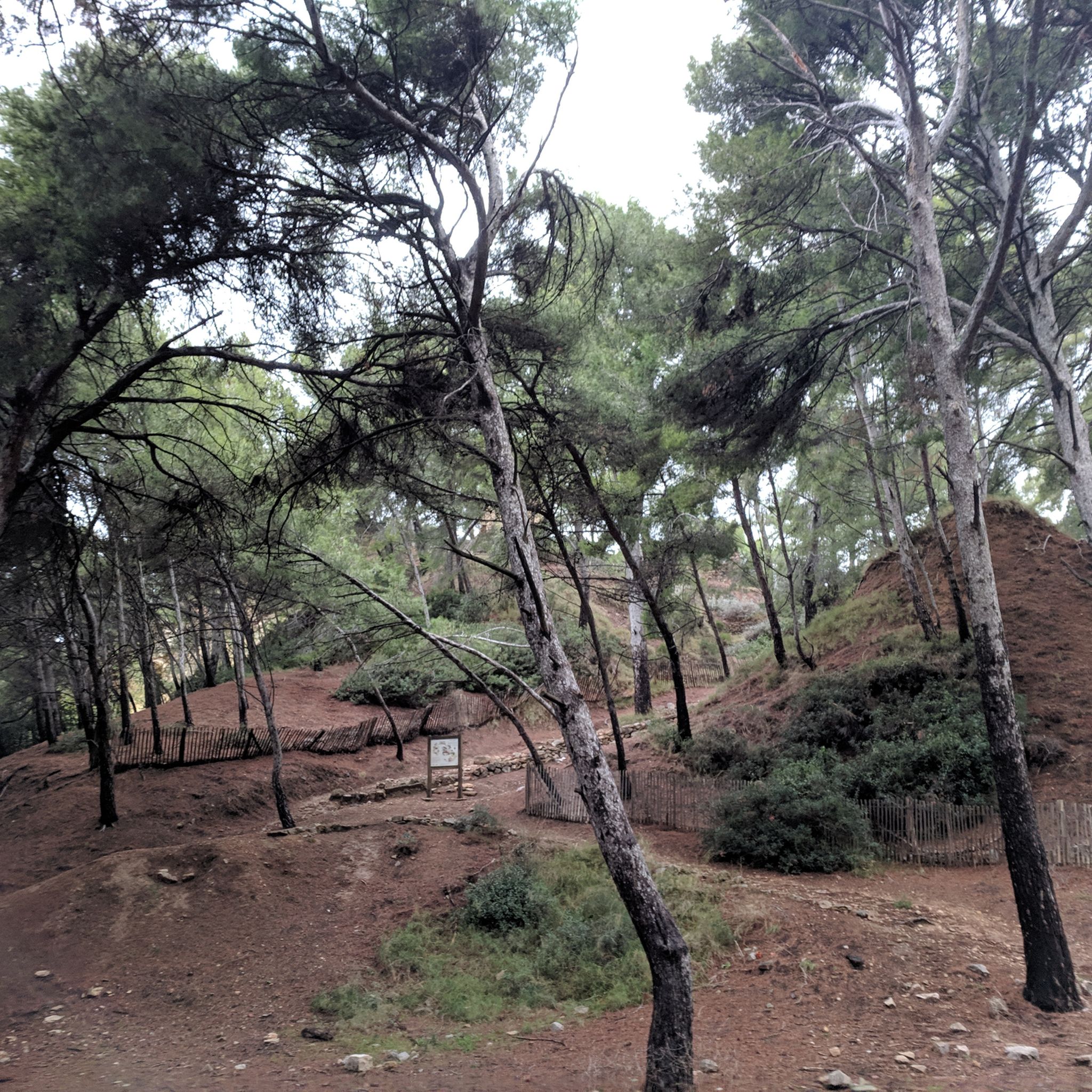
MTB Trails in Calanques
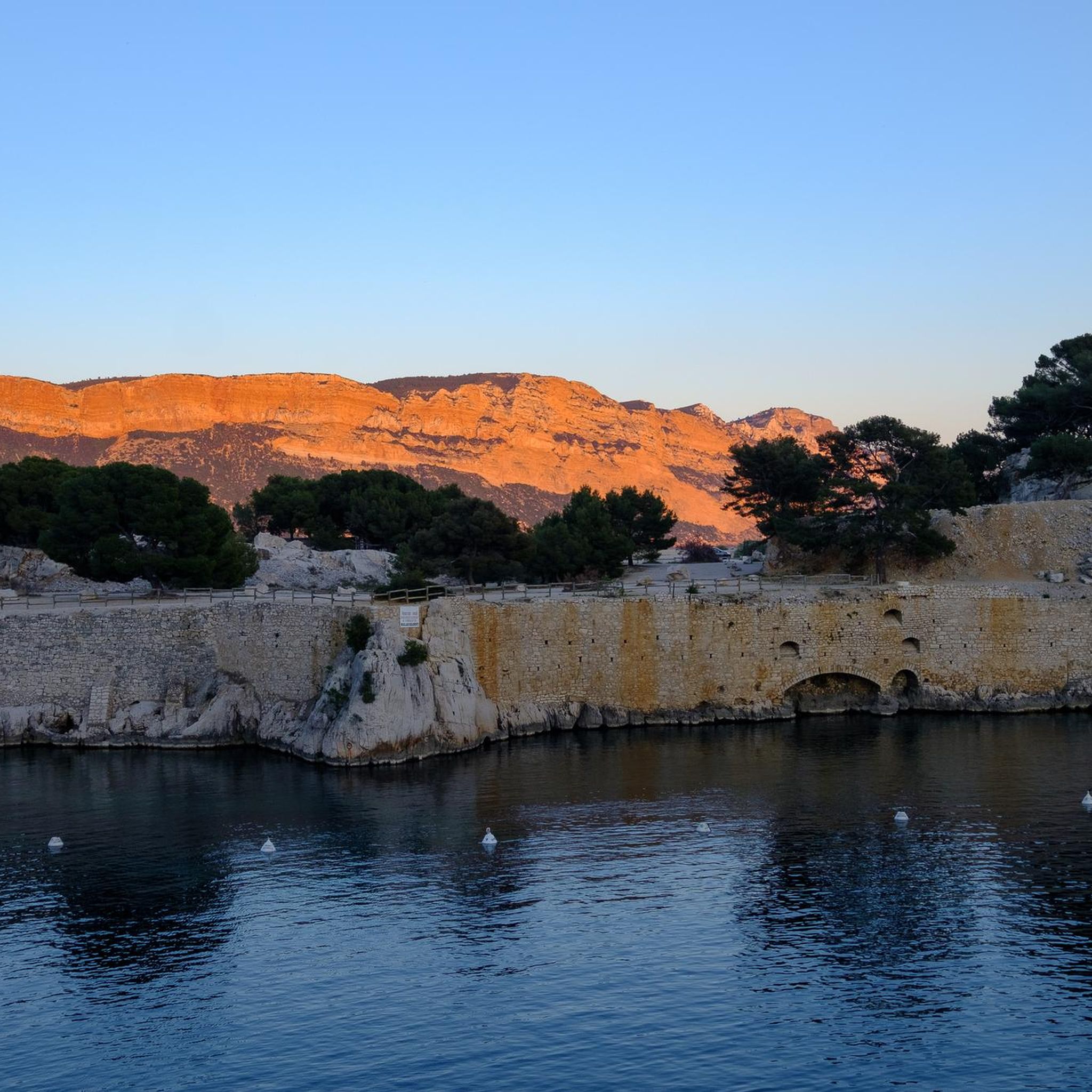
Gravel biking in Calanques
Mountain Hikes in Calanques
Other adventures in Calanques


Tips from the Community

An incredibly beautiful route along the mountain ridge, once you have managed the extreme climb (up to 24%) from Cassis. Very rewarding!!!
0
0
A steep climb takes you from Cassis up to the Routes des Cretes. An absolutely worthwhile effort!
0
0
Wonderful when this view suddenly appears, after the ride along the ridge on the Routes des Cretes!
0
0


One of the most beautiful harbors on the French Mediterranean coast with many old colorful fishermen's houses on the north and west side and therefore well protected from the Mistral.
4
0

great panorama - excellent gravel track
0
0

Port of Pointe Rouge
0
0

beautiful view over Cassis
0
0
Frequently Asked Questions
What is the overall difficulty and terrain like for touring cycling in Calanques?
Touring cycling in Calanques presents a varied and often challenging terrain. You'll encounter rugged limestone cliffs and significant elevation changes, making many routes demanding. While some paths are paved, others feature gravel sections. The landscape is characterized by steep climbs and descents, with options ranging from moderate coastal rides to more difficult routes. For example, the Fortin des Goudes et la calanque Blanche – gravel in loop is rated difficult and includes gravel sections, while the Prophet Beach – Sainte-Marie-Majeure Cathedral loop from Maïre offers a moderate coastal experience.
Are there any circular touring cycling routes in Calanques?
Yes, Calanques offers several circular touring cycling routes. These loops allow you to start and finish in the same location, providing convenient options for exploration. A popular choice is the Route de la Gineste – Port-Miou Marina loop from Cassis, which takes you through scenic roads with views of the Port-Miou Marina. Another challenging but rewarding option is the View of La Ciotat – Route des Crêtes loop from Cassis, offering extensive coastal vistas.
What kind of natural features and viewpoints can I expect to see along the cycling routes?
The Calanques are renowned for their dramatic natural beauty. Cyclists can enjoy panoramic views of the distinctive fjord-like inlets, such as Calanque d'En-vau, Calanque de Sormiou, and Calanque de Port-Miou. The routes often feature soaring limestone cliffs plunging into the Mediterranean Sea, offering continuous spectacular vistas. Specific viewpoints like the View of the Port Miou calanque and the View of Cassis and the Calanque du Port-Pin are accessible. You'll also cycle through areas rich in Mediterranean flora like Aleppo pine and rosemary.
What are the regulations for cycling within Calanques National Park?
Within Calanques National Park, cycling is generally permitted on wide tracks and designated paths. However, it is prohibited in certain sensitive areas to protect the delicate ecosystem. It's crucial to stay on marked paths and respect park regulations. Additionally, access to certain areas may be restricted, particularly during fire season (typically June to October), so it's always advisable to check current conditions and regulations on the official Calanques National Park website before your ride.
Are there any family-friendly touring cycling routes in Calanques?
While many routes in Calanques feature significant elevation changes and challenging terrain, some sections or specific routes might be more suitable for families, especially if using electric bikes to assist with climbs. For a more relaxed experience, consider routes closer to coastal towns or those with less elevation gain. Always check the route's difficulty and elevation profile on komoot before setting out with family.
What is the best time of year to go touring cycling in Calanques?
The best time for touring cycling in Calanques is typically outside the peak summer months. Spring (April-May) and autumn (September-October) offer pleasant temperatures, fewer crowds, and lush Mediterranean vegetation. During summer (June-August), temperatures can be very high, and access to certain areas of the National Park may be restricted due to fire risk. Winter can also be a good option with cooler weather, but be prepared for potential rain and shorter daylight hours.
What practical considerations should I keep in mind for a touring cycling trip in Calanques?
Due to the often arid and exposed nature of the Calanques, it's essential to carry ample water (at least 1.5 liters for every half-day), wear sun protection (sunglasses and sunscreen), and bring sufficient food. Helmets are highly recommended for safety. Be prepared for hilly terrain and consider an electric bike if you plan to tackle significant elevation changes. Always check for fire season restrictions before your trip.
Where can I find parking or access routes via public transport in Calanques?
Starting points for many cycling routes are often near charming coastal towns like Cassis and parts of Marseille, which offer parking facilities. For example, routes like the Route de la Gineste – Port-Miou Marina loop from Cassis are easily accessible from Cassis. Public transport options, such as buses, connect these towns, providing access to various trailheads. It's advisable to research specific public transport routes and parking availability for your chosen starting point.
What do other touring cyclists enjoy most about cycling in Calanques?
The Calanques region is highly rated by the komoot community, with an average score of 4.4 stars from over 260 reviews. Cyclists frequently praise the breathtaking coastal views, the unique blend of rugged limestone cliffs and turquoise waters, and the challenging yet rewarding terrain. The opportunity to explore diverse Mediterranean flora and charming towns like Cassis also contributes to the positive experience.
Are there any specific landmarks or points of interest I can visit along the touring cycling routes?
Yes, several interesting landmarks and points of interest can be incorporated into your cycling itineraries. Beyond the stunning calanques themselves, you can visit the Port-Miou Marina, which is often a starting or ending point for routes. The Route de la Gineste itself is a highlight, offering incredible panoramic views. You might also encounter historical sites, such as the remains of the old Solvay quarry near Port-Miou, or enjoy views of the Frioul Islands from certain coastal vantage points.
How many touring cycling routes are available in Calanques?
There are over 50 touring cycling routes available in Calanques, catering to various skill levels. This includes approximately 19 easy routes, 19 moderate routes, and 15 difficult routes, ensuring there's an option for almost every touring cyclist looking to explore the region's unique landscapes.
Can I find cafes or places to rest along the touring cycling routes?
While the Calanques National Park itself is a natural, protected area, the charming coastal towns and villages that serve as starting points or pass-throughs for many routes, such as Cassis and parts of Marseille, offer numerous opportunities for refreshments. You can find cafes, restaurants, and accommodation in these areas to rest and refuel before or after your ride. It's advisable to plan your route to include these towns for breaks, especially on longer rides.
Most popular routes in Calanques
Most popular attractions in Calanques

Get inspired with the komoot mobile app


Explore more
Browse the best Cycling routes in other regions.
