The best road cycling routes around Pleystein
4.8
(175)
2,040
riders
20
rides
Road cycling routes around Pleystein traverse the Upper Palatinate Forest and the Zottbach valley, offering diverse landscapes for cyclists. The region features winding paths through villages, past churches, and provides views towards the Bohemian Forest. Notable geological features include the Kreuzberg, a rose quartz rock, and the Fahrenberg hill. The area's terrain combines river valleys with elevated sections, catering to varied road cycling experiences.
Best road cycling routes around Pleystein
- The most popular road cycling route is Planer Höhe –…
Last updated: October 13, 2026
4.6
(9)
67
riders
50.1km
02:15
510m
510m
Moderate road ride. Good fitness required. Mostly well-paved surfaces and easy to ride.
36
riders
70.7km
03:12
790m
790m
Moderate road ride. Good fitness required. Some segments of this route may be unpaved and difficult to ride.

4.7
(3)
28
riders
39.6km
01:47
380m
380m
Moderate road ride. Good fitness required. Some segments of this route may be unpaved and difficult to ride.
4.0
(1)
13
riders
Easy road ride. Great for any fitness level. Mostly well-paved surfaces and easy to ride.
5.0
(1)
9
riders
30.8km
01:26
360m
360m
Moderate road ride. Good fitness required. Mostly well-paved surfaces and easy to ride.
Get access to more routes and recommendations from other explorers.
Already have an account?
Our route recommendations are based on thousands of hikes, rides, and runs completed by other people on komoot.
Start today with a free account
Your next adventure awaits.
Other adventures around Pleystein

Tips from the Community

look inside the church
0
0
Particularly charming in autumn with colorful foliage!🍂
0
0

Beautiful parking area for hikers with a playground and a fountain with drinking water
0
0

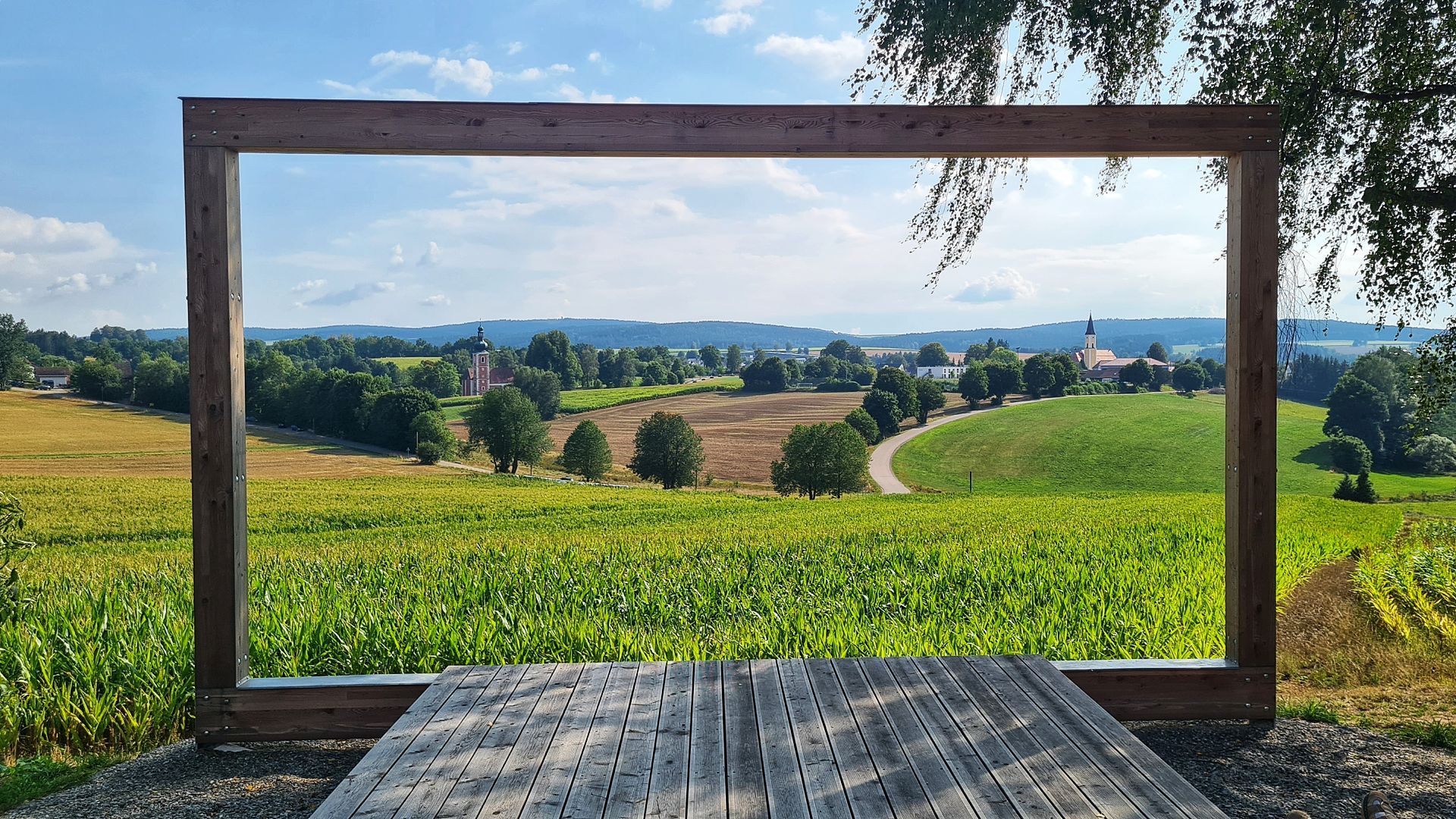
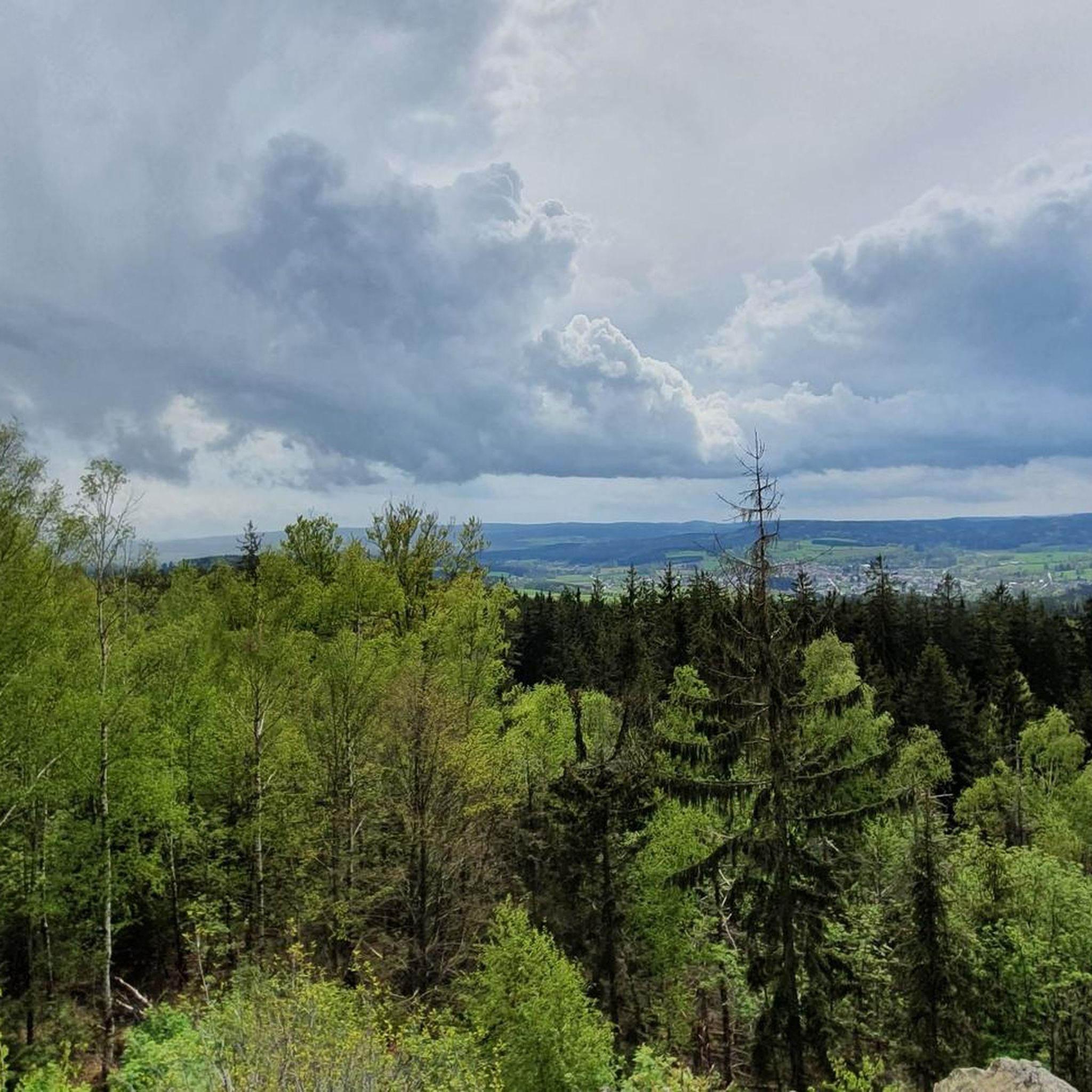
When this view suddenly appears out of the blue, you just have to take a picture. Simply picturesque.
0
0

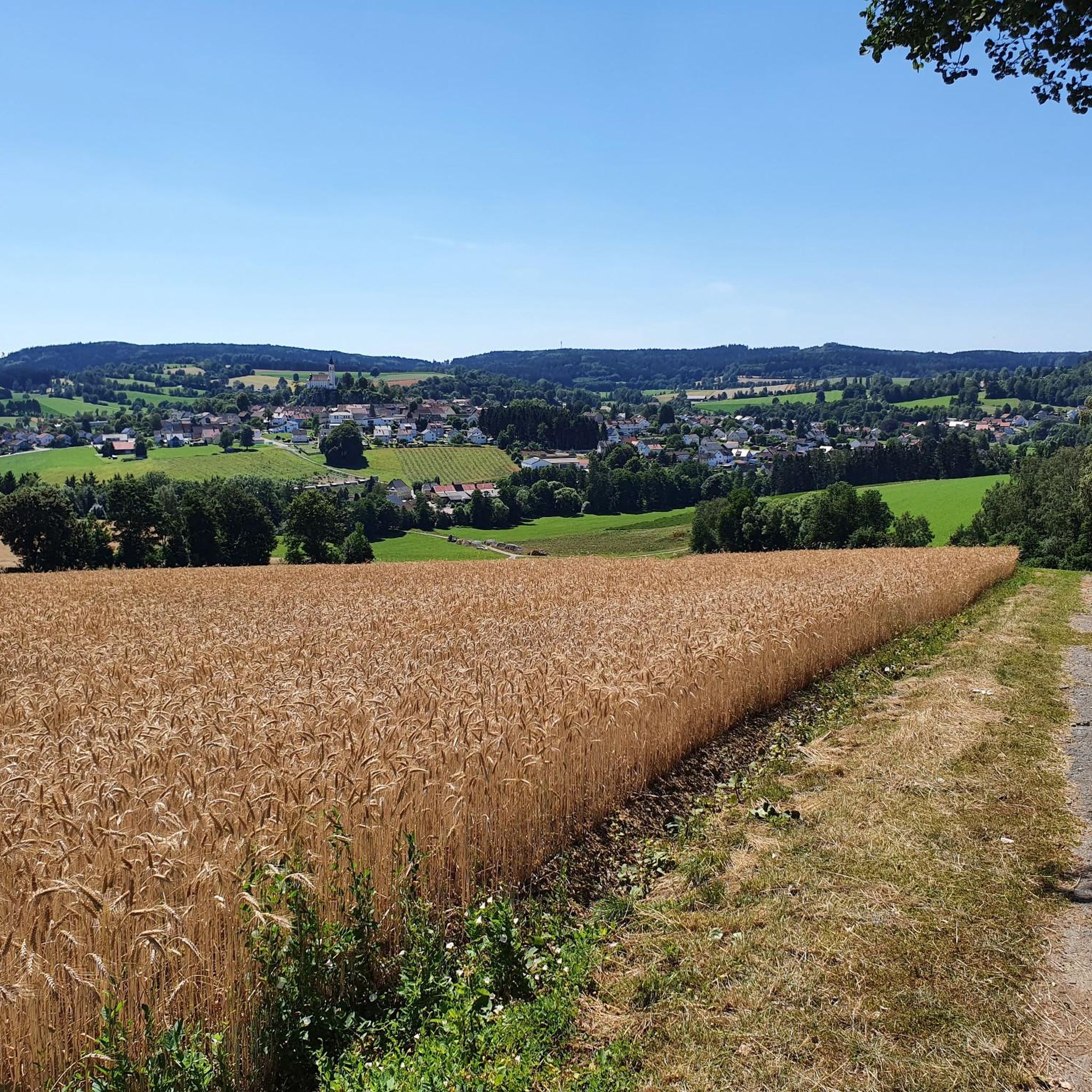
Wonderful sections of the route in a magnificent landscape
1
0

Parish Church of St. Sigismund The parish of Pleystein was founded on December 14, 1395, through the division of the parish of Miesbrunn. The first parish church was built in 1396, but was repeatedly destroyed during the Hussite Wars. Over the centuries, the church underwent many constructions, expansions, alterations, and restorations. The building, dating from the second half of the 18th century, fell victim to the fire of 1901. The current church and rectory were designed by the Regensburg architect Heinrich Haubenrisser; it is one of his most outstanding buildings and is a listed building. Also noteworthy is the interior, which reflects the Neo-Gothic style in every detail. Traditional figures blend harmoniously into the overall complex. The choir contains the carved winged altar. On the left side, it depicts the Last Supper, on the right, the image of Pentecost, and on the two wings, scenes from the life of the church's patron saint, St. Sigismund, are depicted. At the top of the altar is God the Father holding a globe. Above the wings, in the center, is a statue of Saint Sigismund, to his right is Saint Florian, and to his left is Saint George the Knight. The windows behind the winged altar depict the Annunciation of the Archangel Gabriel to Mary on the left, and the Nativity of Jesus and the Adoration of the Shepherds on the right. The window to the right of the high altar depicts the dove with the olive branch that Noah sent out after the Flood. The princes of the apostles Peter and Paul can be seen in the niches at the window to the left of the altar. The right side altar features a Sacred Heart altarpiece. Alongside this depiction are figures of Saint Joseph and Saint Aloysius, and in the excerpt is a crucifixion group with Mary and John. The left side altar is a Marian altarpiece. It depicts the young Madonna with the Child Jesus, handing a rosary to Saint Dominic. The two wings depict the Visitation and Coronation of Mary, and the excerpt features statues of Saint Barbara and Saint Catherine on the sides and Mary with the Christ Child in the center. Source: Excerpts from the church guide "Pleystein, its Kreuzberg and the Parish Church" / www.wikipedia.de
2
0
Frequently Asked Questions
How many road cycling routes are available around Pleystein?
There are over 20 road cycling routes around Pleystein, offering diverse experiences through the Upper Palatinate Forest and the Zottbach valley. These routes are highly rated by the komoot community, with an average score of 4.8 stars from over 100 reviews.
When is the best time of year for road cycling in Pleystein?
April and June are particularly popular months for road cycling in the Pleystein region, offering pleasant weather conditions. However, the diverse landscapes can be enjoyed throughout the warmer months, from spring to early autumn.
What are the typical distances and difficulty levels of road cycling routes around Pleystein?
The routes around Pleystein cater to various skill levels. You'll find a good mix of easy and moderate routes, with distances ranging from shorter loops to longer tours. For example, the View of the rose quartz rock – Kreuzberg Church in Pleystein loop is an easy 16.9 km ride, while the Luhe-Wildenau Town Center – View of Tännesberg loop offers a moderate 70.7 km challenge.
Are there family-friendly road cycling routes suitable for all ages?
Yes, the region offers routes that are particularly family- and senior-friendly, often following former railway lines through the Upper Palatinate Forest Nature Park. The famous Bockl Cycle Path, for instance, is known for its gentle gradients and scenic views, making it ideal for a relaxed family outing.
What natural features and landmarks can I expect to see while road cycling around Pleystein?
Road cycling routes around Pleystein offer stunning natural beauty and historical landmarks. You can cycle past the impressive Schellenberg Castle Ruins and Observation Tower, which provides panoramic views, or explore the picturesque Lerau Valley. The town's dominant feature, the Kreuzberg, a 38-meter-high rose quartz rock crowned by a pilgrimage church, is also a prominent sight on many routes.
Can you tell me more about the Bockl Cycle Path in the Pleystein area?
The Bockl Cycle Path is a major highlight for cyclists in the region, recognized as Bavaria's longest railway line cycle path. It stretches nearly 52 kilometers and is integrated into the Paneuropa Cycle Route. Routes like the Planer Höhe – Former Railway Line Cycle Path loop from Pleystein utilize sections of this path, offering smooth, scenic riding through the Upper Palatinate Forest.
Are there routes that pass by the famous Kreuzberg in Pleystein?
Yes, several routes offer views of or pass near the distinctive Kreuzberg rose quartz rock. The View of the rose quartz rock – Kreuzberg Church in Pleystein loop is an excellent option for experiencing this unique natural monument and its pilgrimage church up close.
Where can I find parking for my car when starting a road cycling tour in Pleystein?
While specific parking locations for cyclists are not detailed, Pleystein, as a popular outdoor destination, generally offers public parking facilities within the town or near major trailheads. It's advisable to check local signage upon arrival for the most convenient options.
Is Pleystein accessible by public transport for cyclists?
The region around Pleystein is generally well-connected, and public transport options may be available. For detailed information on train or bus services that accommodate bicycles, it's recommended to consult local transport providers or the Ostbayern Tourism website for specific routes and schedules.
Are there places to eat, drink, or stay overnight along the road cycling routes?
The routes often wind through quaint villages where you can find local cafes, pubs, and guesthouses. Pleystein itself offers various amenities for visitors. For specific recommendations, it's best to check local listings or plan your route with komoot to identify points of interest along your chosen path.
Are dogs allowed on the road cycling routes around Pleystein?
Generally, dogs are permitted on public roads and cycle paths in the Pleystein area, provided they are kept on a leash and under control. When cycling through villages or near nature reserves, always be mindful of local regulations and other road users.
What if I'm looking for a more challenging road cycling experience?
While many routes are moderate, the region's elevated sections and varied terrain can offer a good challenge. Routes like the Luhe-Wildenau Town Center – View of Tännesberg loop, with its 70.7 km distance and significant elevation gain, provide a more demanding ride with expansive views towards the Bohemian Forest.
Most popular attractions around Pleystein

Get inspired with the komoot mobile app


Explore more
Browse the best Road cycling routes in other regions.
