The 20 Most Amazing Peaks in Karwendel
Best mountain peaks in Karwendel are part of the Northern Limestone Alps, a range known for its rugged terrain and extensive wilderness. The region features numerous peaks, with over 125 exceeding 2,000 meters, offering diverse options for outdoor enthusiasts. Its landscape is characterized by steep peaks, limestone cliffs, and vast scree fields, all protected within the Karwendel Nature Park. This area provides a range of experiences from accessible viewpoints to challenging alpine climbs.
Best mountain peaks in Karwendel
- The most…
Last updated: October 10, 2026
Seefelder Peak
Highlight • Summit
Translated by Google •
Tip by

Hafelekar Peak
Highlight • Summit
Translated by Google •
Tip by

Sign up now to discover places like this
Get recommendations on the best single tracks, peaks, & plenty of other exciting outdoor places.
Western Karwendel Peak
Highlight • Summit
Translated by Google •
Tip by

Reither Spitze Summit
Highlight • Summit
Translated by Google •
Tip by
Seebergspitze
Highlight • Summit
Absolutely worth seeing 😎👌
Translated by Google •
Tip by

Sign up for free to discover even more peaks in Karwendel.
Already have an account?
Start today with a free account
Your next adventure awaits.
Popular around Karwendel
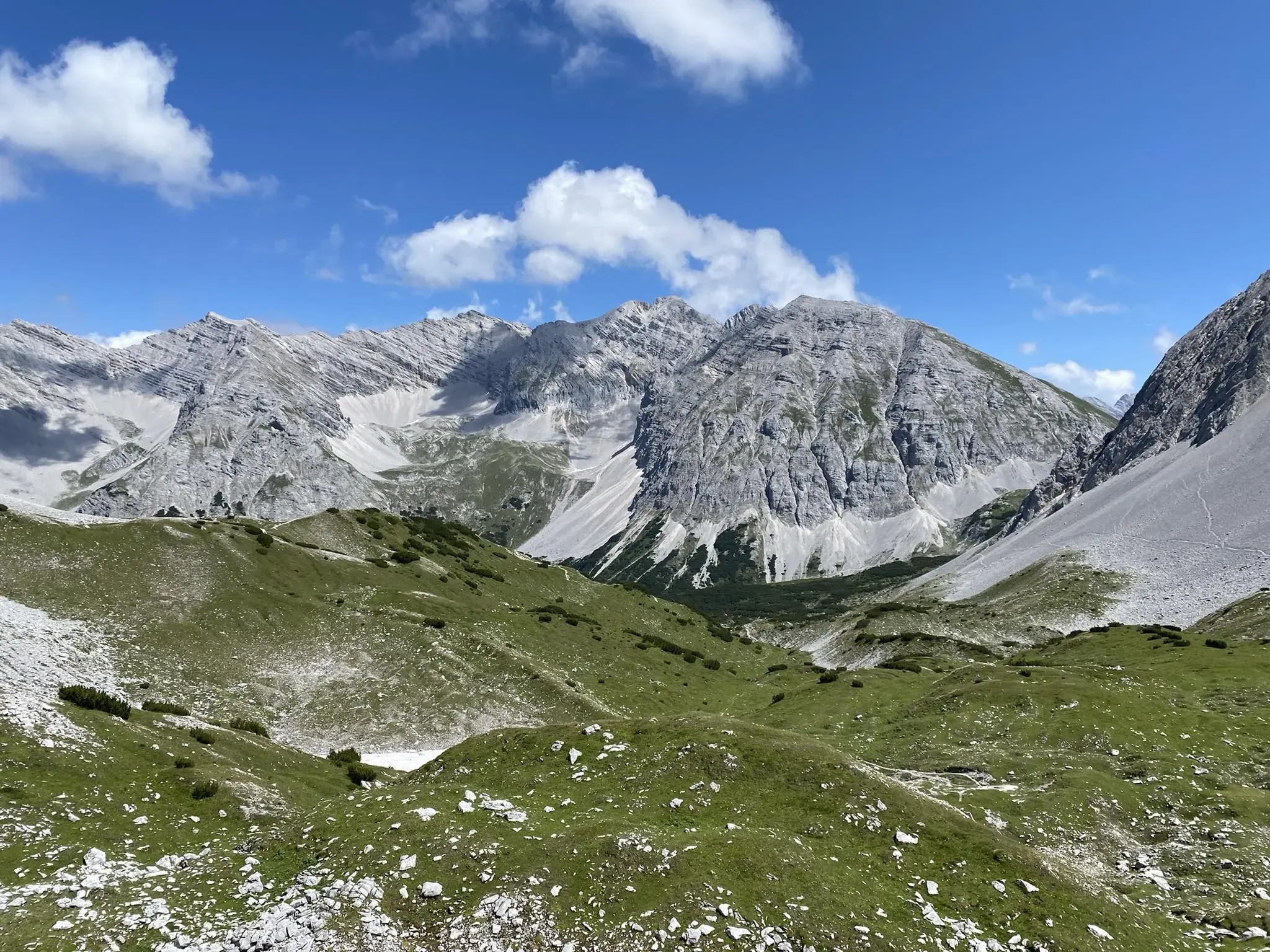
Karwendel crossing – Innsbruck to Sylvensteinspeicher
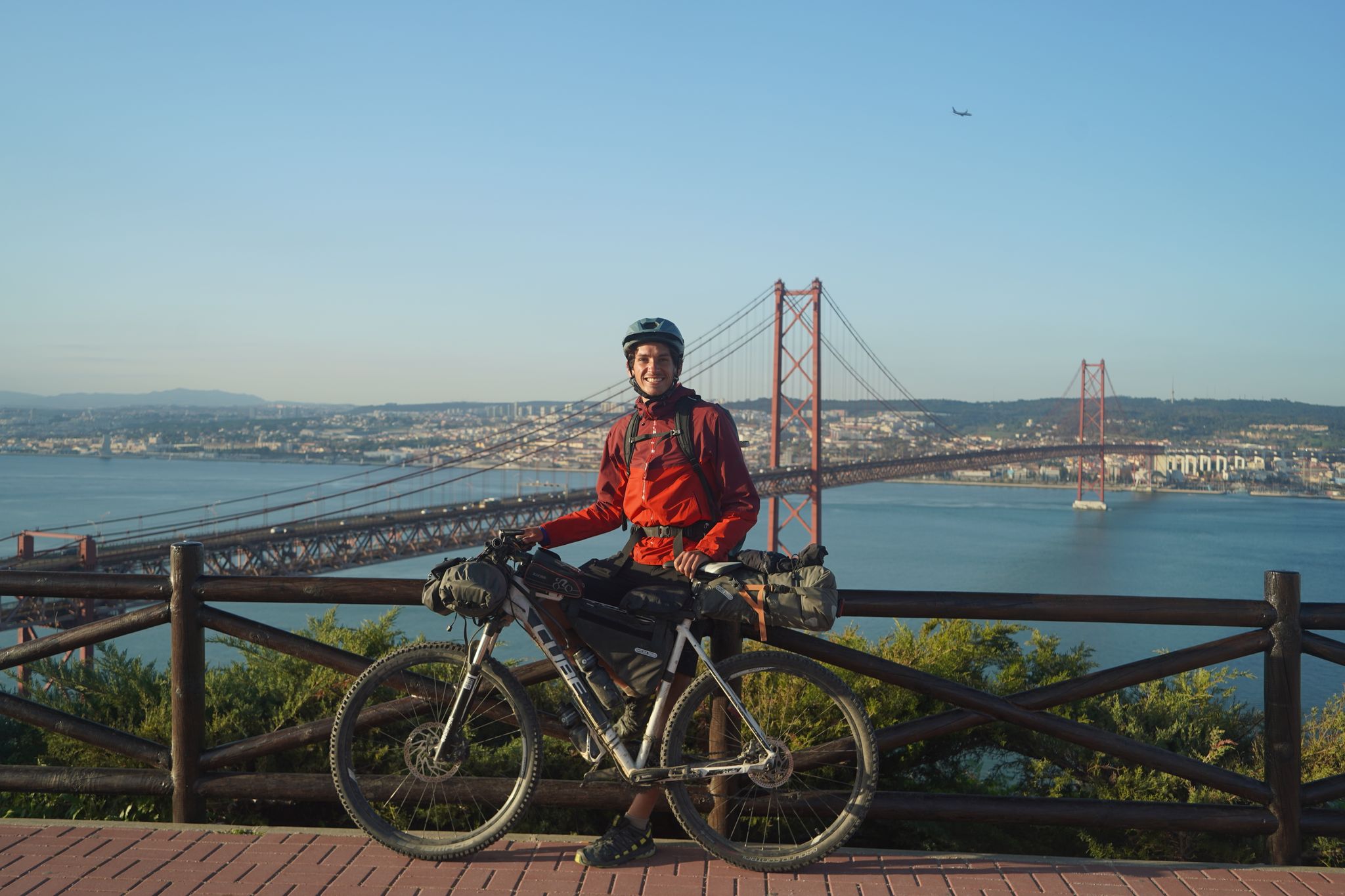
Road to Lisbon – bikepacking the Alps, Pyrenees and Picos de Europa
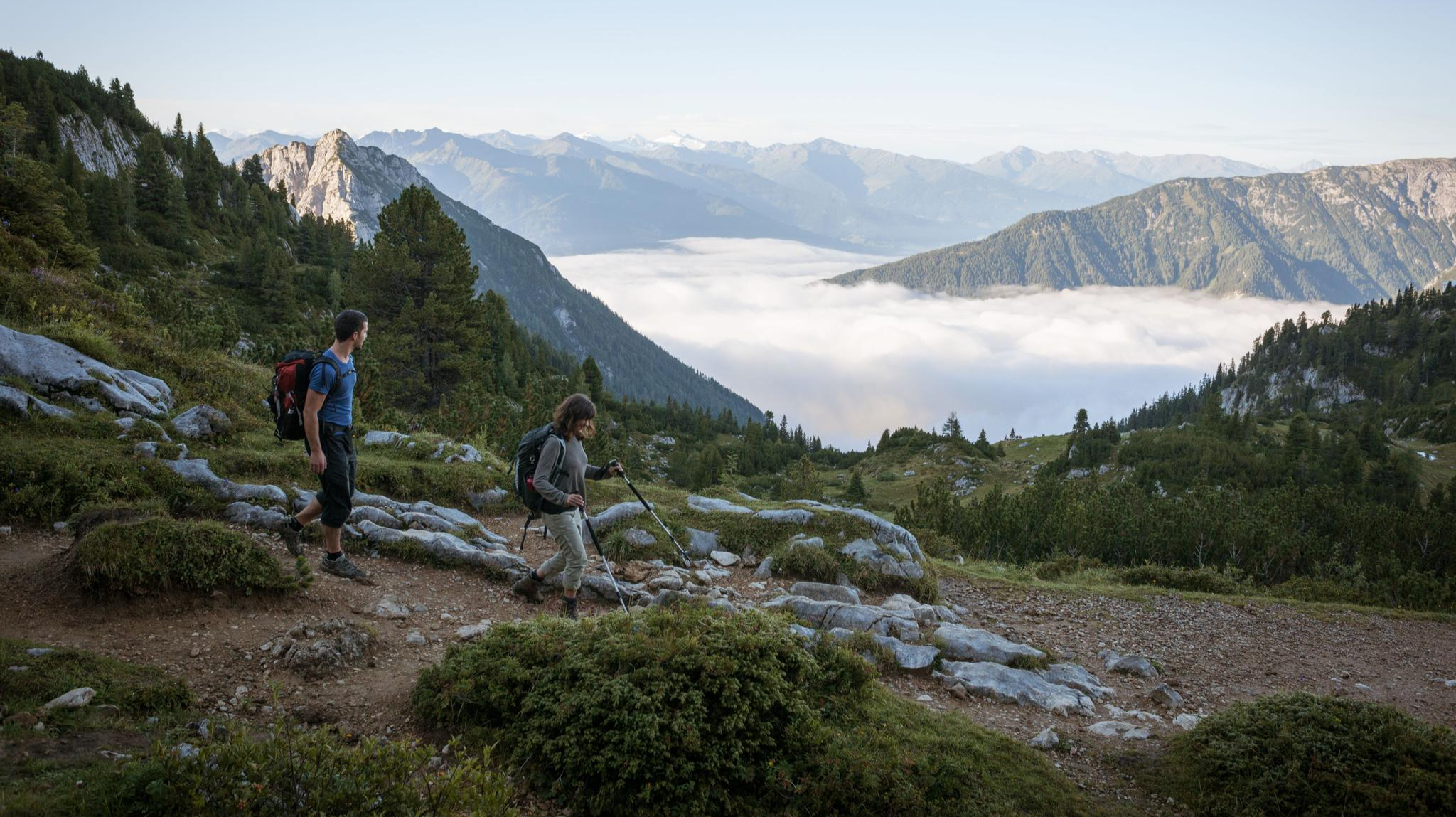
Eagle Walk – Majestic hiking along Tirol's trail
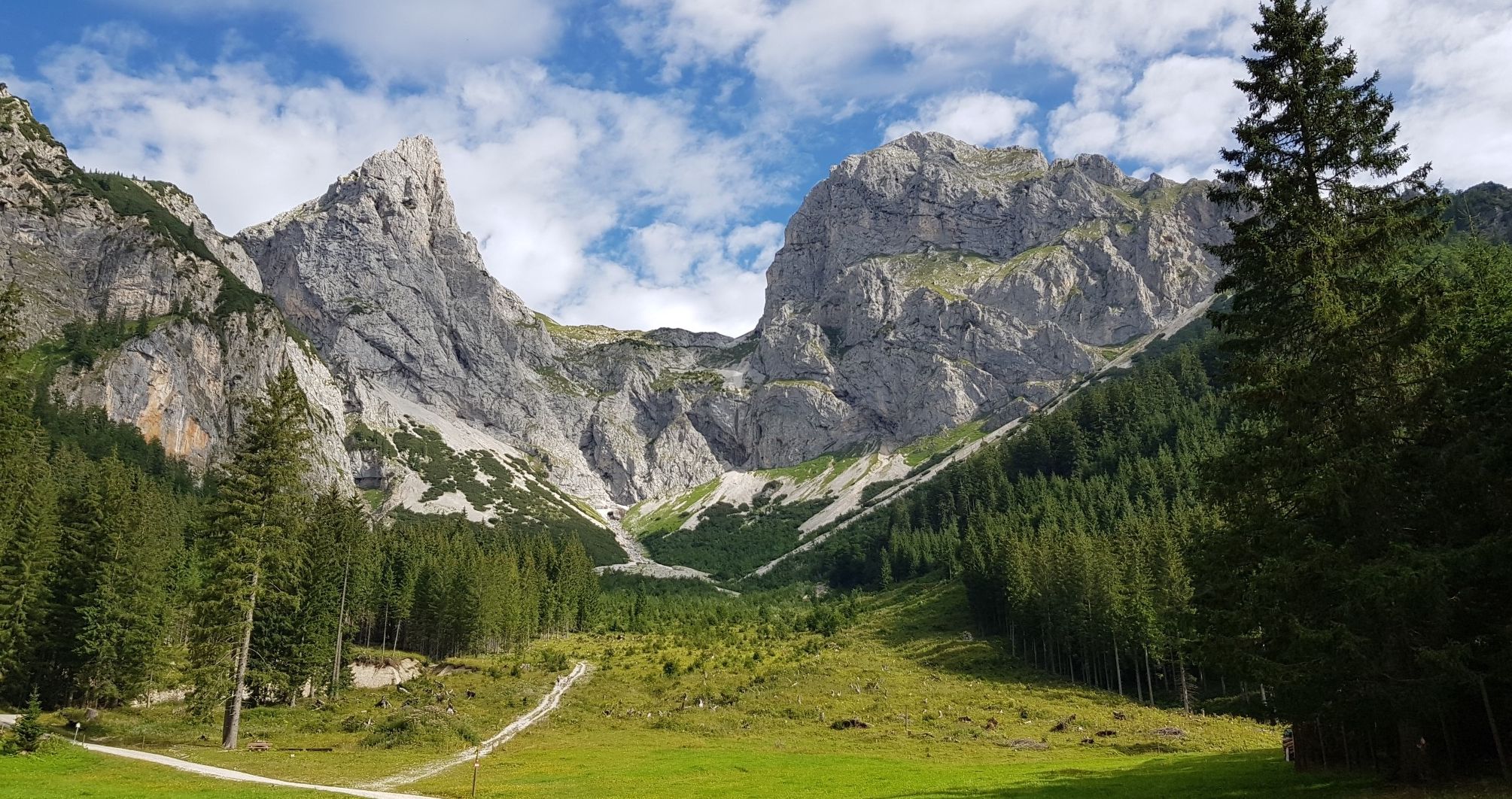
North Alpine Trail 01 – Hike across Austria in 49 days
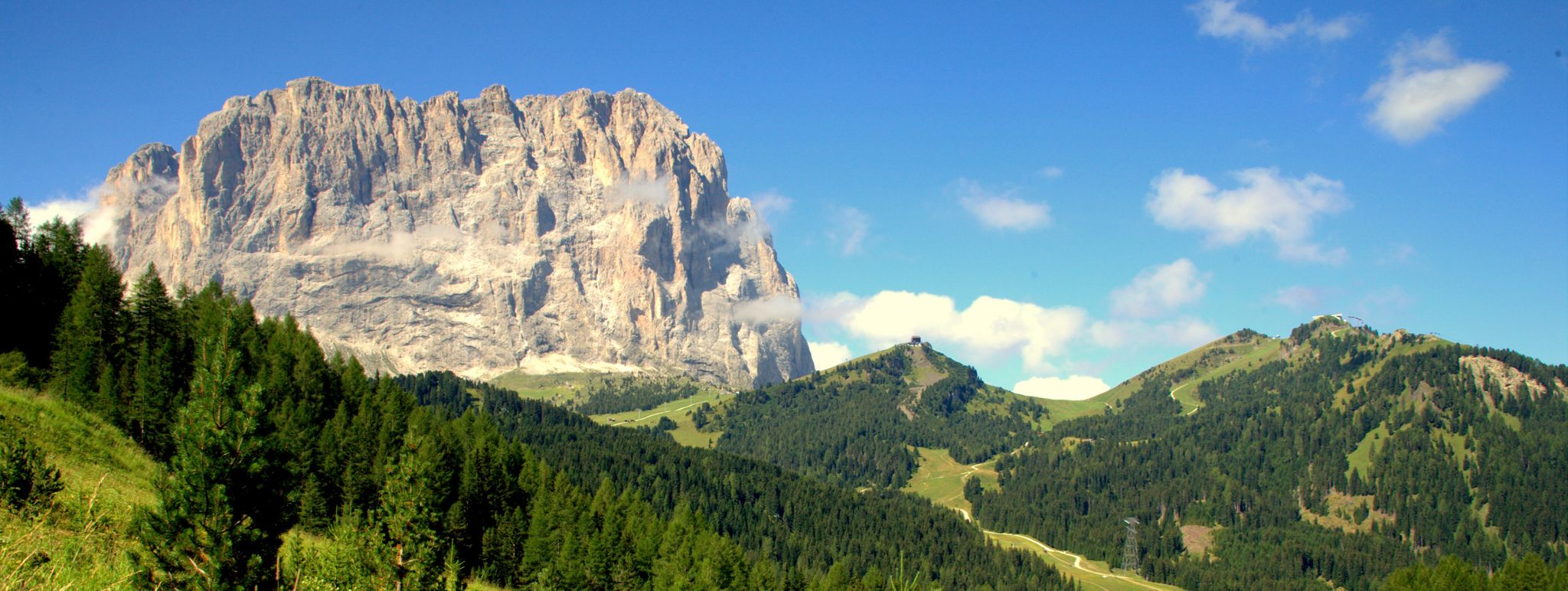
Via Venezia Alpina – hiking across the Alps to the Adriatic Sea
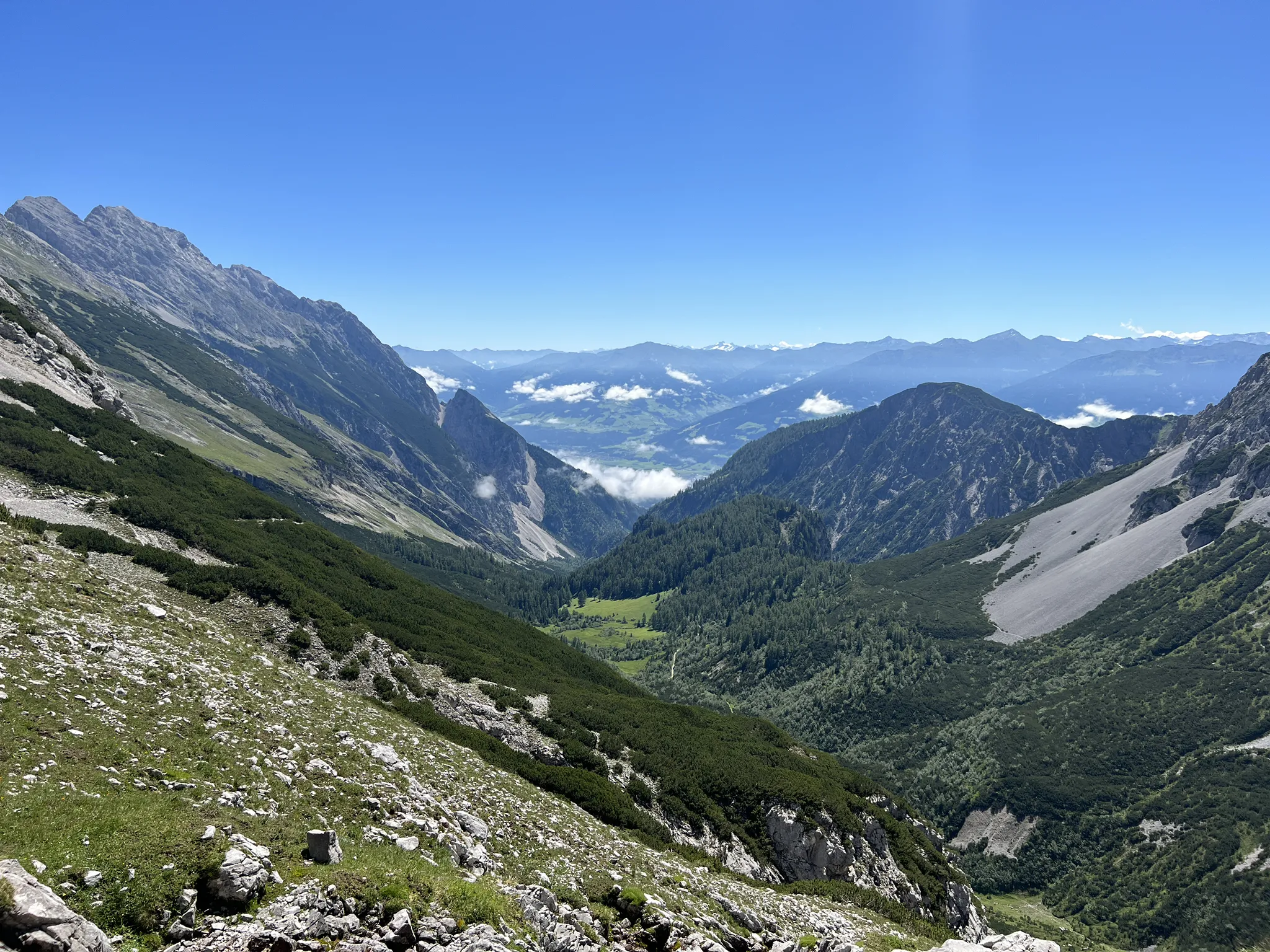
The Karwendel Trail – Discover Austria's largest national park
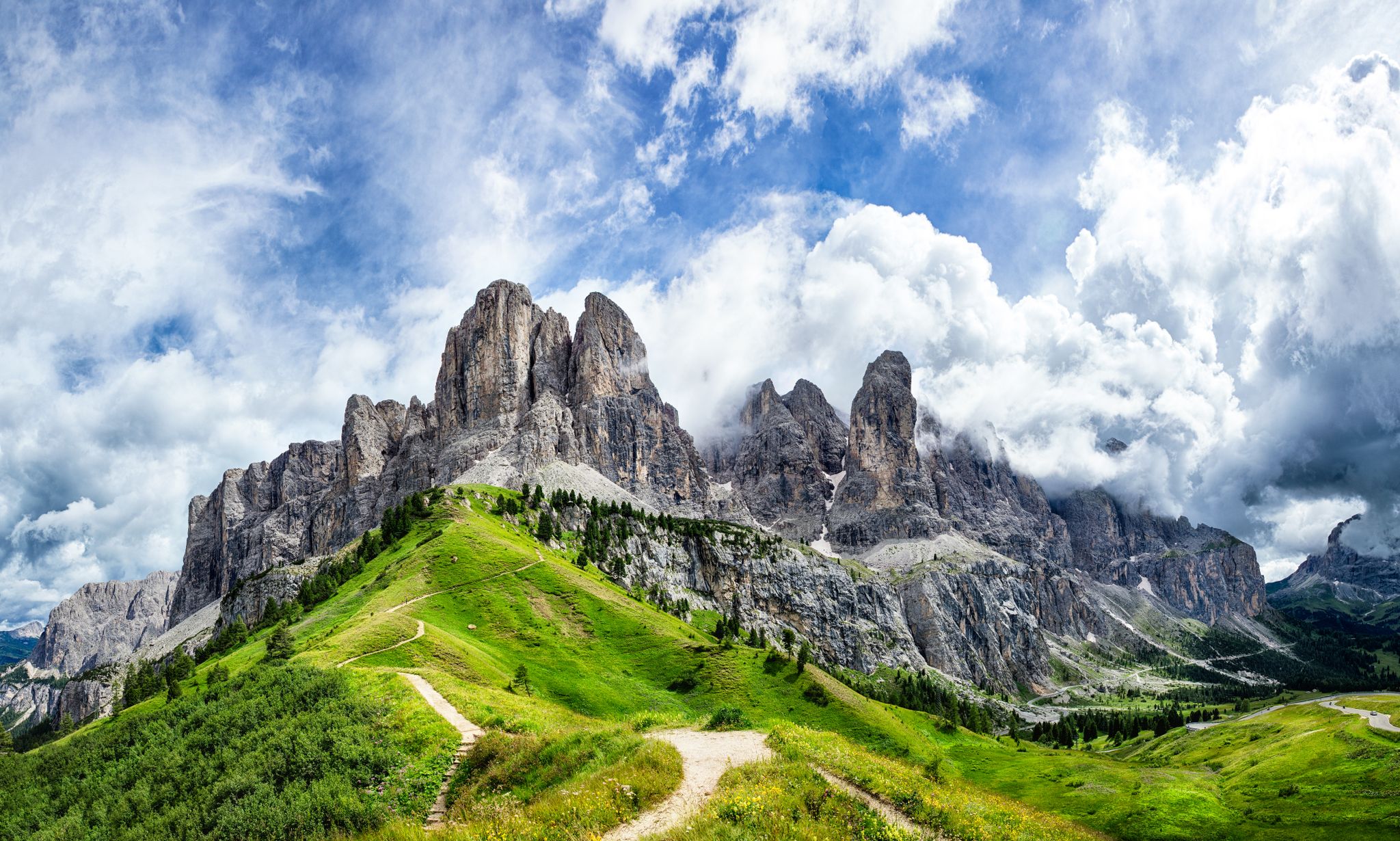
The "Dream Path" hiking trail – From Munich to Venice in 28 stages
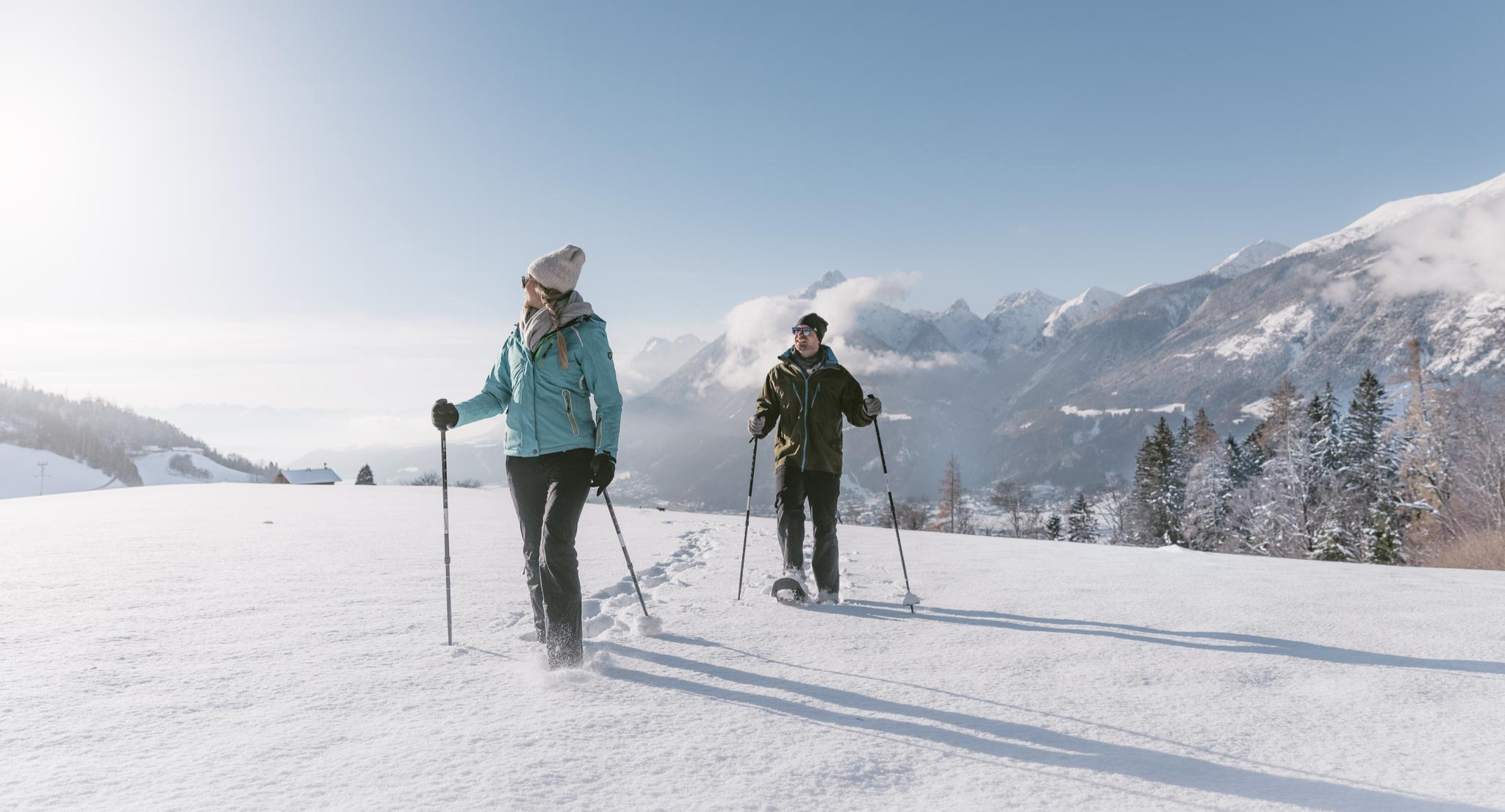
Spuren im Schnee – Schneeschuhabenteuer in der Silberregion Karwendel
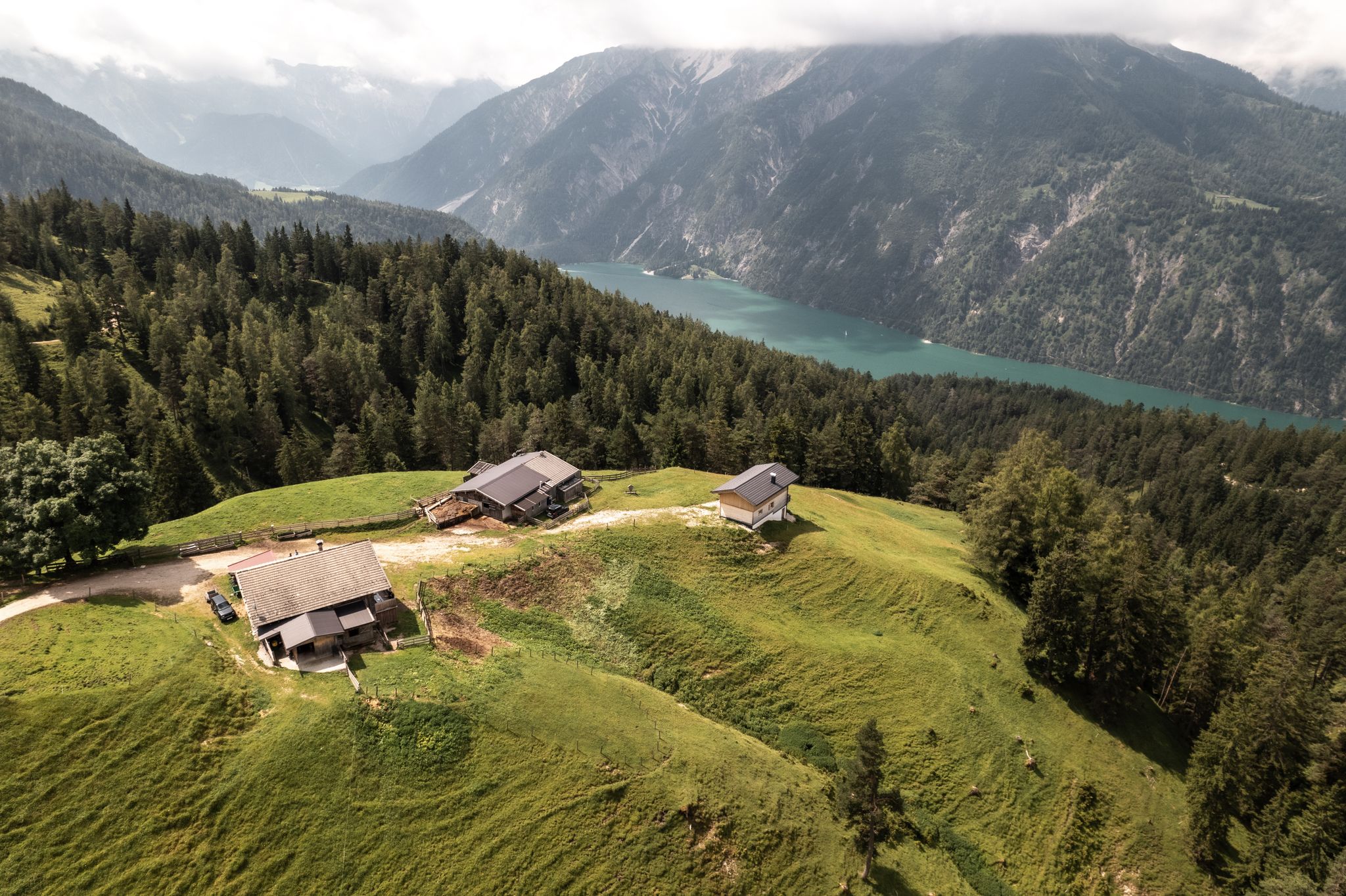
Lakes'n'Knödel – Bikepacking adventure with a taste of the Alps
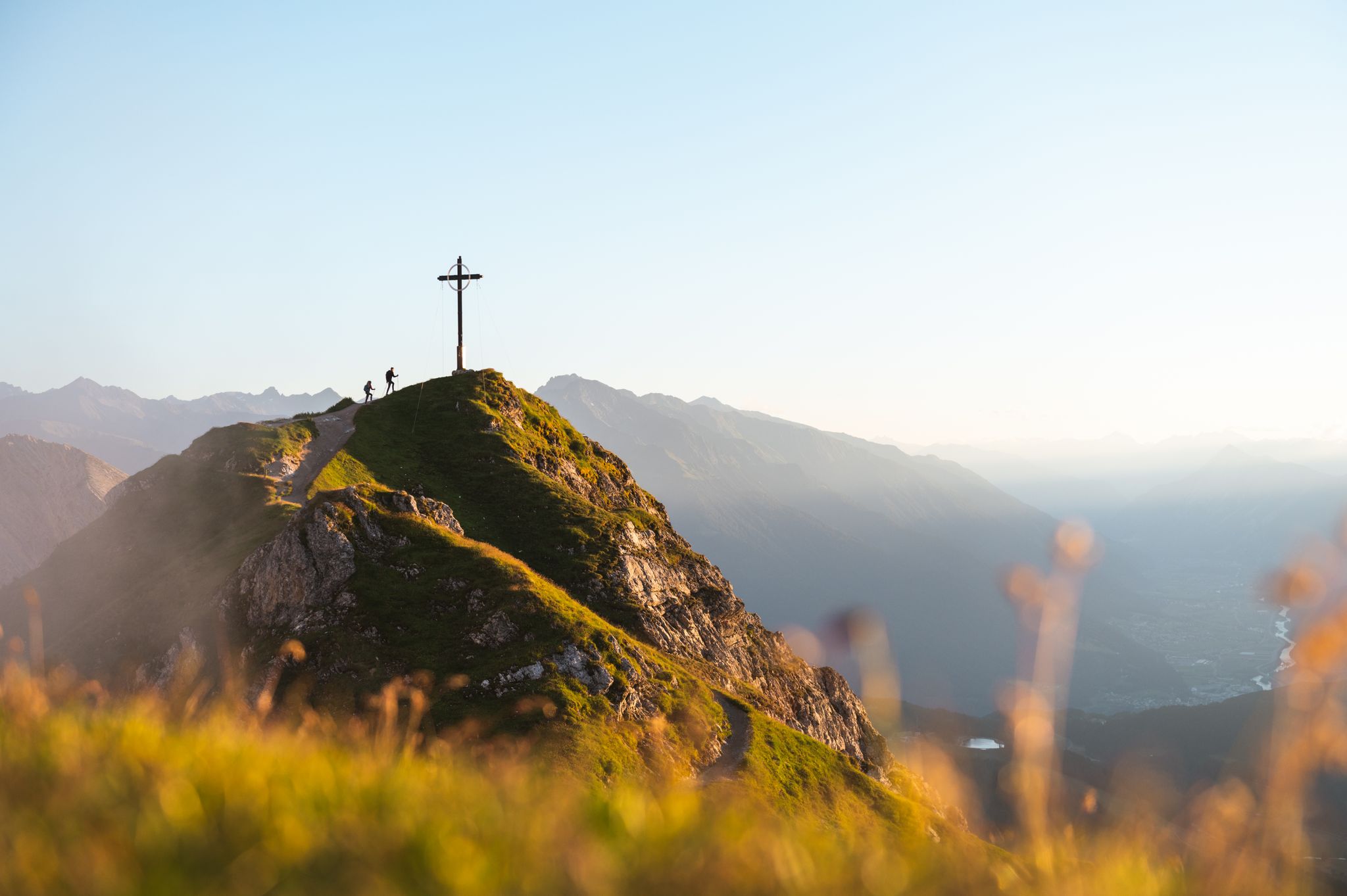
Golden trails and vast views – autumn hiking in the Seefeld region
Other adventures in Karwendel


Tips from the Community


Anyone who has climbed the Seeberspitze should definitely do the ridge crossing. Absolutely worth seeing 😎👌
24
0


As part of the Northern Karwendel Range, the Western Karwendelspitze offers a fascinating mountain backdrop that attracts nature lovers and adventure seekers alike. At 2,385 meters high, the summit promises an unforgettable view over the Karwendel Mountains, the Karwendel Valley, the Isar Valley, and far beyond. The diverse ascent options - be it via the Dammkar, the Karwendelsteig or easily with the cable car from Mittenwald - make the mountain a popular destination for hikers and mountaineers. A special highlight is the partially wire rope-insured path that leads from the Karwendelbahn mountain station to the summit. For those looking for a greater challenge, the Mittenwalder Höhenweg, which leads past the Mittenwalder Hütte, offers more demanding climbing sections. In winter, the Dammkar turns into a paradise for freeriders, with the longest ski tour and freeride descent in Germany. Regardless of the time of year, a tour to the Westliche Karwendelspitze requires good planning, the right equipment and respect for the alpine conditions. Sure-footedness, a head for heights and appropriate physical preparation are essential for a safe and enjoyable mountain experience.
4
0

After the first stage out of the valley, it's easily doable in about 25 minutes
1
0

Majestic peaks. Breathtaking landscapes. With our 70 years of age, we appreciated these moments of communion with the mountains and nature. In short, still beautiful discoveries where all the ingredients were gathered to make it an unforgettable hike.
4
0

You should be used to walking barefoot and be practiced. I went south to north - depending on the snowfields on the descent from the Seebergspitze, it was more or less challenging. No problem today (with impressive cornice photos)
4
1
Frequently Asked Questions
Which mountain peaks in Karwendel are considered family-friendly?
For a family-friendly experience, Hafelekar Peak is an excellent choice. It's a natural monument that is easy to reach and offers fantastic views over the surrounding mountains. Visitors describe it as a beautiful excursion, easily accessible via an asphalt hiking trail.
What are some of the most popular mountain peaks for hiking in Karwendel?
Among the most popular peaks, Seefelder Peak offers a fantastic hike from Seefeld with breathtaking views. Another highly regarded option is Western Karwendel Peak, which provides diverse ascent options, including a cable car from Mittenwald, and panoramic views over the Karwendel Mountains and beyond.
Are there challenging climbs for experienced mountaineers in Karwendel?
Yes, Karwendel offers several challenging climbs. The Reither Spitze Summit, especially when approached from Seefelder Spitze, is a demanding climb requiring sure-footedness and a head for heights. The Mittenwalder Höhenweg near Western Karwendel Peak also features more demanding climbing sections. For the ultimate challenge, Birkkarspitze, the highest peak in the range at 2,749 meters, demands fitness, surefootedness, and an early start.
What kind of views can I expect from the mountain peaks in Karwendel?
The views from Karwendel's peaks are diverse and expansive. From Seefelder Peak, you'll find breathtaking vistas. Seebergspitze offers a wonderful view over the Achensee and the neighboring Rofan mountains. From Western Karwendel Peak, you can see the Karwendel Mountains, the Karwendel Valley, and the Isar Valley. Speckkarspitze provides views of Innsbruck and the Inntal Valley, flanked by the Tux and Stubai Alps, while Kleine Stempeljochspitze offers panoramic views of the Samertal valley and countless other Karwendel peaks.
What are the options for reaching the mountain peaks in Karwendel?
Access varies by peak. Some, like Hafelekar Peak, are easily reached with just a short walk from a cable car station. Seefelder Peak can be reached via a hike from Seefeld, or more easily by taking the funicular to Rosshütte and then a cable car to Seefelder Joch. Western Karwendel Peak offers ascent options via the Dammkar, the Karwendelsteig, or conveniently by cable car from Mittenwald.
Are there opportunities for other outdoor activities near the Karwendel peaks?
Yes, the Karwendel region offers a wide range of outdoor activities beyond peak bagging. You can explore various routes for gravel biking, including challenging loops like the Isar Valley route from Scharnitz. For those who prefer paved roads, there are numerous road cycling routes, such as the scenic road to Ranggen. Additionally, you can discover beautiful waterfall hikes, with easy to moderate options near Achenkirch.
What natural features characterize the Karwendel mountain range?
The Karwendel mountain range is part of the Northern Limestone Alps, characterized by its rugged terrain and extensive wilderness. Key natural features include steep peaks, dramatic limestone cliffs, and vast scree fields. The region is also home to undisturbed wilderness areas, rivers, and diverse flora and fauna, all protected within the Karwendel Nature Park on the Austrian side.
What do visitors enjoy most about the mountain peaks in Karwendel?
Visitors frequently praise the breathtaking and gigantic panoramas from the summits. The variety of routes, from easy cable car access to challenging climbs, is also highly appreciated. Many enjoy the sense of achievement after a demanding ascent and the opportunity to connect with nature in this majestic alpine environment. The well-maintained paths and the clear visibility on good days are often highlighted.
Can I combine peak hikes with ridge crossings in Karwendel?
Yes, combining peak hikes with ridge crossings is a popular and rewarding option for experienced hikers. For instance, after climbing Seebergspitze, it's highly recommended to continue with the ridge hike to Seekarspitze. Similarly, from Seefelder Peak, you can continue across scree fields to the Reither Spitze Summit, which involves a challenging climb along a ridge.
Are there any peaks in Karwendel that are particularly known for winter activities?
Yes, in winter, the Dammkar area near Western Karwendel Peak transforms into a renowned freeriding paradise. It features Germany's longest ski tour and freeride descent, attracting winter sports enthusiasts looking for challenging off-piste experiences.
What is the highest mountain peak in the Karwendel range?
The highest and most prominent peak in the Karwendel range is Birkkarspitze, reaching an elevation of 2,749 meters (9,019 ft). Conquering this summit offers a profound sense of achievement and some of the most expansive views across the Karwendel.
Most popular routes in Karwendel
Most popular attractions in Karwendel

Get inspired with the komoot mobile app


Explore more
See even more amazing summits in Karwendel with these guides:
