Attractions and Places To See in Sierra De Andújar - Top 20
Best attractions and places to see in Sierra De Andújar, located in the Sierra Morena, include a blend of natural landscapes, cultural heritage, and historical sites. This protected natural area is known for its diverse ecosystems and significant biodiversity, including the Iberian lynx. The region features gently rolling hills, Mediterranean forests, and prominent rivers like the Yeguas and Jándula. It offers a range of historical and religious landmarks, reflecting its past.
Best attractions and places to see in Sierra De…
Last updated: July 1, 2026
Sanctuary of the Virgin of the Cabeza
Highlight • Religious Site
Translated by Google •
Tip by

San Ginés Hermitage
Highlight • Religious Site
Translated by Google •
Tip by

Sign up now to discover places like this
Get recommendations on the best single tracks, peaks, & plenty of other exciting outdoor places.
Sign up for free
Trail to Cerro del Cabezo in Sierra de Andújar Natural Park
Highlight • Trail
Translated by Google •
Tip by

Obejo Bridge over the Yeguas River
Highlight • Bridge
Translated by Google •
Tip by

La Recta and Mesteñuelo Stream Trail
Highlight (Segment) • Trail
Translated by Google •
Tip by
Sign up for free to discover even more attractions in Sierra De Andújar.
Sign up for free
Already have an account?
Start today with a free account
Your next adventure awaits.
Login or Signup
Popular around Sierra De Andújar

Other adventures in Sierra De Andújar

Tips from the Community

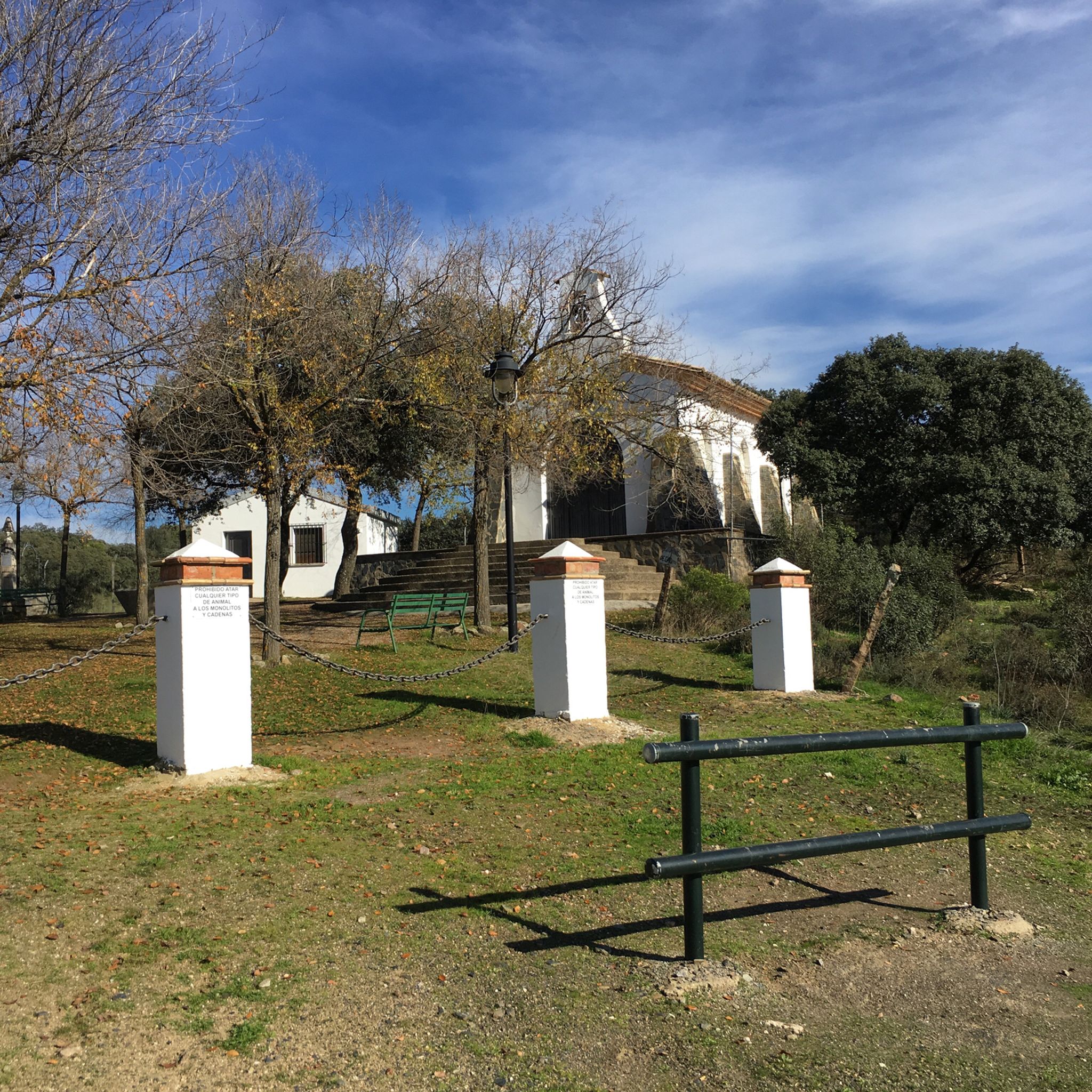
The first stop on the old road to the Sanctuary of the Virgin of the Head is where pilgrims rest and have a light lunch before continuing their journey. Here you'll find several watering troughs so the horses can quench their thirst during the approximately 20-kilometer trek from the city of Andújar. A small chapel has also been built where pilgrims can pray to the Virgin.
6
0

The Sanctuary of the Virgin of the Head is located in the Sierra de Andújar Natural Park. This sanctuary is one of the oldest in Spain, with a history dating back to the 13th century. It is known for its impressive Gothic architecture and religious significance, making it a very popular pilgrimage site. Every year, on the last weekend of April, a pilgrimage is held in honor of the Virgin of the Head, attracting thousands of pilgrims from all over Spain. During this festival, devotees climb the Cabezo hill, where the sanctuary is located, to pay homage to the Virgin.
2
0
Since 1227, the date on which the apparition of the Virgin of the Head to Pastor Juan de Rivas is recorded, the celebration of the pilgrimage is commemorated on the last Sunday of April of each year, although the apparition took place on the night of the 11th. to August 12, 1227 in whose memory a kind of small pilgrimage is also celebrated on that date in the same Sanctuary of the Virgin of the Head.
6
1
The hermitage of San Ginés is an important milestone for pilgrim walkers who make the journey from Andújar to the Sanctuary of the Virgen de la Cabeza, along what is known as the old road or bridle path. San Ginés is the place where there is a kind of hill that leaves Andújar behind in the view, to soon resume the views of the Jándula river valley. Walkers usually stop there to rest and regain strength. The hermitage and its surroundings were also rehabilitated a few years ago.
10
0
It is a trail that is located within the Sierra de Andújar Natural Park, and is not open to the public
8
0
Impressive Basilica full of history that guards the Virgen de la Cabeza, patron saint of Andújar and the Diocese of Jaén, becoming the oldest Pilgrimage in Spain since 1227
18
1
It is a hermitage of the same name and a resting place for pilgrims on the way up to the Sanctuary of the Virgin of the Head. From here a descent begins until the passage through the Jándula River.
13
0
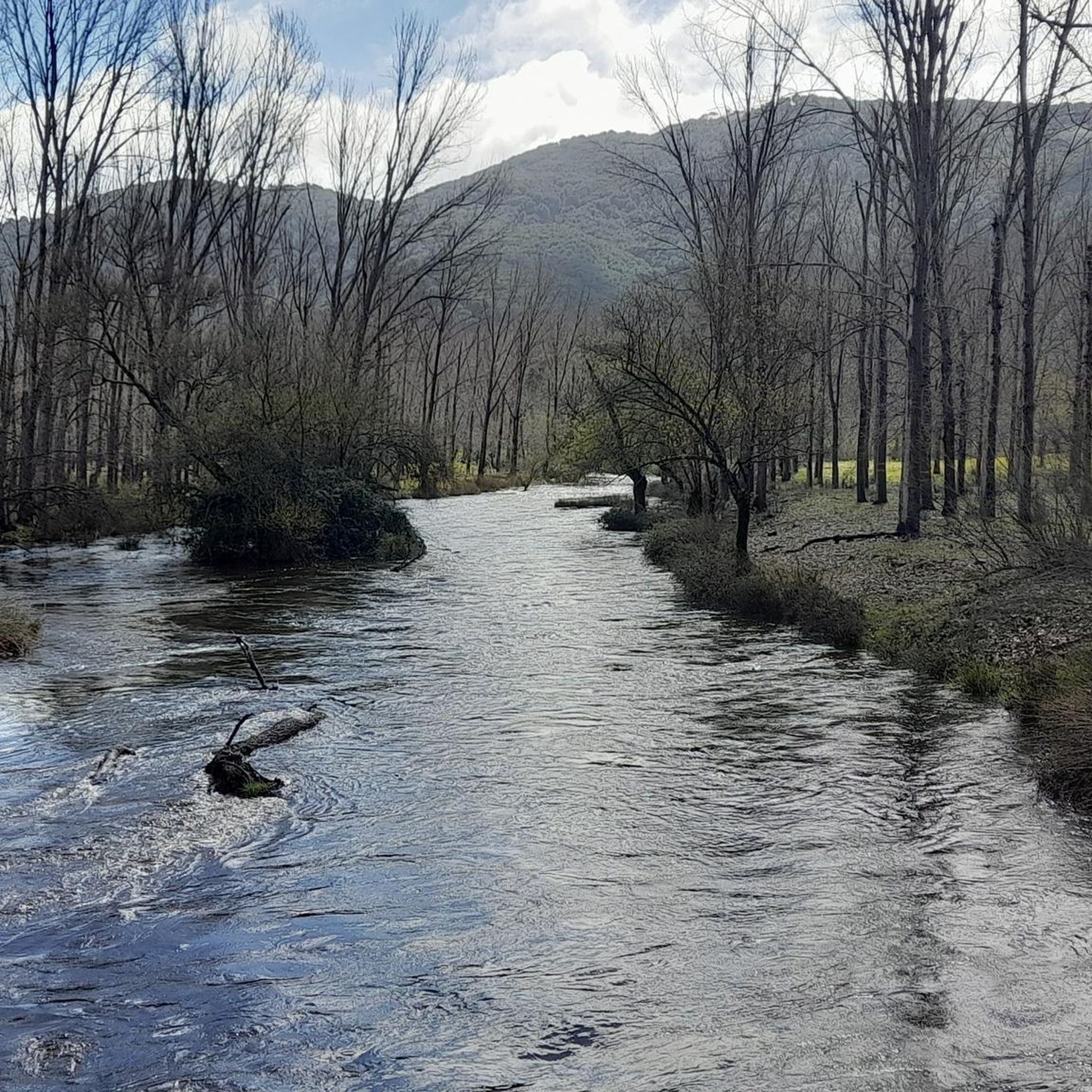
This route will take you through the meander of the Yeguas River, passing through the Obejo Bridge. You will enjoy stunning views and a unique natural environment.
4
0
Frequently Asked Questions
What unique natural features can I explore in Sierra De Andújar?
Sierra de Andújar is characterized by gently rolling hills and dense Mediterranean forests of holm oak and cork oak. Key natural features include the Yeguas and Jándula rivers, which boast well-preserved riparian forests. The park is also part of the Sierra Morena Starlight Reserve, offering exceptional conditions for stargazing due to minimal light pollution.
What historical and cultural sites can I visit in the Sierra de Andújar region?
Beyond the natural beauty, the region offers a rich history. You can explore the ancient Obejo Bridge over the Yeguas River, which dates back to Roman times. The town of Andújar itself features a Roman Bridge over the Guadalquivir, the 17th-century Palacio Municipal, and historic churches like Iglesia de Santa María la Mayor. Additionally, the nearby municipality of Baños de la Encina is home to Burgalimar Castle, one of Europe's oldest castles.
Are there any significant religious landmarks in Sierra De Andújar?
Yes, the most prominent religious site is the Sanctuary of the Virgin of the Cabeza, perched atop the Cerro del Cabezo. It is one of Andalusia's most visited sanctuaries and the site of Spain's oldest pilgrimage, the "Romería de la Virgen de la Cabeza," held annually. Another important stop for pilgrims is the San Ginés Hermitage, offering views of the Jándula river valley.
What activities are available for nature enthusiasts and wildlife observers?
Sierra de Andújar is a critical refuge for endangered species, most notably the Iberian lynx, making it an excellent location for wildlife observation and photographic safaris. Other significant wildlife includes wolves, black vultures, and imperial eagles. With 178 different bird species, the park is also a prime destination for bird watching. Numerous viewpoints like El Peregrino and Mingorramos offer spectacular panoramas and opportunities to spot raptors, deer, and fallow deer.
Are there family-friendly activities or attractions in Sierra De Andújar?
Many attractions in Sierra de Andújar are suitable for families, including the Sanctuary of the Virgin of the Cabeza and the San Ginés Hermitage. The park's visitor centers, such as the Viñas de Peñallana Visitor Centre and the Cercado del Ciprés Visitor Centre (which features the Iberian Lynx Ecomuseum), provide educational experiences for all ages. Easy hiking trails, like those found in the Easy hikes in Sierra De Andújar guide, are also great for families.
What is the best time of year to visit Sierra De Andújar for outdoor activities or wildlife viewing?
The Sierra de Andújar experiences a Mediterranean climate. While specific best times for all activities vary, spring and autumn generally offer pleasant temperatures for hiking and wildlife observation. For specific wildlife like the Iberian lynx, winter months can be ideal as the vegetation is less dense, making sightings easier. The annual "Romería de la Virgen de la Cabeza" pilgrimage takes place on the last Sunday of April.
Where can I find visitor information and learn more about the park's ecosystems?
There are two main visitor centers. The Viñas de Peñallana Visitor Centre, located inside the nature reserve, provides comprehensive information on the park's ecosystems, flora, and fauna, including exhibitions on the lynx and wolf. The Cercado del Ciprés Visitor Centre, on the outskirts of Andújar, also offers information and houses the Iberian Lynx Ecomuseum where captive lynx specimens can be seen on guided tours.
What kind of hiking trails are available in Sierra De Andújar?
The park is crisscrossed by numerous paths and trails, offering a diverse range of hiking experiences. You can find everything from easy short trails, as detailed in the Easy hikes in Sierra De Andújar guide, to more challenging circuits like the Trail to Cerro del Cabezo in Sierra de Andújar Natural Park. The "Old path to the Sanctuary" is a traditional 22-kilometer pilgrim route. For those interested in waterfalls, check out the Waterfall hikes in Sierra De Andújar guide.
Are there options for cycling in Sierra De Andújar?
Yes, mountain biking is a popular activity in Sierra de Andújar, with many trails suitable for cycling. For road cycling enthusiasts, there are several routes available, such as those listed in the Road Cycling Routes in Sierra De Andújar guide, which include challenging ascents and scenic loops through the natural park.
Can I enjoy water activities in the park?
Yes, low environmental impact water activities such as canoeing, kayaking, and pedal boating can be enjoyed in certain areas, particularly on the Jándula river and its reservoirs, Embalse del Encinarejo and Embalse del Jándula. These rivers are important for the park's diverse wildlife, including otters.
What can I expect when visiting the town of Andújar itself?
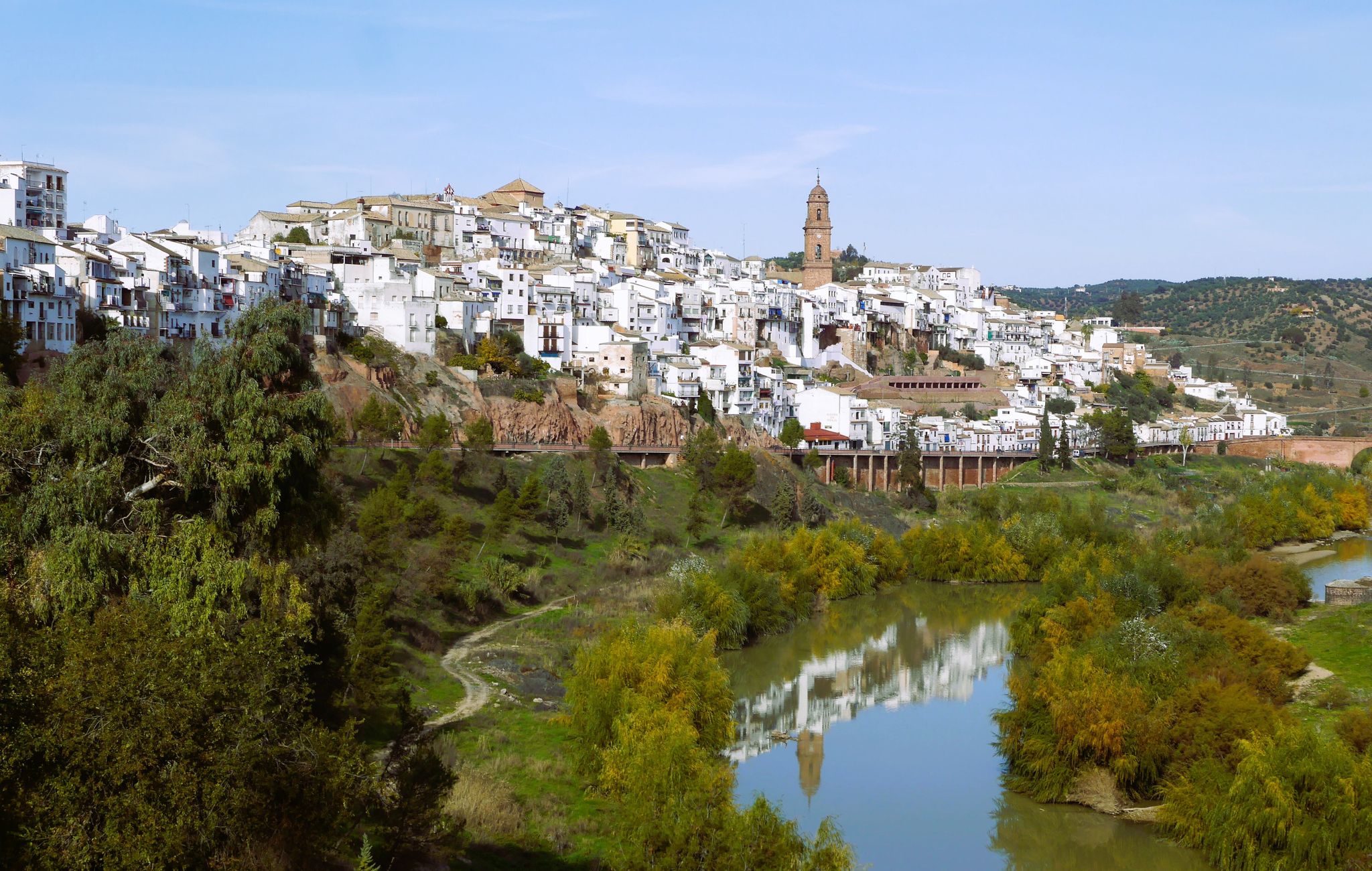
The town of Andújar, which gives the park its name, offers a rich architectural heritage. You can see the ancient Roman Bridge over the Guadalquivir River, visit the monumental Palacio Municipal, and explore historic churches like Iglesia de San Miguel and Iglesia de Santa María la Mayor. The town also features the Archaeological Museum Profesor Sotomayor and La Casa del Alfarero (Potter's House), showcasing local history and crafts.
Are there any specific trails that require permits in Sierra De Andújar?
Yes, some trails within the Sierra de Andújar Natural Park require a permit. For example, the La Recta and Mesteñuelo Stream Trail is not open to the public without prior authorization. Access control is in place, and it is mandatory to request permission through the network of national parks website, with a limited capacity of visitors per day.
Most popular routes in Sierra De Andújar
Most popular attractions in Sierra De Andújar

Get inspired with the komoot mobile app


Explore more
Still not found the Highlight you’re looking for? See guides of the top attractions in other regions:
