The best road cycling routes in Salado De Lebrija-Las Cabezas
3.0
(2)
167
riders
19
rides
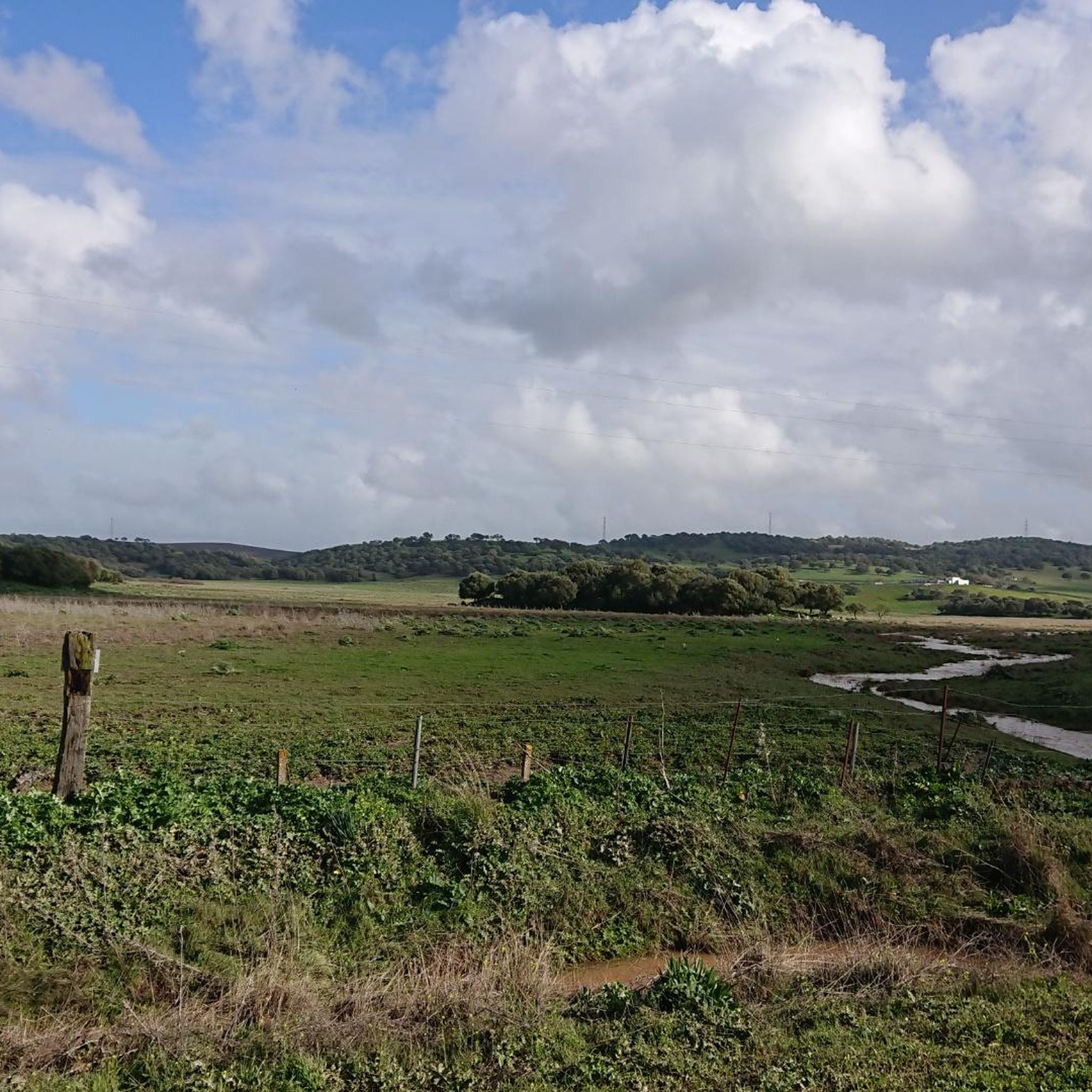
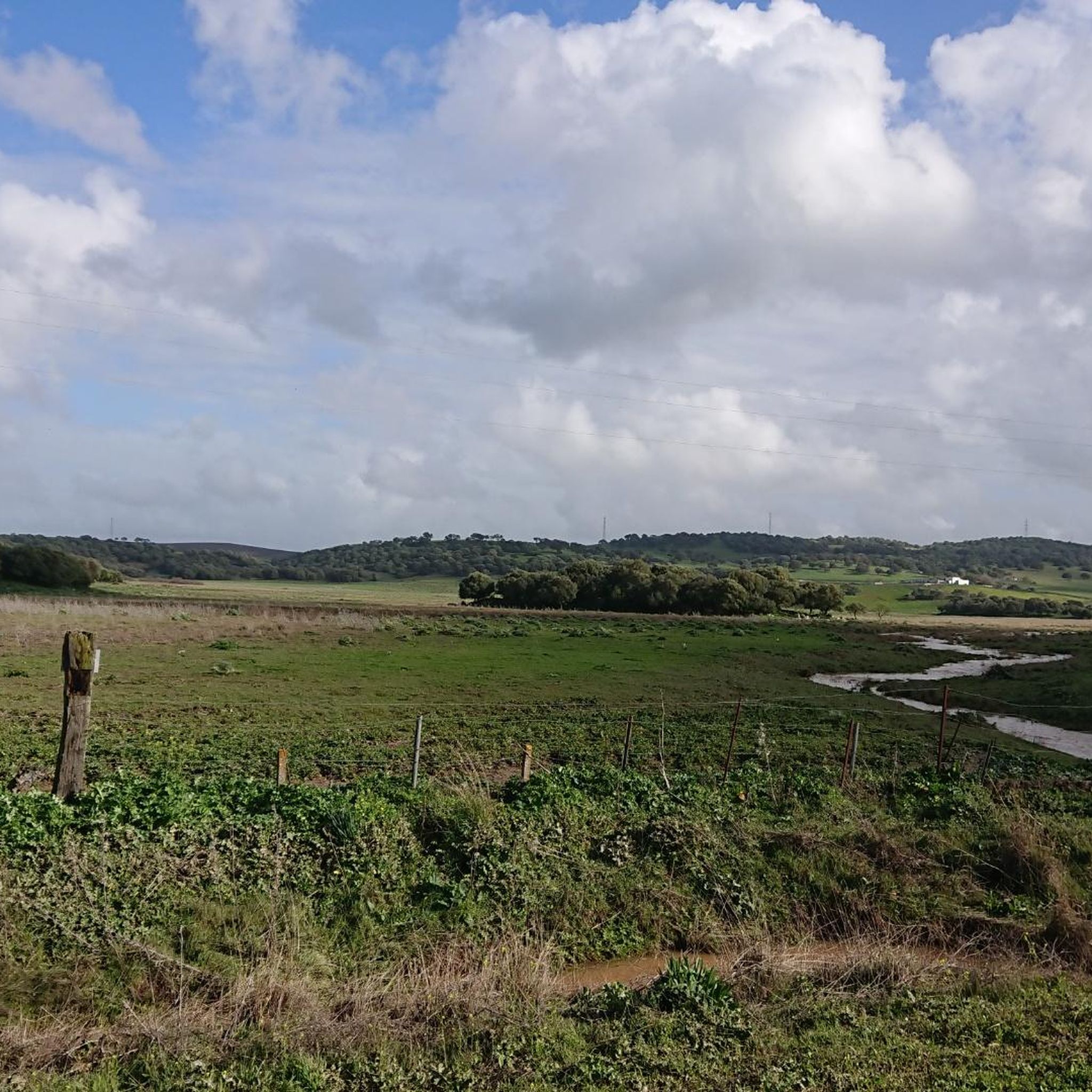
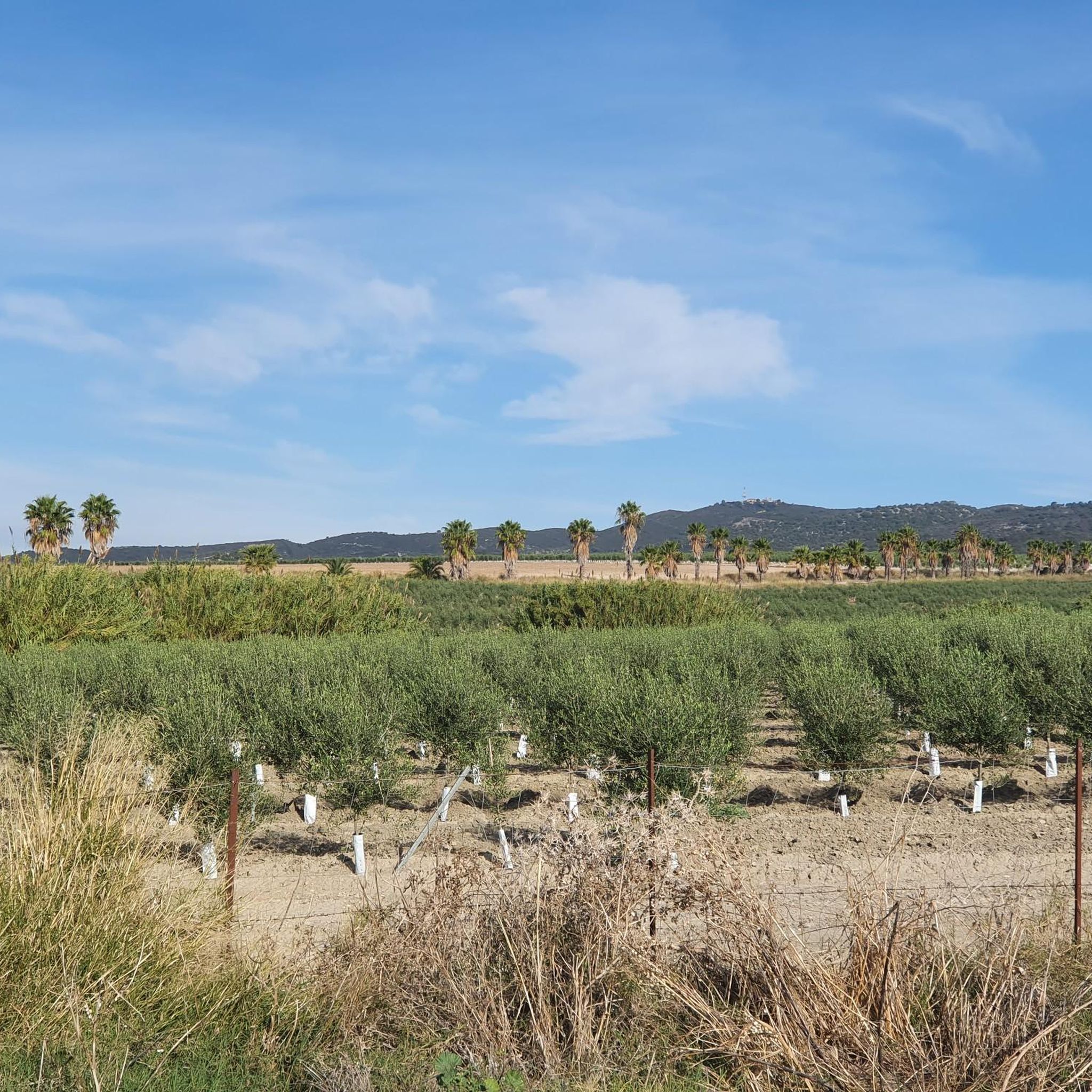
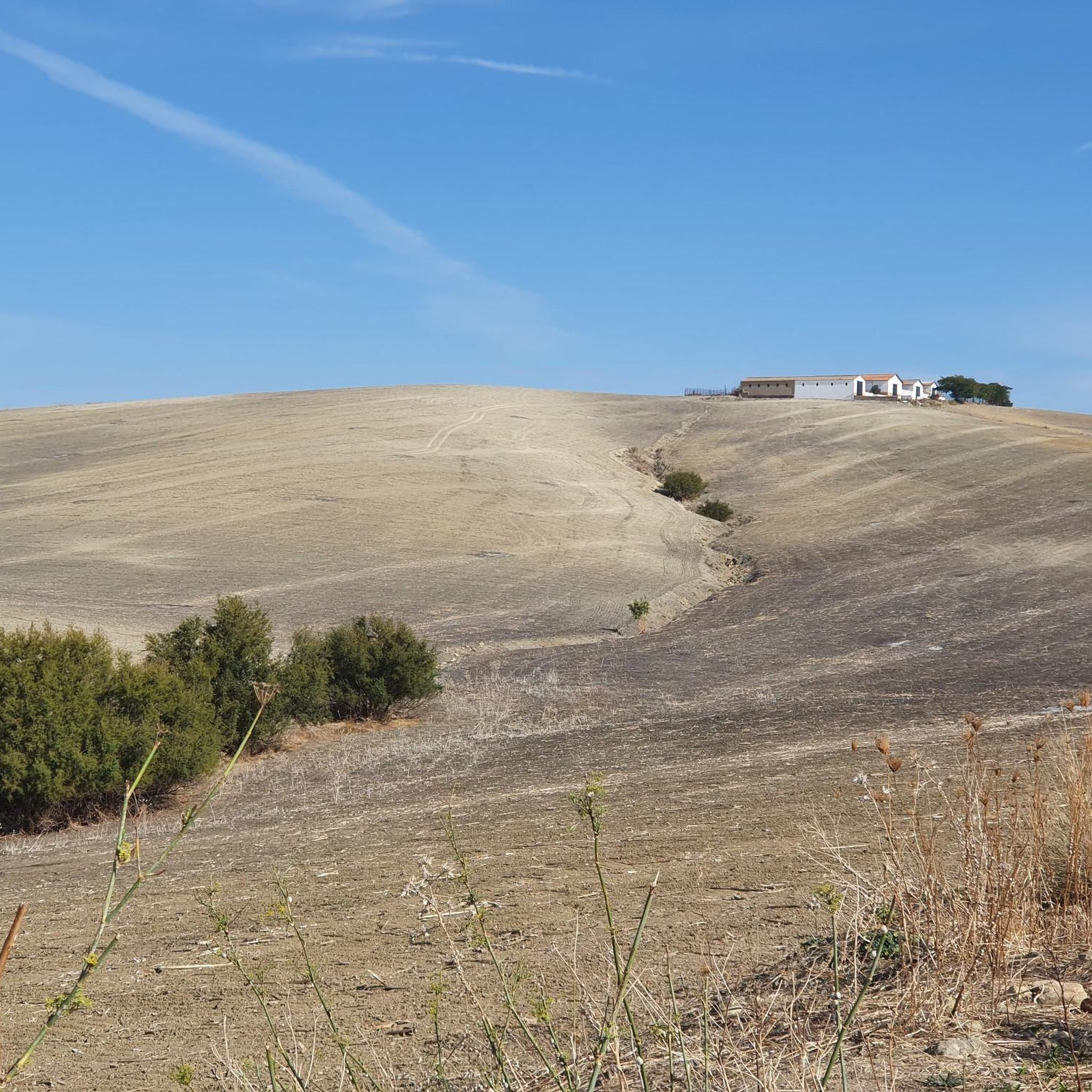
Road cycling in Salado De Lebrija-Las Cabezas features a landscape characterized by the Salado de Lebrija stream, which forms an ecological corridor connecting various natural spaces. The terrain includes extensive agricultural lands, pastures, and pockets of Mediterranean scrubland, particularly in more rugged areas. Cyclists navigate a network of rural roads and livestock trails that traverse cultivated fields and country estates, offering varied scenery. The region's endorheic complex, with its shallow lagoons, contributes to a diverse natural setting for road cycling.
…Last updated: July 11, 2026
6
riders
31.1km
01:22
220m
220m
Easy road ride. Great for any fitness level. Mostly well-paved surfaces and easy to ride.
5
riders
46.5km
02:15
650m
650m
Moderate road ride. Good fitness required. Mostly well-paved surfaces and easy to ride.

Sign up for free
5
riders
30.2km
01:22
310m
310m
Moderate road ride. Good fitness required. Mostly well-paved surfaces and easy to ride.
25
riders
Moderate road ride. Good fitness required. Mostly well-paved surfaces and easy to ride.
1.0
(1)
18
riders
Easy road ride. Great for any fitness level. Mostly well-paved surfaces and easy to ride.
Get access to more routes and recommendations from other explorers.
Sign up for free
Already have an account?
Our route recommendations are based on thousands of hikes, rides, and runs completed by other people on komoot.
Start today with a free account
Your next adventure awaits.
Login or Signup
Popular around Salado De Lebrija-Las Cabezas
Tips from the Community

It's one of Andalusia's most iconic villages, perched on a rock with spectacular views of the Guadalete River. Its narrow, steep streets, whitewashed houses, and viewpoints invite you to wander leisurely. Furthermore, its historic center, declared a Historic-Artistic Site, perfectly reflects the essence of the White Villages.
0
0

I will especially remember the steep slopes to get there.
10
0
The church was built in the 15th century by the Duchy of Arcos, which had the dominion over the city of Los Palacios. The Ponce de León family felt a great devotion to the Virgen de las Nieves, patron saint of their city, so they dedicated the temple of Los Palacios to this Marian devotion. Inside, the organ stands out, built by Francisco de Ortiguez in 1747. In 2001, the palace sculptor and restorer Juan Manuel Martín rebuilt the old wooden monstrance from the seventeenth century, transforming it into a small temple that processions in the corpus, with an image of the Child Jesus. The church is in Baroque style with several neoclassical contributions. The highlight of the parish church is the main altarpiece, the work of the Flemish master painter Pablo Legot and dating from the seventeenth century (1631-36). The three canvases that make it up stand out: the central canvas representing "The Adoration of the Shepherds" and the side canvases with the two saints John, the Baptist and the Evangelist. The primitive altarpiece must have been modified in 1712 and definitively rebuilt in 1865.
5
0
The Church of San Juan Bautista, in the municipality of Las Cabezas de San Juan, province of Seville, stands out for its great size, robustness and beauty. It is located in the highest part of the city, on a hill that dominates a wide plain, a place of great strategic importance for which it has been inhabited since ancient times and is a defining element in the urban image of the city.
6
0
Utrera is located close to the Laguna de Fuente de Piedra, one of the largest salt lakes in Andalusia and an important breeding ground for flamingos. The best time to see flamingos is from March to July, when they breed and raise their young.
6
0


Las Cabezas de San Juan is a town in the province of Seville and has a beautiful church called Parroquia San Juan Bautista, where it offers a wide square in front of its portal to stop and bathe.
1
0

Las Cabezas de San Juan is a municipality located in the Lower Guadalquivir and where we can enjoy the Baroque church of San Juan Bautista, which dominates the entire plain from the top of the town. The Plaza de los Mártires, in memory of Colonel Riego, is also worth a visit.
1
0
Frequently Asked Questions
What kind of terrain can I expect on road cycling routes in Salado De Lebrija-Las Cabezas?
The region offers a diverse landscape for road cycling, primarily characterized by extensive agricultural lands, pastures, and pockets of Mediterranean scrubland. You'll navigate a network of rural roads and livestock trails that traverse cultivated fields, haciendas, and country estates, providing varied and picturesque scenery.
Are there road cycling routes suitable for beginners in Salado De Lebrija-Las Cabezas?
Yes, Salado De Lebrija-Las Cabezas offers routes for various ability levels, including easy ones. Out of the 19 available road cycling routes, 3 are specifically categorized as easy, making them suitable for beginners or those looking for a more relaxed ride.
What natural features or landmarks can I see while cycling in the region?
Cyclists can enjoy views of the Salado de Lebrija stream, which is a vital ecological corridor. The region also features the Endorheic Complex of Lebrija-Las Cabezas, a protected natural reserve with shallow lagoons like Pilón and Taraje. You'll also pass through farmland, marshes, and vineyards, with opportunities for birdwatching due to the diverse bird populations.
What is the best time of year to go road cycling in Salado De Lebrija-Las Cabezas?
While specific seasonal recommendations are not provided, the region's climate generally makes it suitable for outdoor activities. Consider spring and autumn for milder temperatures, which are often ideal for cycling. Summers can be hot, and winter might bring more rainfall, affecting the water levels of the lagoons.
Are there any circular road cycling routes available?
Yes, many routes in the area are designed as loops. For example, the Circular Route of Las Cabezas de San Juan is a moderate 33.6-mile (54.1 km) option that showcases the region's diverse scenery.
Where can I find parking for road cycling routes in Salado De Lebrija-Las Cabezas?
While specific parking locations for each route are not detailed, starting points for many routes are often near towns like Espera or Las Cabezas de San Juan. It is advisable to look for public parking facilities within these towns when planning your ride.
Are there any family-friendly road cycling routes in the area?
Given the presence of easy-grade routes and the network of rural roads, some paths could be suitable for families. The agricultural landscapes and quiet rural roads offer a pleasant environment for less experienced cyclists. Always check the route's difficulty and distance before heading out with family.
What do other road cyclists enjoy most about cycling in Salado De Lebrija-Las Cabezas?
The area is highly rated by the komoot community, with an average score of 5.0 stars. Cyclists often praise the varied terrain, which includes agricultural lands, pastures, and rural roads, offering a unique and engaging experience away from heavy traffic.
How many road cycling routes are available in Salado De Lebrija-Las Cabezas?
There are 19 road cycling routes available in Salado De Lebrija-Las Cabezas on komoot, catering to various difficulty levels from easy to difficult.
Can I find cafes or accommodation near the cycling routes?
Towns such as Las Cabezas de San Juan and Lebrija, which serve as common starting points or pass-through areas for routes, offer amenities like cafes, pubs, and accommodation options. The Hacienda de San Rafael near Las Cabezas de San Juan is also a notable charming accommodation option.
Are there any routes that offer views of reservoirs or dams?
Yes, the Bornos Reservoir Viewpoint – Arcos Dam loop from Espera is a popular route that specifically offers views of both the Bornos Reservoir and the Arcos Dam, providing scenic waterside cycling.
What is the longest road cycling route available?
One of the longer routes is the Las Cabezas de San Juan – Las Cabezas de San Juan loop from Las Cabezas de San Juan, which covers 44.4 miles (71.5 km) and leads through diverse regional terrain.
Are there any Vías Verdes (Greenways) in Salado De Lebrija-Las Cabezas suitable for road cycling?
The region is characterized by rural roads and livestock trails rather than designated Vías Verdes. These existing paths through cultivated fields and country estates provide excellent conditions for road cycling, offering a similar experience to greenways in terms of traffic-free or low-traffic environments.
Most popular routes in Salado De Lebrija-Las Cabezas

Get inspired with the komoot mobile app


Explore more
Browse the best Road cycling routes in other regions.
