The best road cycling routes in Estuario Del Río Tinto
4.5
(46)
2,897
riders
76
rides
Road cycling in Estuario Del Río Tinto features routes through a natural park setting, characterized by coastal plains, riverine landscapes, and agricultural areas. The terrain is generally flat to gently rolling, offering accessible cycling experiences. This region provides a mix of open roads and routes that pass through small towns and natural reserves.
Best road cycling routes in Estuario Del Río Tinto
- The most popular road cycling route is Mazagon, Palos de la Frontera, Moguer, Lucero del Puerto – circular route, a 42.5 miles (68.4 km) trail that takes 2 hours 54 minutes to complete. This moderate route connects several historical towns and coastal areas.
- Another top favourite among local road cyclists is El Rompido Lighthouse – El Portil Beach loop from Huelva, a moderate 38.9 miles (62.6 km) path. This route offers views of the coastline and passes by significant landmarks.
- Local road cyclists also love the Scenic Route Malpica (A-5058) – La Antilla Beach loop from Huelva, a 59.7 miles (96.0 km) trail leading through coastal scenery and natural park areas, often completed in about 3 hours 53 minutes.
- Road cycling in Estuario Del Río Tinto is defined by coastal paths, riverine routes, and natural park areas. The network offers options for easy, moderate, and more challenging ability levels.
- The routes in Estuario Del Río Tinto are highly rated by the komoot community with an average score of 4.6 stars from more than 30 reviews. More than 2,200 road cyclists have used komoot to explore Estuario Del Río Tinto's varied terrain.
Last updated: August 27, 2026
3
riders
68.4km
02:54
470m
470m
Moderate road ride. Good fitness required. Some segments of this route may be unpaved and difficult to ride.
5.0
(1)
218
riders
62.6km
02:30
260m
260m
Moderate road ride. Good fitness required. Mostly well-paved surfaces and easy to ride.

Sign up for free
4.3
(3)
156
riders
52.1km
02:04
150m
150m
Moderate road ride. Good fitness required. Mostly well-paved surfaces and easy to ride.
5.0
(3)
113
riders
51.4km
02:00
80m
80m
Moderate road ride. Good fitness required. Mostly well-paved surfaces and easy to ride.
59
riders
37.7km
01:30
120m
120m
Easy road ride. Great for any fitness level. Mostly well-paved surfaces and easy to ride.
Get access to more routes and recommendations from other explorers.
Sign up for free
Already have an account?
Our route recommendations are based on thousands of hikes, rides, and runs completed by other people on komoot.
Start today with a free account
Your next adventure awaits.
Login or Signup
Tips from the Community

Huelva Cathedral, officially known as the Holy Cathedral of Our Lady of Mercy, is one of the city's most iconic monuments, with a rich history spanning several centuries and architectural styles. It began as a convent of the Discalced Mercedarians in 1605, on the site of the former hermitage of San Roque, by order of Alonso Pérez de Guzmán, 7th Duke of Medina Sidonia.
2
0

as of spring 2025 the bridge is open and there is a safe separated cycling line
0
0

Among all the churches in the city, the parish church of La Merced, due to its history and physiognomy, was chosen to be the seat of the Cathedral Chapter and Holy Cathedral when the Diocese of Huelva was separated from the Archdiocese of Seville on November 26, 1953. The church was inaugurated as the Cathedral of Huelva on March 15, 1954.
6
0

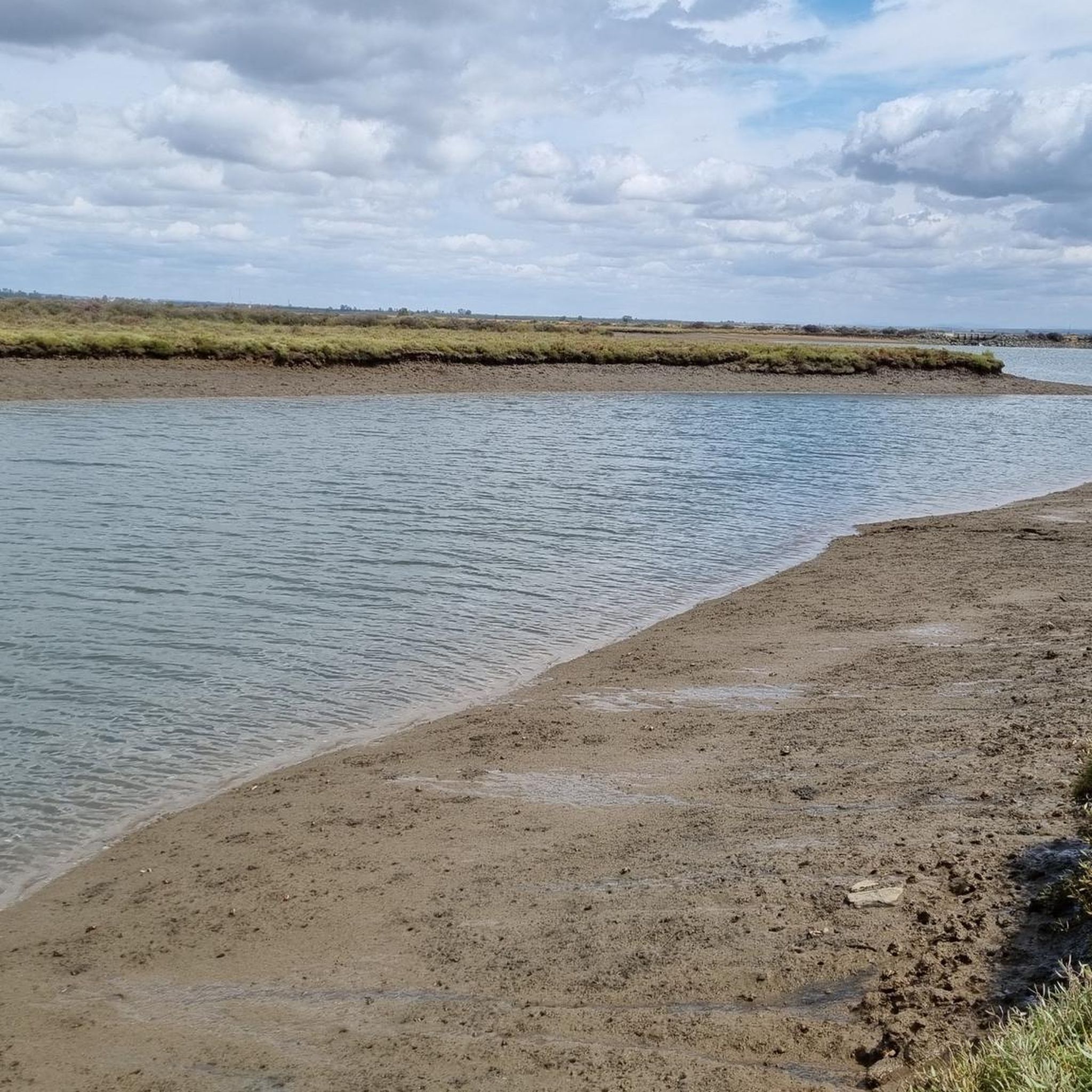
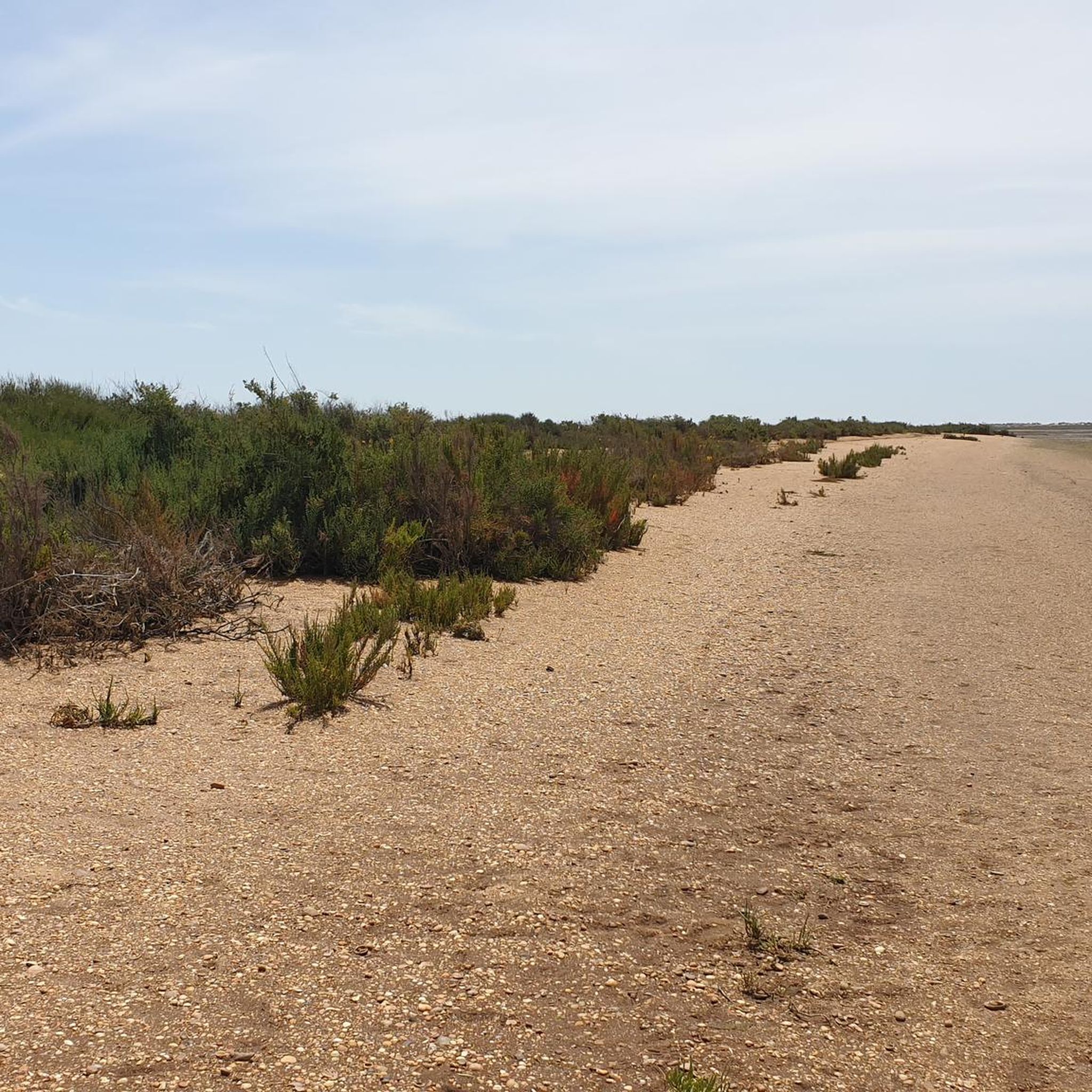
Area of marshes of great beauty, although it is better not to go in summer, when everything is very dry.
0
0


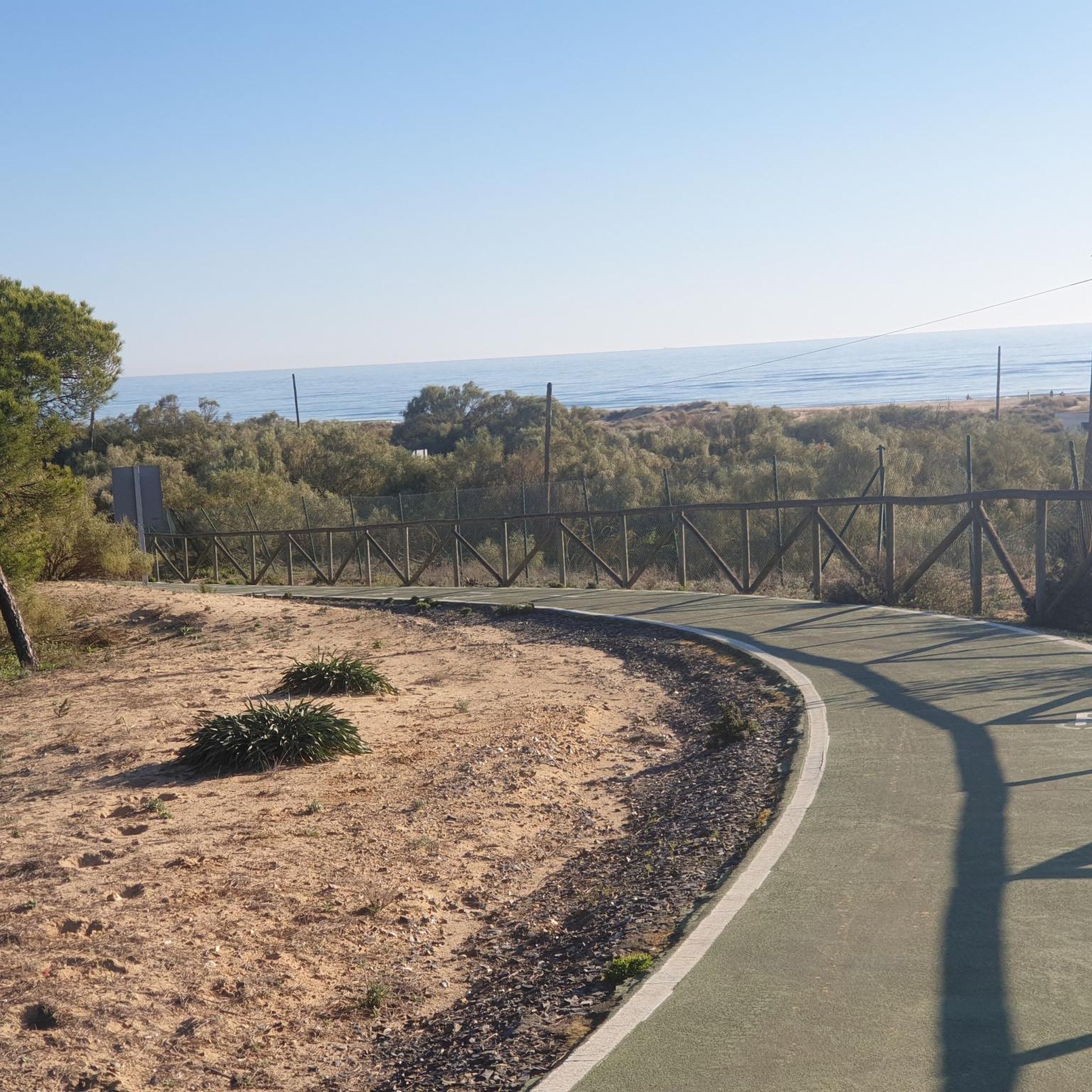
In the vicinity of the Doñana National Park, Mazagón is one of the most beautiful places on the Huelva coast. It has pine trees down to the sand, wild dunes, and miles of virtually deserted pristine sand beaches.
0
0
Town in the middle of a landscape of fertile land dedicated mostly to the cultivation of cereals, olive trees, vineyards, fruit and vegetables. It also has an area of environmental interest, the Pilar de Santa Catalina. As a monument of interest, it is worth seeing the Convento de la Luz.
1
0
This neighborhood of single-family houses was built for the workers of the Rio Tinto Company Limited. It is interesting to walk through its streets and see the mix of architectural styles in its buildings.
0
1
Frequently Asked Questions
Are there easy road cycling routes suitable for beginners in Estuario Del Río Tinto?
Yes, the Estuario Del Río Tinto region offers a good selection of routes for beginners. With its generally flat to gently rolling terrain, there are over 25 easy road cycling routes available, perfect for those new to the sport or looking for a relaxed ride.
What options are available for experienced road cyclists seeking a challenge in Estuario Del Río Tinto?
While the region is known for its accessible terrain, there are a few routes that offer more challenge. For instance, the El Portil Beach – El Rompido Lighthouse loop from Huelva is a longer ride at over 100 km, providing a good endurance test. The area features a couple of routes categorized as difficult, offering more elevation gain for those seeking a tougher workout.
What are the typical distances and elevations for road cycling routes in the Estuario Del Río Tinto region?
Road cycling routes in Estuario Del Río Tinto vary, but many fall into the moderate category, ranging from 40 km to 100 km. For example, the Mazagon, Palos de la Frontera, Moguer, Lucero del Puerto – circular route is about 68 km with around 470 meters of elevation gain, offering a balanced ride. The terrain is generally flat to gently rolling, so significant climbs are less common.
Are there many circular road cycling routes in Estuario Del Río Tinto?
Yes, many road cycling routes in Estuario Del Río Tinto are designed as loops, allowing you to start and finish in the same location. Popular circular options include the El Rompido Lighthouse – El Portil Beach loop from Huelva, which offers coastal views, and the Scenic Route Malpica (A-5058) – La Antilla Beach loop from Huelva, taking you through scenic coastal and natural park areas.
Can families enjoy road cycling in Estuario Del Río Tinto?
Absolutely. The region's predominantly flat to gently rolling terrain and numerous easy routes make it very suitable for families. Many paths follow quiet roads or dedicated cycle paths, offering a safe and enjoyable experience for cyclists of all ages. Look for the easier-rated routes for the most family-friendly options.
What is the best time of year for road cycling in Estuario Del Río Tinto?
The mild climate of Estuario Del Río Tinto makes it suitable for road cycling for much of the year. Spring (March to May) and autumn (September to November) are particularly pleasant, with comfortable temperatures and less chance of extreme heat. Winter can also be a good option, offering cooler, crisp days, while summer might be very warm, especially midday.
Are there scenic viewpoints along the road cycling routes in Estuario Del Río Tinto?
Many routes in Estuario Del Río Tinto offer scenic views, particularly those along the coast and riverine landscapes. You can expect vistas of the Atlantic coastline, the Río Tinto estuary, and the surrounding natural park areas. Routes like the Scenic Route Malpica (A-5058) – Corrales loop from Huelva provide picturesque stretches through the natural environment.
What kind of wildlife might I spot while road cycling in Estuario Del Río Tinto?
Given its natural park setting and proximity to the estuary, road cyclists might encounter various bird species, especially along the riverbanks and coastal areas. The Marismas del Odiel Natural Park, which is part of the estuary, is a significant wetland for migratory birds, so keep an eye out for flamingos, storks, and other waterfowl, particularly during migration seasons.
What do other road cyclists enjoy most about road cycling in Estuario Del Río Tinto?
The komoot community highly rates road cycling in Estuario Del Río Tinto, with an average score of 4.6 stars from over 30 reviews. Cyclists often praise the region's diverse scenery, which includes coastal paths, riverine routes, and natural park areas, as well as the well-maintained roads and the variety of routes suitable for different skill levels.
Are there cafes or places to stop for refreshments along the road cycling routes?
Yes, many road cycling routes in Estuario Del Río Tinto pass through or near small towns and villages, offering opportunities to stop for refreshments. Coastal towns and those along the main routes often have cafes, bars, and restaurants where you can refuel. Planning your route in advance can help identify suitable stopping points.
Is parking available for road cyclists in Estuario Del Río Tinto?
Parking is generally available in the towns and cities that serve as common starting points for road cycling routes, such as Huelva, Mazagón, or Palos de la Frontera. Look for public parking areas, especially near the town centers or designated visitor spots. It's advisable to check local parking regulations and availability beforehand, especially during peak seasons.
What should I wear for road cycling in Estuario Del Río Tinto?
Given the region's climate, lightweight, breathable cycling apparel is recommended, especially during warmer months. In spring and autumn, layers might be useful for cooler mornings or evenings. Always bring sun protection, including sunscreen and sunglasses, as well as a helmet. A windbreaker can be beneficial for coastal sections.
Most popular routes in Estuario Del Río Tinto

Get inspired with the komoot mobile app


Explore more
Browse the best Road cycling routes in other regions.
